Prophecies concerning the fall of the Ottoman Empire by two Byzantine Emperors,
in a 19th-century armorial binding


[PROPHECIES - OTTOMAN EMPIRE].
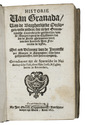
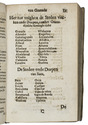
Prophetien, of voorseggingen der beyde Keyseren Severi en Leonis, die beyde in Orienten gheregeert hebben. In de welcke het hem laet aensien als of het Turcksche Rijck onder desen teghenwoordigen Sultan wel een eynde mocht nemen. Hier sijn byghevoeght eenighe andere Vooorseggingen ... ende met veele copere figuyren verciert.
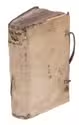
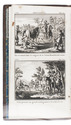
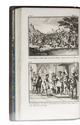
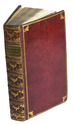
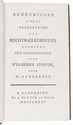
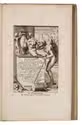
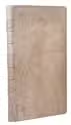
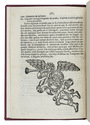
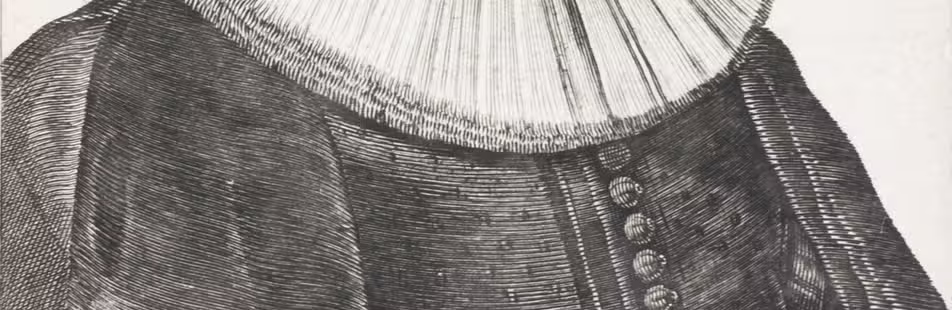
Amsterdam, Broer Jansz., 1627. 4to. With large woodcut on the title page showing the Ottomans reaching Constantinople, and 16 engravings in the text with emblematic scenes featuring sultans, including Mehmet II and Sulaiman I, animals such as unicorns, nursing bears, eagles, ravens, wolves, snakes, mythological figures, rulers, etc. Each plate is followed by an epigram and explanation. 19th-century gold-tooled brown morocco, with the gold-tooled coat of arms of Victor Masséna, 5th Prince dEssling and 3rd Duke of Rivoli (1836-1910) on both boards, the title, impressum and (repeatedly) the monogram "VM" lettered in gold on the spine, gold-tooled board edges and turn-ins, gilt edges, marbled endpapers. Bound by the 19th-century French bookbinders Allô-Wampflug (signed in the lower turn-ins at the front and back). [1], [1 blank], [2], 41, [2], [1 blank] pp. Full description
€ 3,950
Amsterdam, Broer Jansz., 1627. 4to. With large woodcut on the title page showing the Ottomans reaching Constantinople, and 16 engravings in the text with emblematic scenes featuring sultans, including Mehmet II and Sulaiman I, animals such as unicorns, nursing bears, eagles, ravens, wolves, snakes, mythological figures, rulers, etc. Each plate is followed by an epigram and explanation. 19th-century gold-tooled brown morocco, with the gold-tooled coat of arms of Victor Masséna, 5th Prince dEssling and 3rd Duke of Rivoli (1836-1910) on both boards, the title, impressum and (repeatedly) the monogram "VM" lettered in gold on the spine, gold-tooled board edges and turn-ins, gilt edges, marbled endpapers. Bound by the 19th-century French bookbinders Allô-Wampflug (signed in the lower turn-ins at the front and back). [1], [1 blank], [2], 41, [2], [1 blank] pp. Full description