PERSIUS FLACCUS, Aulus; Johannes BRITANNICUS, and Bartholomaeus FONTIUS (commentators).
Satyrae.
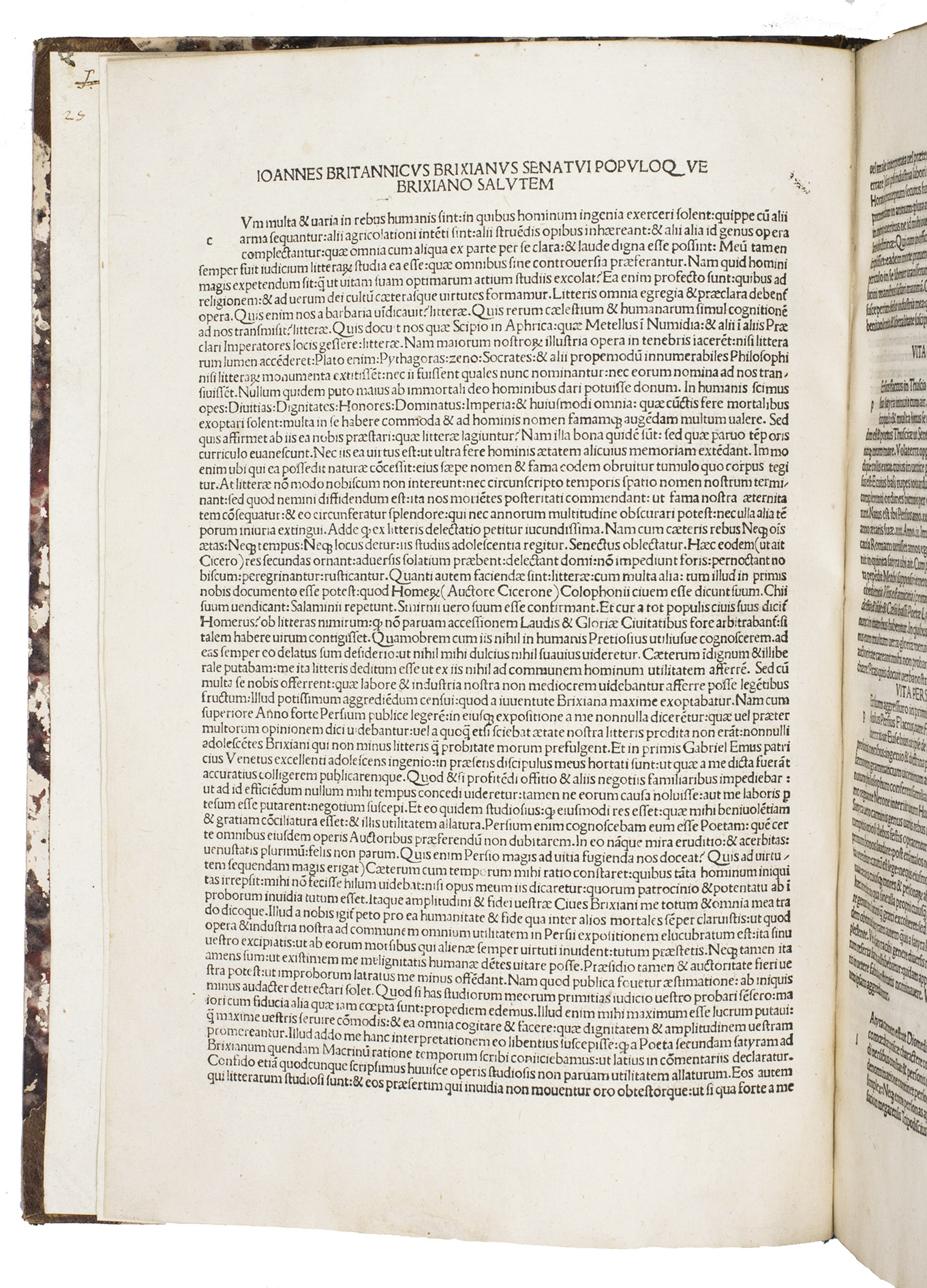
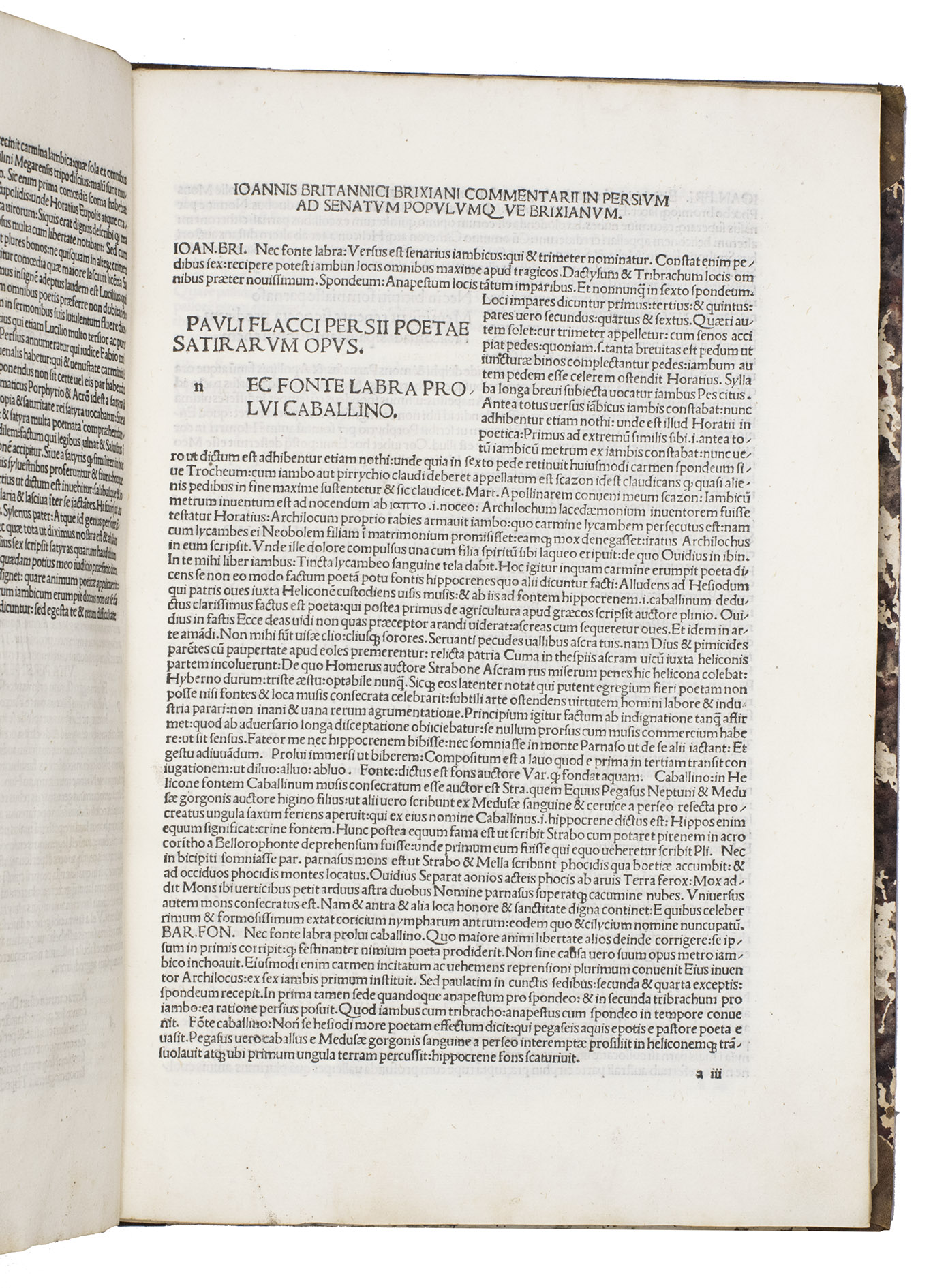
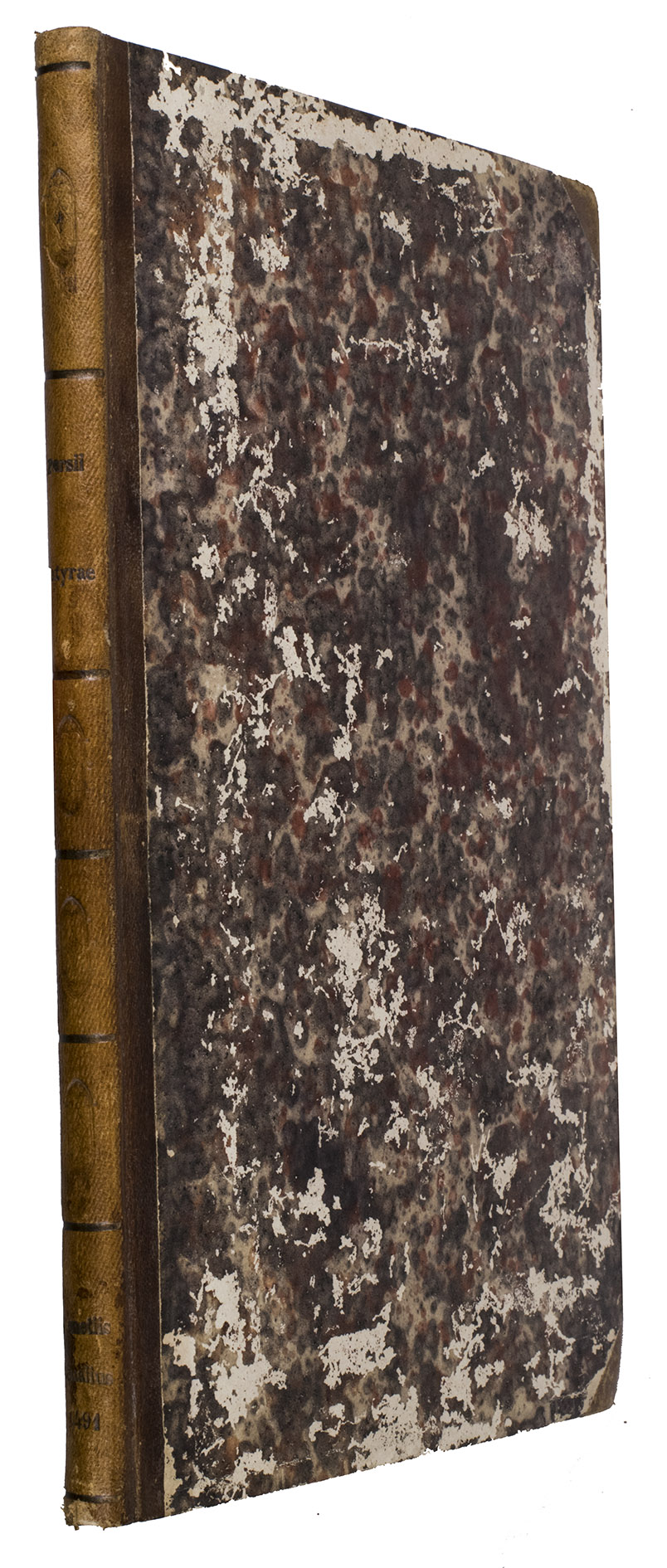
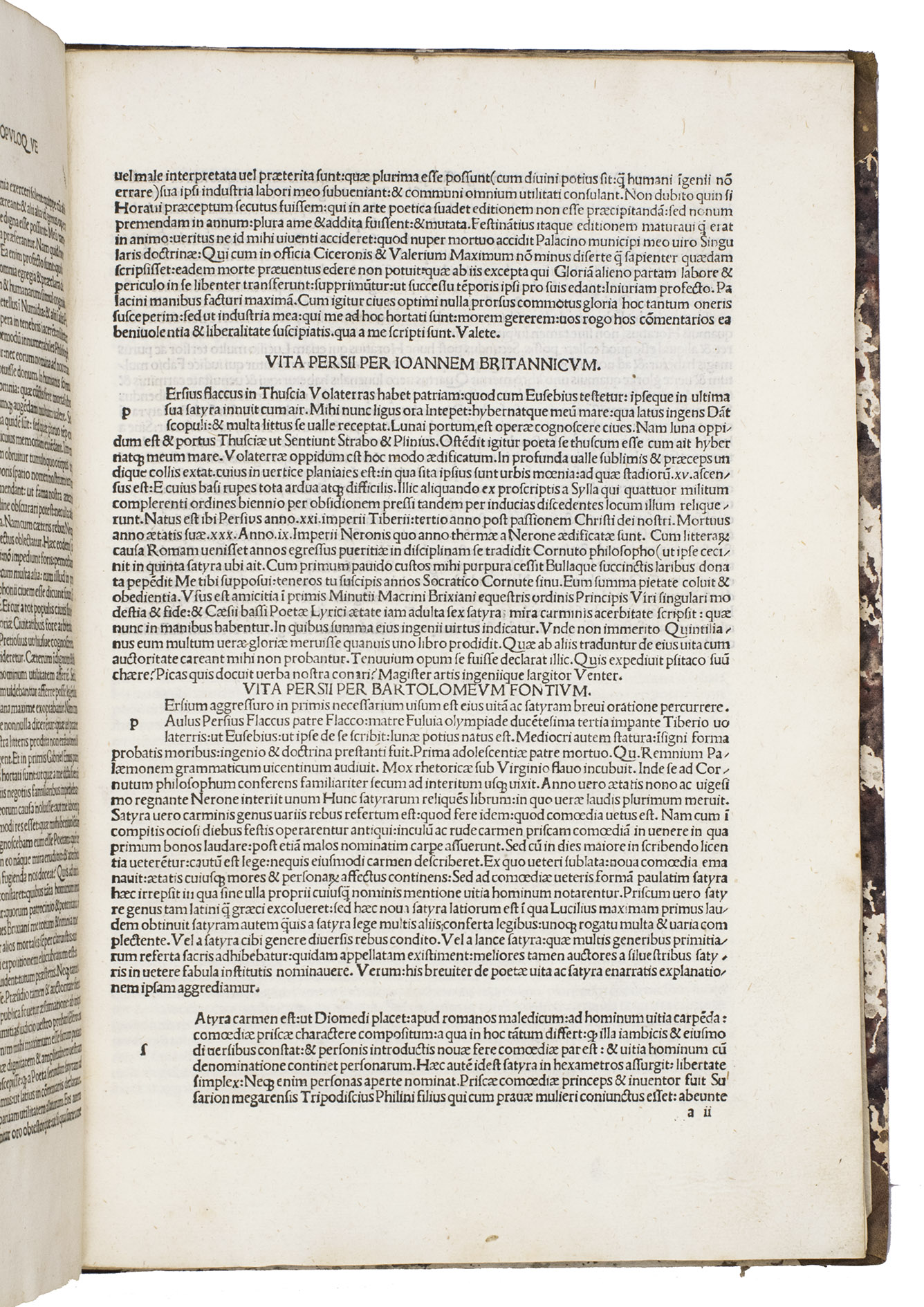
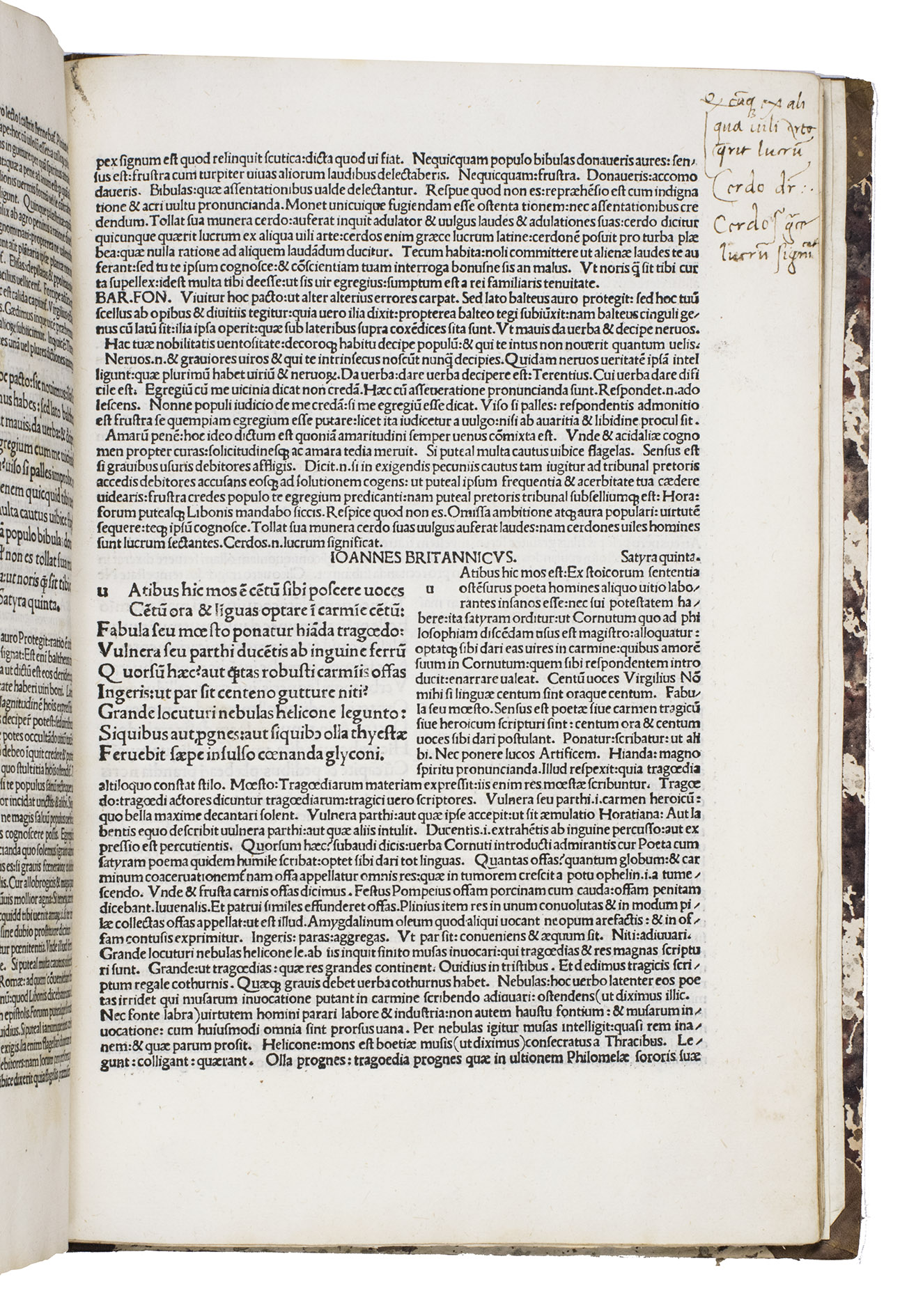
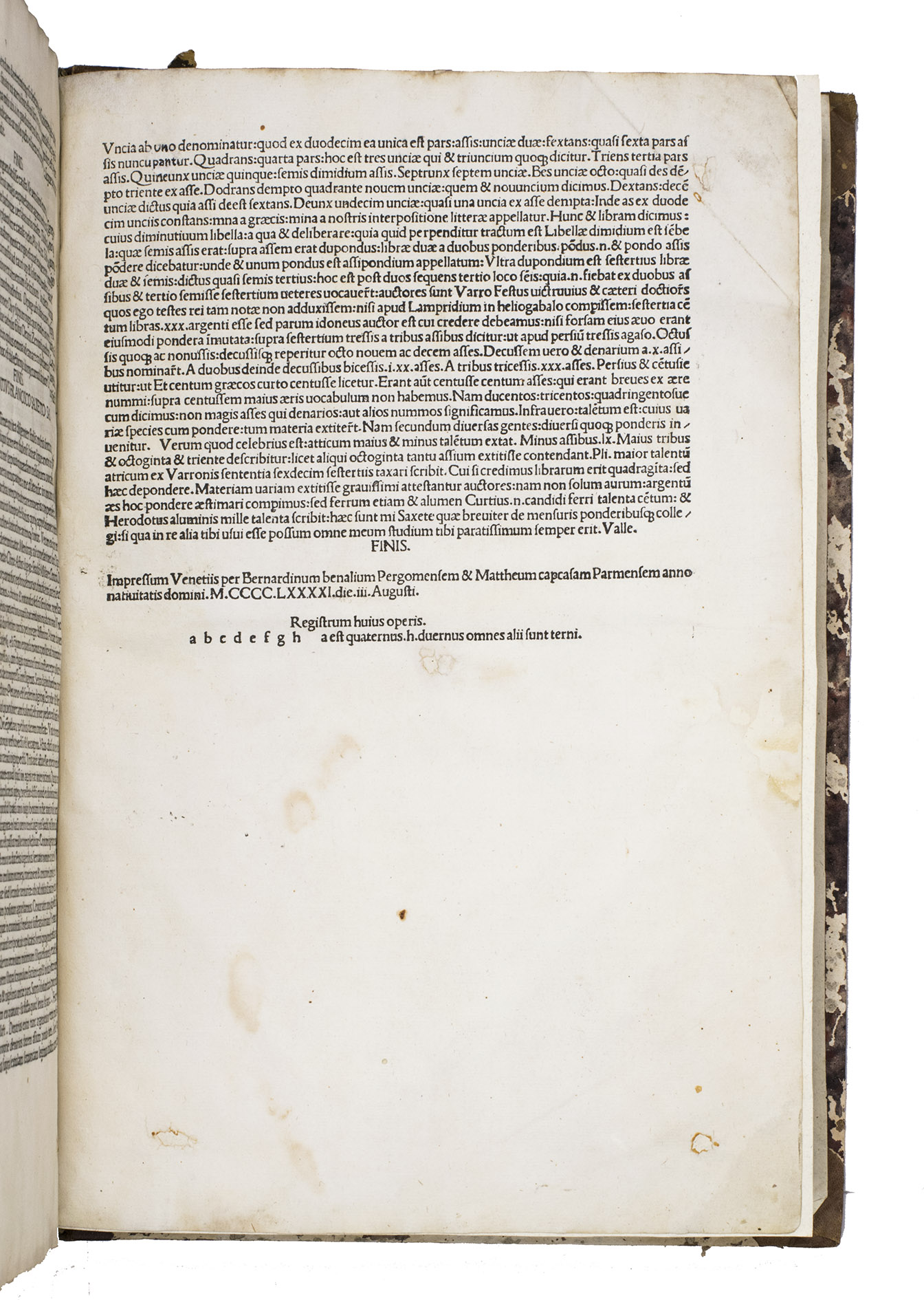
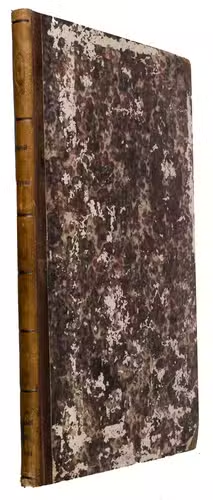
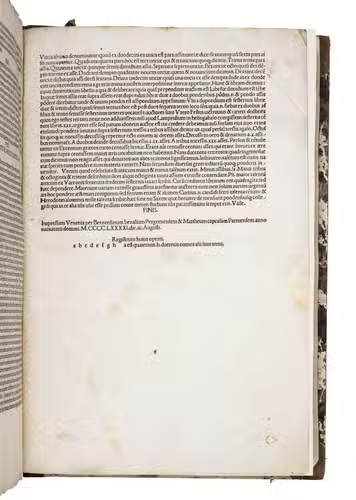
(Colophon:) Venice, Bernardinus Benalius & Matteo Capcasa, 3 August 1491. Folio. 19th-century gold- and blind-tooled half brown morocco and marbled paper sides, with the author, title, and impressum lettered in gold. [48] ll.
€ 6,500
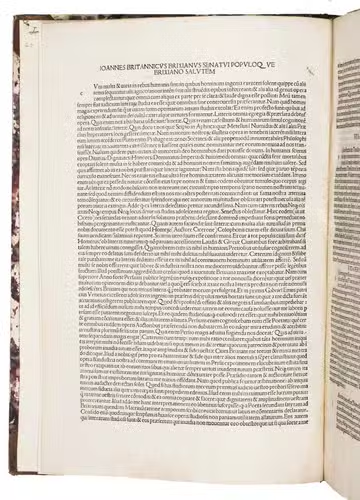
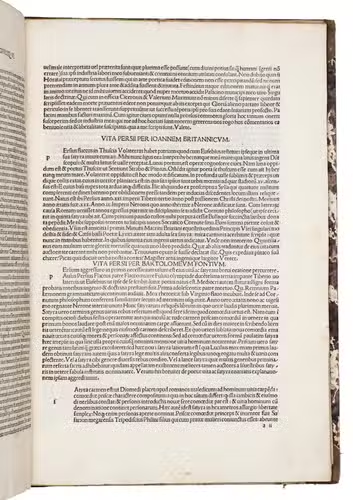
First incunable edition that brings together the Renaissance commentaries of Johannes Britannicus (ca. 1450-1518) and Bartholomaeus Fontius (1446-1513), this printing of the Satires of Aulus Persius Flaccus (34-62 CE) presents one of the most challenging and intellectually demanding works of Roman satire. The joint appearance of these commentaries marks a decisive moment in the reception of Persius, as they soon became the standard interpretative apparatus for his work throughout the late 15th and early 16th centuries.
Persius satirised Stoic ethics and literary style, criticised the practice of asking the gods for material gain, and challenged contemporary views on life goals and freedom, all set against the decadence and corruption of Neros court in Rome. Although influenced by the satires of Lucilius and Horace, Persius calm, earnest, and didactic approach lends his work a subtle depth often absent from that of his predecessors. He died prematurely, leaving his satires unfinished, however, they were subsequently edited and arranged by his friends Cornutus and Bassus. Already in antiquity the satires were renowned for their density and obscurity. While admired by writers such as Martial and Quintilian, they required extensive explanation for students and readers.
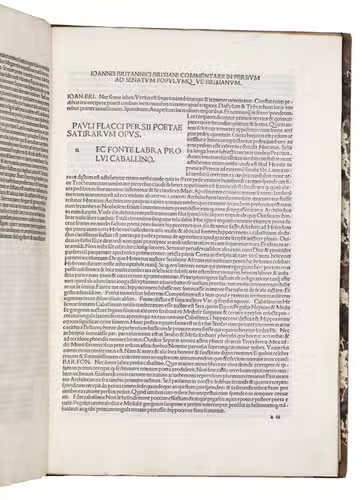
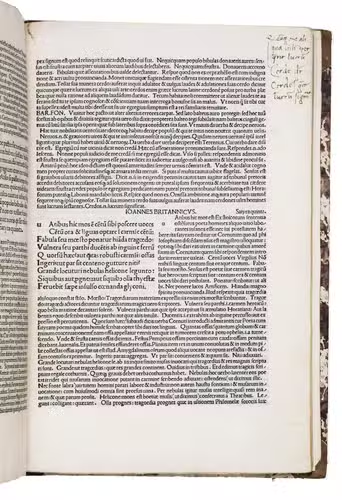
This need is met here by the surrounding commentaries. Britannicus, a humanist from Brescia, provides a predominantly grammatical and philological exposition, elucidating Persius compressed syntax, rare vocabulary, and classical allusions. Fontius, a Florentine humanist and professor of rhetoric and poetry, complements this with a more philosophical and ethical interpretation, clarifying Persius Stoic doctrines and moral purpose. Fontius commentary, first issued separately in Florence in 1477 and revised in 1488, was instrumental in restoring Persius to the humanist curriculum.
The present Venetian edition closely follows the layout and text of earlier Venetian and Trevisan printings with Fontius commentary (1480-1482), and reflects the high typographical standards of late 15th-century Venice.
With some contemporary manuscript annotations commenting on the text in the margins, some small (shelfmark?) annotations on the front pastedown, the boards are somewhat rubbed/shaved, with a grey stain on the outer margin of leaf 35, and some slight browning and staining throughout. Otherwise in good condition. BMC V, 373; Goff P 353; GW M31402; Hain & Coppinger 12736; ISTC ip00353000; Pell Ms: Pellechet & Polain, 9247; Proctor 4878; Sallander 2384; USTC 992231; not in IDL.
Related Subjects: