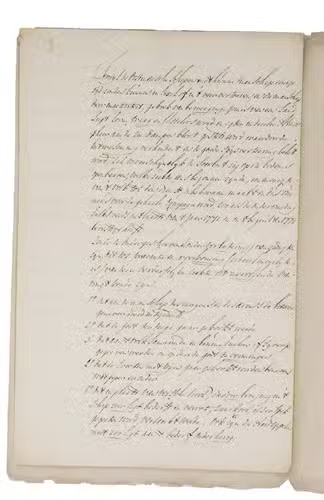
[MANUSCRIPT - DUTCH - VOC - HEALTH].
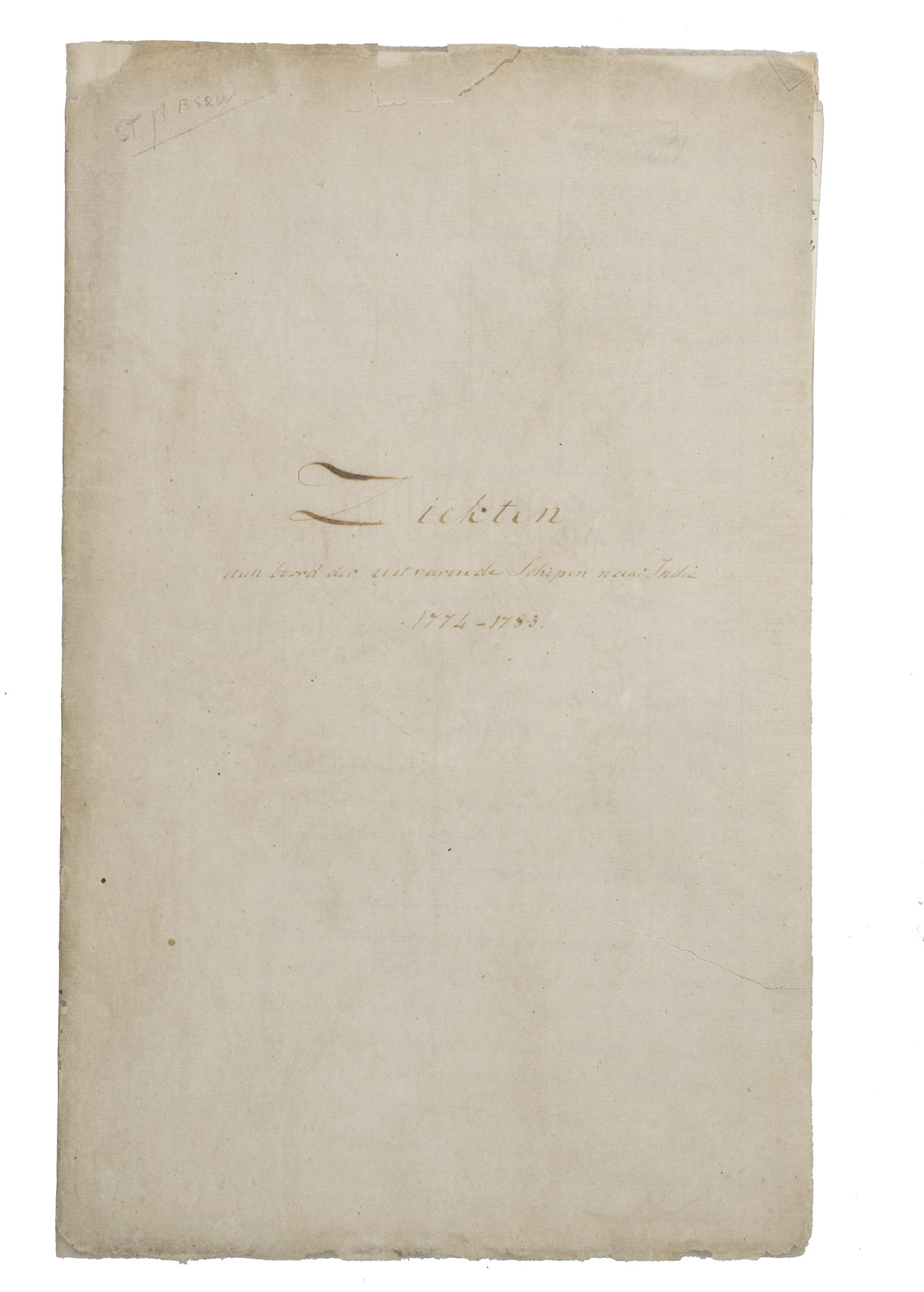
Ziekten aan boord der uitvarende schepen naar Indië 1774-1783.
1774-1783. Folio. Loosely inserted in contemporary wrappers with the manuscript title on the front. The work is kept in a brown cloth folder, with a red morocco title label on the front, lettered in gold. [5] ll.
€ 8,500
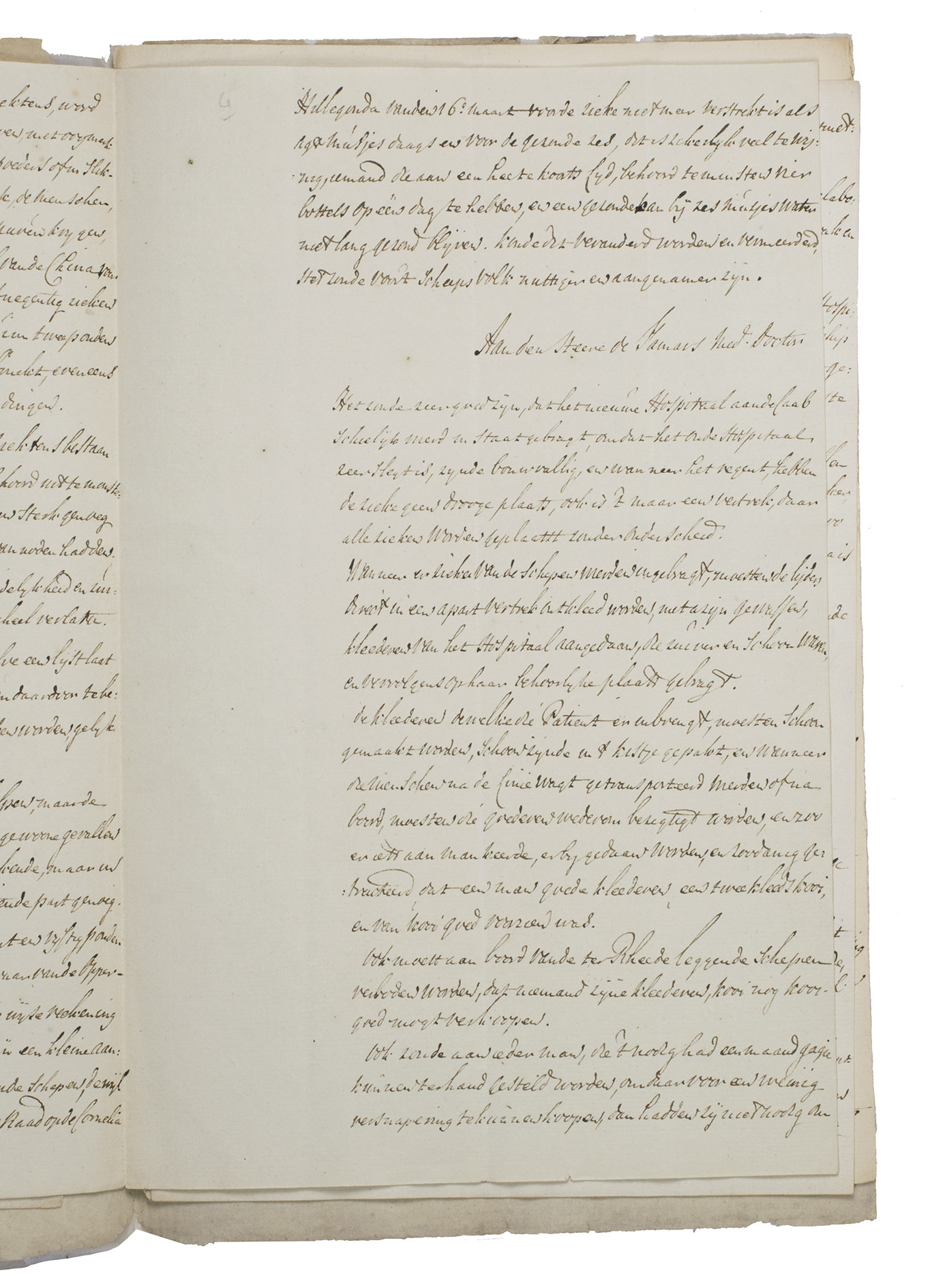
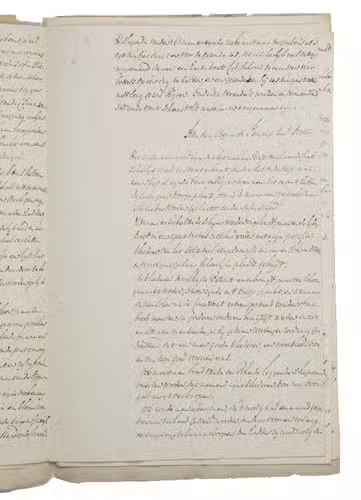
Three manuscript reports concerning sickness, scurvy, hospital conditions and mortality aboard ships of the VOC (Dutch East India Company), specifically on voyages between the Cape of Good Hope and Batavia, and in connection with the Bengal trade.
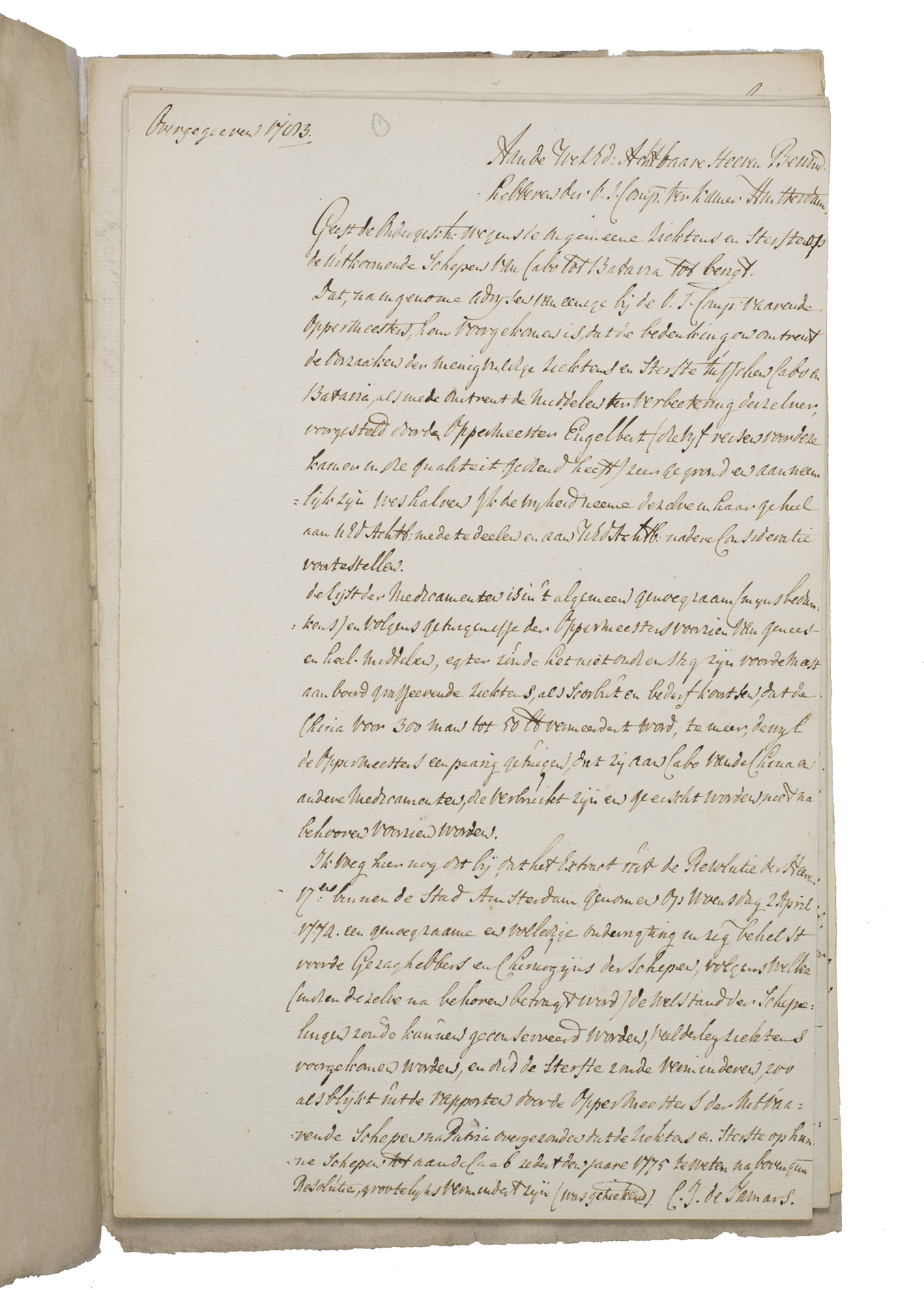
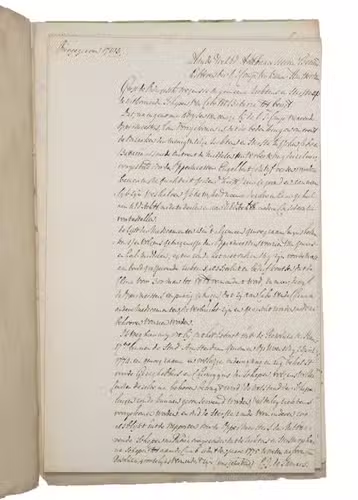
The first document is from 1783 written by the doctor C. J. de Jamars, and addressed to the VOC Chamber at Amsterdam, this report discusses the "uncommon sicknesses and deaths" occurring on outward-bound ships between the Cape and Batavia. It refers to earlier resolutions and records that mortality up to the Cape had decreased following improved regulations.
Particular emphasis is laid upon scurvy and putrid fevers, and upon the inadequacy of medical stores supplied at the Cape. De Jamars argues for a substantial increase in "China" (cinchona bark, the principal febrifuge of the period), recommending as much as 50 lb for a complement of 300 men. The document reflects the increasing institutional awareness within the VOC of shipboard hygiene, provisioning, and preventative medicine.
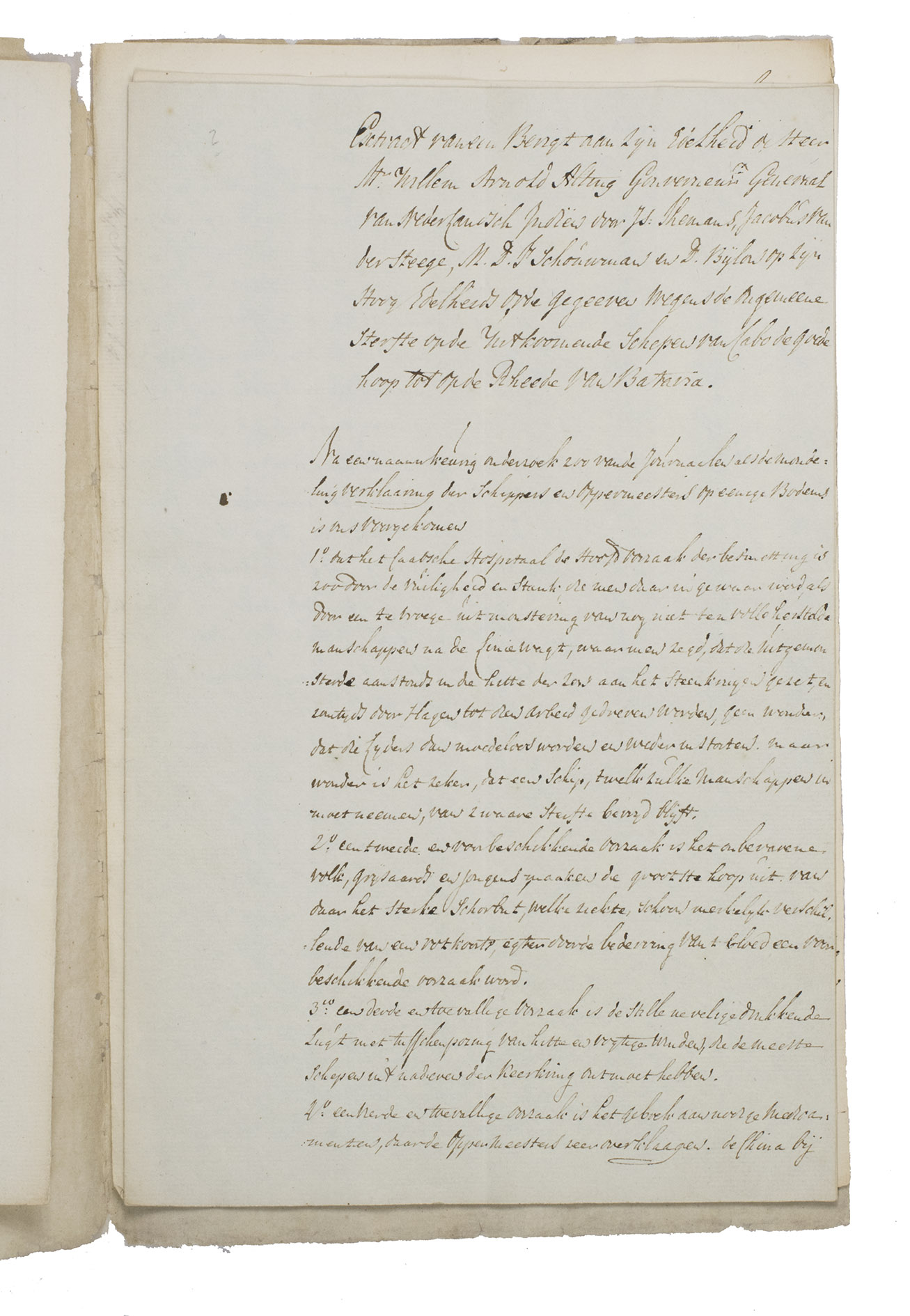
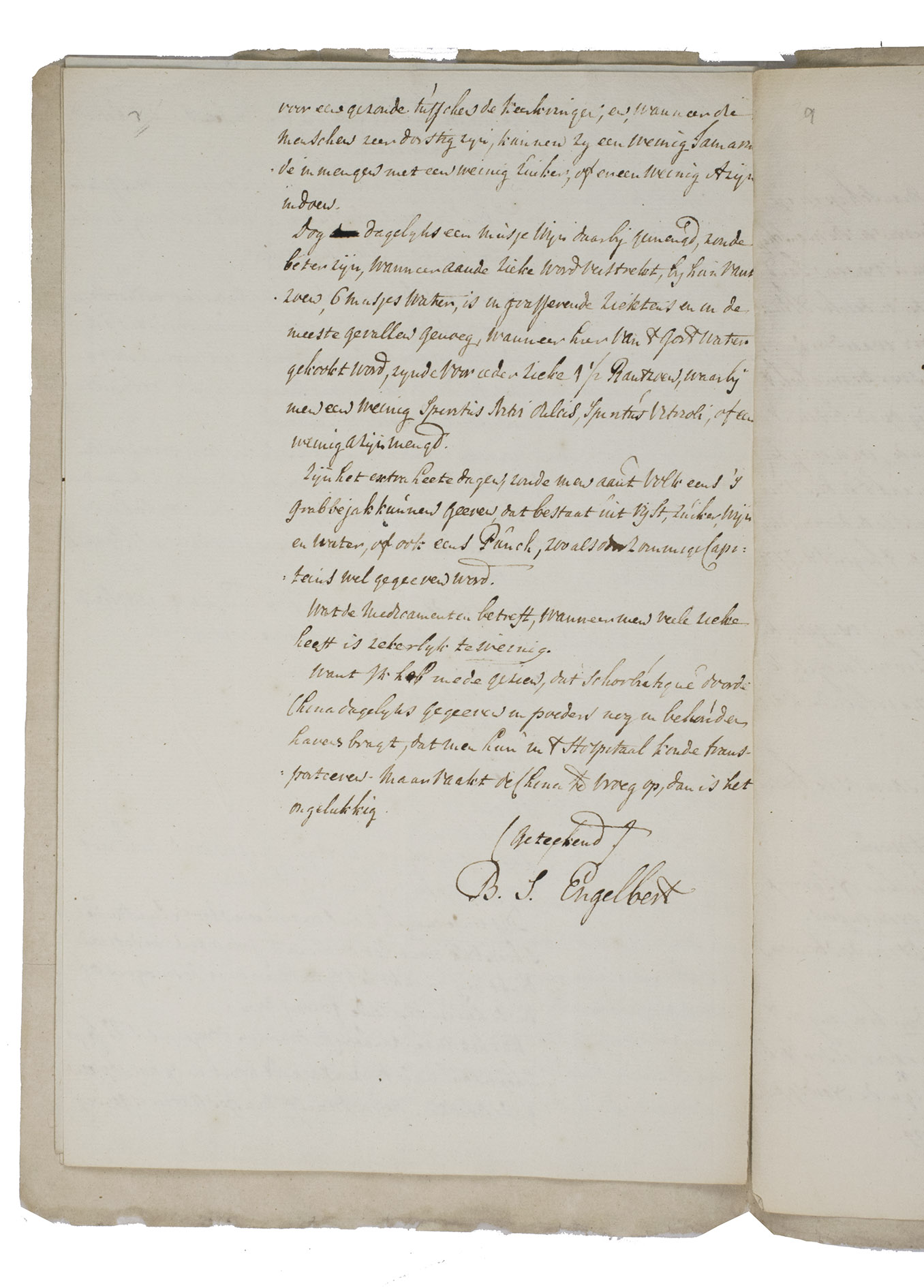
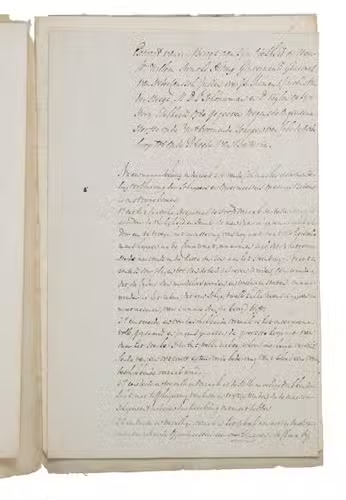
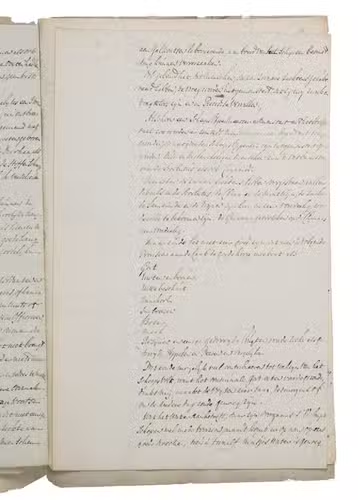
The second document is an extract of a report submitted to Mr Willem Arnold Alting (1724-1800), Governor-General of the VOC, by several medical officers, including B. S. Engelbert. It offers a detailed investigation into the heavy mortality on ships sailing from the Cape to Batavia.
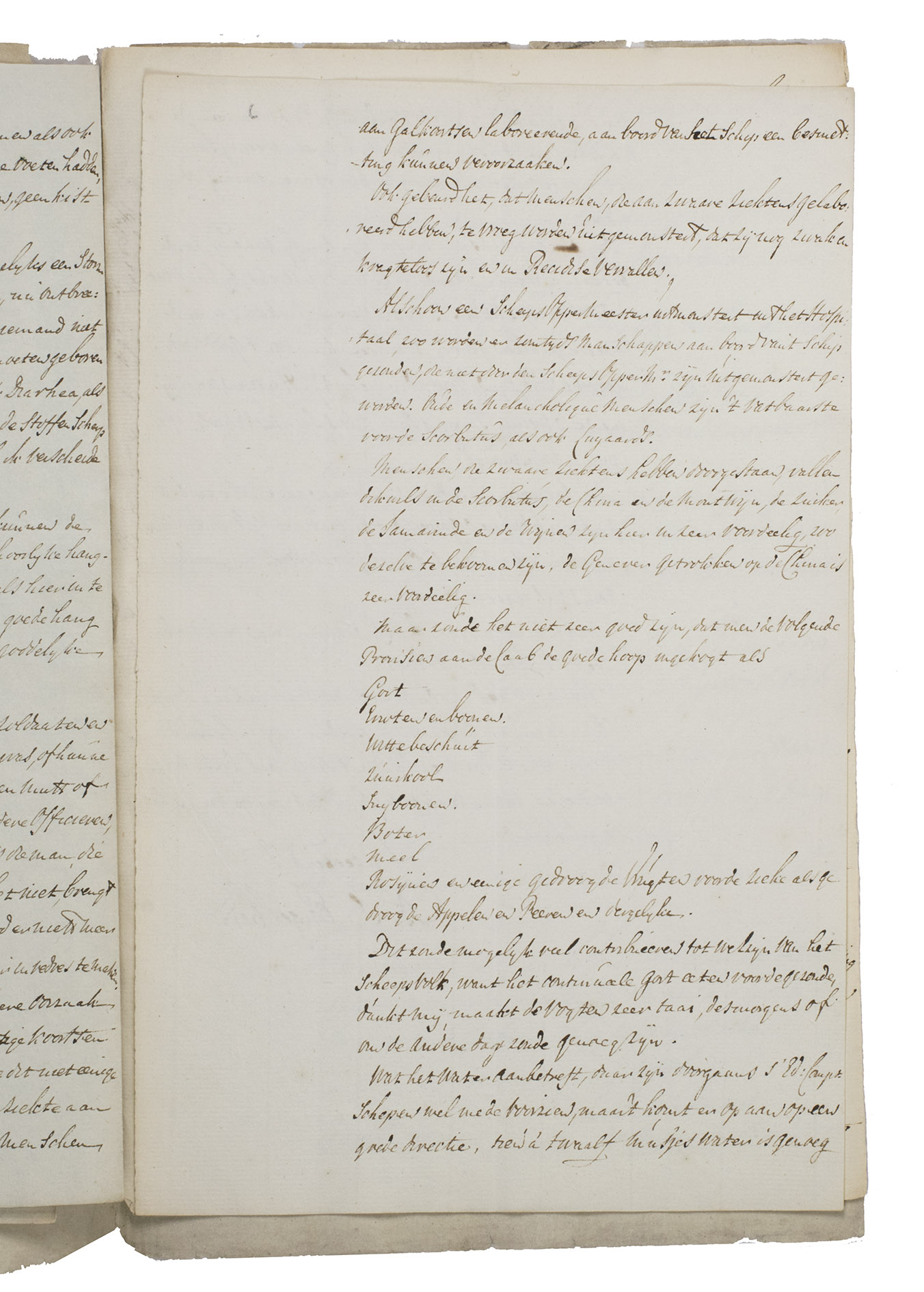
The Cape hospital is identified as a principal source of contagion, described as dilapidated, foul, and lacking segregation of patients. Criticism is levelled at the premature discharge of convalescents, who were allegedly forced into heavy labour under harsh conditions before full recovery, thereby spreading infection aboard ship. Other causes listed include: the embarkation of inexperienced sailors, elderly men, and boys, climatic factors (humid, oppressive air near the tropics), insufficient medicines, especially cinchona bark and spirits of vitriol, severe restrictions on fresh water for both sick and healthy men.
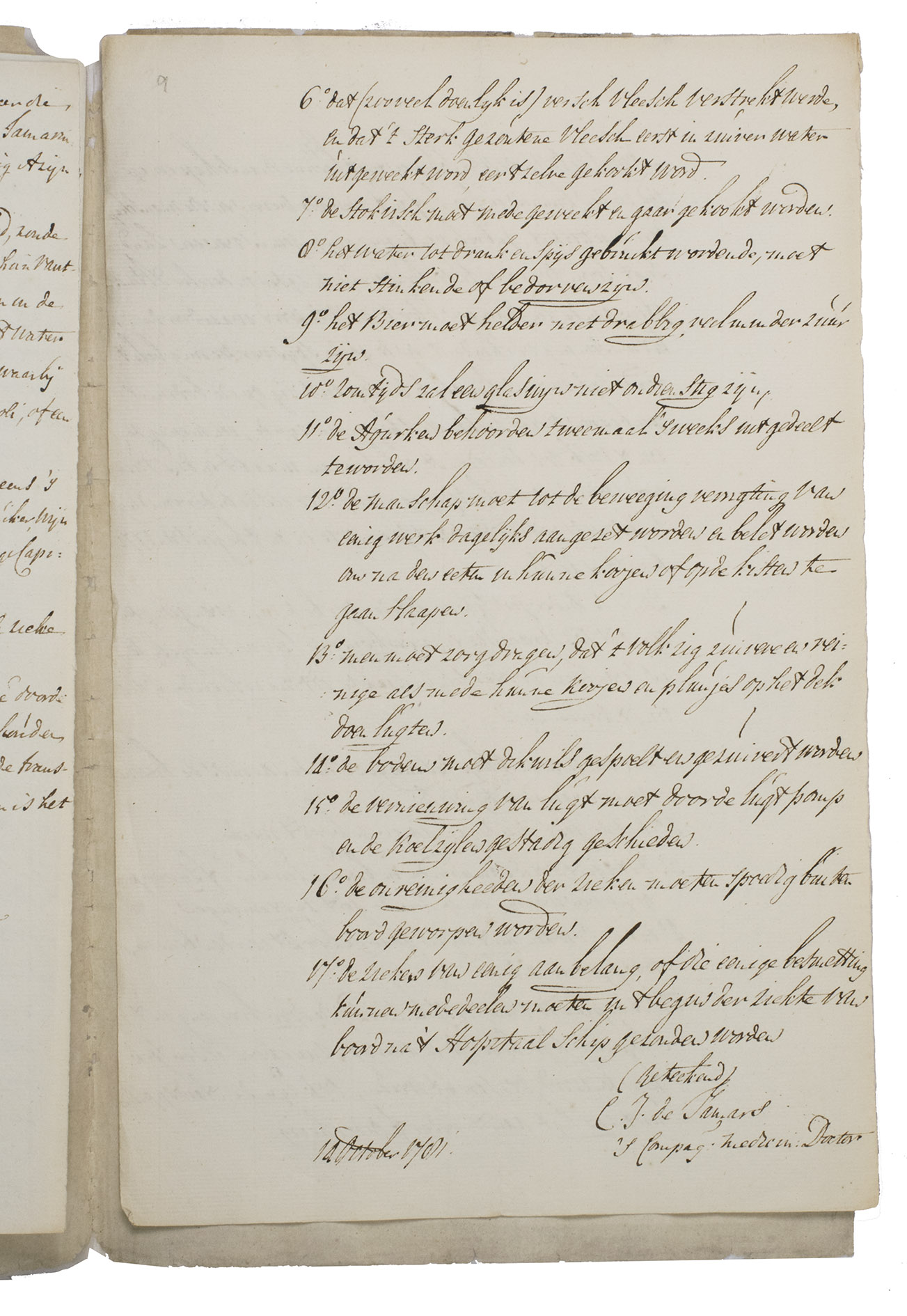
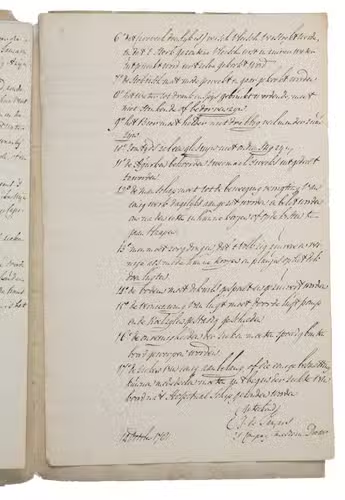
The report makes extensive practical recommendations: improved hospital hygiene, provision of clean clothing and bedding, prohibition on the sale of sailors garments, better victualling (including sauerkraut, dried fruits, barley, beans, butter, and raisins) increased water rations, and the preparation of restorative drinks in extreme heat.
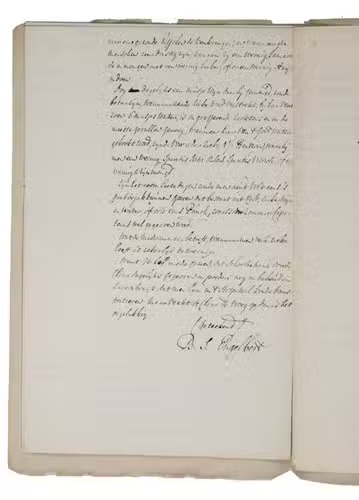
There are vivid observations of men reduced to destitution, lacking shoes or bedding when transferred from hospital to ship, and of theft and neglect among the lower ranks. The text provides valuable insight into 18th-century naval medicine, dietetics, and the administrative challenges of long-distance maritime empire.
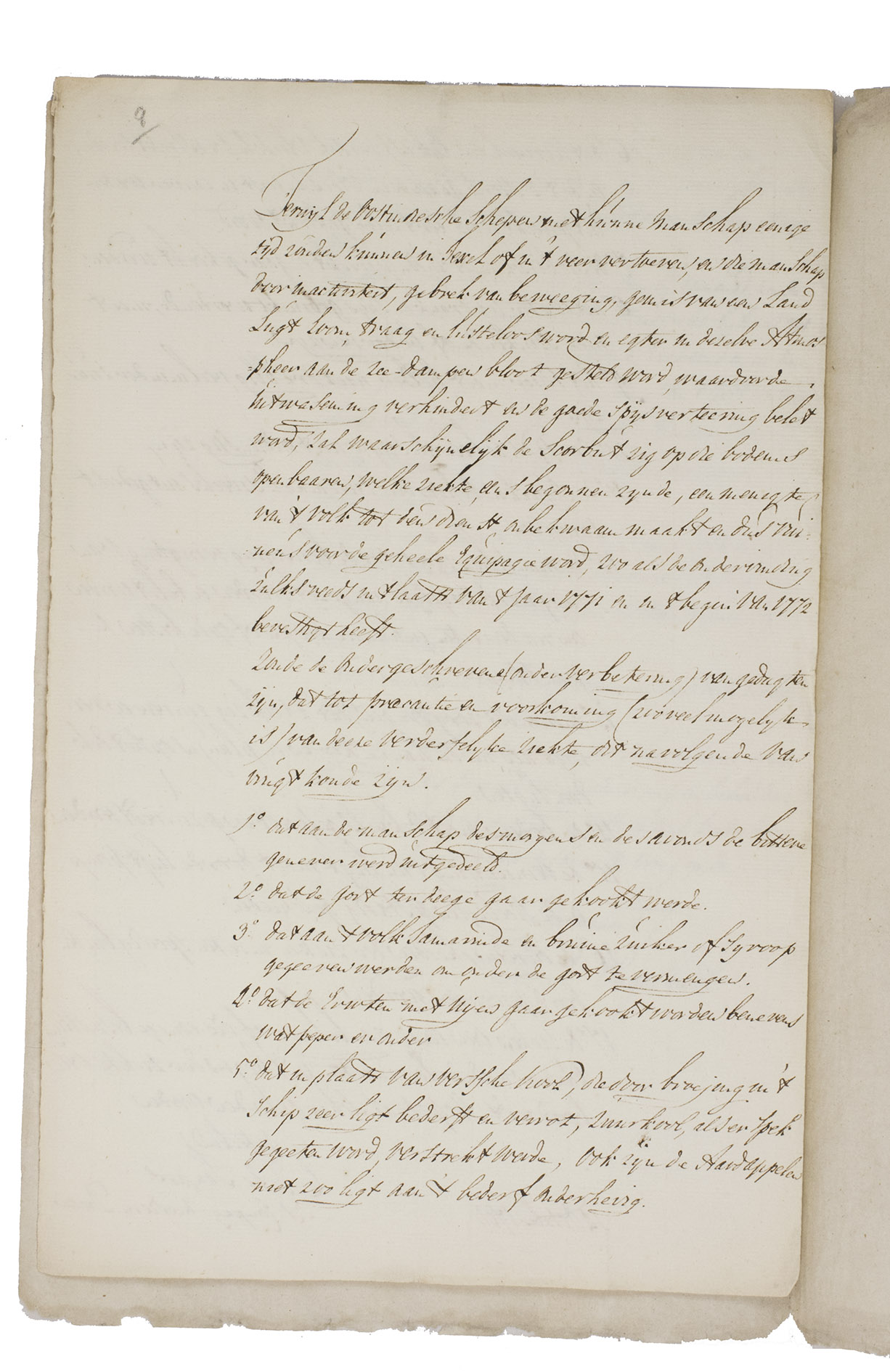
The third document is a memorandum concerning the prevention of scurvy during prolonged stays in Texel prior to departure. Again, written by De Famard, he observes that idleness, lack of exercise, and exposure to damp sea air predispose crews to scorbutic disease even before sailing.
The wrappers have been reinforced with gauze on the outside. Otherwise in very good condition.
Related Subjects: