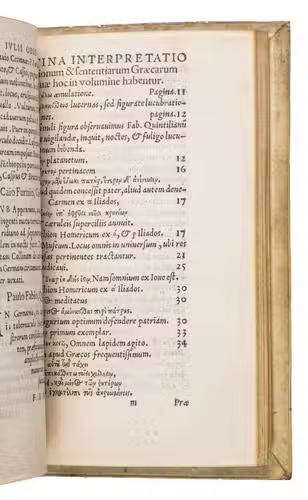
PLINIUS CAECILIUS SECUNDUS, Caius.
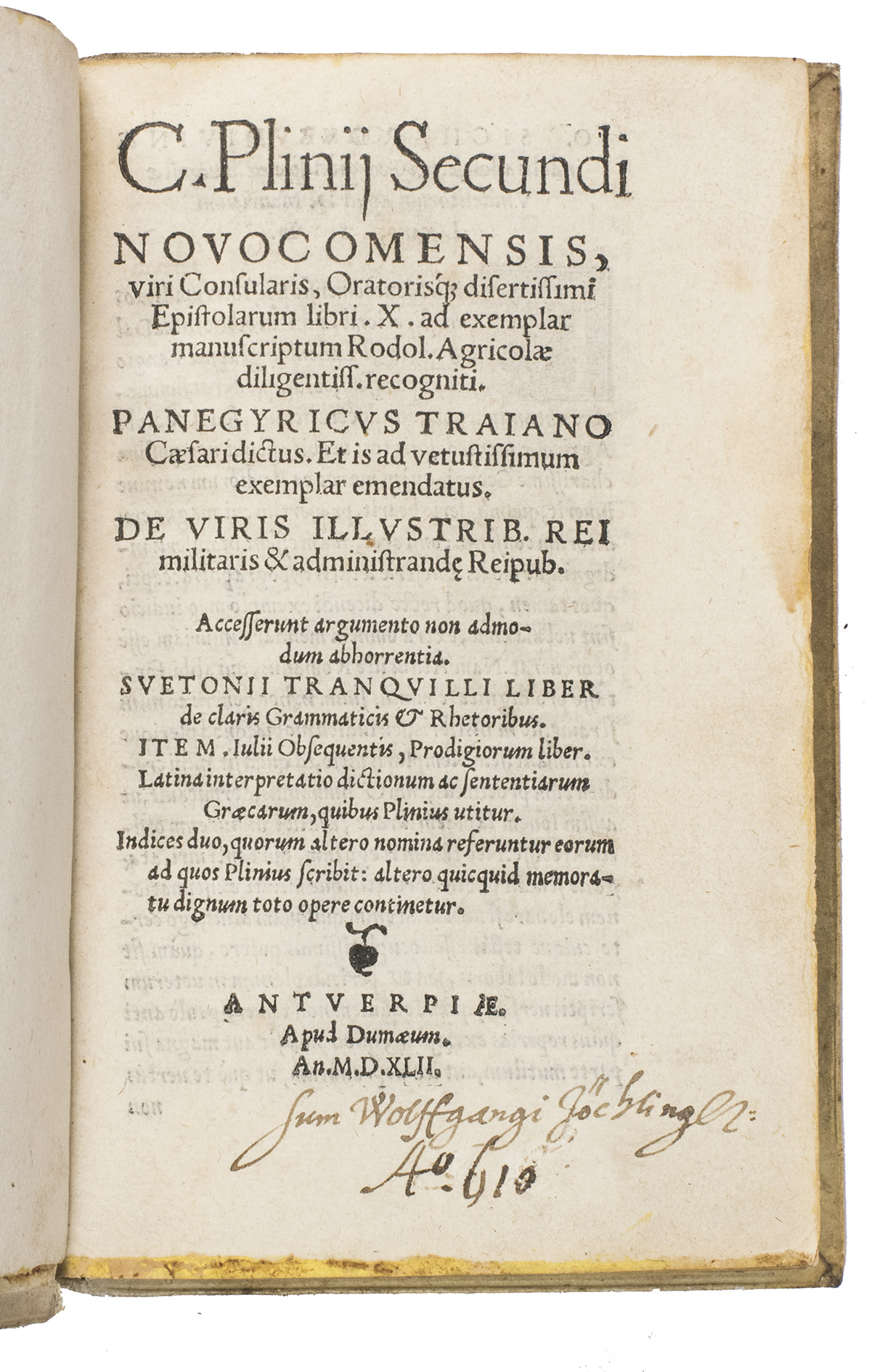
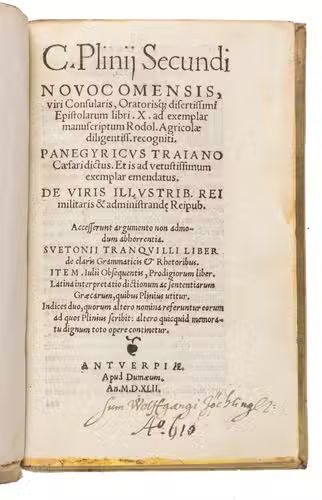
Epistolarum libri X. ad exemplar manuscriptum Rodol. Agricolae diligentiss. recogniti ...
Including: (2) SUETONIUS TRANQUILLIUS. De viris illustribus liber.
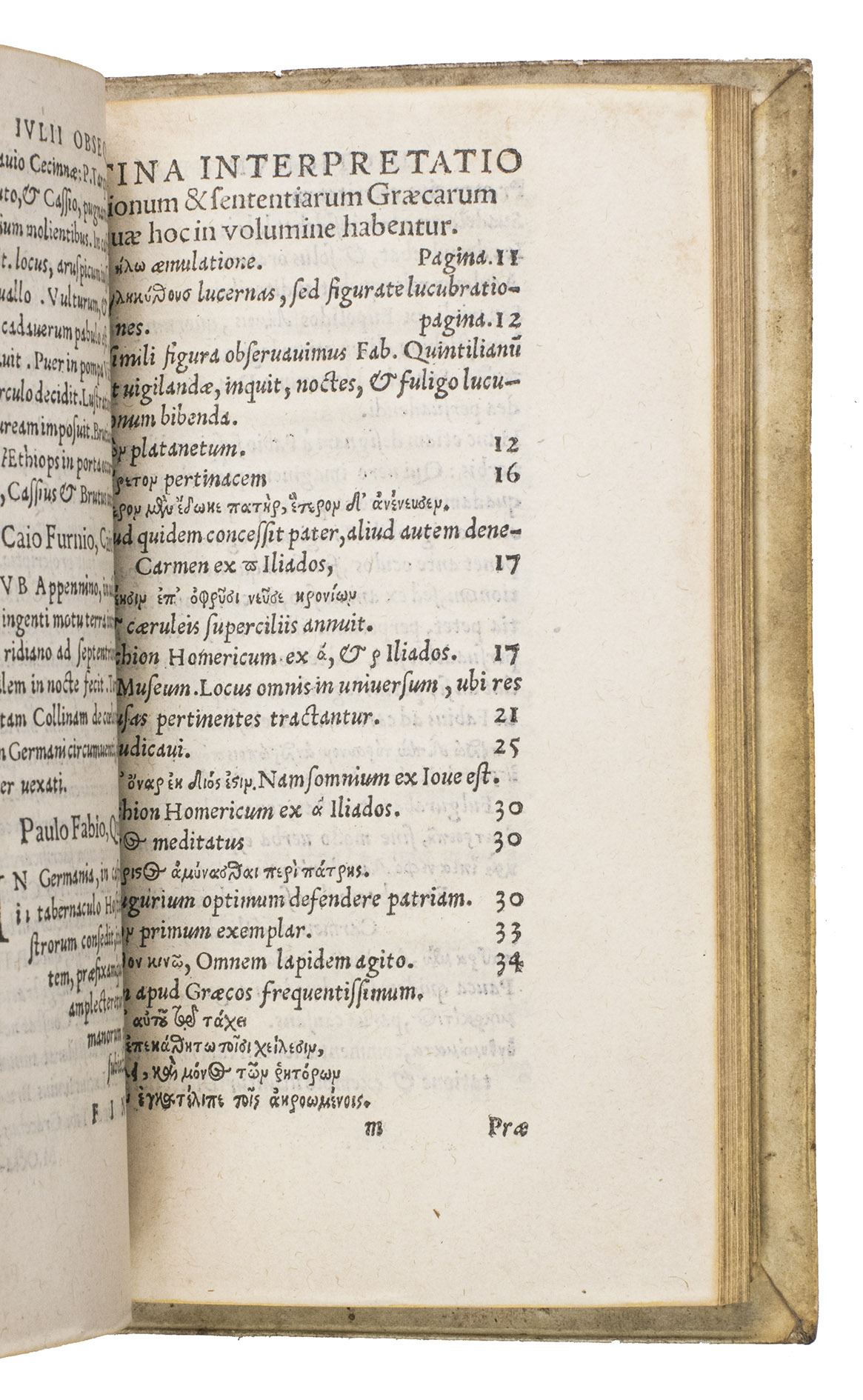
(3) OBSEQUENS, Julius. Ab anno urbis conditae quingentesimoquinto, prodigiorum liber imperfectus.
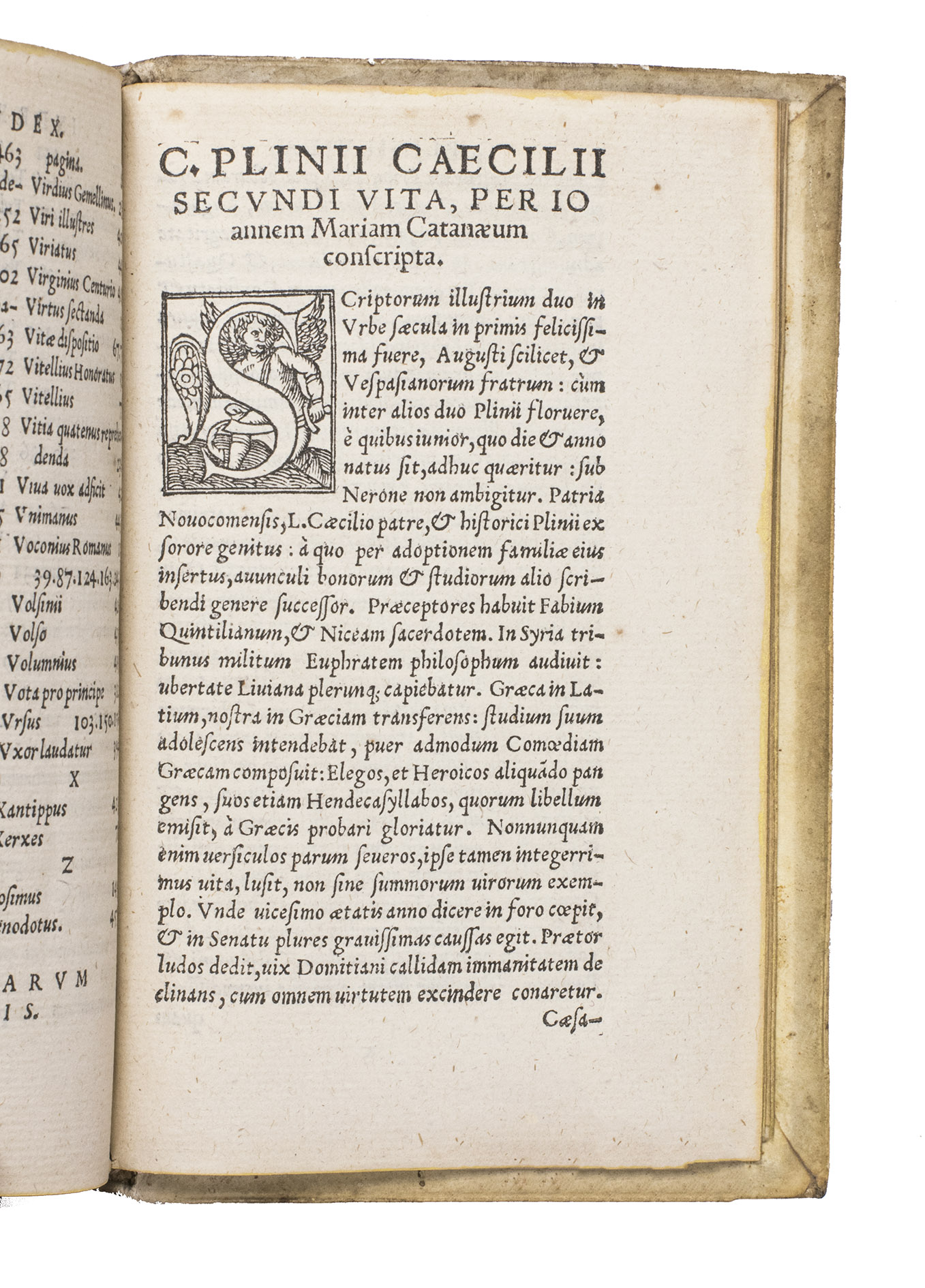
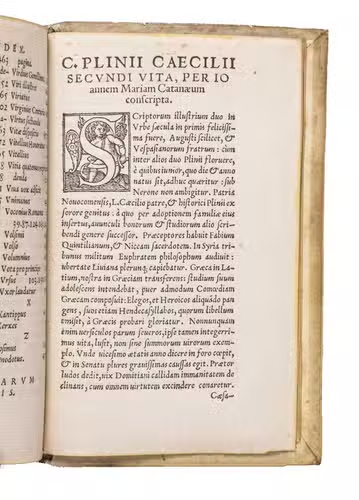
(4) CATANAEUS, Johannes Maria. C. Plinii Caecilii secundi Vita.
Antwerp, Antonius Dumaeus [= Anthonis van der Haeghen], 1542.
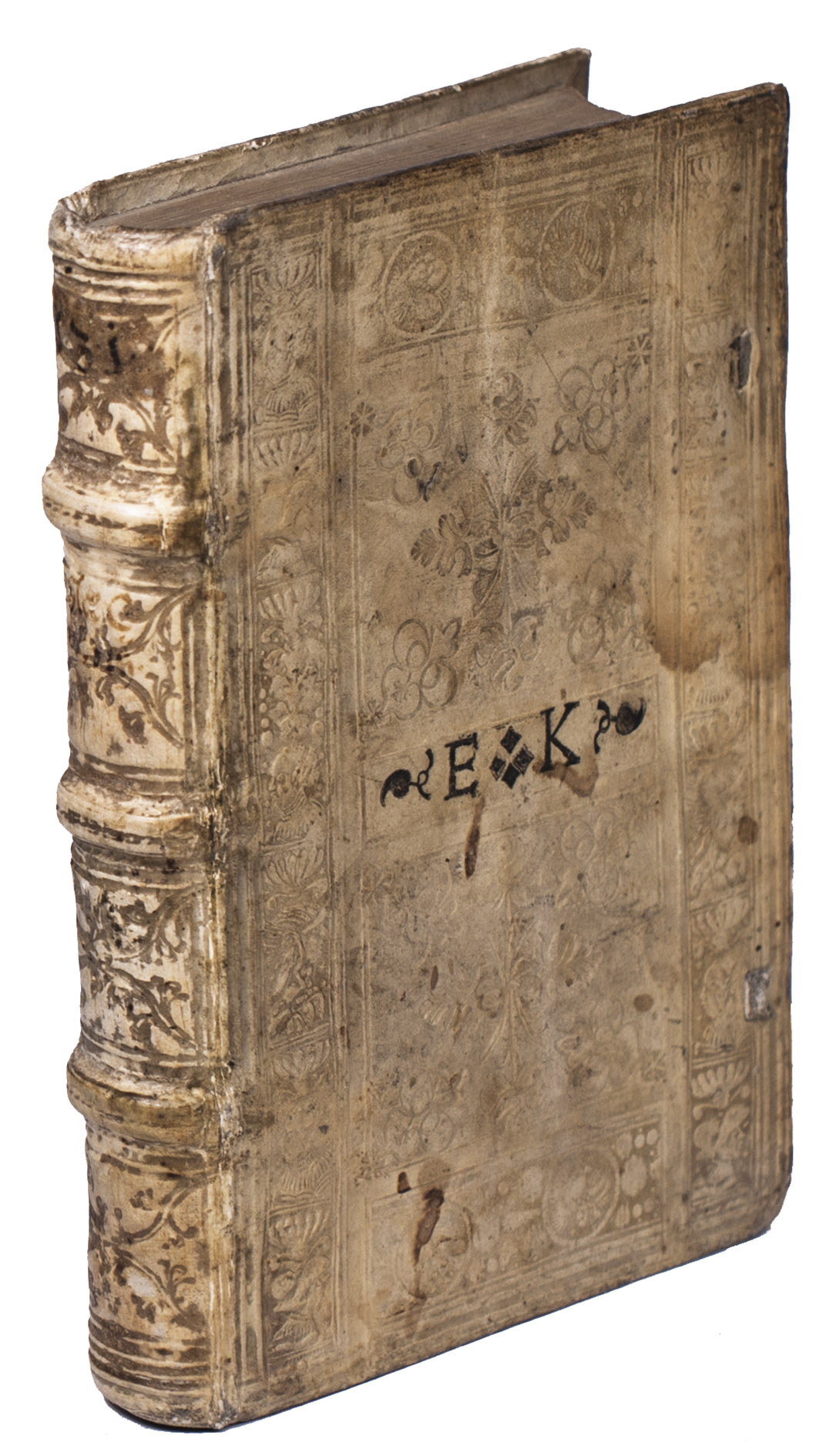
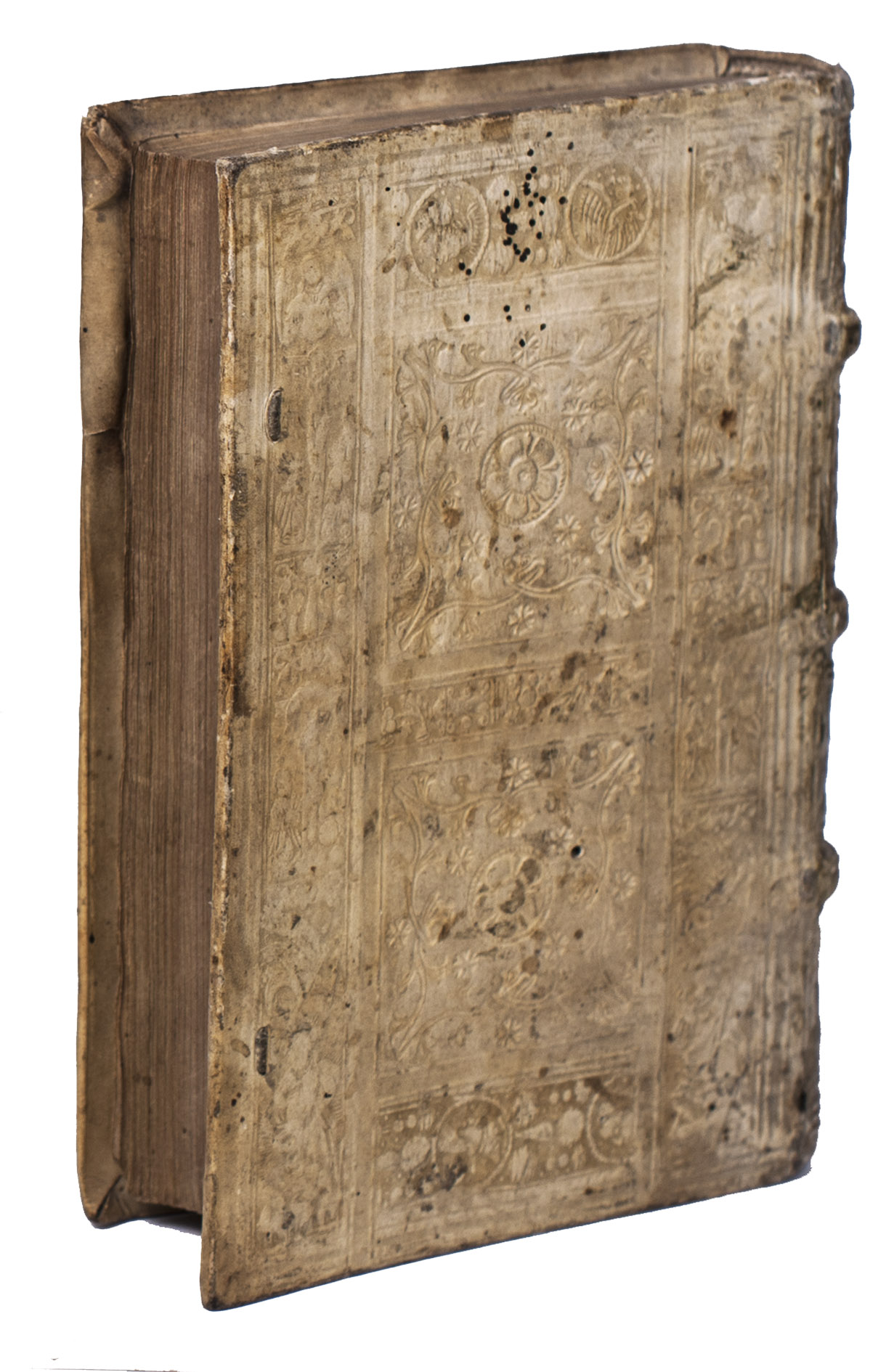
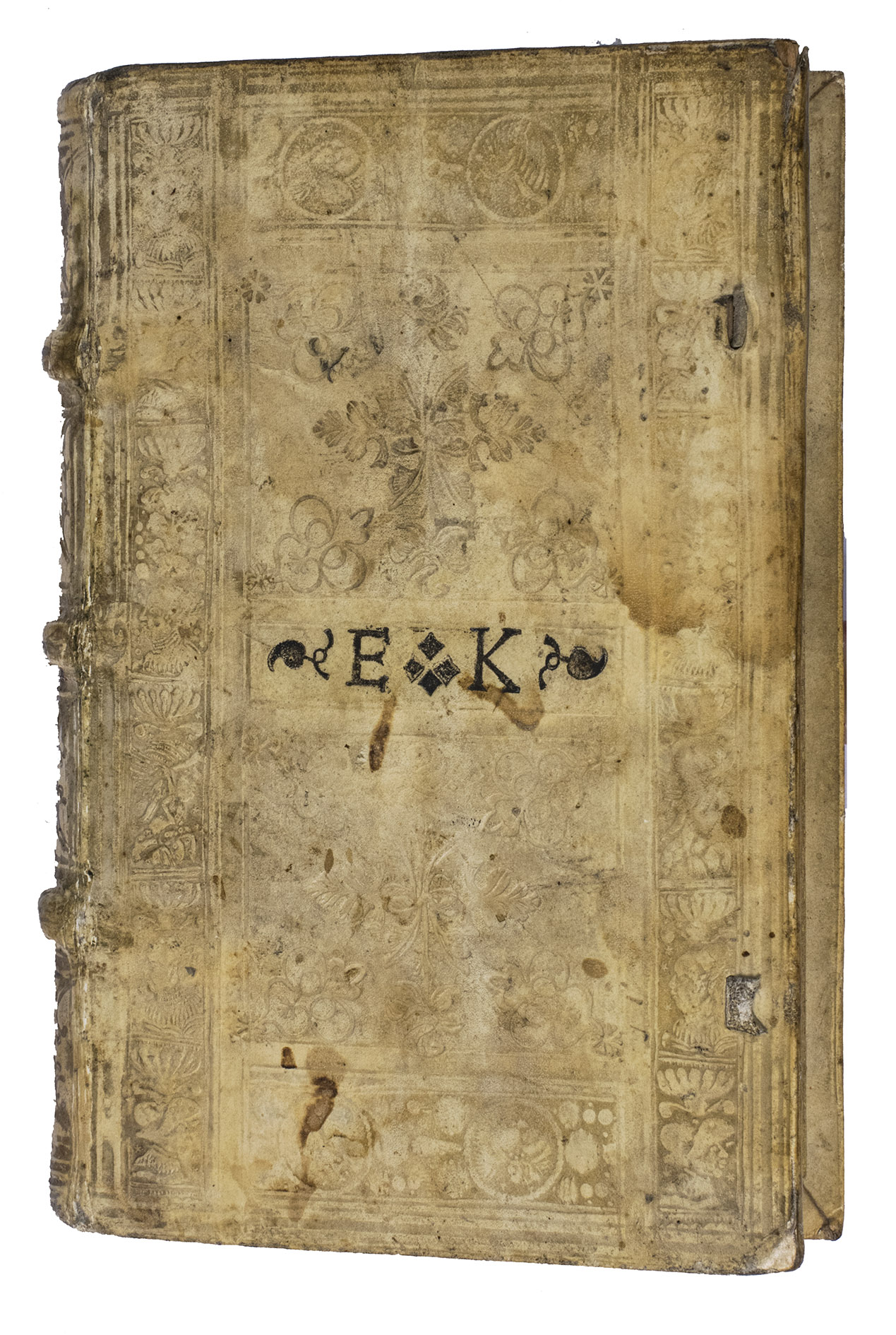
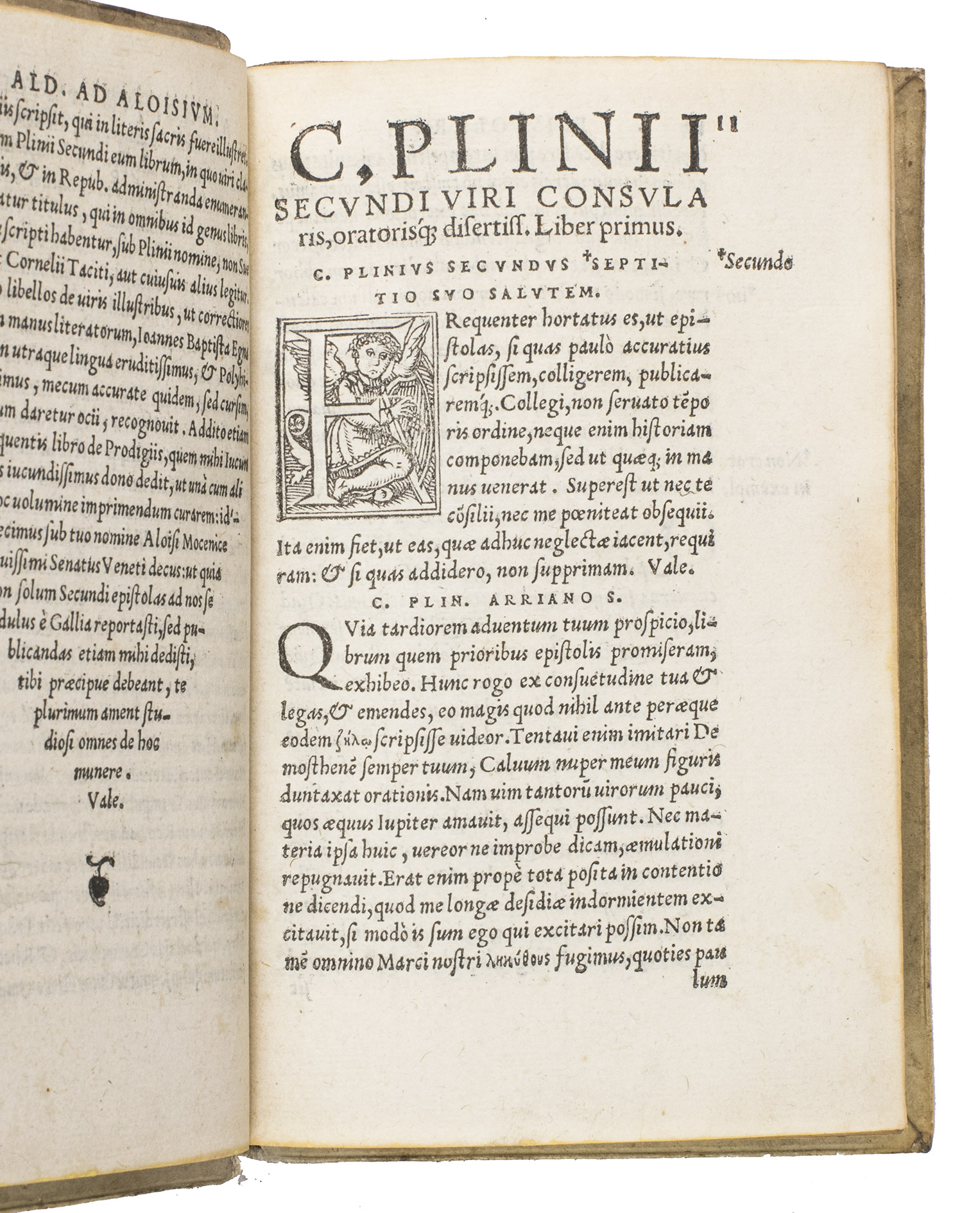
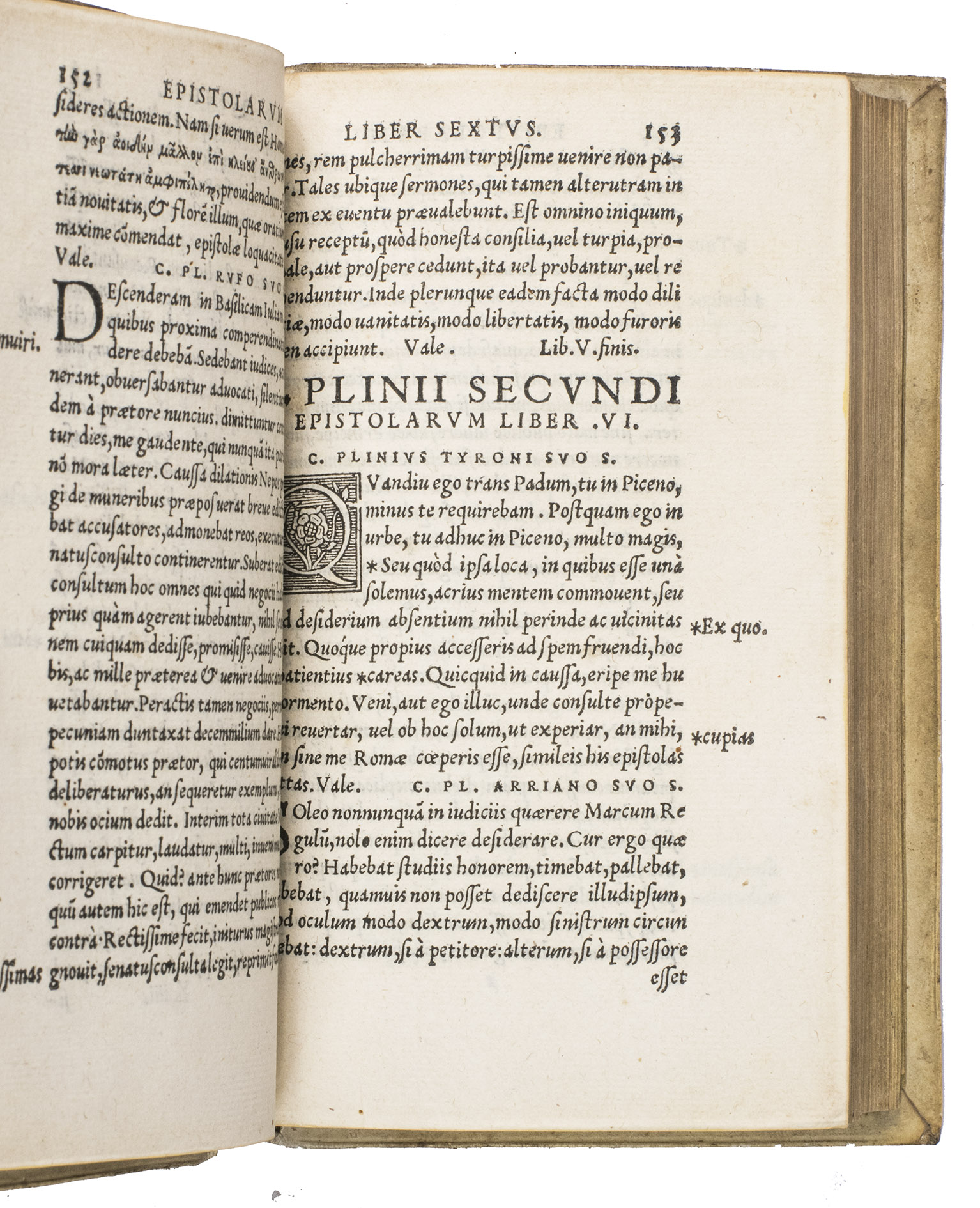
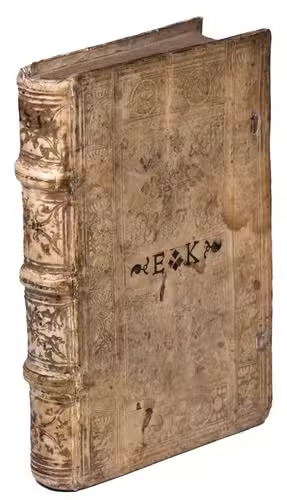
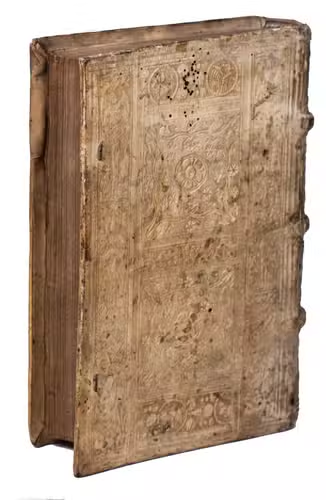
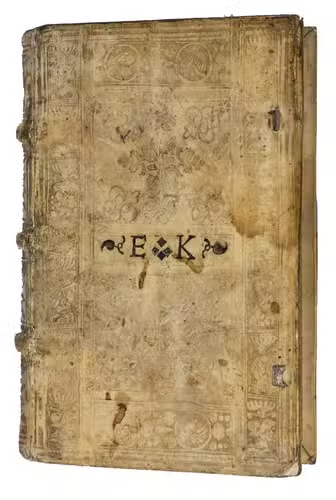
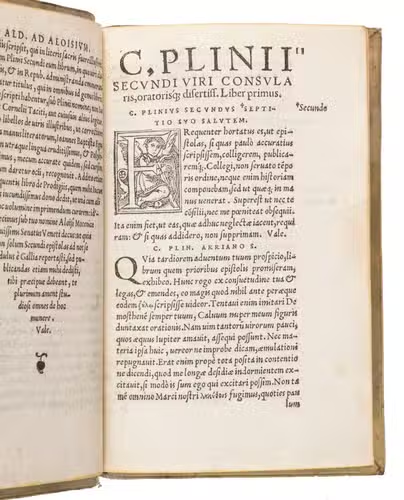
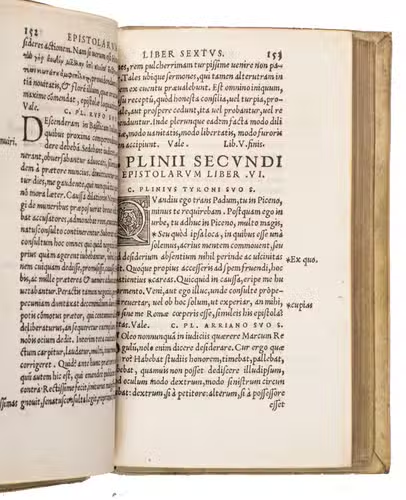
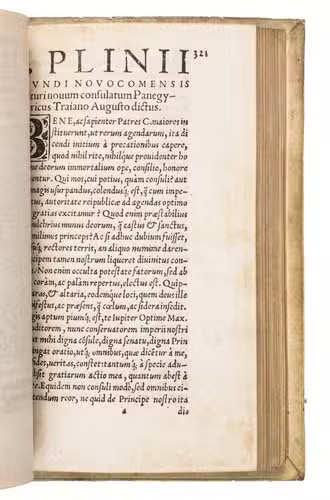
8vo. With several decorated woodcut initials. Contemporary blind tooled pigskin, sewn on 3 supports with the corresponding raised bands on the spine, both boards tooled in a panel design with floral motives in the 2 central panels, surrounded by a border with portraits on the front, and passion scenes and saints on the back, the manuscript initials "E.K" on the front, remnants of white leather closing ties. "494" [=496], [39], [1 blank] pp.
€ 6,500
Rare early Antwerp edition of the Letters by Plinius Secundus, in a beautiful contemporary pigskin binding. This edition is virtually a reprint of the edition by Johannes Sichardt published in 1530 by Andreas Cratander at Basel. Sichardt (ca. 1499-1552) was since 1527 professor in Rhetoric in Basel. His dedicatory letter to Georgius Ilsungus (ca. 1510-1580), dated Augsburg, March 1530, is reprinted here also. Although the editio princeps of these famous letters was printed at Venice in 1471, all later editions, including the 1530 edition at Basel, are based on the Aldus edition of 1508 which added many new letters. Also the dedicatory letter by Aldus Manutius to Aloisius Mocenicus, a Venetian senator who had brought some manuscripts of the letters from France to Venice, is re-printed in our present edition.
Writing in the first century, Pliny the younger (ca. 61-112 AD) was in a position to provide essential information for historians of a poorly documented period: the reigns of Domitian, Nerva and Trajan. In his letters he comments elegantly on social, domestic, juridical, and political events. His remarks on the early Christians are well-known and are very important. Nine books of his personal letters - 247 in all - survive, as well as his official correspondence with the emperor Trajan, posthumously published and later added as the tenth book. These official letters are a major source for understanding Roman provincial government.
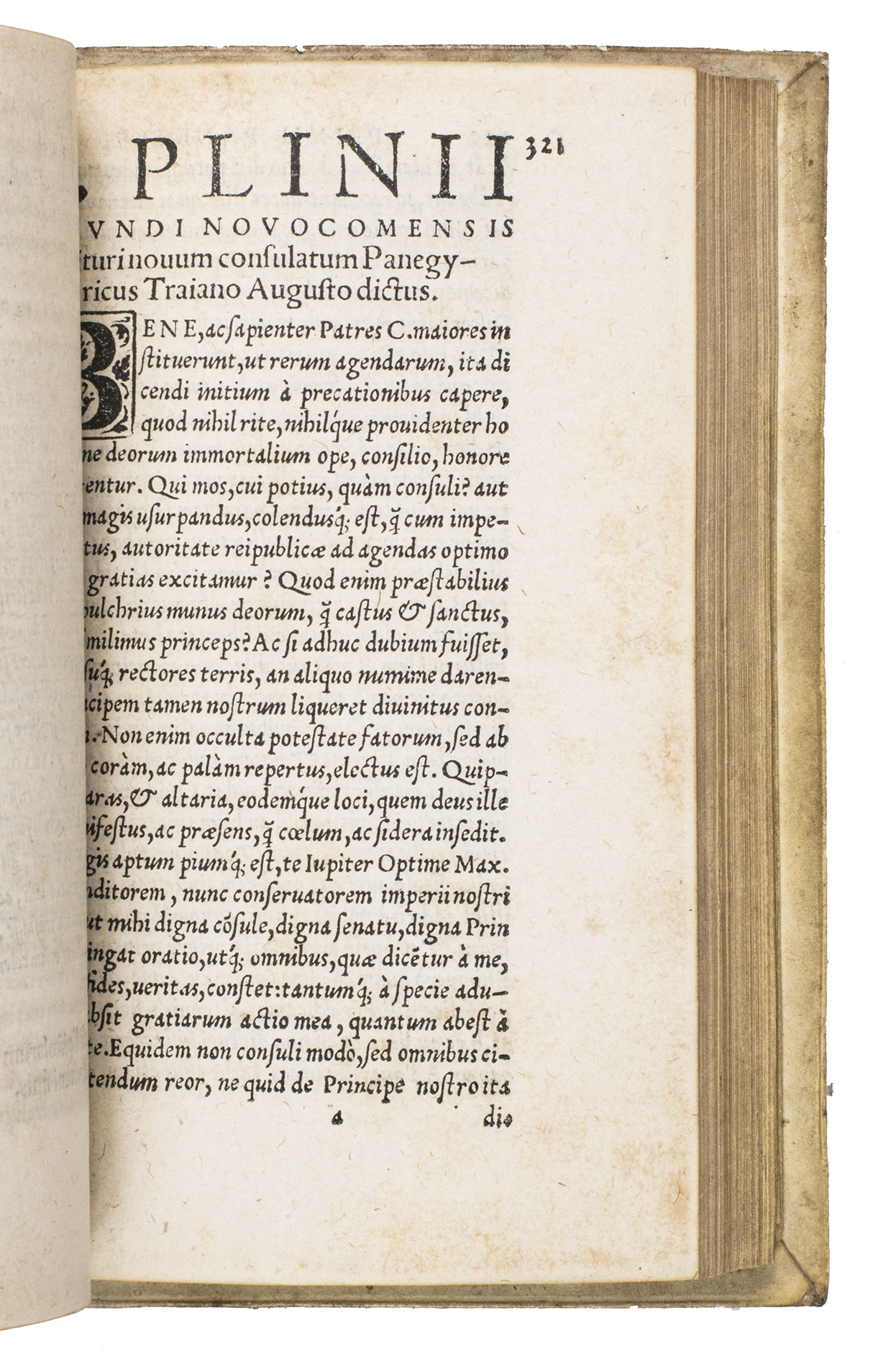
Of his speeches delivered during his successful senatorial career only the one of thanks to Trajan for his consulship in AD 100 survives and is known as the Panegyricus Traiano Augusto dictus, and is added on p. 321-405 of our edition. The work further includes Suetonius' set of biographies of Roman men of letters, Obsequens' work on prodigies that lived from 249-12 BCE, and Cataneus' life of Pliny.
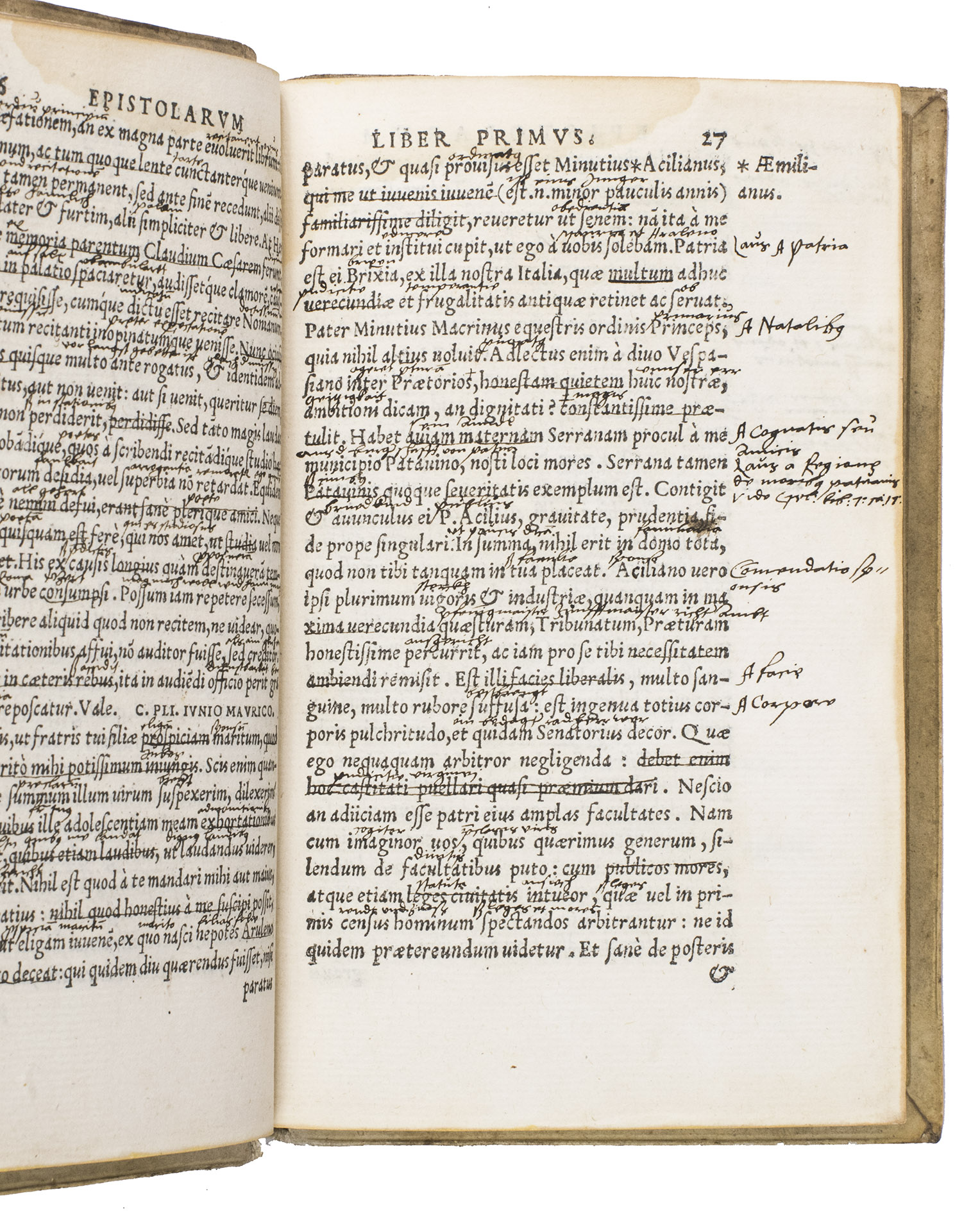
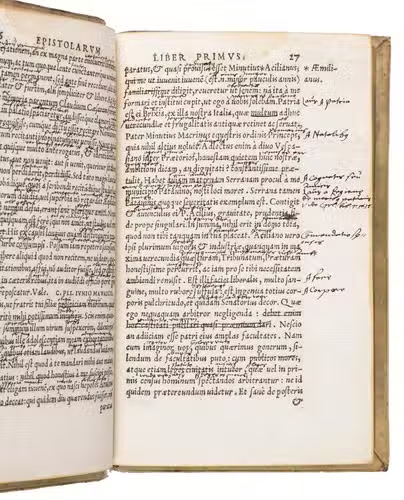
With a slightly later ownership's entry on the title page ("sum Wolfgangi Joechlinger"), and another underneath ("A[nn]o [1]610 (?)"). The front board is somewhat water stained, some insect droppings and a worm hole on the back board, the boards are slightly rubbed, but the blind-tooling is overall quite clear. The leaves are slighlty browned and occassionally (water) stained or foxed, annotations in some of the margins and between the lines on some of the leaves. Otherwise in good condition. Belg. Typ. 4018; Machiels 990; STCV 12923944; USTC 400687.
Related Subjects: