LIVIUS, Titus.
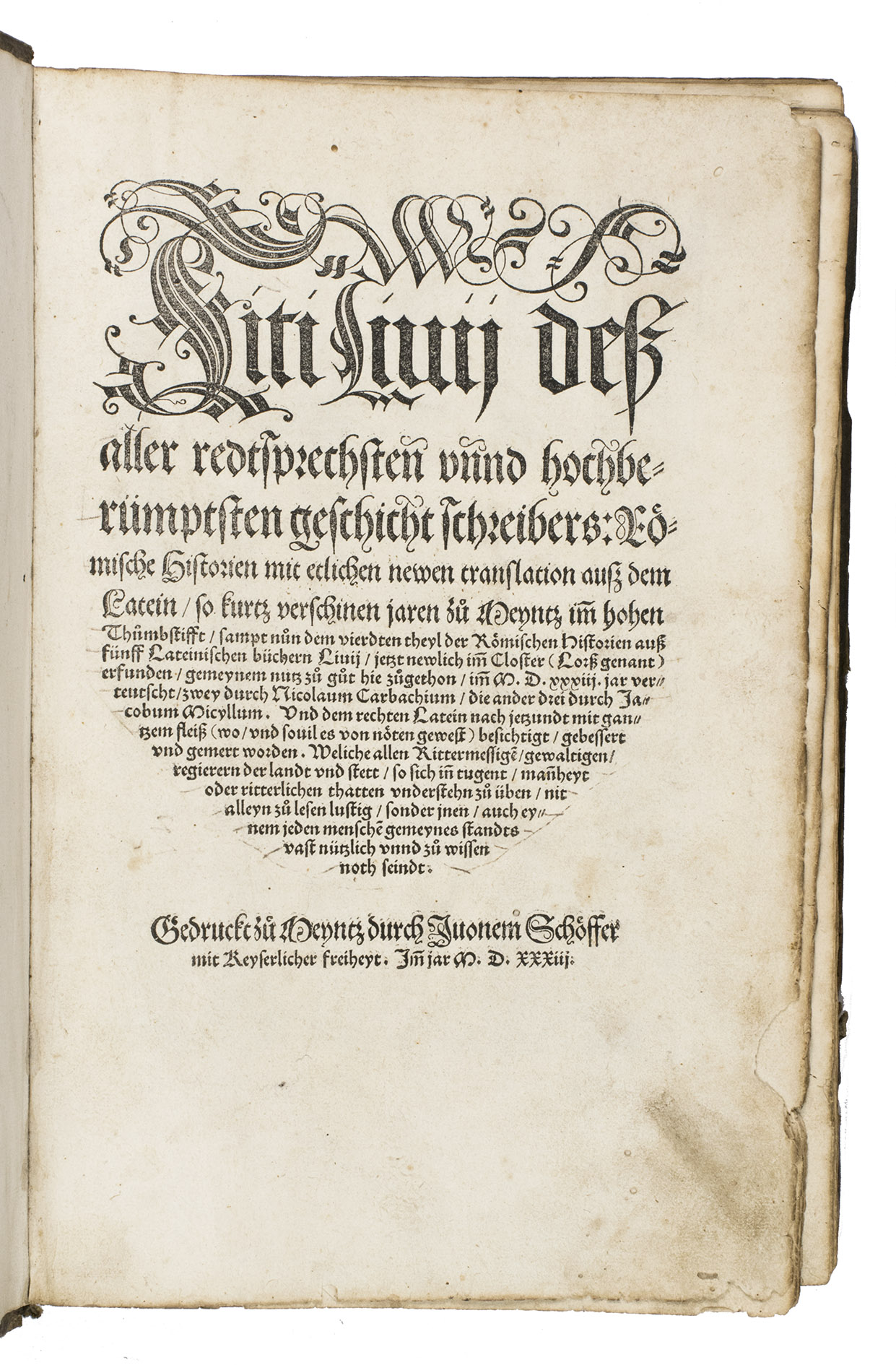
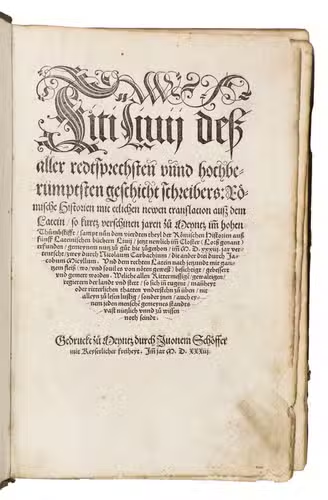
Titi Livii deß aller redtsprechsten unnd hochberümptsten geschicht schreibers: Römische Historien ...
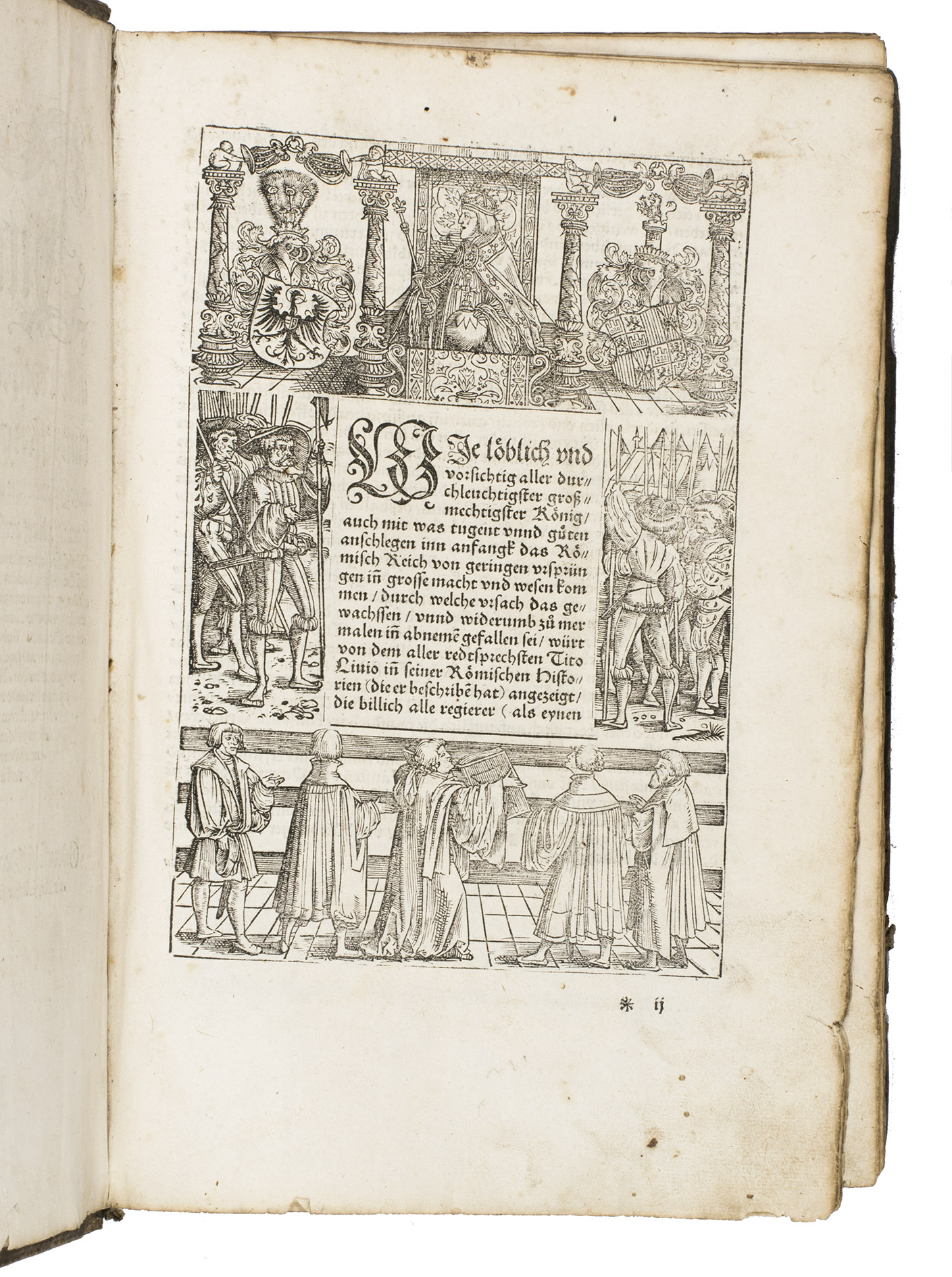
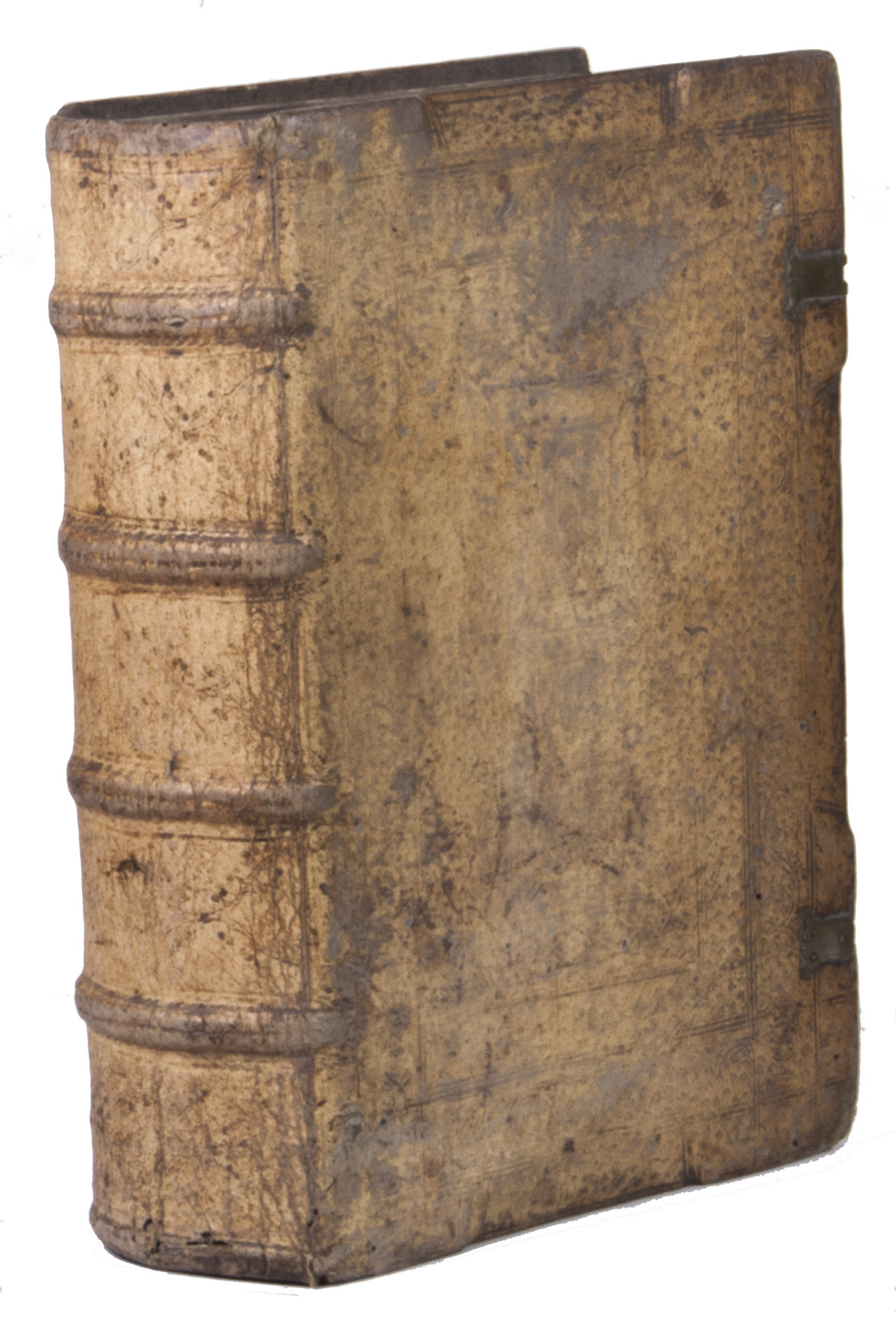
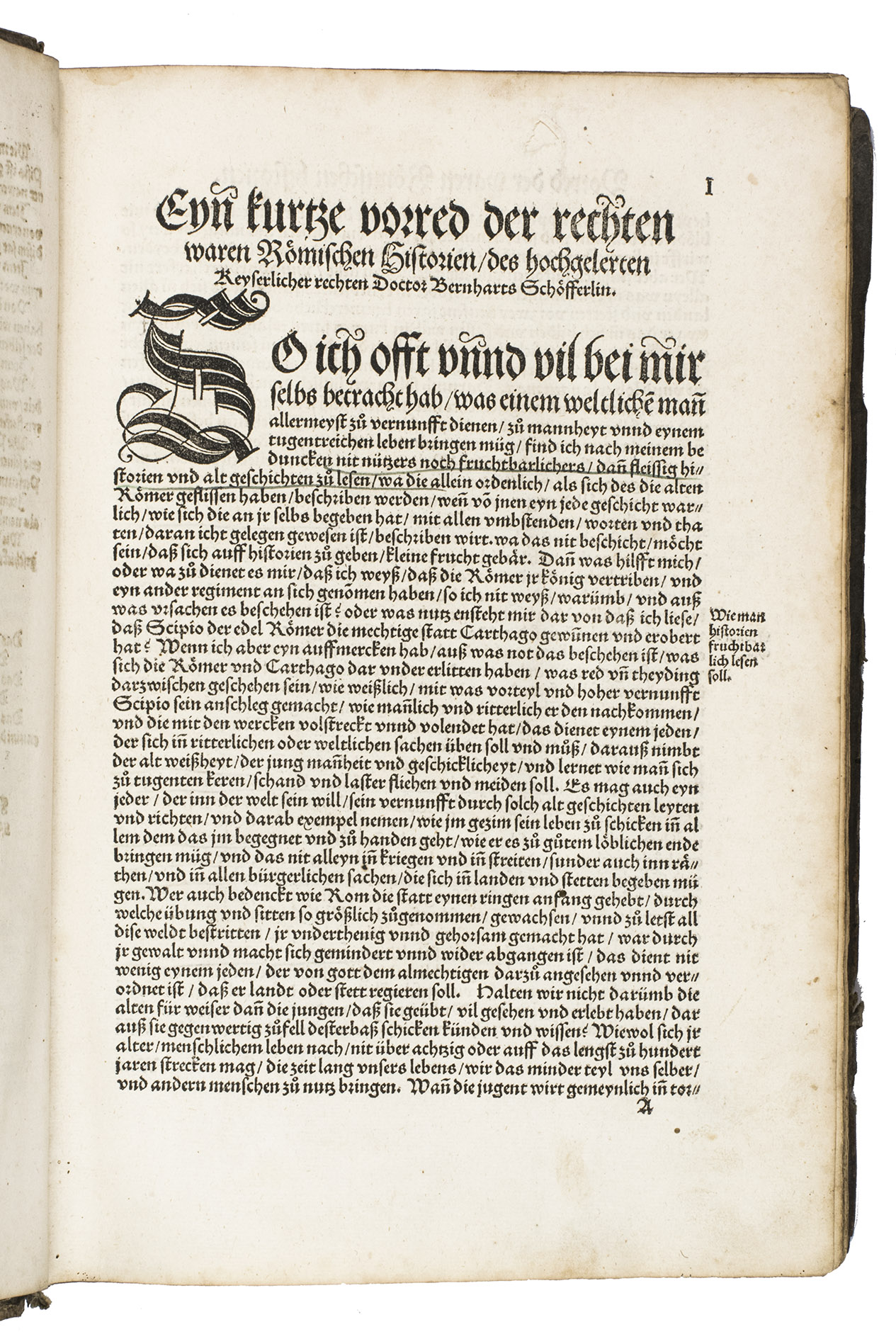
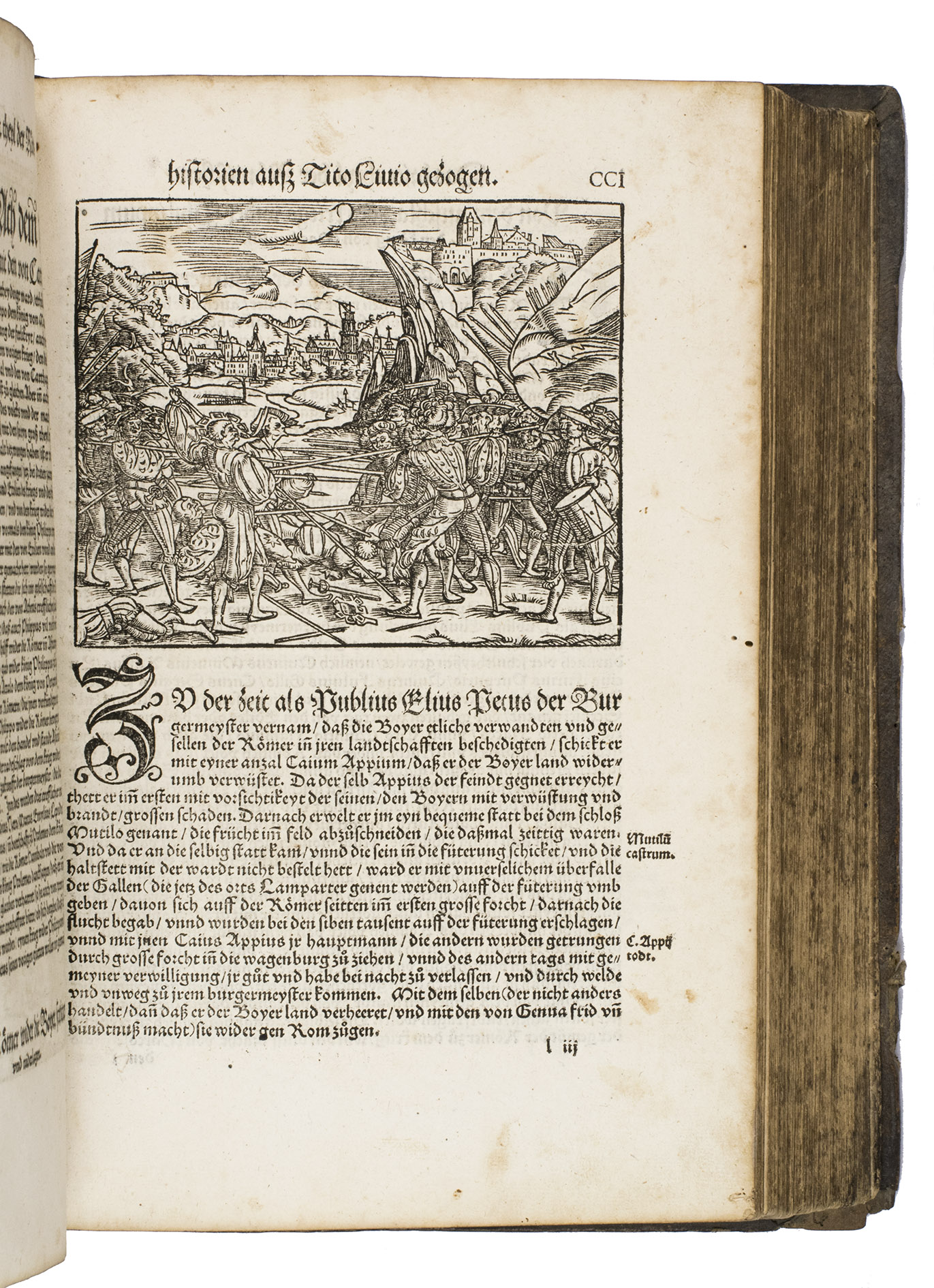
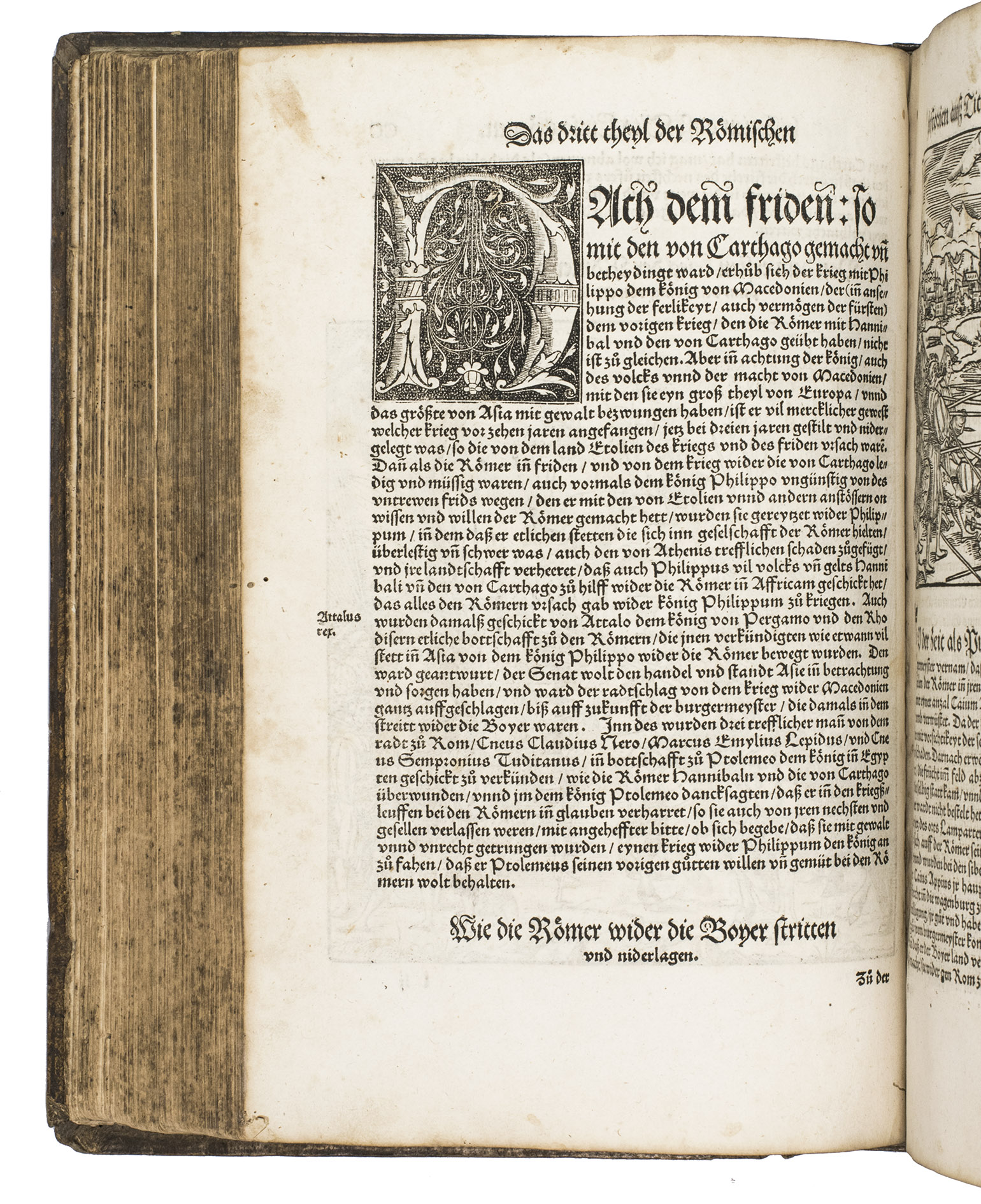
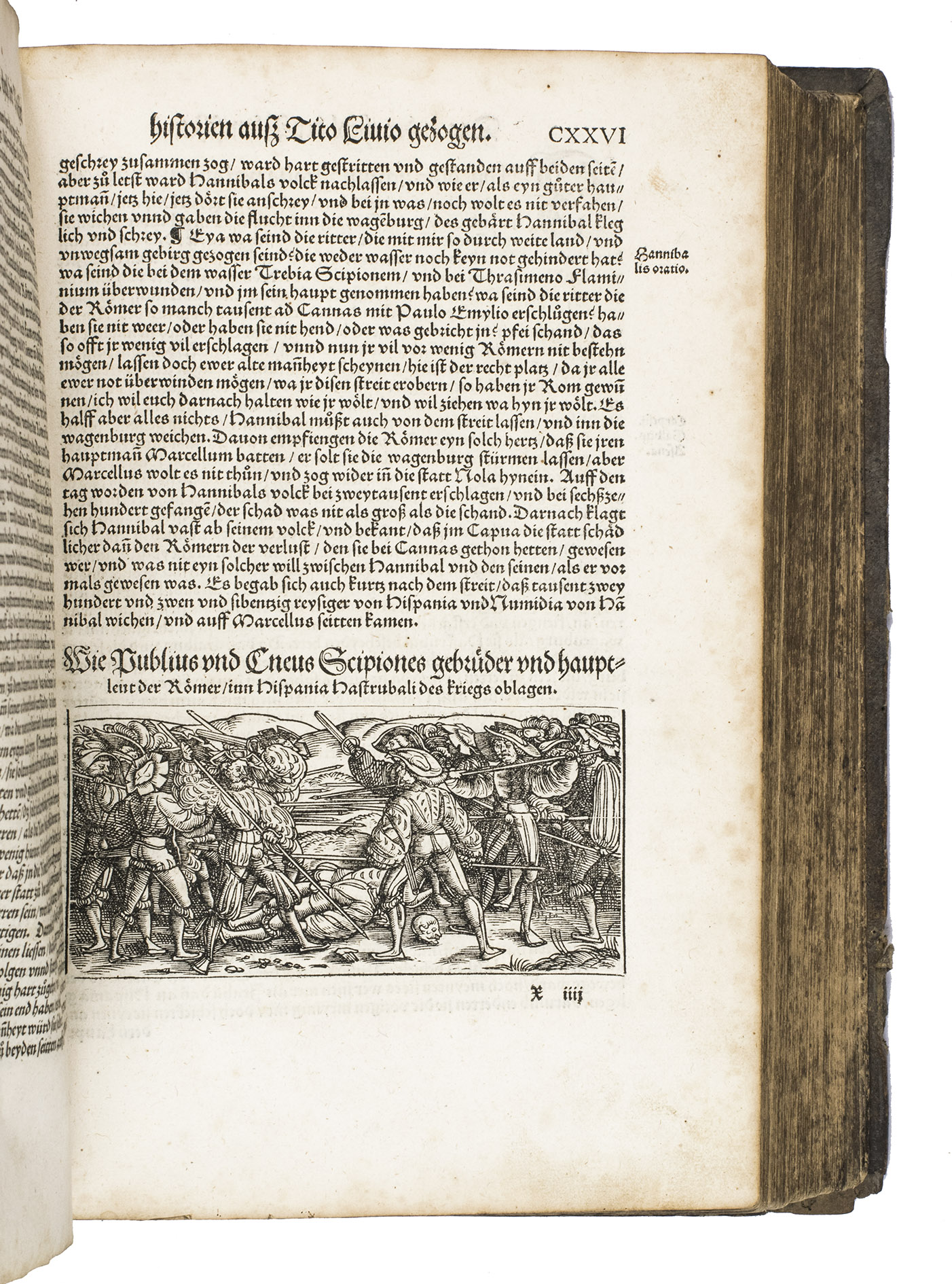
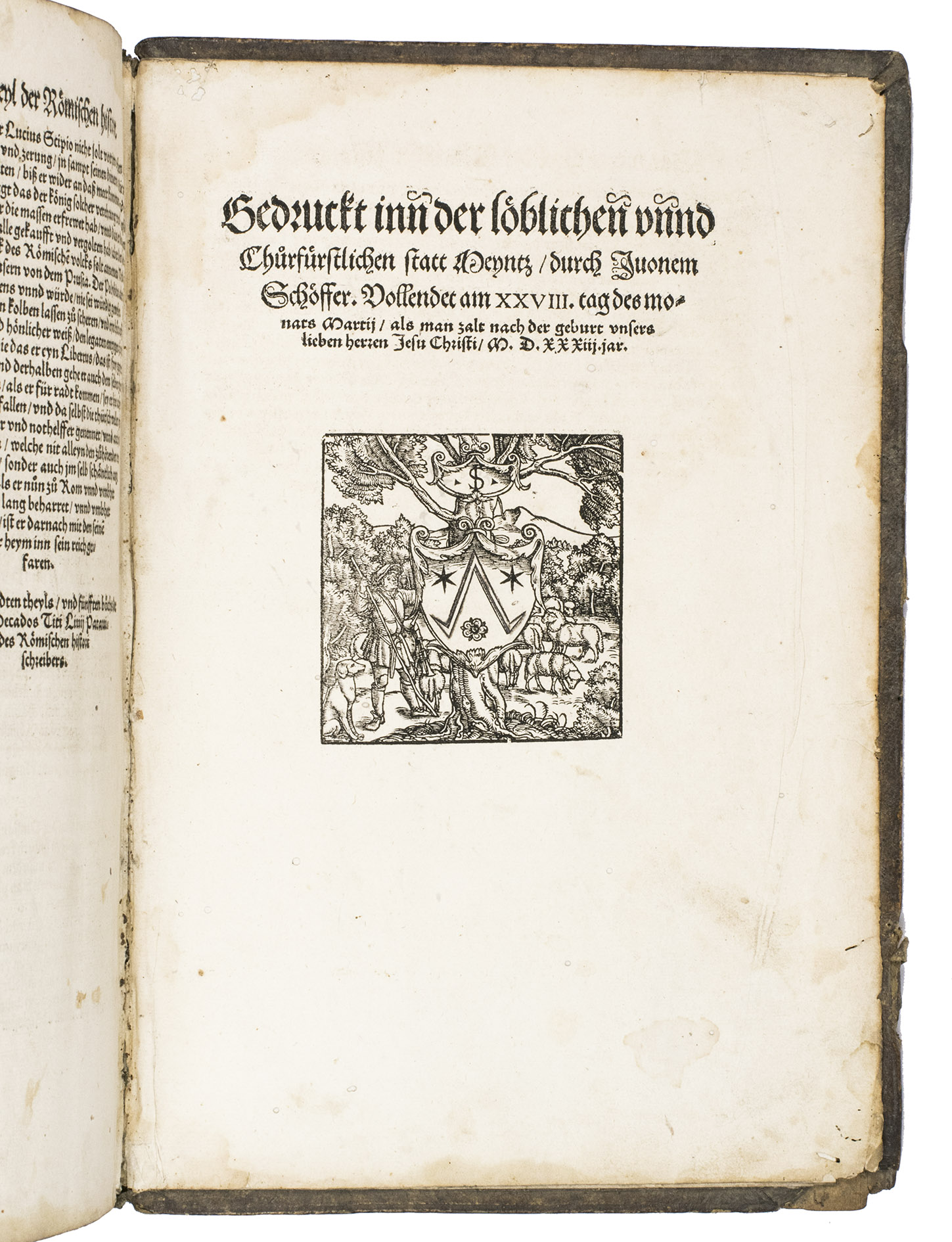
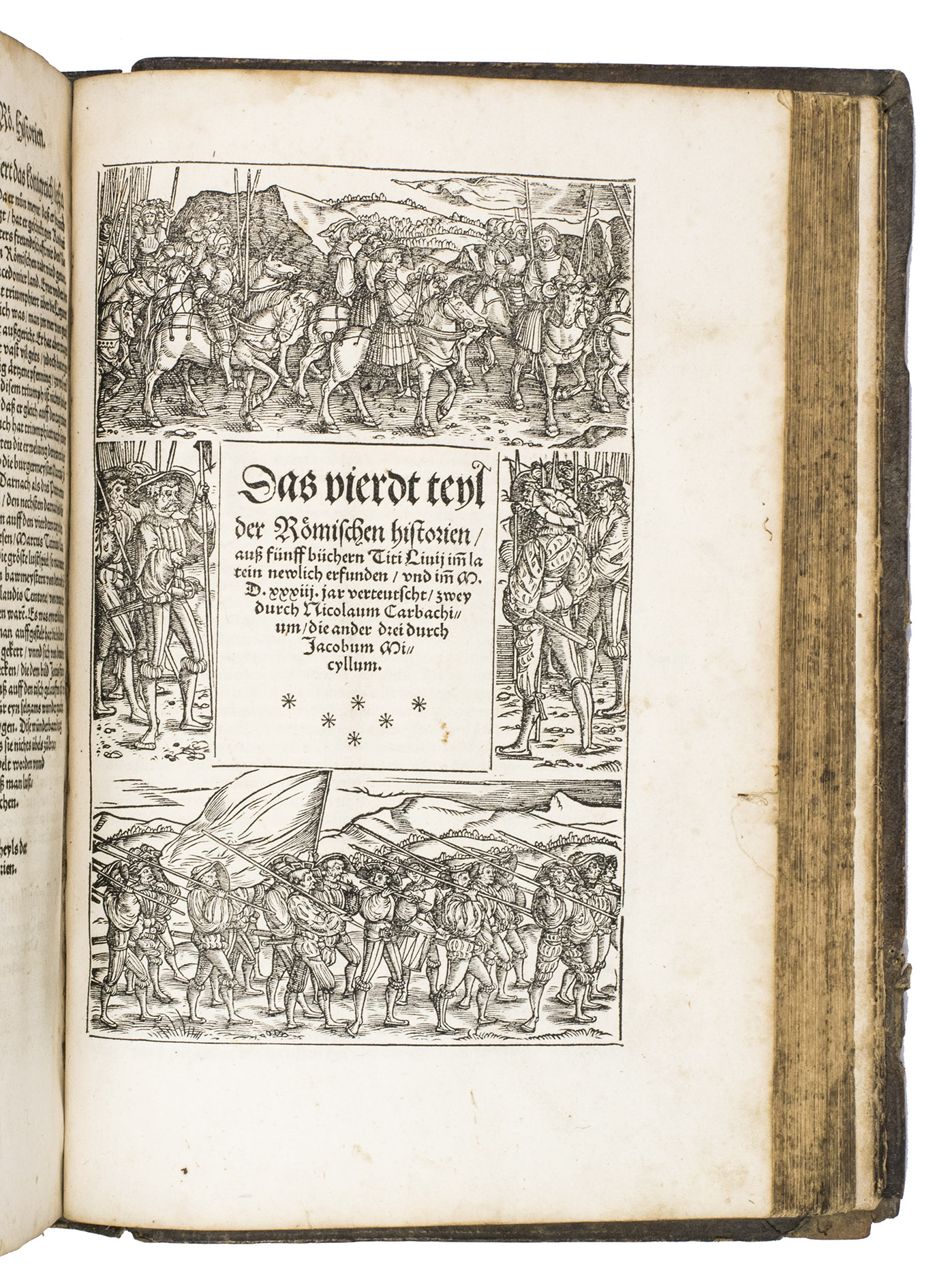
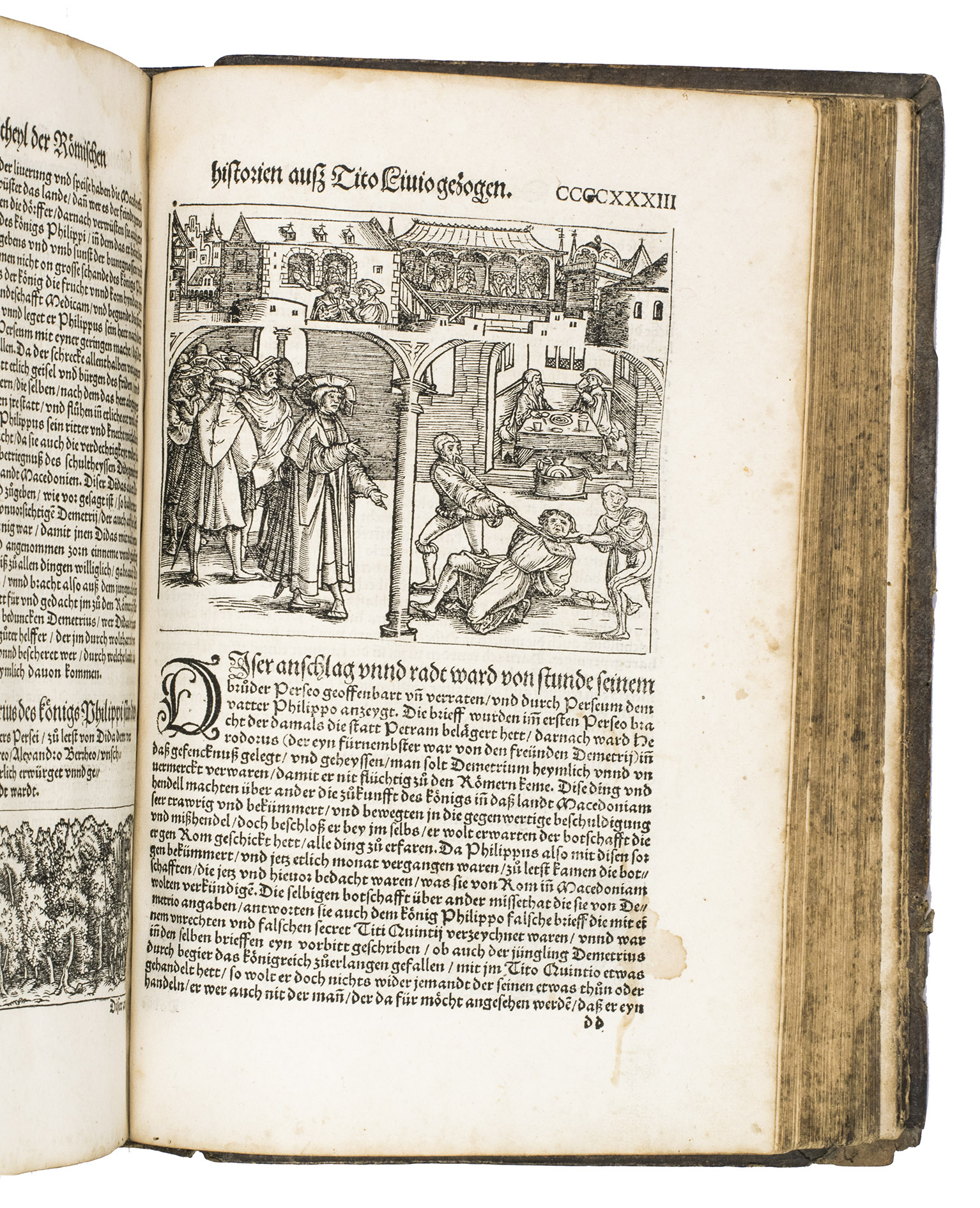
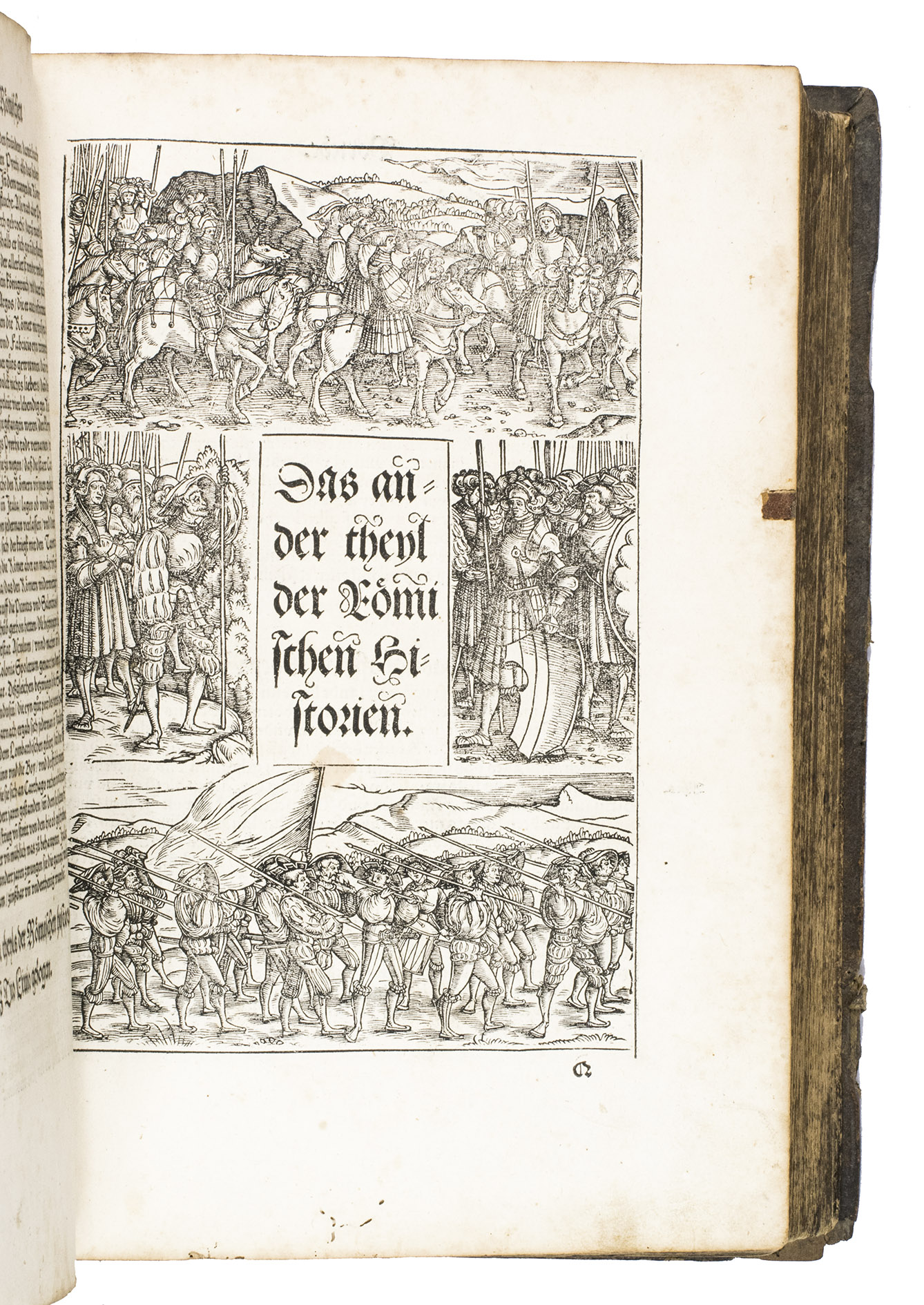
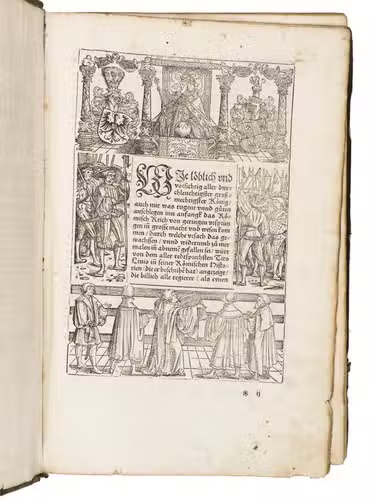
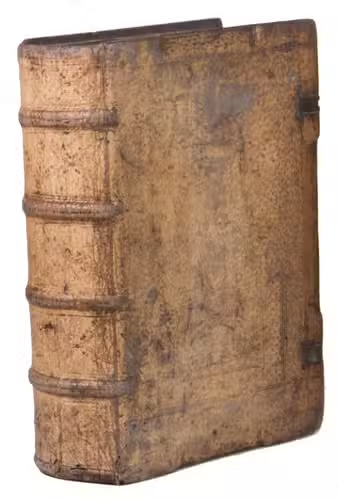
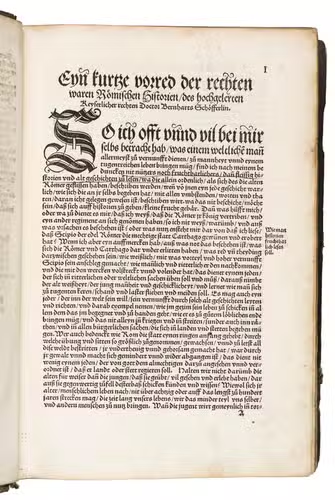
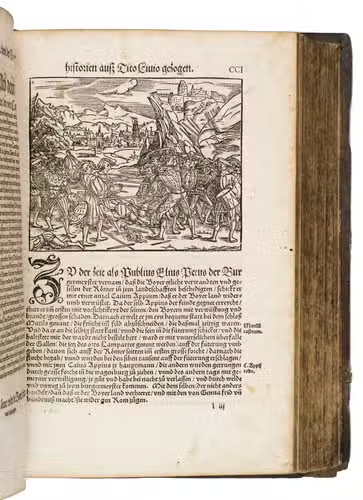
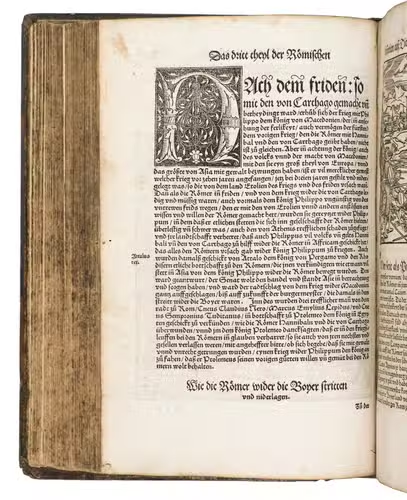
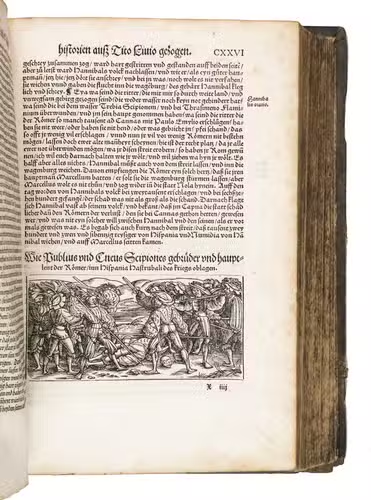
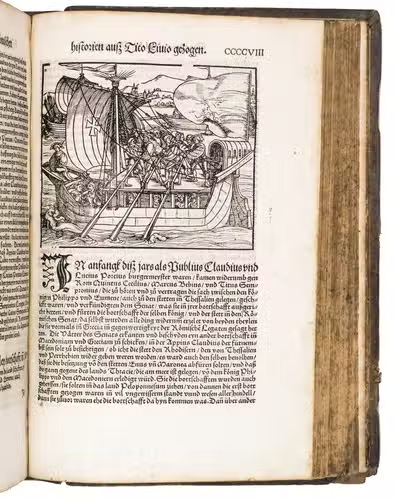
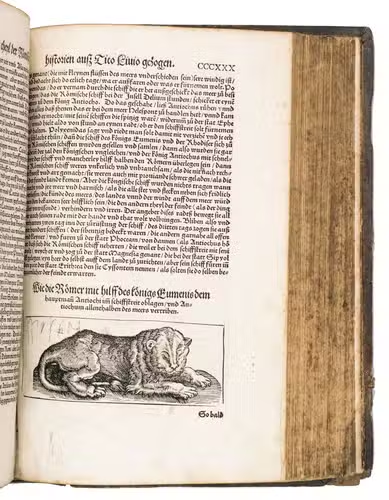
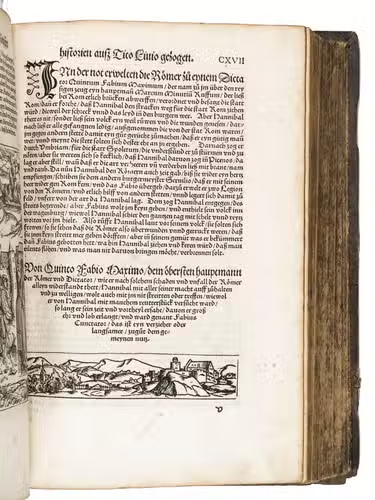
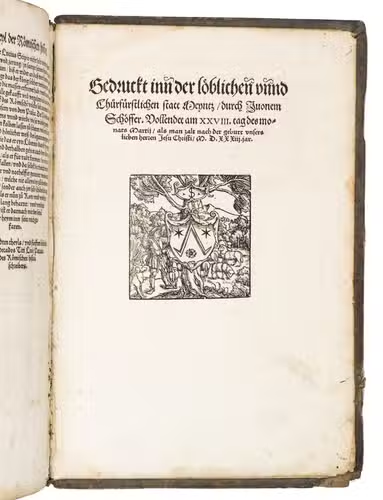
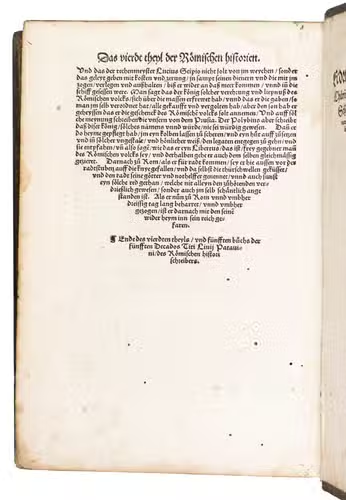
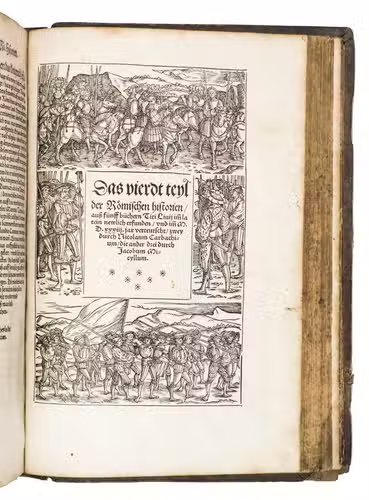
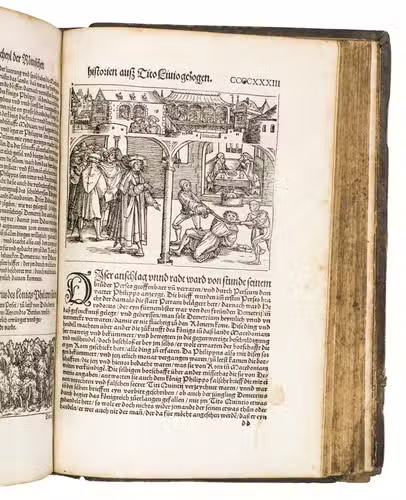
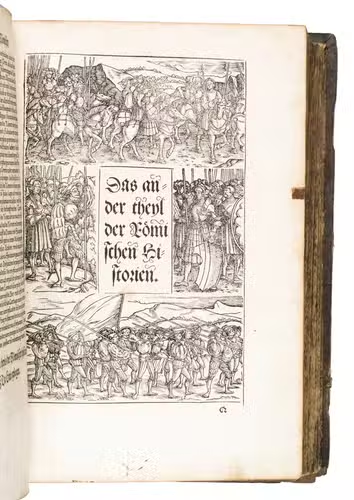
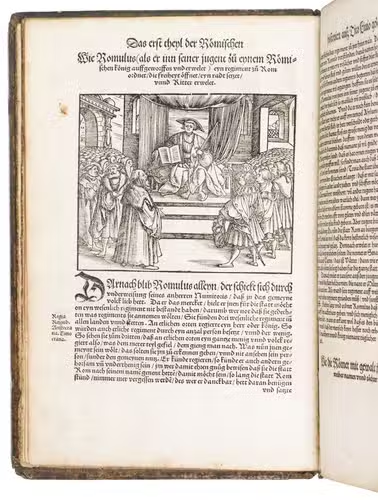
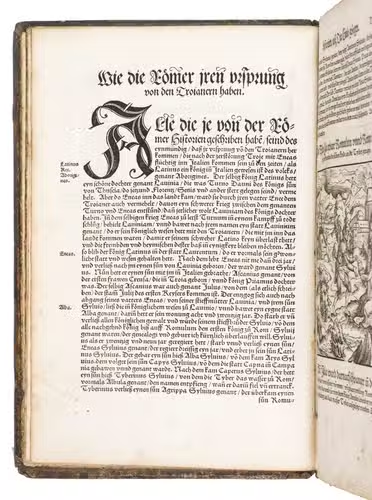
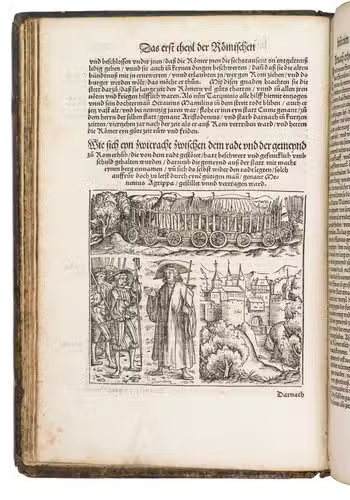
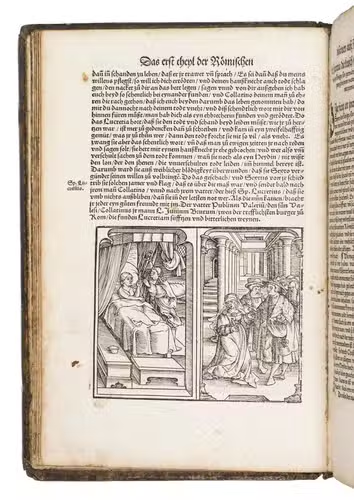
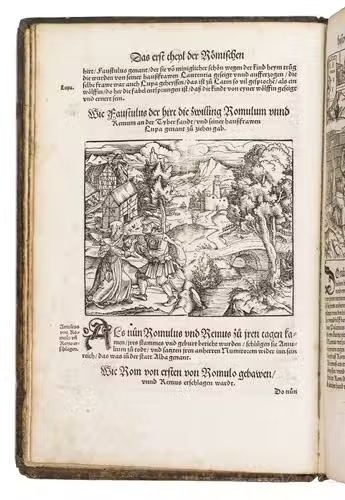
Mainz, Ivo Schöffer, 1533. 5 parts in 1 volume. Folio. With 4 elaborate woodcut borders, 279 woodcut illustrations, a decorated woodcut initial, and a woodcut printer's device on the final leaf. Contemporary blind-tooled pigskin over boards, with remnants of brass fittings. [14], CCCCCXLV, [1] ll.
€ 6,000
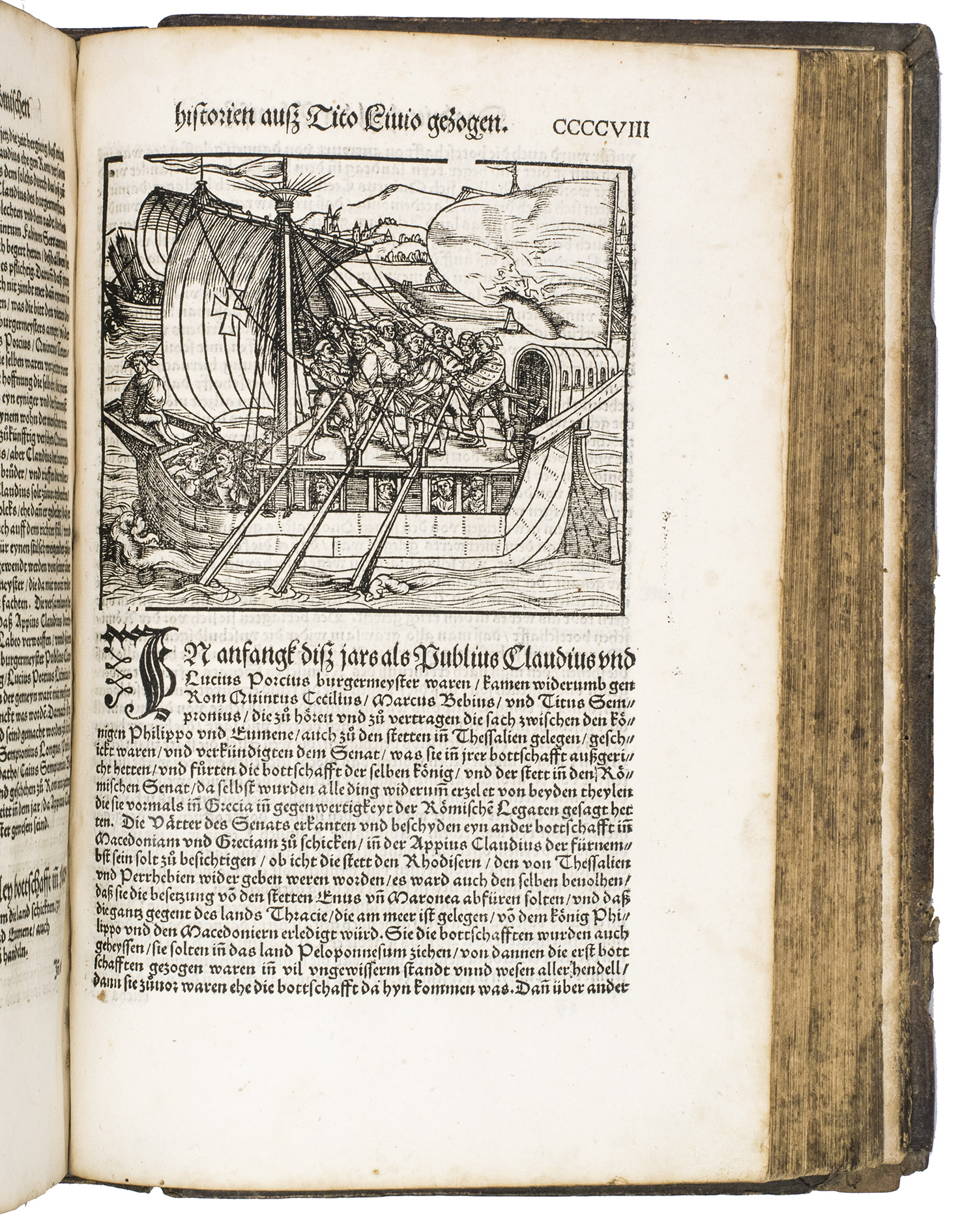
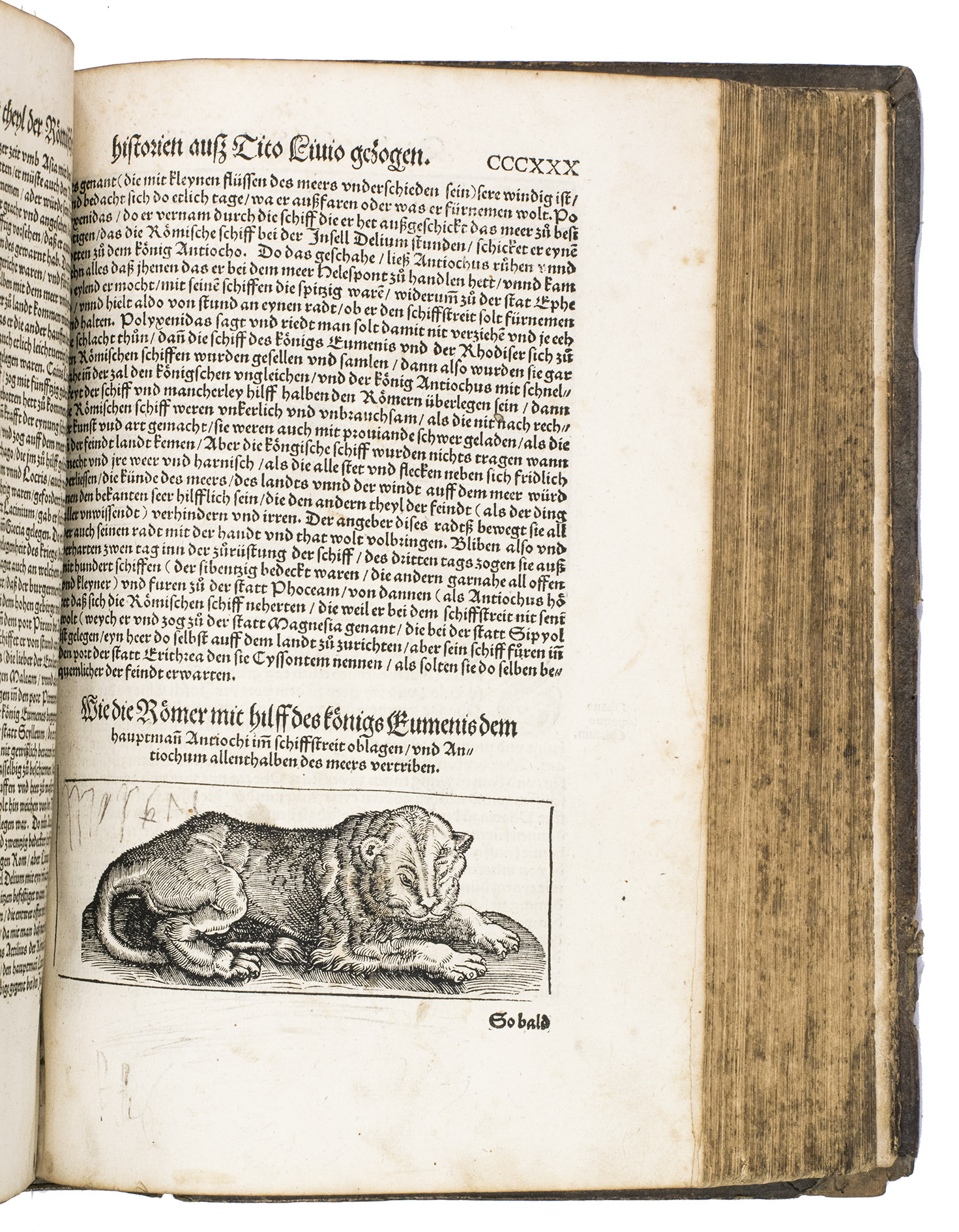
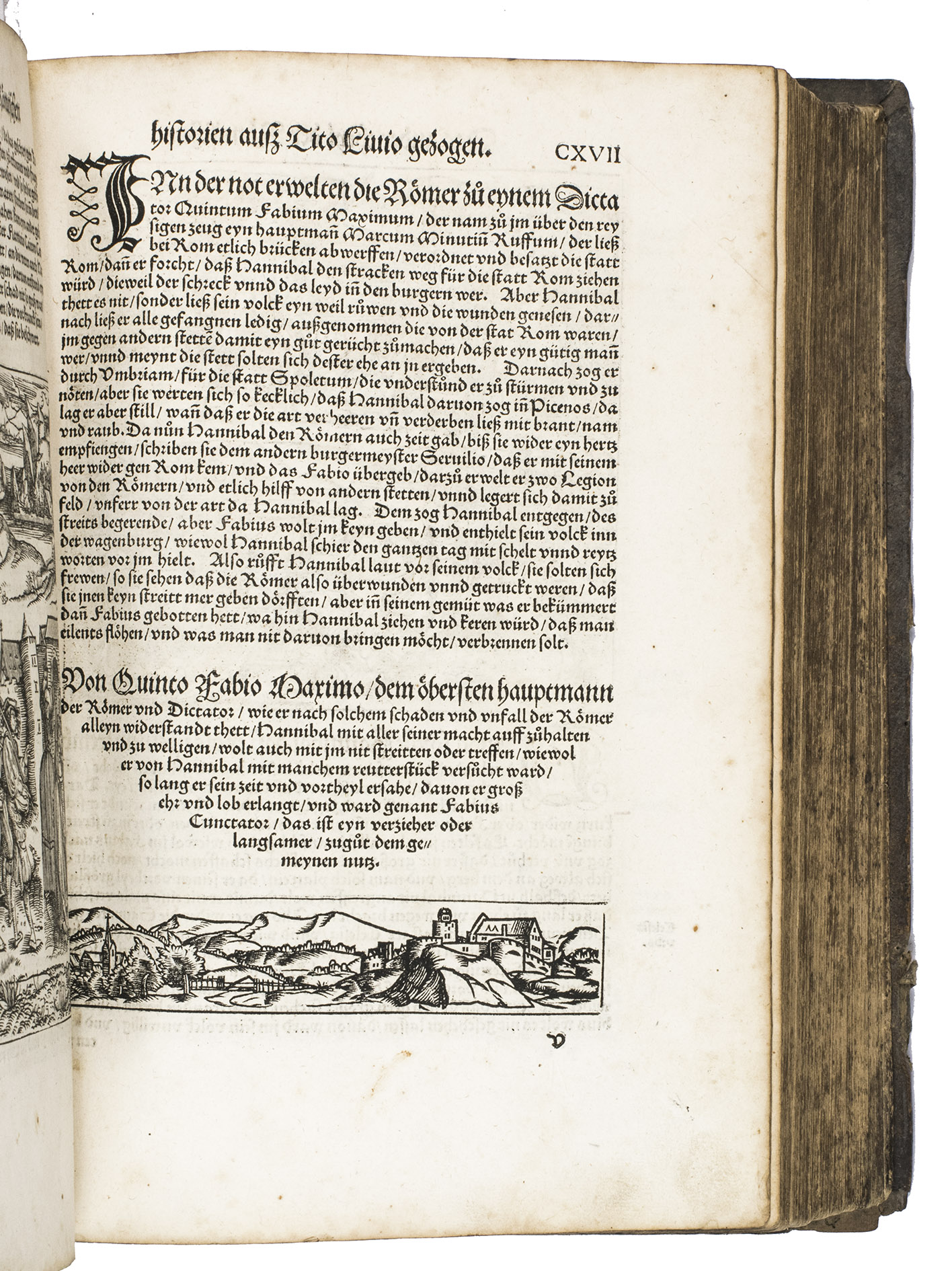
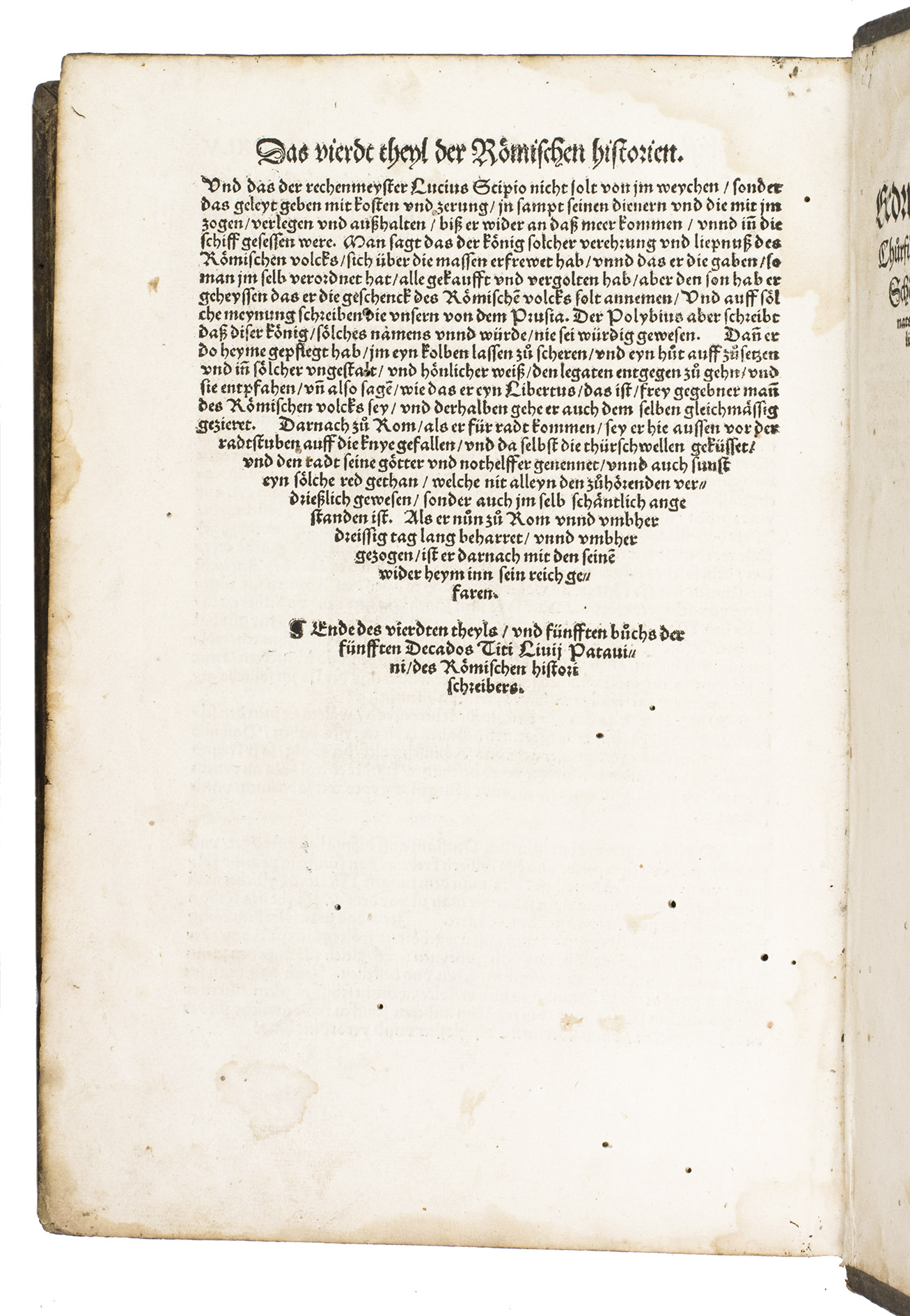
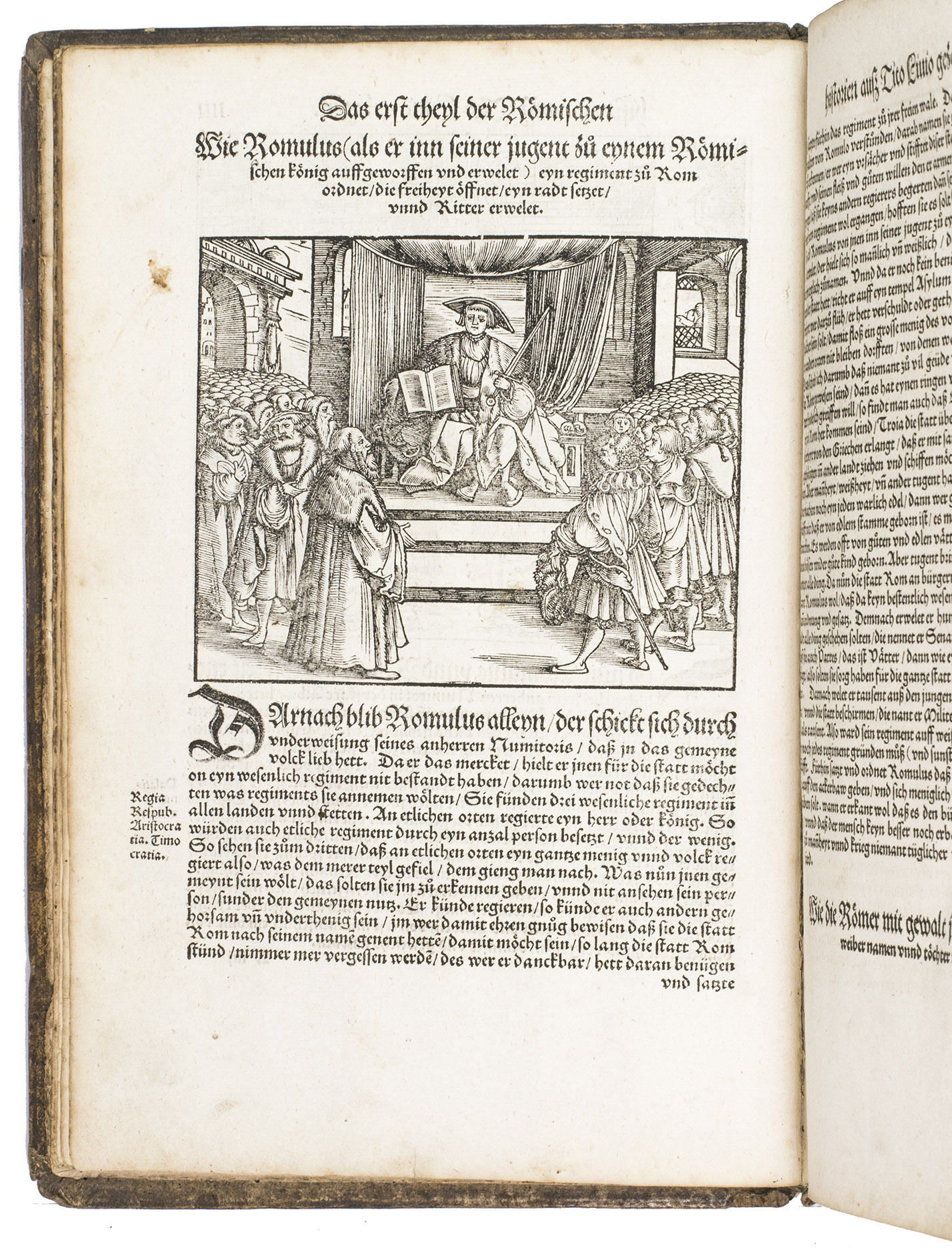
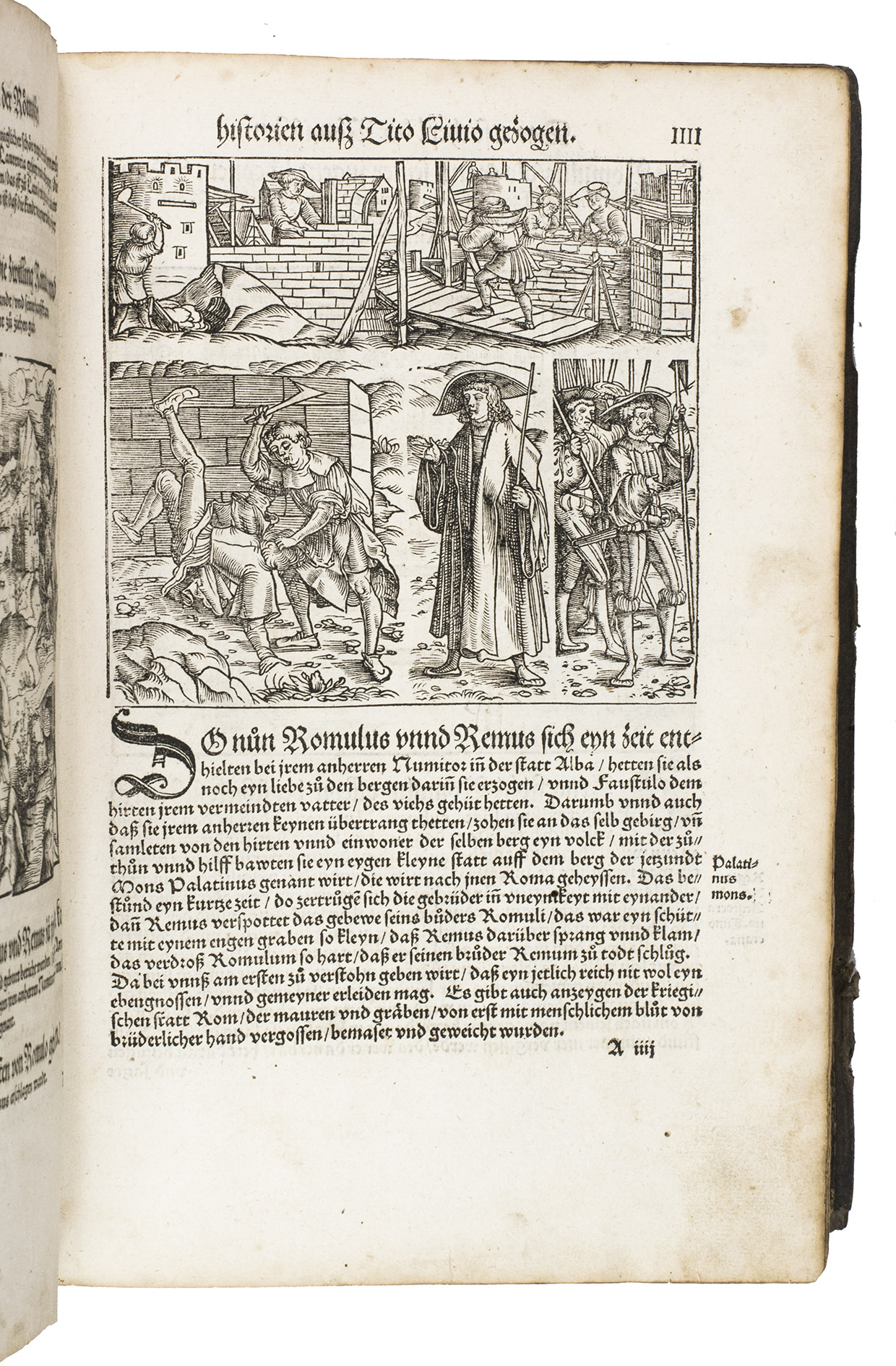
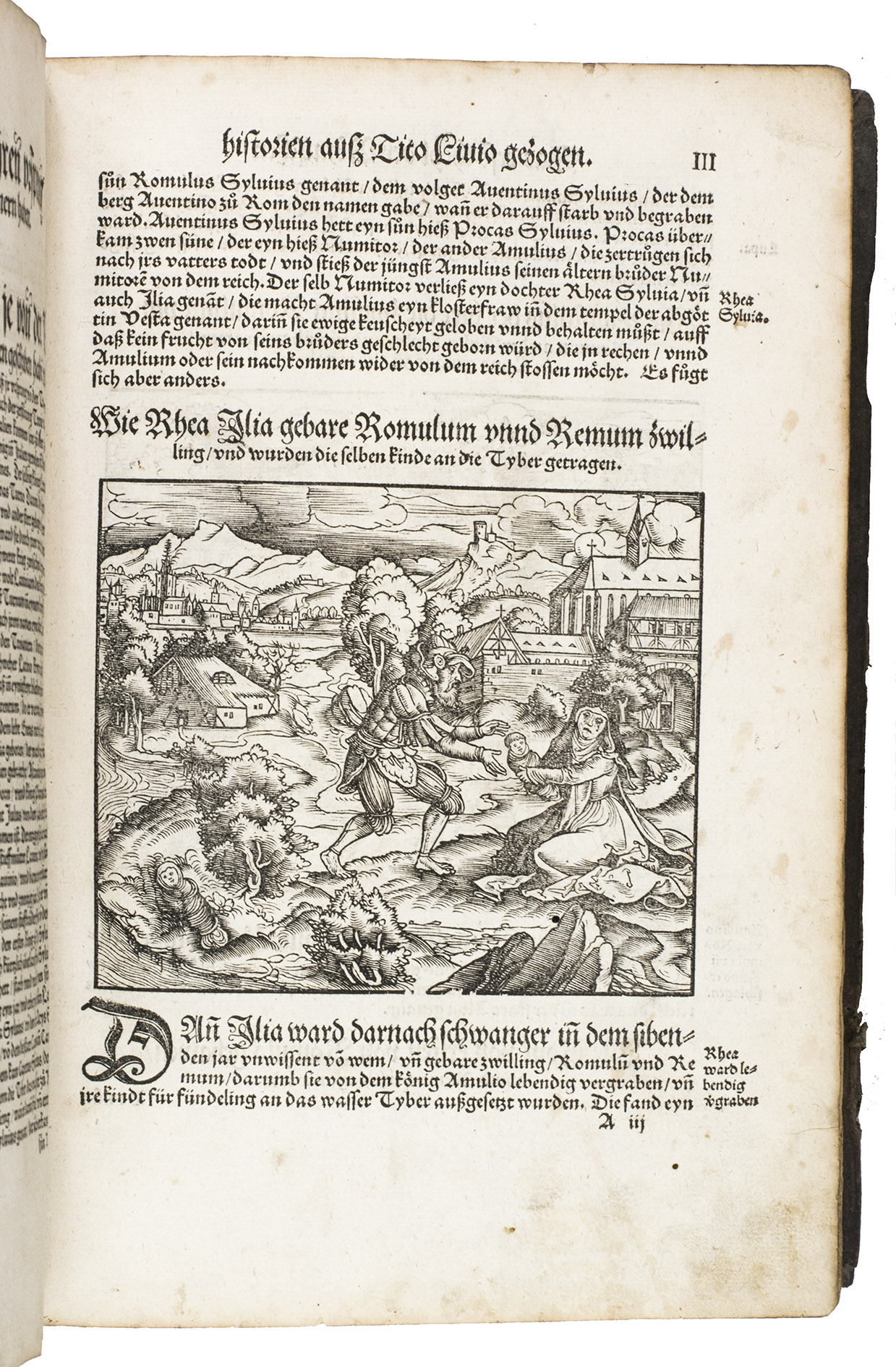
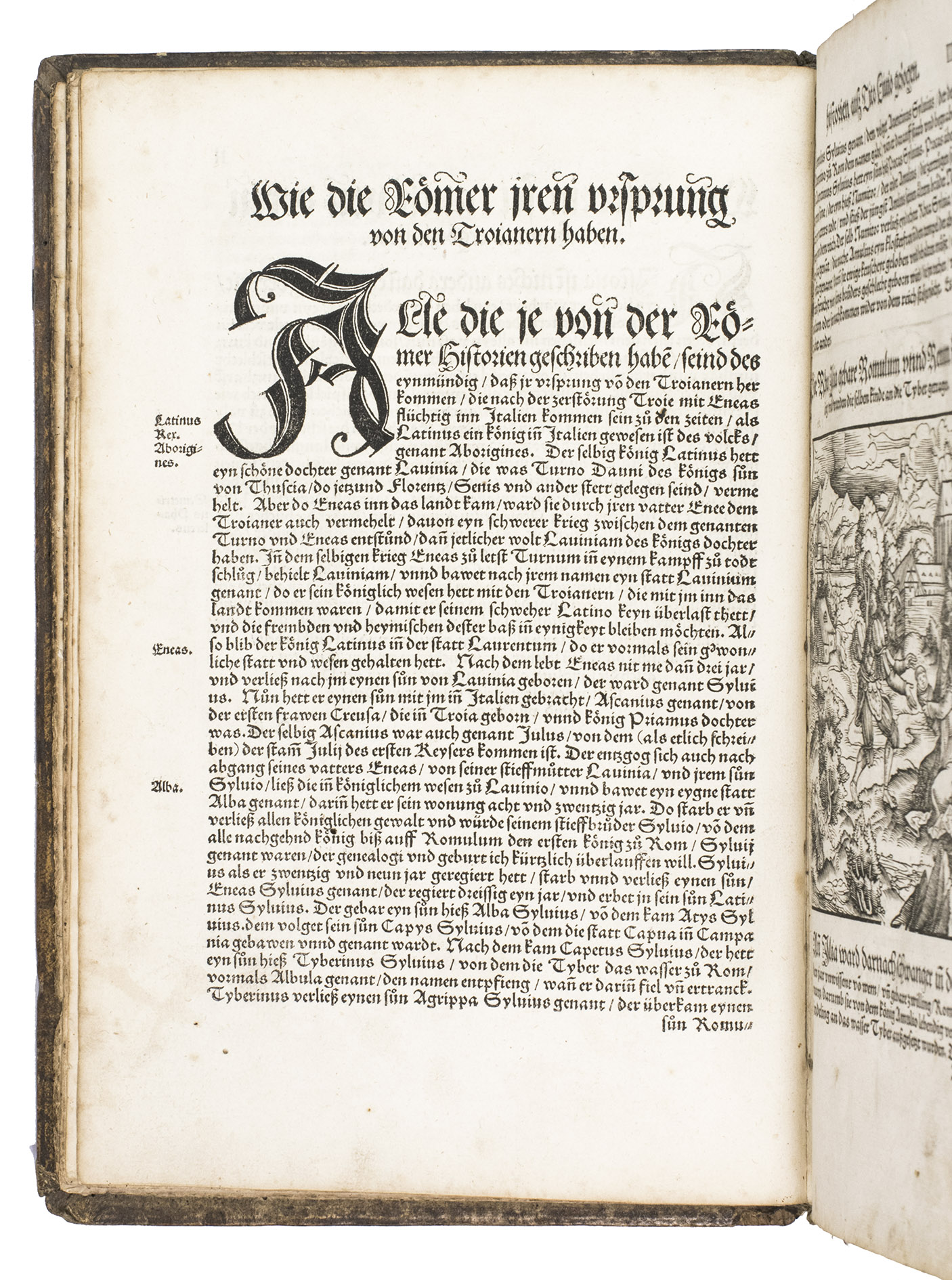
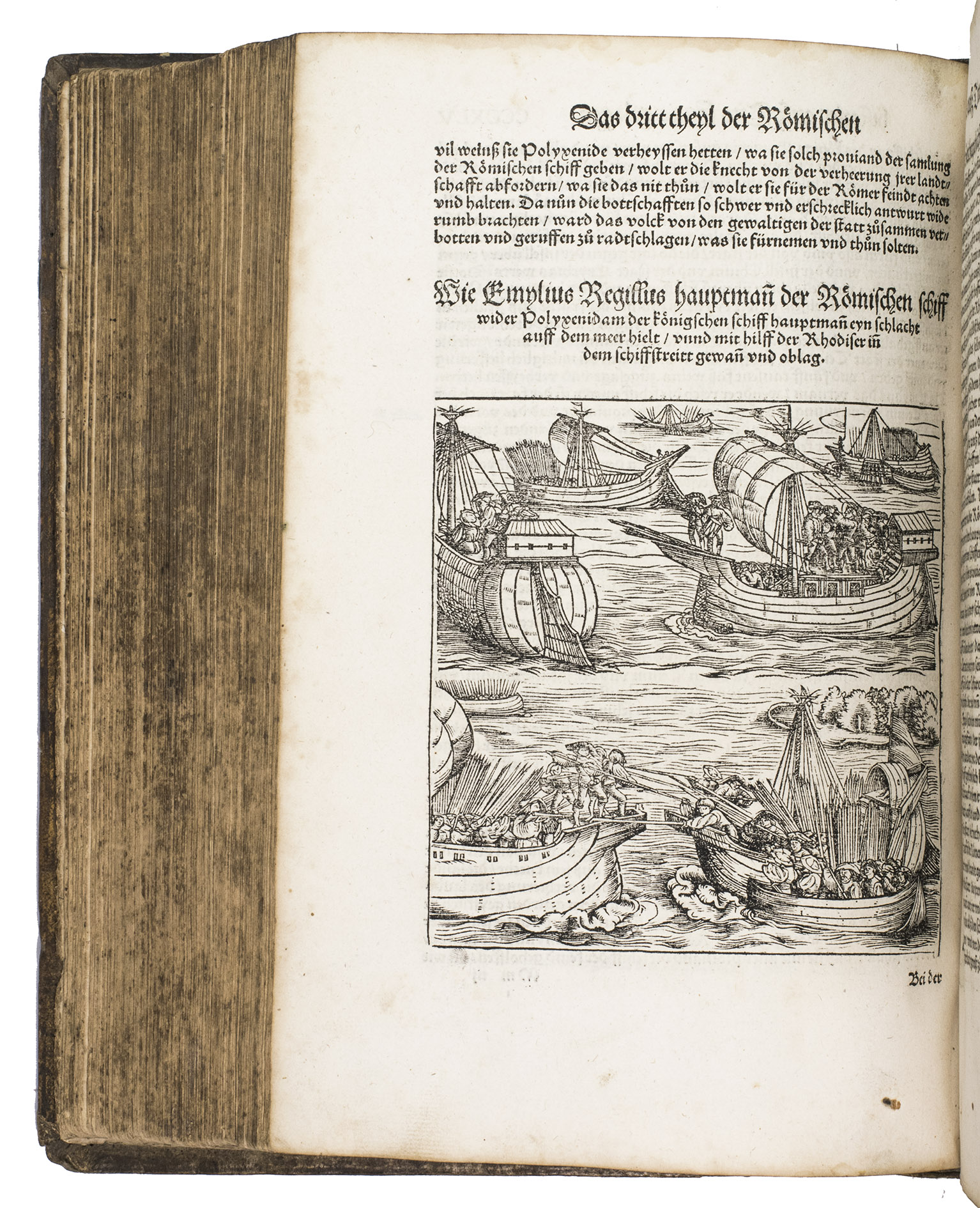
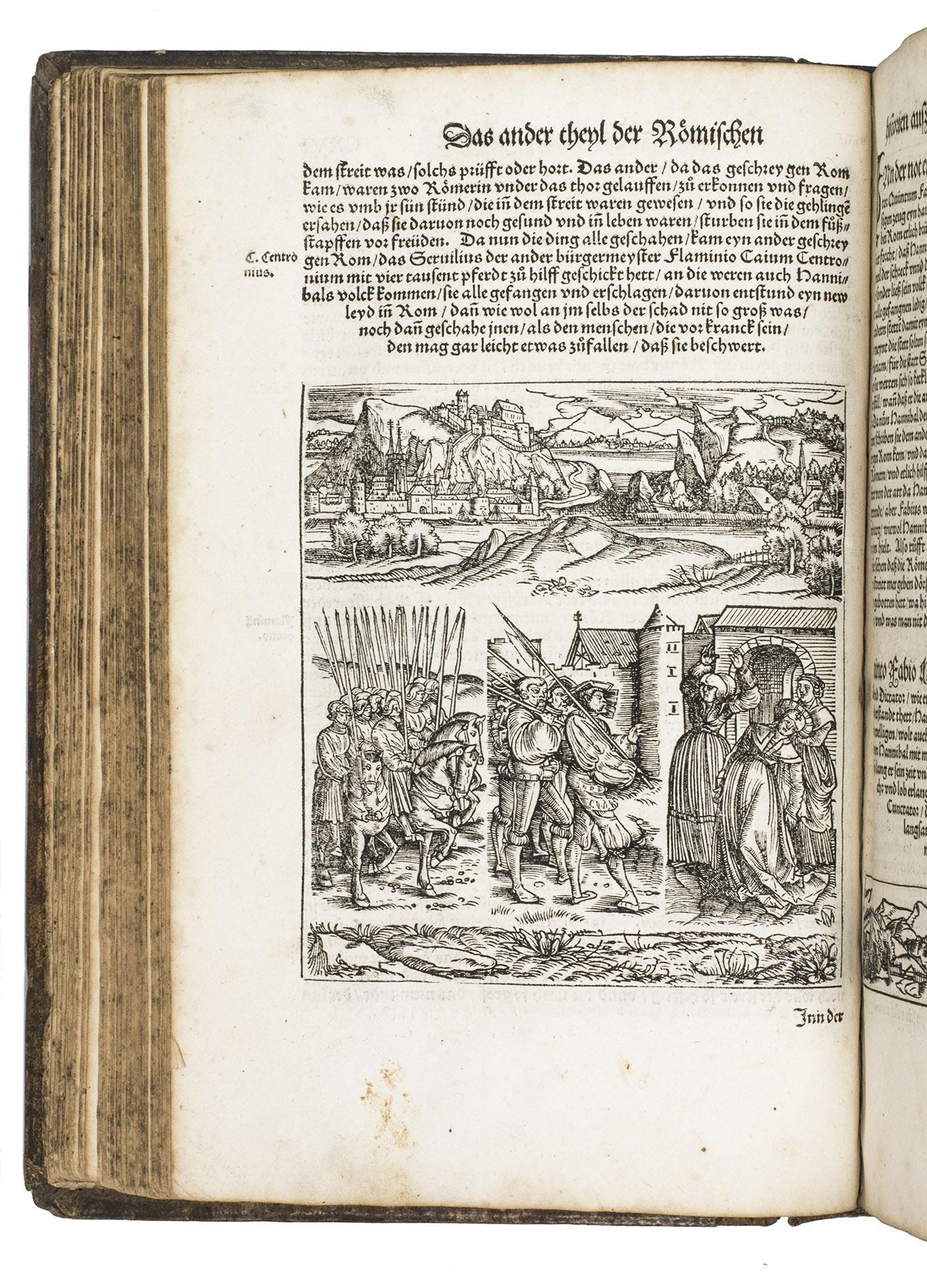
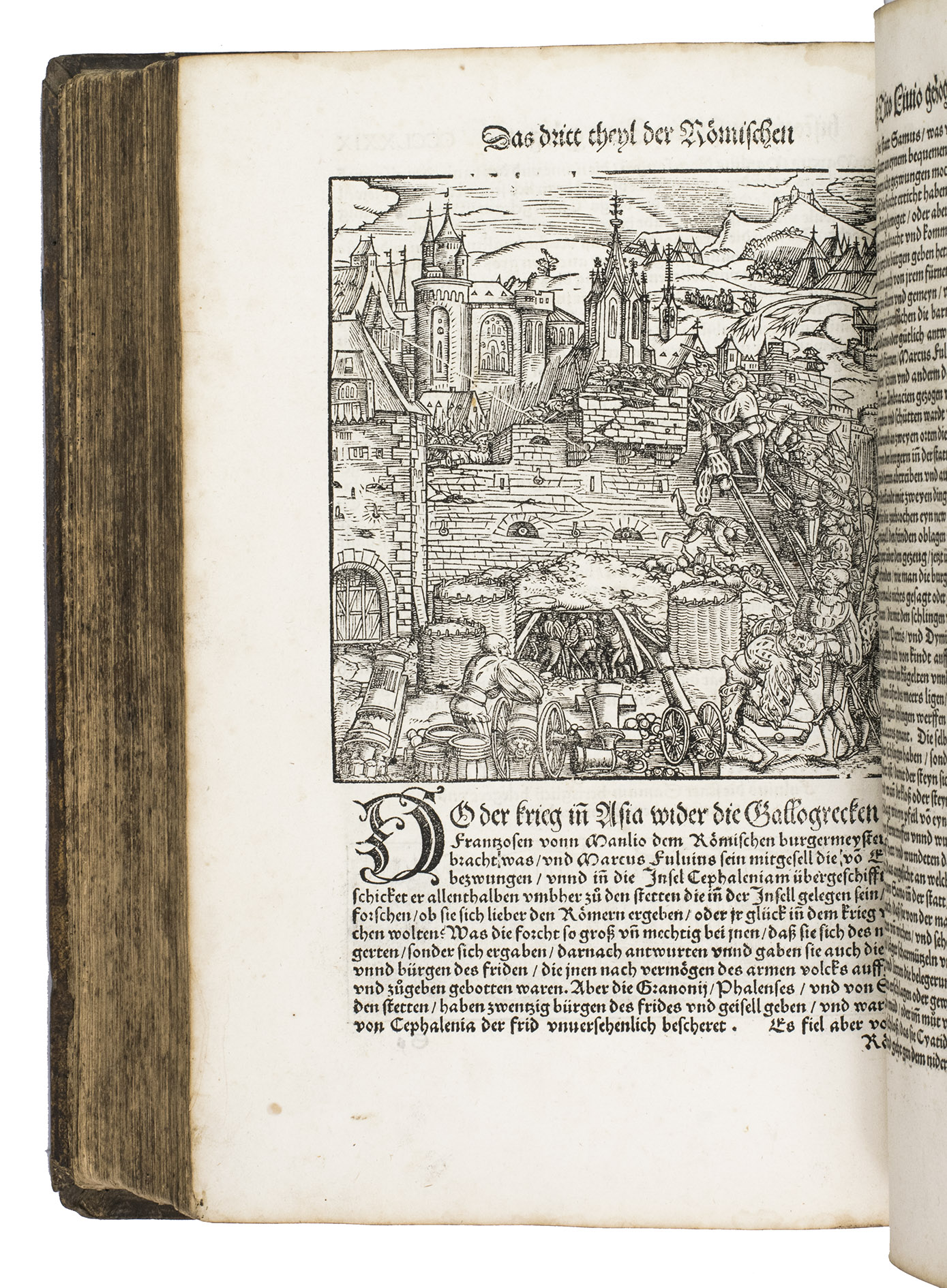
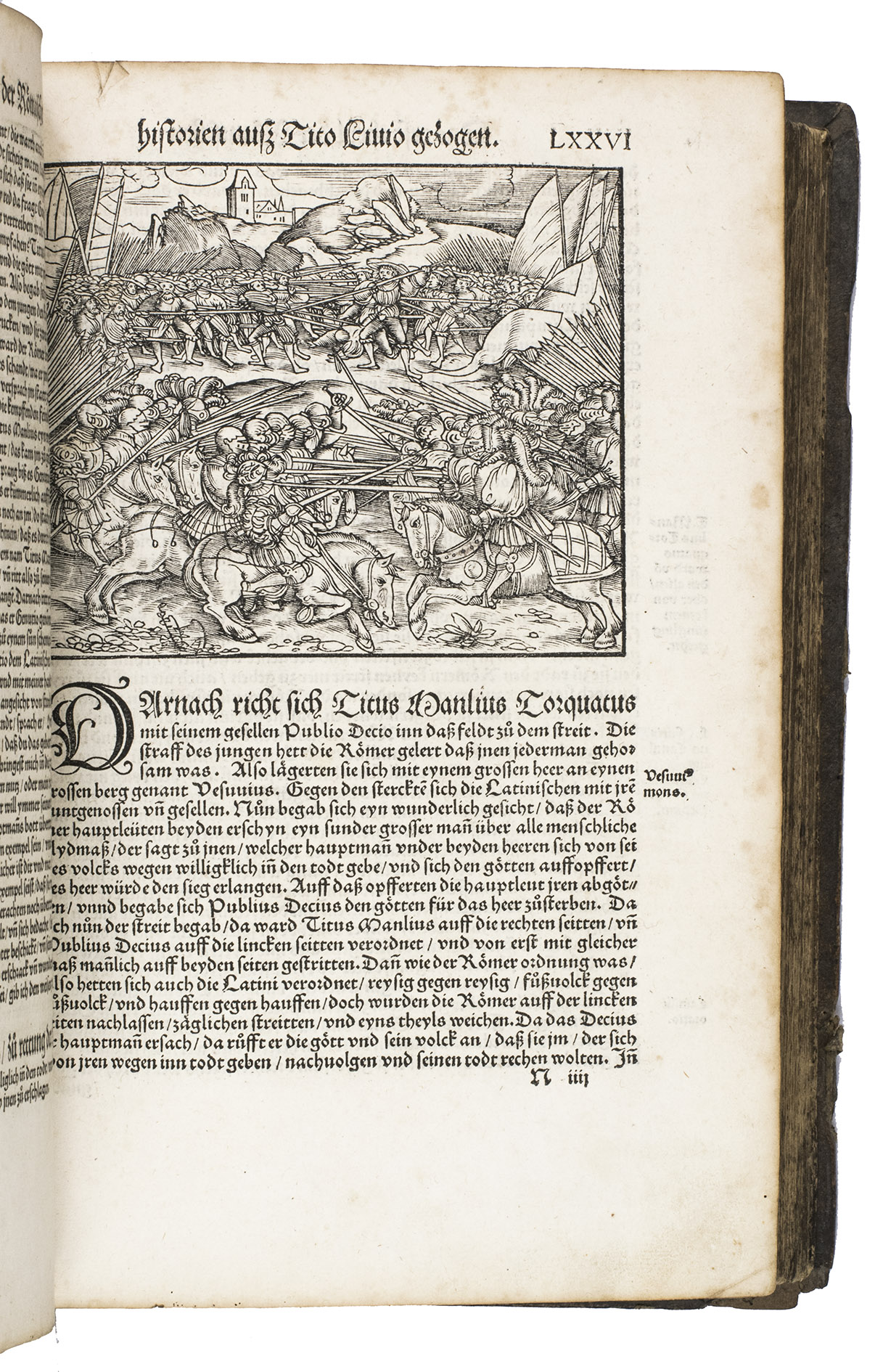
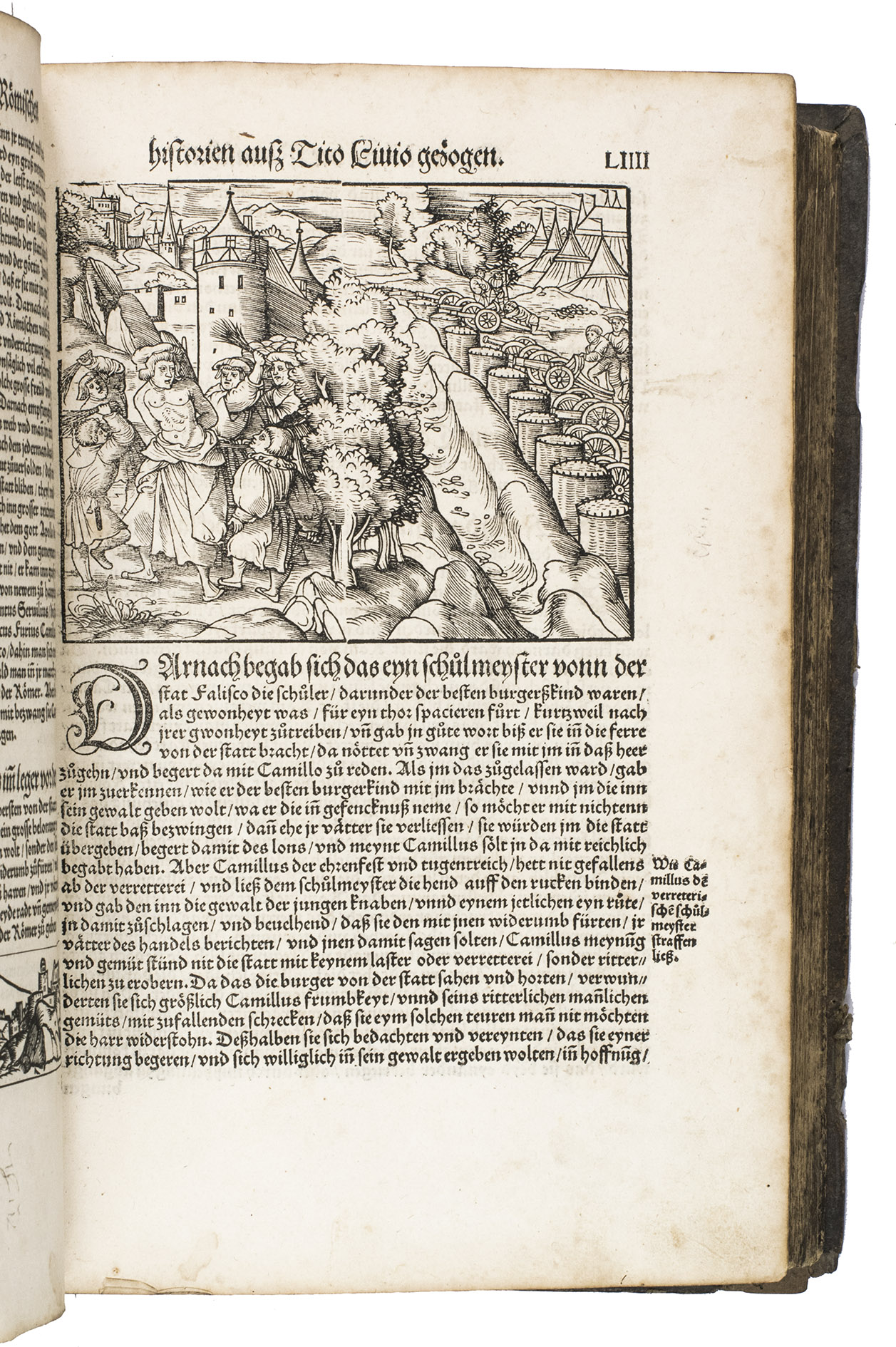
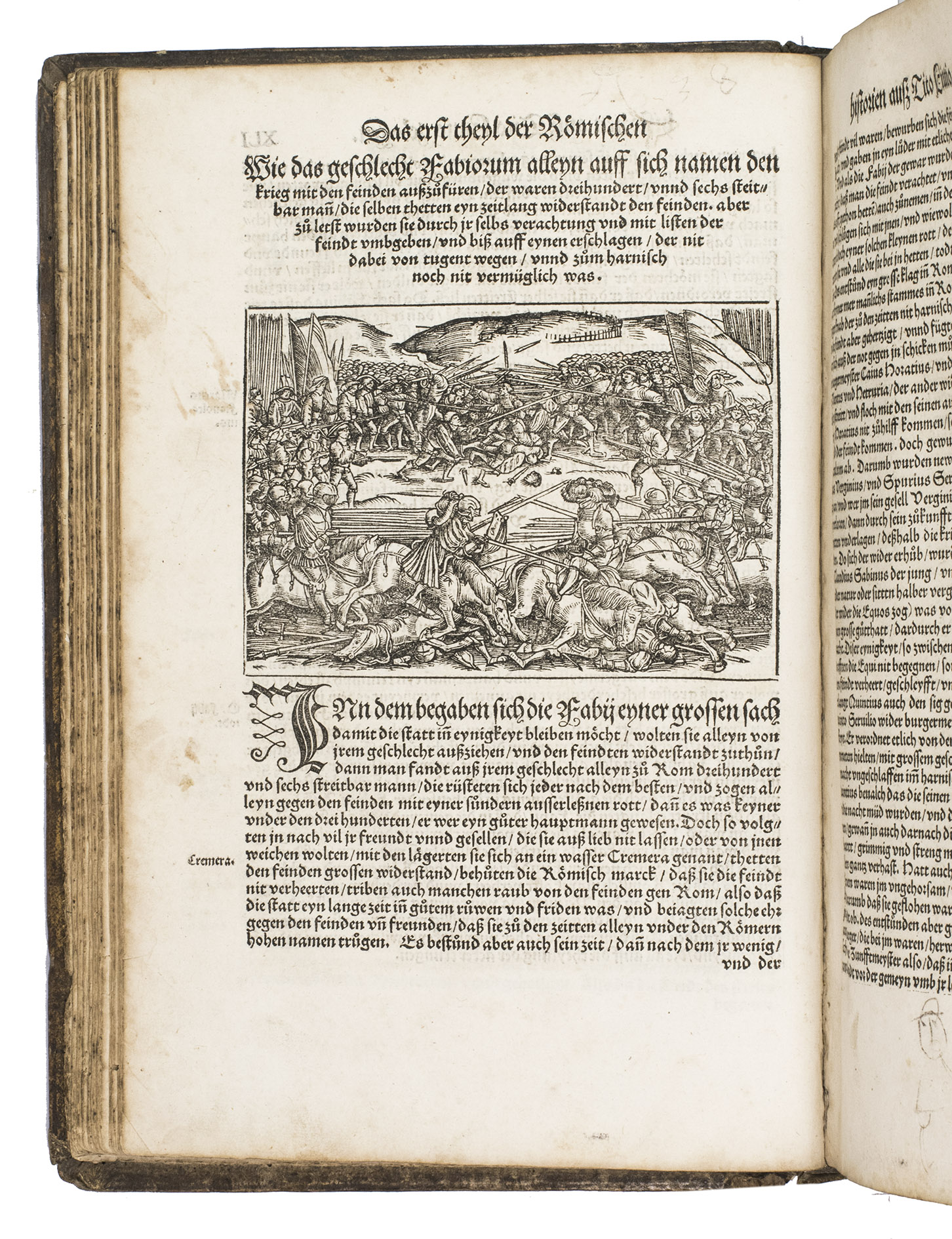
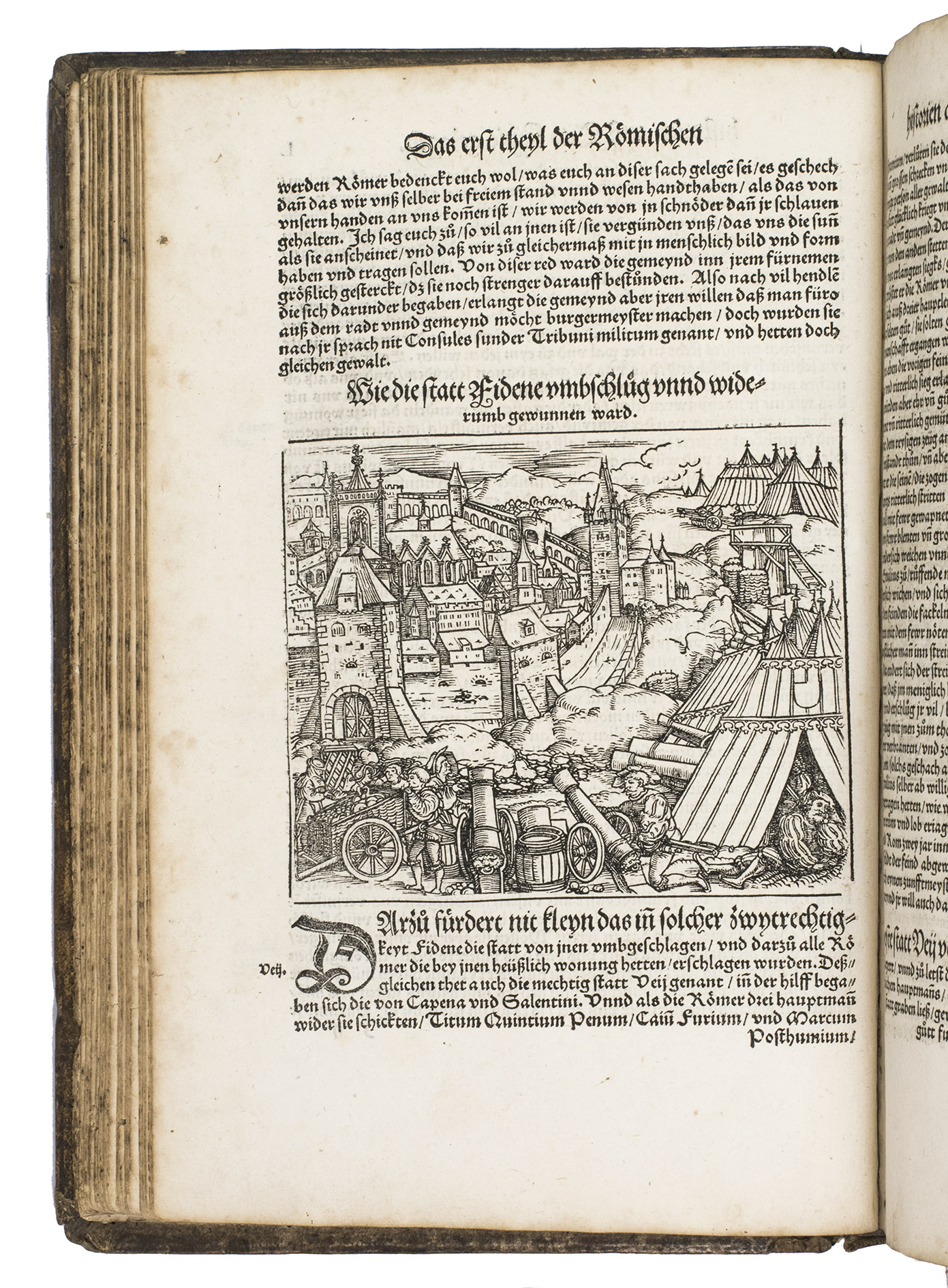
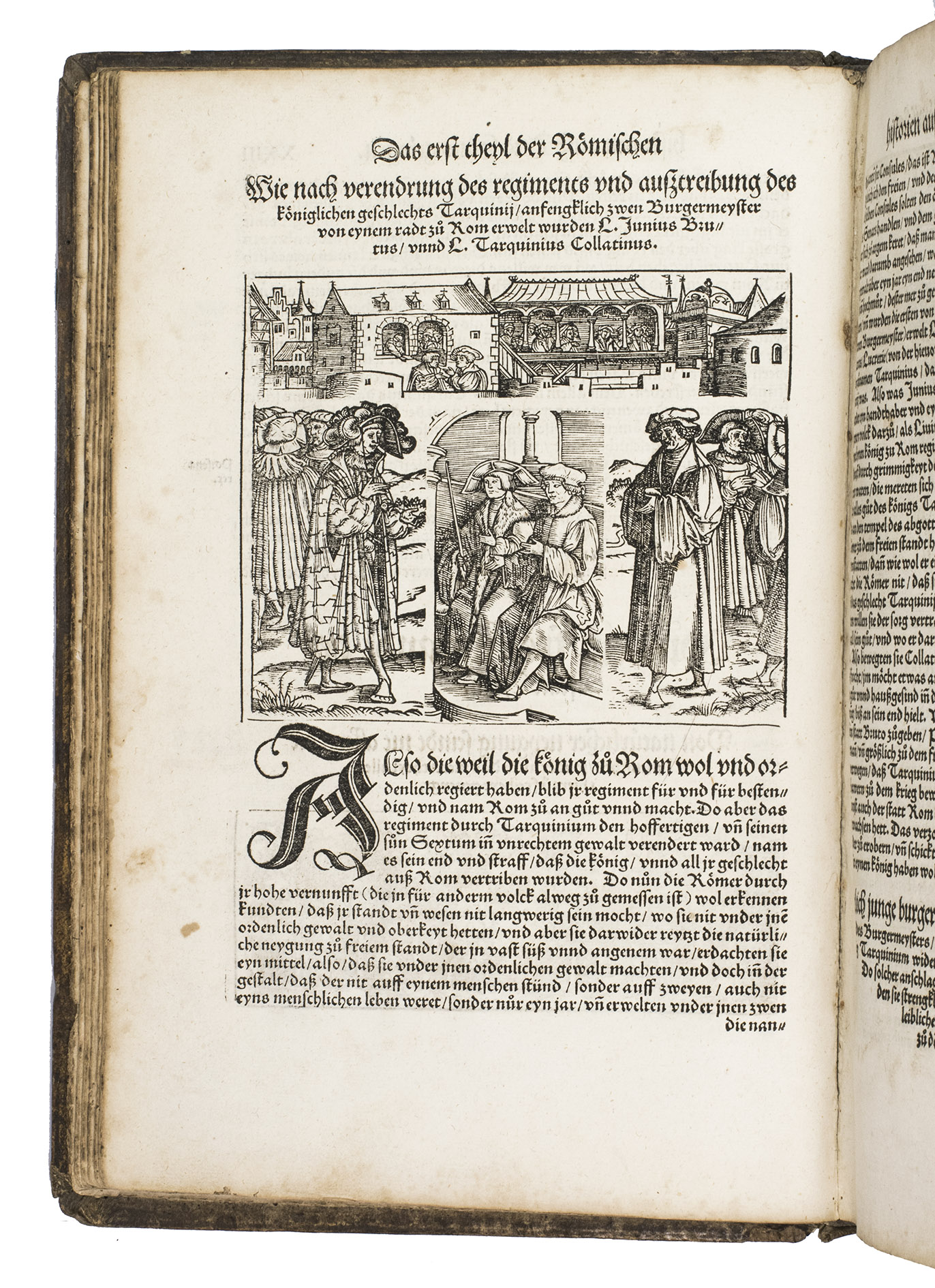
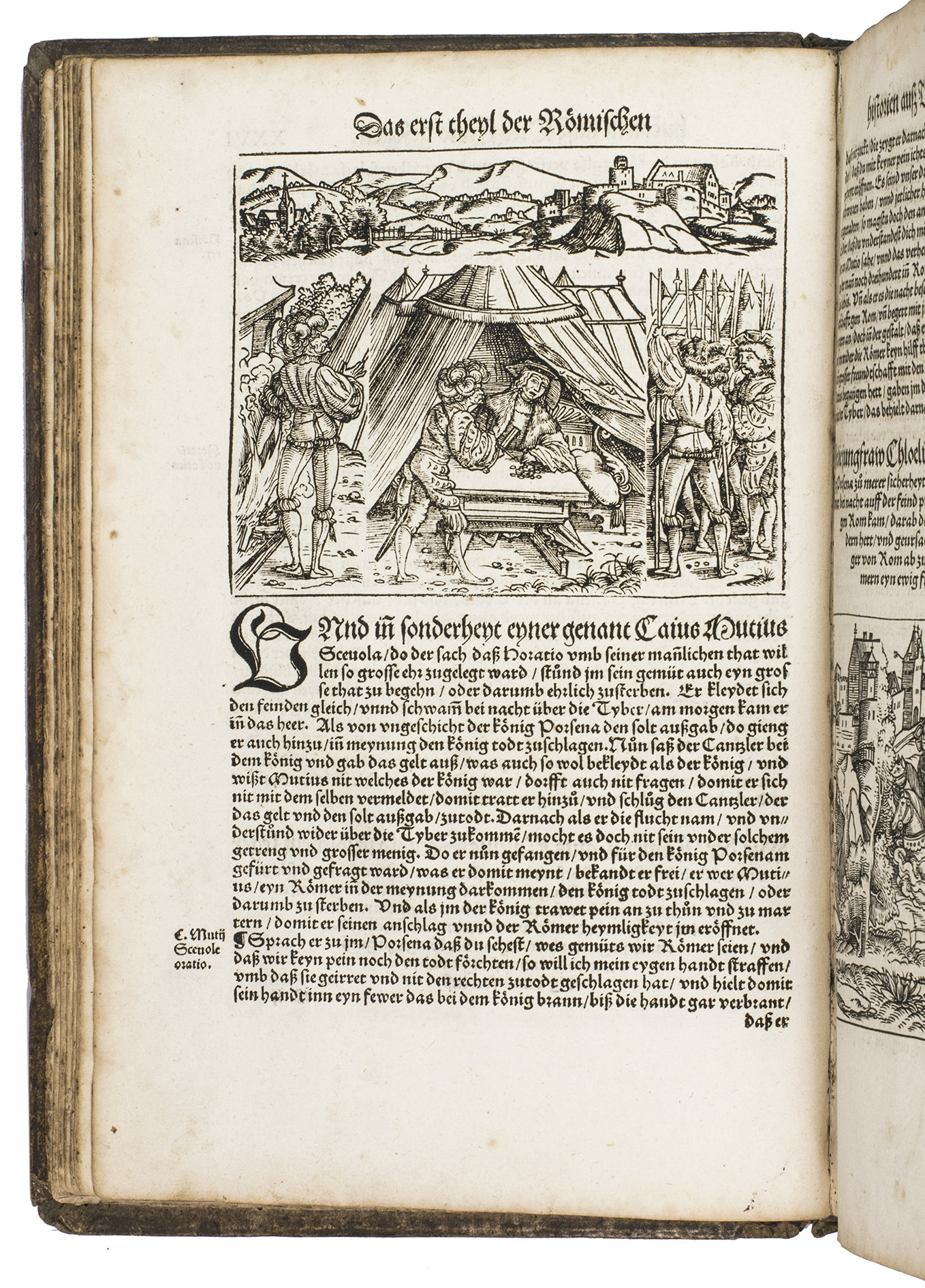
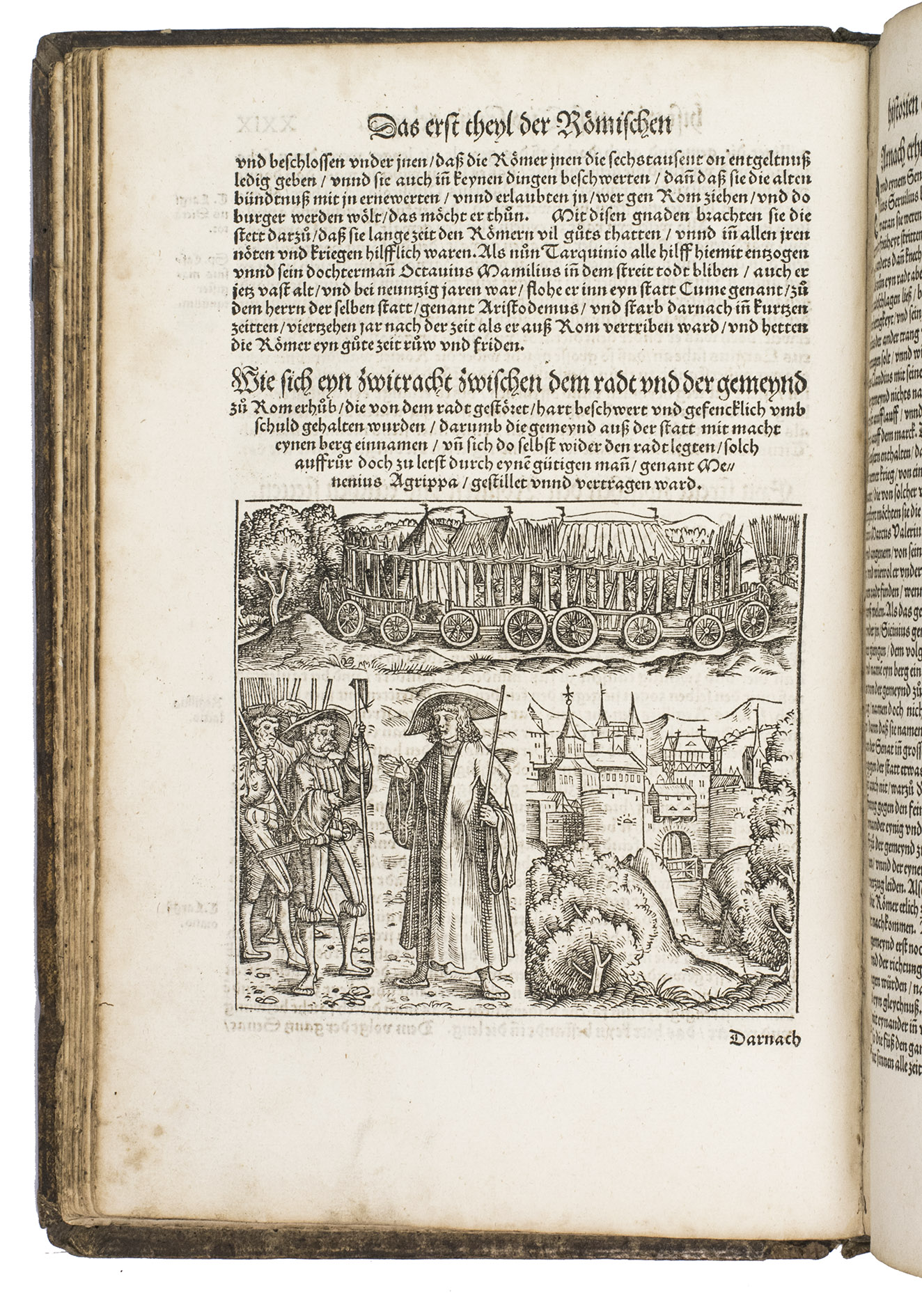
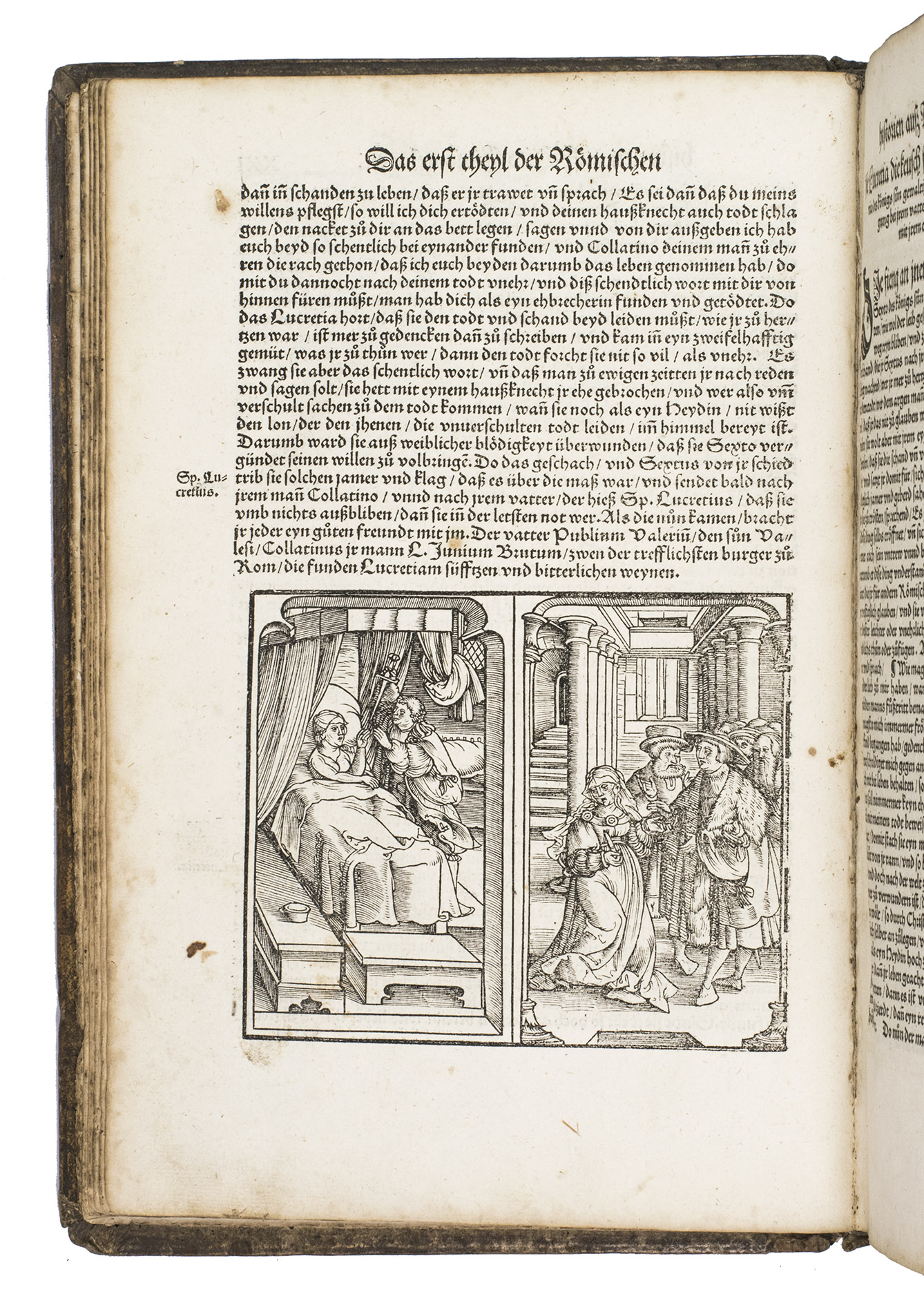
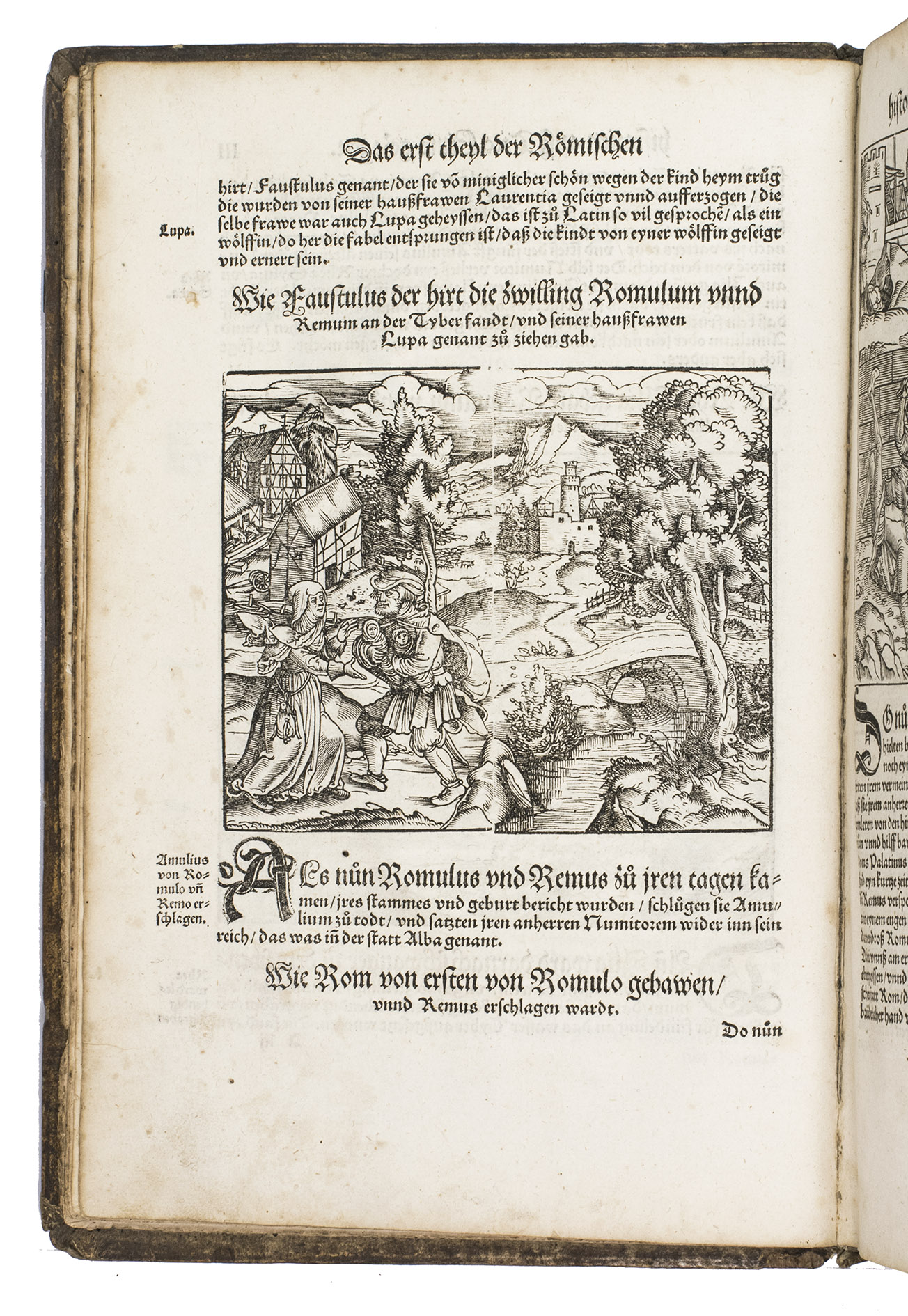
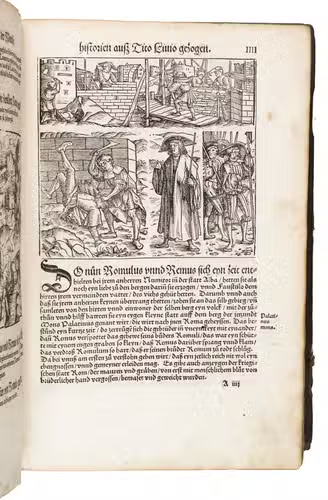
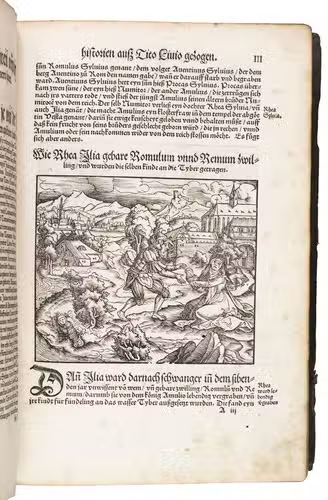
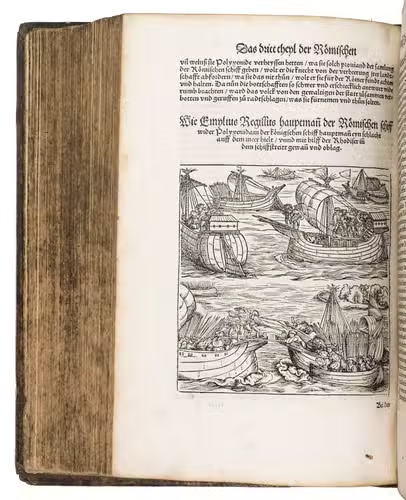
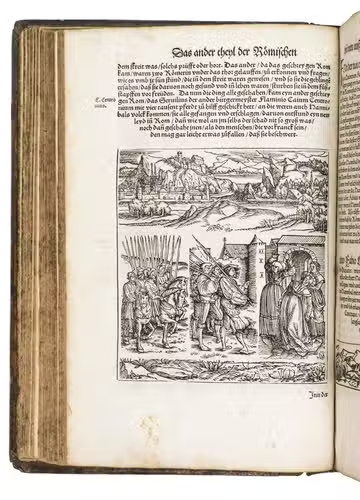
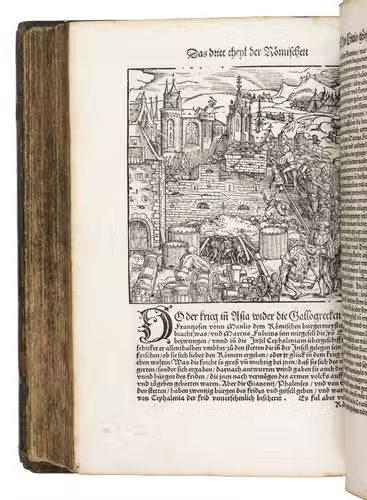
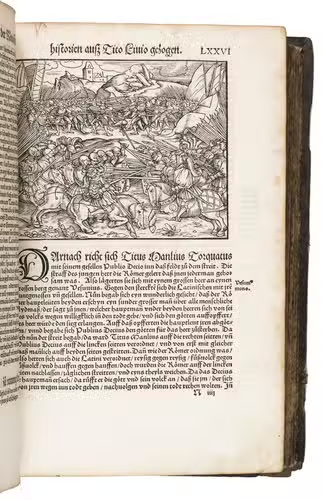
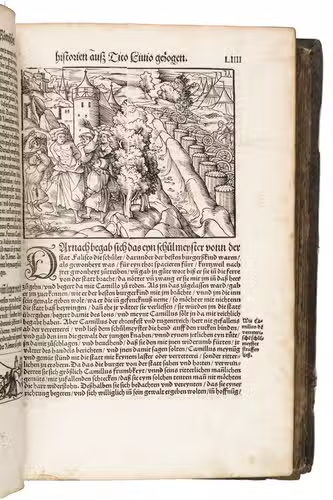
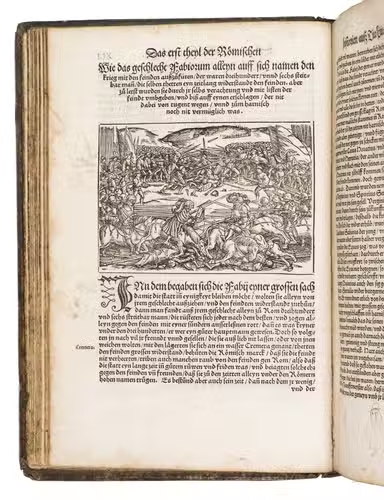
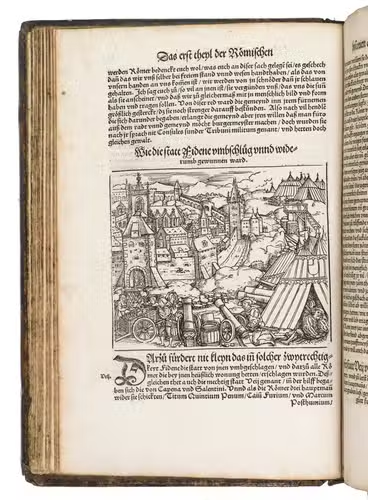
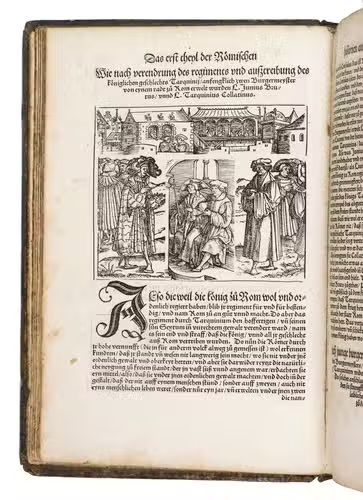
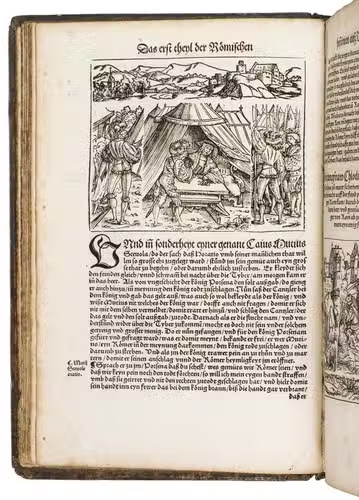
One of the very first German editions containing books XLI-XLV of Livy's Ab urbe condita, which had been discovered shortly before. Livy's text is the most extensive work to survive from classical antiquity, and was highly popular in the 16th century. The present edition acquainted the Germans with the newly discovered parts. It has also been beautifully illustrated with nearly 300 woodcuts, attributed to Conrad Faber von Creuznach (ca. 1500-ca. 1553) and the Meister des Freiburger Altar.
Titus Livius (traditionally 59 BCE-17 CE), or Livy, was a Roman historian who wrote the present monumental history of Rome from its founding (traditionally in 753 BCE) through the reign of Augustus in Livy's own time. This foundational work, one of the main contemporary sources of Rome's history, mixes an annual chronology with a narrative. Livy's writing style is poetic and archaic, contrasting with Caesar's and Cicero's styles. He often wrote from the Romans' opponent's point of view in order to accent the Romans' virtues in their conquest of Italy and the Mediterranean. The first edition of Livy's work was published in 1469 in Rome. The first German edition was printed by Johann Schöffer in 1505. He and his successors published 13 editions in total. The present is their 6th, but first complete one.
With a small manuscript annotation in brown ink on the verso of the front blank flyleaf, and remnants of a catalogue entry or other label on the front pastedown with some pencil annotations. The binding is somewhat rubbed and dust soiled, affecting the clarity of the blind tooling, some worm holes in both boards and at the base of the spine, the lower outer corner of the back board is slightly damaged (some loss of leather and loss of the anchor plate). The edges of the leaves are slightly frayed, some small worm holes throughout (mainly in the blank margins of the first half of the work), slightly water stained along the outer edges of the leaves with some related browning and spotting, remnants of leather tabs on the divisional title page of Decades 2 and 5, large tears (cuts?) in the bottom margin of ll. Q3-Q5, S6-T1, and V2, brown (ink) stains on ll. c2v-c3r, cc6v and dd1r-v. Otherwise in good condition. Adams L 1359; Goedeke II, p. 320, nr. 8; USTC 698600 (11 copies); VD 16 L 2107 (8 copies); not in Dibdin; Machiels.
Related Subjects: