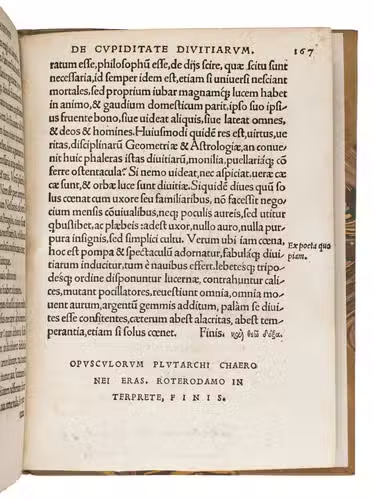
PLUTARCH and Desiderius ERASMUS (translator and editor).
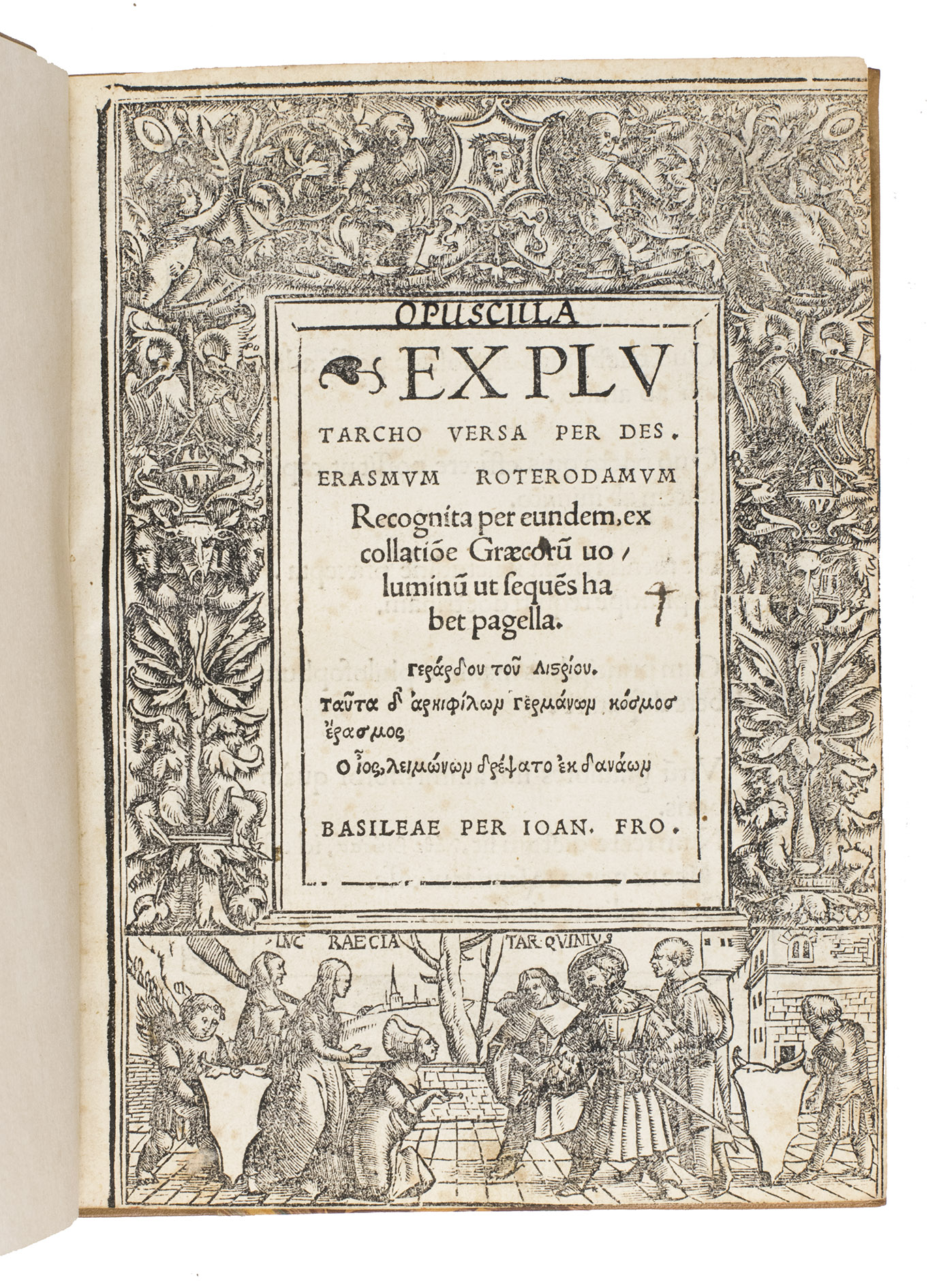
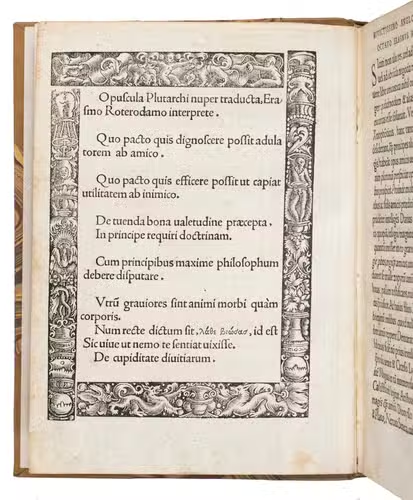
Ex Plutarcho versa per Des. Erasmum Roterodamum. Recognita per eundem, ex collatio[n]e Graecoru[m] voluminu[m] ut seque[n]s ha bet pagella ...
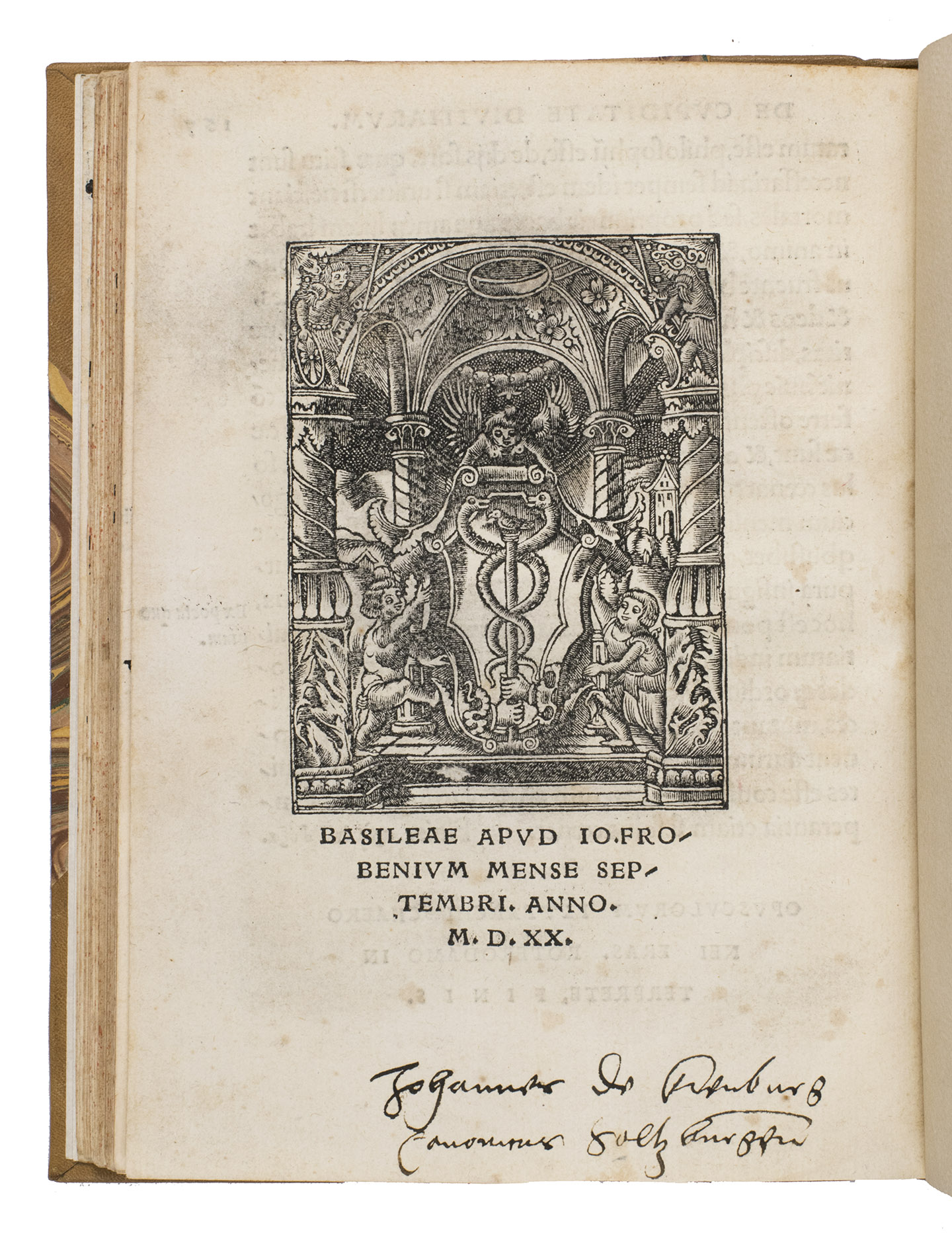
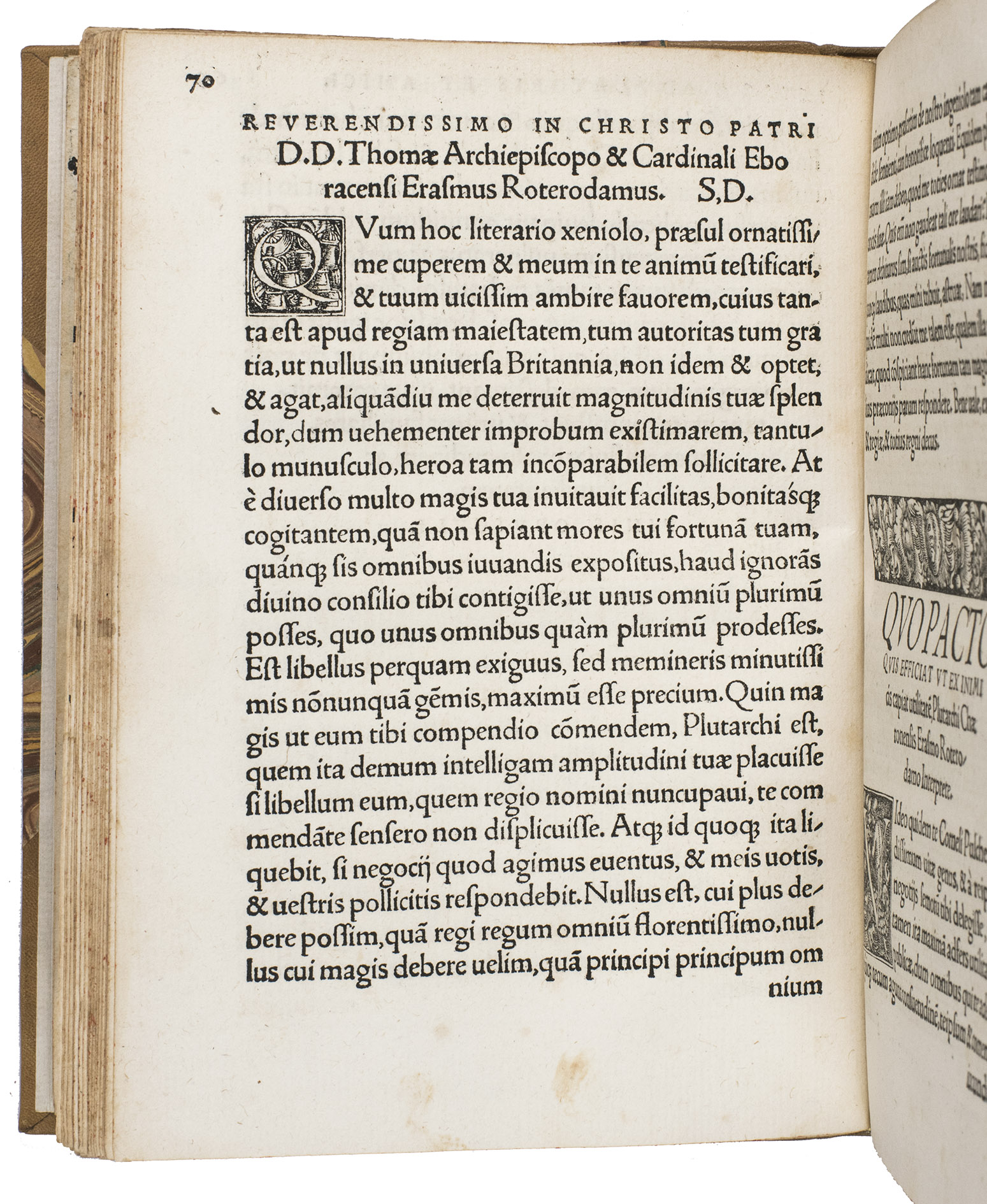
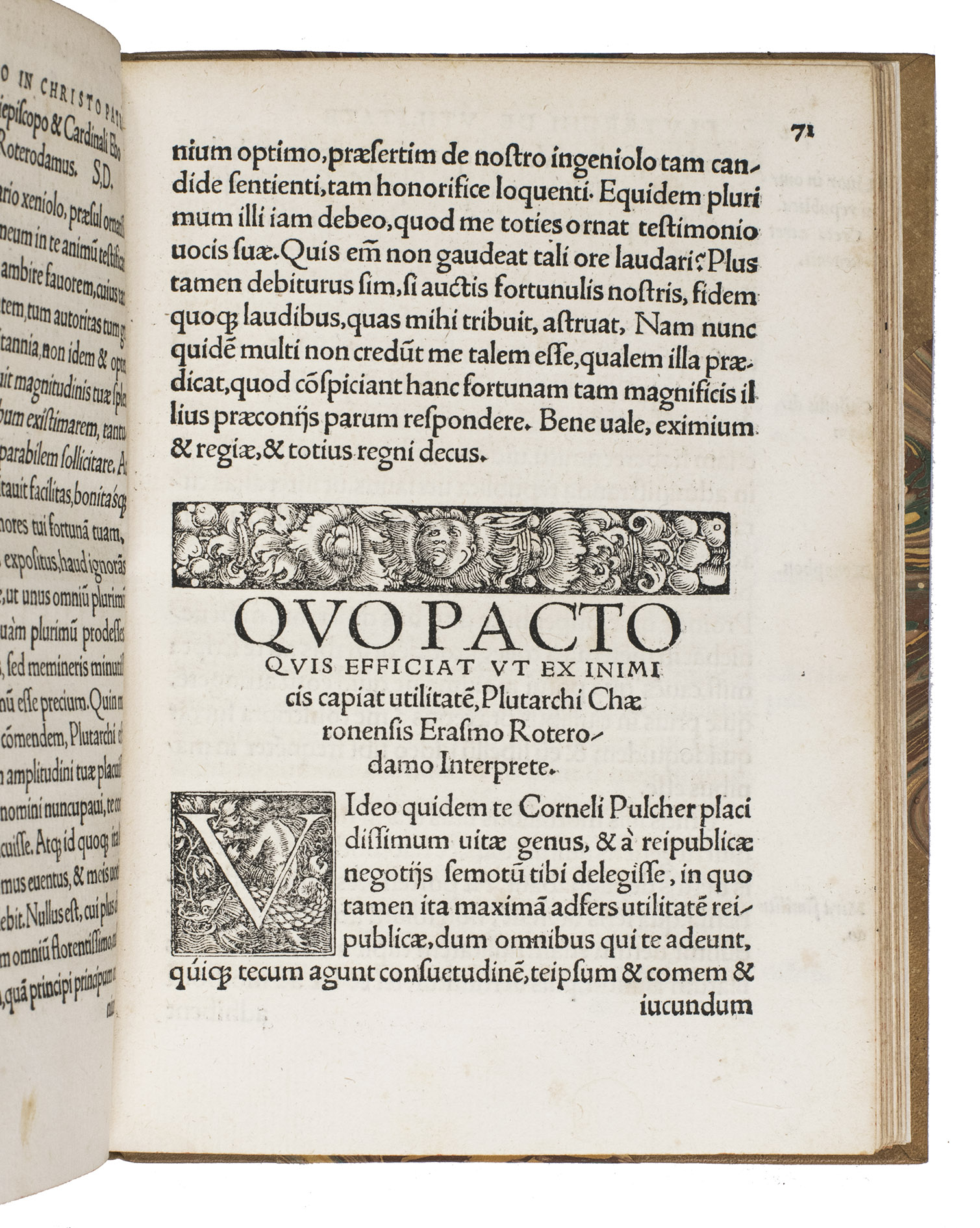
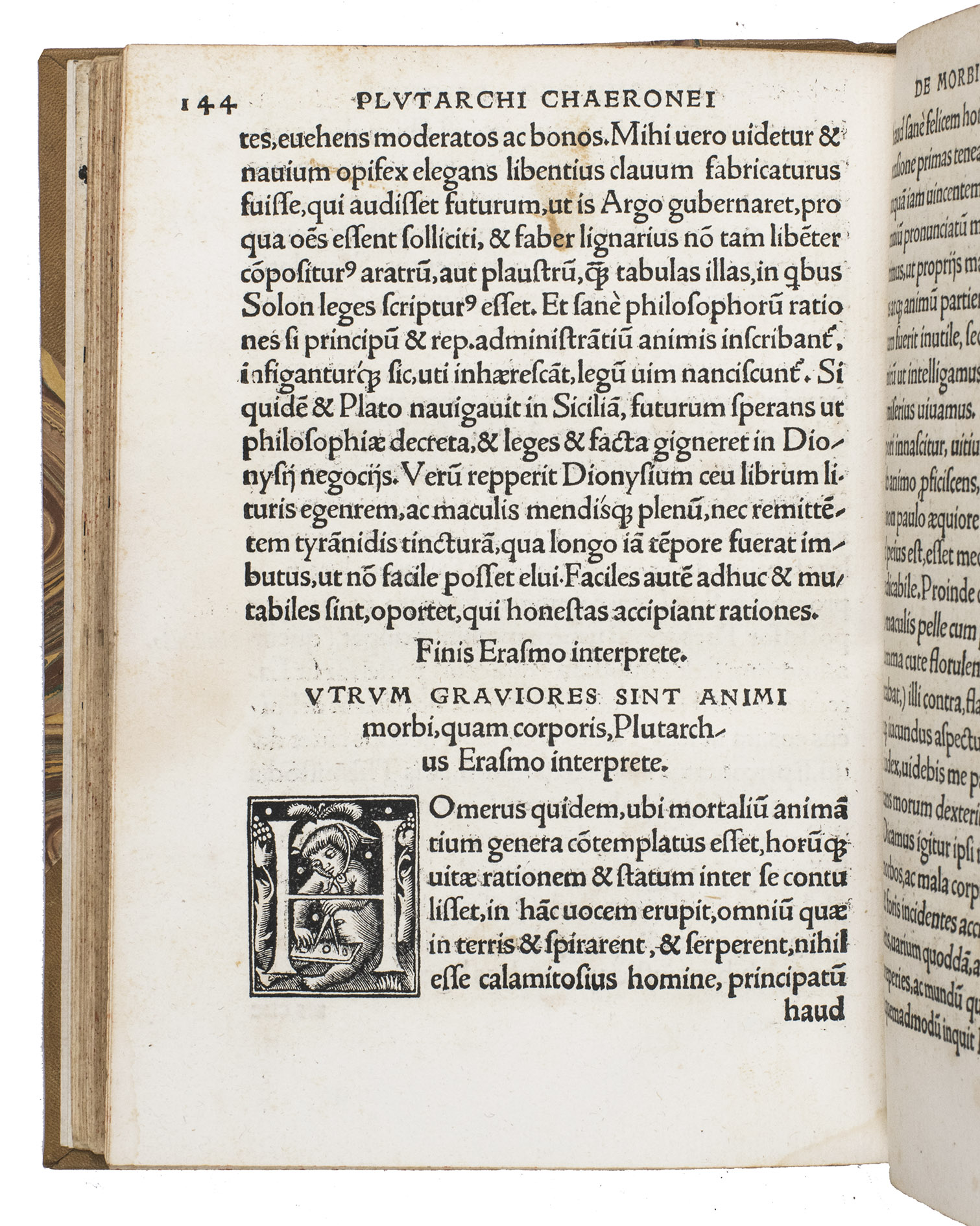
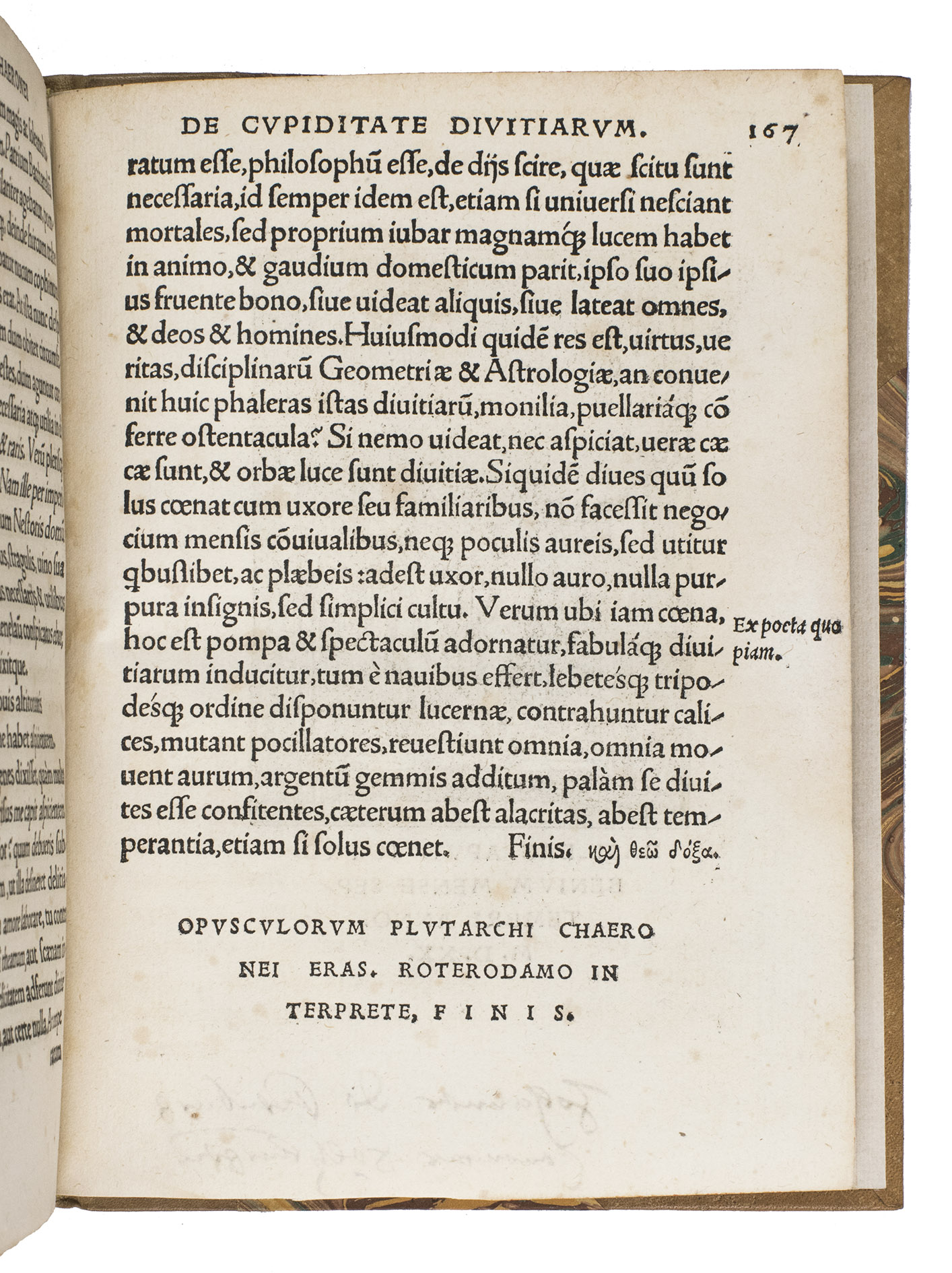
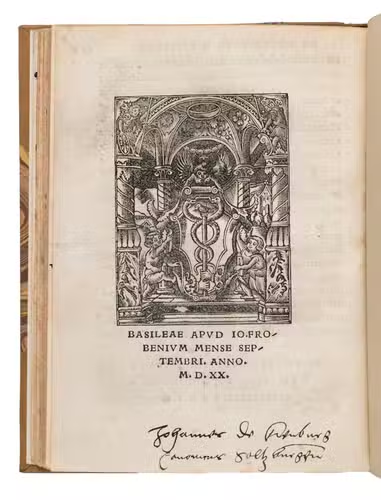
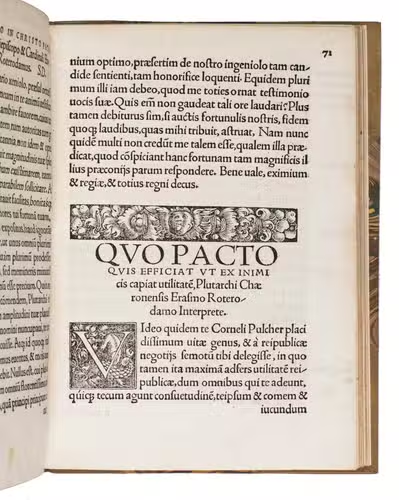
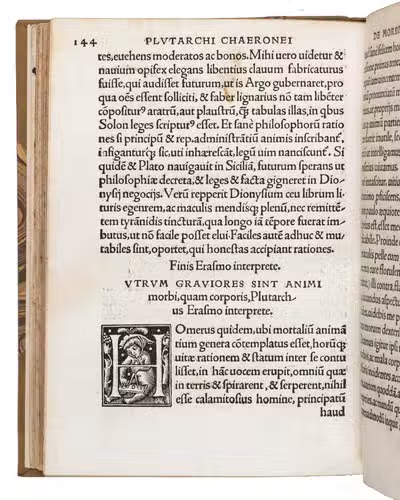
Basel, Johann Froben, (colophon:) September 1520. 4to. With the title set within an elaborate woodcut frame, a smaller woodcut frame on the verso of the title page and the first page of the first text. Further with 9 woodcut decorated initials, woodcut headpieces, and a small woodcut illustration incorporating Frobens device on the last page. Modern gold-tooled half calf. 167, [1] pp.
€ 1,500
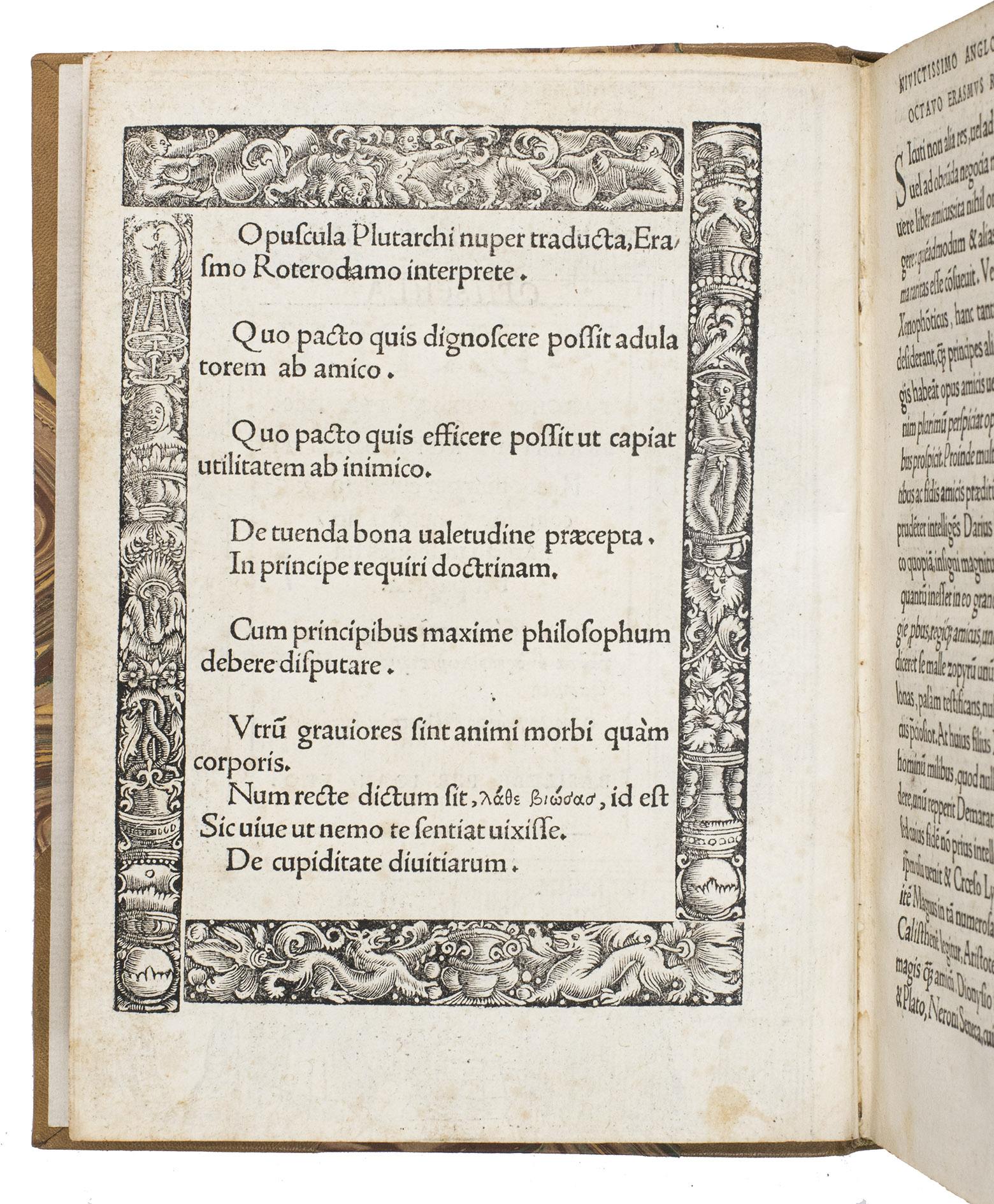
This finely printed 1520 Basel edition presents a collection of Erasmus earliest translations from the works of the Greek moral philosopher Plutarch. The volume presents eight of Plutarch's shorter treatises, addressing themes such as friendship, health, and the nature of the human soul.
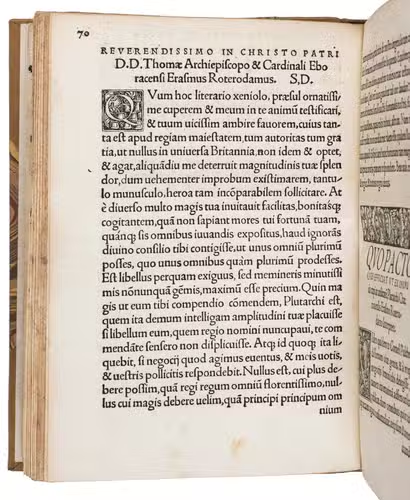
One of the most notable inclusions is De discrimine adulatoris et amici (How to tell a flatterer from a friend), a treatise Erasmus translated during his time in Cambridge and dedicated to King Henry VIII. The text, which explores the subtle art of distinguishing true friendship from sycophancy, resonated in an era when rulers were often surrounded by flattering courtiers. With characteristic tact, Erasmus hoped the work might serve both as philosophical instruction and as a gentle warning to the young English king, particularly in light of those who had encouraged Henrys war with France.
Furthermore, the present work includes two of Plutarchs important medical treatises in Erasmus translation: De tuenda bona valetudine (Advice on keeping well) and Utrum graviores sint animi morbi quam corporis (Are diseases of the soul more serious than those of the body?). The latter contains strikingly early and thoughtful reflections on what we now recognise as mental illness.
Other works included in this volume are: Quo pacto quis efficere possit ut capiat utilitatem ab inimico, reflections on transforming enmity into wisdom and personal growth. In principe requiri doctrinam, on the necessity of wisdom and education in a prince. Cum principibus maxime philosophum debere disputare, a meditation on the philosophers role in advising those in power. Num recte dictum sit, ëÜèå âéþóáò, on the meaning of the maxim lathe biosas: to live quietly and modestly. De cupiditate divitiarum, a discourse on avarice and the moral corruption born of greed.
With a small manuscript note added above the title ("opuscula") and a 17th- or 18th-century owners inscription by an otherwise unidentified Johannes below the colophon on the final page. Slightly foxed and browned throughout, the fore-edge and lower margins are cut slightly short, barely affecting the printed marginalia. Otherwise in good condition. Adams p. 654; Ledo pp. 260-66; USTC 655014 (6 copies); Vander Haeghen II, 46; VD 16 P 3718; not in BM STC German; De Reuck.
Related Subjects: