PARADIN, Claude.
Alliances genealogiques des rois et princes de gaule.
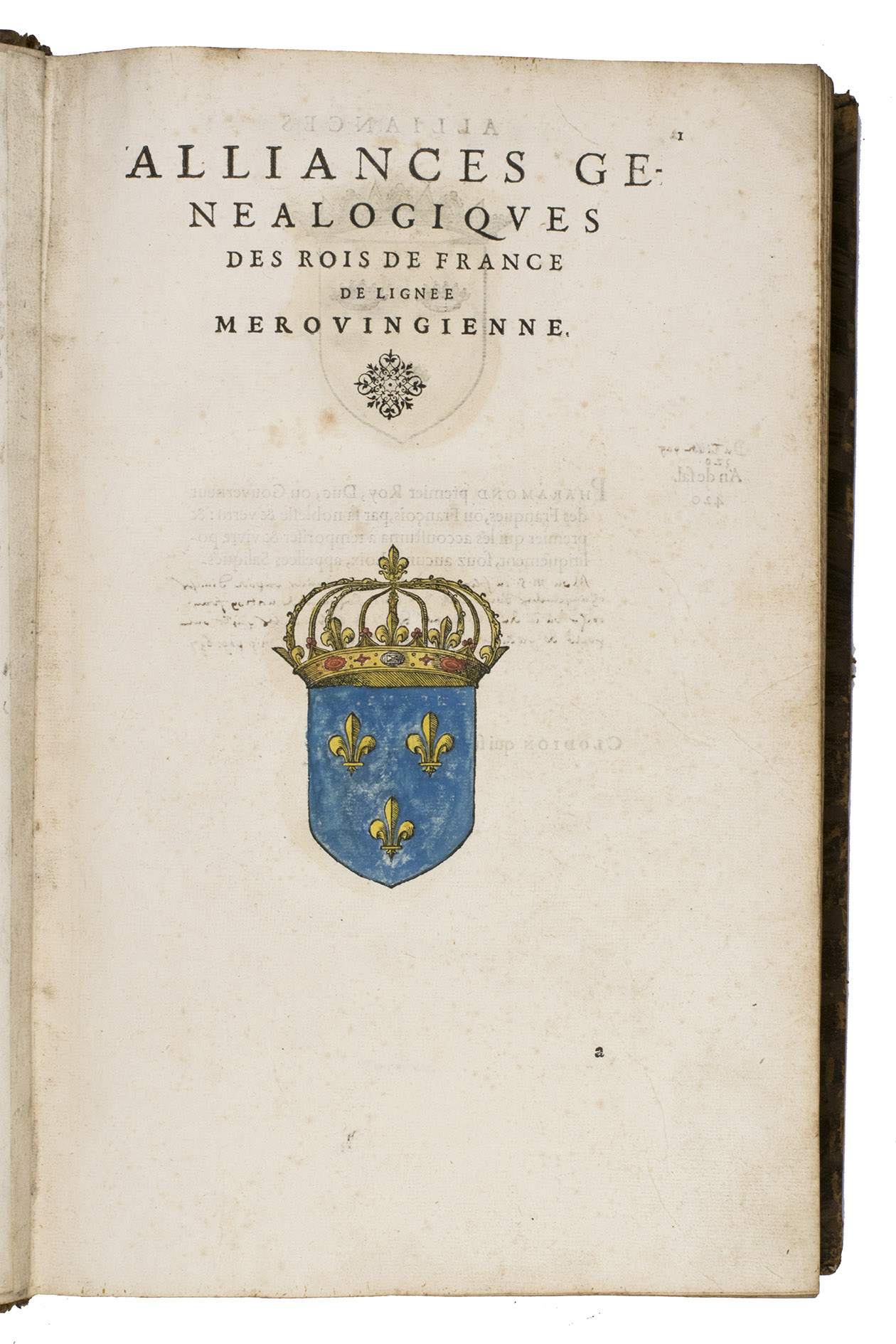
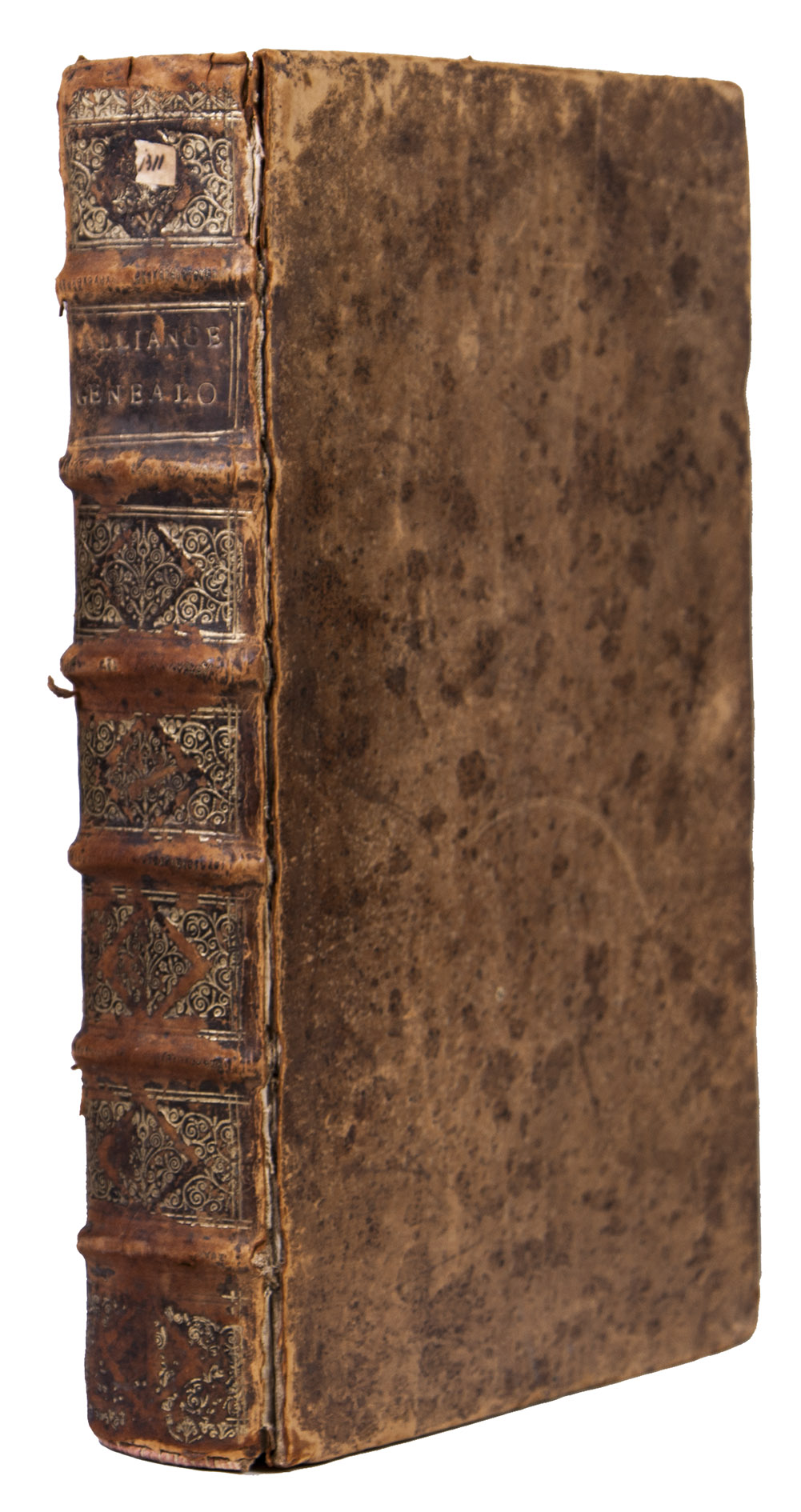
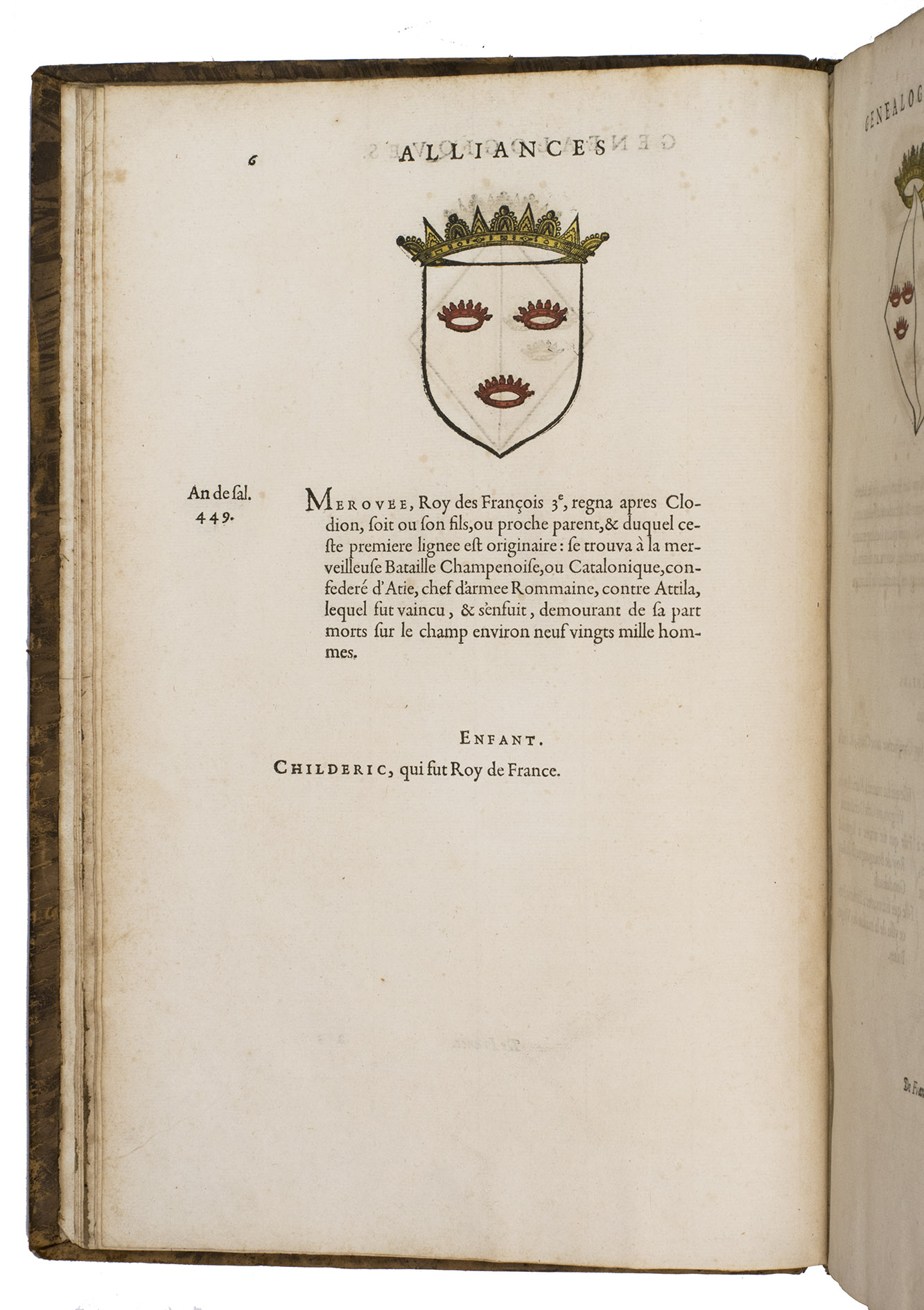
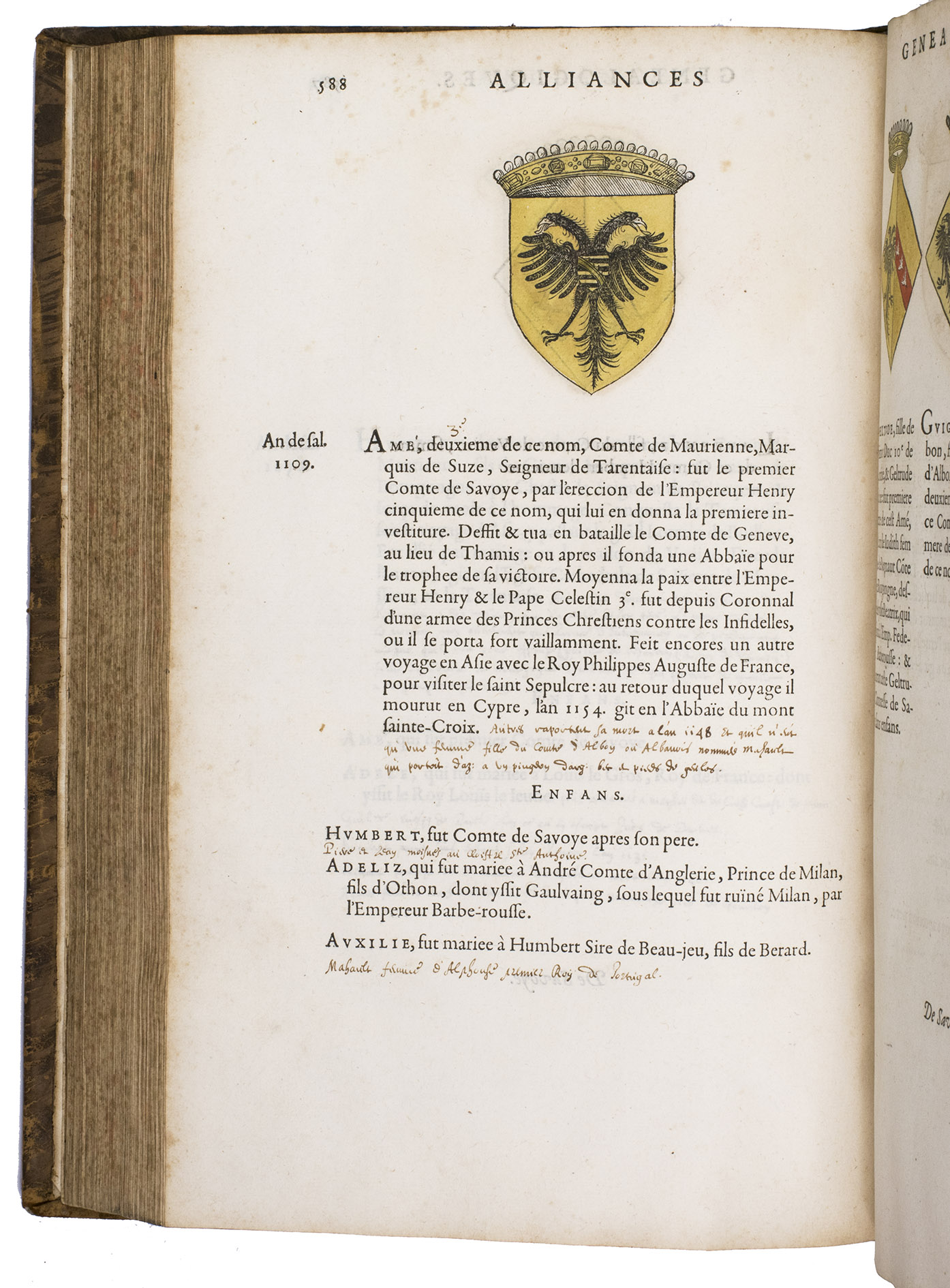
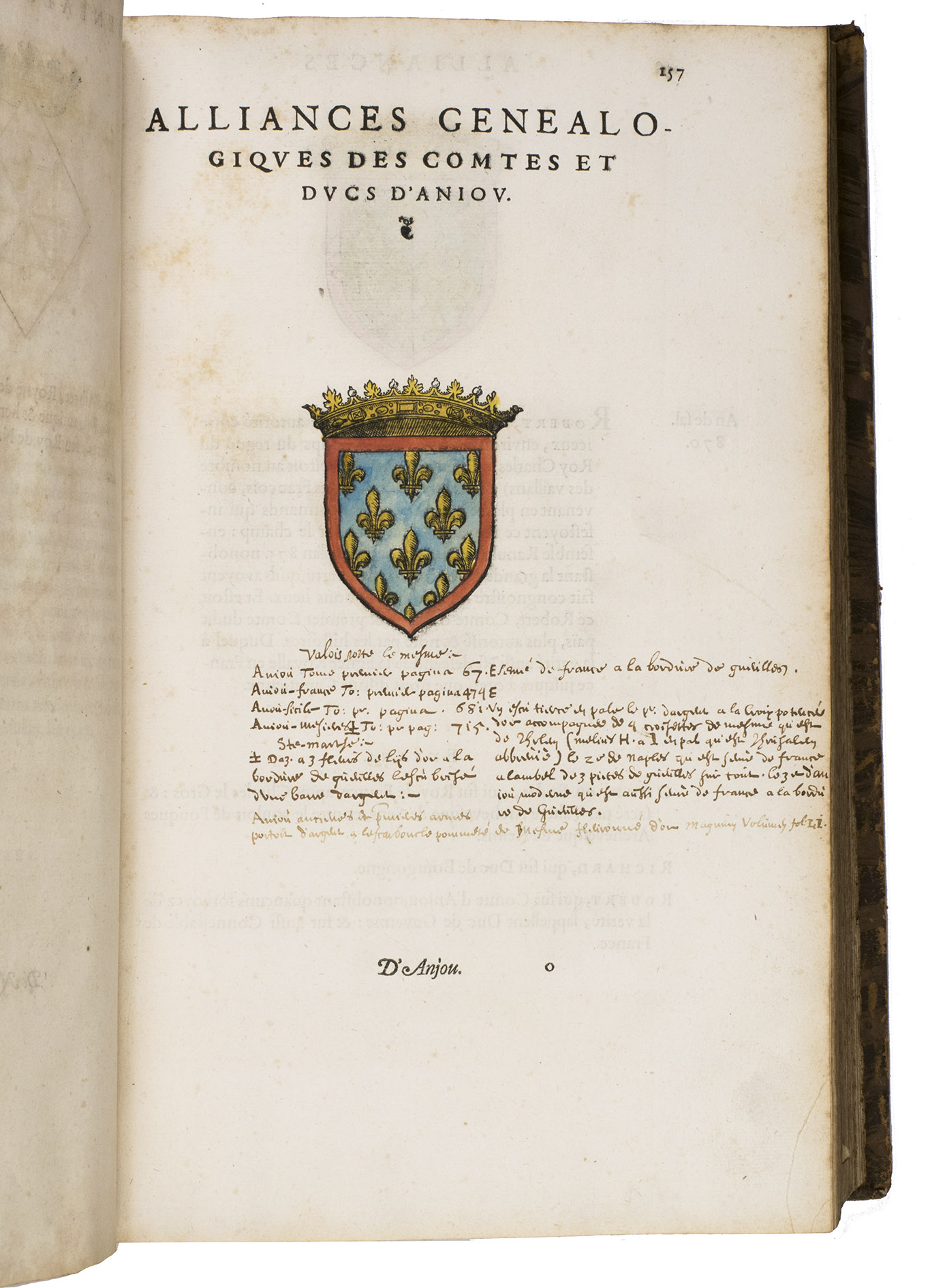
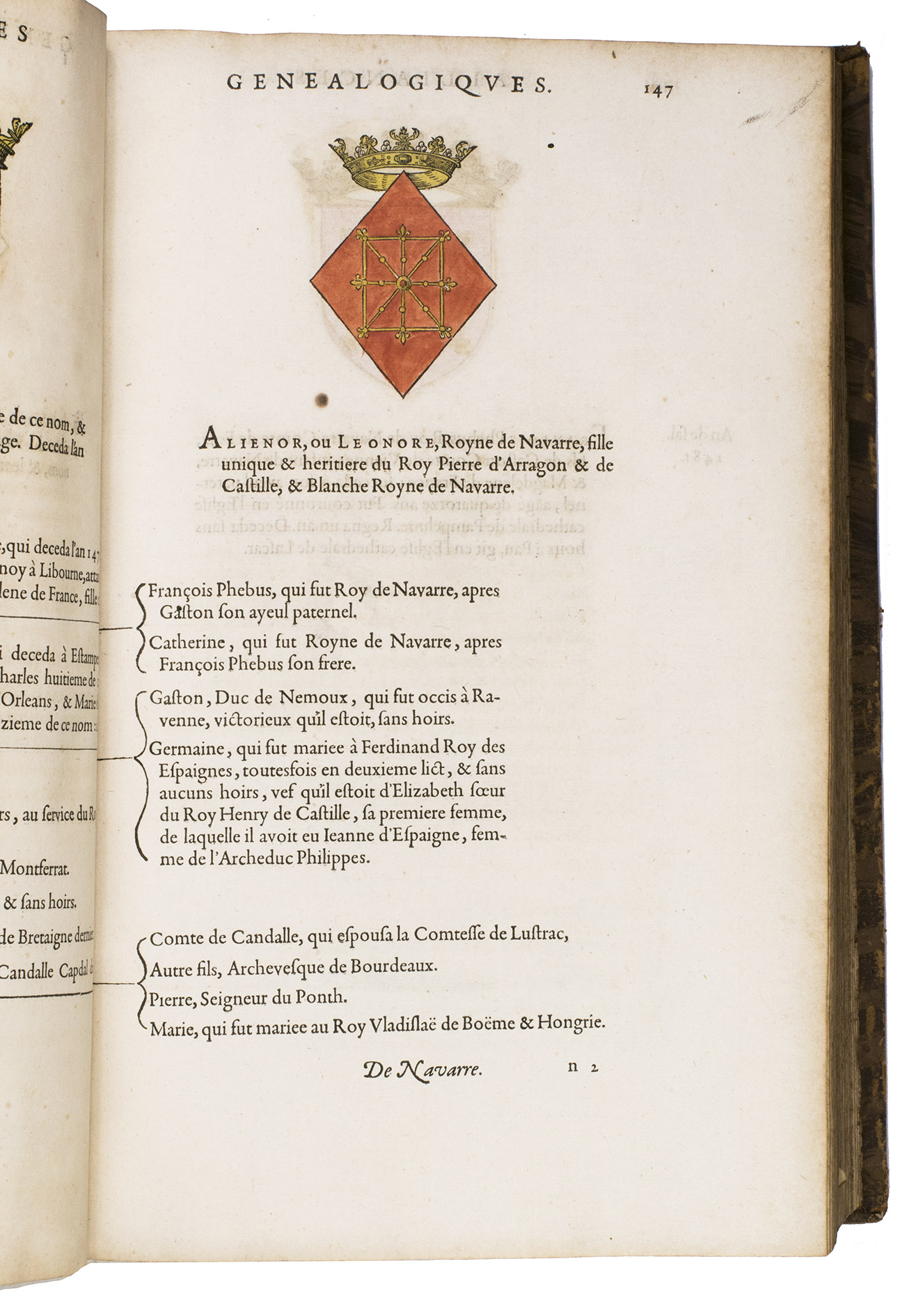
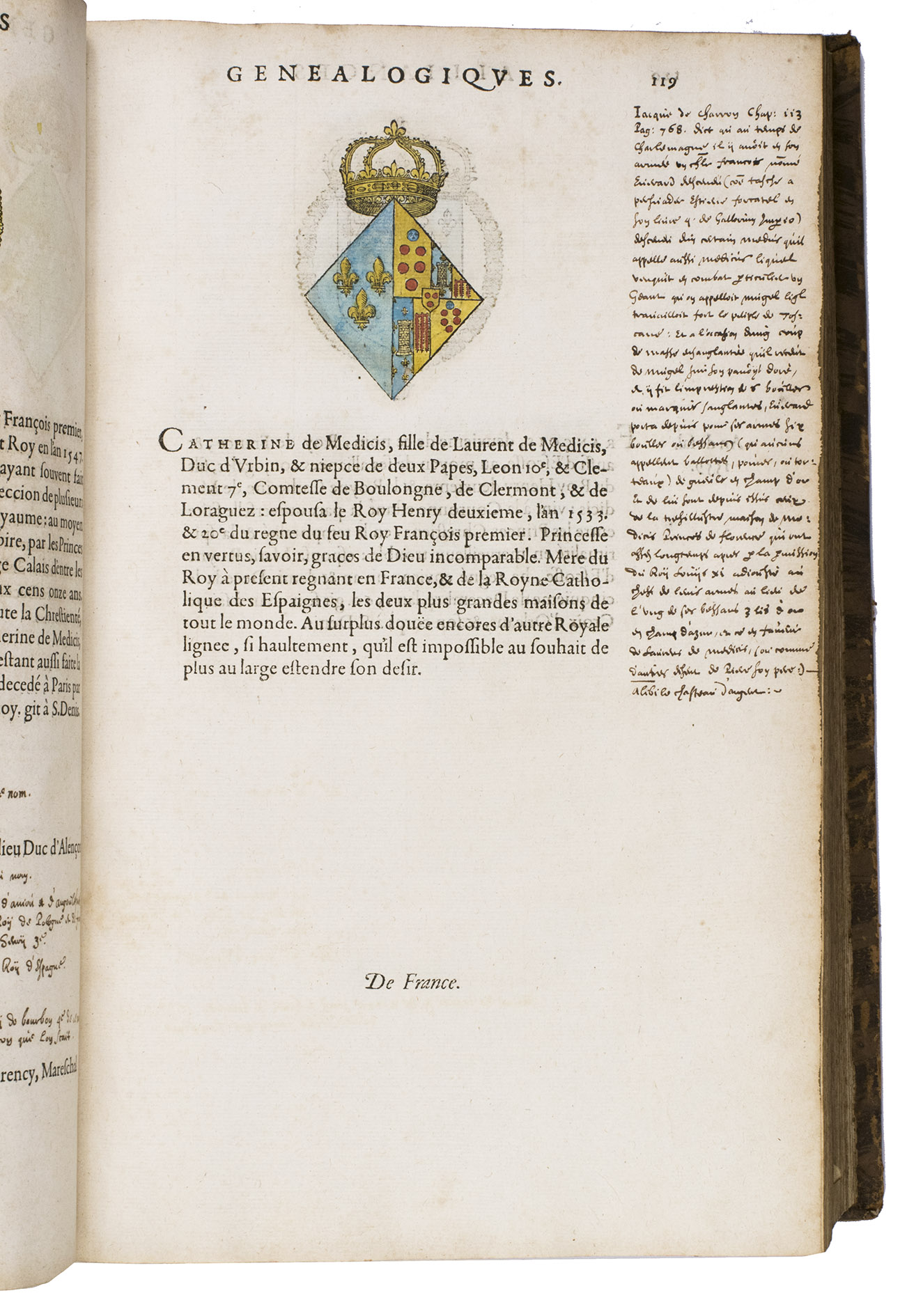
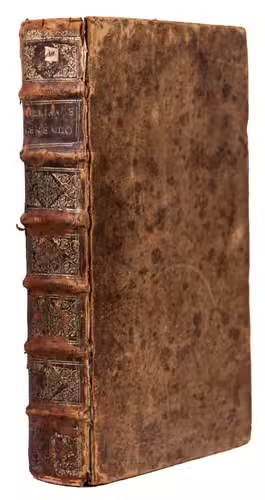
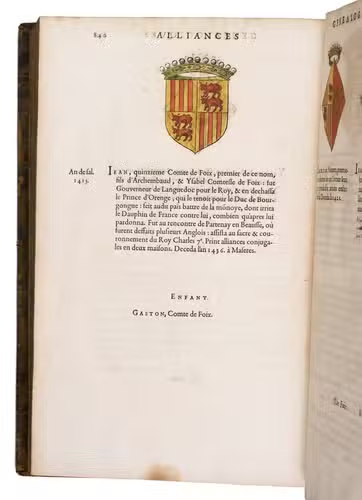
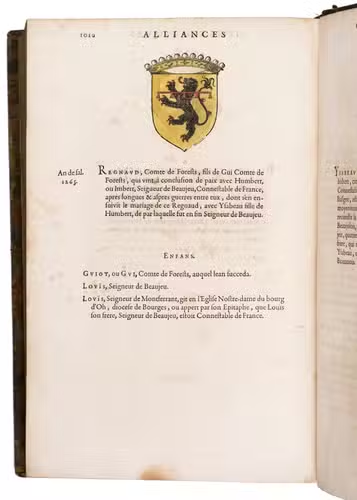
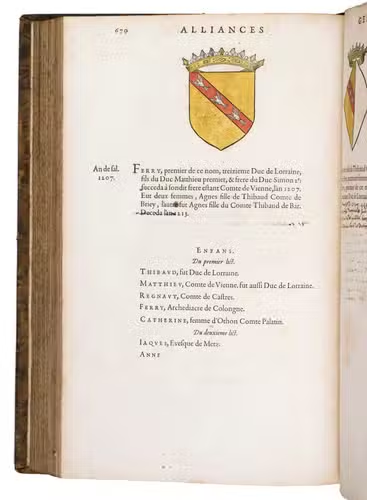
Lyon, Jean de Tournes, 1561. Folio. With 1068 contemporary hand-coloured woodcut armorial devices, a woodcut title frame, the woodcut device of De Tournes, a woodcut headpiece, and two woodcut decorated initials. 17th-century gold-tooled mottled calf, with the title lettered in gold on the spine. With a separate paper bearing the number 1311 at the head of the spine, and with brown sprinkled edges. [12], “1201” [= 1021], [3] pp.
€ 8,500
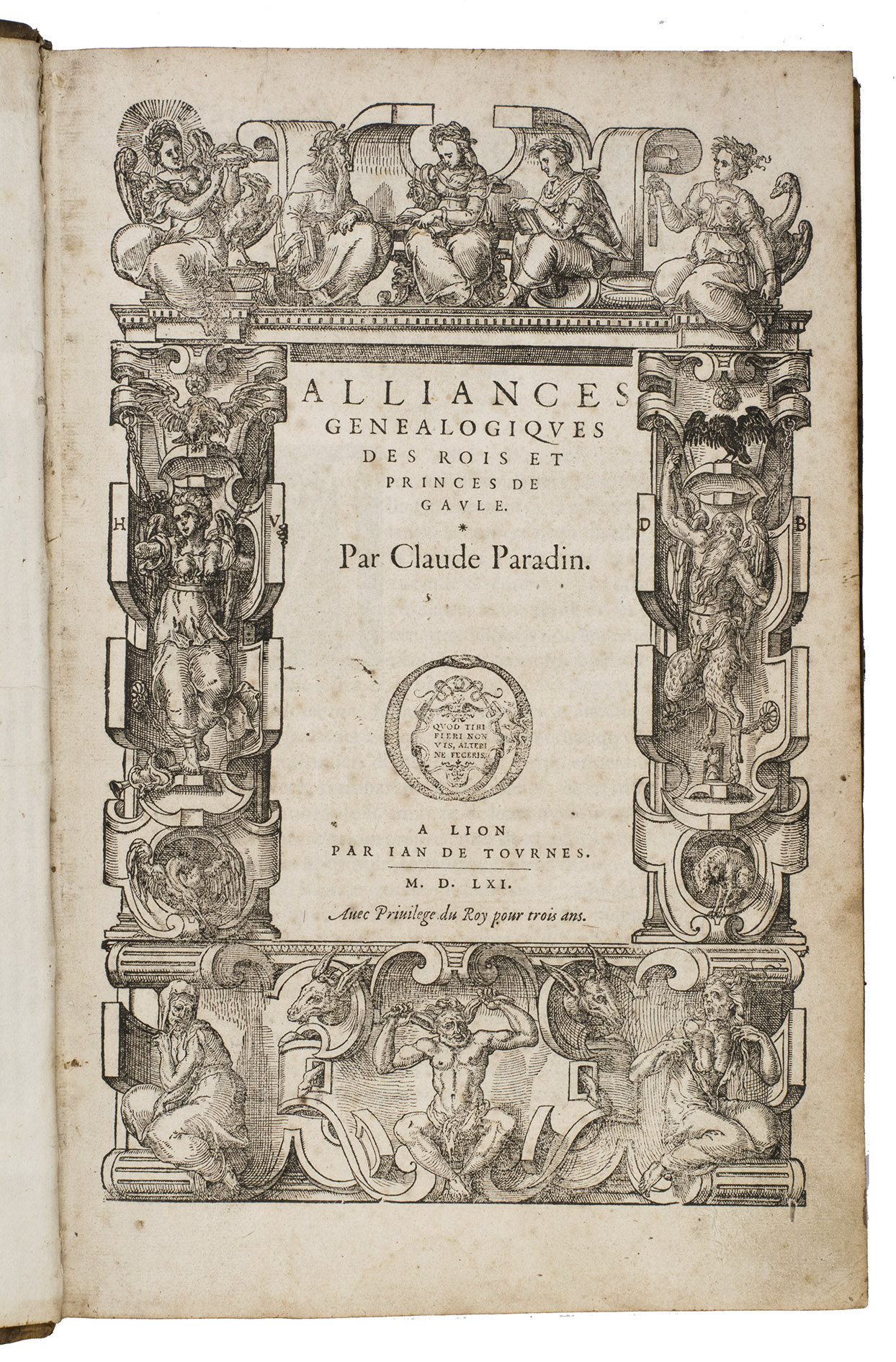
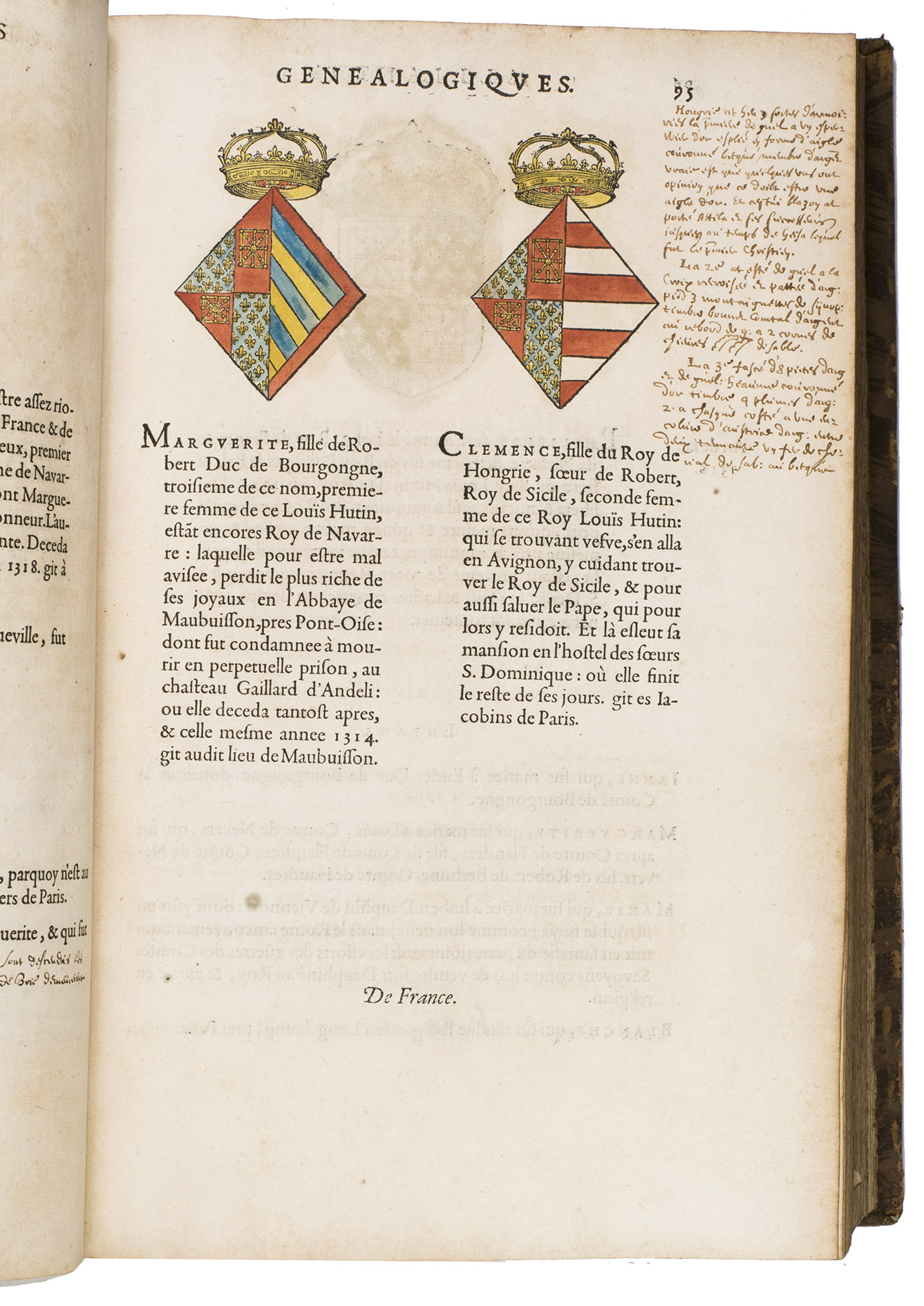
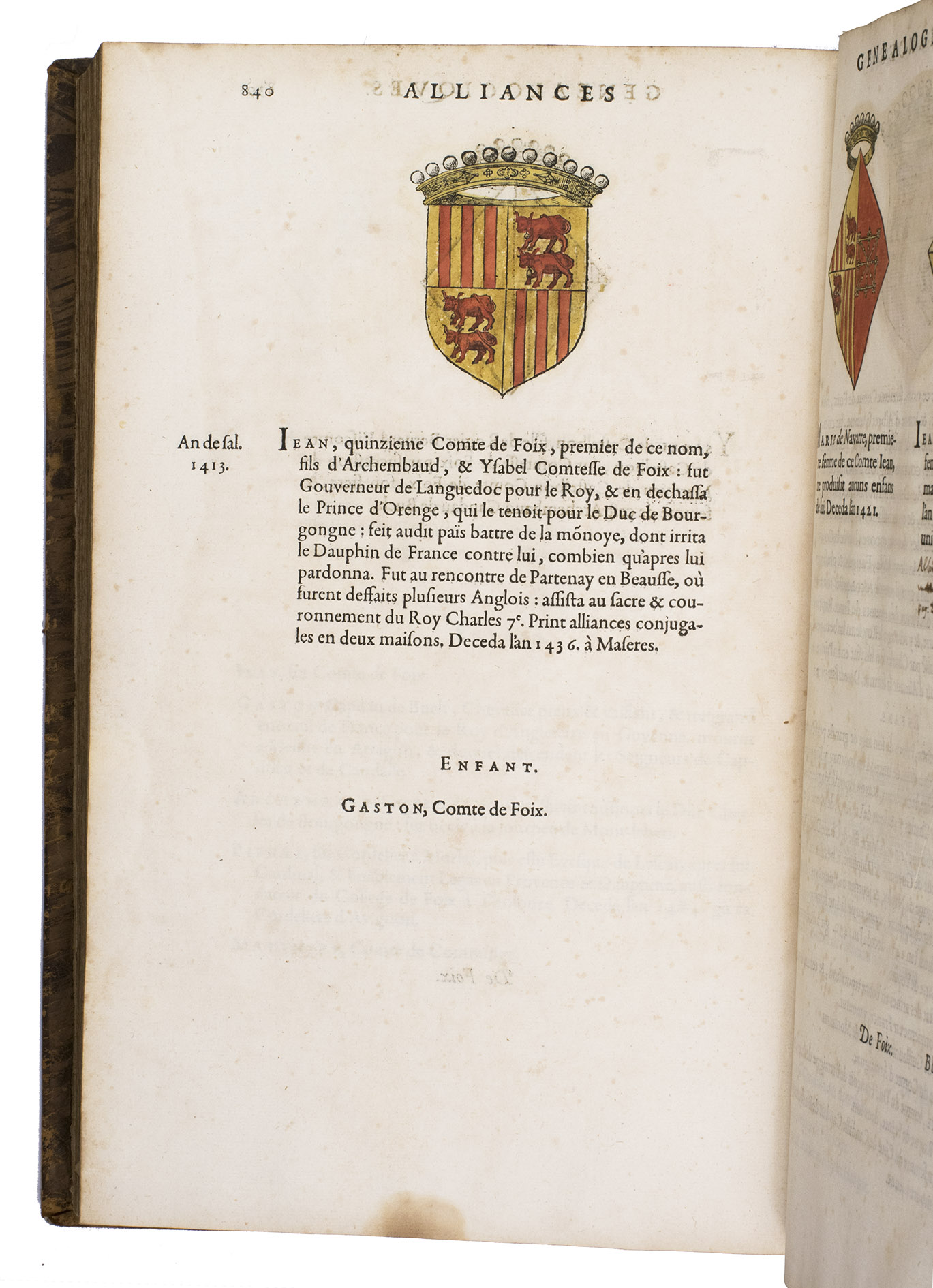
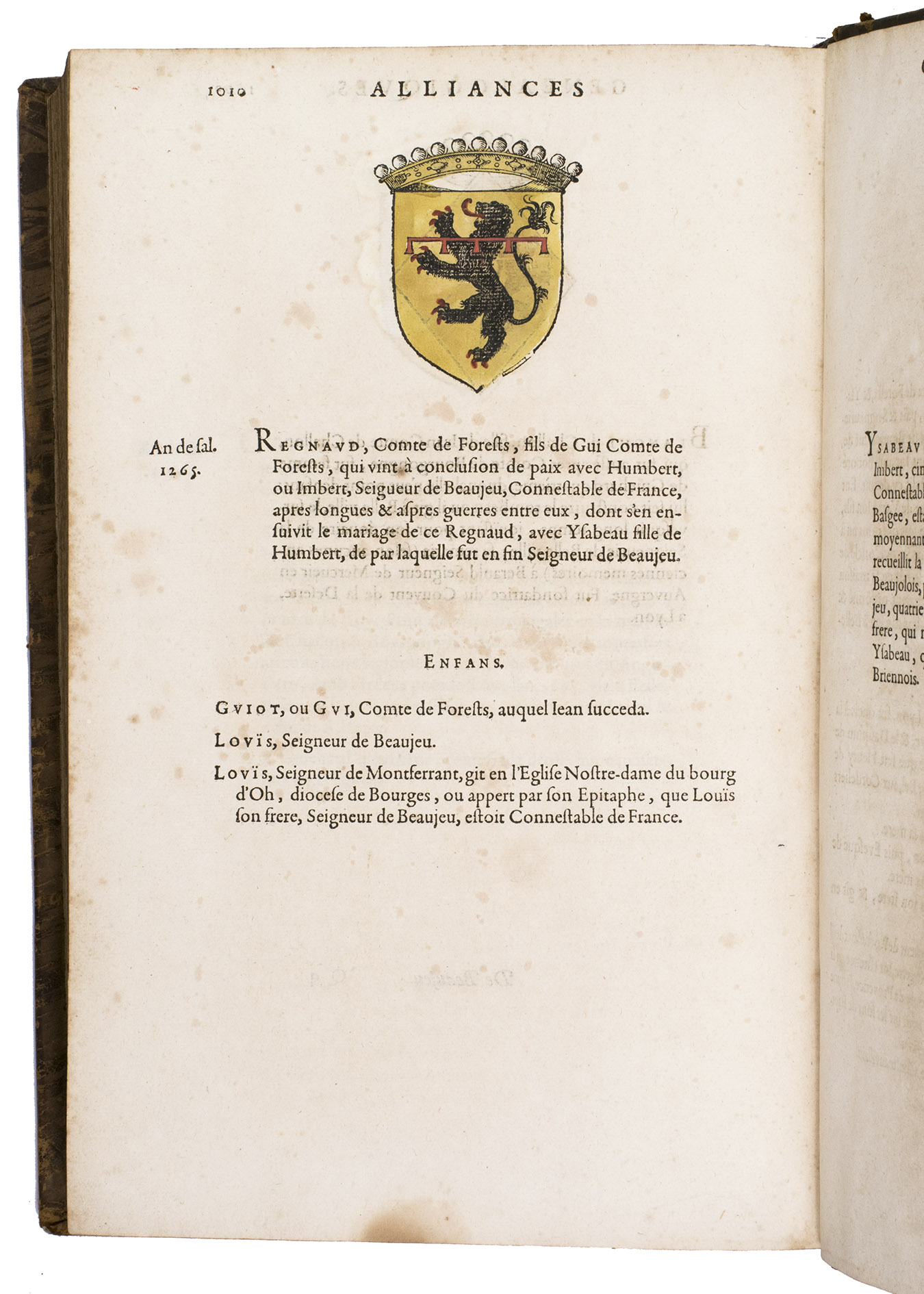
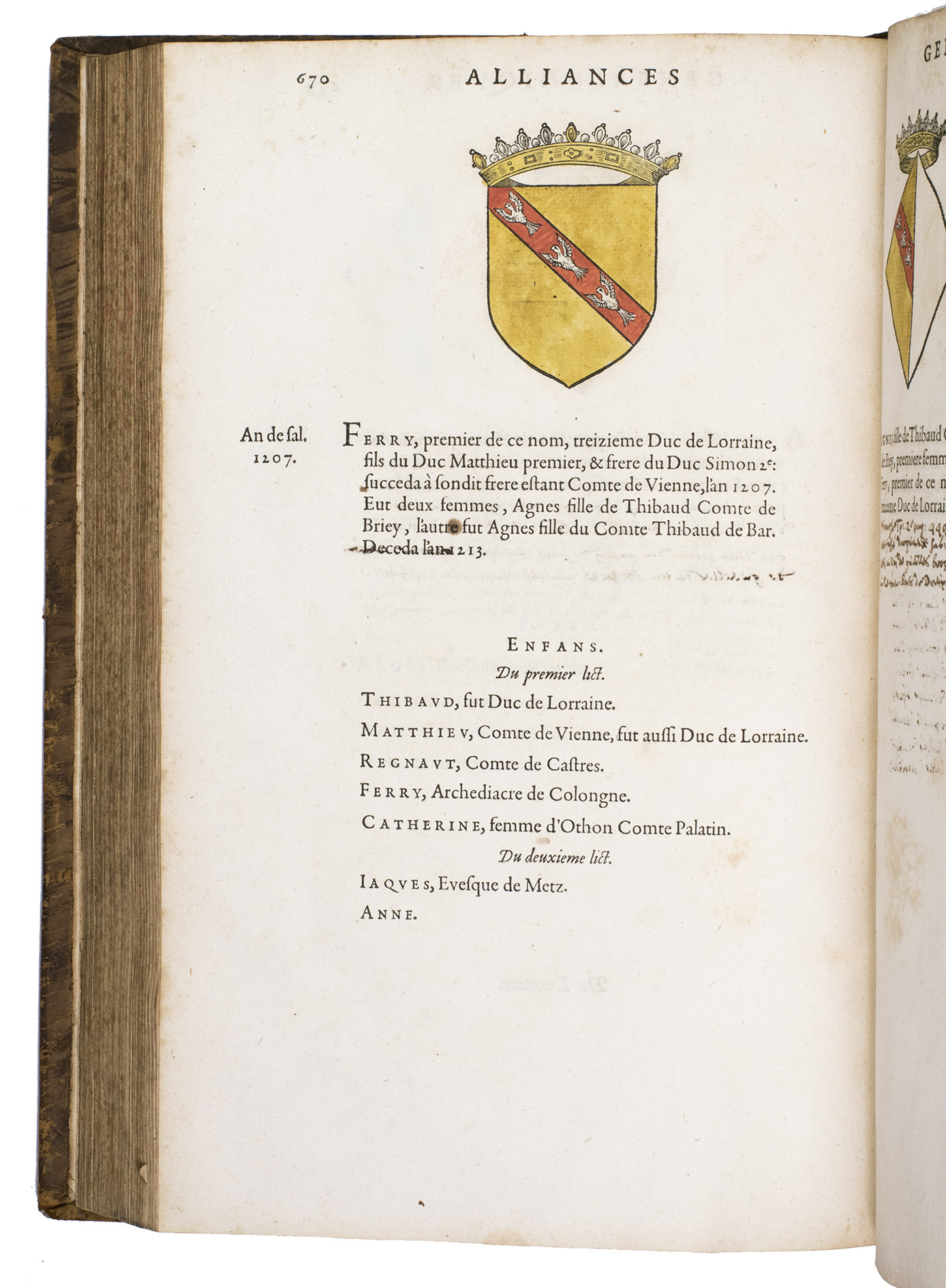
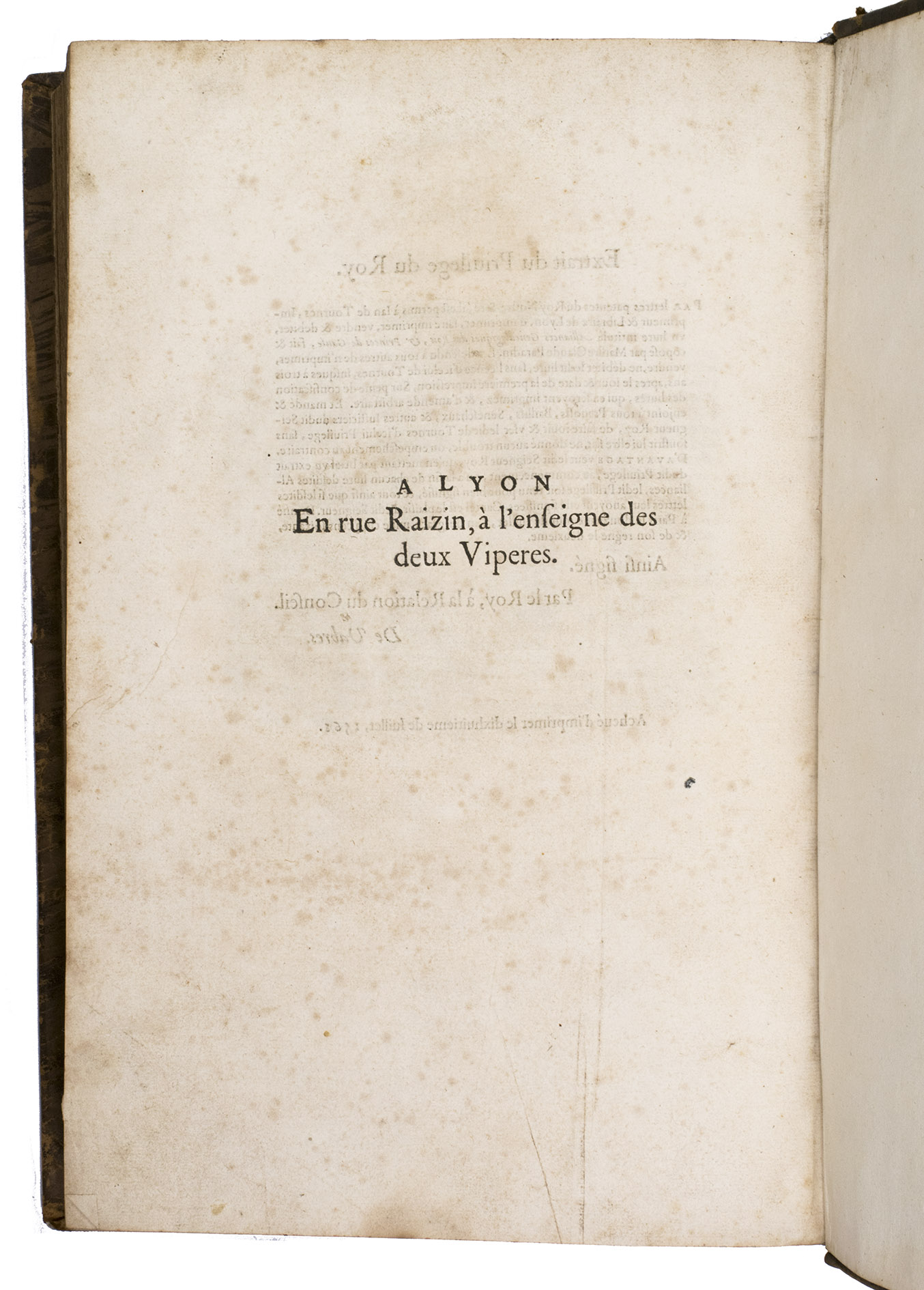
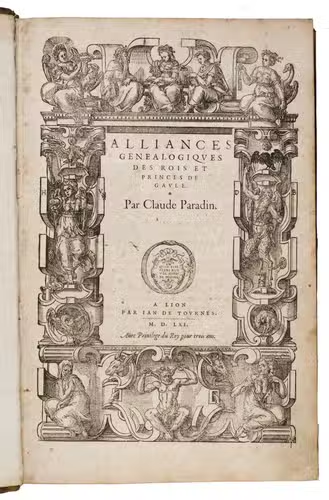
First edition of this heraldic compendium, presenting the arms of the Kings of France and dedicated to Catherine de Medici (1519-1589) in her role as Queen of France. The work opens with a superb Renaissance title-page border, notable for its striking imagery of chained spirits and, in the lower register, King Midas. This Midas title frame was first used by the De Tournes press in Guillaume Paradins Memoriae nostrae libri quatuor (1548), and bearing the characteristic device of the De Tournes family.
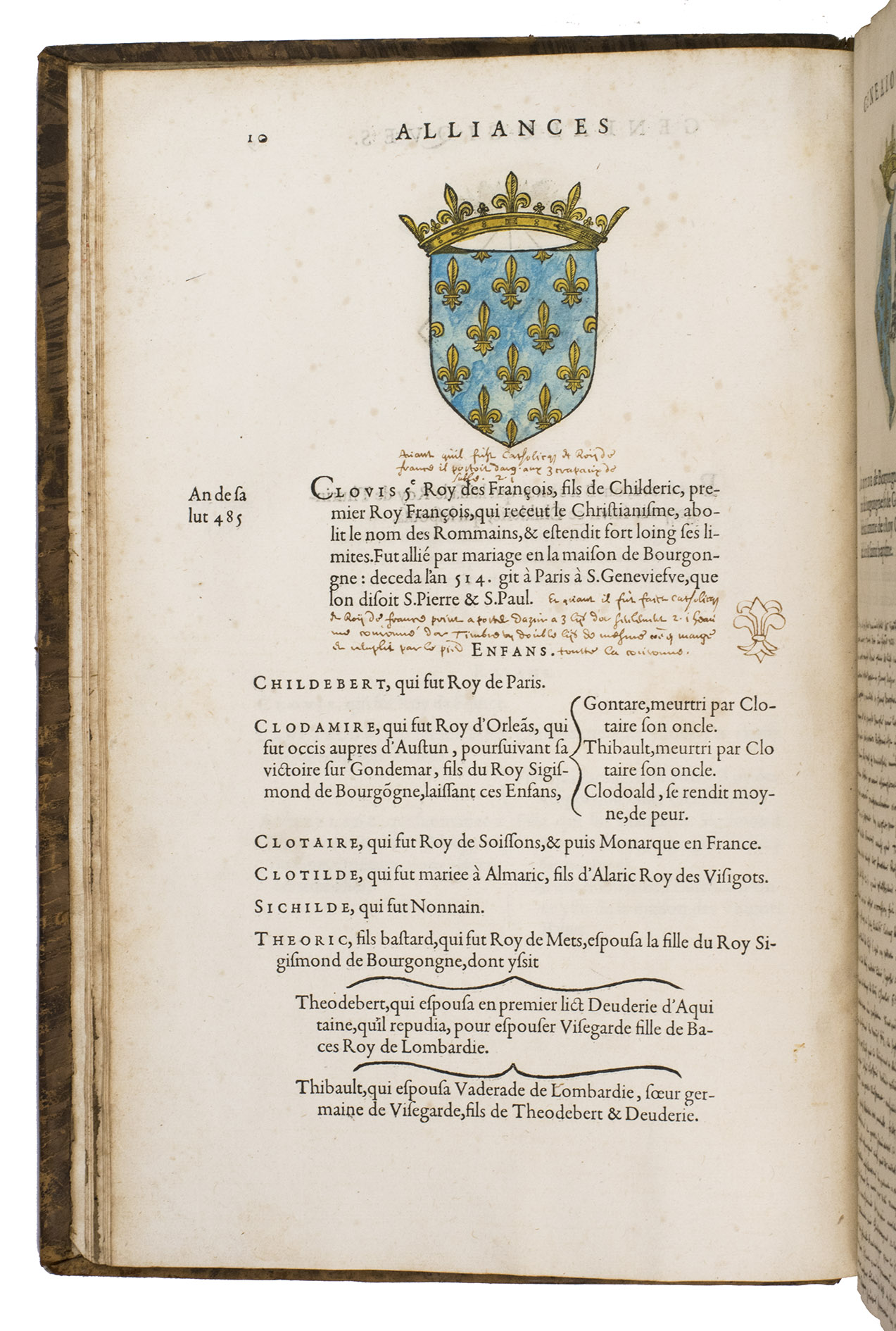
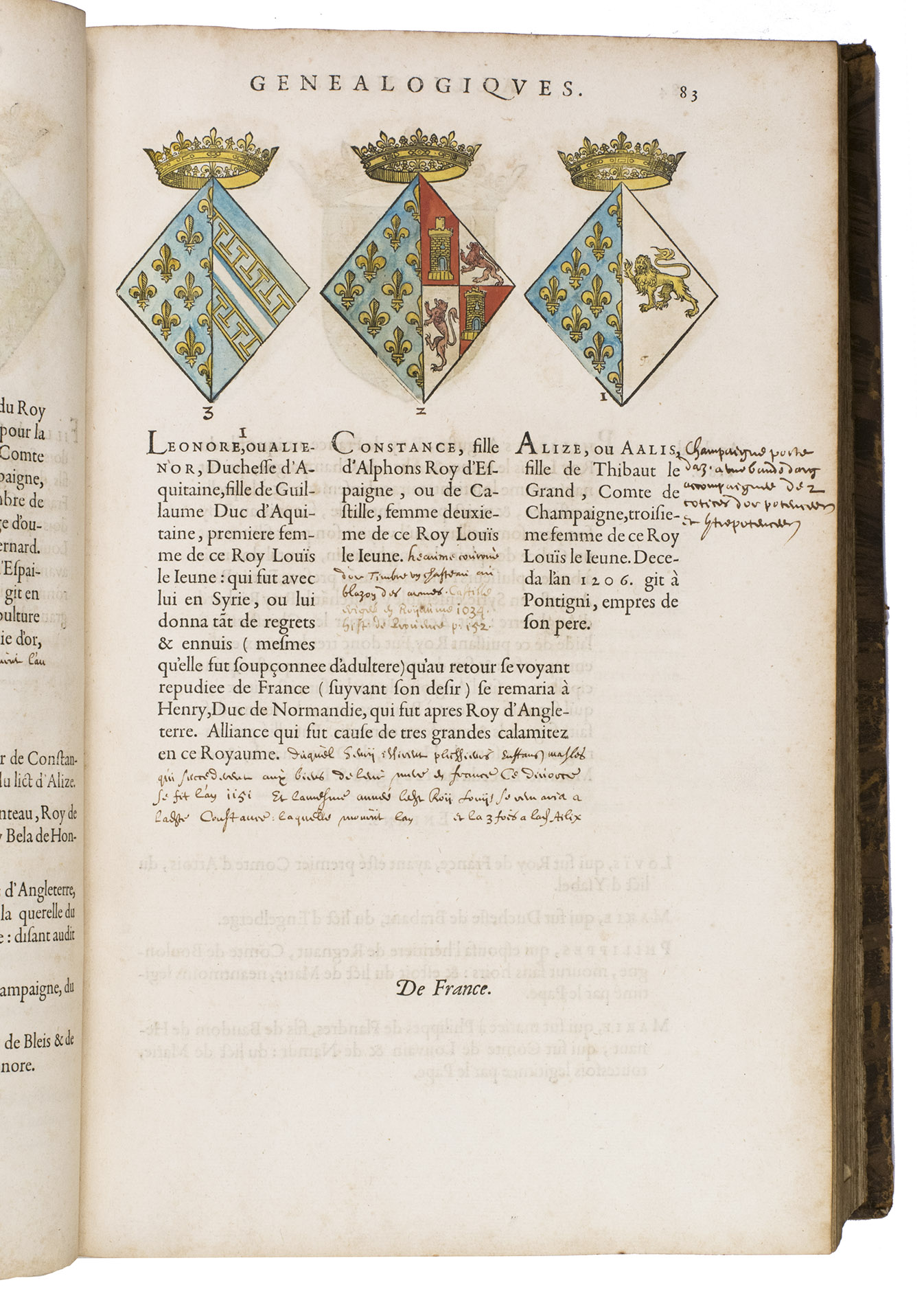
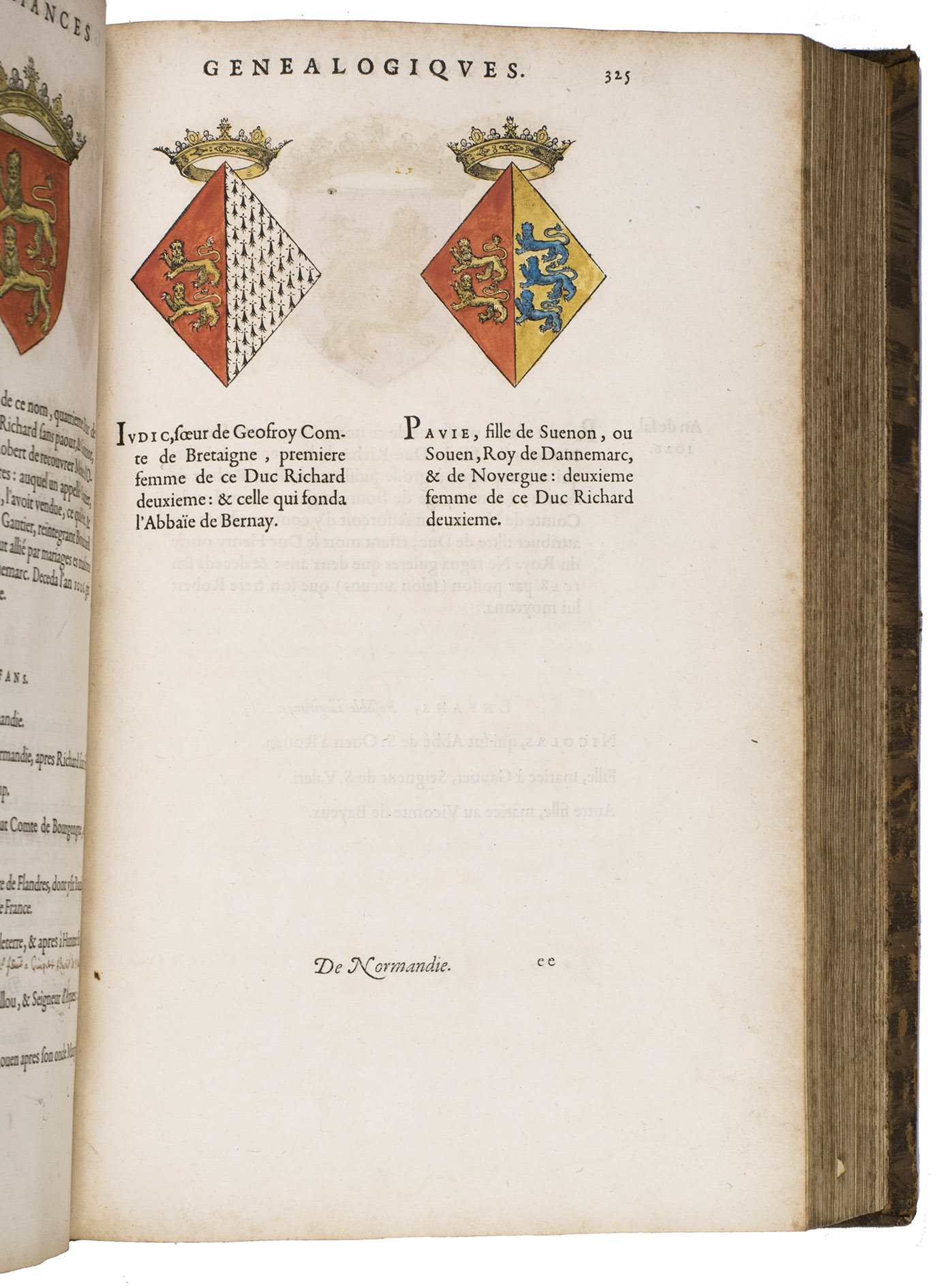
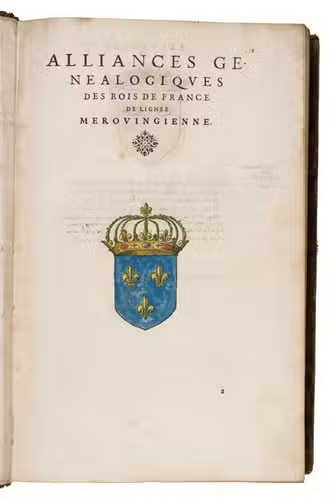
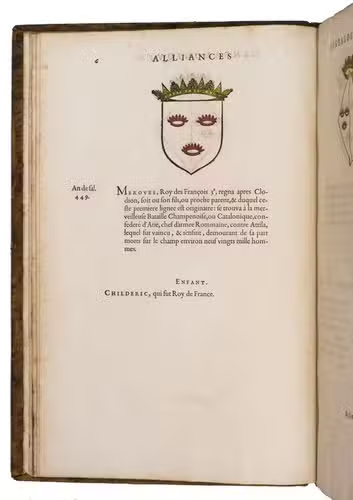
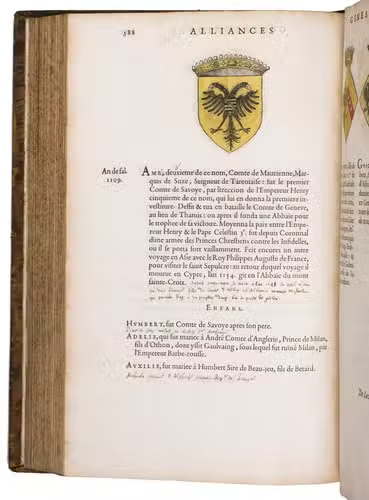
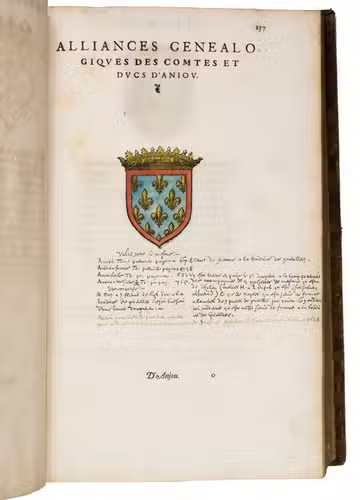
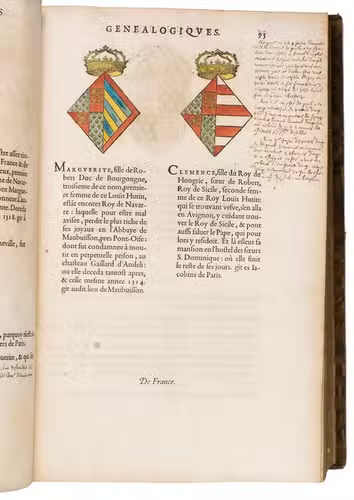
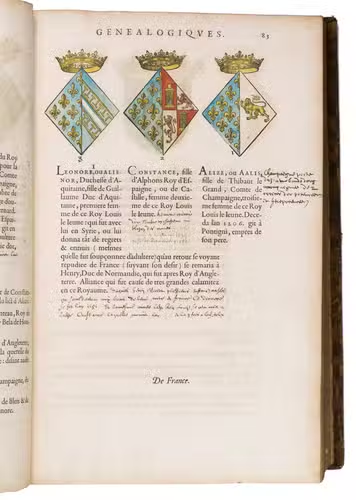
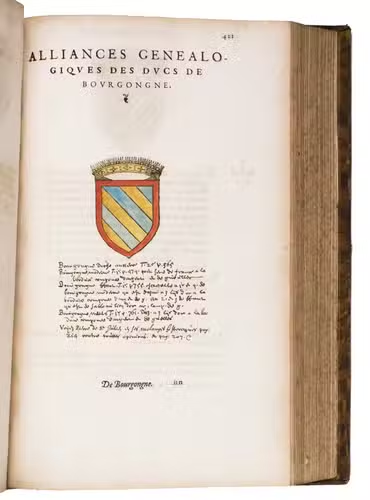
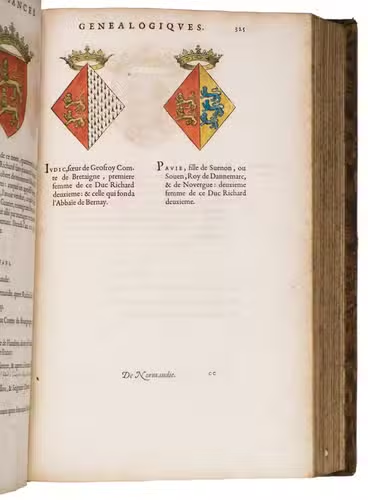
Jean de Tournes, was active in Lyon from 1542 and was appointed royal printer in 1559. His press was renowned for its scholarship, typographical sophistication, and superb woodcut illustration. The present work contains 1,068 woodcut armorial devices, each accompanied by concise genealogical notes. Printed one to occasionally three to a page, they are arranged with remarkable clarity and elegance. Each appears beneath a running title, with the accompanying text consistently positioned to create a unified, harmonious design regardless of the varying length of the genealogical entries.
The present work bears several ownership in two different hands, one is identified as the hand of Count Hendrik van den Bergh (1573-1638), who was also a professional soldier, lord of Stevensweert in Limburg, and later marquis of Bergen op Zoom. Hendrik, the 8th son of Count Willem van den Bergh (1537-1586) and Maria van Nassau (1556-1616), the second daughter of William the Silent (1533-1584) and Anna van Egmont (1522-1558), initially pursued a military career in the service of Spain, following in the footsteps of his father.
In 1618, Hendrik succeeded his brother Frederik as stadtholder of Upper Guelders, the only part of Guelders to remain loyal to Habsburg Spain during the Eighty Years War. As a commander, he led troops on several campaigns across the region, including daring winter operations over the frozen IJssel River in 1623-24, and later campaigns against the forces of the United Provinces. In 1632, he switched allegiances to the States, helping Prince Maurice of Orange (1567-1625) secure the rapid conquest of much of Spanish-held Guelders, including Venlo, Roermond, and Maastricht. For his contribution, Hendrik was rewarded in The Hague with 800,000 guilders. While there, he also learned that the Spanish had sentenced him to death for high treason. However, this sentence was never carried out. After this pivotal act, Hendrik retired from military service and spent his final years between Bergh, Ulft, and Elburg. He passed away in 1638, following a carriage accident in Boxmeer.
Count Hendrik, having been made count after his marriage to the Countess of Spaur-Flavon, has been frequently portrayed and his portraits can be found in Madrid, Windsor, and Chantilly, with engravings of these images often circulating as well. Despite his military successes, Hendriks career was marked by complex political dynamics.
Count Hendrik has been frequently portrayed and his portraits can be found in Madrid, Windsor, and Chantilly, with engravings of these images often circulating as well. Despite his military successes, Hendriks career was marked by complex political dynamics.
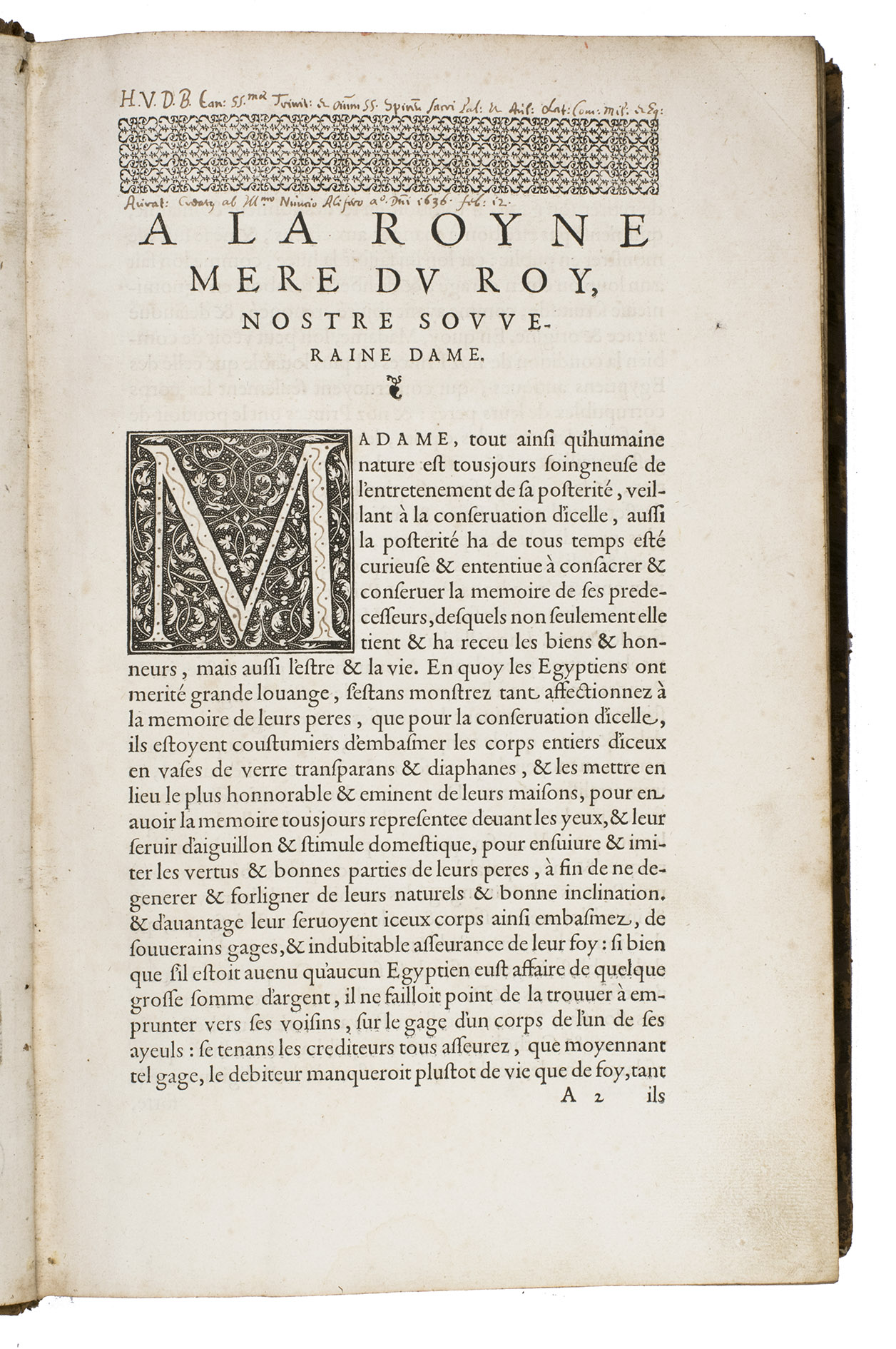
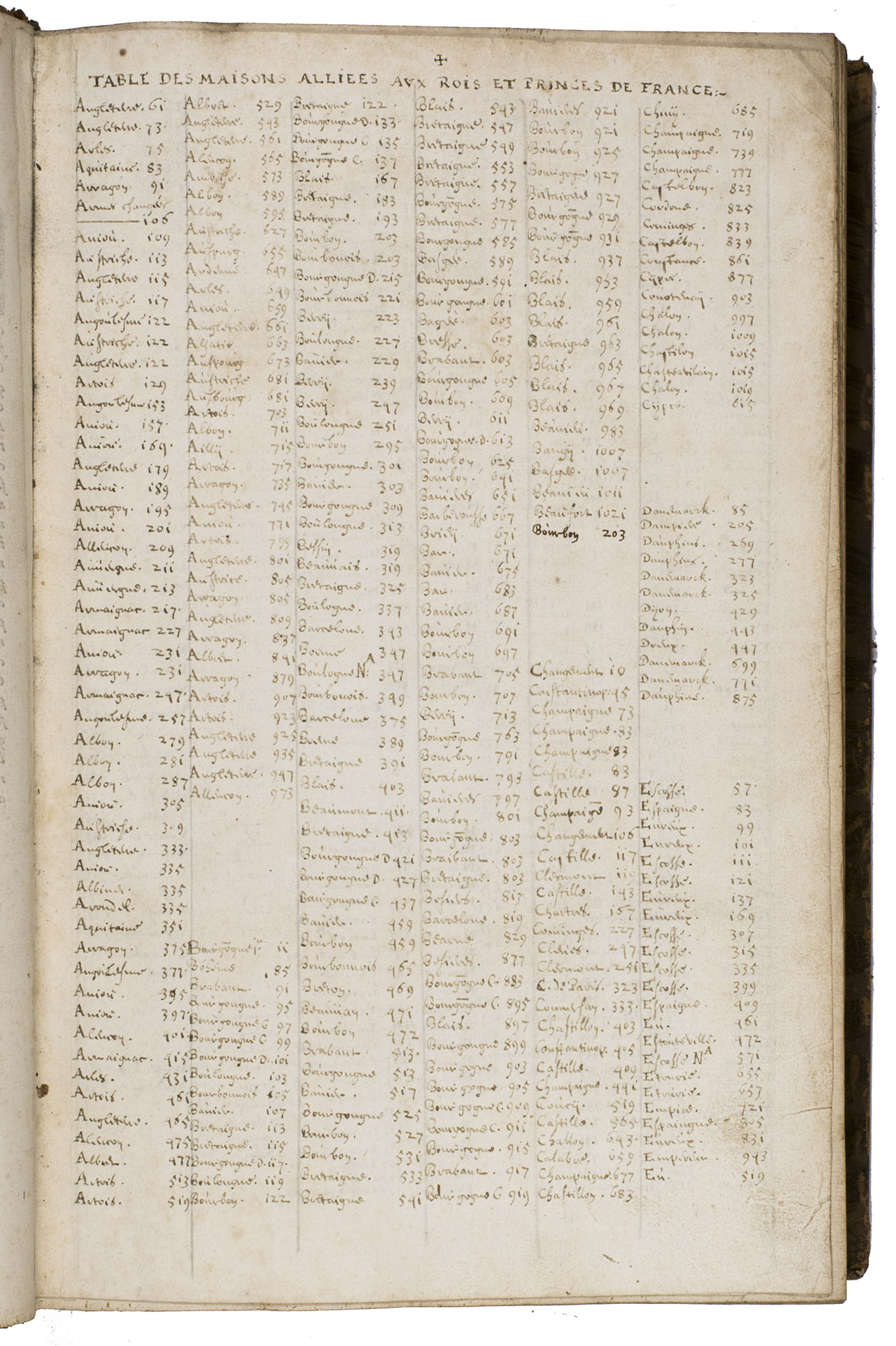
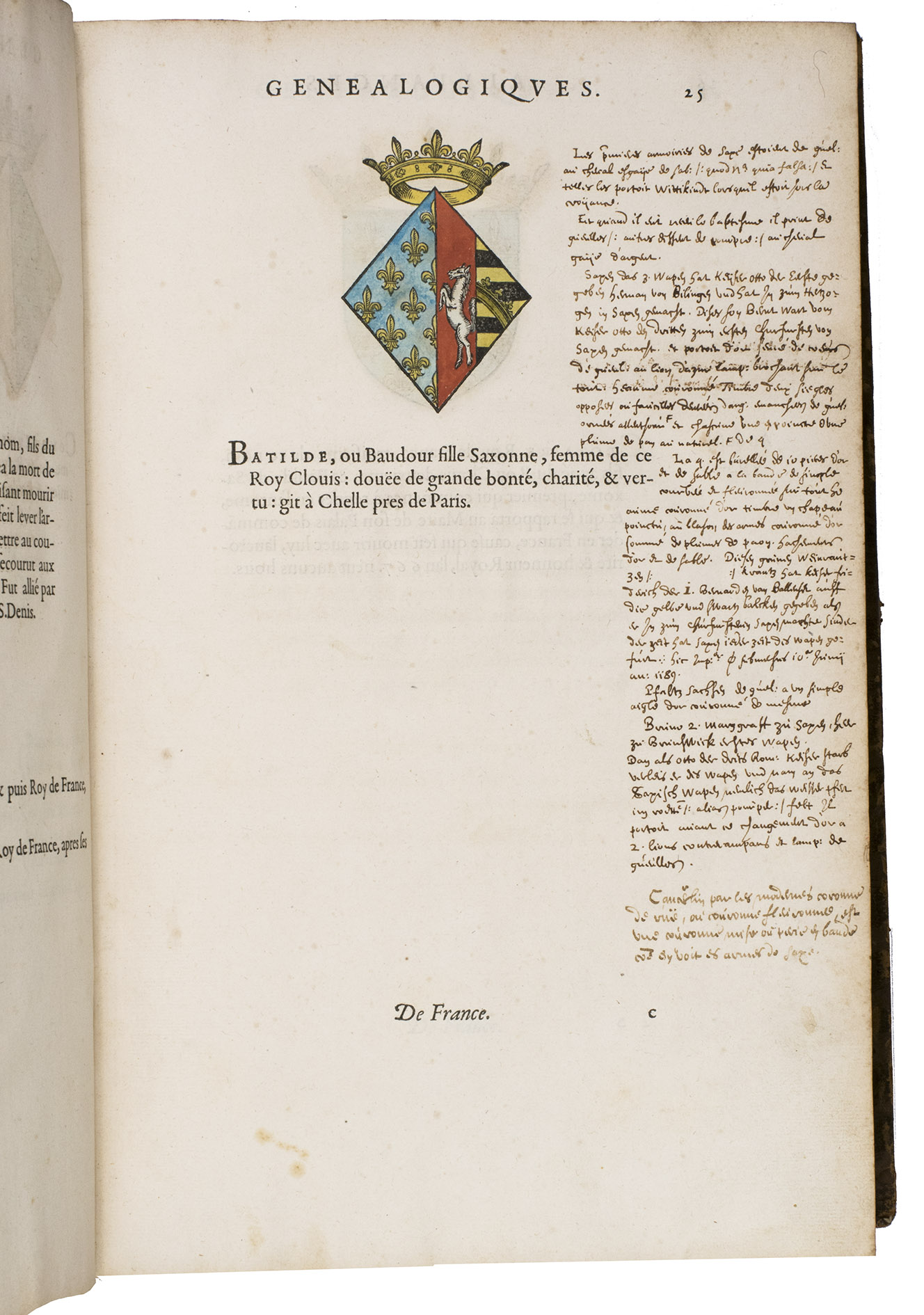
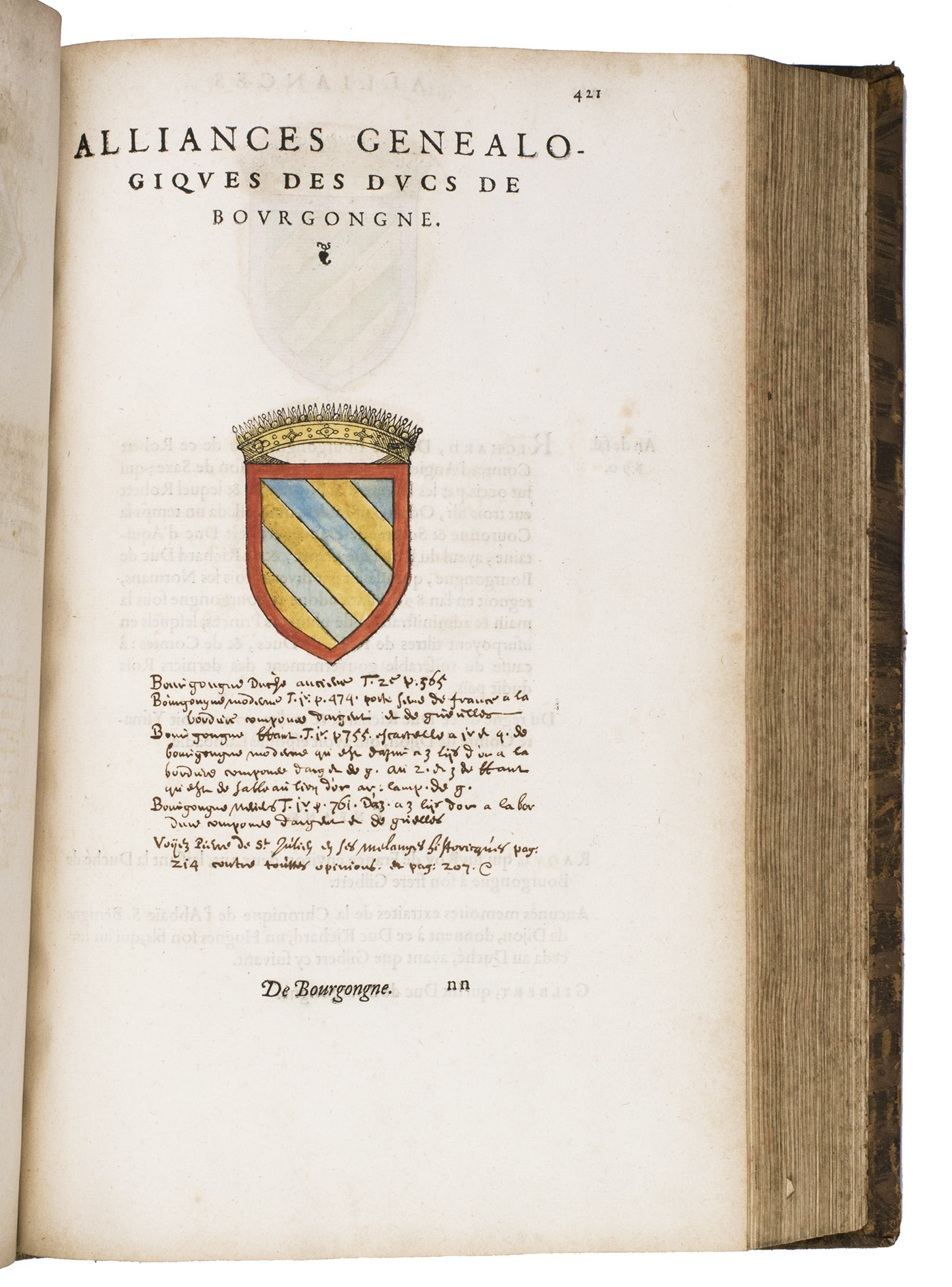
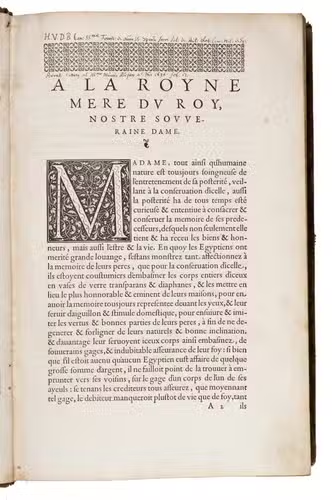
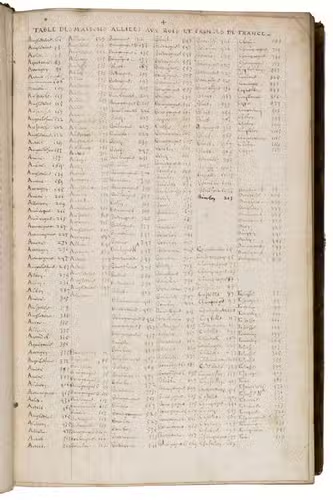
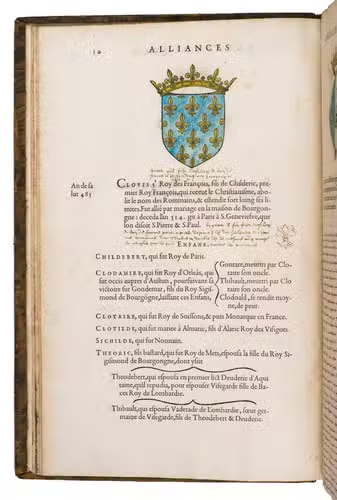
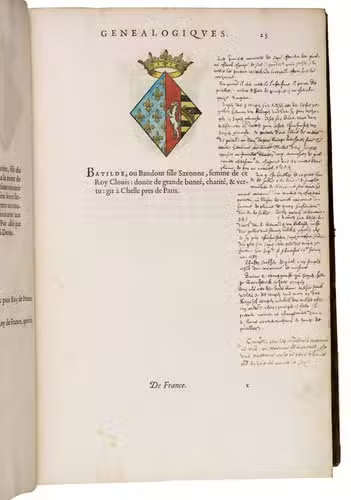
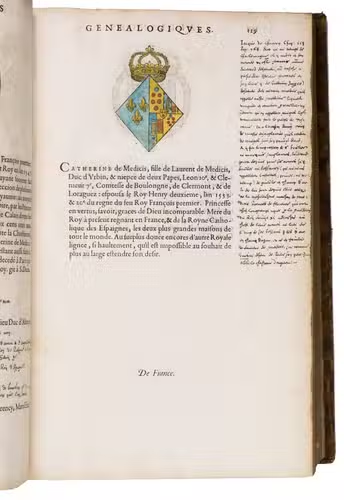
With the initials "HVDB" appearing in the woodcut title frame, the dedication page also bears an annotation with the same initials. Beneath "Maisons contenues en ce Livre" it becomes clear that this is an ownership inscription referring to Hendrik van den Bergh, who annotated the work in 1628 ("H. van den Berch Seodio Geldrensis A(nn)o 1628"). This is followed by three pages containing a handwritten table relating to the work. Throughout the volume numerous contemporary annotations appear, sometimes accompanied by small drawings. A second annotating hand is also present. Both hands summarize heraldic details, genealogies, and cross-references to other contemporary works, such as Jacques de Charrons Histoire universelle, an extensive 17th-century chronicle emphasising Gaulish and French history, dynasties, institutions, and broader global context, Louvan Géliots Indice armorial, a heraldic reference defining blazon terminology and heraldic structures, and Jean Nestors Histoire des hommes illustres de la maison de Medici, which provides genealogies and accounts of the House of Medici.
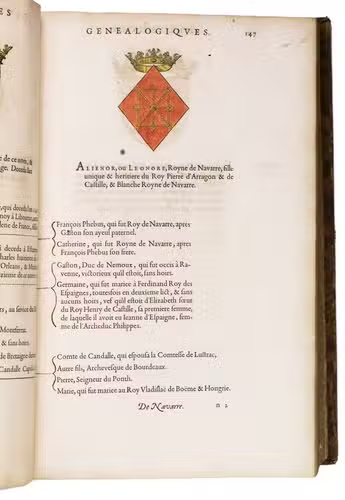
In quires l and m (ll. l2-m2 ), the section "De Navarre" at the foot of the page is mounted on a separate piece of paper, as seen in multiple copies. The front joint is split, the back joint only slightly, but all sewing supports are still in tact. The boards are somewhat rubbed along the extremities, the spine is rubbed, internally occasionally slightly browned. Otherwise in very good condition. Adams, P 290; BMC STC French, p. 336; Brunet, Manuel de libraire et de lamateur de livres, IV p. 358; Du Verdier, p. 187; Early European Books (Proquest) fra-bnf-rlr-00010890-001; Mortimer, no. 411; Pettegree, Walsby and Wilkinson, FB 40572; Sigmond, "Hendrick van den Bergh", Huis Bergh Kasteel & Landgoed; Updike I, pp. 202-203; USTC 874.
Related Subjects: