LA CHAPELLE, Vincent.
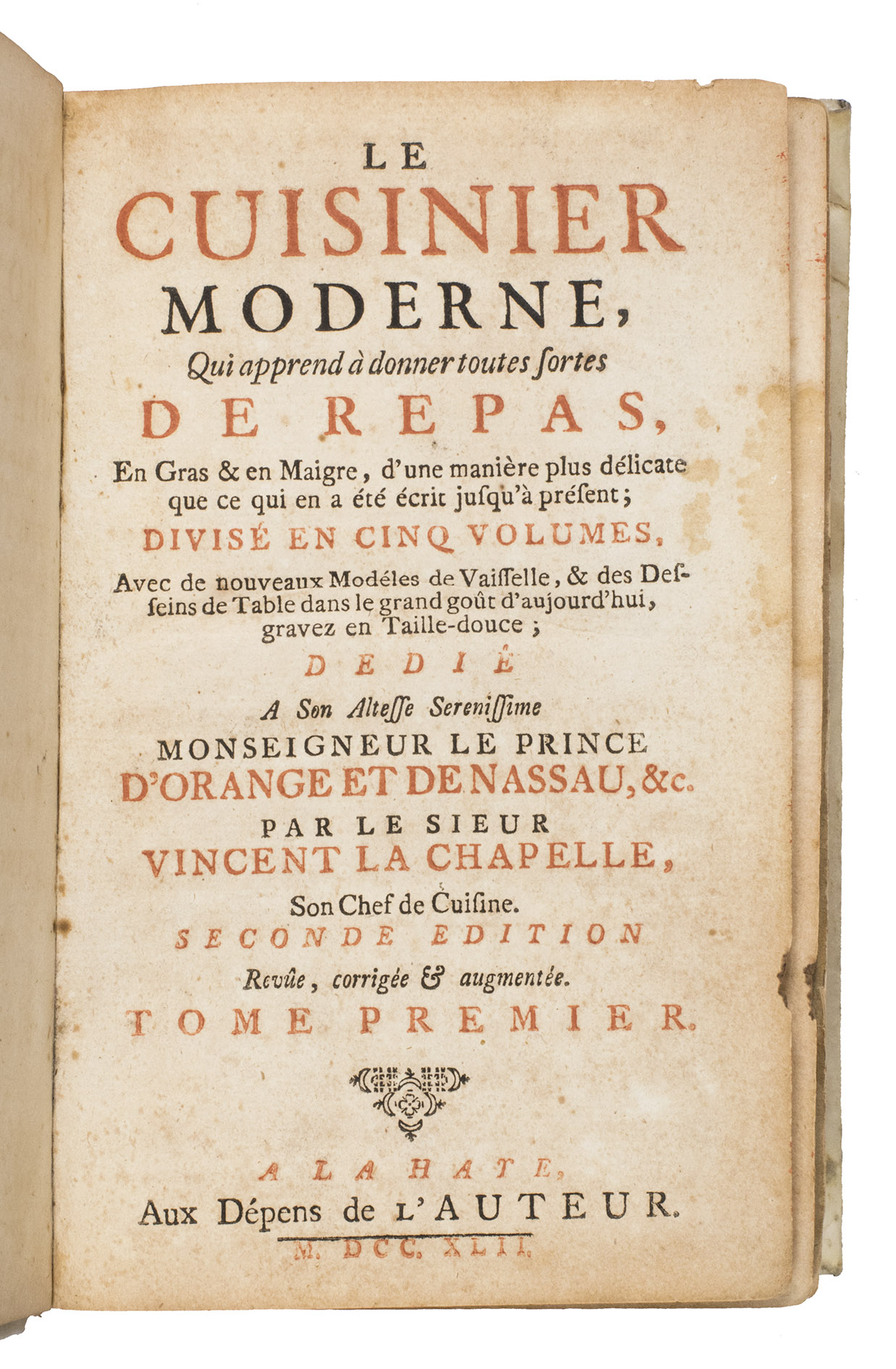
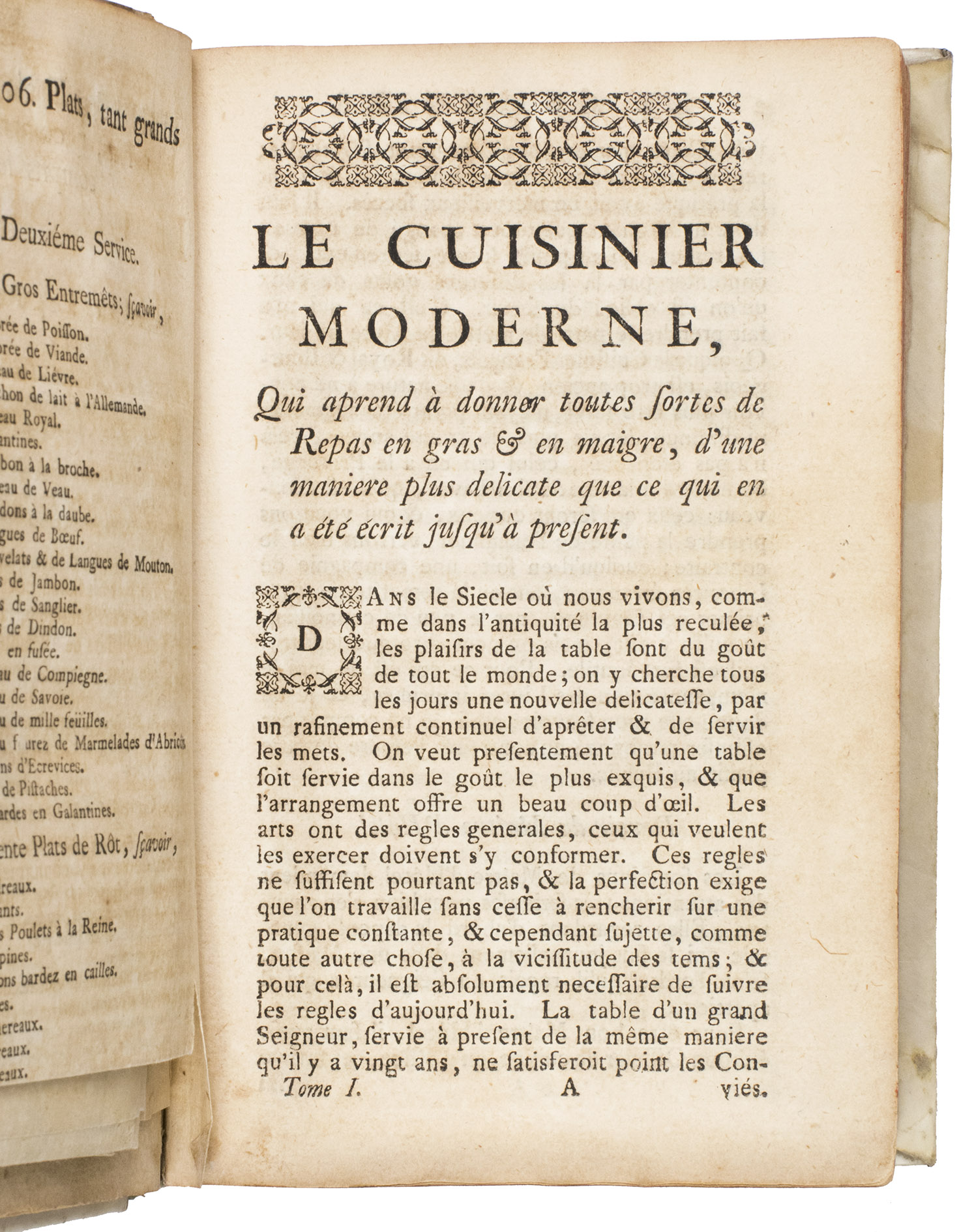
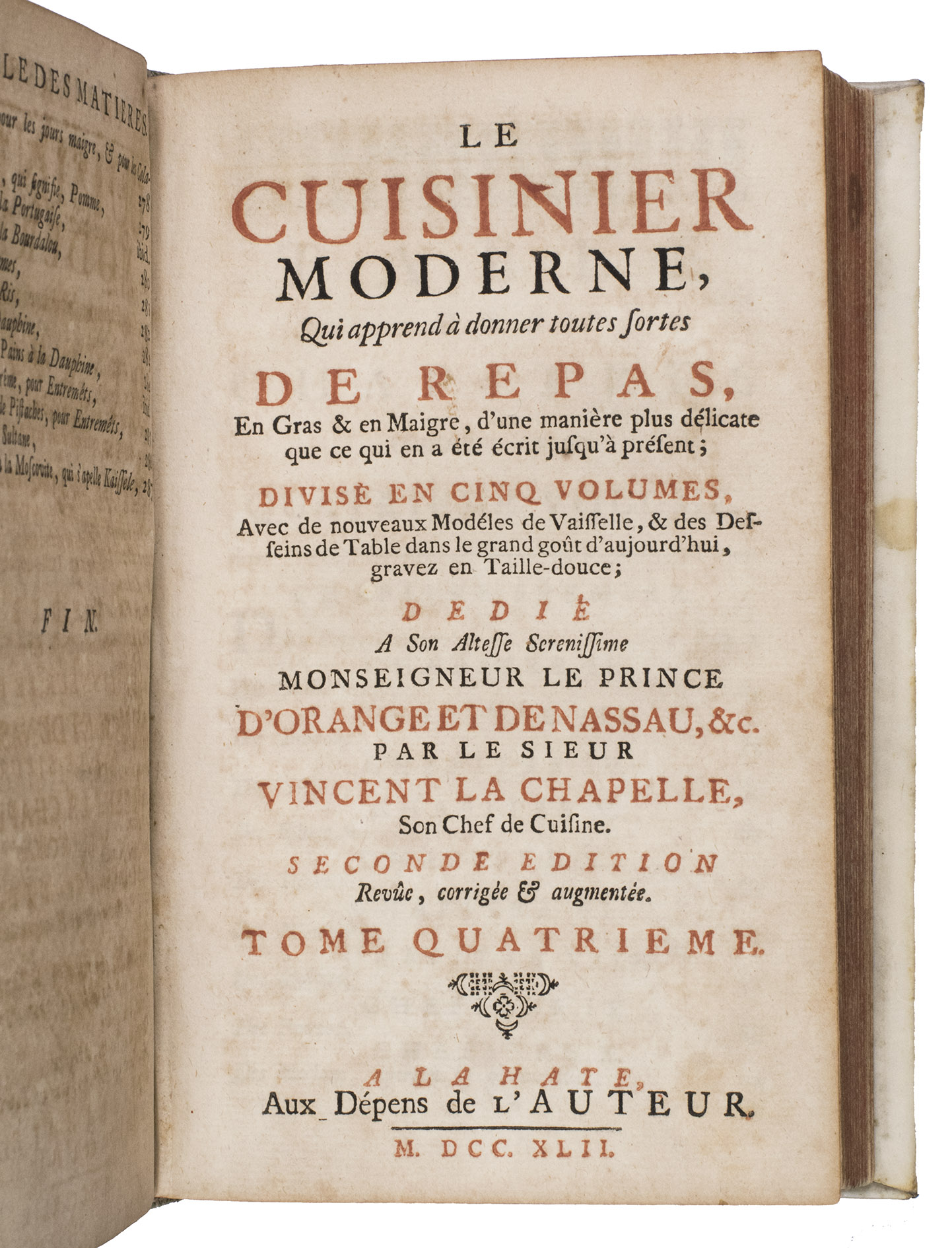
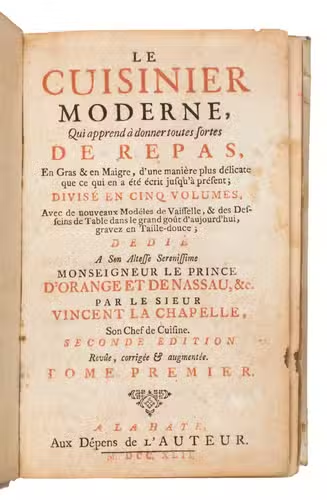
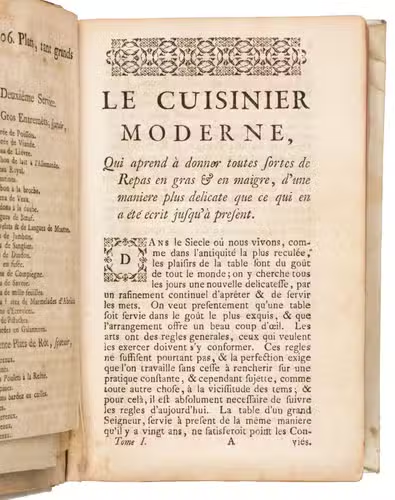
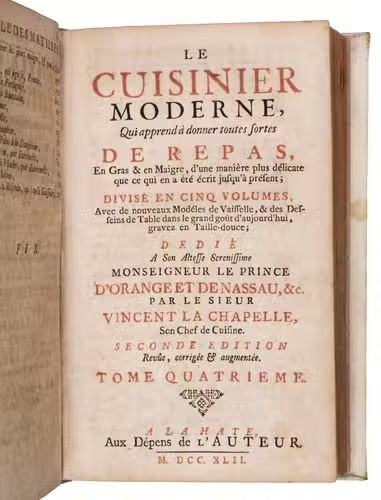
Le cuisinier moderne, qui apprend à donner toutes sortes de repas, en gras & en maigre, dune manière plus délicate que ce qui en a été écrit jusquà present; divisé en cinq volumes (...)
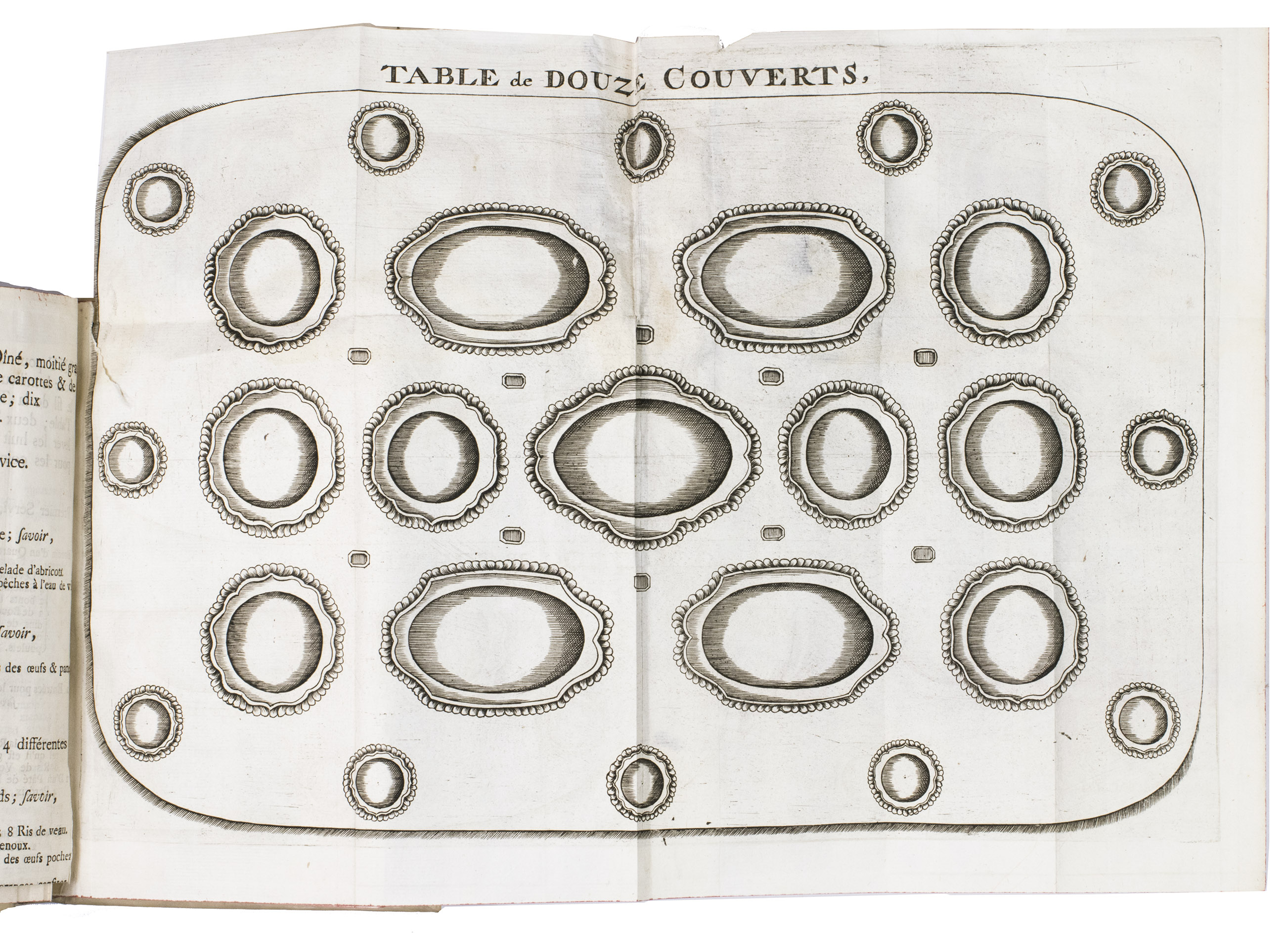
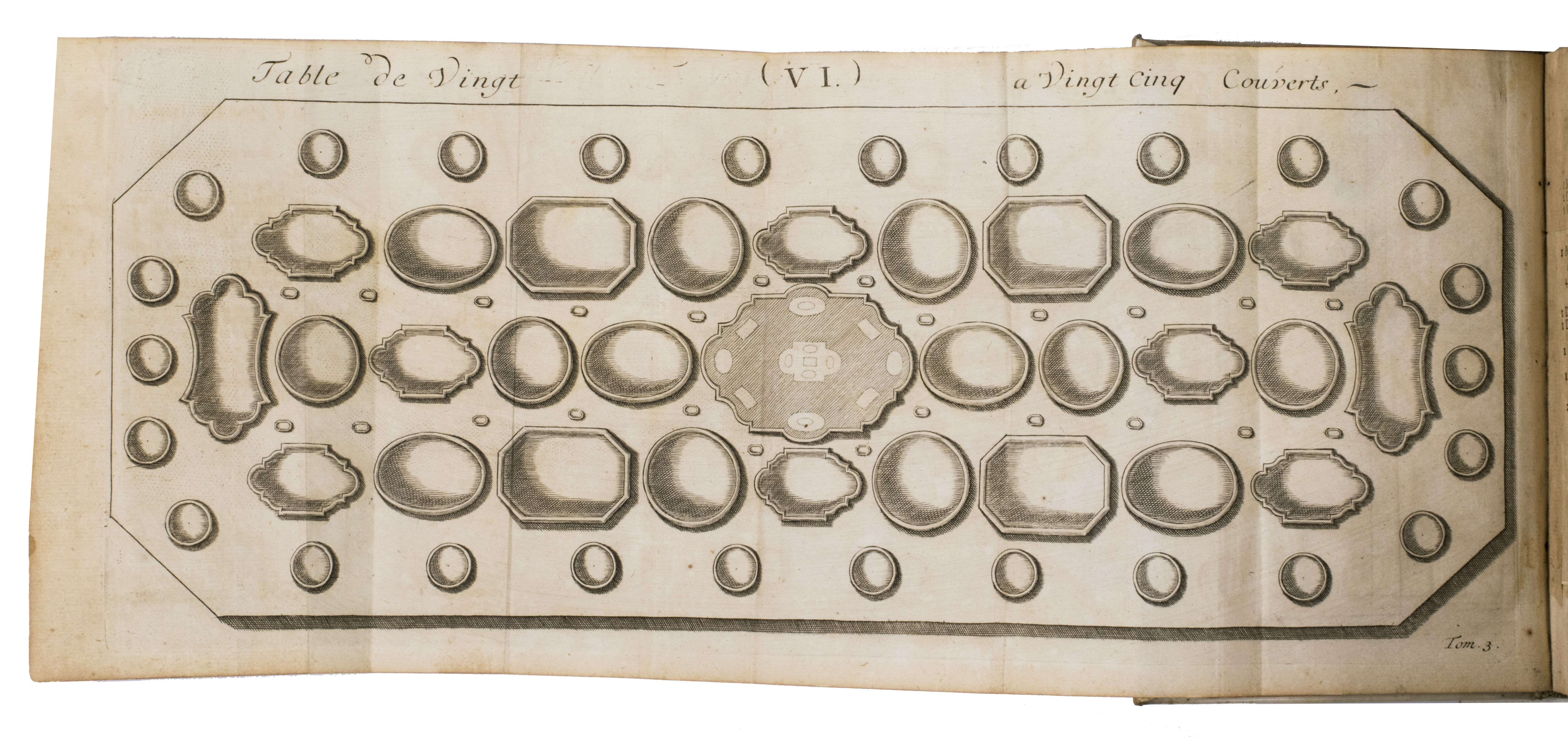
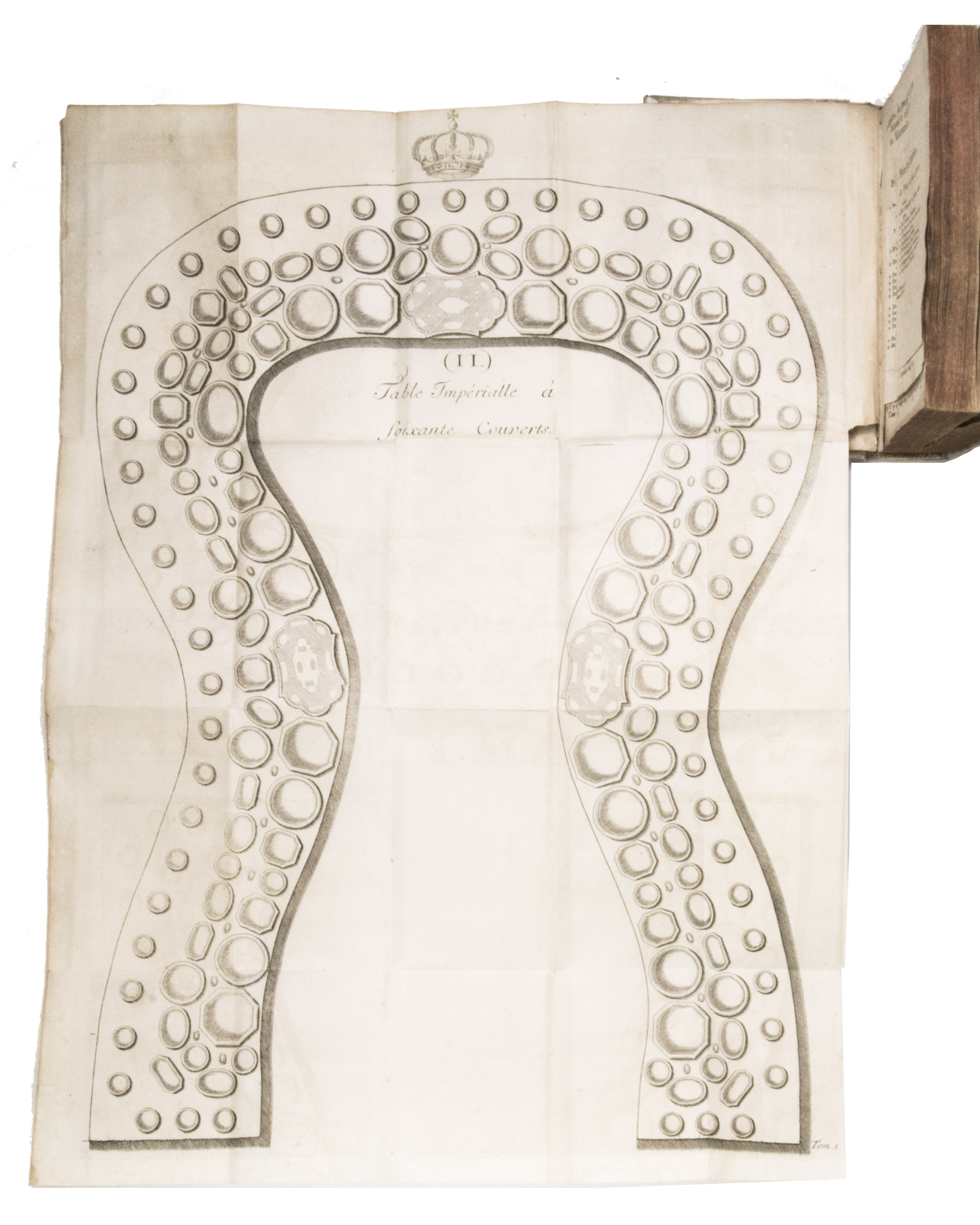
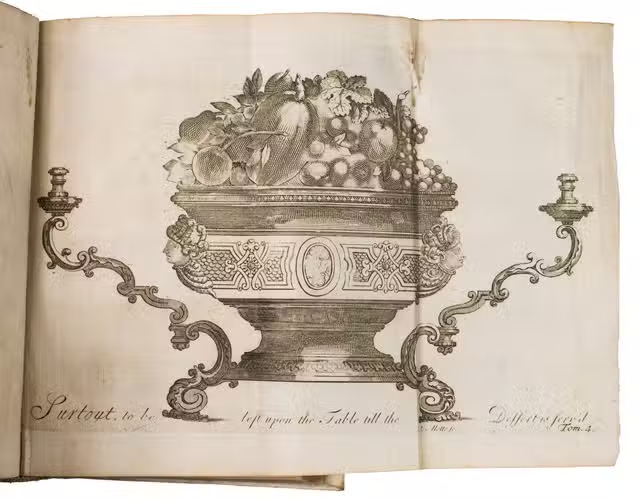
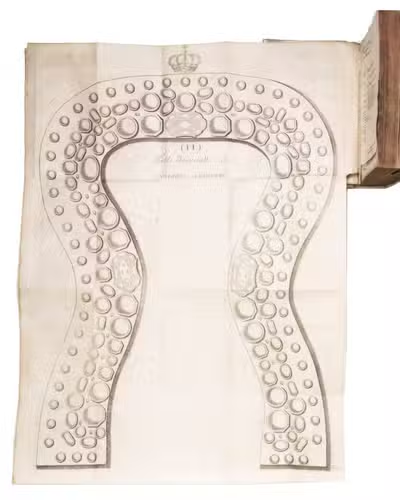
The Hague, for the author ["Aux dépens de lauteur"], 1742. 5 parts in 3 volumes. 8vo. With the title page of each part printed in red and black, 13 large folding engraved plates, of which 1 has been printed on 4 attached leaves and is exceptionally large (ca. 28 x 150 cm), 5 folding printed text-leaves, and a woodcut armorial headpiece.
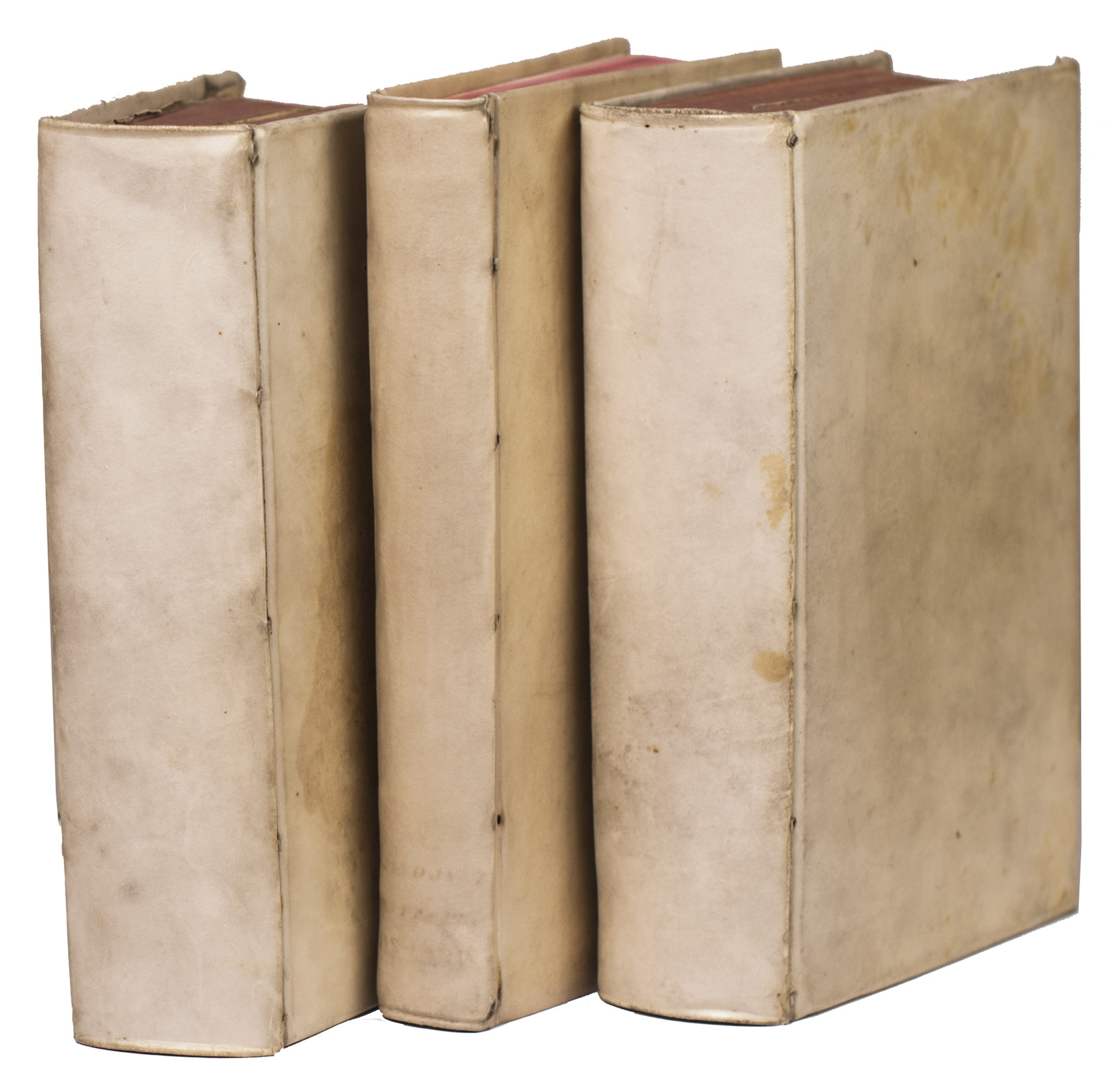
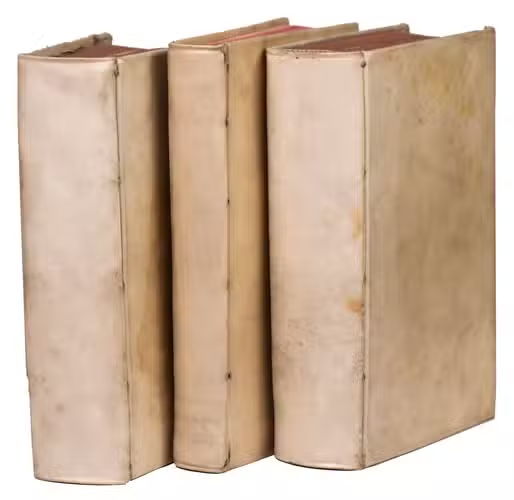
Contemporary vellum, sewn on 3 (vols. 1 and 2) or 4 (vol. 3) supports laced through the joints, red edges. [12], 261, [1 blank], [15]; [4], 258, [14]; [4], 288, [16]; [4], 313, [1 blank], [20]; [10], 346, [13] pp.
€ 1,950
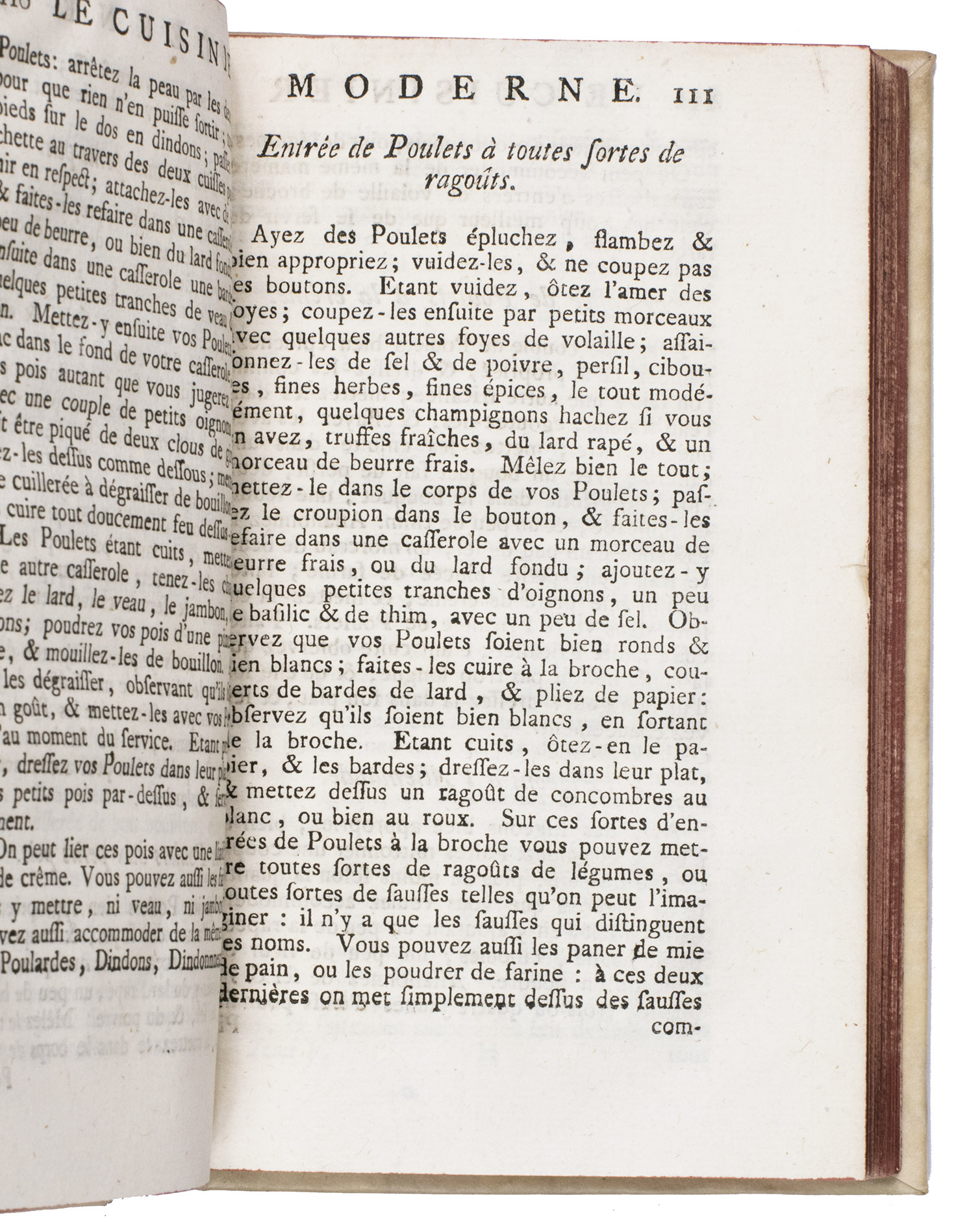
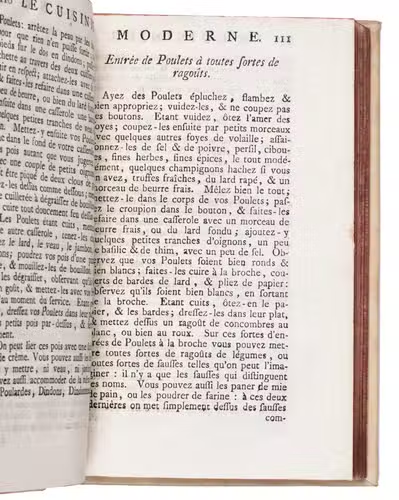
Complete set of the famous cookery book by Vincent La Chapelle (1690/1703-1745), which strongly influenced the cuisine of the British aristocracy. Insisting on a rupture with the past and characterising his cooking as modern by simplifying recipes and streamlining cooking methods as a reaction against the over-refined food that had dominated the previous decades, the work became one of the great classics of the culinary arts in the 18th century. The present edition has been enlarged with a new, fifth part.
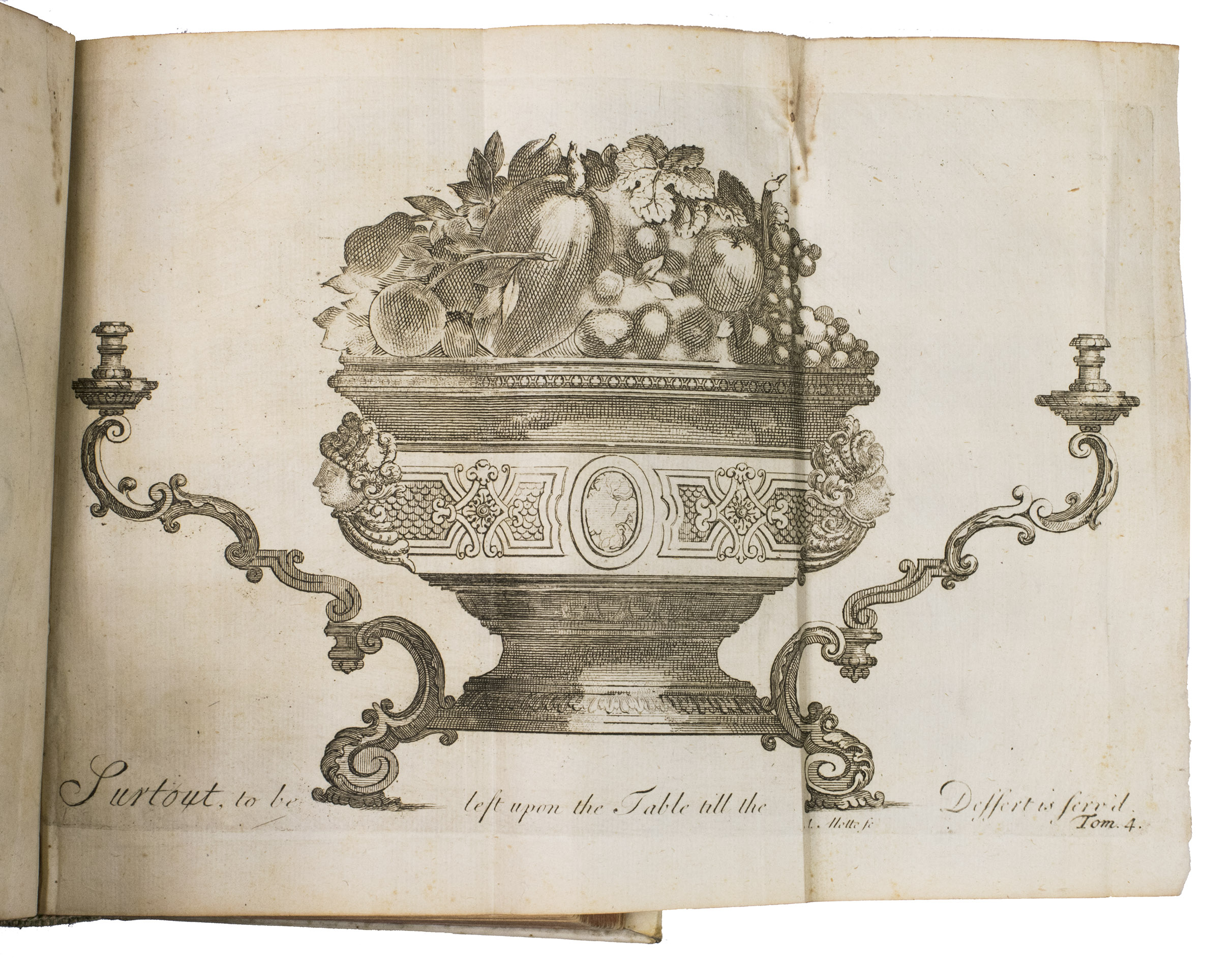
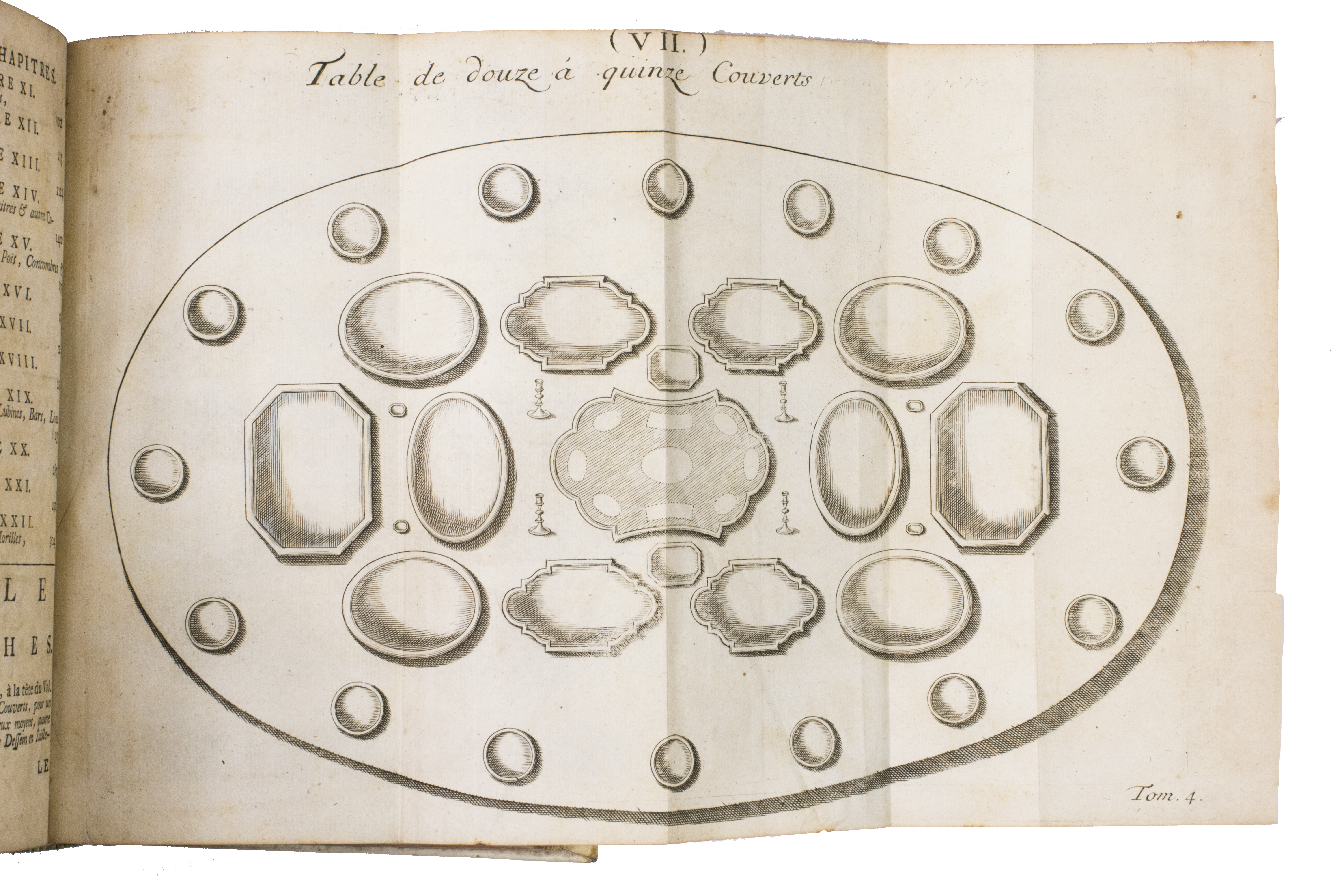
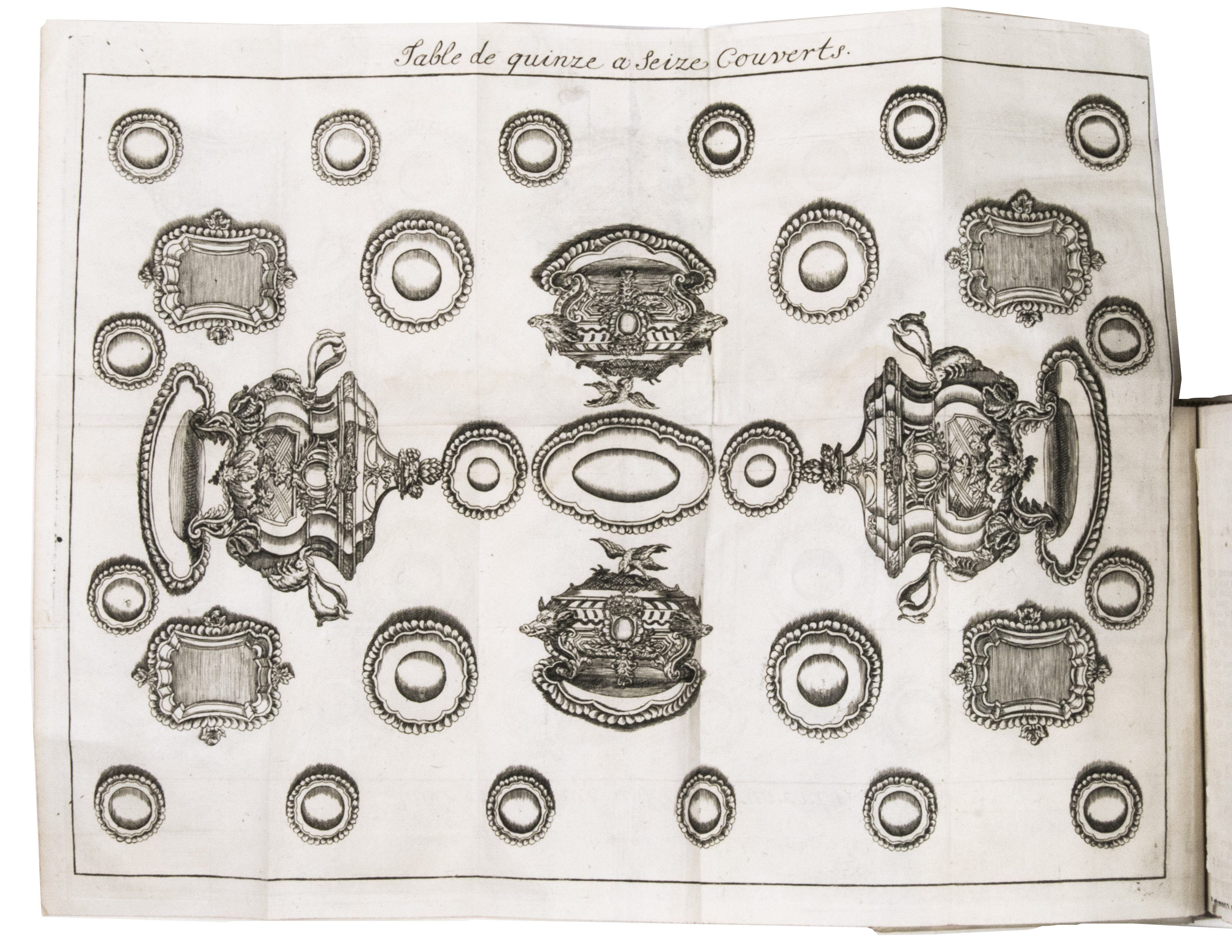
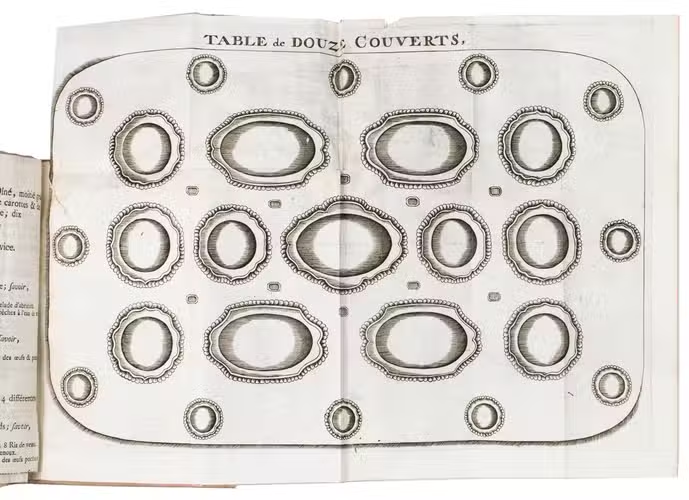
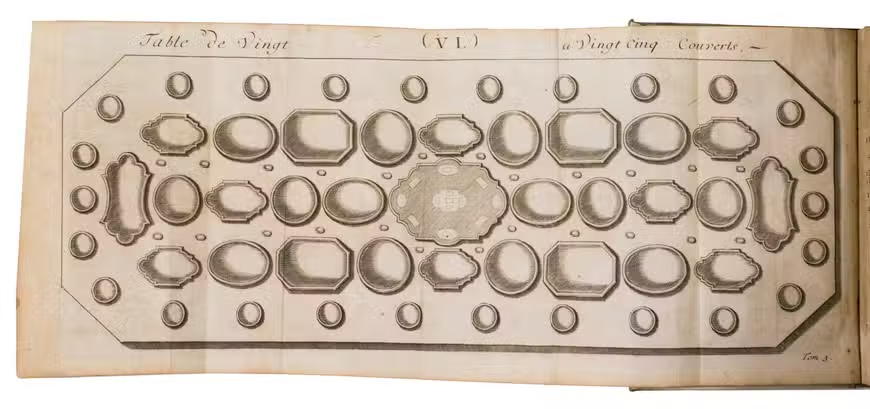
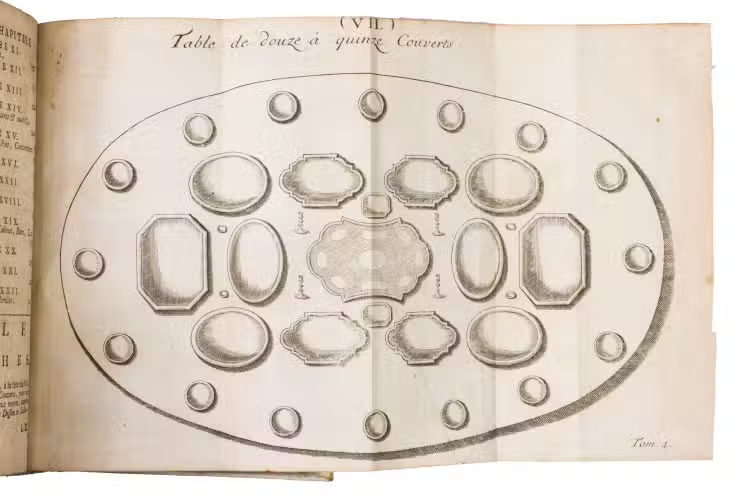
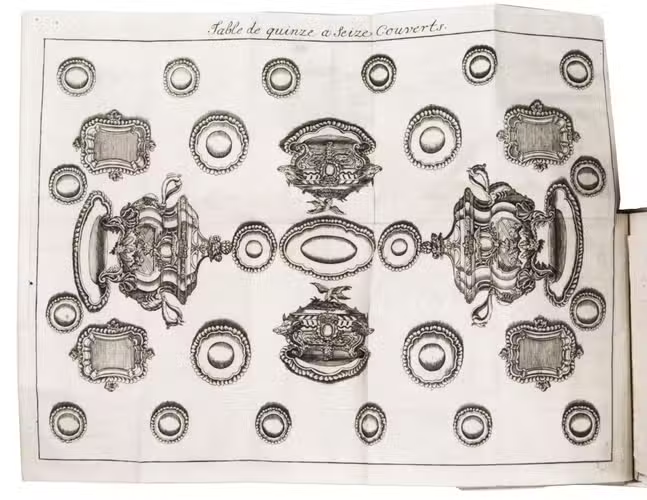
The work contains hundreds of recipes and has been richly illustrated with plates of table settings for 12 to 100 "couverts", silver plates, and silver table showpieces for the various courses. Unlike his predecessors, La Chapelle was very open to foreign cuisine, and added many foreign recipes to his cookery book, as well as various local French dishes that other cooks typically ignored. Some of La Chapelles dishes are inspired by the inventions of the French chef François Massialot (1660-1733), but La Chapelle certainly distanced himself from the famous master in the preparation of dishes and in the search for a cuisine that could be called "nouvelle": less showy and rich, but tastier and certainly more attentive to ingredients including various herbs.
The work was originally published in English under the title The modern cook (1733). It was then translated into French and published in the Hague in 1735. A second edition, the present copy, appeared in 1742. This second edition is in fact a re-issue of parts 1-4 of the first French edition. Added are only some preliminary pages ("Avertissement de l'auteur" in part 1 and "Table des chapitres" & "Tables des planches" in parts 1-4). The engravings and printed menus (numbered I-VII) are also mostly identical, except for the engraving depicting various silver plates ("Modelle des plats ) to which French names are added. The fifth part, however, is completely new and includes two folding engravings (both unnumbered, but in fact no. VIII-IX) depicting table settings for 12 to 16 "couverts", accompanied by 1 folding printed text-leaf (numbered VIII-IX on recto and verso) with descriptions of the menus for the various dinners.
La Chapelle was from 1731 till 1733 chief cook for the English ambassador in The Hague, Philip Dormer Stanhope, 4th Earl of Chesterfield (1694-1773), who was in The Hague to arrange and negotiate the marriage of Stadtholder William IV, Prince of Orange (1711-1751) with the daughter of the English King George II, Princess Anne (1709-1759), which took place in 1734 in London. The next year La Chapelle entered the Stadtholders service as his chief cook in which function he stayed till his death in 1745. The French edition was dedicated to William IV.
A stain on the front board of the first volume. The leaves of part 1-4 are browned, several engravings with small tears (a few repaired), the year of publication on the title page of part 5 has been removed, and that area of the leaf has been reinforced on the verso. Otherwise a good set. Bibl. Gastronomica, no. 3646; Bitting, p. 268; Drexel, 509; Landwehr, Het Nederl. kookboek (1995), no. 28.3; STCN 244670633 (2 complete copies); Vicaire (1954), pp. 867-868; not in Horn/Arndt; Oberlé; Schraemli.
Related Subjects:
 by the chief cook of the Dutch Stadtholder William IV" title="First French edition of "The modern cook": a famous 18th-century cook book


