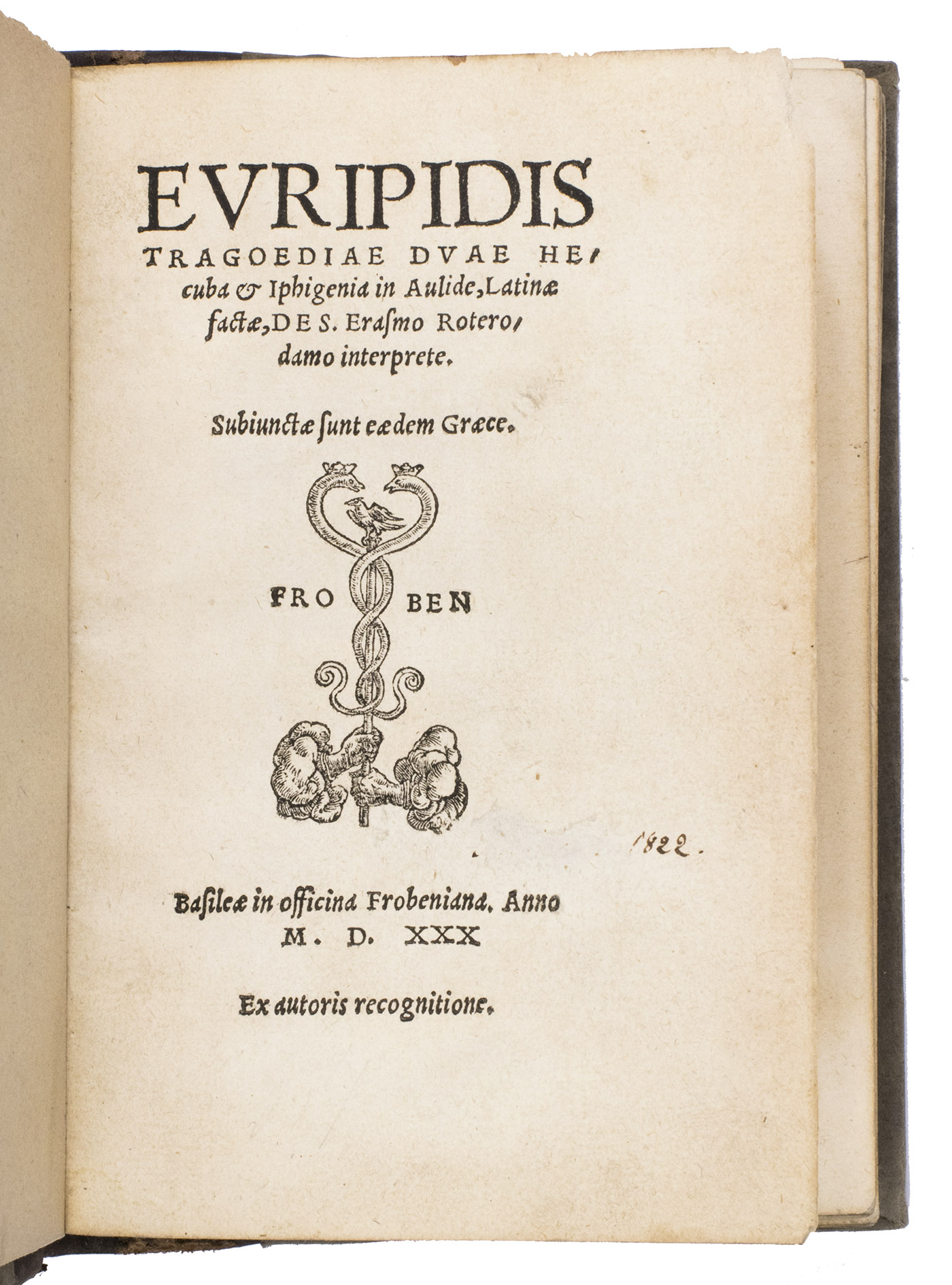
EURIPIDES and Desiderius ERASMUS (editor and translator).
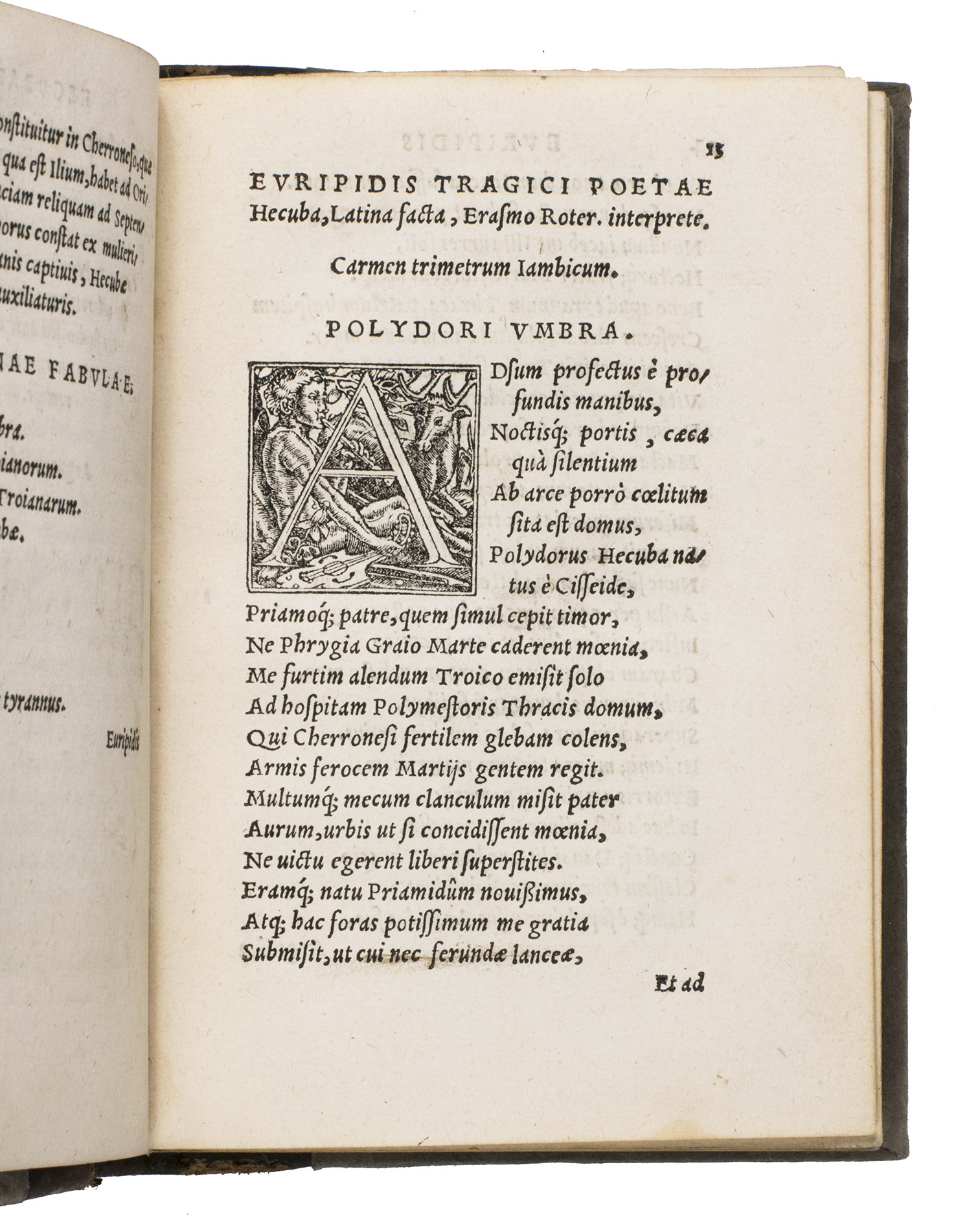
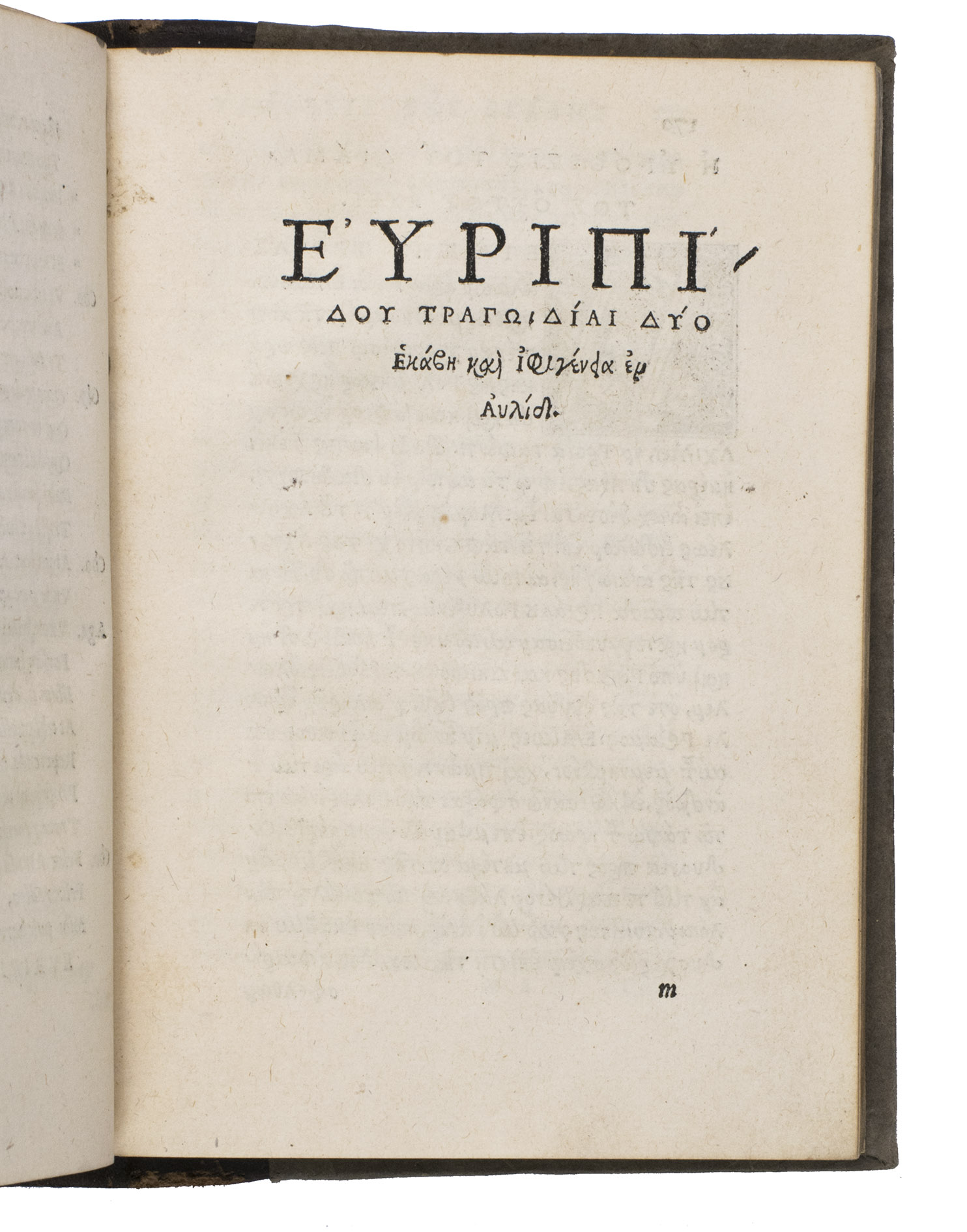
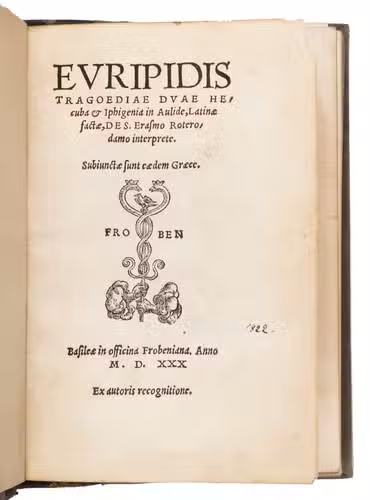
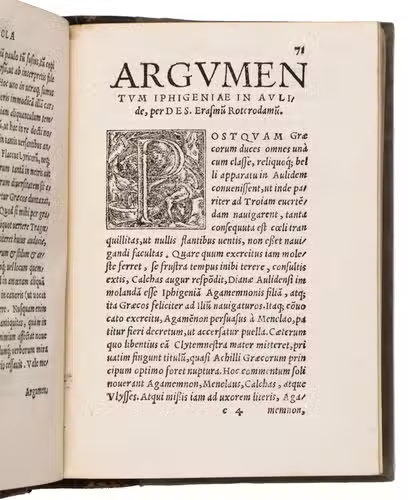
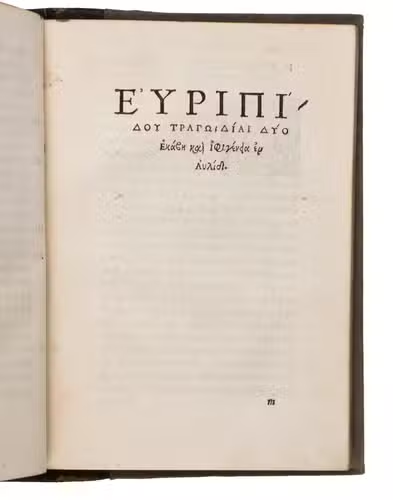
Euripidis tragoediae duae hecuba & iphigenia in aulide, Latinae factae...
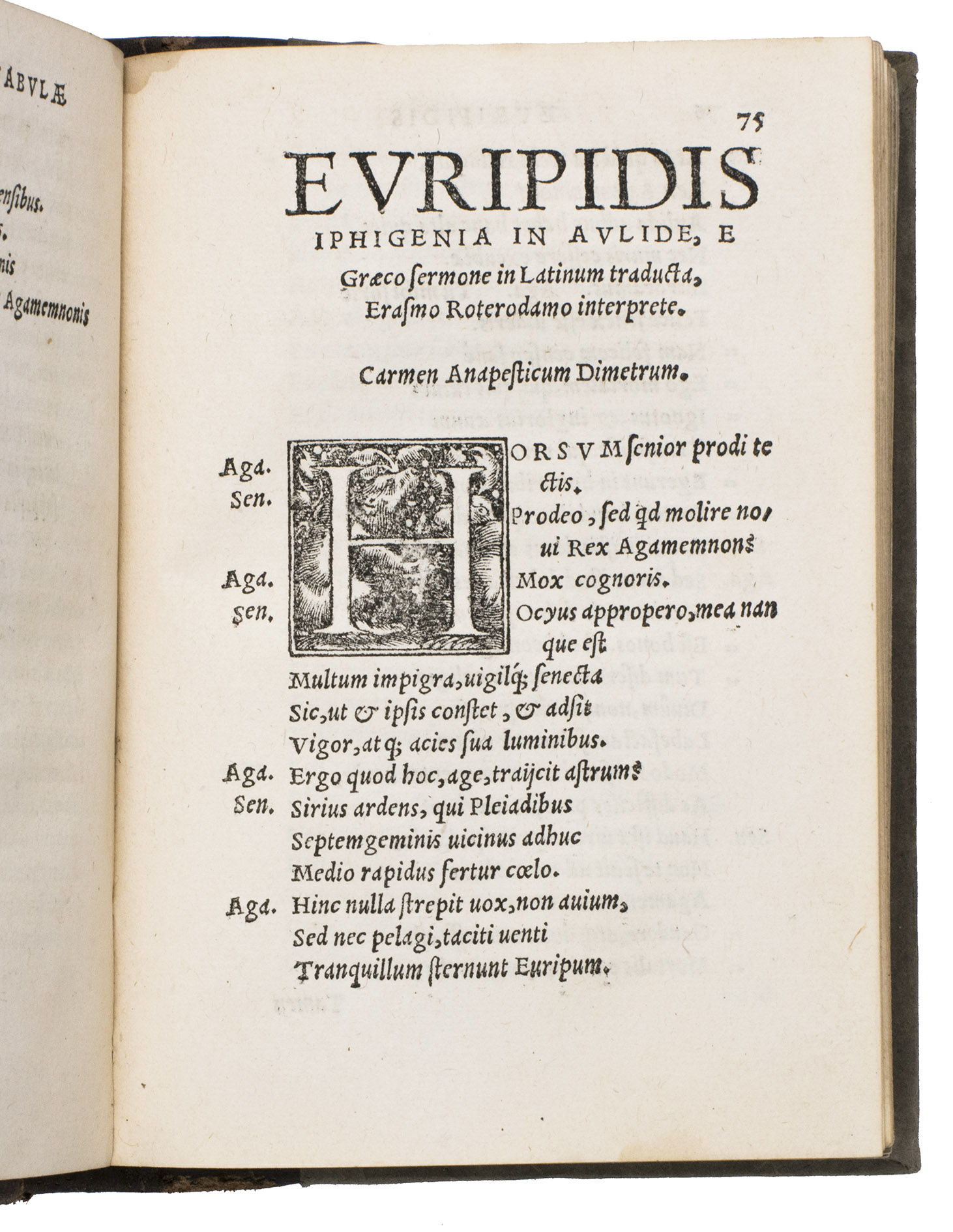
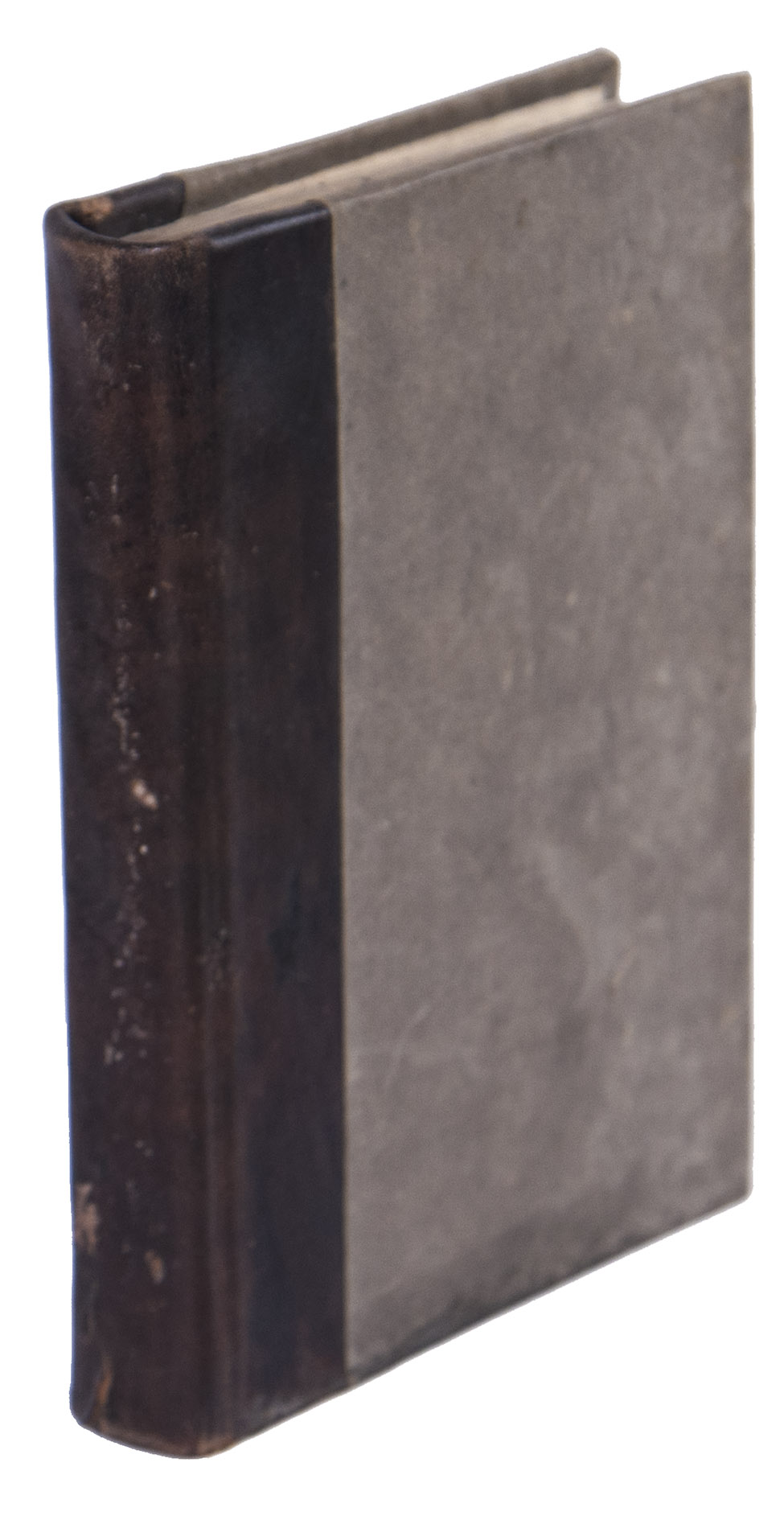
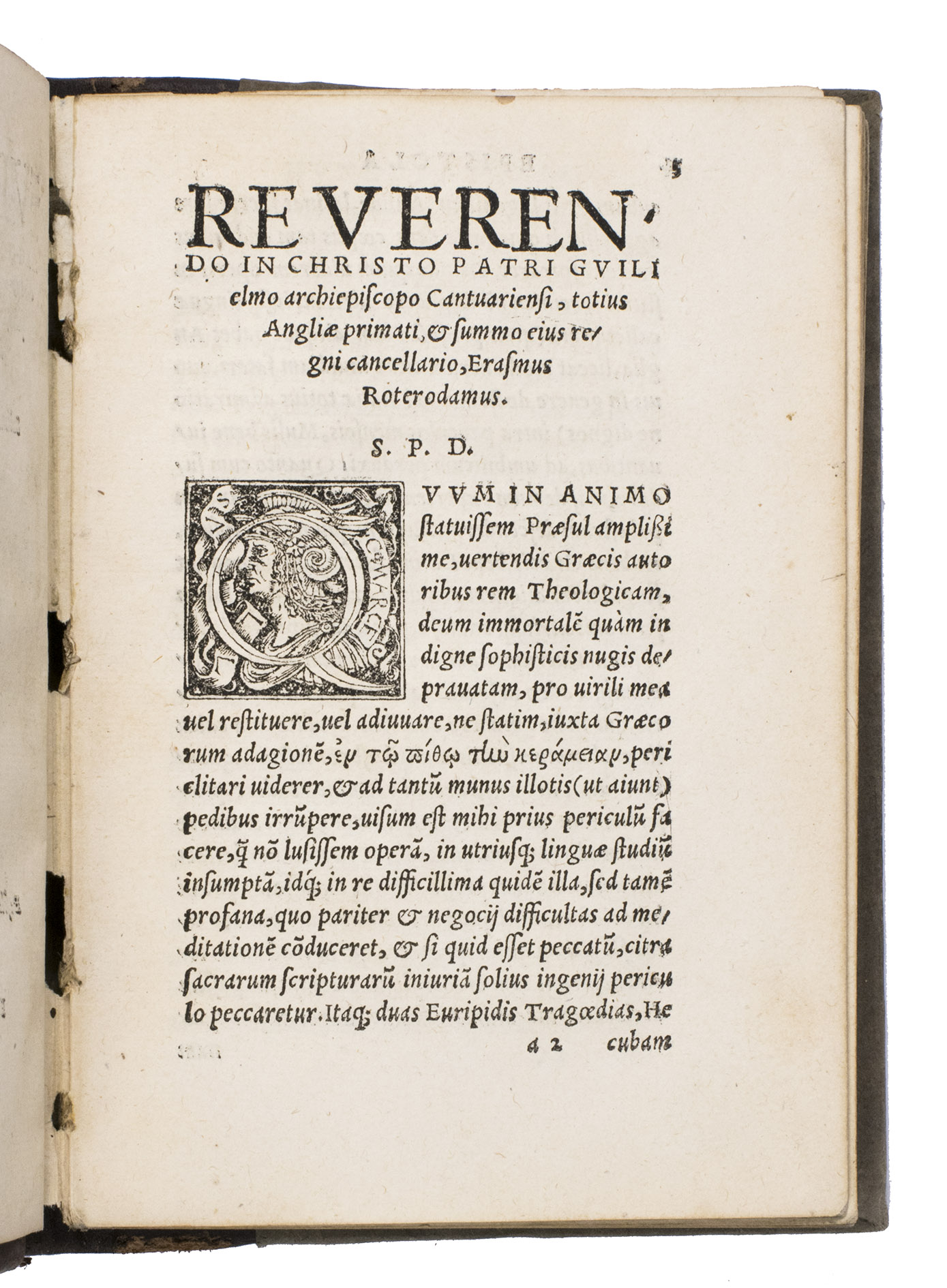
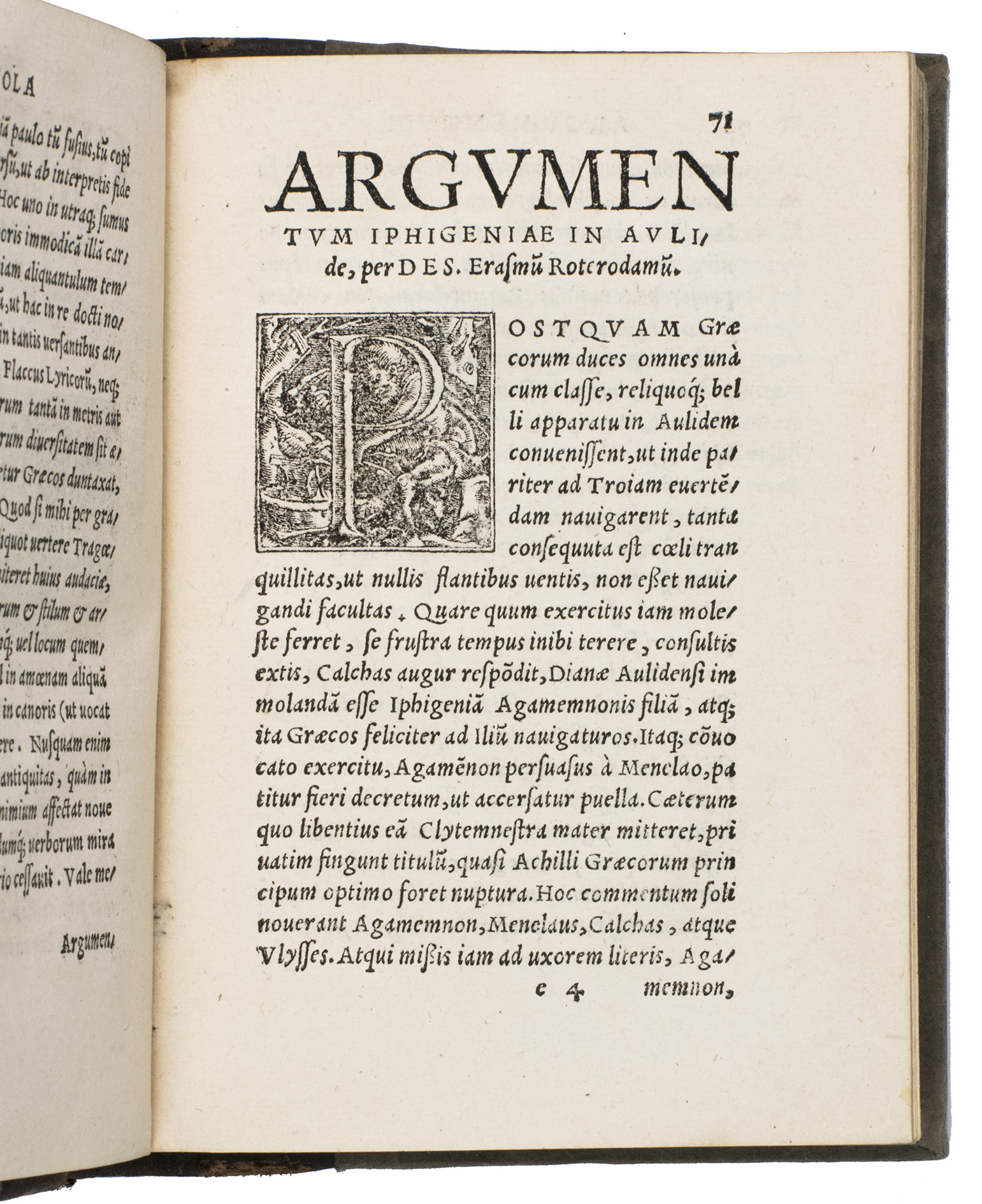
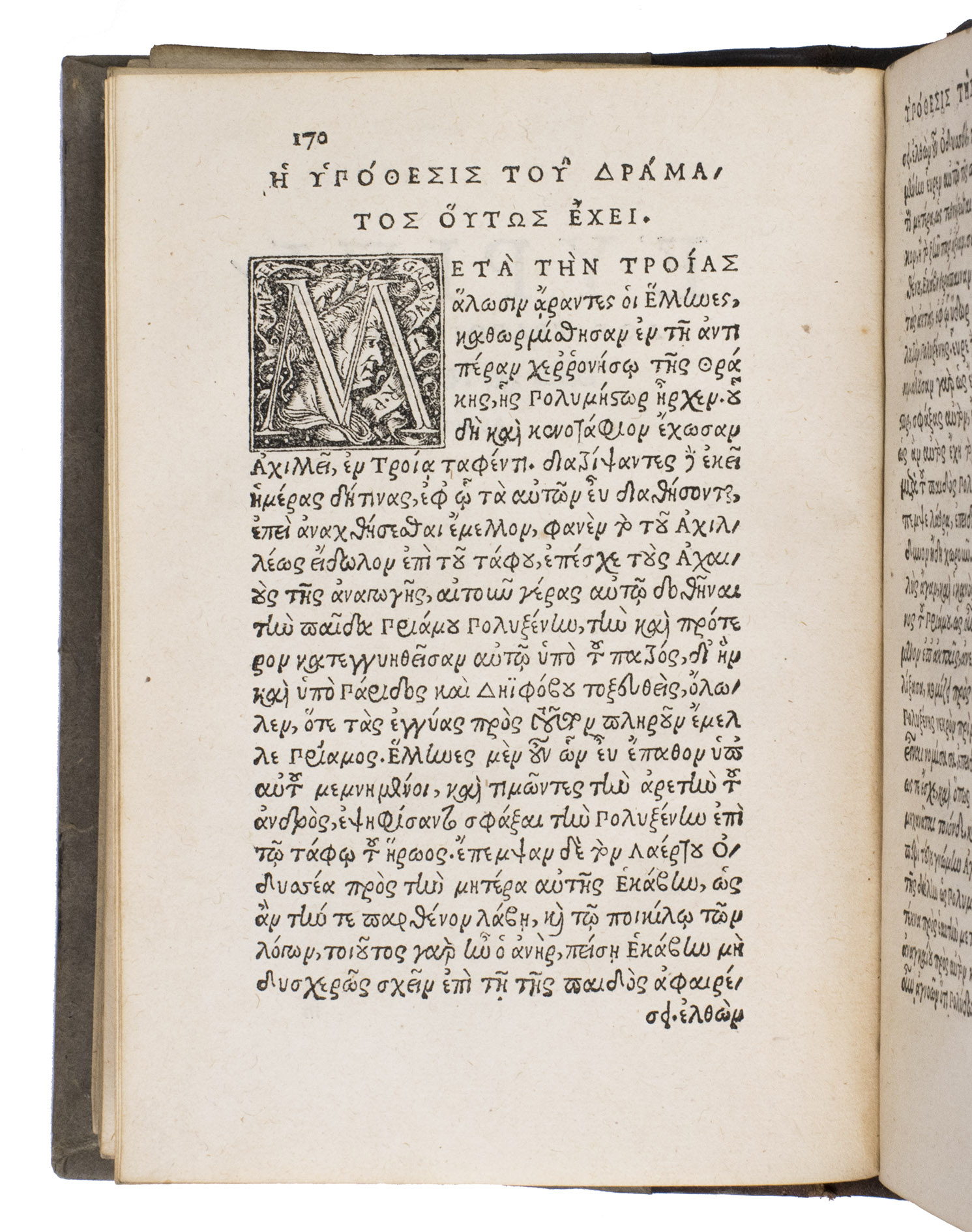
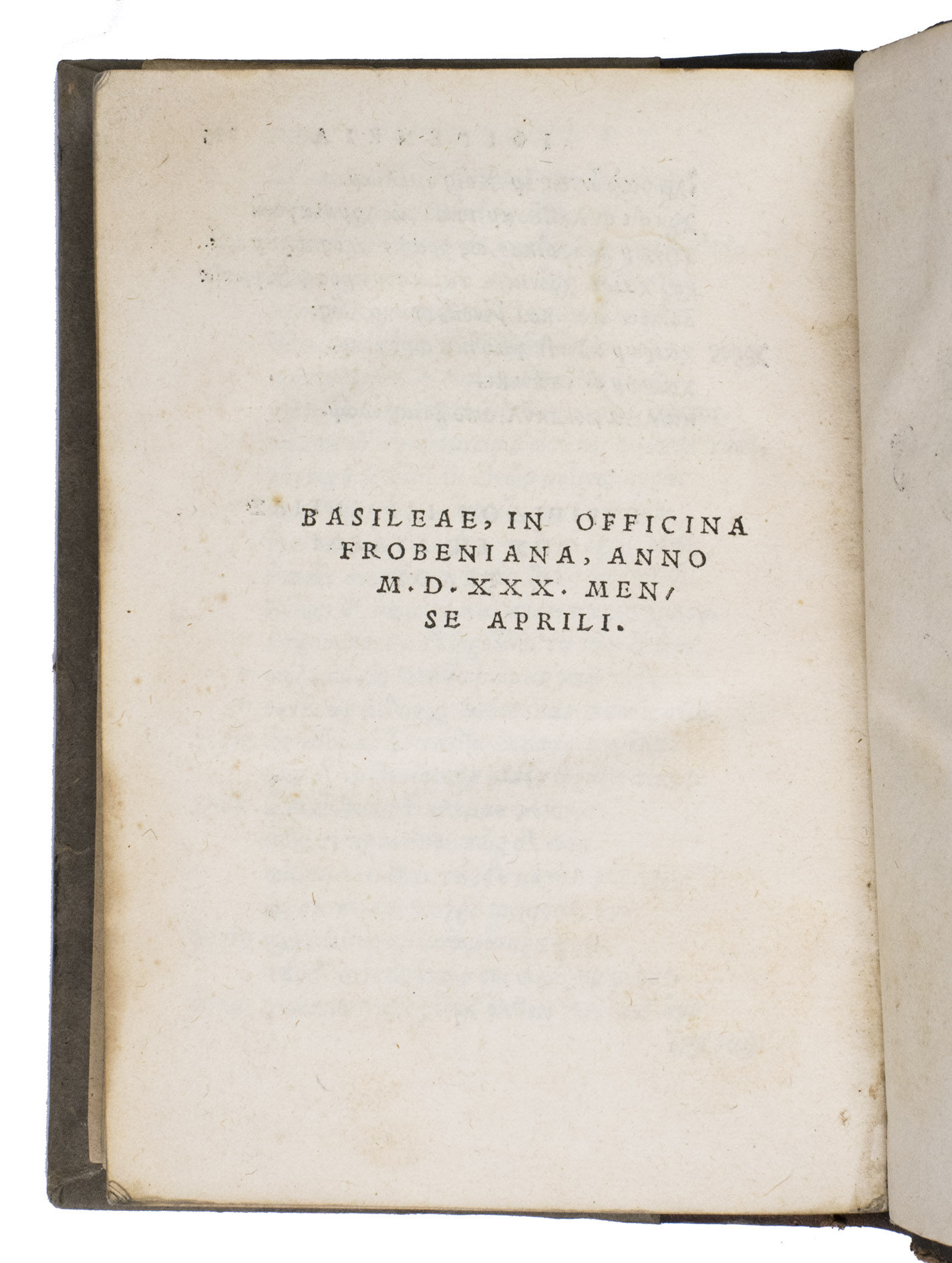
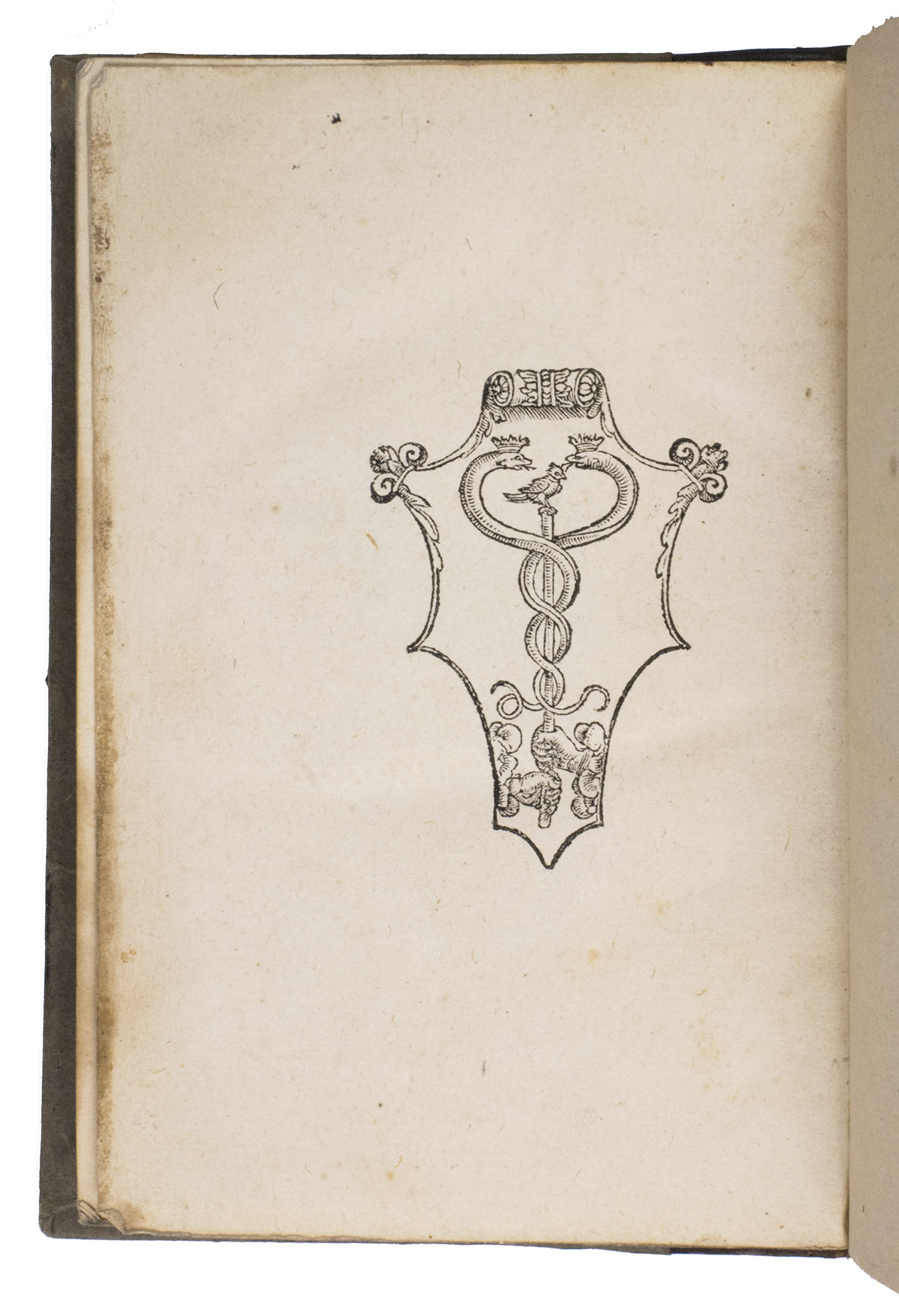
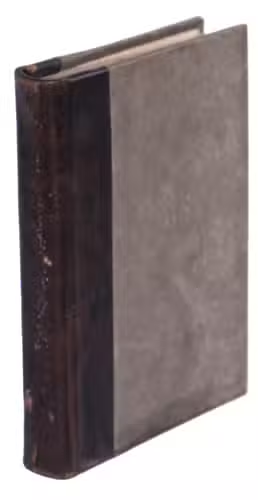
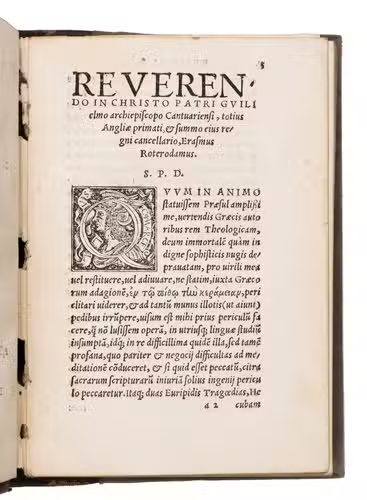
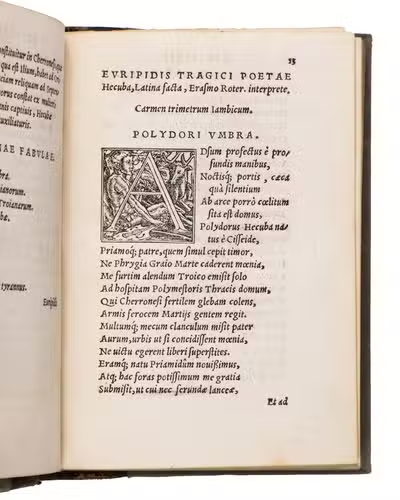
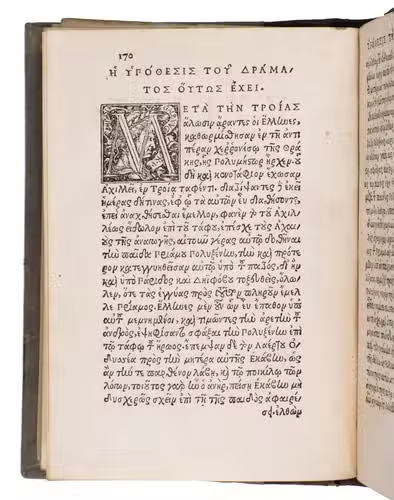
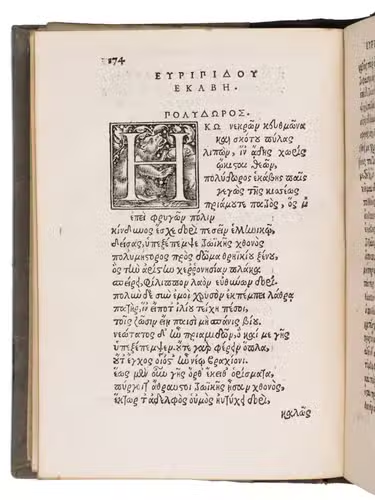
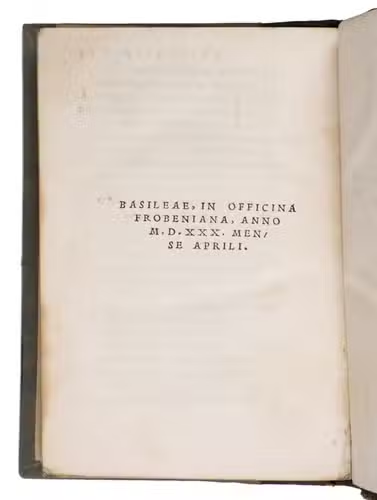
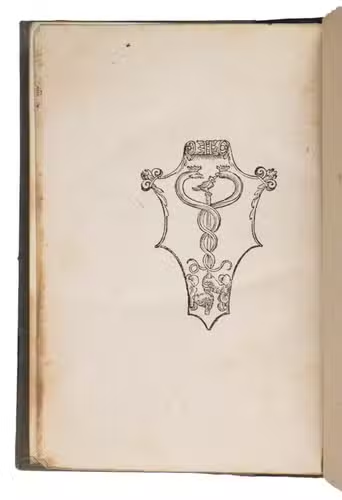
Basel, Froben Office [heirs of Johann Froben], April 1530. 8vo (10.4 x 15.4 cm). With a woodcut printer's device on the title page and final page, and 7 decorated woodcut initials. 19th-century half brown calf and grey paper sides. 293, [1], [1 blank], [1] pp.
€ 1,500
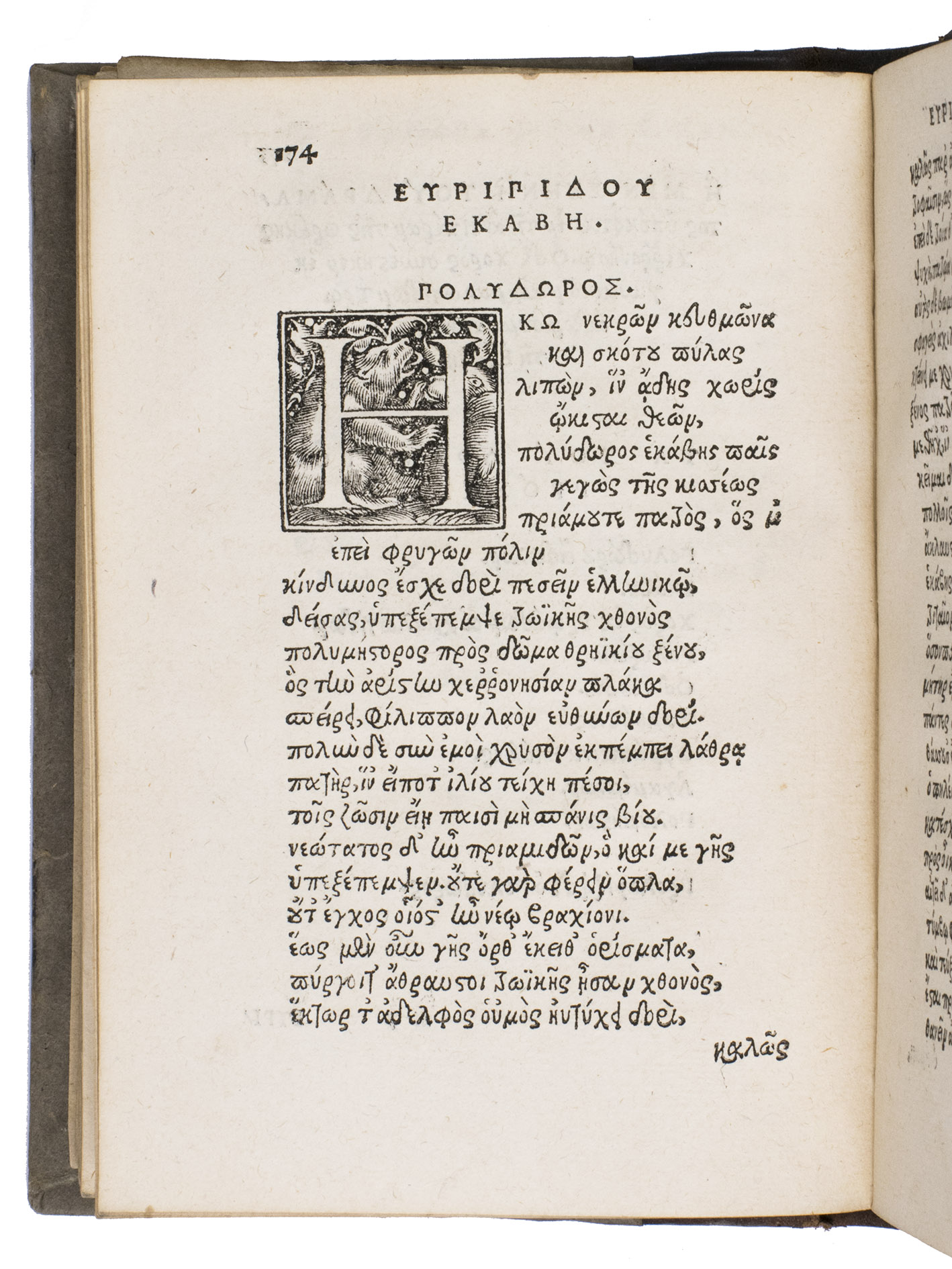
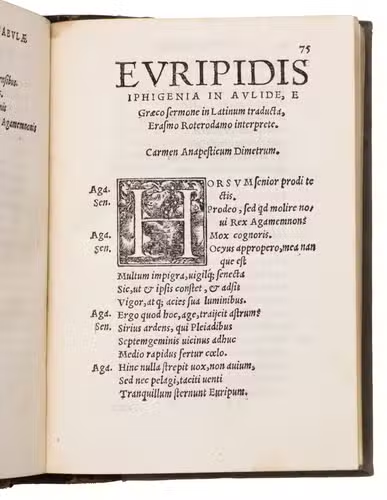
This volume brings together Erasmus renditions in Latin of two of Euripides most enduring tragedies, titled Hecuba and Iphigenia in Aulis, presented alongside the original Greek texts beginning on page 169. Euripides (ca. 480-ca. 406 BCE) was a Greek tragedian of classical Athens. He is one of only three Greek tragedians whose plays have survived in full, the others being Aeschylus and Sophocles.
Both plays in the present work explore the devastating costs of war through the eyes of women caught in its aftermath. In Hecuba, the former queen of Troy endures unspeakable losses, the sacrifice of her daughter Polyxena, the murder of her son Polydorus, and ultimately, a brutal act of revenge that leads to her mythical transformation into a howling dog, symbolising her complete descent into grief and rage.
Iphigenia in Aulis is set on the eve of the Trojan War, focusing on Agamemnons impossible decision to sacrifice his daughter Iphigenia to appease the goddess Artemis and allow the Greek fleet to sail. The play confronts themes of duty, honour, and the personal costs of collective ambition. These, themes echo tragically in Hecuba, which portrays the wars bitter consequences. Together, these tragedies form a poignant narrative arc, from the sacrifices made to start a war, to the wreckage and human suffering left in its wake.
With a (partially erased?) manuscript note on the title page ("1822"). Some water staining in the margins and a few small holes in the inner margin, not affecting the text. Otherwise in good condition. Adams E 1042; BM STC German p. 289; De Reuck 425; Erasmus Online 4215; Vander Haeghen II, 25; VD 16 E 4231; USTC 654881; not in Kossmann.
Related Subjects: