ERASMUS, Desiderius, LUCIAN of SAMOSATA, and Andreas van OOSTERBEECK (translator).
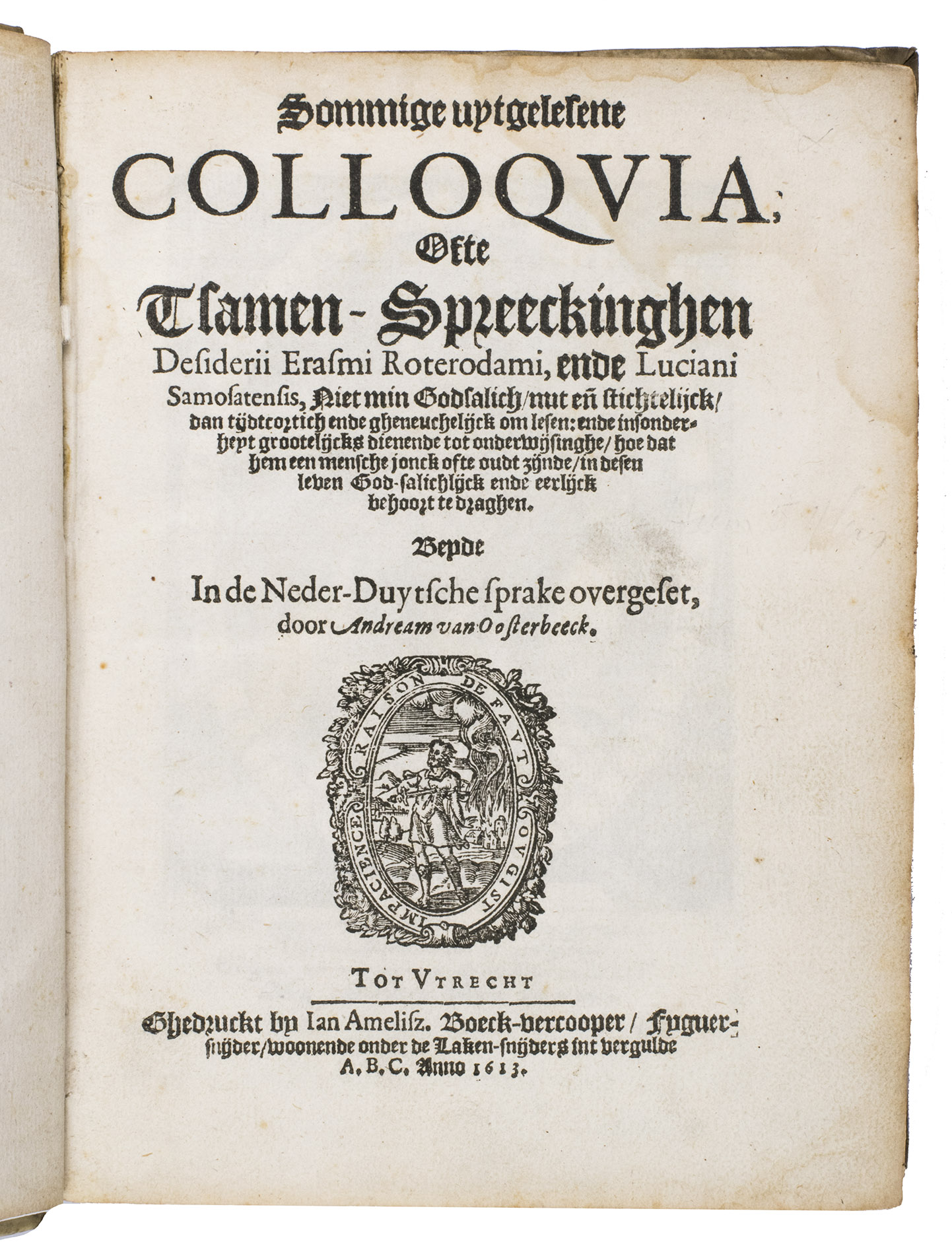
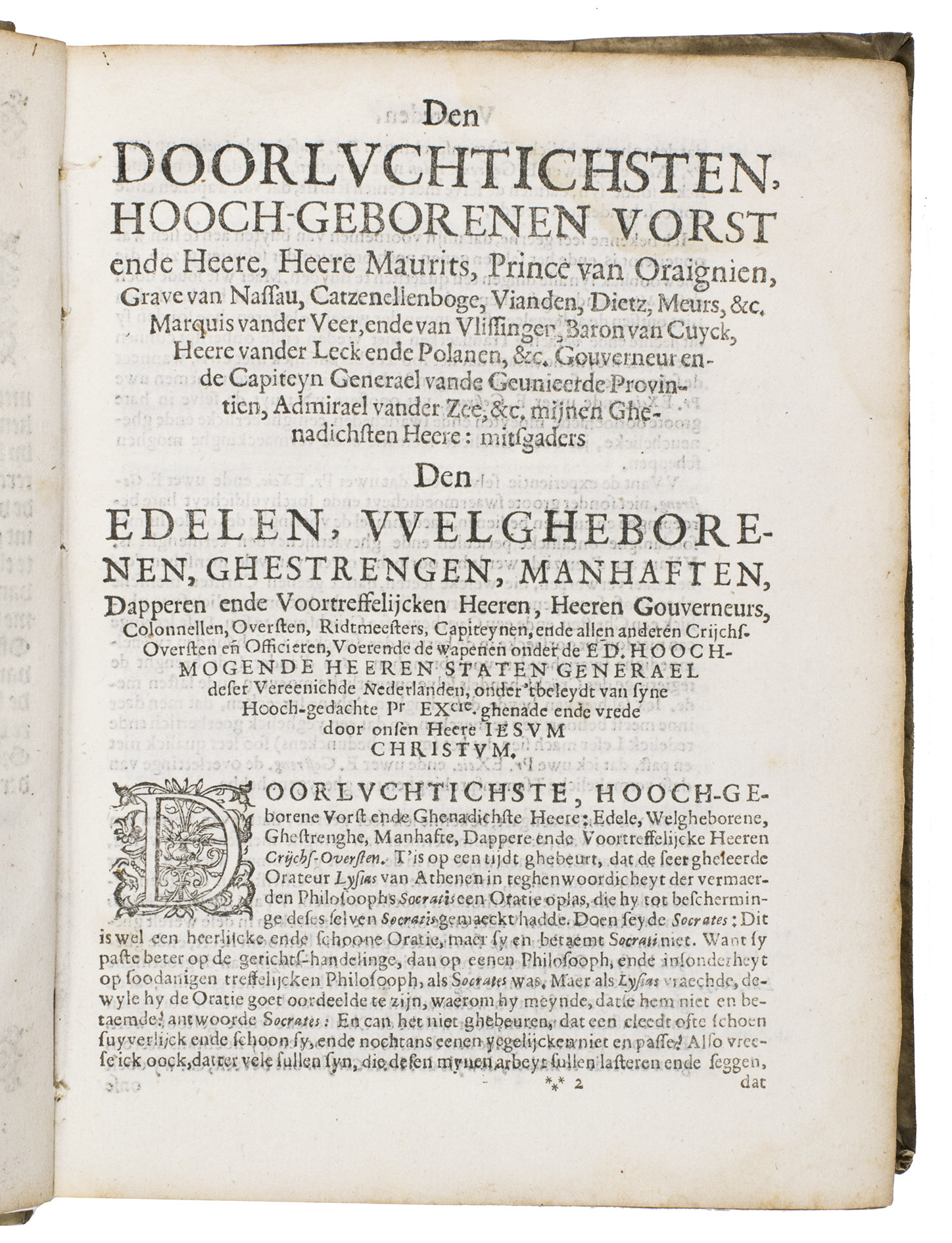
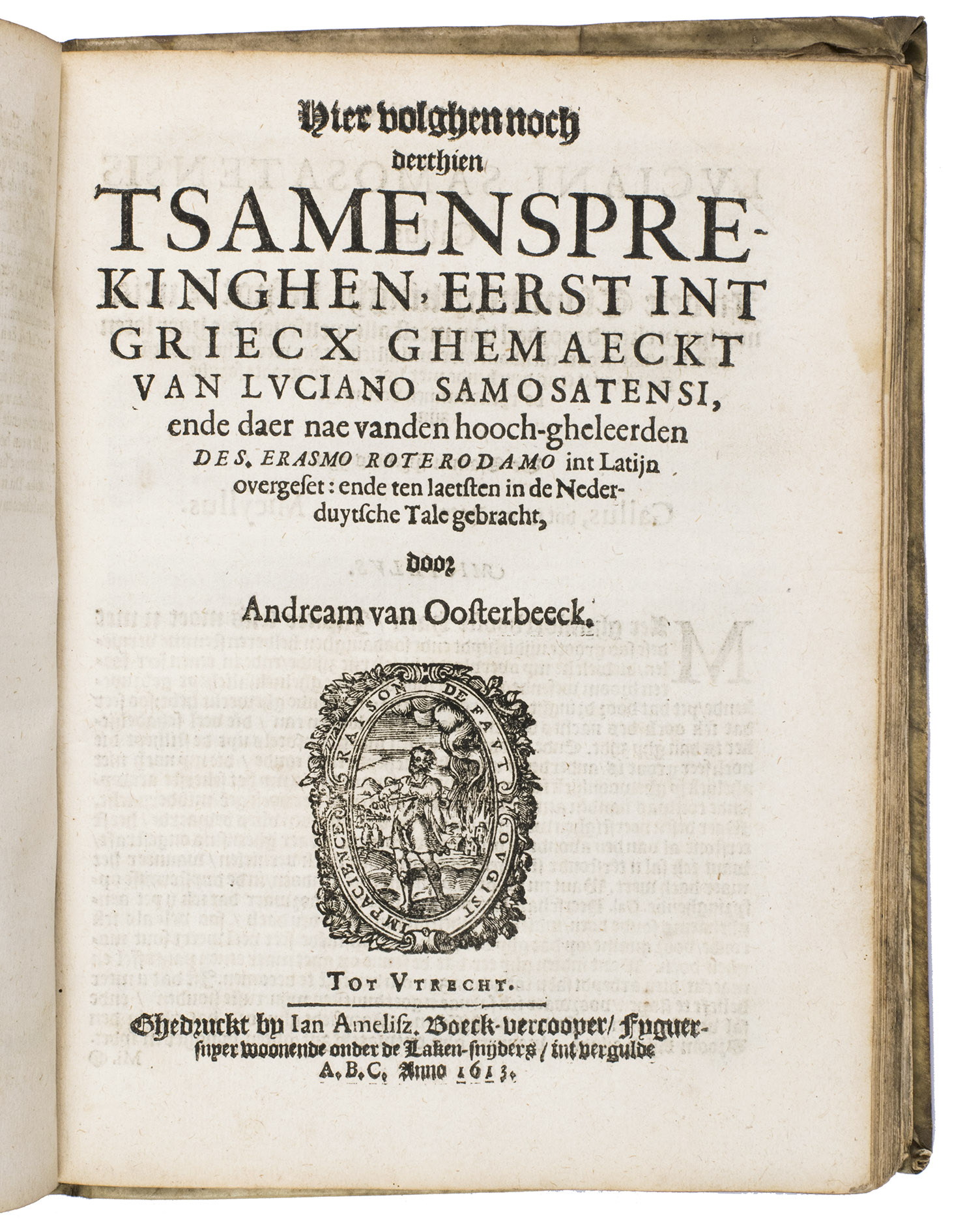
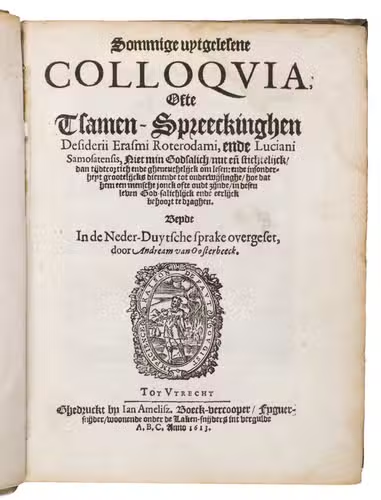
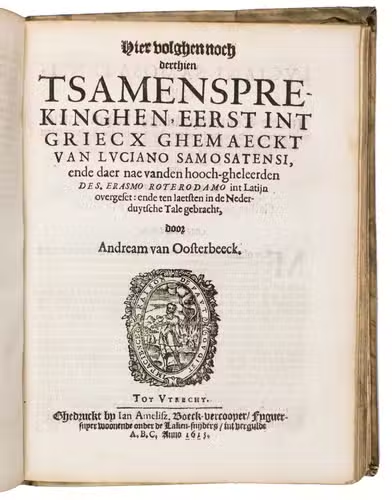
Sommige uytgelesene colloquia, ofte tsamen-spreeckinghen Desiderii Erasmi Roterodami, ende Luciani Samosatensis, niet min godsalich nut ende stichtelijck, dan tijdtcortich ende gheneuchelijck om lessen ... Beyde in de Neder-Duytsche sprake overgeset, door Andream van Oosterbeeck.
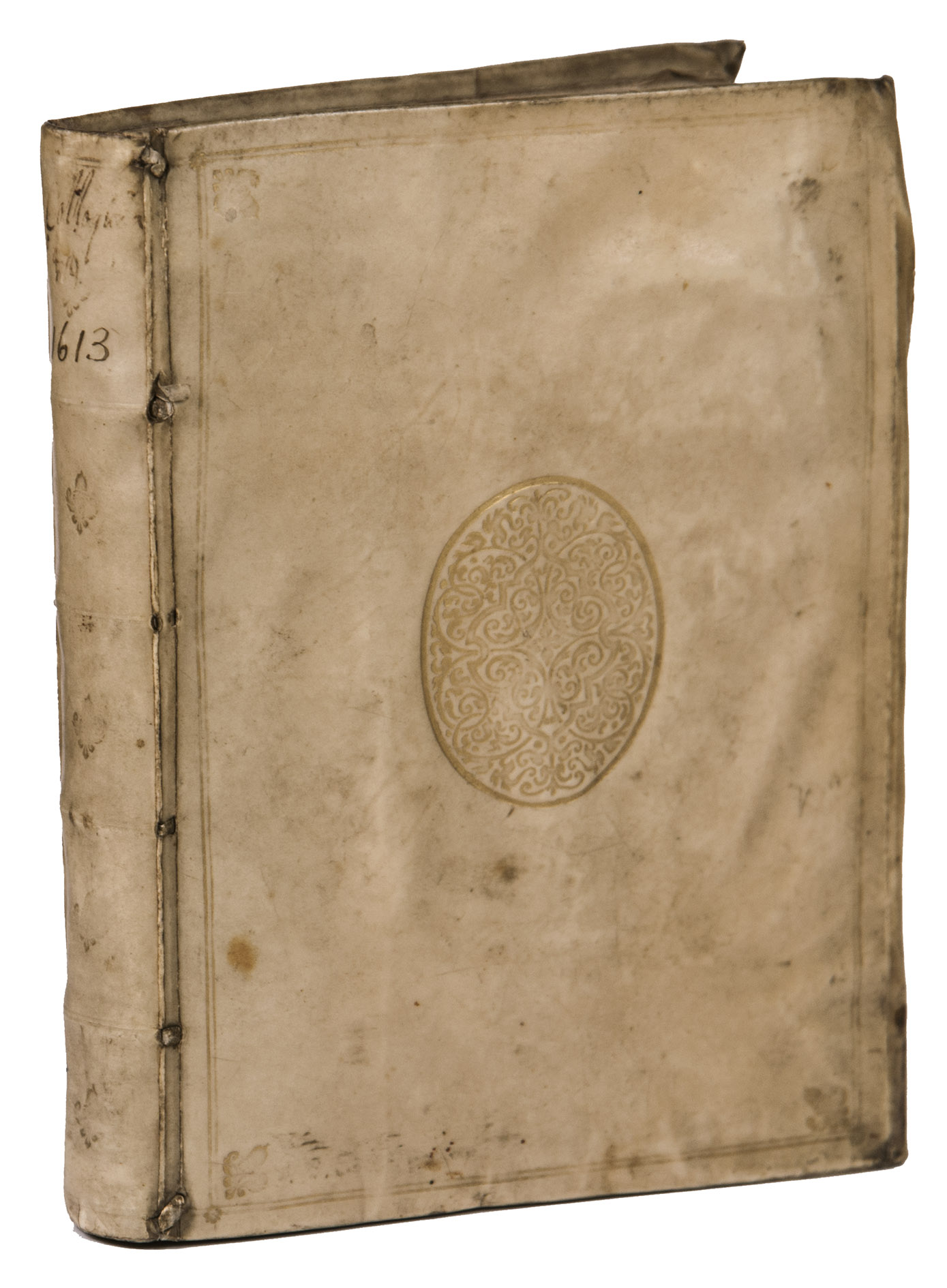
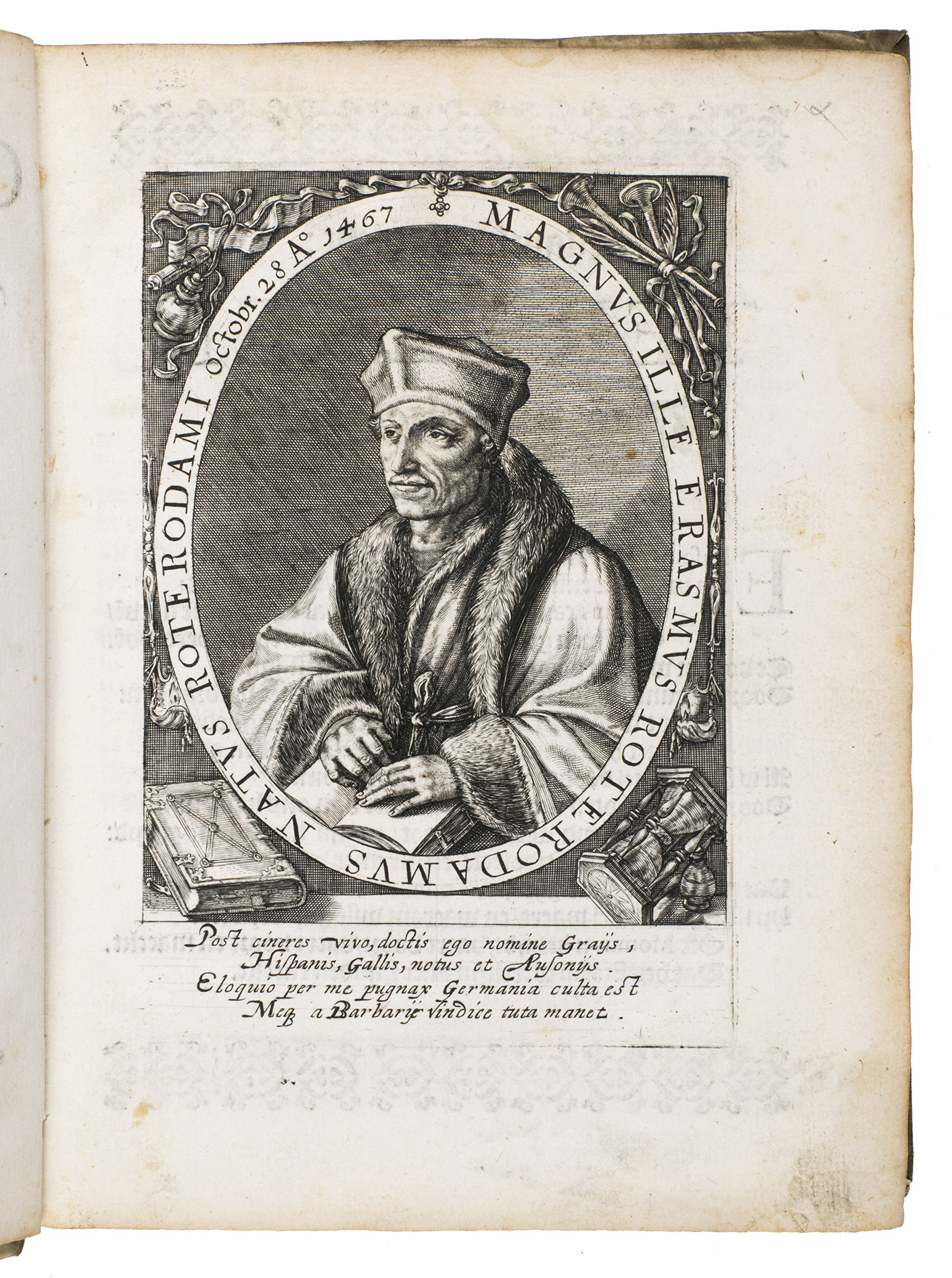
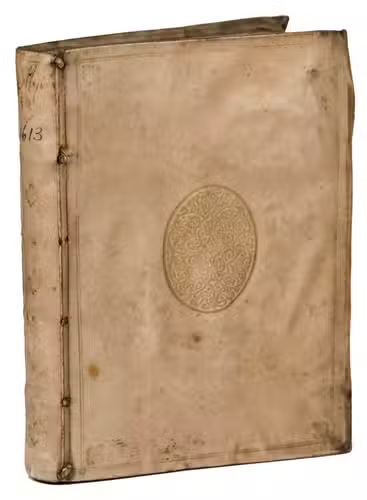
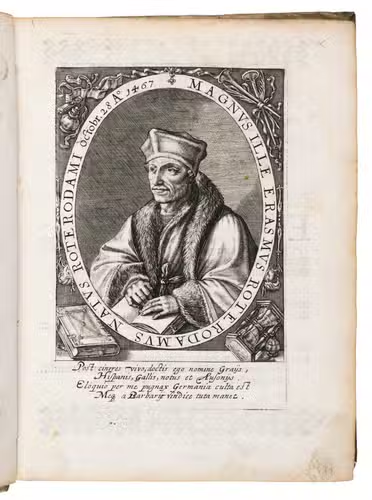
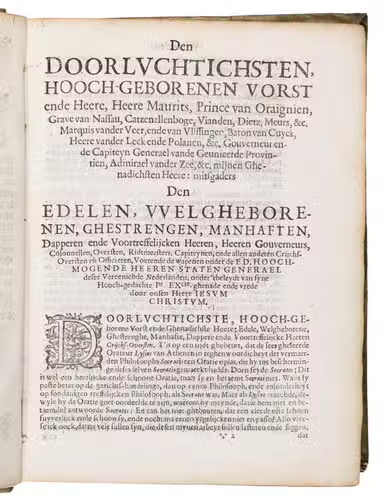
Utrecht, Jan Amelisz, 1613. 4to. With a woodcut printers device on the title page and the rare full-page engraved portrait of Erasmus (which is lacking in at least 2 of the 4 copies known) in an oval. On the verso of this portrait is a laudatory "Klanck-Ghedicht" (sonnet) for Erasmus, between typographical borders; the same borders on leaf. π2r: the privilege by the States General (verso blank). Contemporary gold-tooled overlapping vellum. [18], 141, [3] ll.
€ 4,950
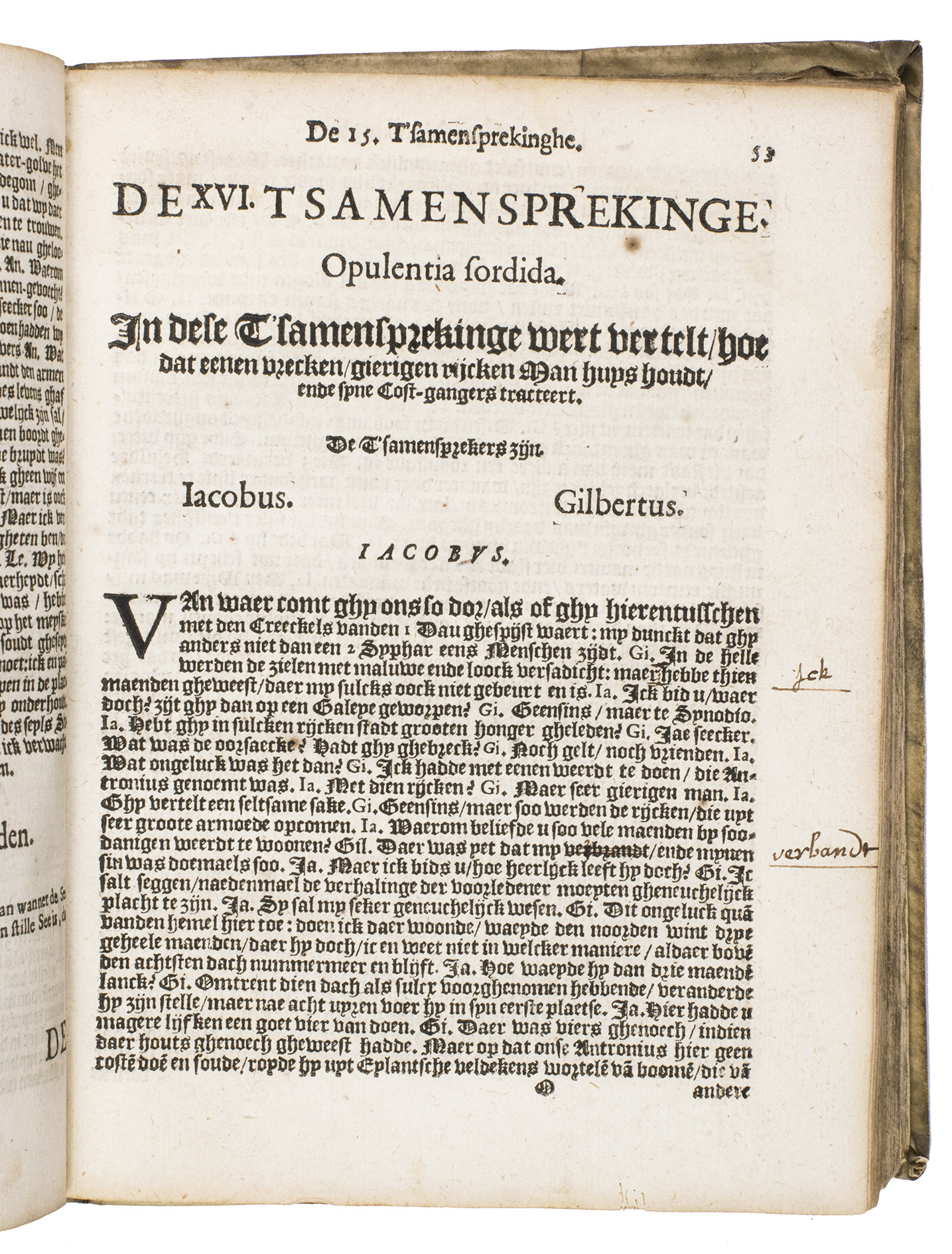
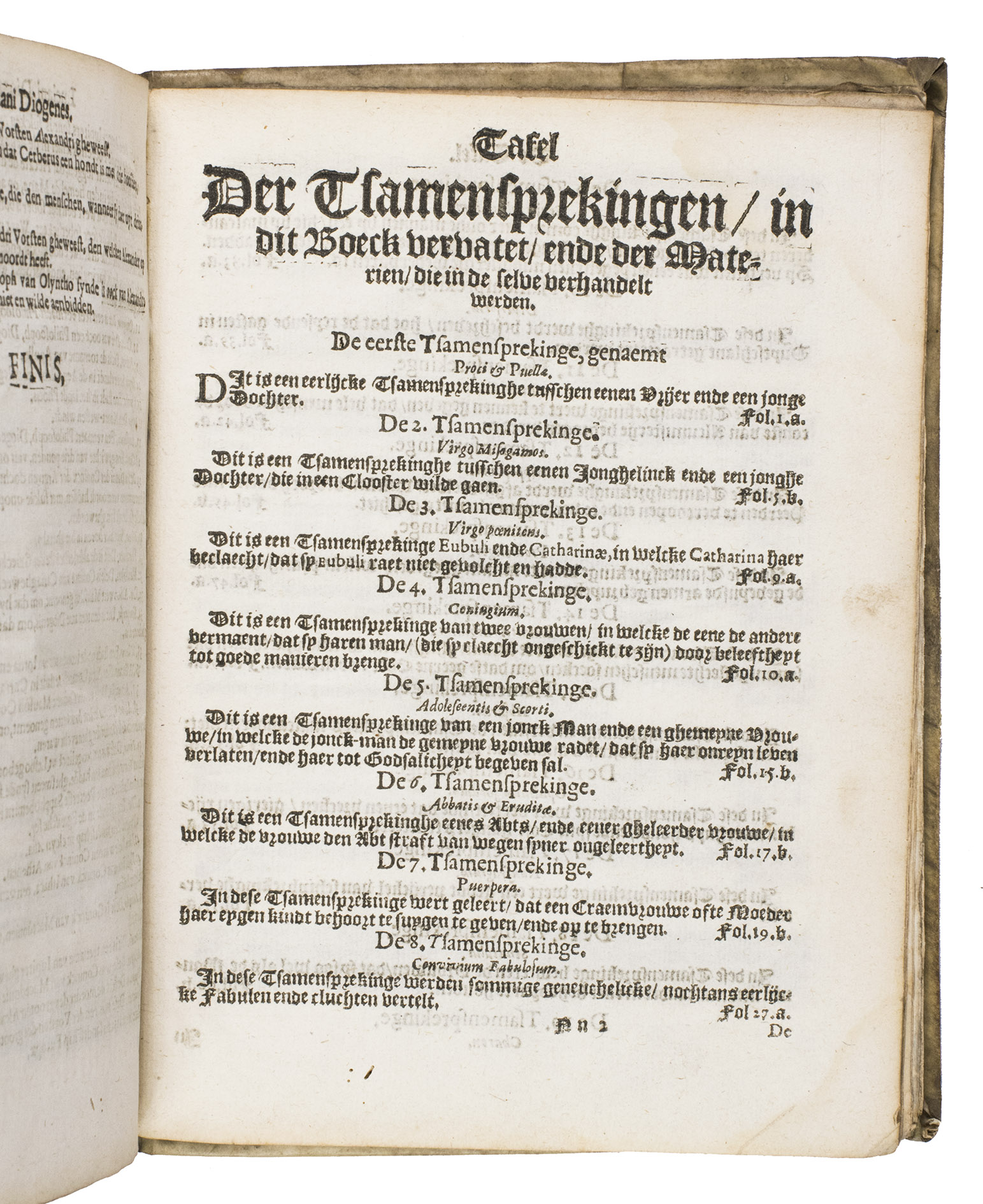
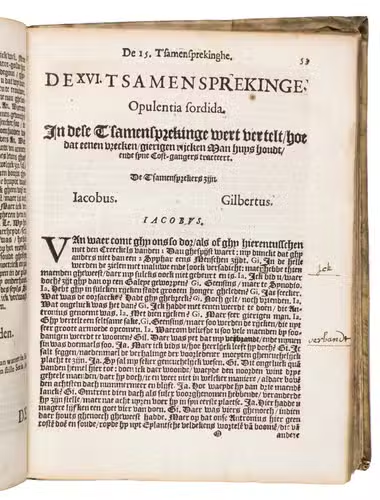
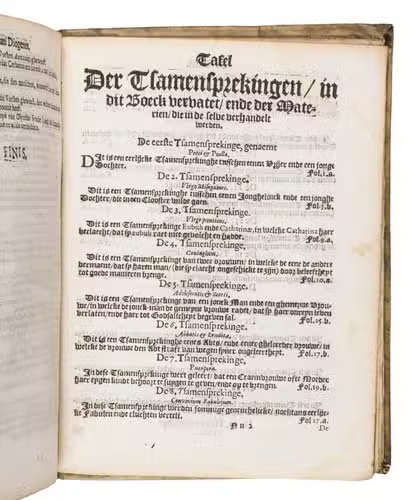
Very rare first and only edition of a collection of 27 colloquia (dialogues) by Erasmus and 13 by Lucian (of Samosata, ca. 125-after 180 CE). The colloquia were translated into Dutch by Andreas van Oosterbeeck (fl. 1584-ca. 1620), a minister in Abcoude (1590) and Montfoort (1616). The 27 dialogues by Erasmus include Proci & Puella, Virgo Misogamos, Virgo poenitens, Coniugium, Adolescentis & Scorti, Abbatis & Eruditae, Puerpera, Convivium Fabulorum, Absurda, Opulentia sordida, Naufragium, Charon, Coniugium impar, Inquisition de Fide, Exorcismus sive Spectrum, Peregrinatio Religionis ergo and others.
The Colloquia familiaria is one of the main works by Desiderius Erasmus, first published in 1518 as Latin dialogues for school exercises and expanded over the following decades, with witty - albeit serious - and often controversial content, including contemporary religious practises treated in a pervasively ironic tone. After Cornelis Crul's translations of a number of dialogues, published between 1530 and 1545, these annotated translations by Andreas van Oosterbeeck are the first 17th-century edition, followed in 1622 and 1634 by translation of the colloquia by Dirck Pietersz. Pers.
After Erasmus' dialogues follow, after a separate title page, the 13 highly ironical dialogues, originally written in Greek by Lucian: Gallus, Toxaris, Cnemon, Zenophantes, Tantalus, Menippus, Trophonius Charon, Crates, Nireus, Mausolus, Polystratus and Diogenes. These are all translated in Dutch by Andreas van Oosterbeeck after the Latin translations made by Erasmus from the original Greek. Lucian of Samosata - a town in Syria - was a Greek writer and satirist who lived in the 2nd century CE. He invented the genre of comic dialogue, a parody of the traditional Socratic dialogues, and wrote numerous satires about the Gods and public figures.
With later annotations in pencil on the front pastedown and flyleave, the fore-edge and the bottom outer corner of the back board are somewhat stained and soiled, a water stain in the upper outer corner throughout. Otherwise in good condition. Van der Aa, 14 (1867); Gheerebaert, Lijst, p. 57, LVI: Lucianus, no. 1 (First translation of a work by Lucianus in Dutch!); STCN 169198340 (4 copies); USTC 1019209 (4 copies, same as STCN).
Related Subjects: