[SONGBOOK].
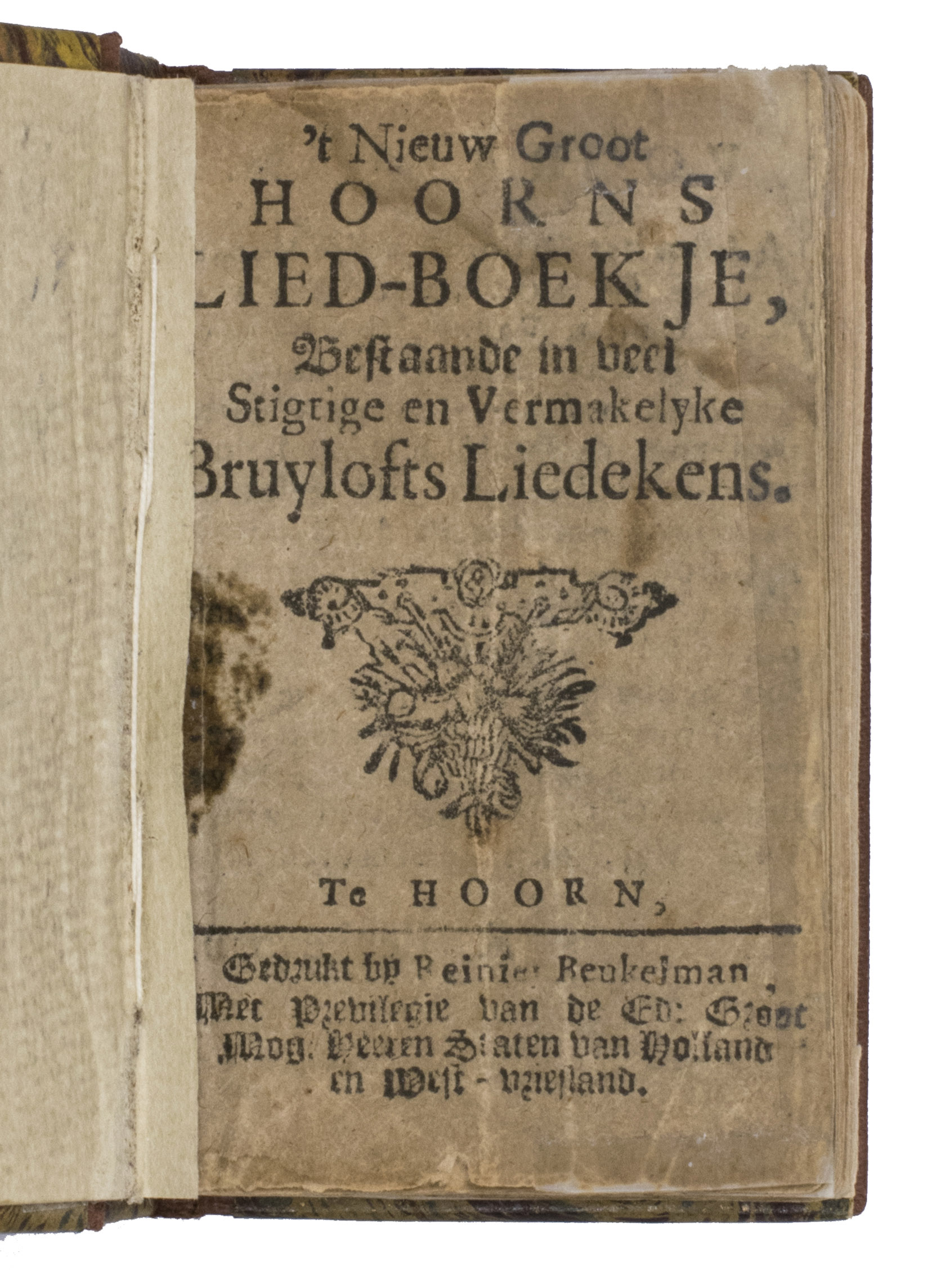
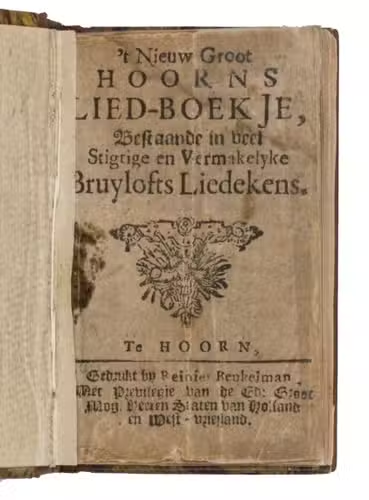
't Nieuw groot Hoorns lied-boekje, bestaande in veel stigtige en vermakelyke bruylofts liedekens.
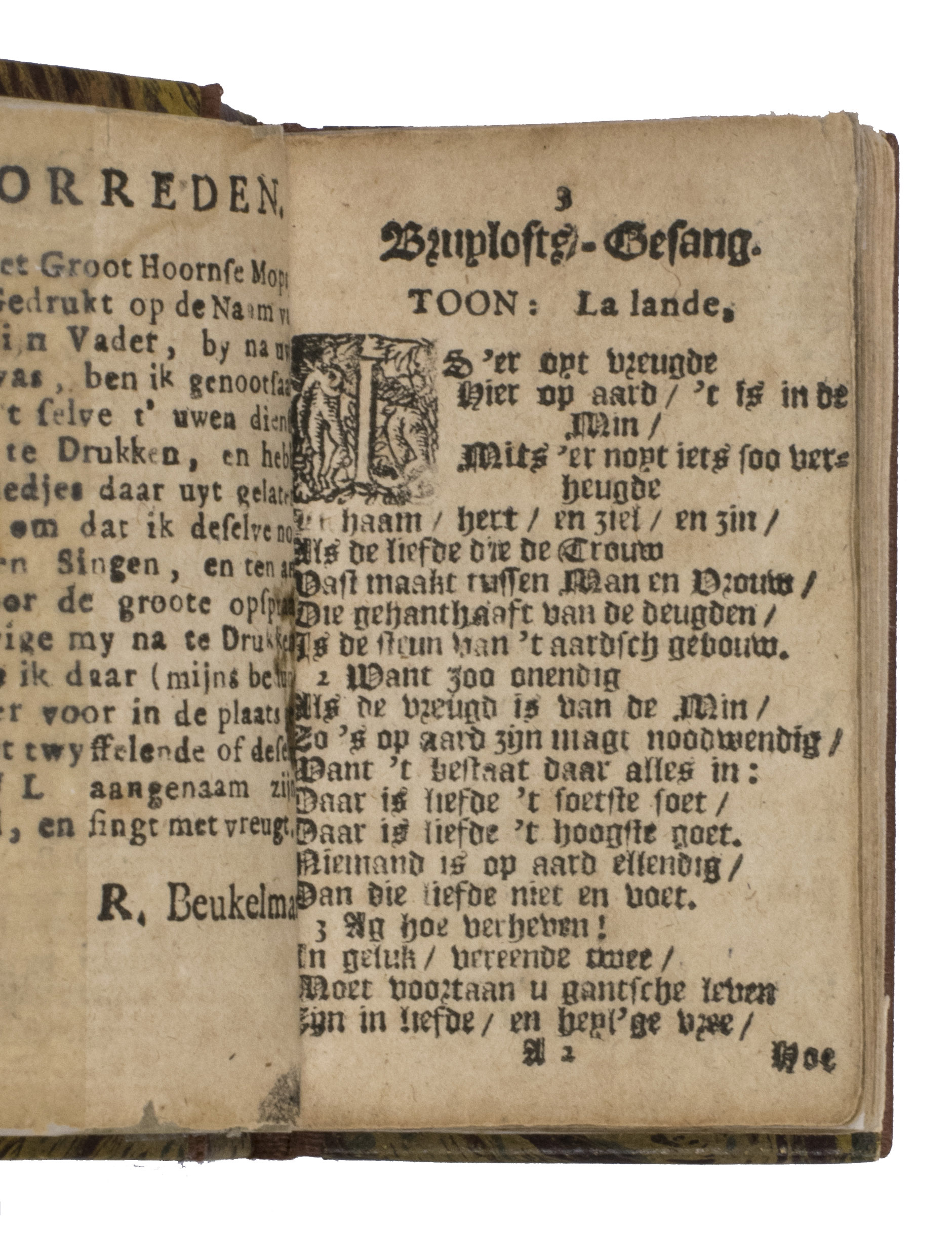
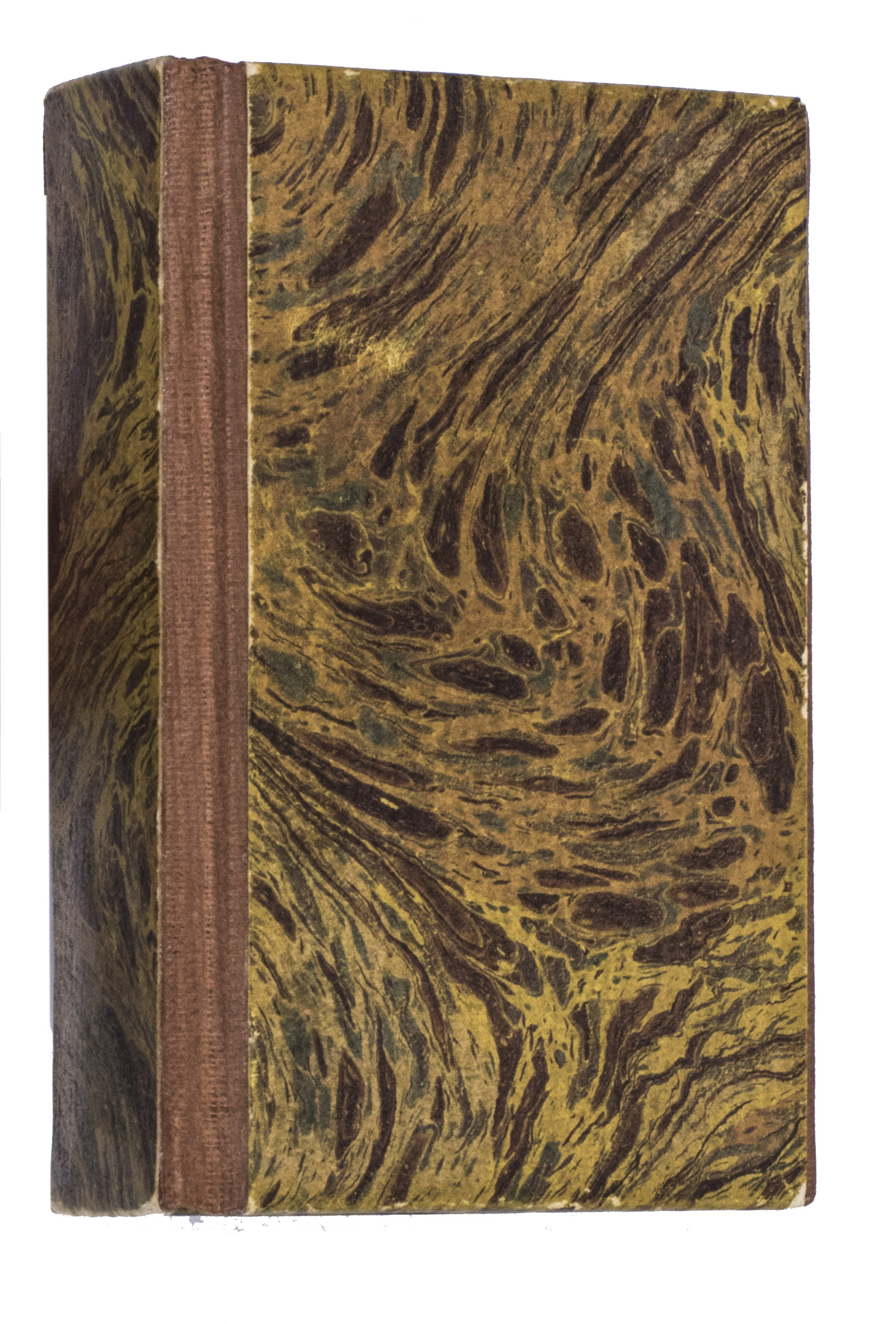
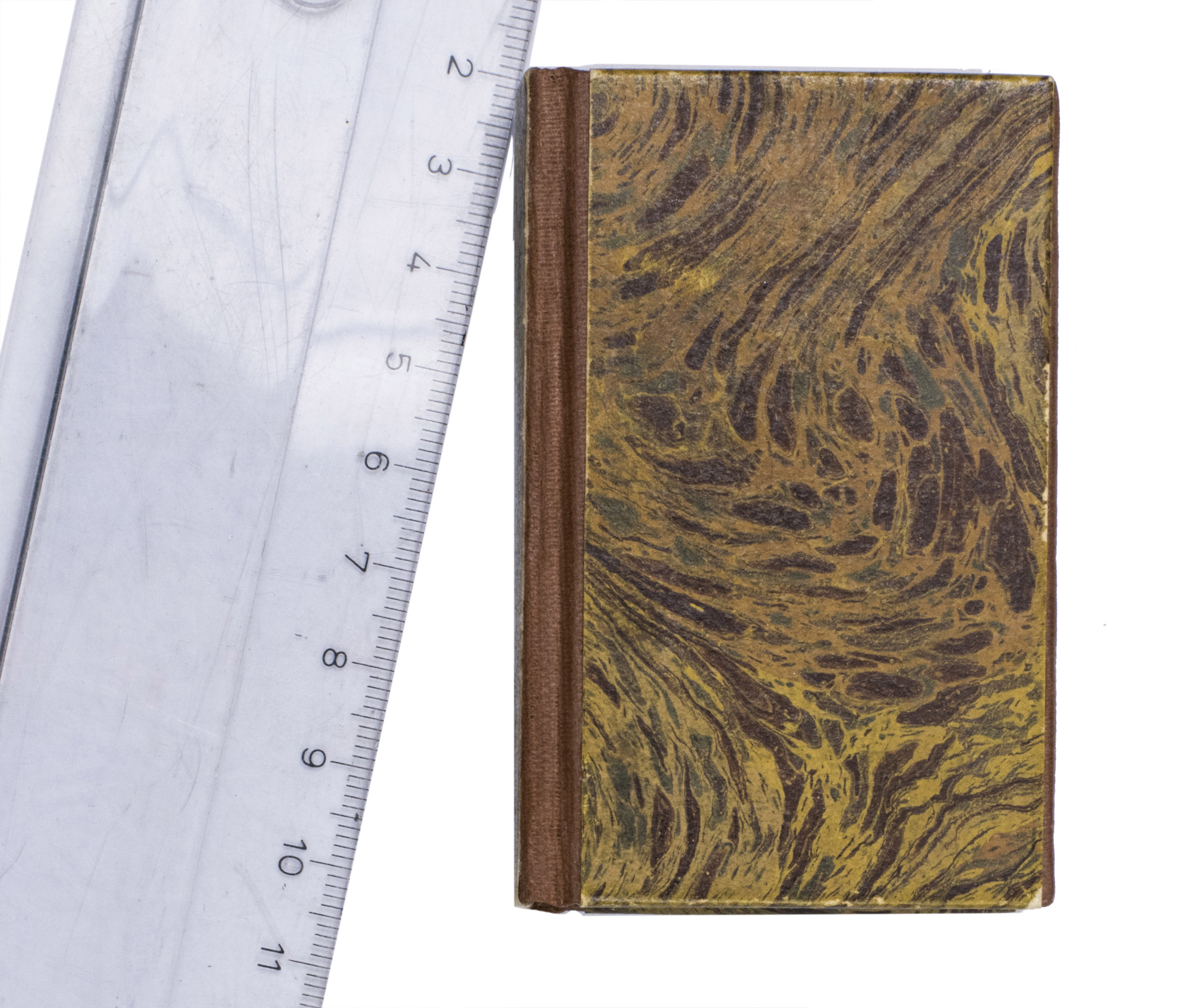
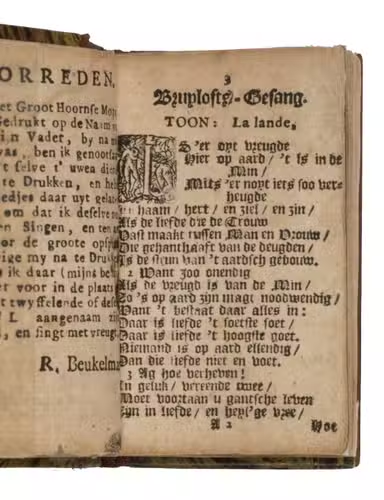
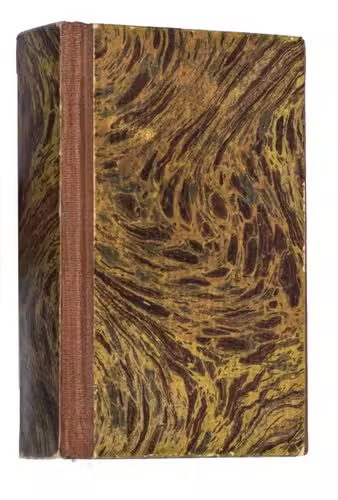
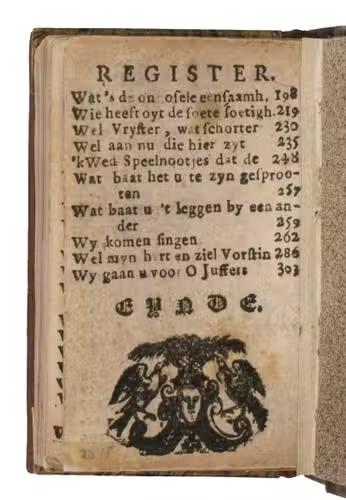
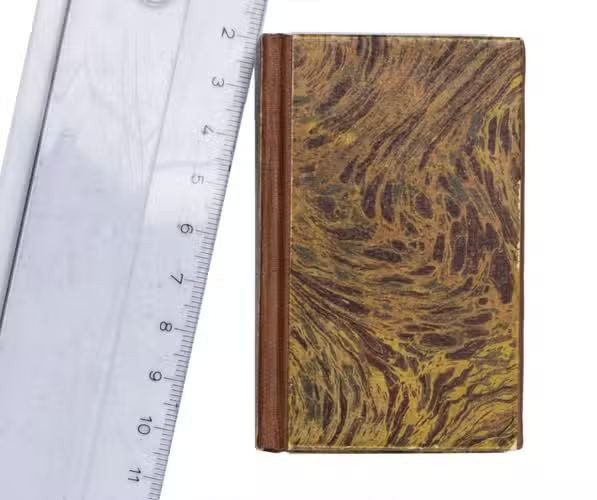
Hoorn, Reinier Beukelman, [between 1713 and 1735]. 24mo. With a woodcut vignette on the title page, a decorated woodcut initial, and several leaves with musical annotation. Later marbled paper pasted over brown cloth. "210" [= 310], [10] pp.
€ 750
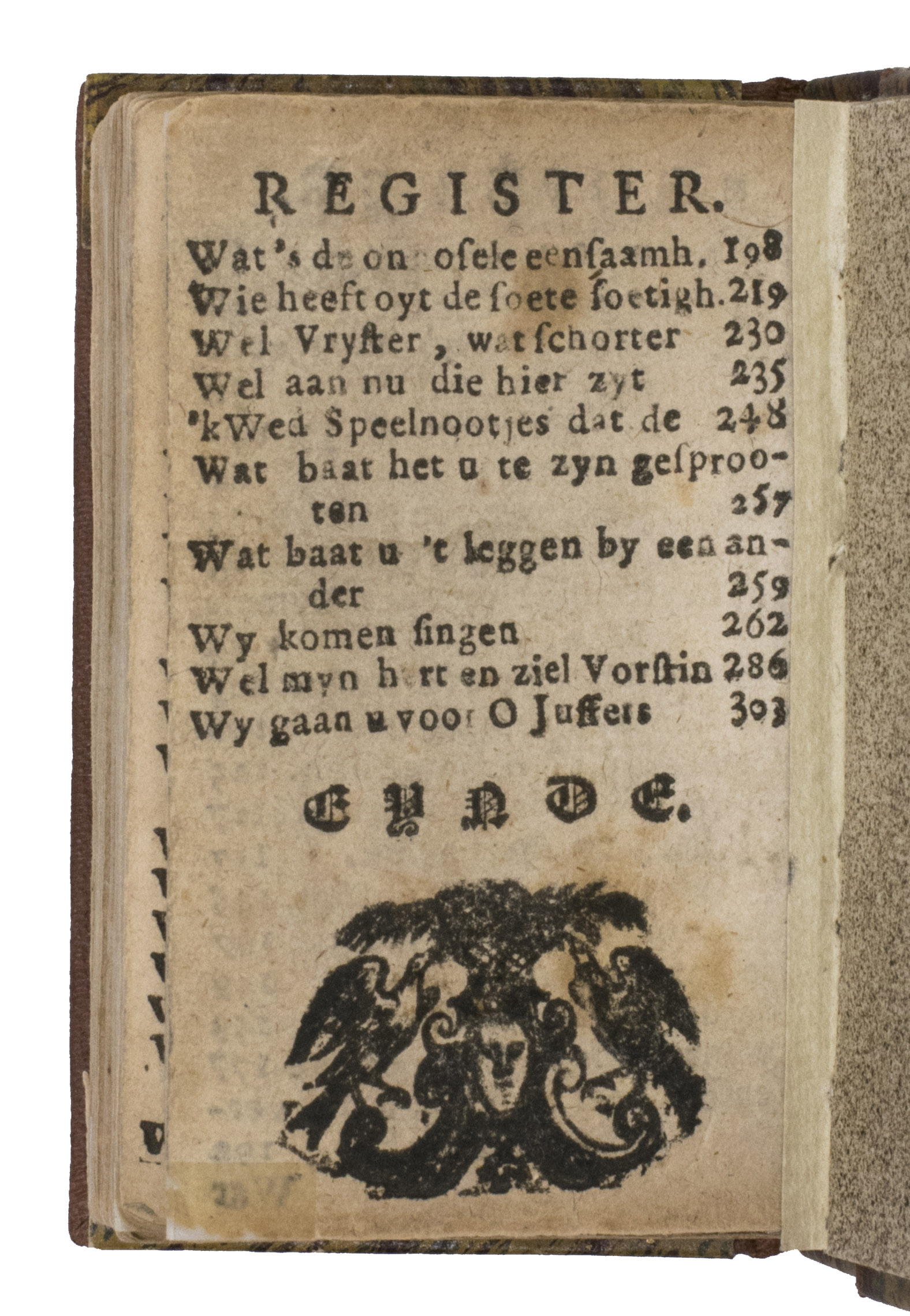
Unrecorded issue of one of the most popular Dutch songbooks of the 18th century, containing songs for weddings, funerals, and other events where people traditionally sang together. Multiple editions of the work were published in the 17th and 18th centuries, but the present has been edited to only include songs that were actually sung regularly, making it a valuable source on Dutch song culture. The STCN records 9 issues by Reinier Beukelman, which are all undated, but can be distinguished by slight differences in typesetting. The present issue, however, has not been recorded, as it has the name "Reynders" on leaf C1, instead of "Reiner" or "Reyner".
The work mainly consists of wedding songs, but also includes musical discussions, drinking songs, and even the odd more risqué item. Most of the songs are anonymous, only a few of them are signed with the author's name. Songbooks such as these are also known as mopsjes. This name is probably reminiscent of Mopsus, the shepherd who appears in many of the poems in Virgil's Bucolica, as several songs about him appear in the songbook. The earliest works with songs from Hoorn date from the first quarter of the seventeenth century. Collective editions soon appeared, with songs from two or more cities, so that it could be sold in multiple locations. The popularity of the work was by no means confined to only these towns, however, but, like the "Enkhuizer Almanac", was read all over the Netherlands. Its small size was both practical and attractive. The songbook was republished numerous times from the 17th to the 19th century, but each edition or issue is relatively rare.
The edges of the boards are lightly scuffed. Lacking the first free flyleaf, the leaves are somewhat browned, with an occasional stain. Otherwise in good condition. Goovaerts 1403; Welsh, A bibl. of miniature books, 3180; cf. Bondy, pp. 28-29; Scheurleer, p. 185 (other issues); STCN (other issues).
Related Subjects: