VIRGILIUS MARO, Publius.
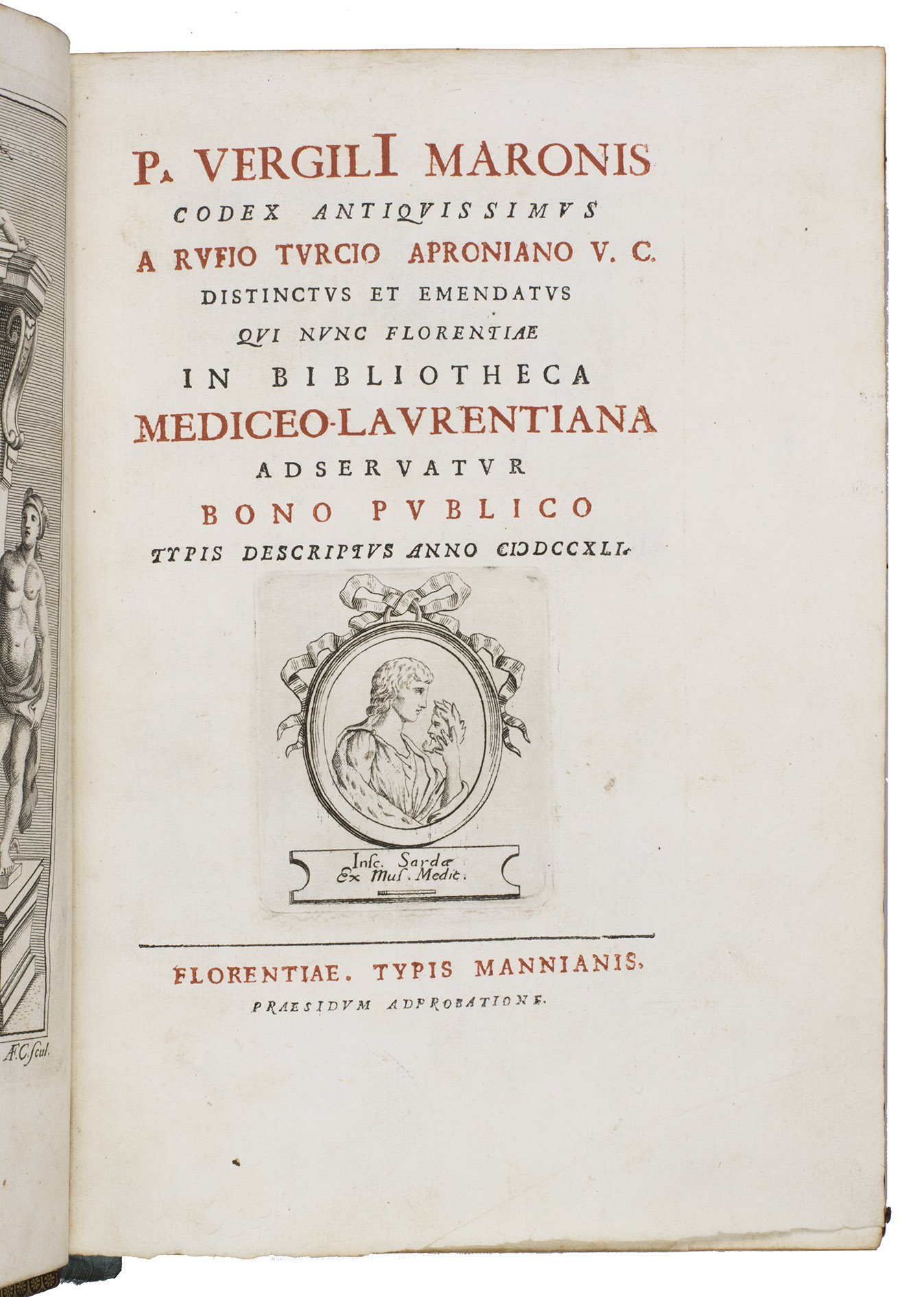
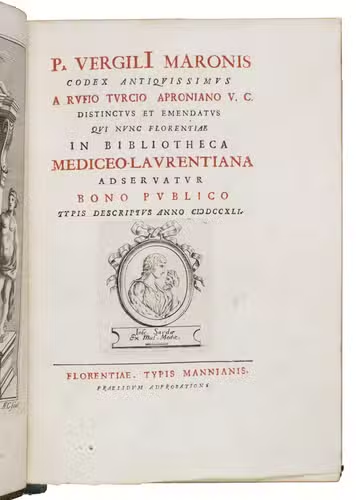
Codex antiquissimus a Rufio Turcio Aproniano V.C. distinctus et emendatus qui nunc Florentiae in Bibliotheca Mediceo-Laurentiana adservatur bono publico typis descriptus anno MDCCXLI.
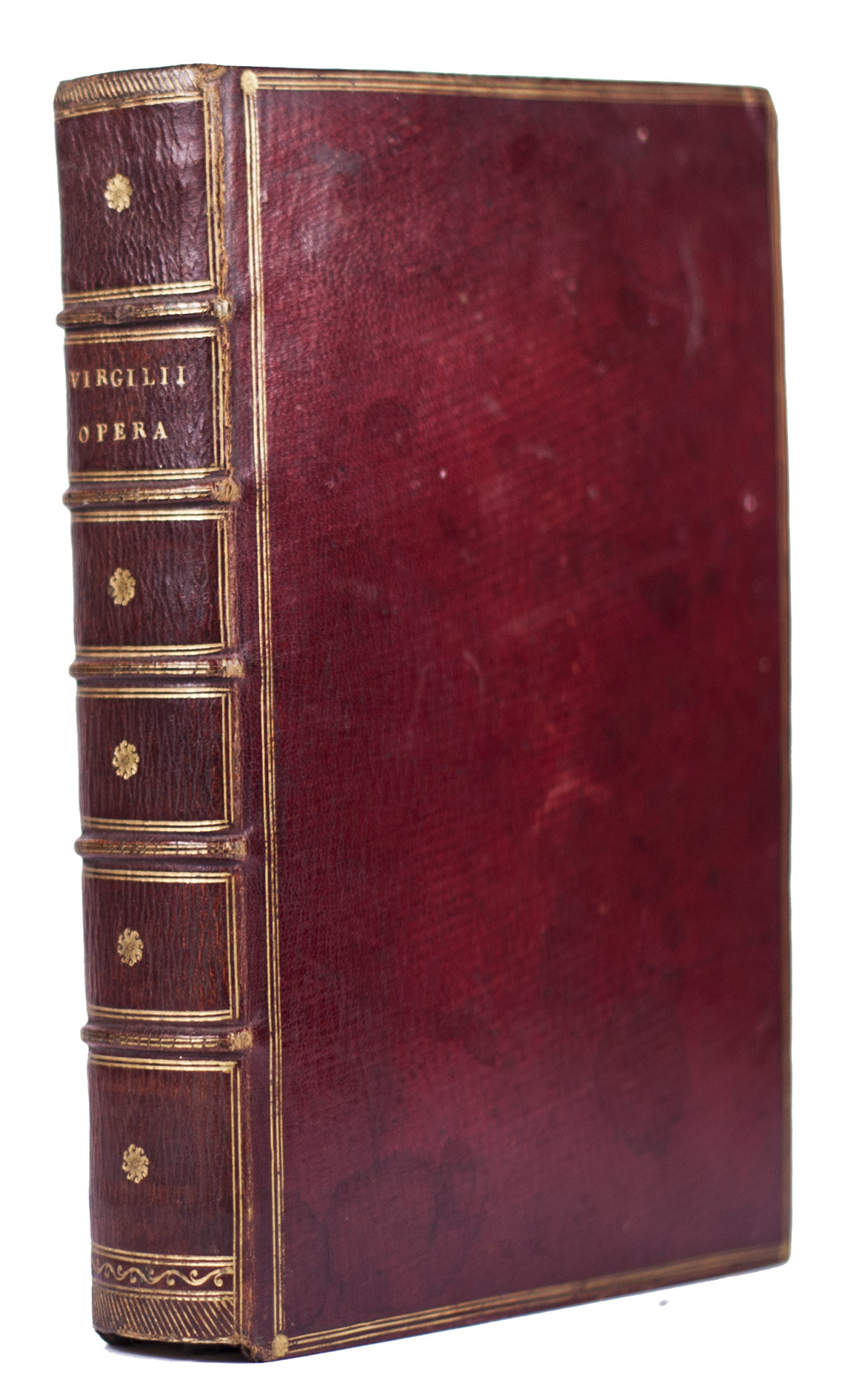
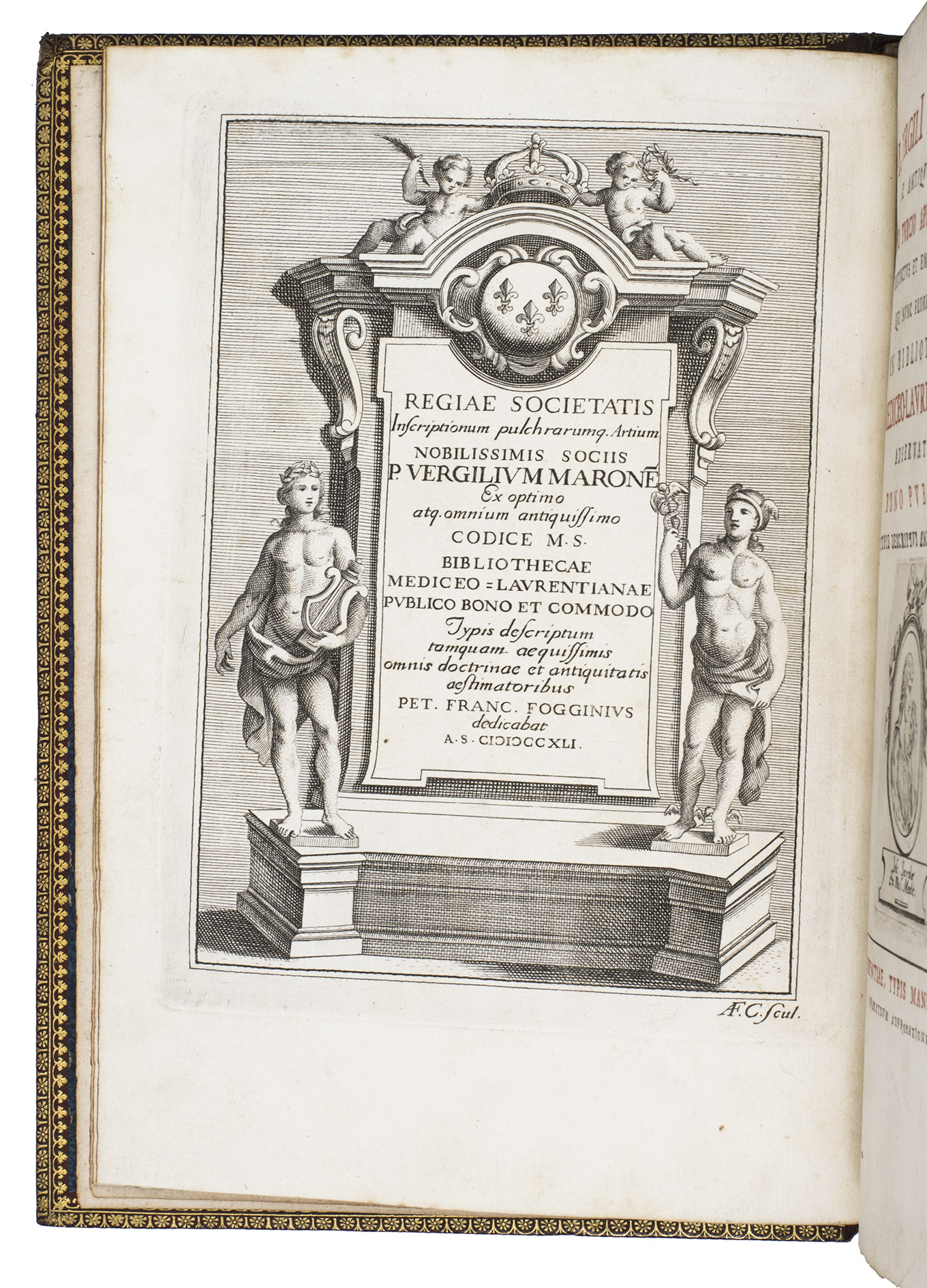
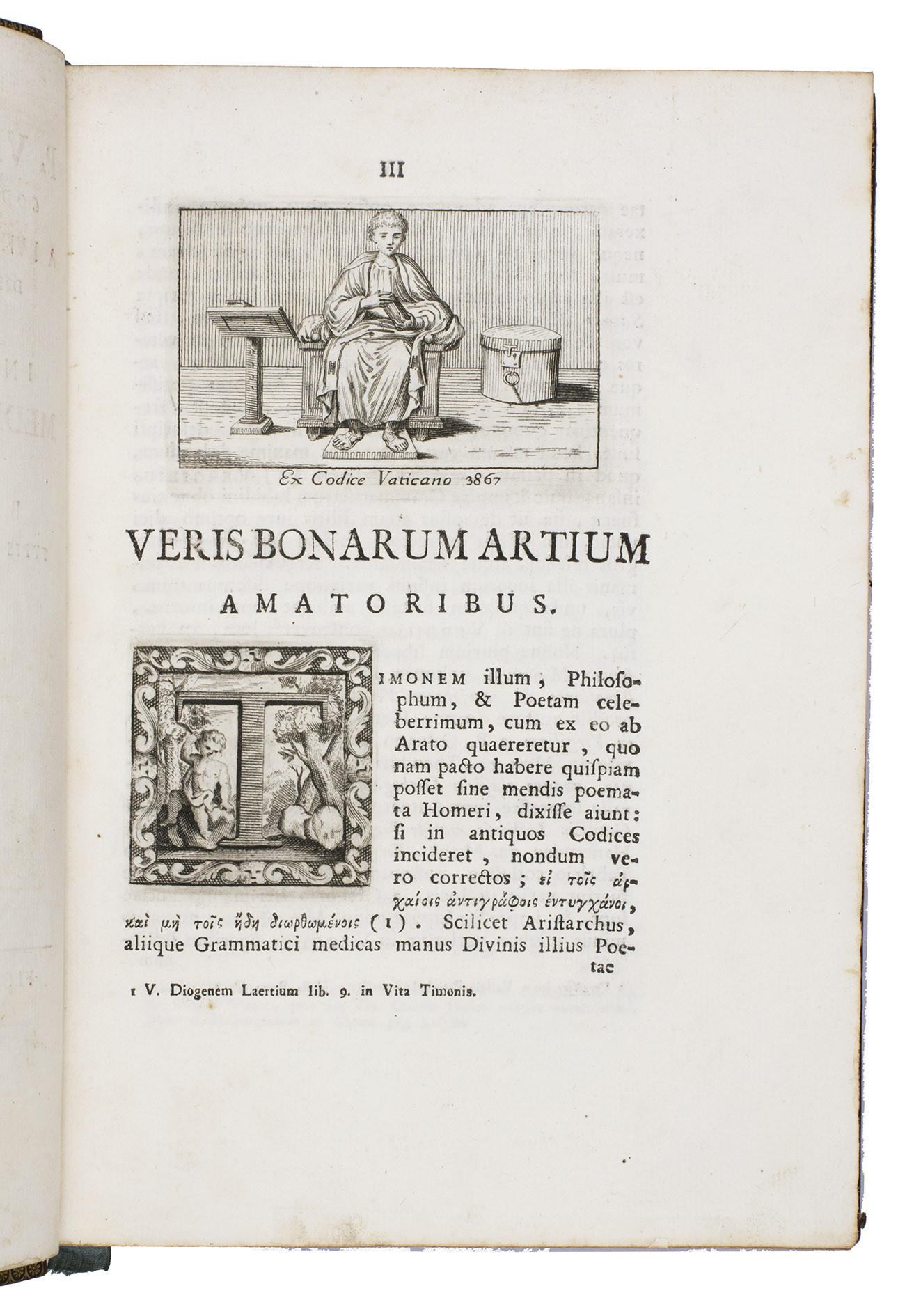
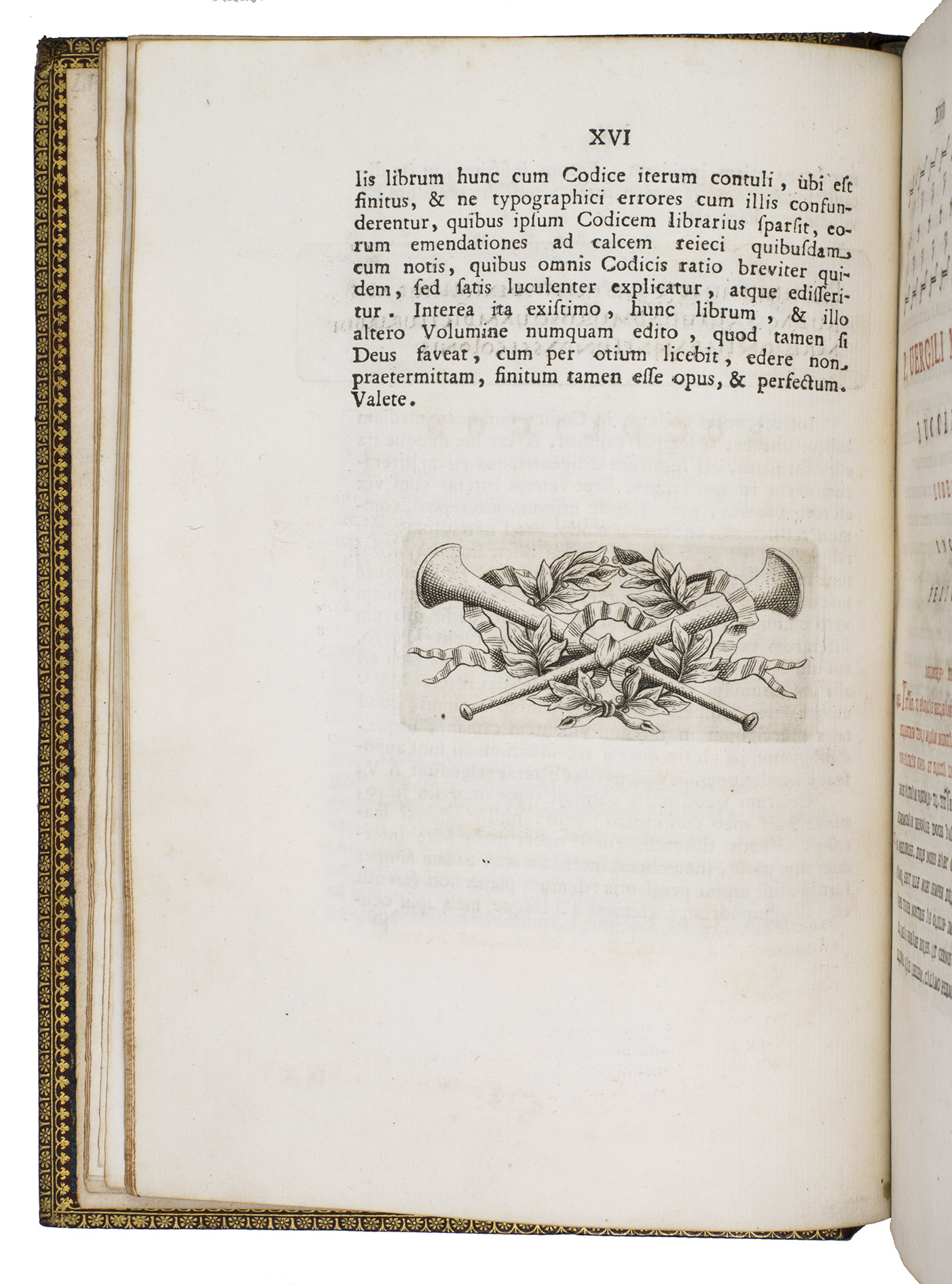
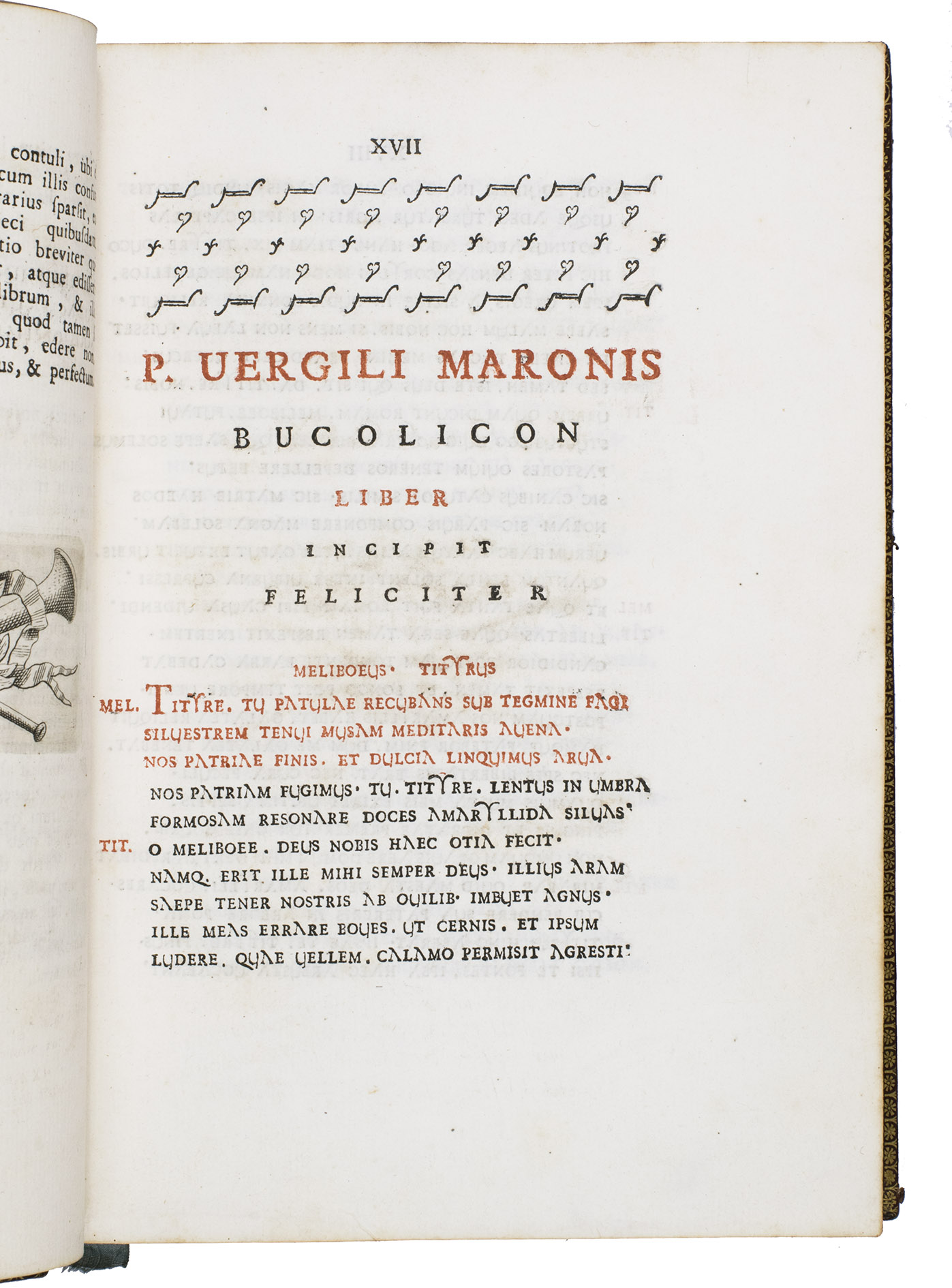
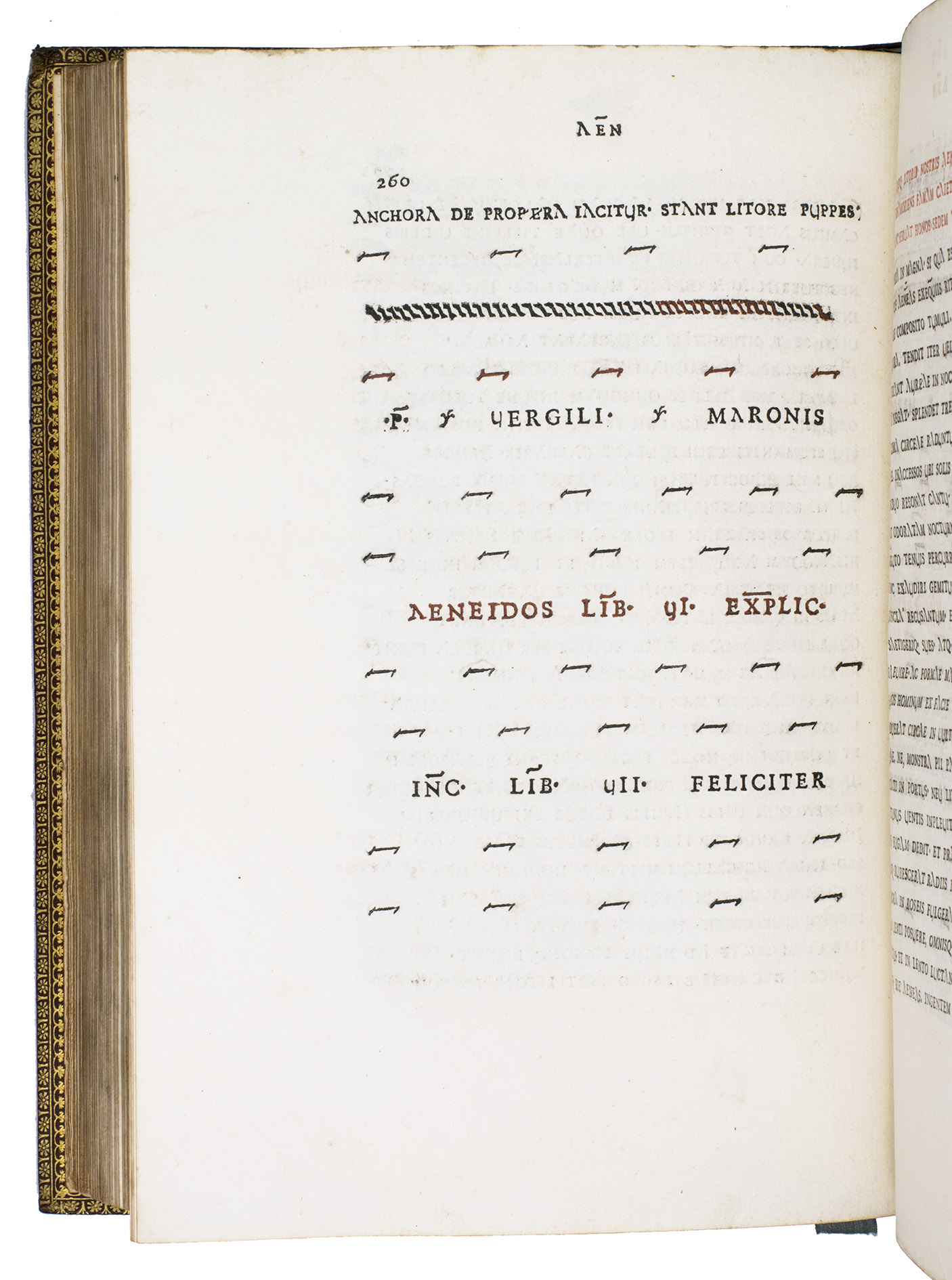
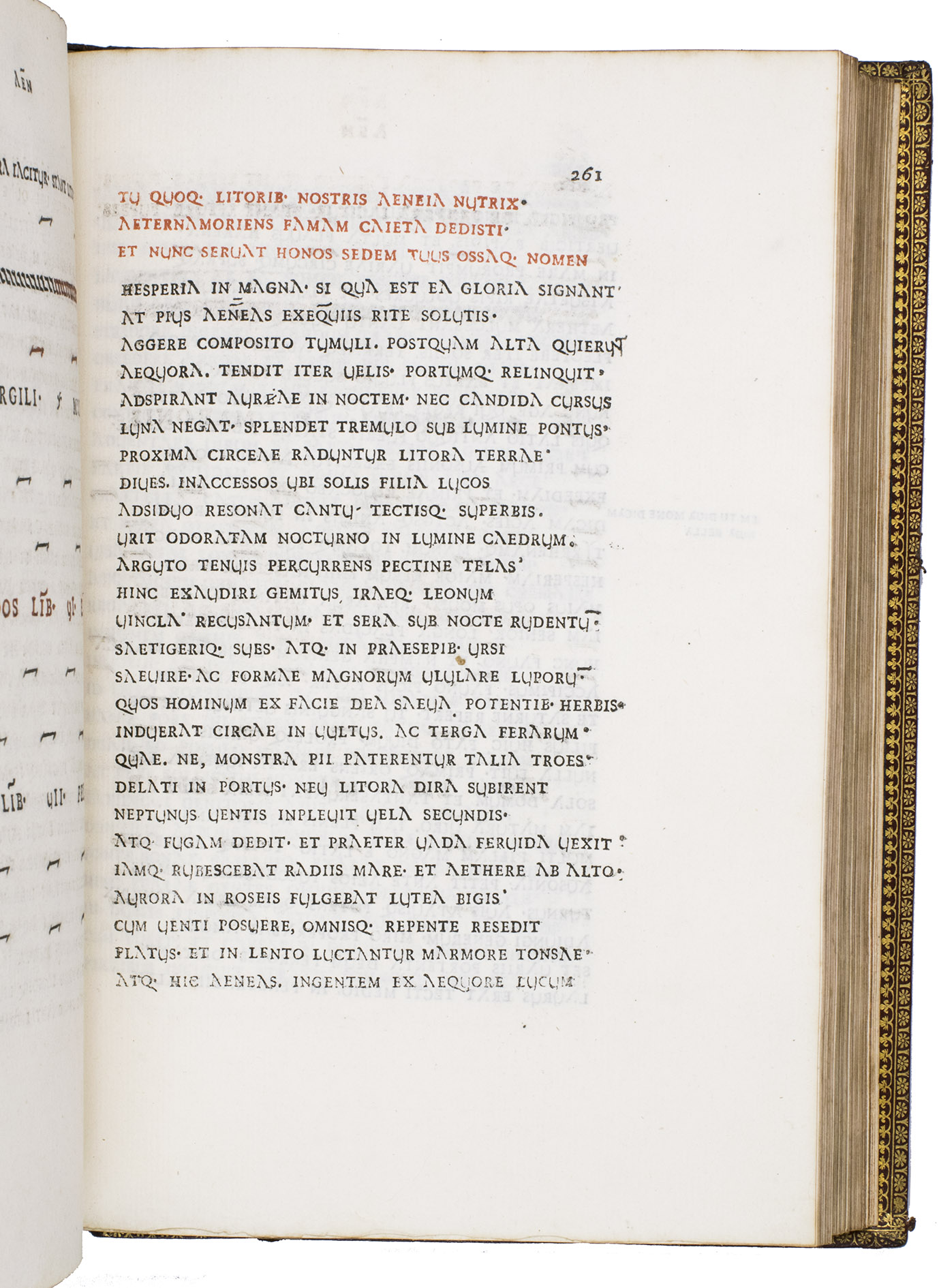
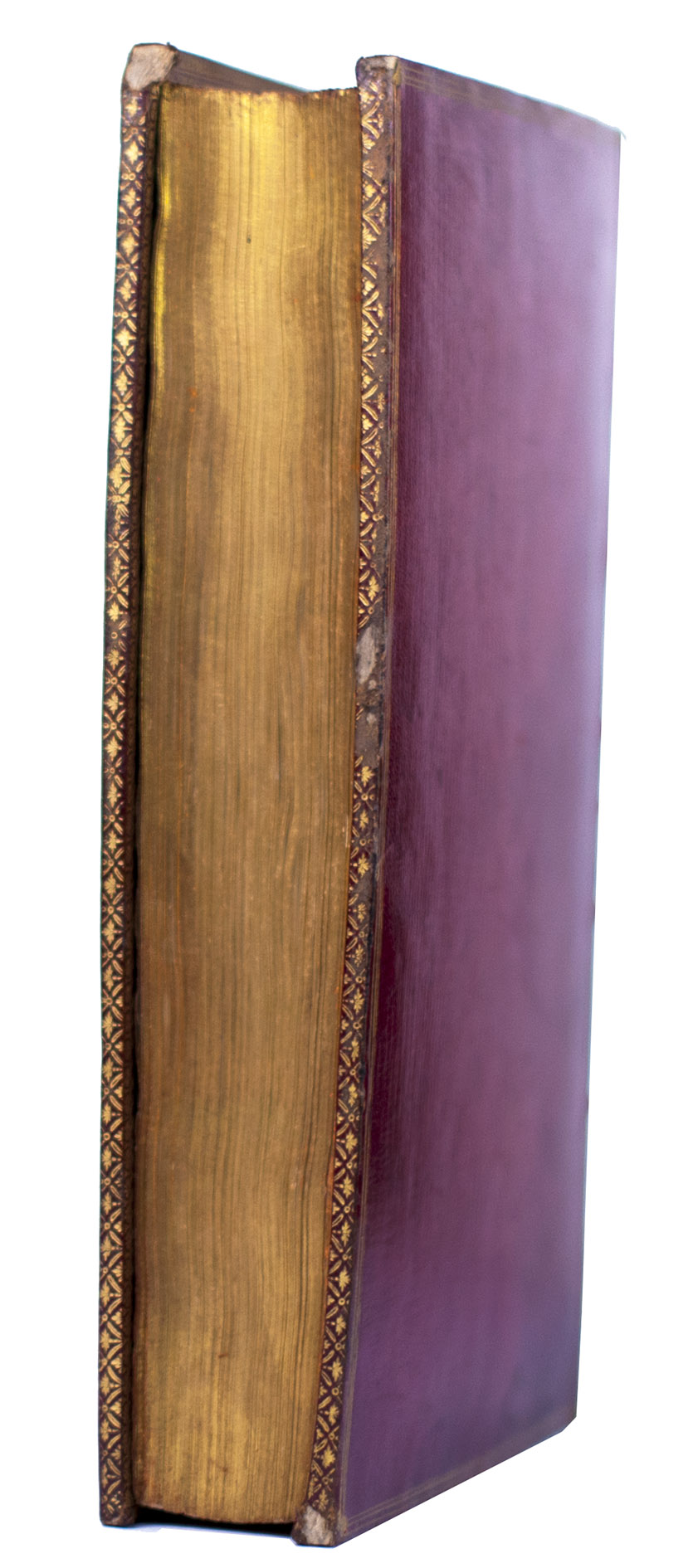
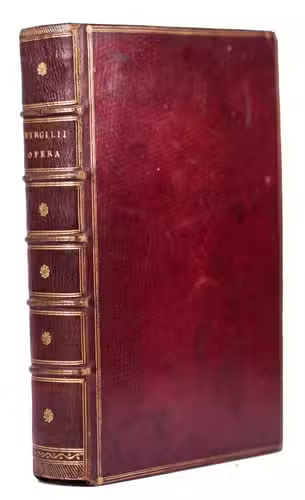
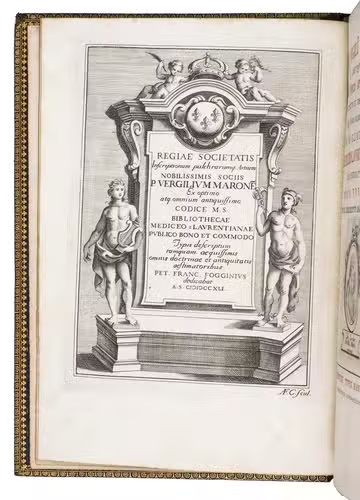
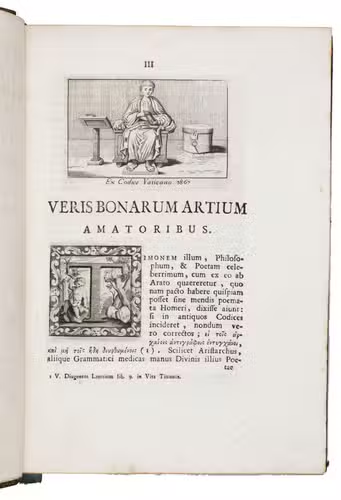
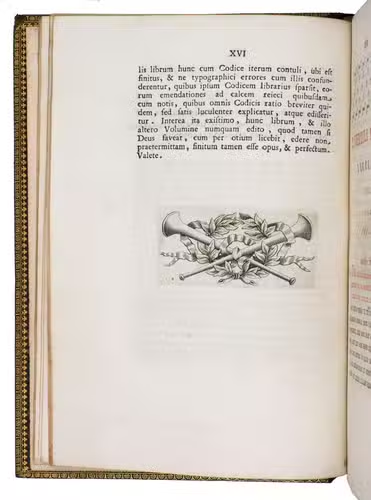
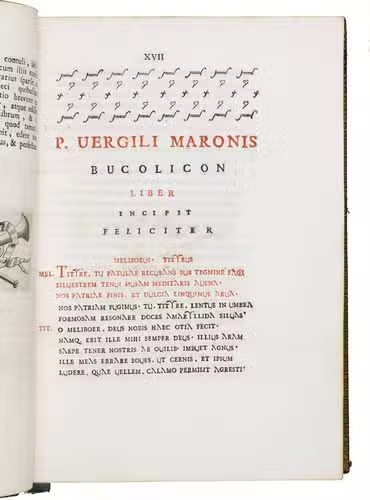
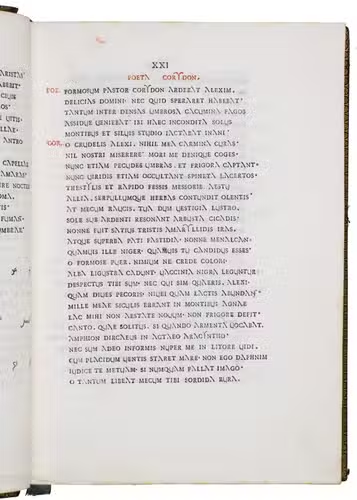
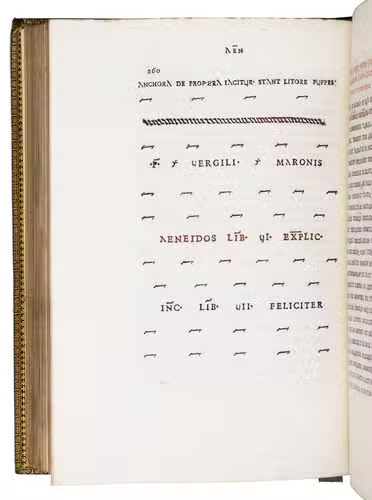
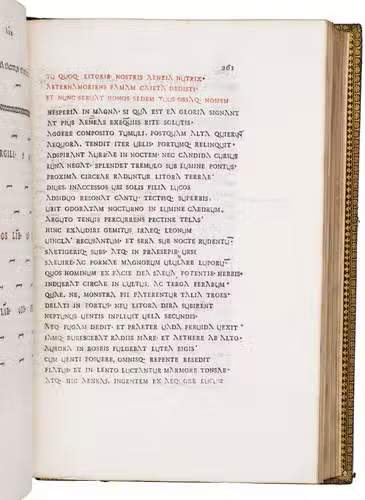
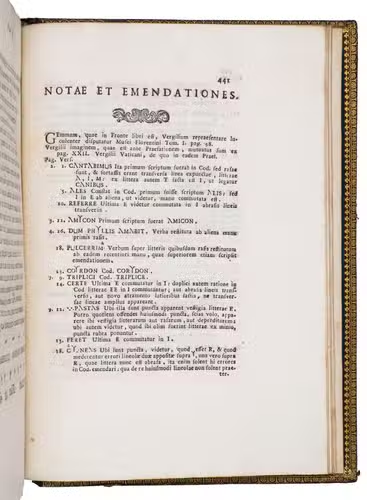
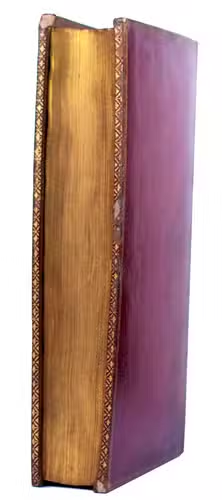
Florence, Typis Mannianis (the printer Joseph and his son Domenico Maria Manni), [1741]. 4to (25.5 x 18 cm). With an engraved dedication by the editor Pietro Francesco Fogginio to the members of the prestigious Académie Royale des inscriptions et beaux-arts as a frontispiece, an engraved vignette on the title page (a portrait of Virgil holding a mask) engraved by "Sarder ex Mus. Medic.". An engraved illustration of Virgil as a headpiece at the start of the text, engraved after the portrait in one of the two other late antique Virgil manuscripts: the Virgilius Romanus in the Vatican library (Cod. Vat. 3867). Further with a beautiful engraved historiated initial on the same page; engraved specimen of three lines of the manuscript (13 x 3 cm) on p. XV; and two tailpieces (on pp. XVI and 459). The text is printed in red and black (the title page, the first lines and corrections in the text). Contemporary gold-tooled red morocco. [4], XXXVI, 459 pp.
€ 2,500
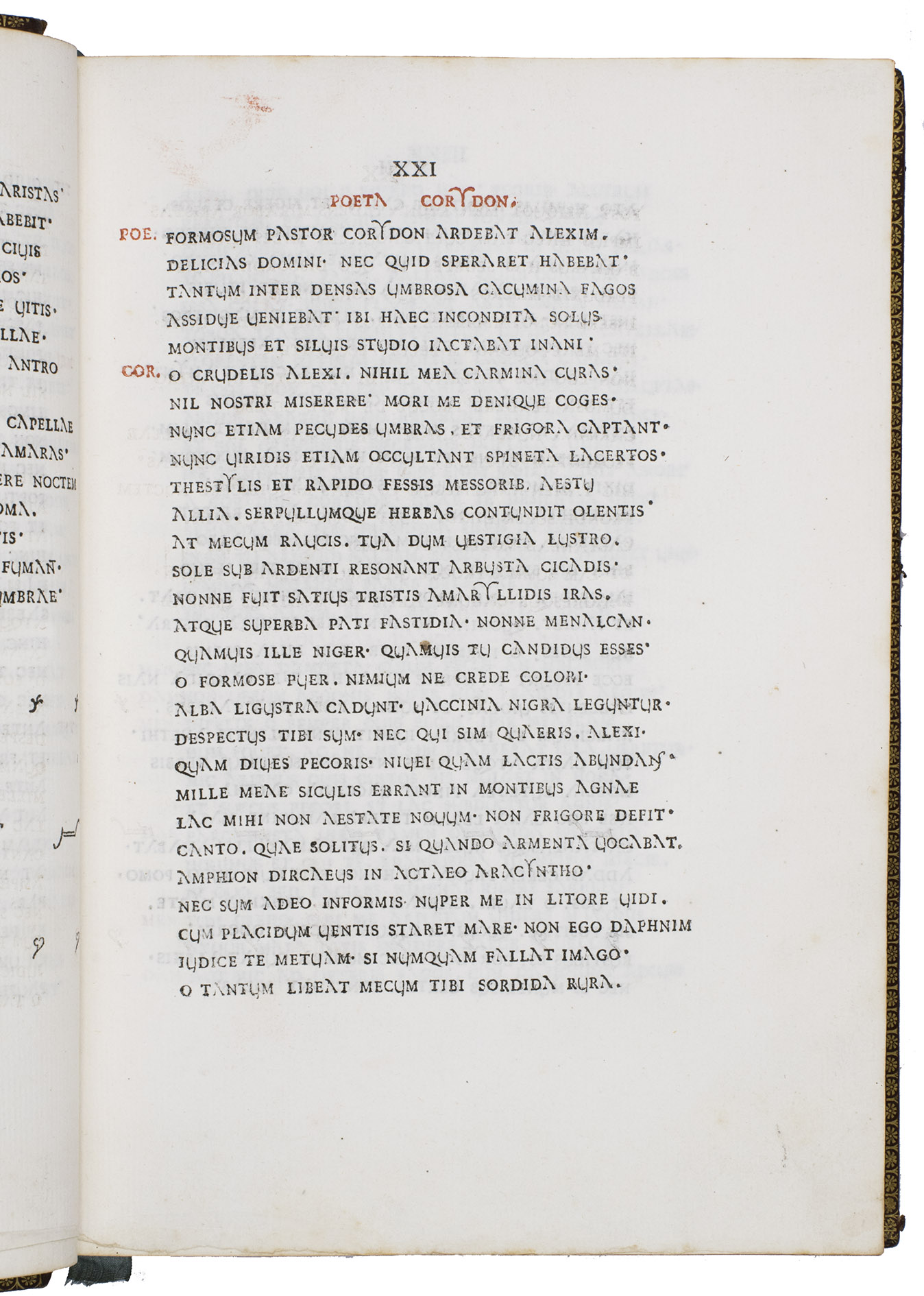
Original edition of an extraordinary and very interesting "facsimile edition" with typographical means, considered as the earliest facsimile edition of an ancient manuscript ever made (perhaps with the exception of Hugo Grotius edition the Leiden Aratus manuscript of 1600, see J. van Heel, pp. 146-147). The manuscript is one of the three late antique codices containing the works of Virgil: the Codex Mediceus (Florence, Bibl. Laurentiana, 39.1), perhaps the earliest one, certainly the most complete, written in ca. 450 AD. The other two, the Virgilius Romanus and the Virgilius Vaticanus, both also from the 5th century, are in the Vatical Library.
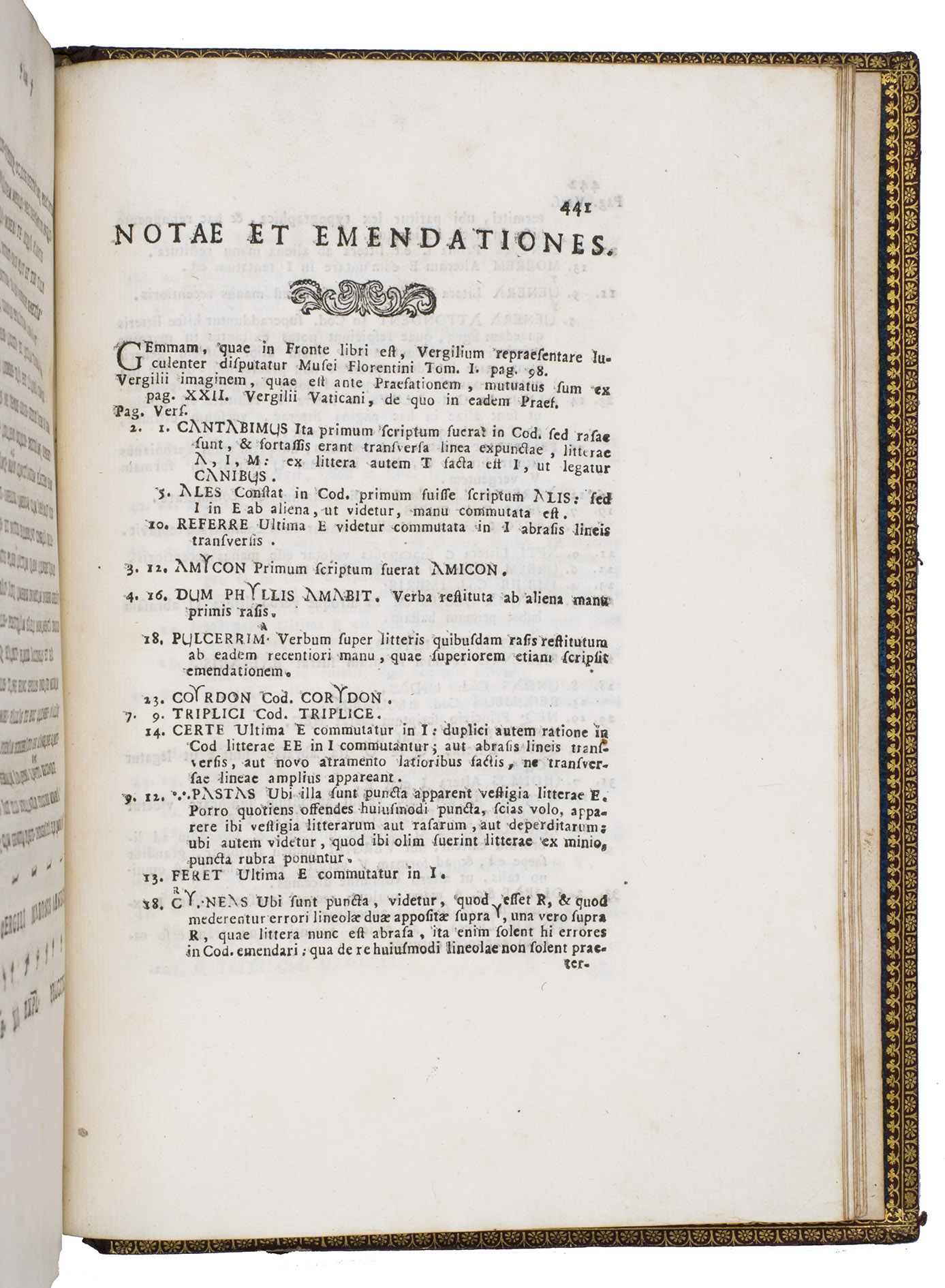
The text is planned and edited for the Manniani publishers in Florence by Pietro Francesco Fogginio (1713-1783) who published some of his own works also by these publishers in 1740-1741 and who became later librarian of the Vatican Library. Fogginio also included the emendations of the text by Rufius Turcius Apronianus Asterius (fl. ca. 494 AD), a Roman aristocrat and scholar during the reign of Theodoric the Great. He held censorship in 494. In a subscription at the end of the Bucolica (p. 13 of this edition) is stated that the manuscript was corrected by him at Rome (Reynolds, Texts and transmission, pp. 433f.). Asterius interventions addressed the challenges of the manuscripts uncial derived rustic script, written in scripta continua, which lacked systematic punctuation or accents, by inserting points to clarify syntactic divisions and proposing textual alterations through marginal and interlinear notes (in red). Reynolds states that the manuscript found its way to Bobbio where it still was present in 1467. Soon thereafter it was in the Vatican where the humanist and promotor of the editio princeps of Virgil in Rome in 1469, Julius Pomponius Laetus (1428-1498) entered his emendations as well. Later the codex was purchased by Cosimo de Medici in ca 1560 and it landed in the Bibliotheca Laurentiana.
A beautiful copy of probably the earliest typographical facsimile of an ancient manuscript in an very attractive binding: the Codex Mediceus, the most complete and ancient manuscript of the works of Virgil, now preserved in the Laurentian Library in Florence (with a single sheet preserved in the Bibliotheca Vaticana: Ms. Vat. Lat. 3225, f. 76), containing the Eclogues (Bucolica) from Lib. VI, vs. 48 (Lib. I-VI, vs. 47 in this edition supplied from another source), the Georgics and the Aeneid. The Codex Mediceus certainly is among the most important survivals of classical literature. Together with the two Vatican codices it forms the basis of the text of the Aeneid and other Virgilian texts as we know them today.
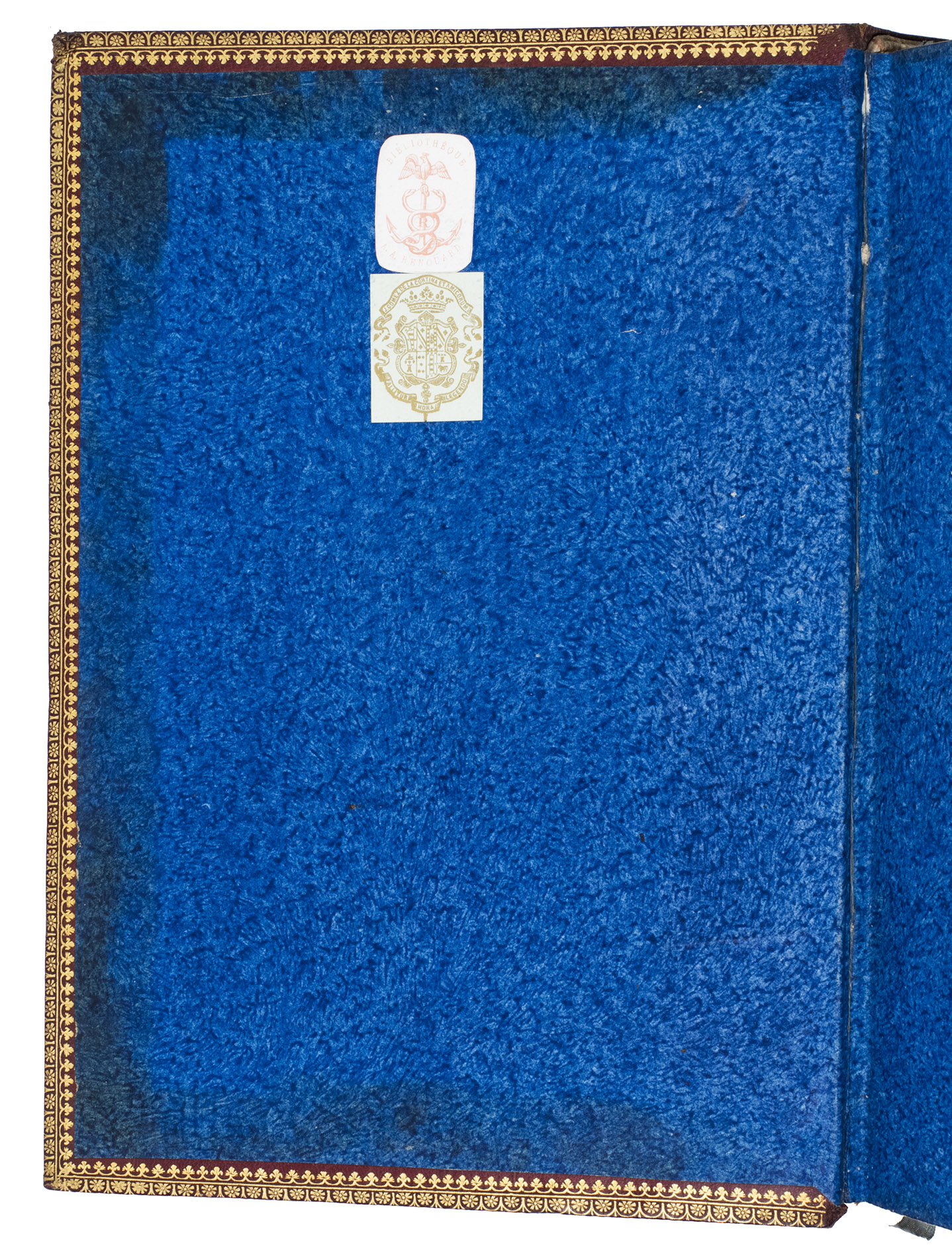
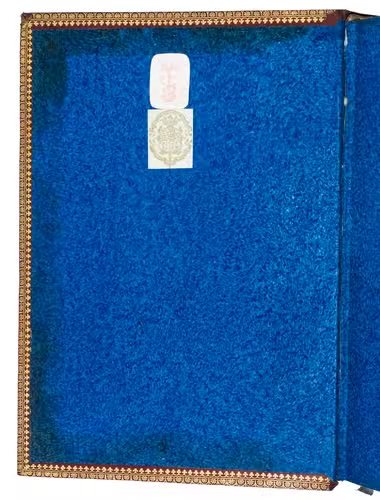
Beautifully bound with the small bookplates of two well-known bibliophiles: (1) Antoine Auguste Renouard (1765-1853), publisher, historian of printing and famous bibliographer of the works published by Aldus Manutius, and (2) Joach. Gomez de la Cortina (1805-1868), marqués de Morante, rector of the University Complutense in Madrid) with his coat of arms and his motto "Fallitur hora legendo". Some bumping of the binding edges. Otherwise in very good condition. Birrell & Garnett, p. 128; Brunet, V, p. 1291 ("... les exemplaires sont rares."); Dibdin, II, pp. 550-551; Forbes collection, p. 9; Graesse, VII, p. 341; J. van Heel, Antieke teksten in beeld. Gedrukte facsimilés van teksten uit de klassieke oudheid, in: Jaarb. Nederl. Boek-geschiedenis, 22 (2015), pp. 149-150; Reynolds, Texts and Transmission. A Survey of the Latin Classics (1983), p. 433; Schweiger, II, p. 1174; D.B. Updike, Printing Types, vol. I (1962), p. 171.
Related Subjects: