VALERIUS, Cornelius
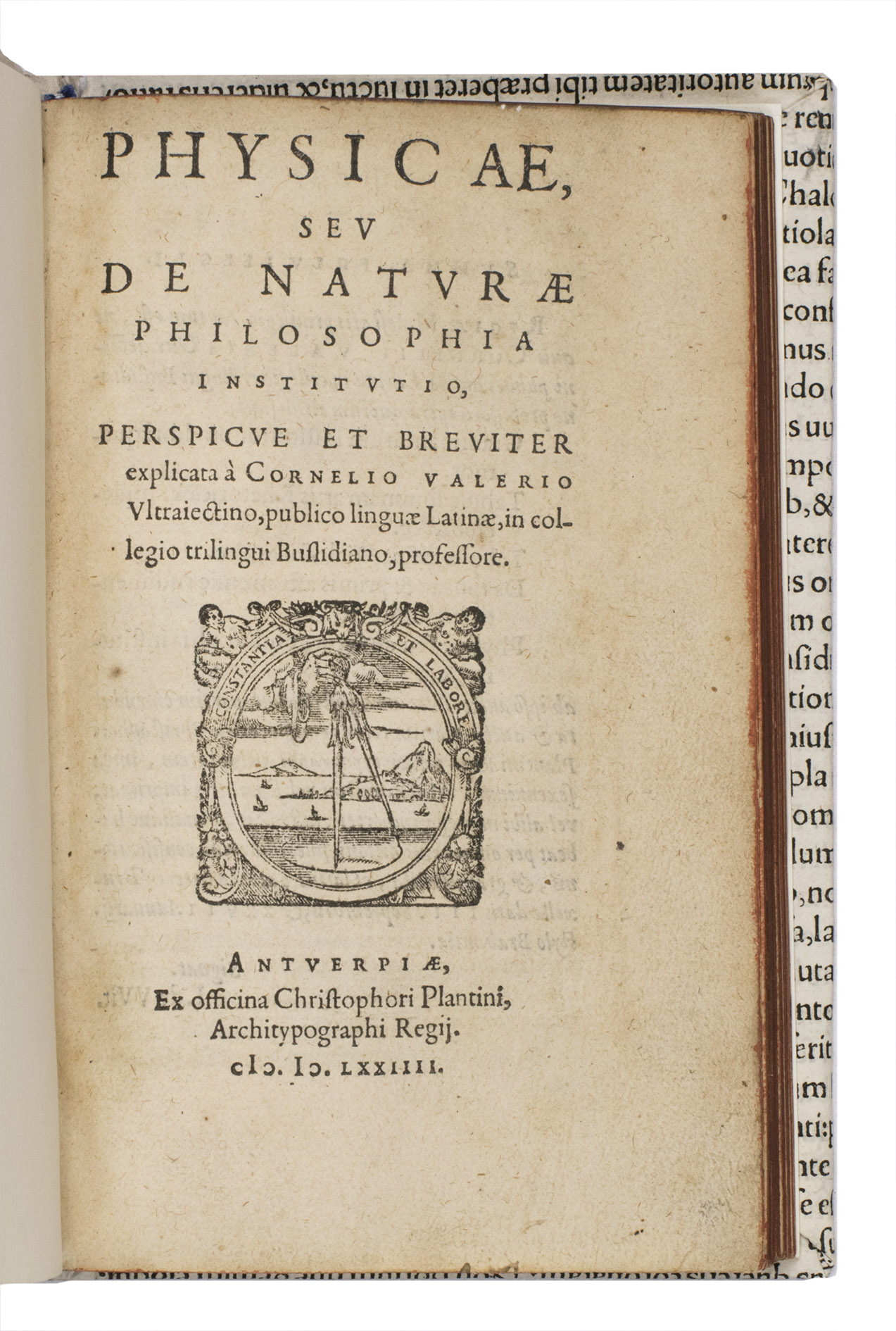
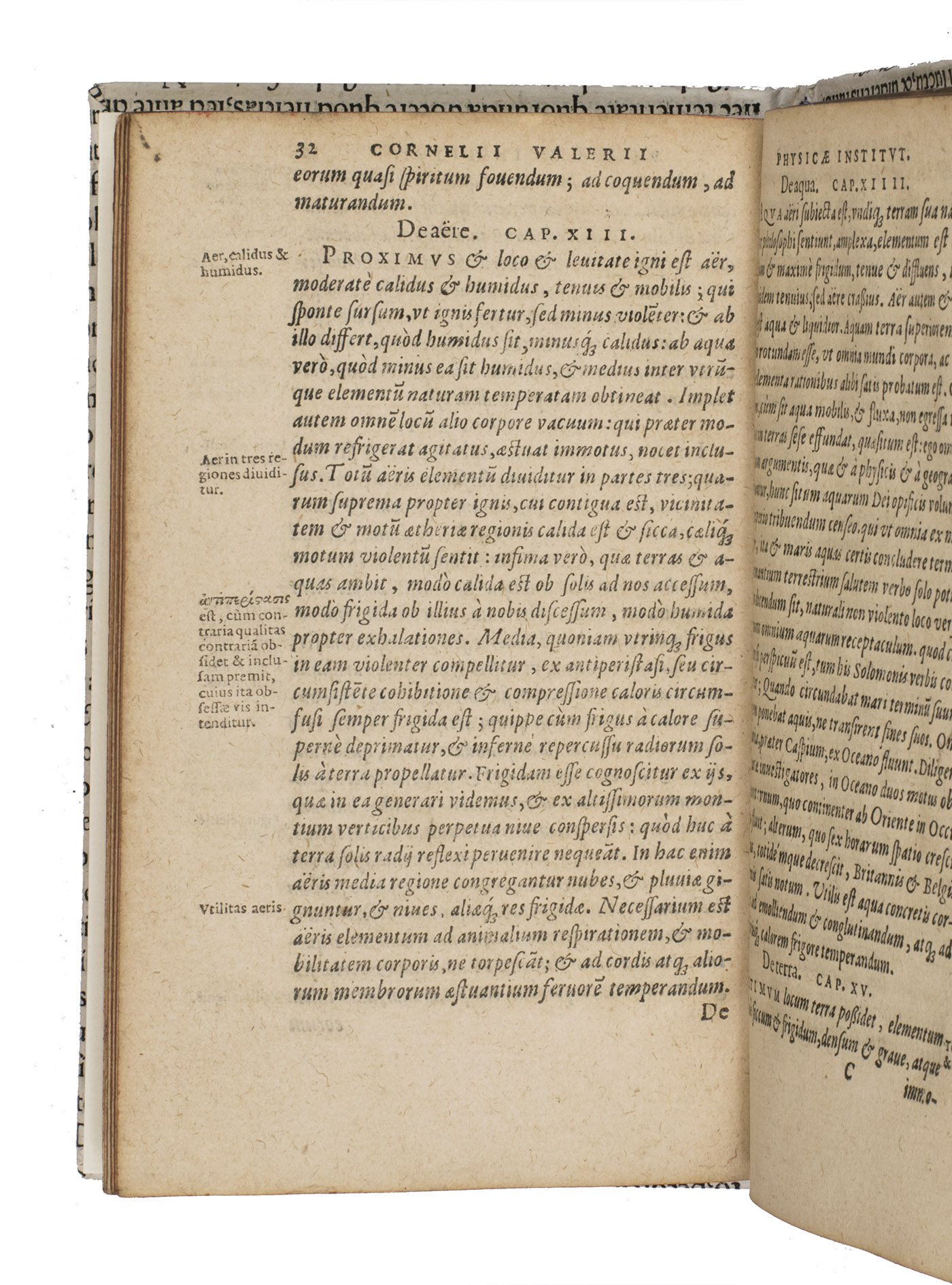
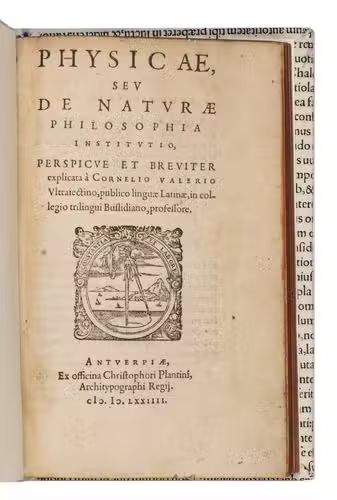
Physicae, seu de naturae philosophia institutio.
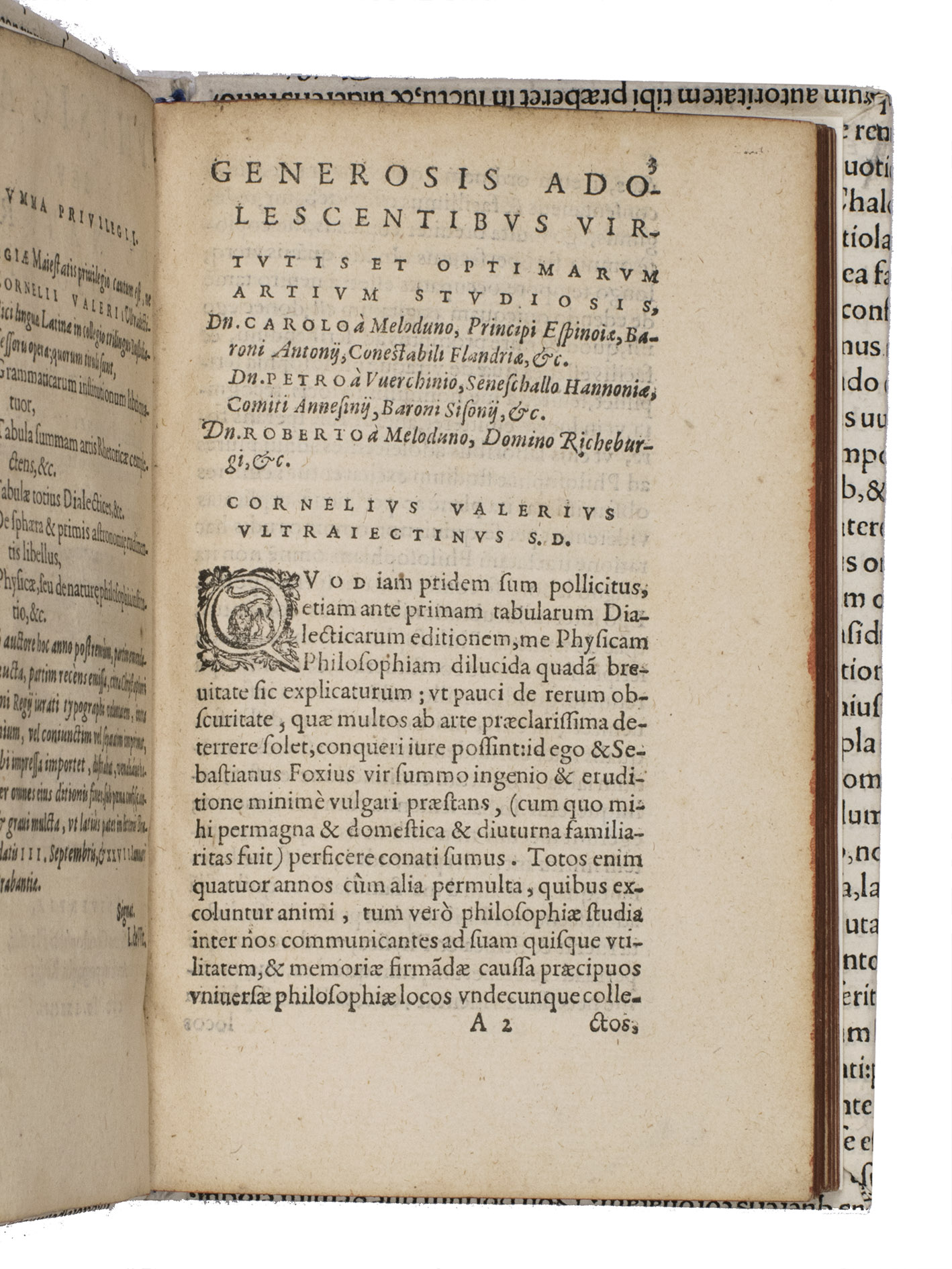
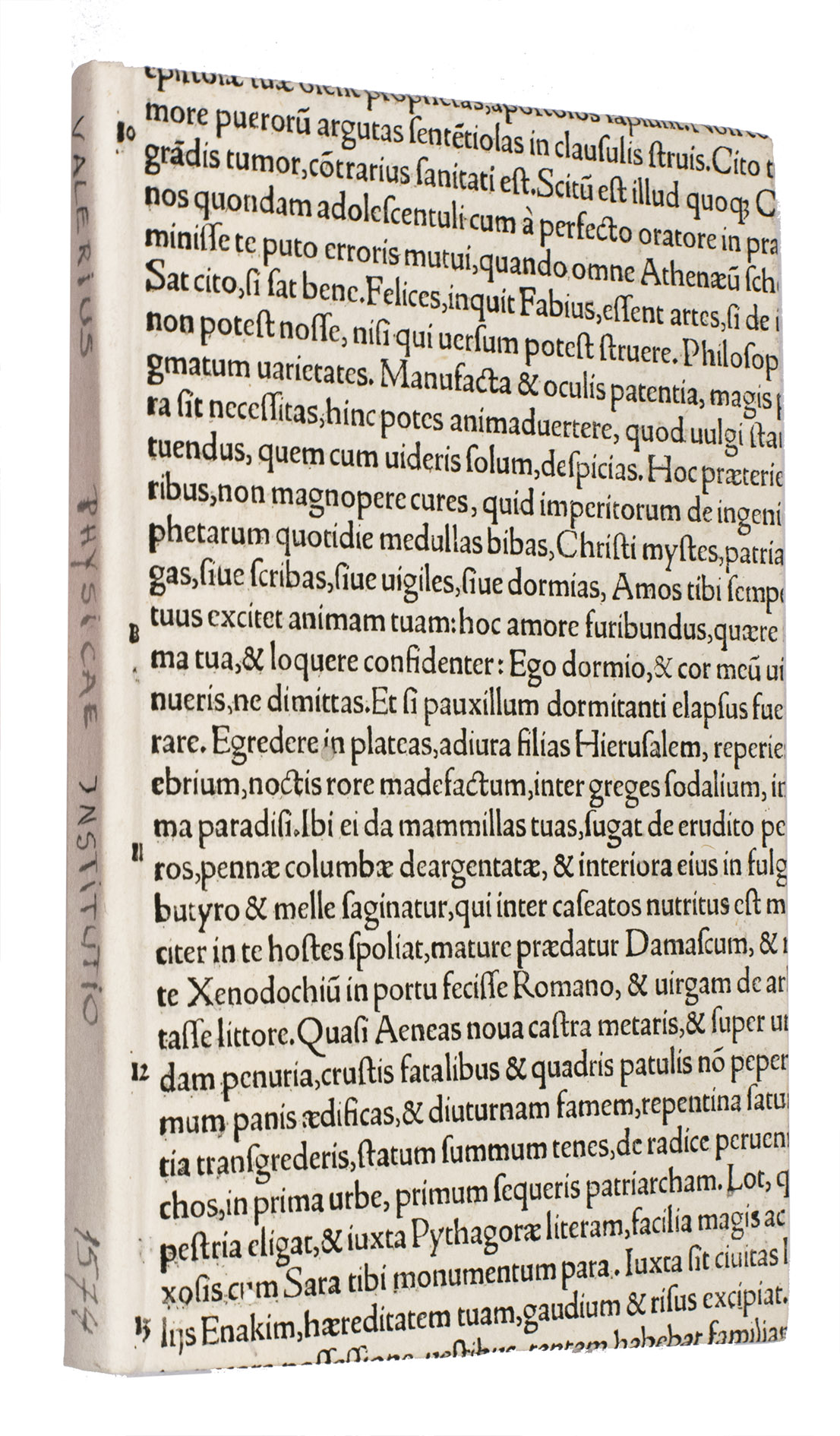
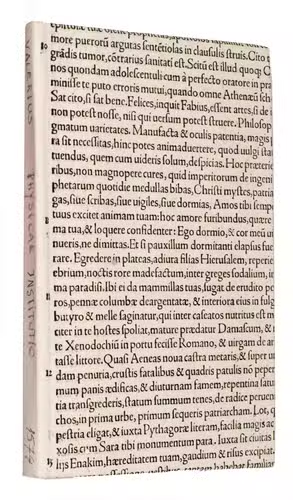
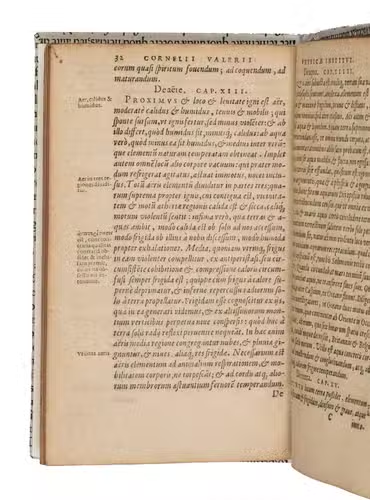
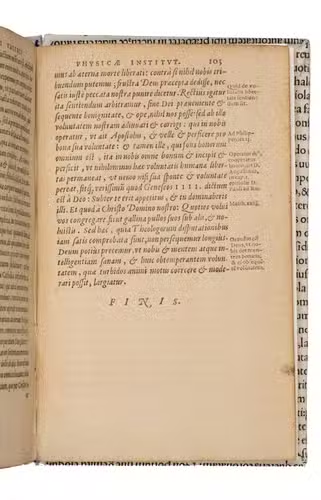
Antwerp, Christophe Plantin, 1574. 8vo (16.1 x 10 cm). With Plantin's woodcut device on the title page. Modern binding using older printer's waste, with the author, title, and year lettered in grey ink on the spine, red edges. 103, [1 blank] pp.
€ 1,250
Early edition of an influential compendium of natural philosophy, first published in 1567 and reprinted ca. 15 times between 1568 and 1598. The present 1574 edition testifies to the works continued popularity at both Catholic and Protestant universities.
The Physicae offers a systematic introduction to natural philosophy as it was understood in the later 16th-century. Firmly rooted in Aristotelian natural science, it presents the principles of nature, the elements, motion, and physical causation, supplemented by clear commentary and pedagogical explanation. As such, it provides a valuable illustration of the way Aristotelian physics was adapted and reshaped during the period of late Scholasticism and Renaissance humanism, on the eve of the rise of modern mechanistic science.
The author, Cornelius Valerius (ca. 1512-1578), was born in Oudewater, near Utrecht, hence his frequent toponym Ultrajectinus. Educated under the celebrated schoolmaster Georgius Macropedius, and a pupil of figures such as Goclenius and Rescius, Valerius rose from modest beginnings to become one of Louvains most respected humanist teachers. In 1557, he succeeded Petrus Nannius (1496-1557) as Professor of Latin at the renowned Collegium Trilingue (Busleyden College).
Ordained as a priest, Valerius combined deep personal piety with intellectual generosity and a lifelong devotion to teaching. Among his pupils were some of the most eminent scholars of the age, including Justus Lipsius (1547-1606), Theodorus Canter (1546-1617), Martinus Antonius Delrio (1551-1608), and Andreas Schottus (1552-1629).
Valerius was particularly admired for his pedagogical method, which he termed the compendiaria via: a way of presenting knowledge in short, lucid, and easily memorable form. Textbooks composed according to this principle, on grammar, rhetoric, dialectics, ethics, astronomy, and natural philosophy, circulated widely and enjoyed lasting success. His earlier works include the Grammaticae Institutiones and the astronomical De sphaera et primis astronomiae rudimentis libellus (1561).
The work is slightly browned throughout. Otherwise in very good condition. Belgica Typographica 4586; BM STC Dutch p. 203; Pettegree and Walsby 30051; The Plantin Press Online cp012434; USTC 406080; Voet (Plantin) 2390; not in Adams; Ruelens-de Backer; STCV.
Related Subjects: