SANTA RITA DURÃO, José de.
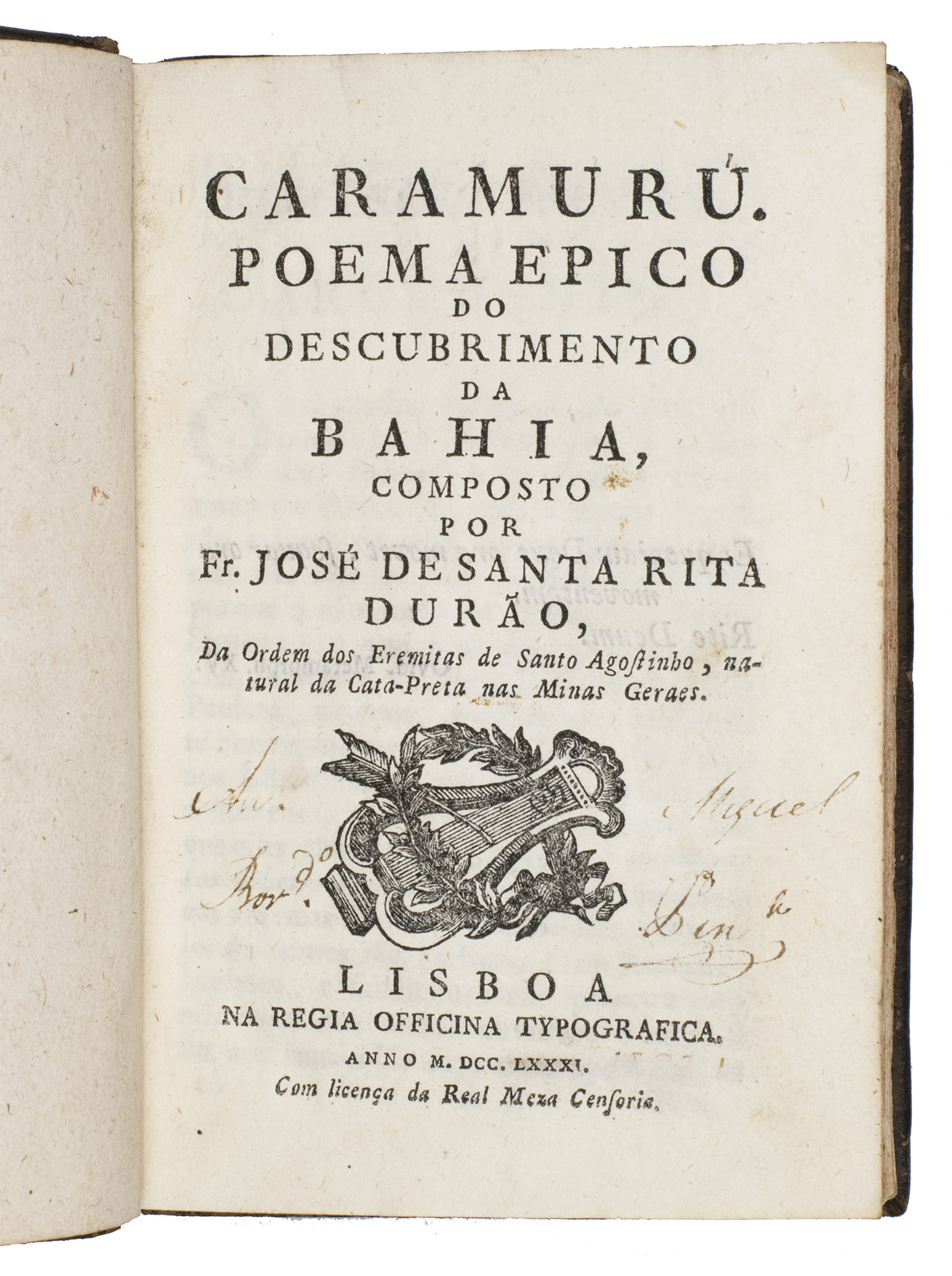
Caramuru. Poema epico do descubrimento da Bahia.
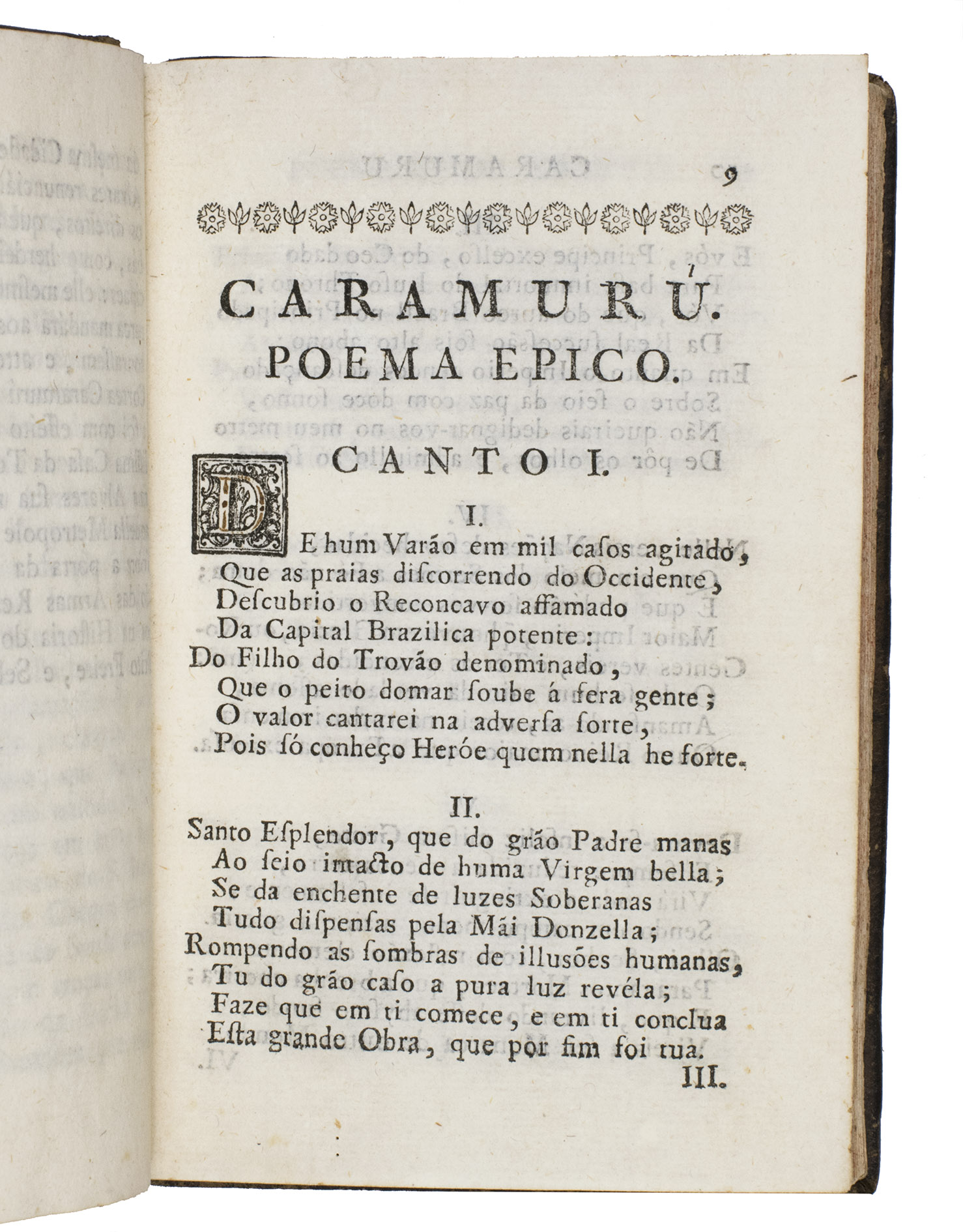
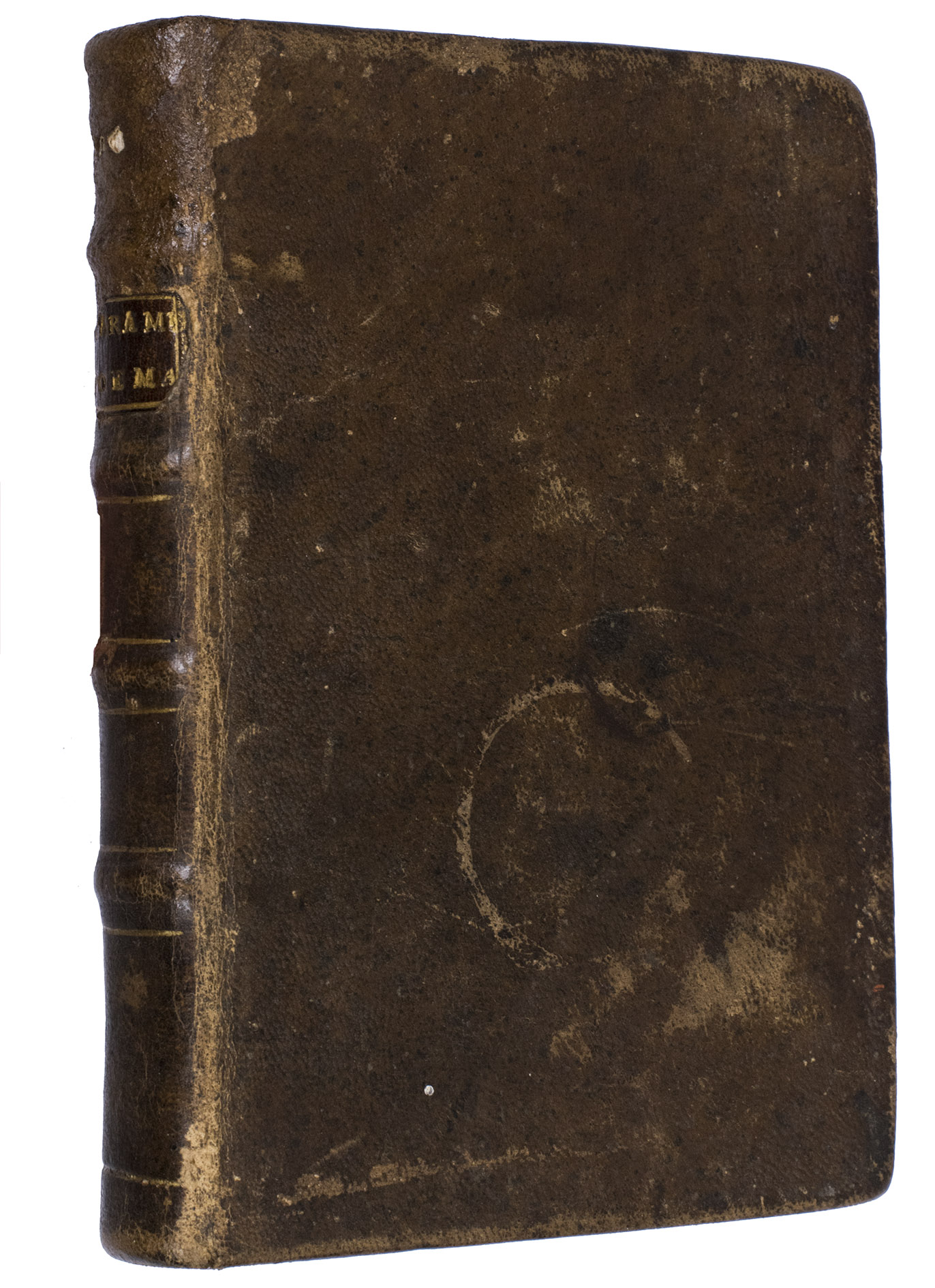
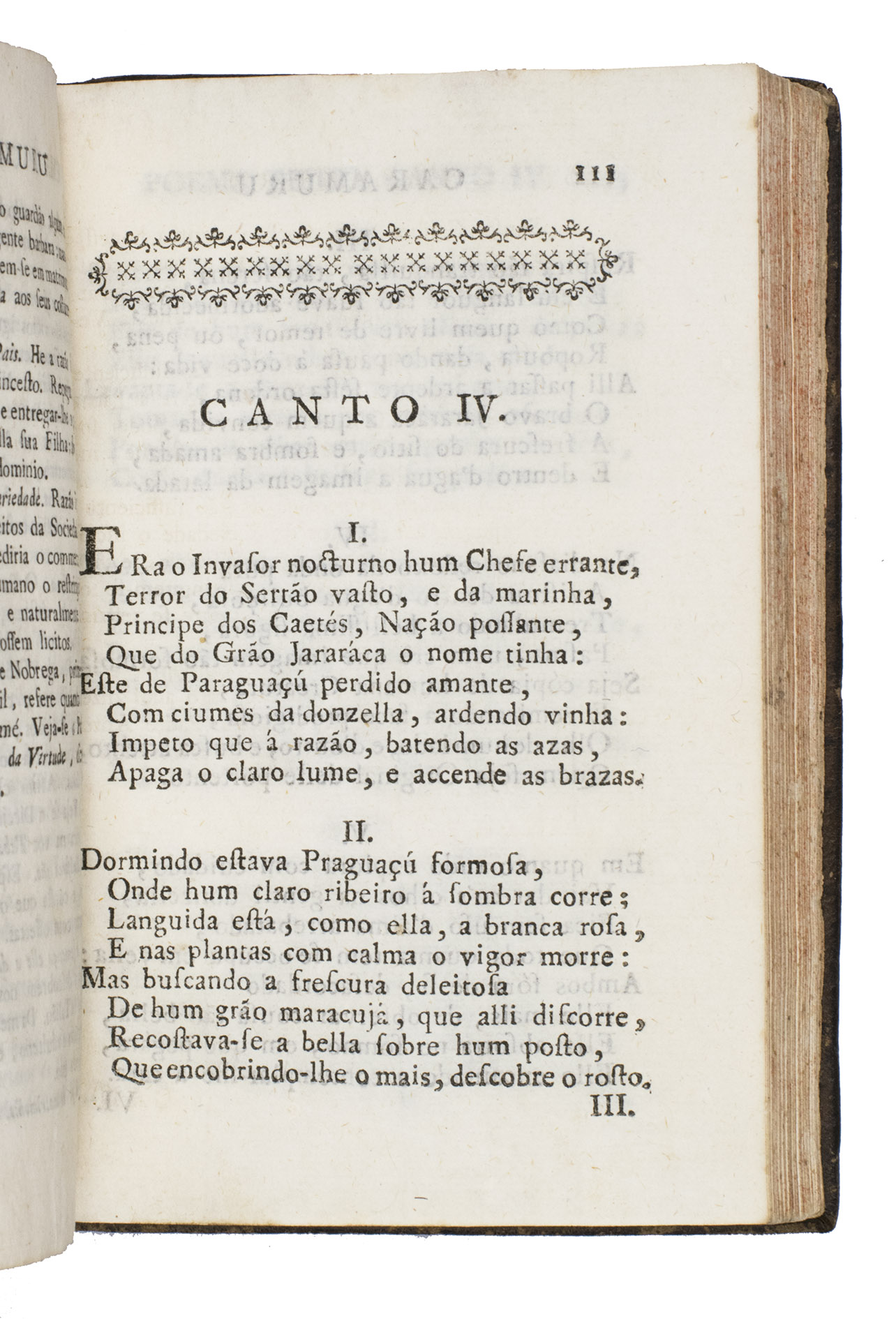
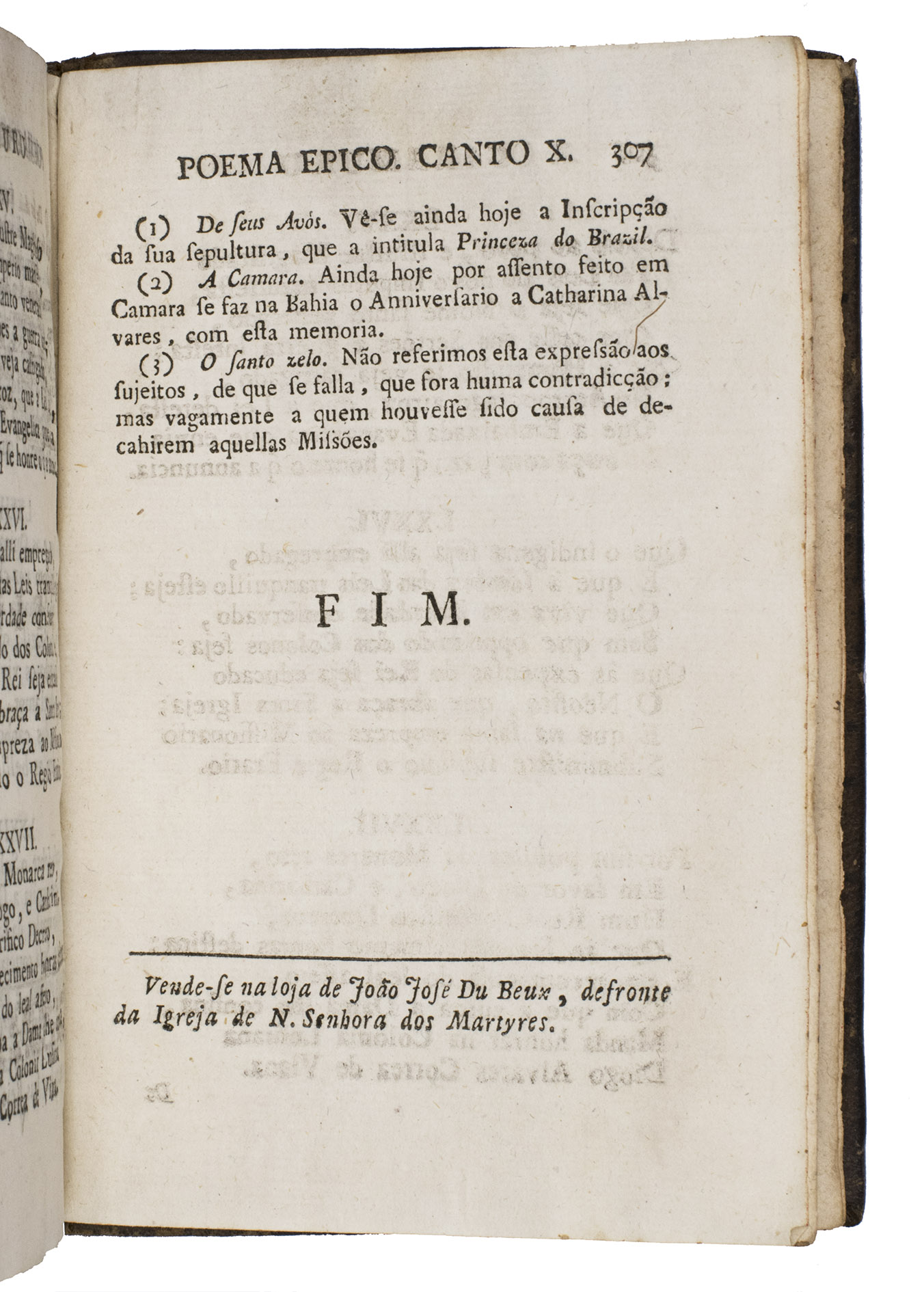
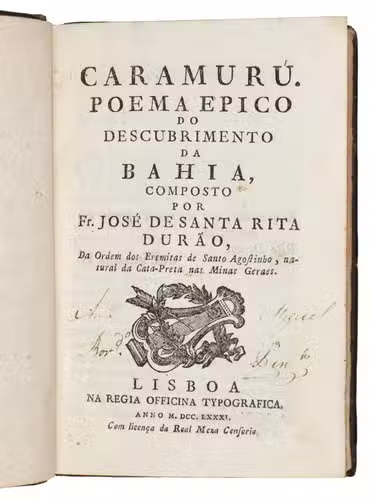
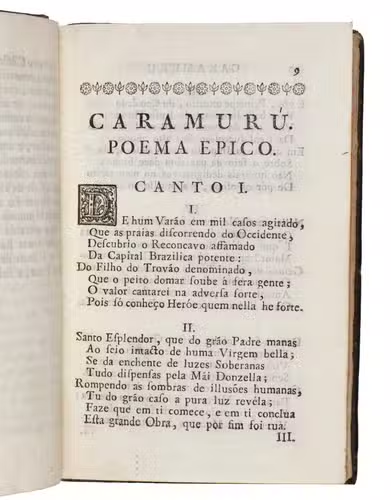
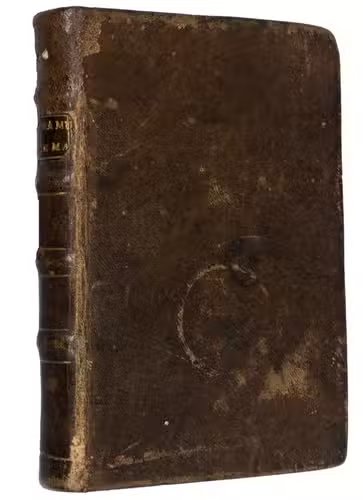
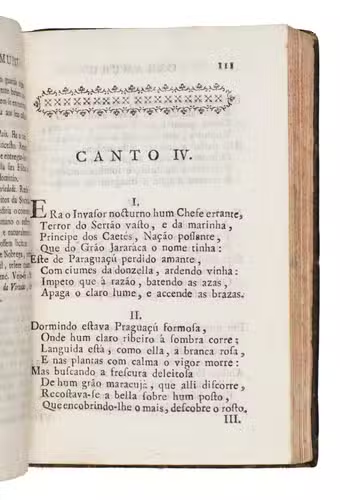
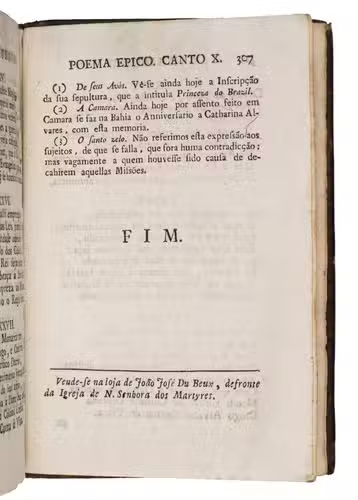
Lisbon, Na Regia Officina Typographica, 1781. 8vo. With a woodcut vignette on the title page, a woodcut decorated initial at the start of canto 1, and headpieces built up from typographic ornaments at the start of each canto. Contemporary brown sprinkled calf, gold-tooled spine with a red morocco title label lettered in gold, red sprinkled edges. 307, [1 blank] pp.
€ 3,500
First edition of this landmark of Brazilian literature; one of the most famous Indianist works of Brazilian Neoclassicism. The poem recounts the story of Diogo Álvares Correia, a Portuguese sailor shipwrecked on the Brazilian coast who becomes known as Caramuru among the Indigenous Tupinambá after impressing them with firearms. He lives among them, marries Paraguaçu, and serves as a mediator between Indigenous society and the Portuguese, symbolising the early encounter between Europe and Brazil. Through epic conventions, prophecies, and Christian imagery, the poem presents the Portuguese colonisation of Bahia as divinely guided, blending historical events with myth to portray the origins of colonial Brazil.
José de Santa Rita Durão (1722-1784) was a Colonial Brazilian Neoclassic poet, orator, and Augustinian friar. Due to the present epic poem, he is considered a forerunner of so-called Indianism, also known as the first generation of Brazilian Romanticism, in Brazilian literature. The Brazilian Indian was chosen by authors to represent the newly independent nation, influenced by the literary archetype of the "noble savage" and, more generally, Enlightenment ideals. 19th-century Indianist poetry is very patriotic and nationalistic in character, glorifying Brazil and its people.
With the bookseller's label of "Livraria Olisipo" in Lisbon mounted on the front pastedown, and a (near-) contemporary owner's inscription on the title page. The binding is rubbed and somewhat stained, the head of the spine is slightly damaged, the endpapers are somewhat foxed and browned, the title page is slightly stained, a very light water stain in the head margin throughout, occasional very light foxing in the margins. Otherwise in good condition. Borba de Moraes I p. 279; Gauz 781/2; Inocêncio 5, pp. 111-114; Porbase 534705; Rodrigues 909; Sabin 21416; WorldCat 457443254, 813749924, 1184762000.
Related Subjects: