CROCUS, Cornelius.
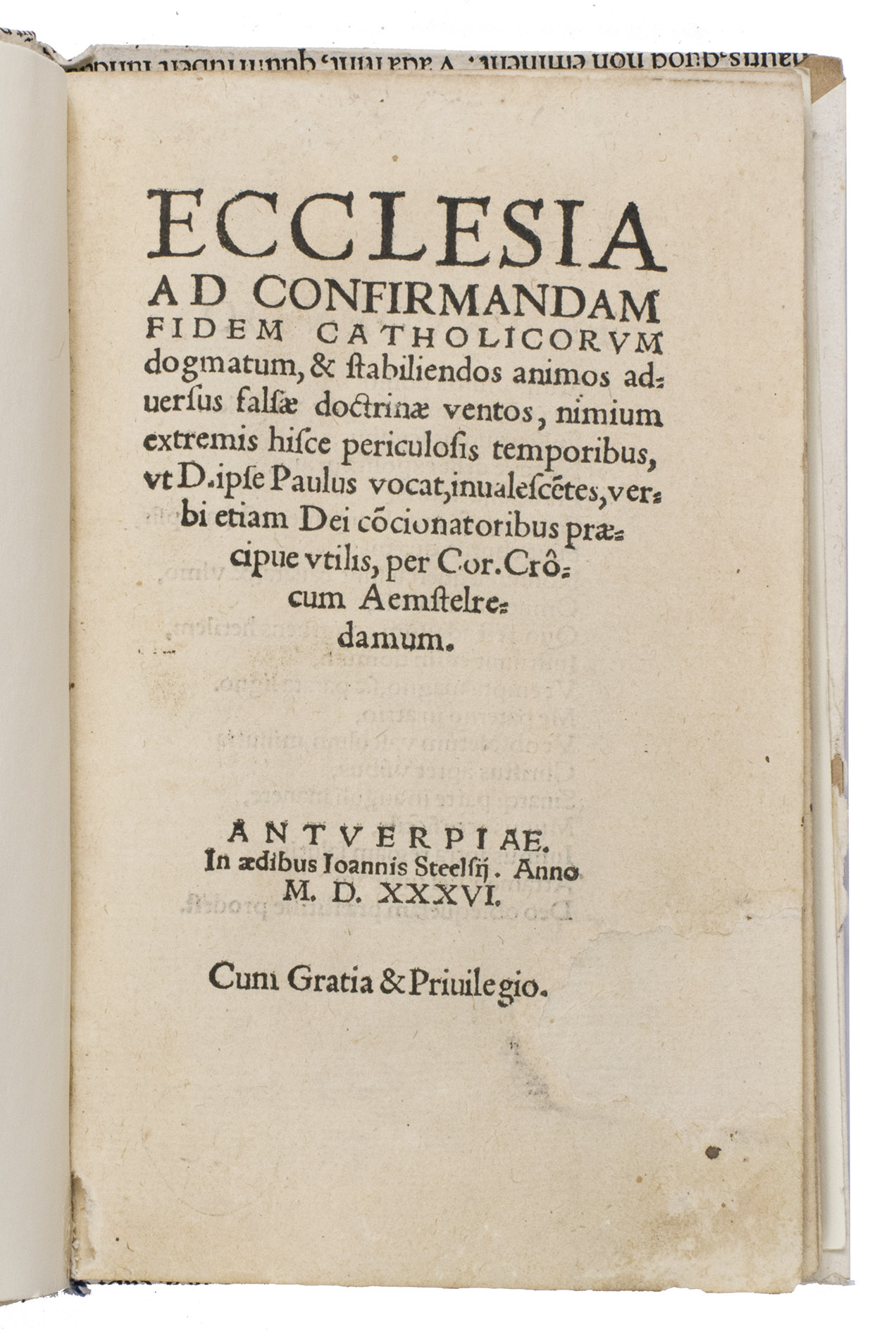
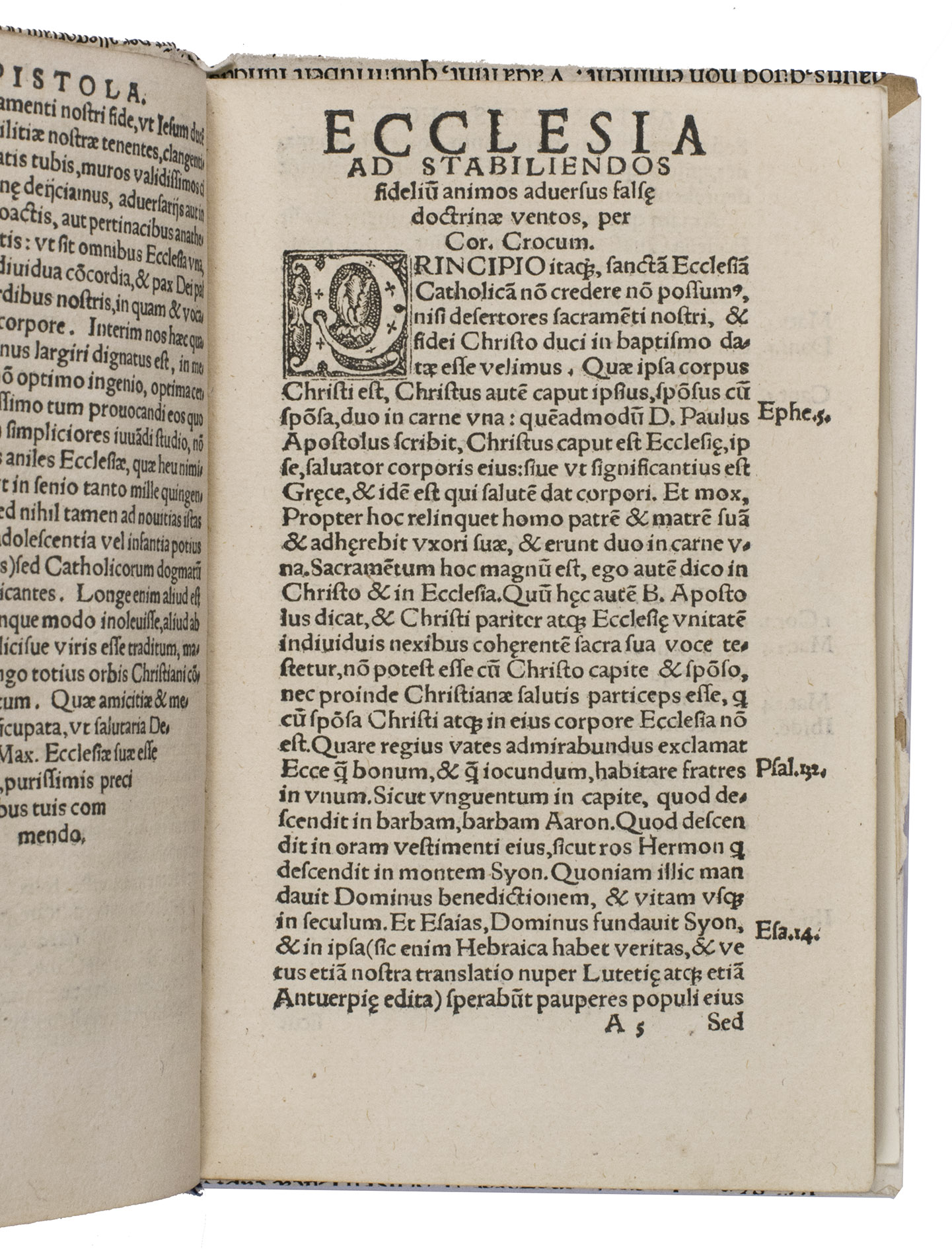
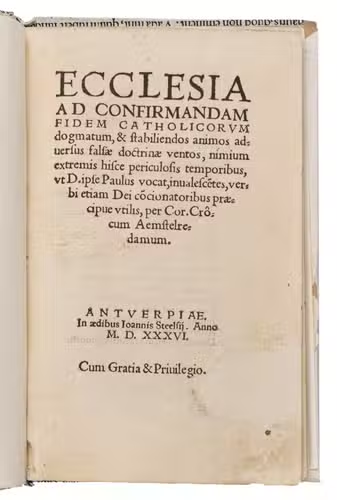
Ecclesia ad confirmandam fidem catholicorum dogmatum, & stabiliendos animos adversus falsae doctrinae ventos, nimium extremis hisce periculosis temporibus ...
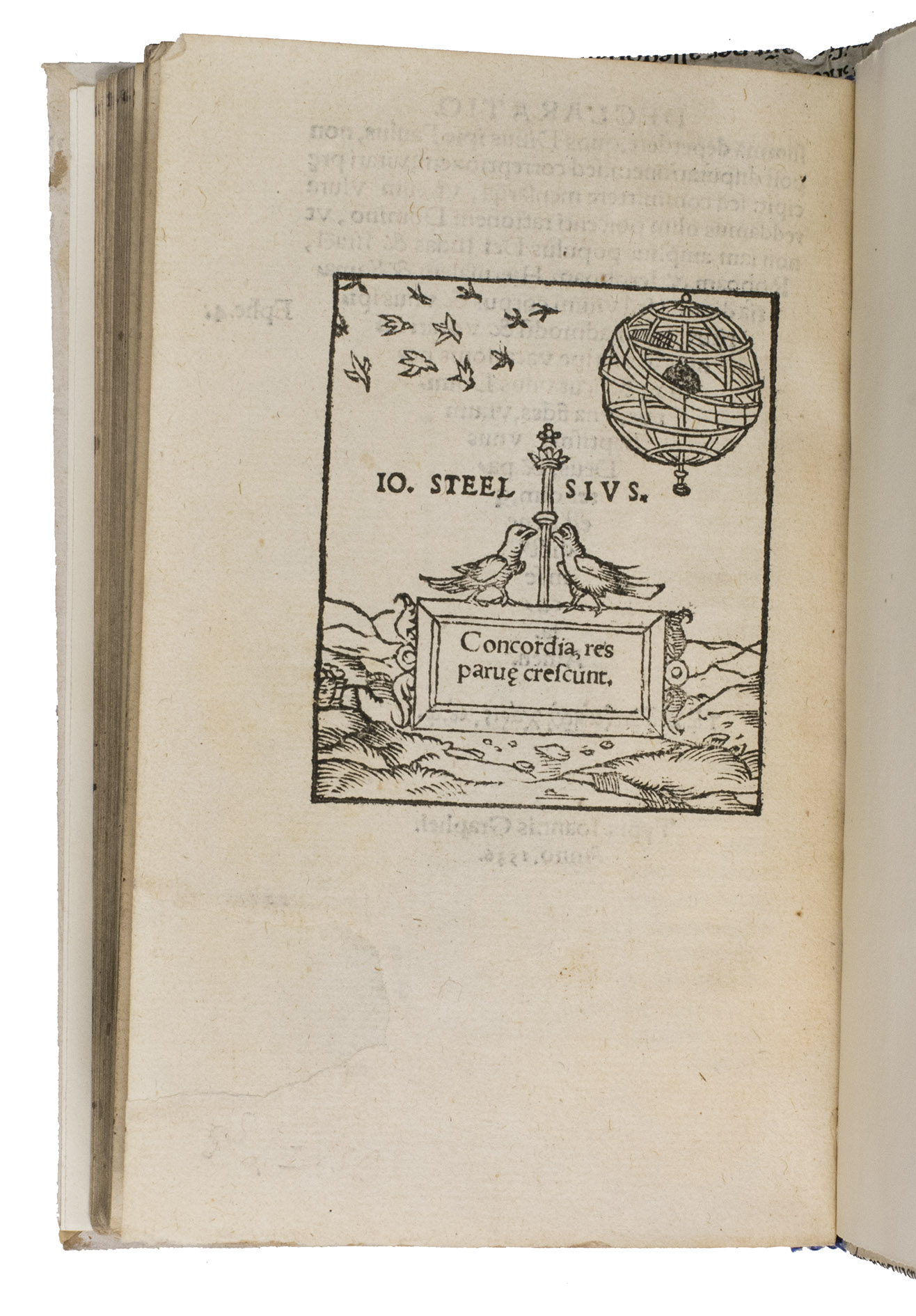
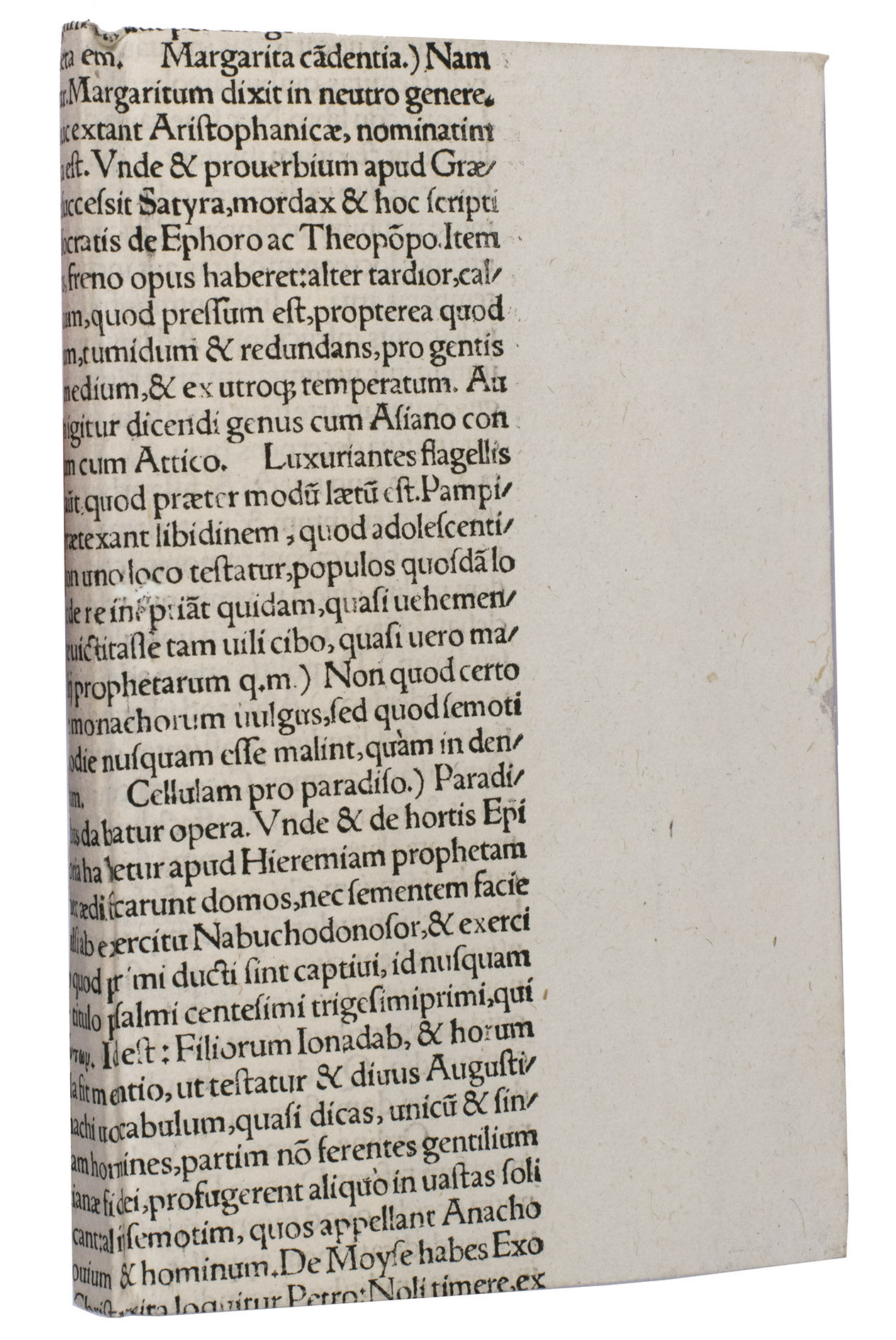
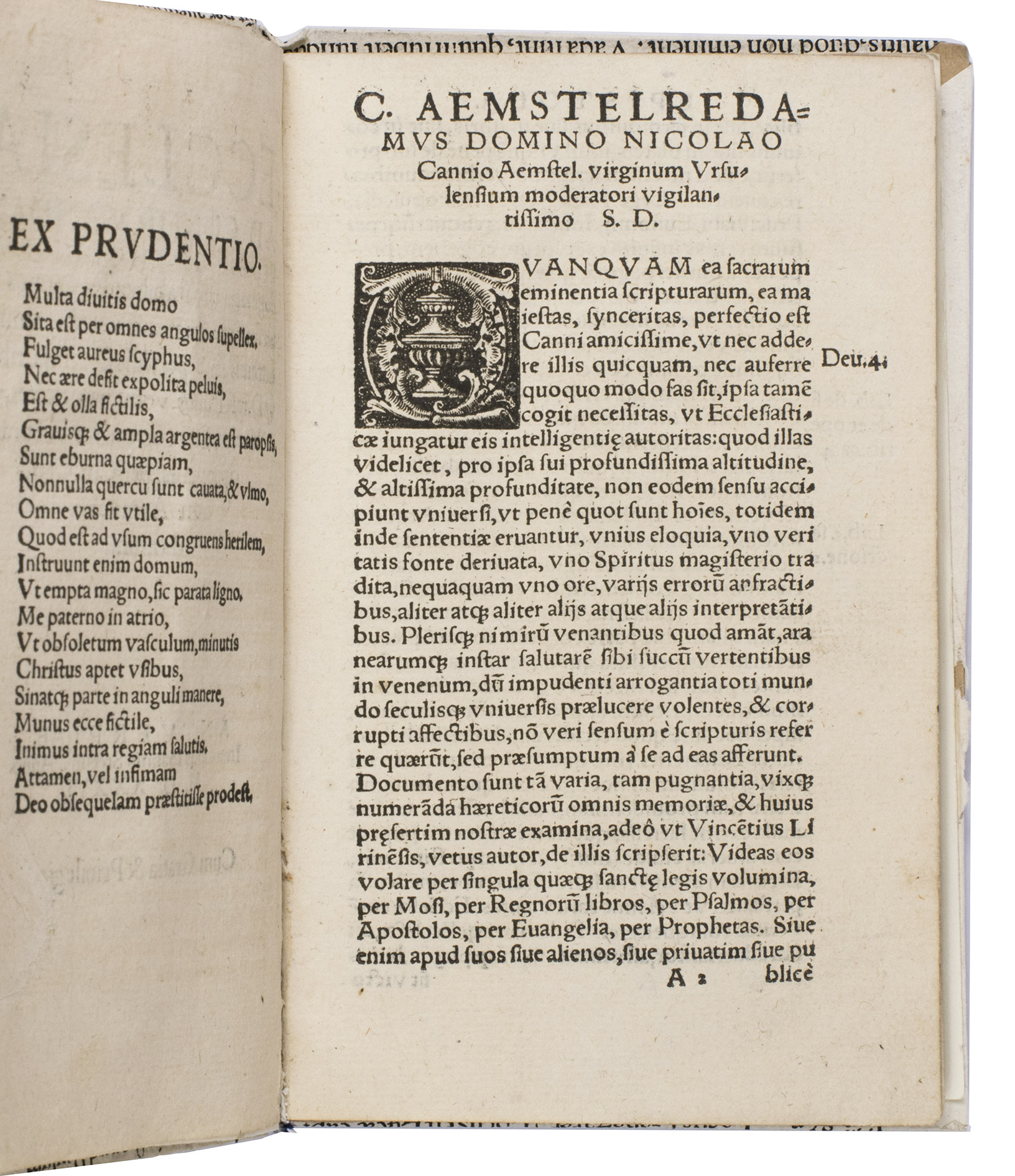
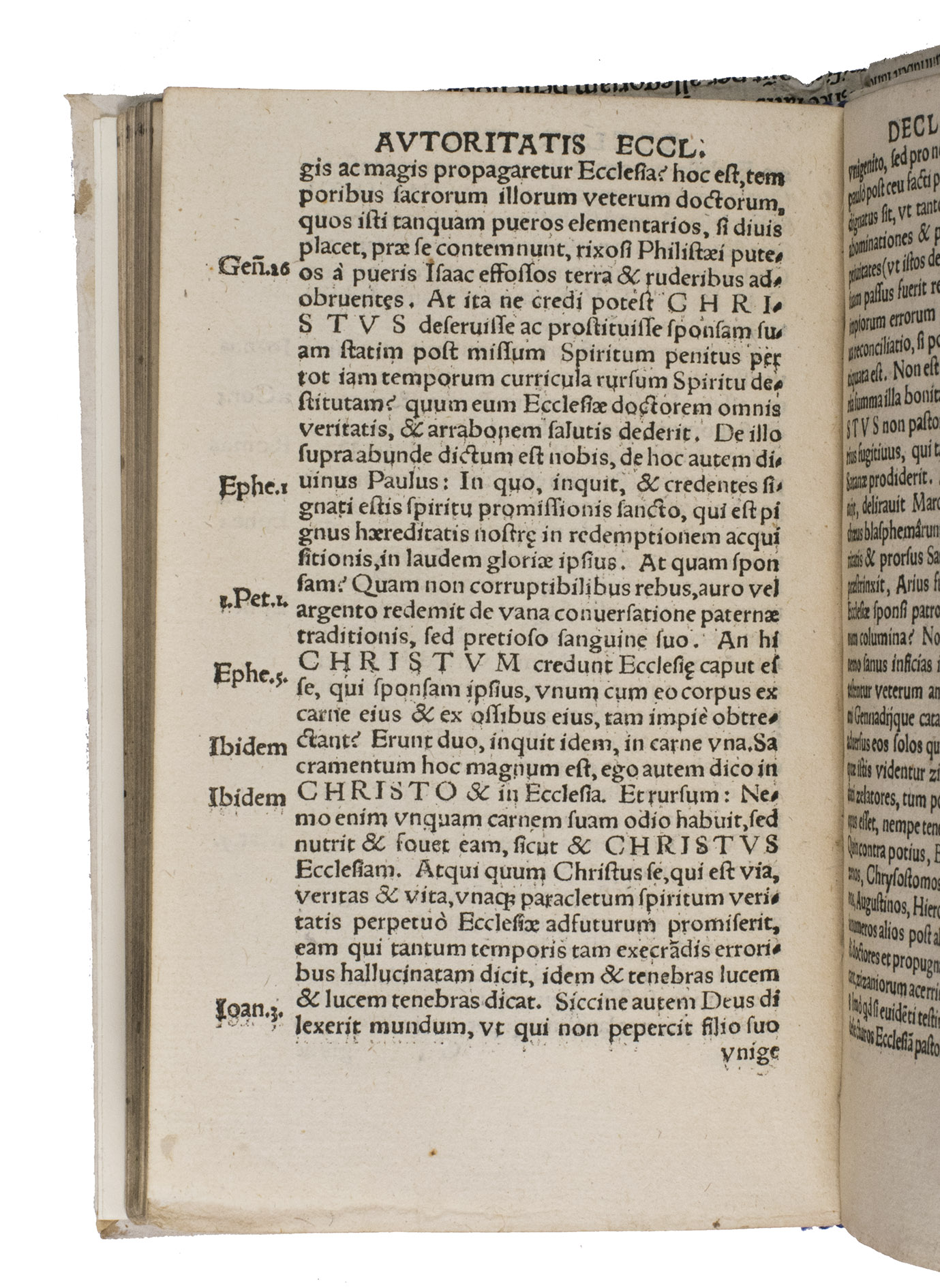
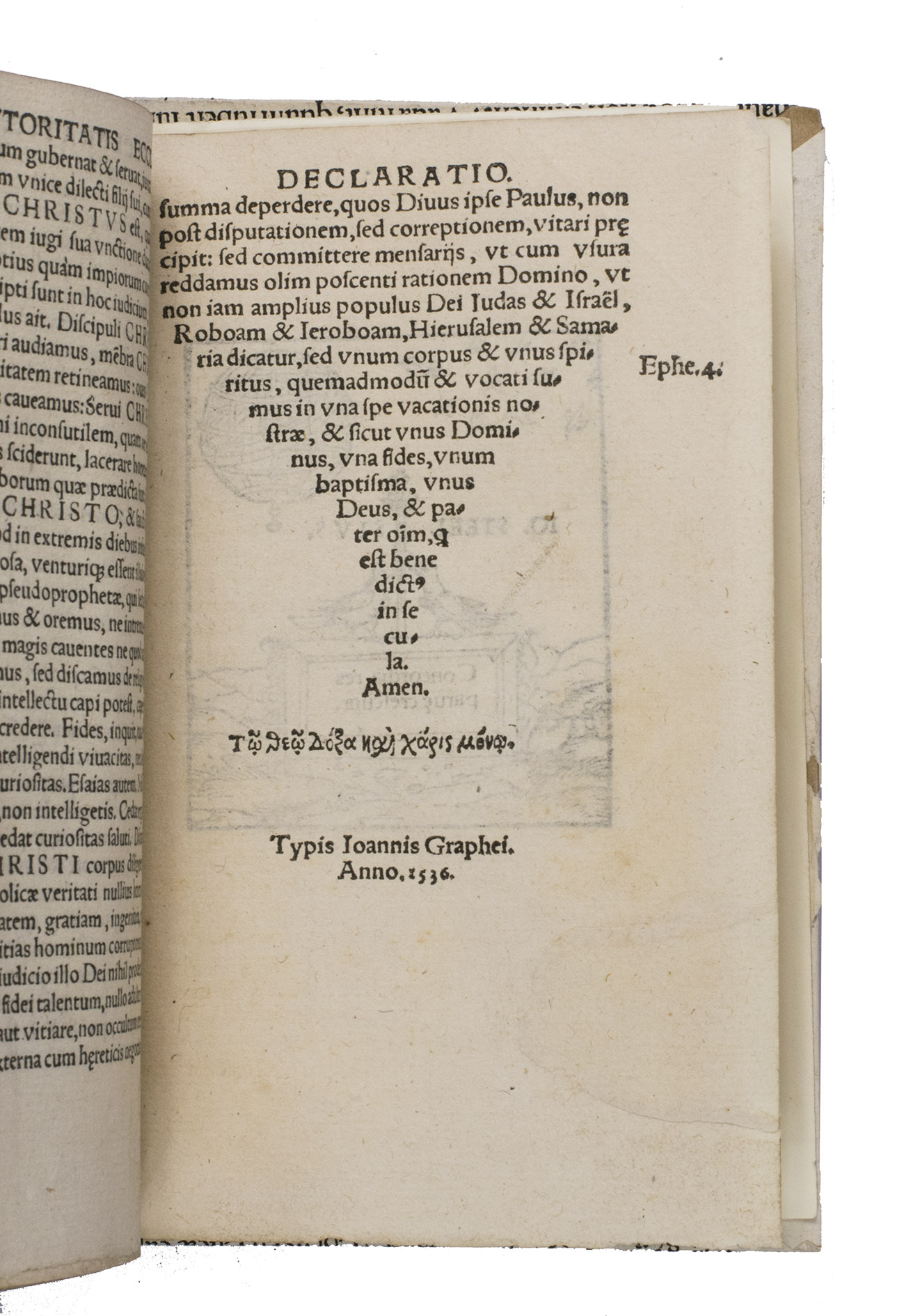
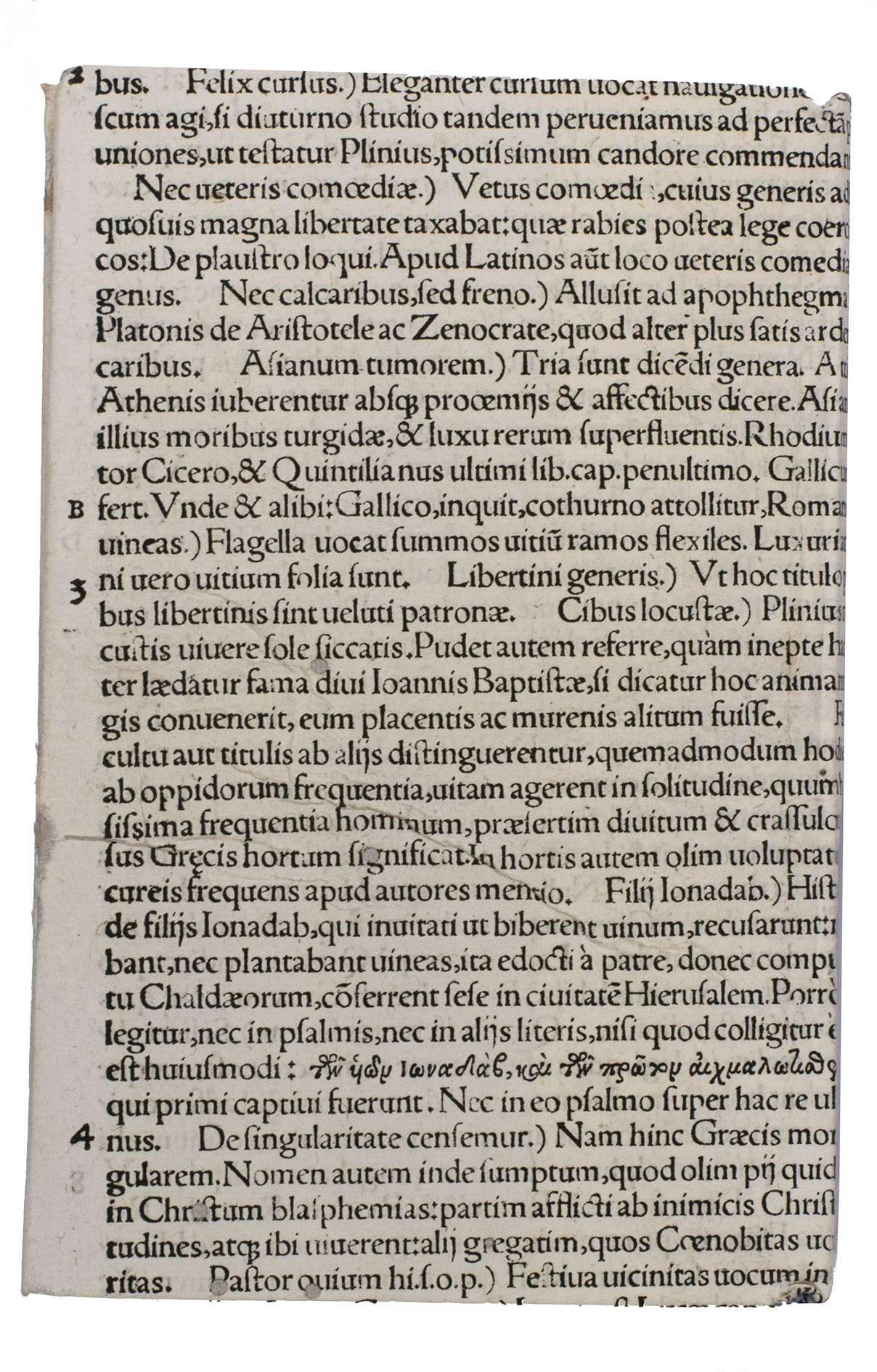
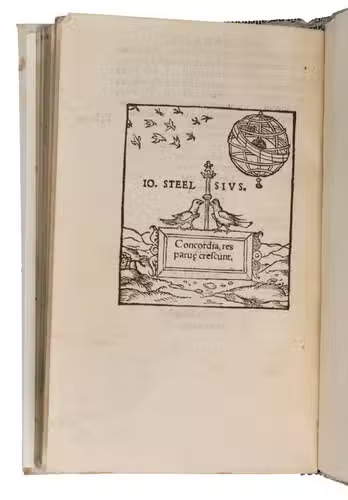
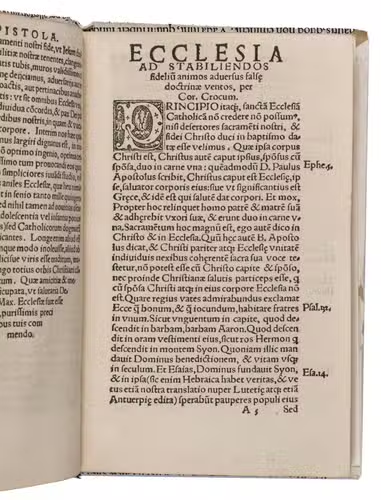
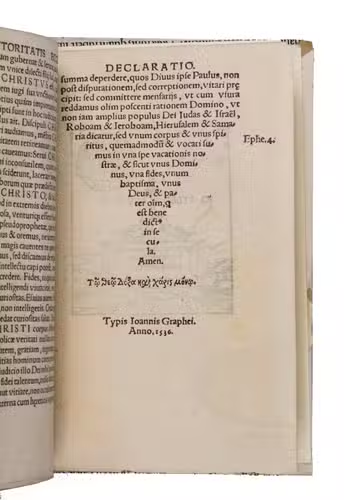
Antwerp, Joannes Grapheus (colophon:) for Joannes Steelsius, 1536. 8vo (15.3 x 8.5 cm). With a full page woodcut illustration incorporating Steelsius' device at the end, and with 1 woodcut decorated initial. Modern printer's waste paper binding. [55] ll.
€ 2,250
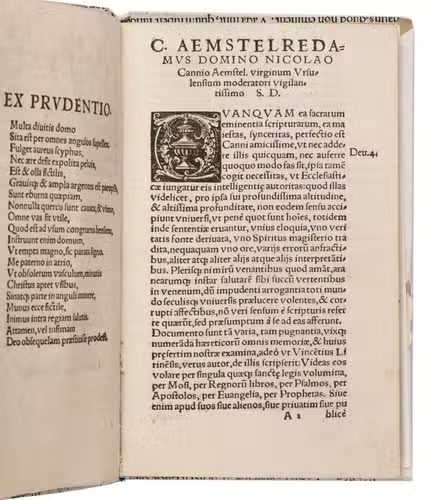
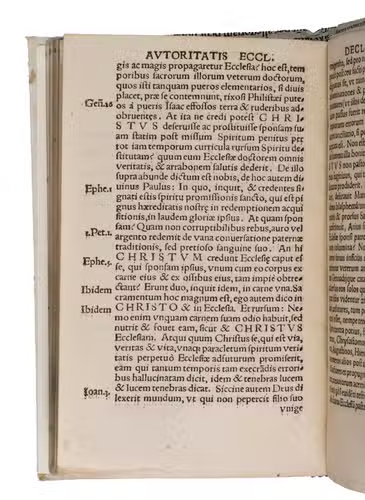
Rare first edition of Cornelius Crocus (ca. 1500-1550) major apologetic work Ecclesia, on the authority of the Catholic Church, an impassioned response to the winds of false doctrine that swept through the Low Countries in the turbulent 1530s. The book is prefaced by a six page dedicatory letter to his fellow citizen Nicolaus Cannius (1504-1555), rector of the Ursuline convent in Amsterdam. In this preface Crocus frames the central problem of his age: although Scripture is perfect and complete, its interpretation is endlessly contested. Only the Churchs divinely guided magisterium, he argues, can anchor the faithful amidst doctrinal turmoil.
Crocus, educated at Louvain and praised by Erasmus for the purity of his Latin, spent most of his life in Amsterdam, where he served as rector of the Latin school and became an influential humanist pedagogue. A vigorous defender of Catholic orthodoxy, he had already opposed Lutheran teaching in De Fide et Operibus (1531) and answered the Anabaptists in his Dissertatio cum Anabaptistis (1535). In Ecclesia, his most substantial and enduring theological work, he takes aim at the doctrinal excesses of Anabaptists, Sacramentarians and other reforming groups, not with speculative theology but with a battery of Scripture, patristic authorities and church history. The tone is at times sharp, unsurprising in the aftermath of the unrest of 1535, but the work is conceived as a pastoral tool, intended "especially for the preachers of the Word of God" (verbi Dei concionatoribus).
Crocus himself would eventually join the Jesuits. After resigning his Amsterdam rectorship and travelling to Rome, on foot, as vowed, he was received personally by Ignatius of Loyola (1491-1556), but died only weeks later in the summer of 1550. His early death did not diminish the esteem in which he was held: Jesuit houses circulated notices honouring him, and his friend Cannius is said to have written a biography now lost.
The Ecclesias historical importance was recognised early. Humanist scholars such as Alardus of Amsterdam (1491-1544) drew upon it, and later Jesuit editors included Crocus ecclesiological writings in their collected editions.
With 2 small fragments cut from the title page and the final leaf, repaired with old paper, and some occasional browning. Otherwise in good condition. Kölker, p. 309 no. 27; Nijhoff & Kronenberg 644; Ter Gouw, "Geschiedenis van Amsterdam" 5 (1886), p. 465; USTC 404823 (10 copies); not in STCV.
Related Subjects: