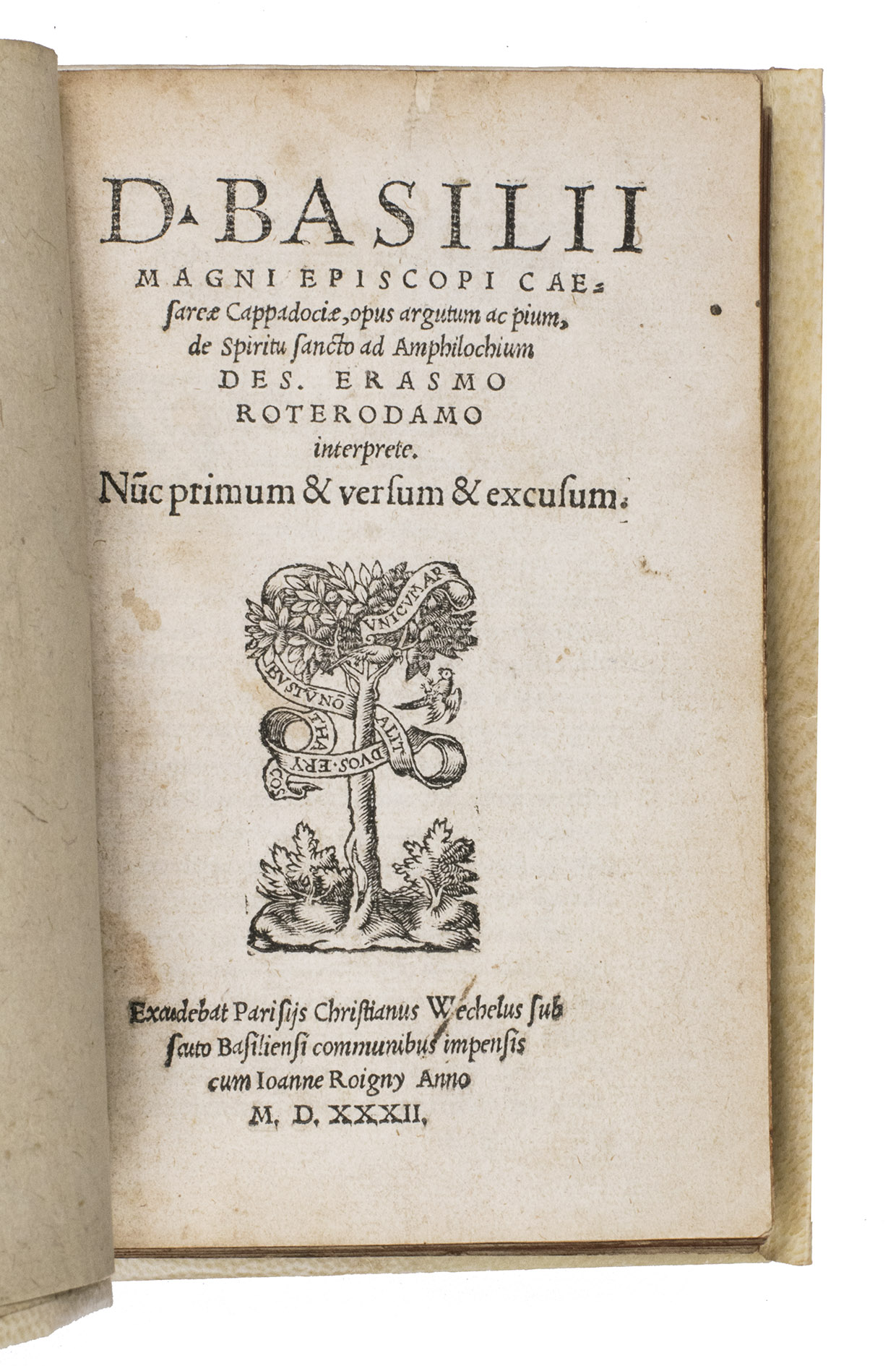
CAESAREA, Basil of (SAINT BASIL, attributed) and Desiderius ERASMUS (translator).
Opus argutum ac pium, de spiritu sancto ad amphilochium.
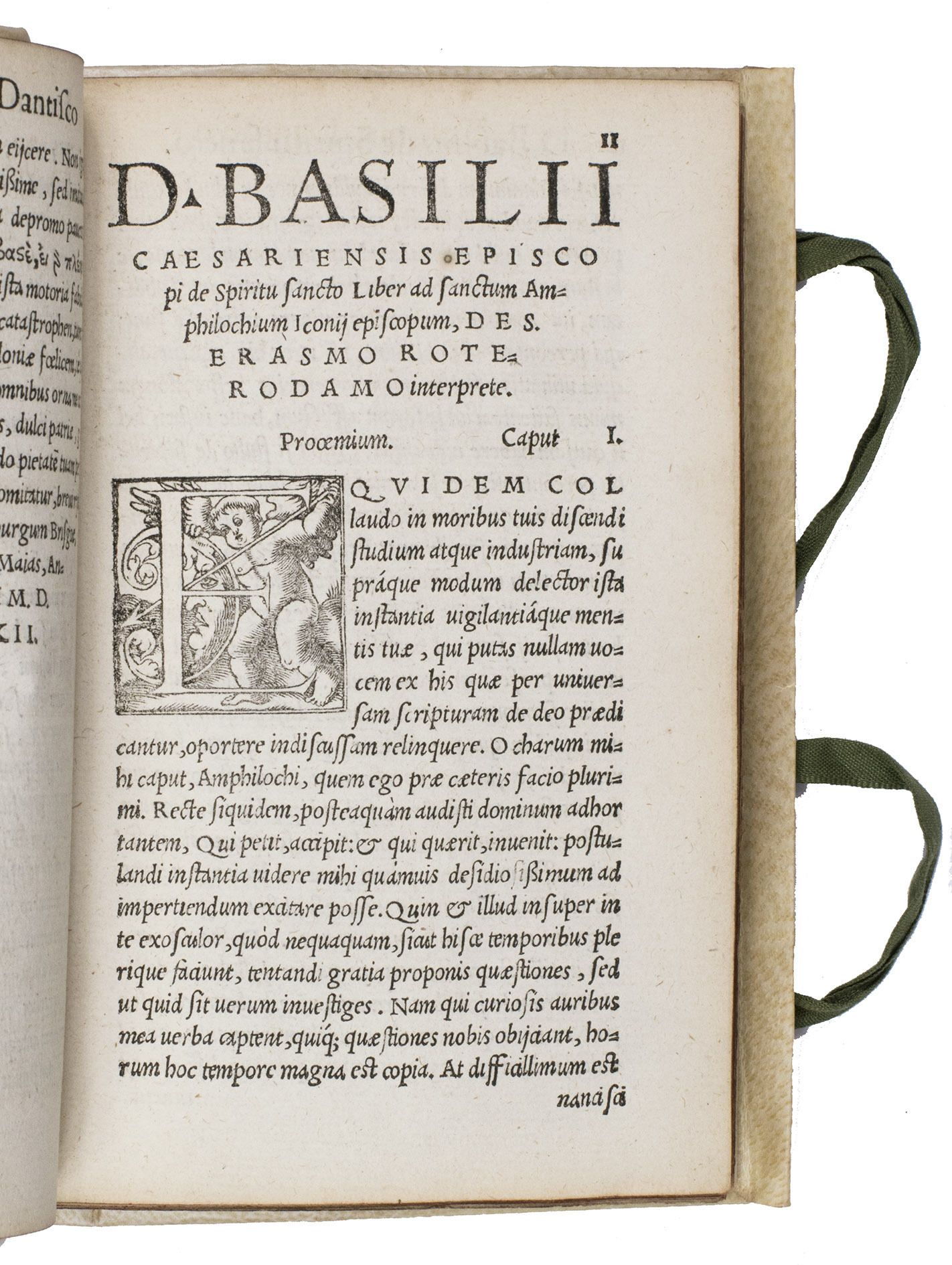
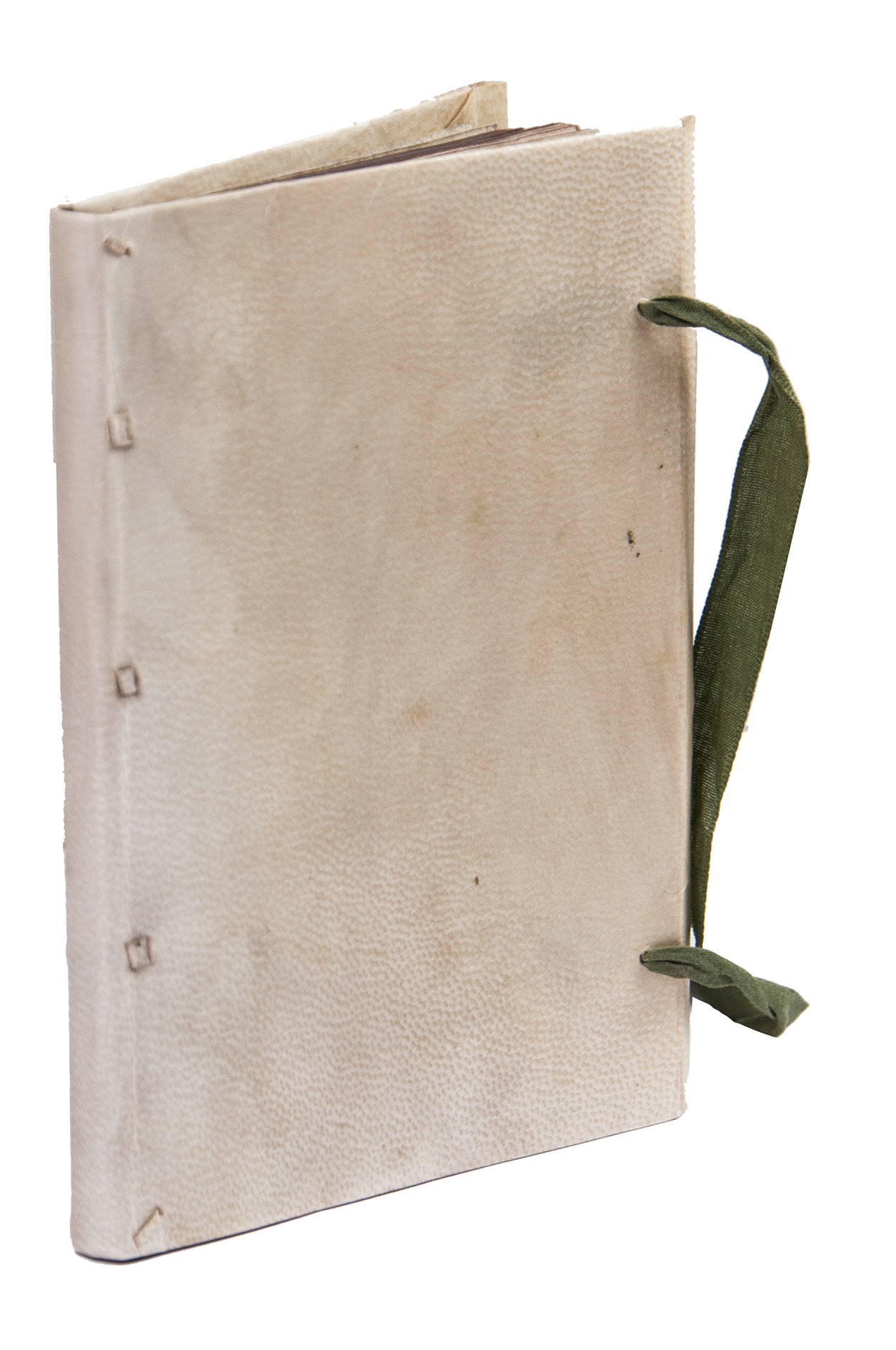
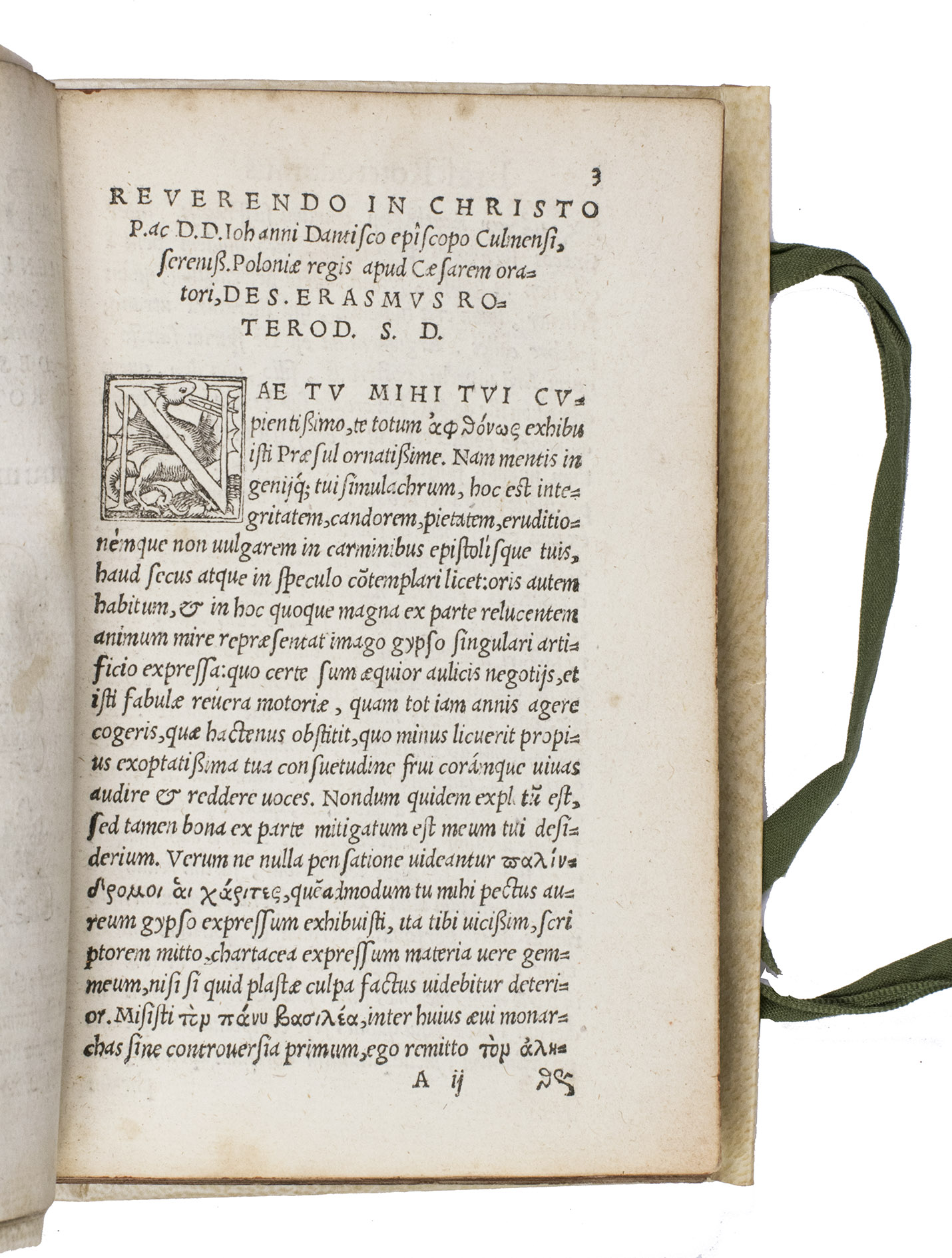
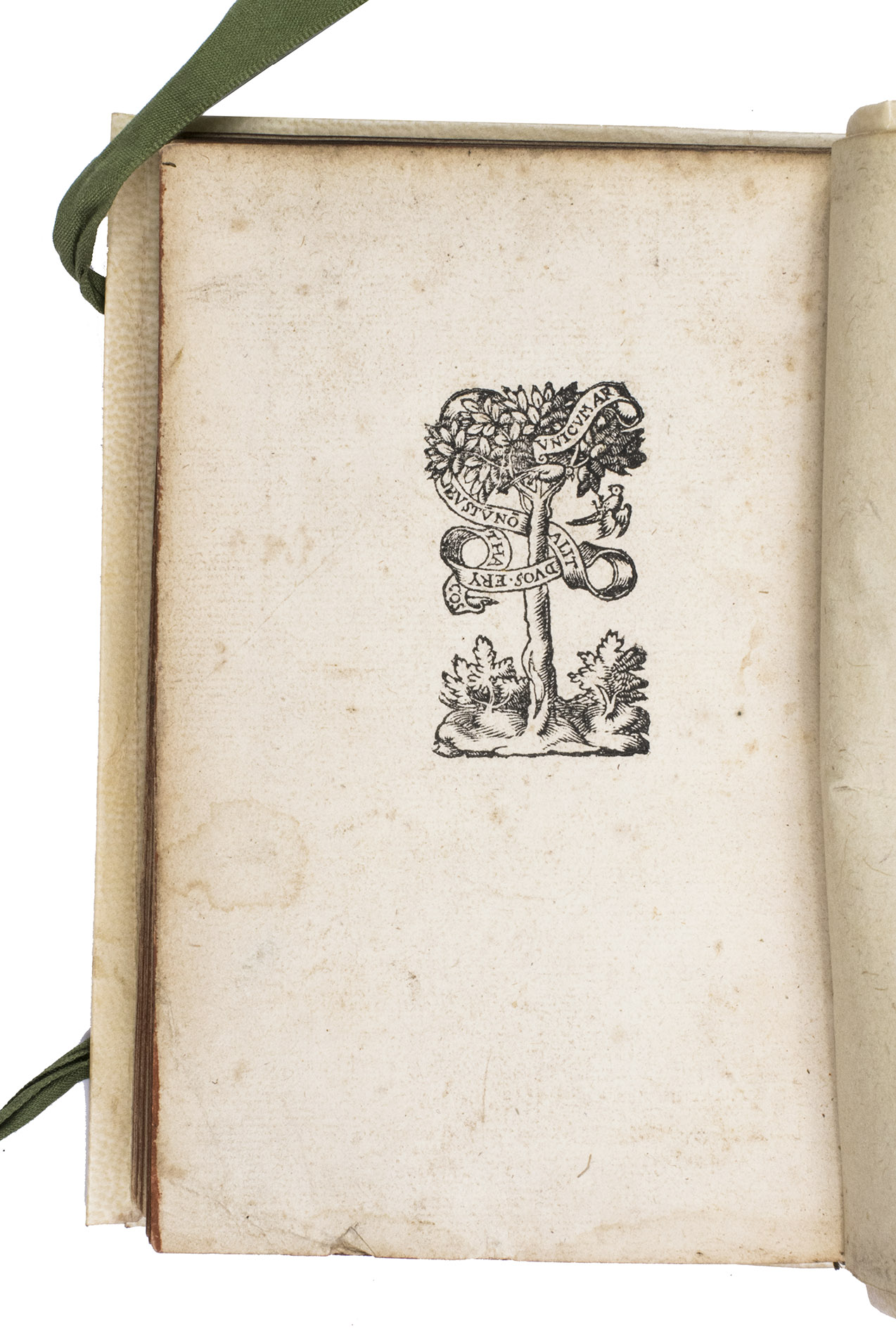
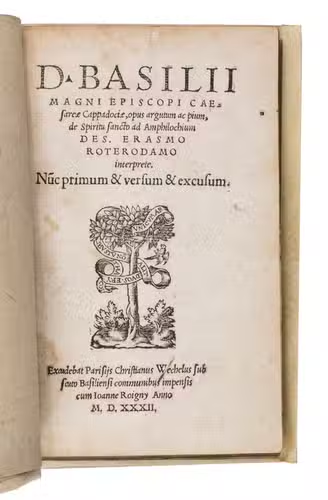
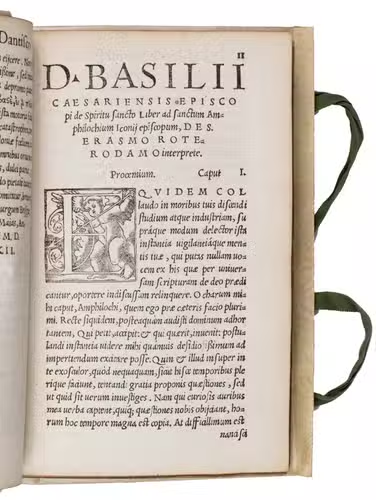
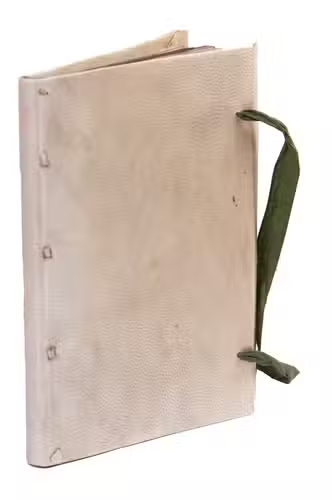
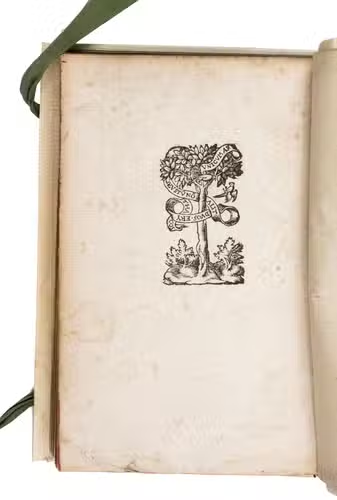
Paris, Chréstien Wechel and Jean Roigny, 1532. Small 8vo (9.5 x 14.9 cm). With Wechels woodcut printers device on the title page and the verso of the otherwise blank last leaf, and 2 woodcut decorated initials. Modern limp overlapping vellum. 124, [3 blank],[1] pp.
€ 3,500
Very rare, second edition of Erasmus translation of a theological treatise attributed to Basil of Caesarea (330-379 CE).It was published shortly after the first edition, published in May of the same year by Froben and Episcopius in Basel (May 1532). The work is very rare, we have traced only one other copy in sales records of the past 100 years.
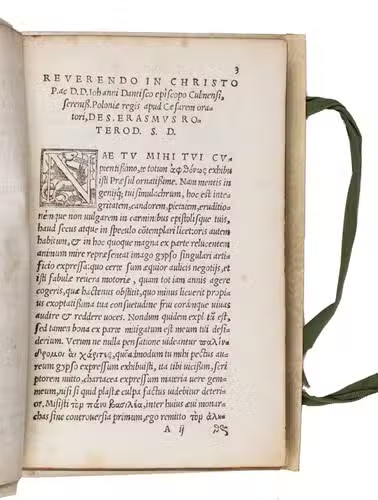
Erasmus' translation is accompanied by a dedicatory epistle to Joannes Dantiscus (1485-1548), Bishop of Culm and a prominent diplomat of the Polish court. The letter, dated April 30, 1532 reflects Erasmus conviction that direct engagement with the texts of the Church Fathers, rather than with flawed Latin intermediaries, was vital for the renewal of Christian piety. As Erasmus himself declared: "It would be of great benefit to sacred letters and Christian devotion if Basil himself [in Greek], and not the shadow of Basil [a Latin translation], were made available to all."
His source text was a Greek edition he had published just two months prior. According to Julián (2022), Erasmus wanted to publish everything they could find from Basil, lamenting that in the existing Latin versions, "the greater part of him is missing." Interestingly, the legacy of this work can be traced further back to the 15th century, when George of Trebizond (1395-1486), a Greek scholar from Crete, was commissioned by Cardinal Bessarion (1403-1472) in 1440 to translate both De spiritu sancto and Contra eunomium into Latin. George struggled with the theological complexity of the material, confessing in his preface (1442) that he lacked the necessary theological training and fluency in Latin. Erasmus' later effort can be seen as a corrective, and a fulfilment of that earlier humanist ambition to make the Greek Church Fathers accessible to a Western audience in an accurate and readable form.
Small tear in title page, not affecting the text, lightly water-stained margin and slightly browned throughout. Overall in very good. Colón 11; no. 158; Vander Haeghen II, 13; Moreau IV 338; V.P. Julián, Erasmo traductor y editor de los Padres de la Iglesia: Crisóstomo, Basilio y Orígenes. Salmanticensis 69(1-2)(2022), 039-075; USTC 185205, (lost book); WorldCat 150413518, 913004144 (3 copies); not in Adams, BM STC German, De Reuck; Index Aureliensis; cf. for the Basel 1532 edition: USTC 640558 (1 copy); WorldCat 257292311, 1374477181, 150413518 (3 copies).
Related Subjects: