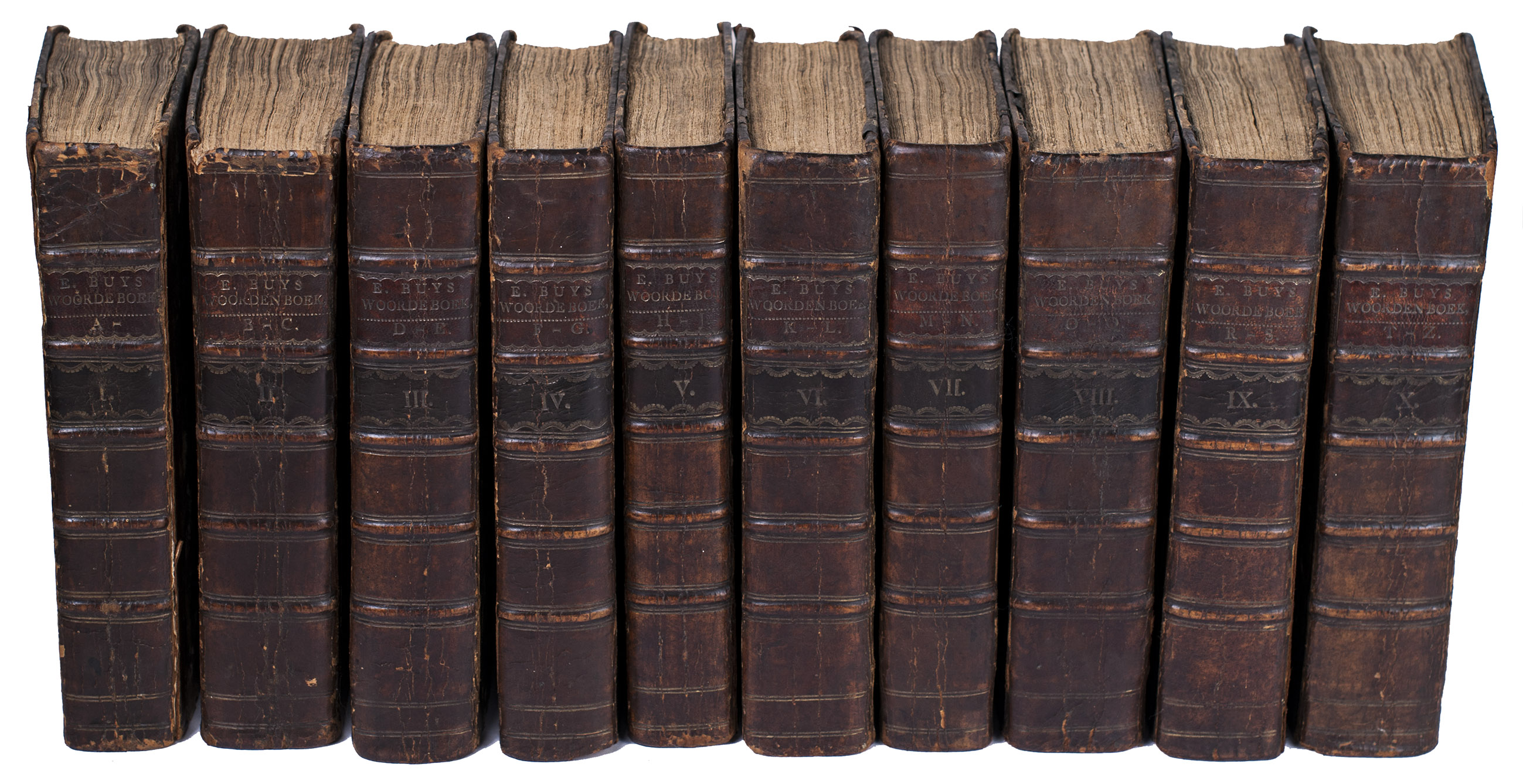
BUYS, Egbert.
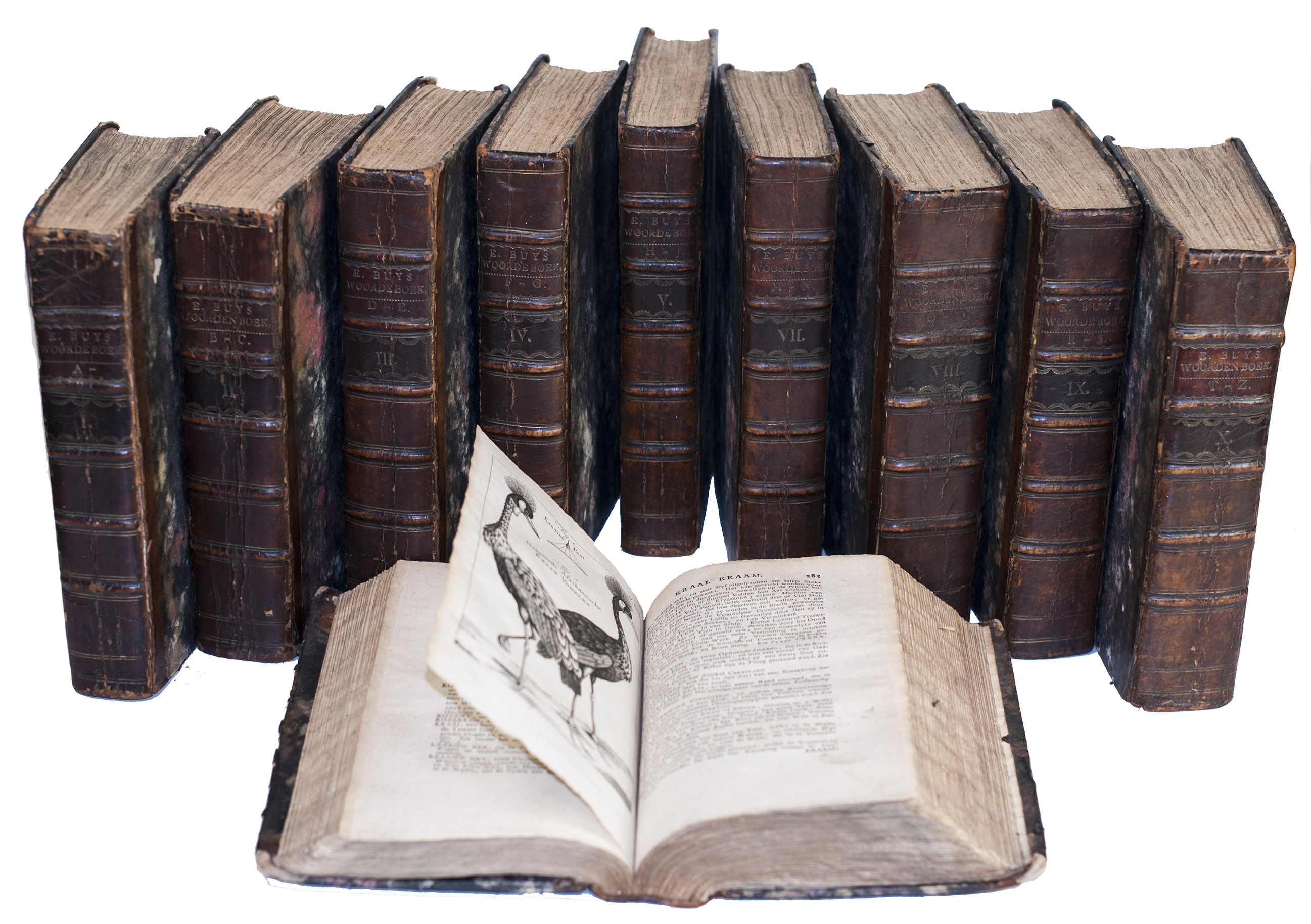
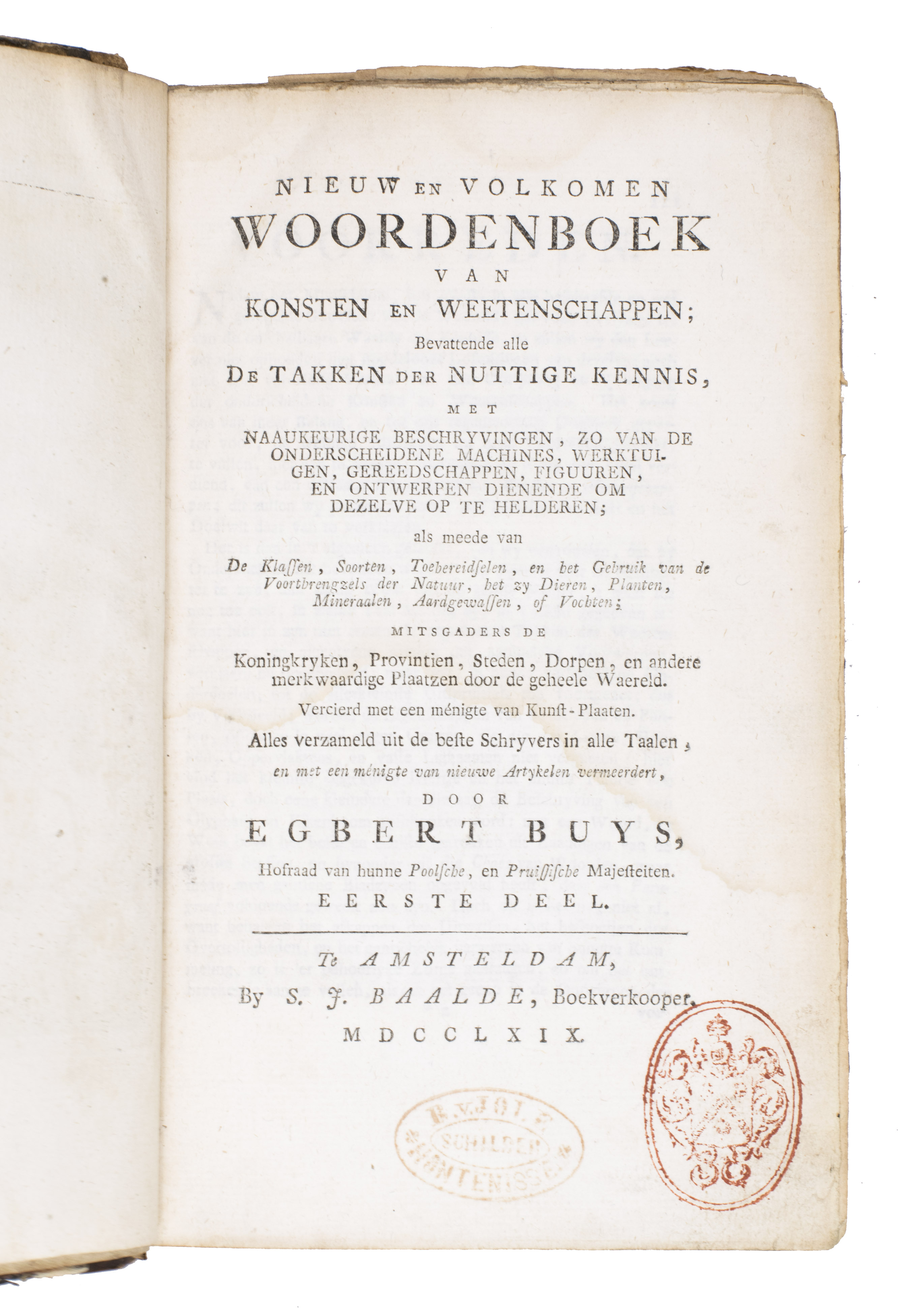
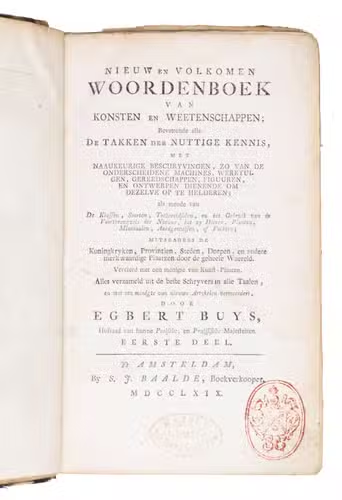
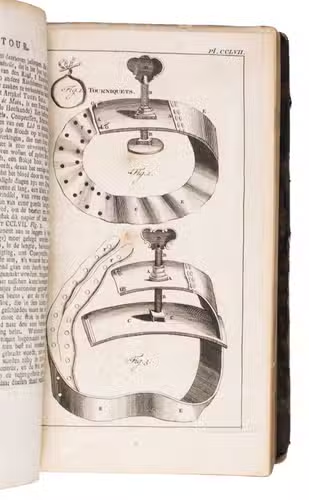
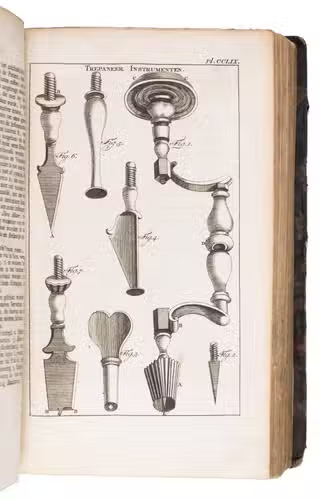
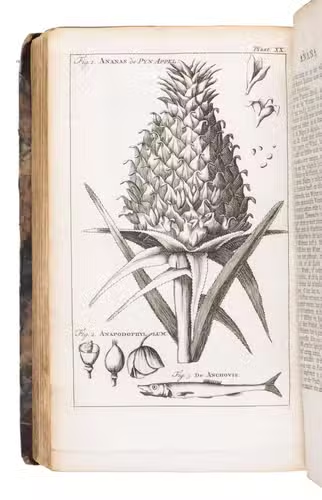
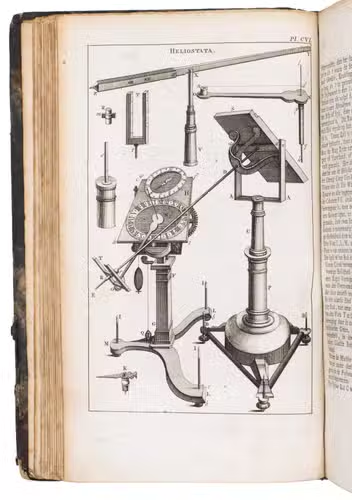
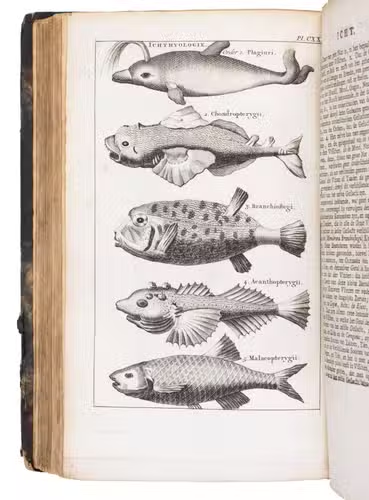
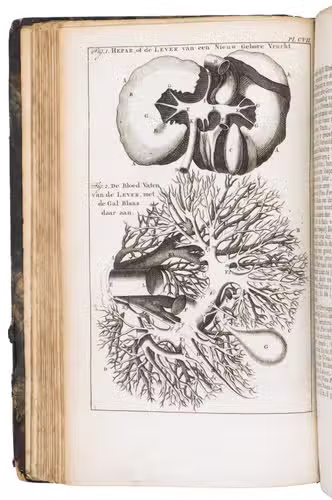
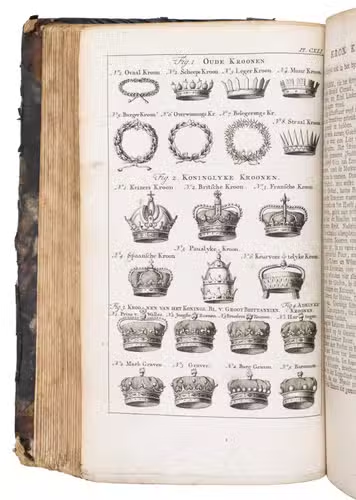
Nieuw en volkomen woordenboek van konsten en weetenschappen: bevattende alle de takken der nuttige kennis, met naaukeurige beschryvingen, zo van de onderscheidenen machines, werktuigen, gereedschappen, figuuren, en ontwerpen dienende om dezelve op te helderen; als mede van de klassen, soorten, toebereidselen, en het gebruik van de voortbrengzels der natuur, het zy dieren, planten, mineraalen, aardgewassen, of vochten; mitsgaders de koningkryken, provintien, steden, dorpen, en andere merkwaardige plaatzen dor de geheele waereld.
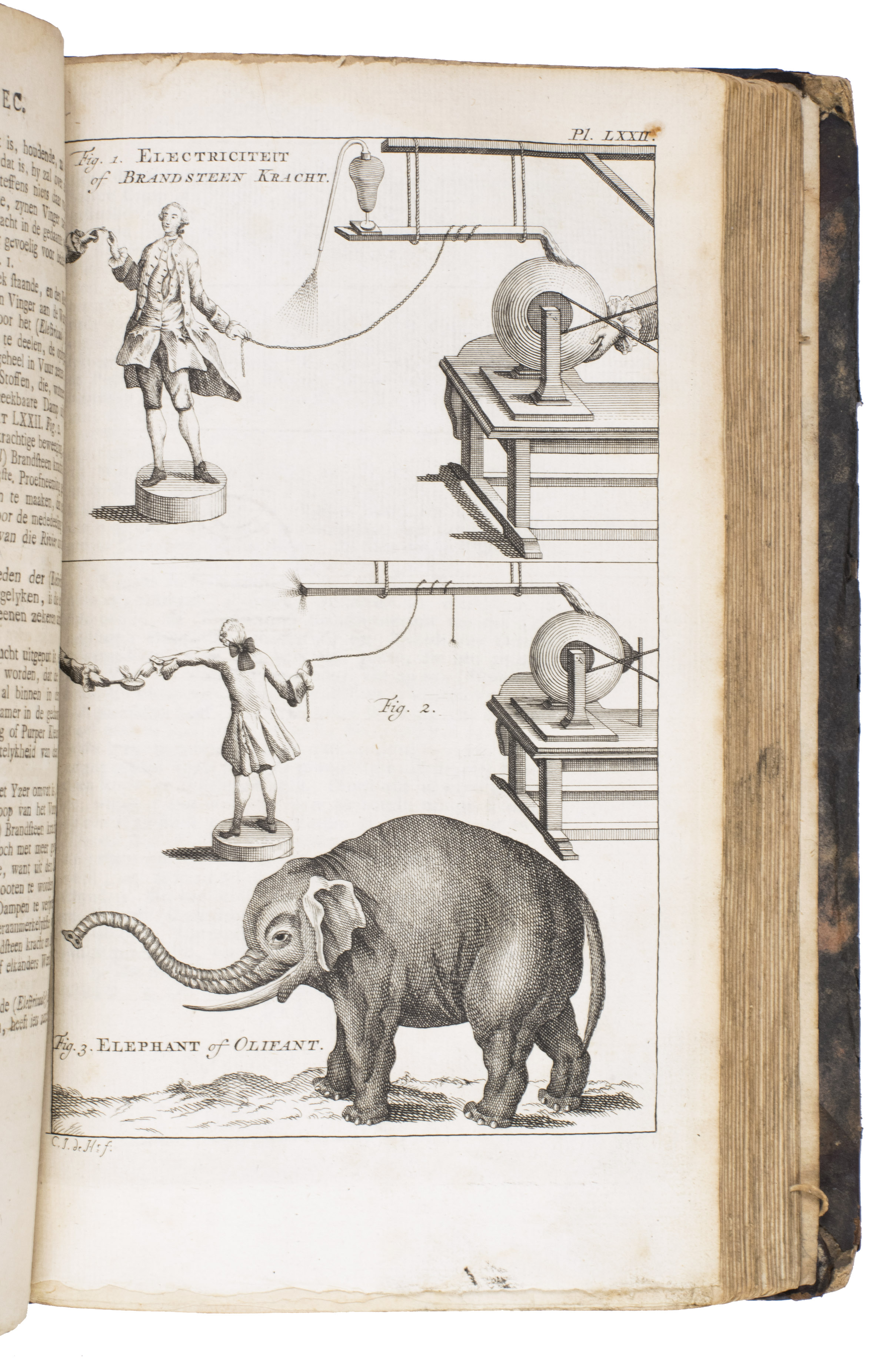
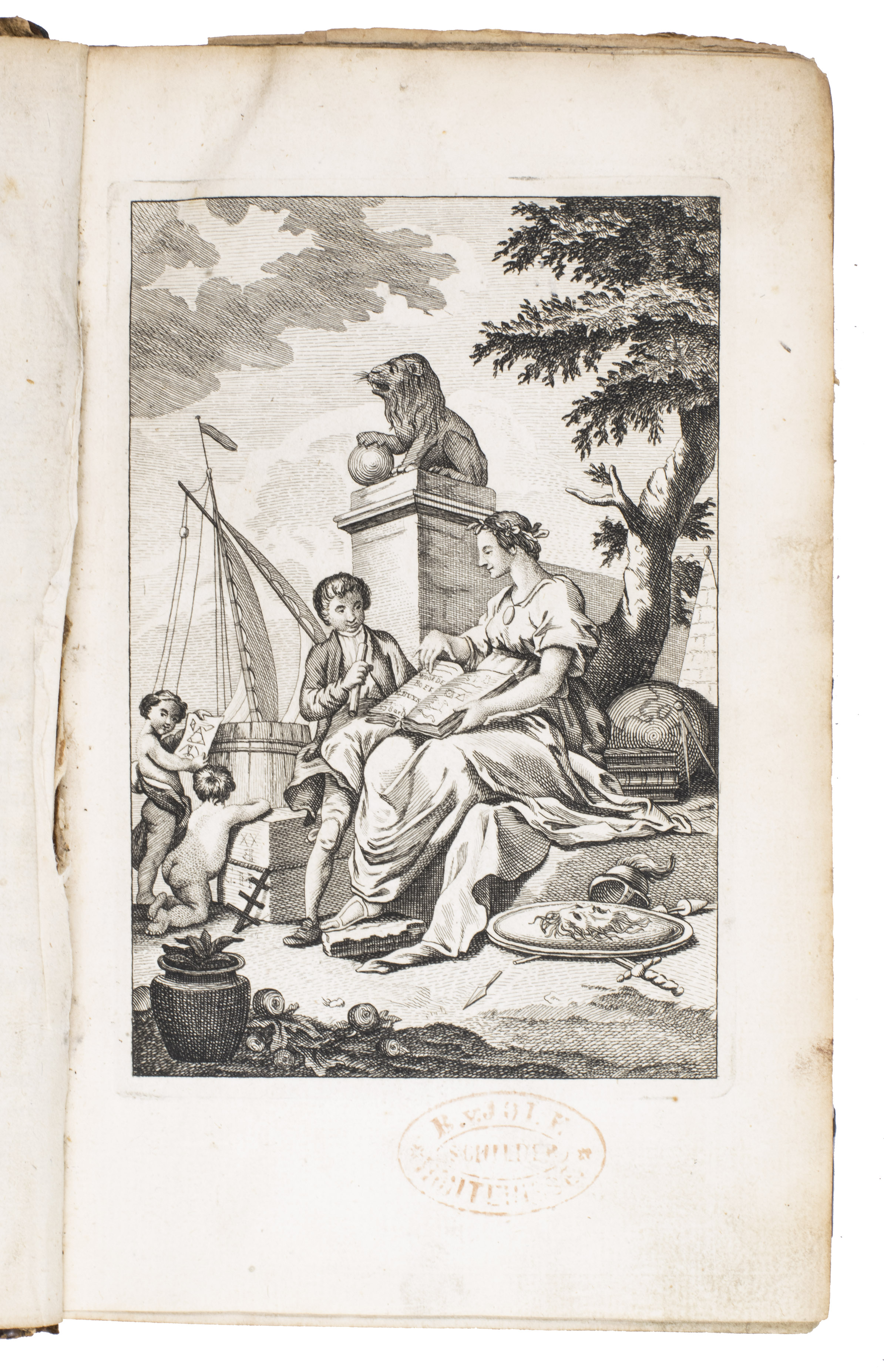
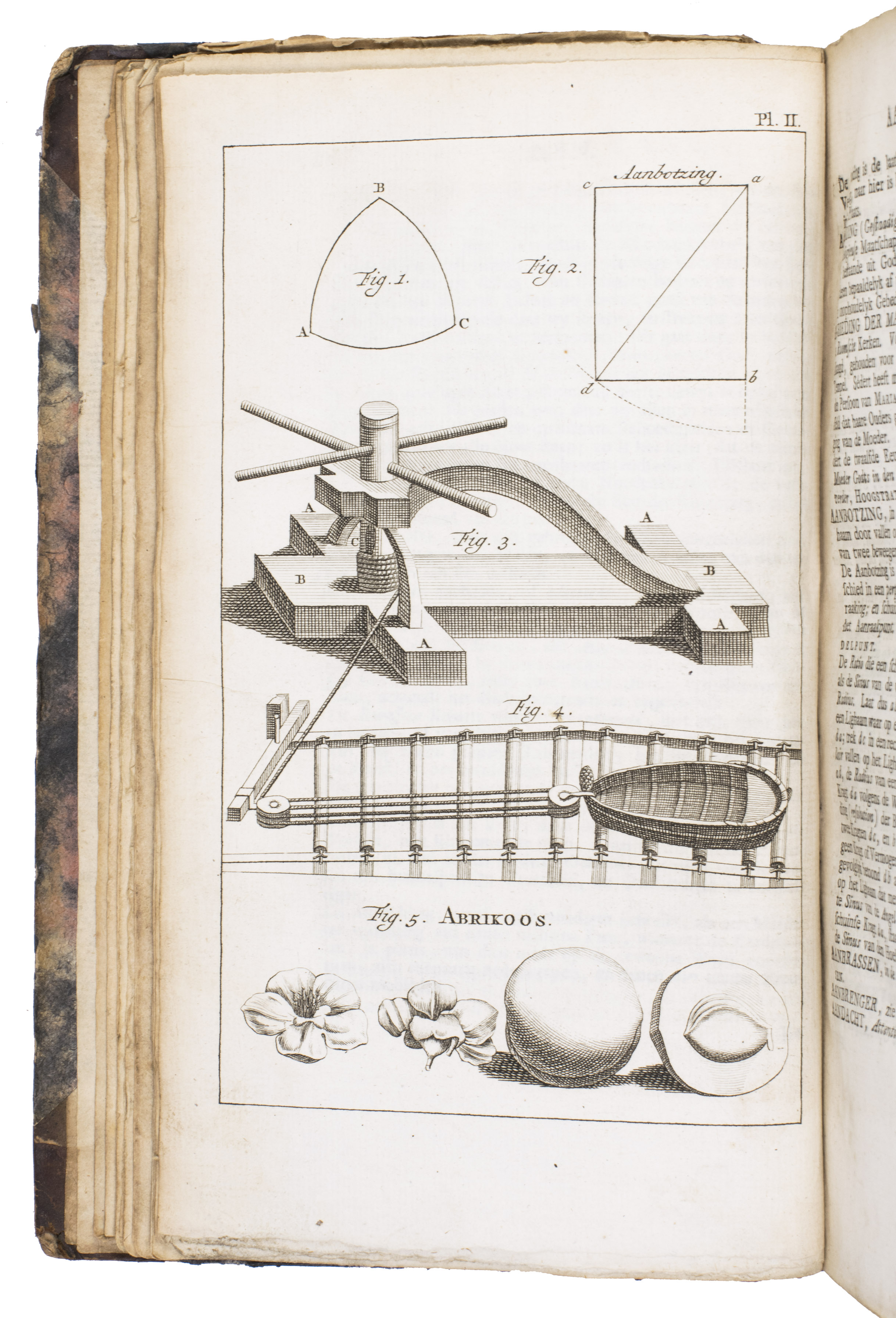
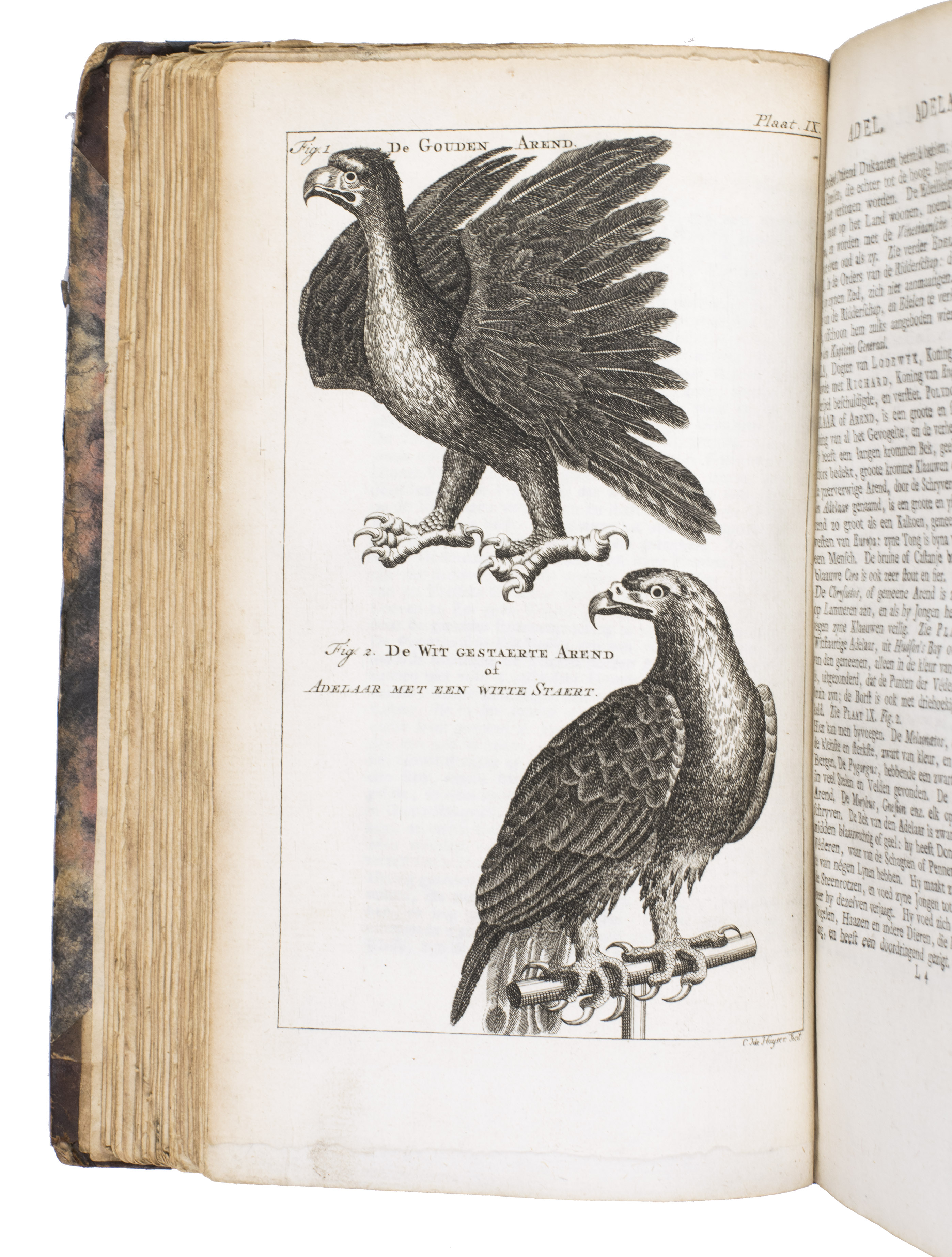
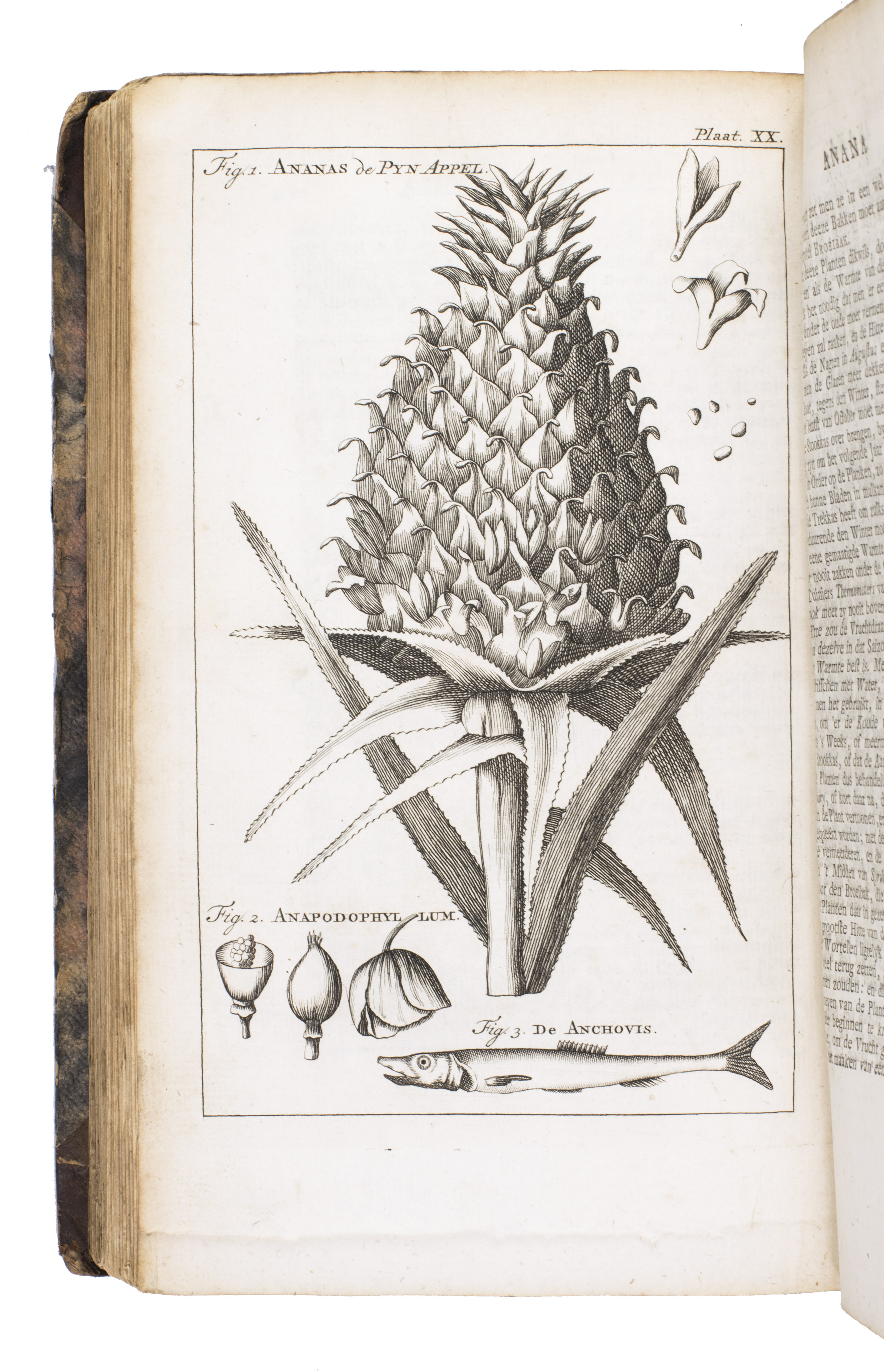
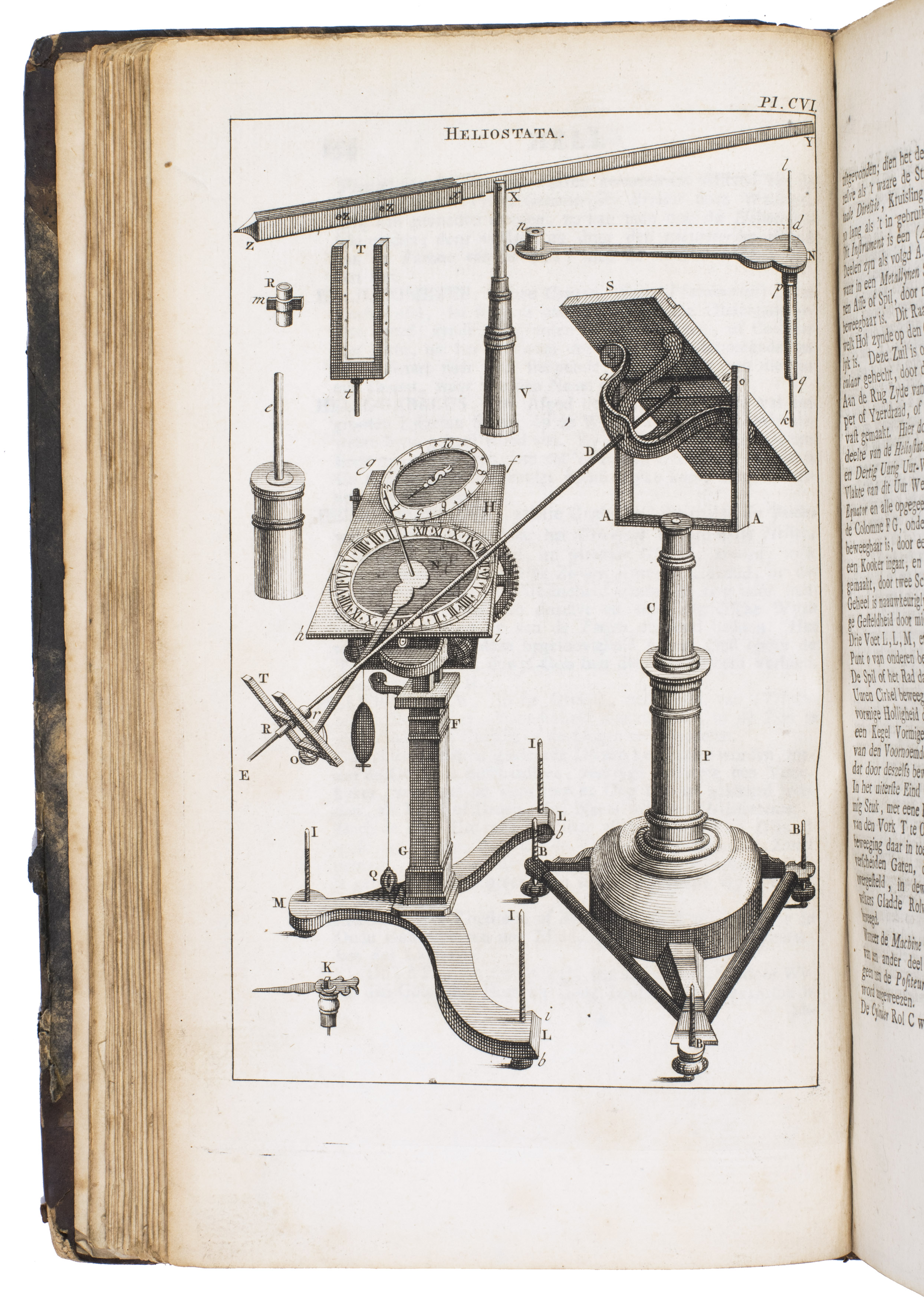
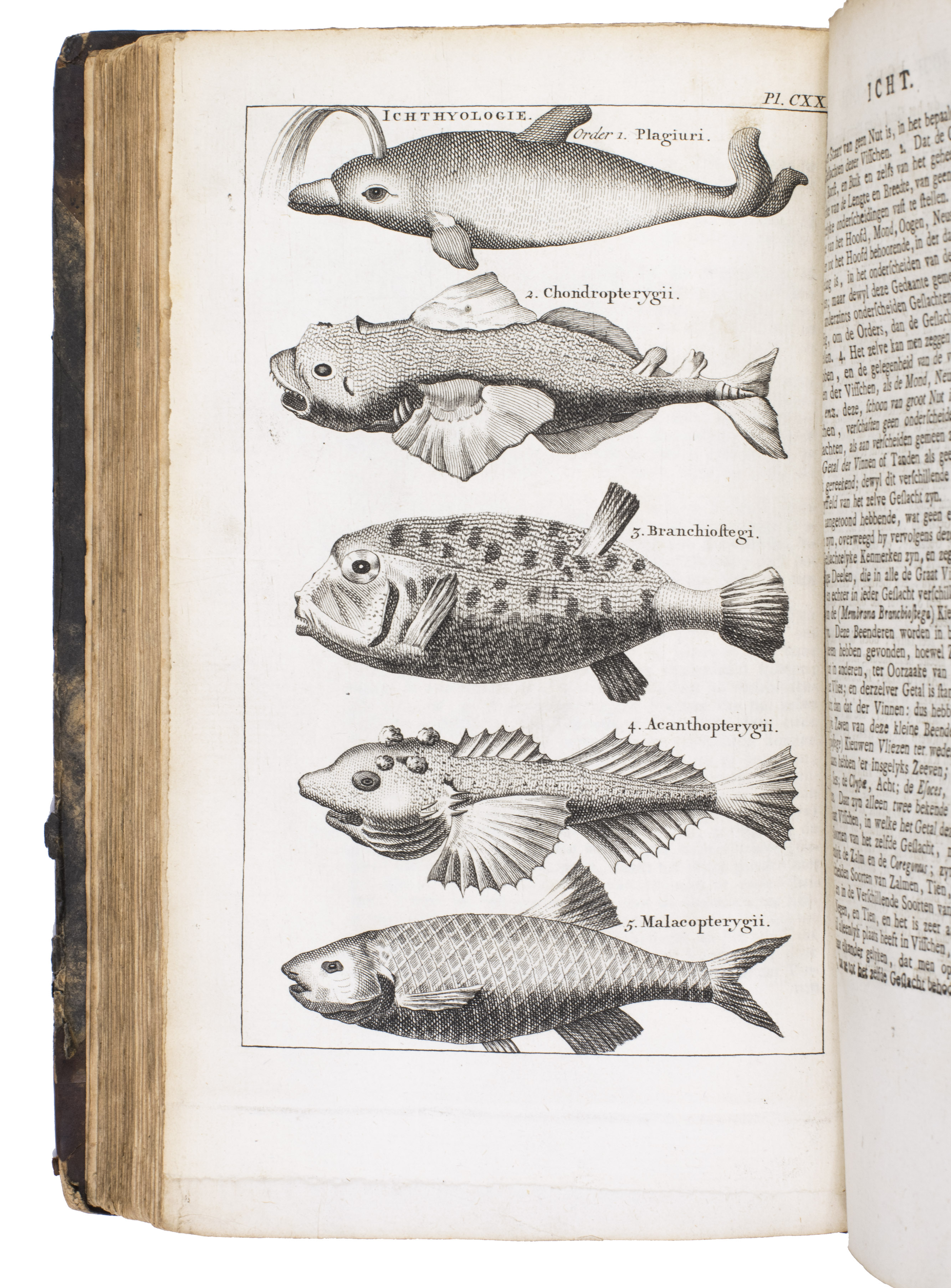
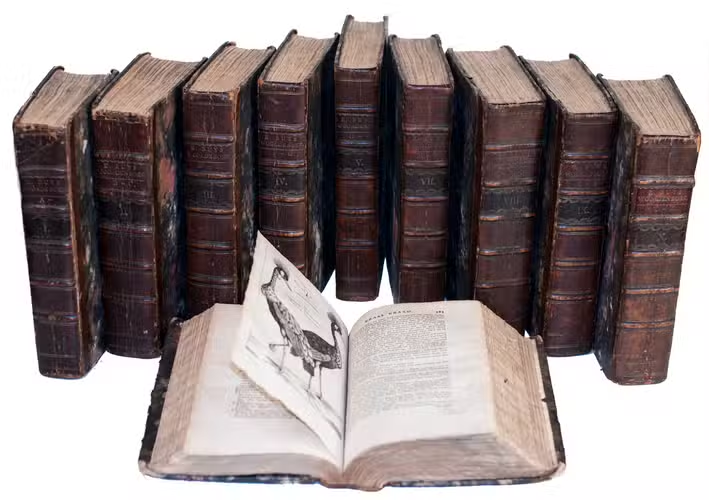
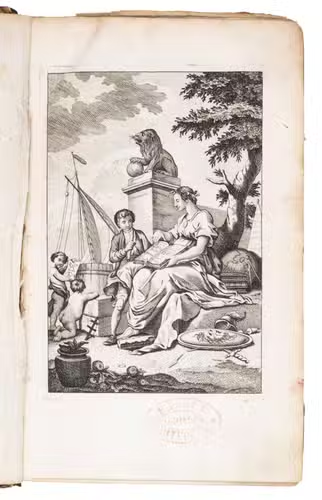
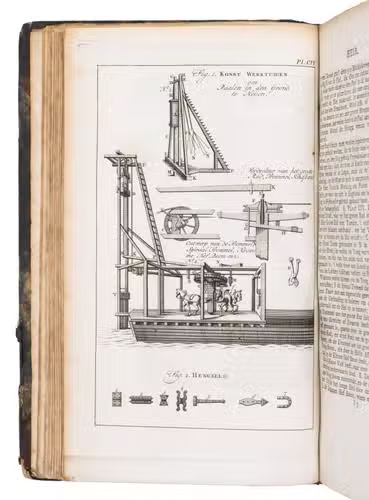
Amsterdam, Steven Jacobus Baalde, 1769 -1778. 10 volumes. 8vo. With an engraved frontispiece in the first volume, 282 engraved plates (1 folding, 281 full-page), a folding letterpress table in the first volume, and several tables in the text. Contemporary half calf. Ca. 8000p.
€ 4,500
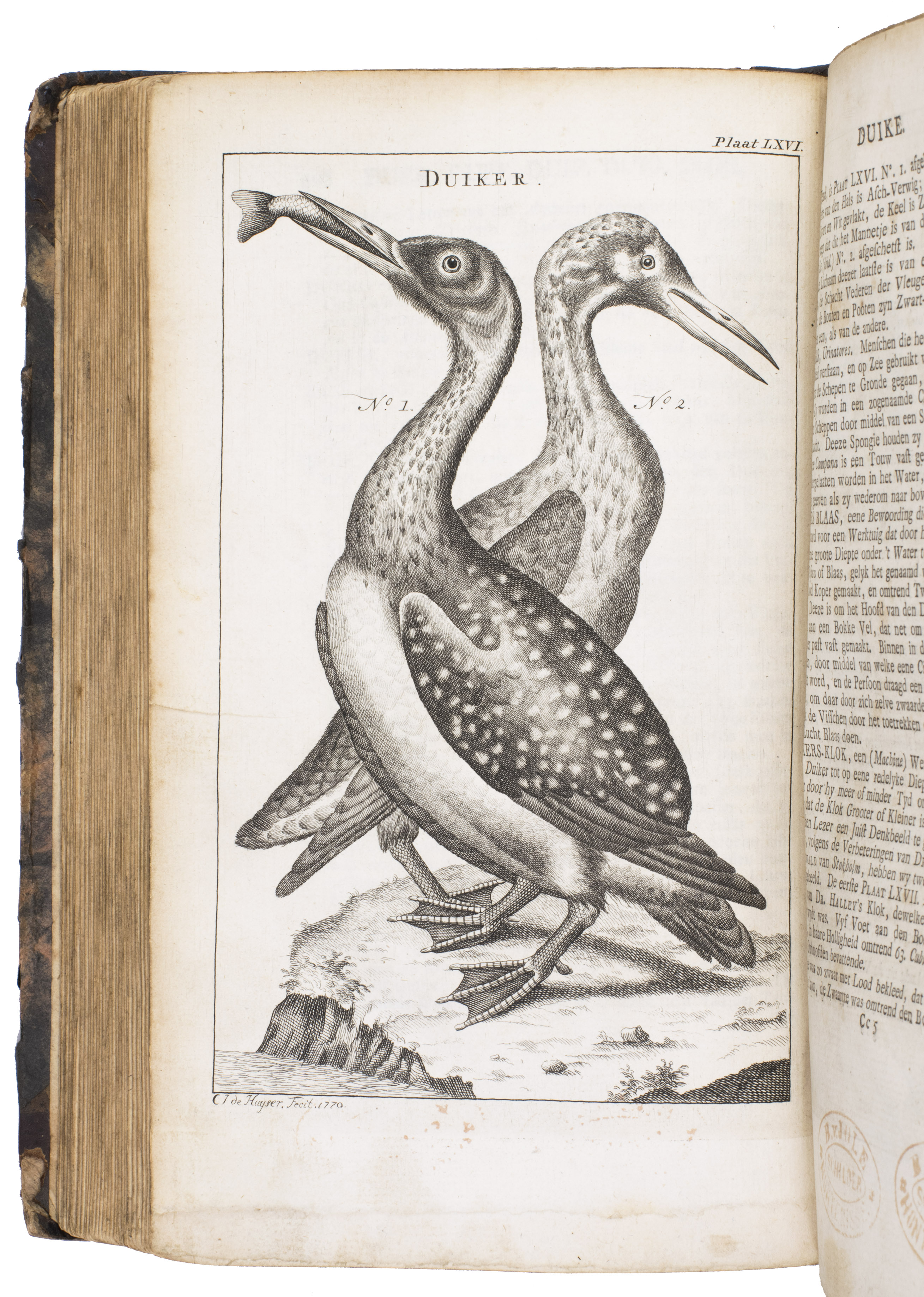
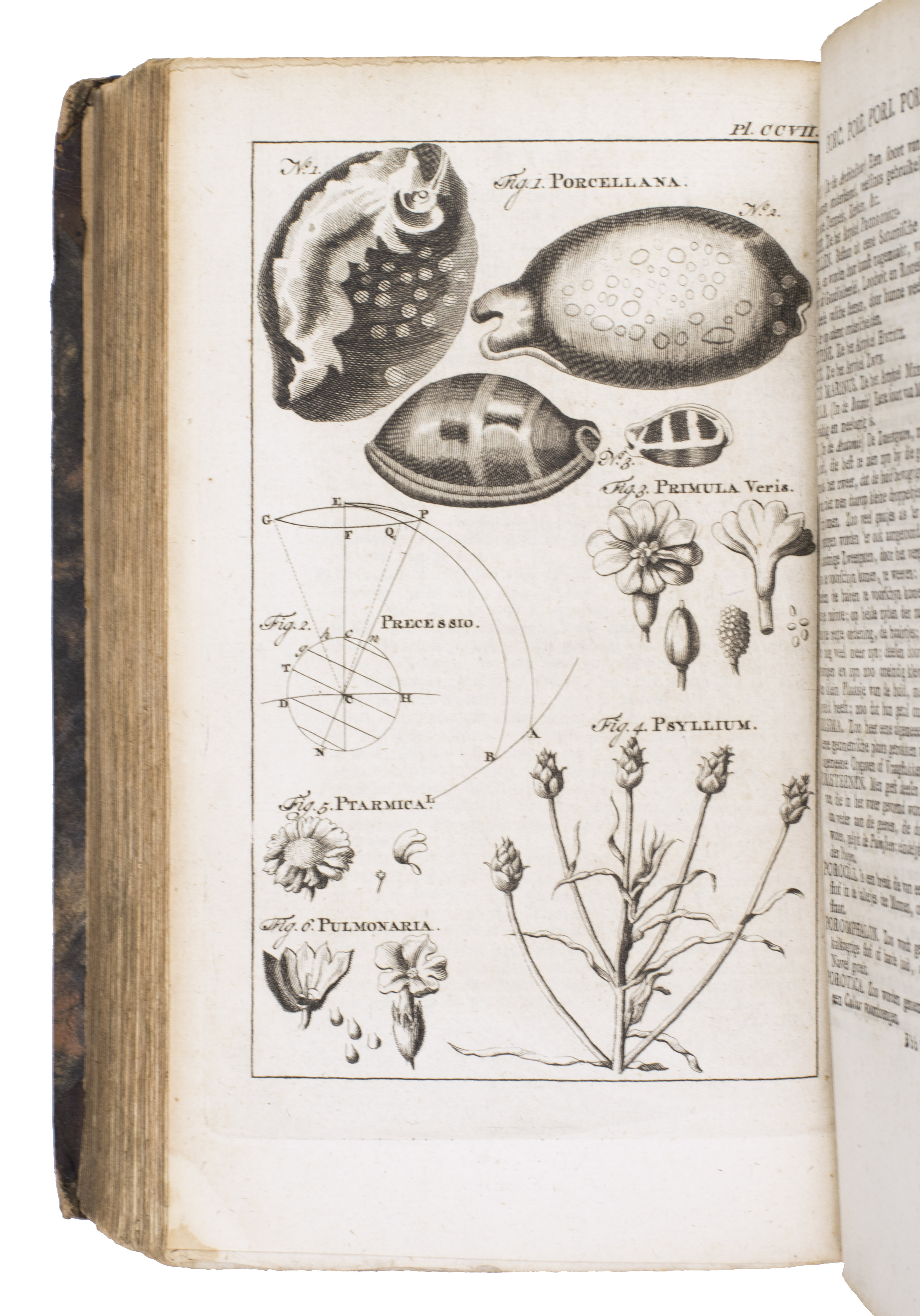
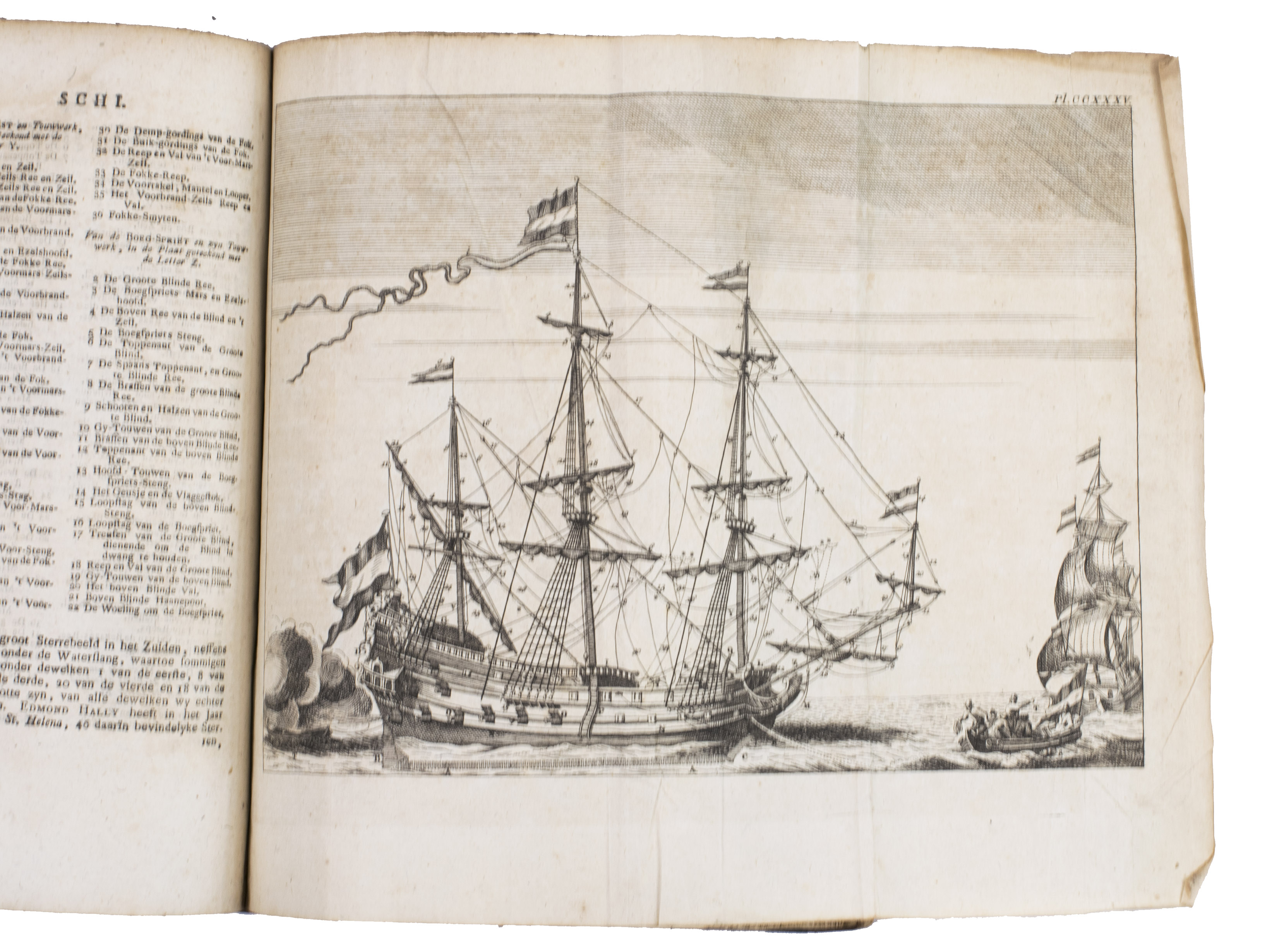
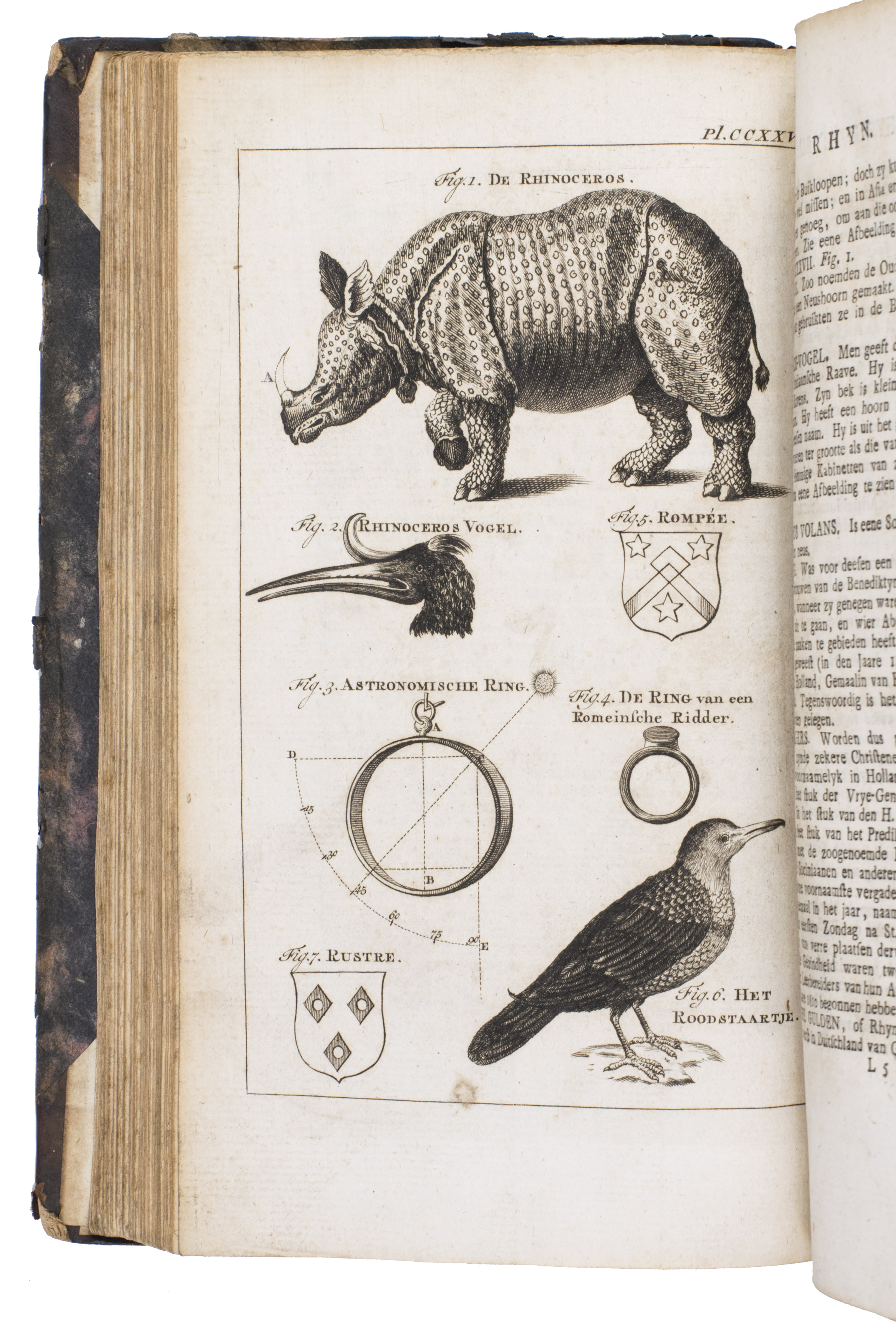
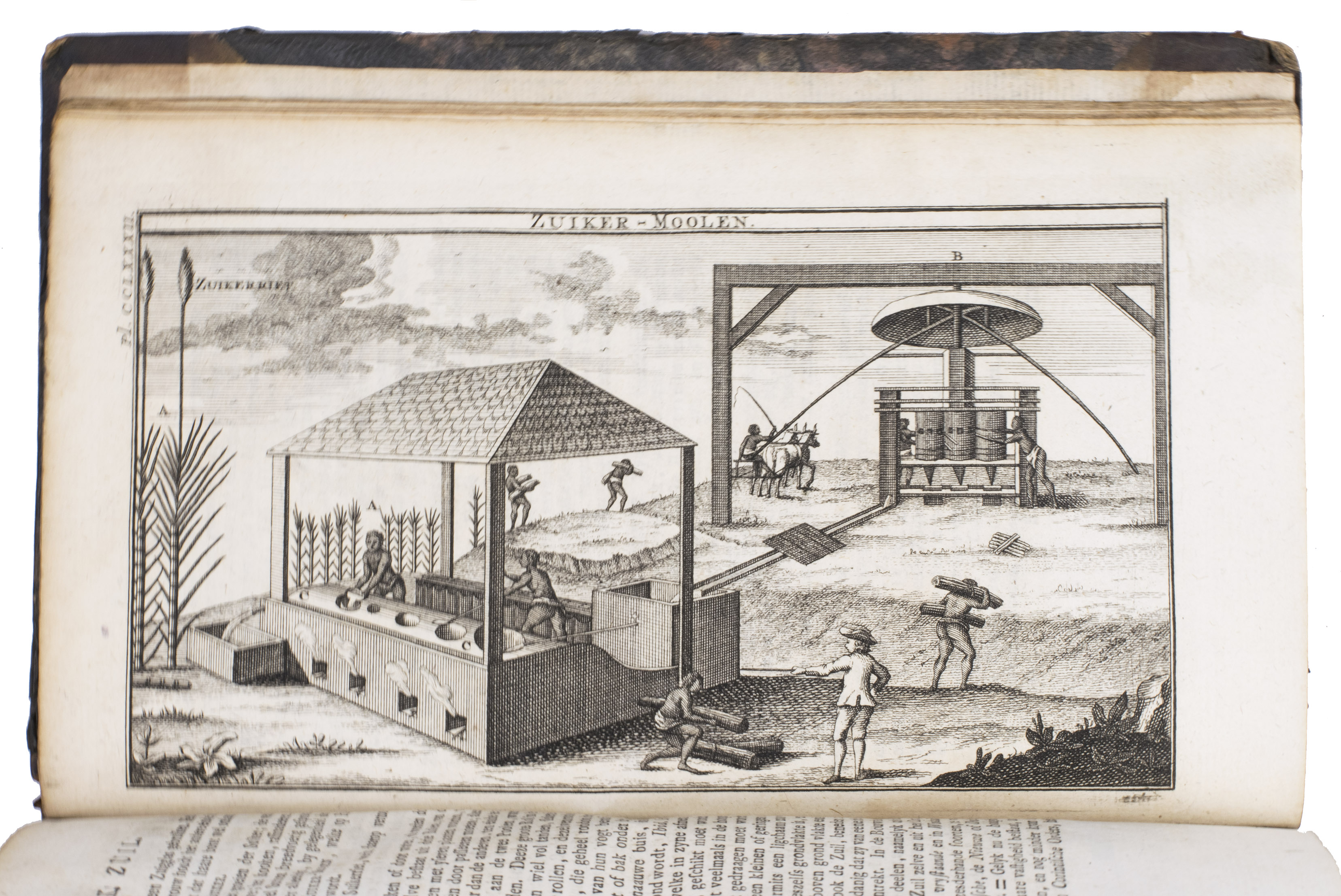
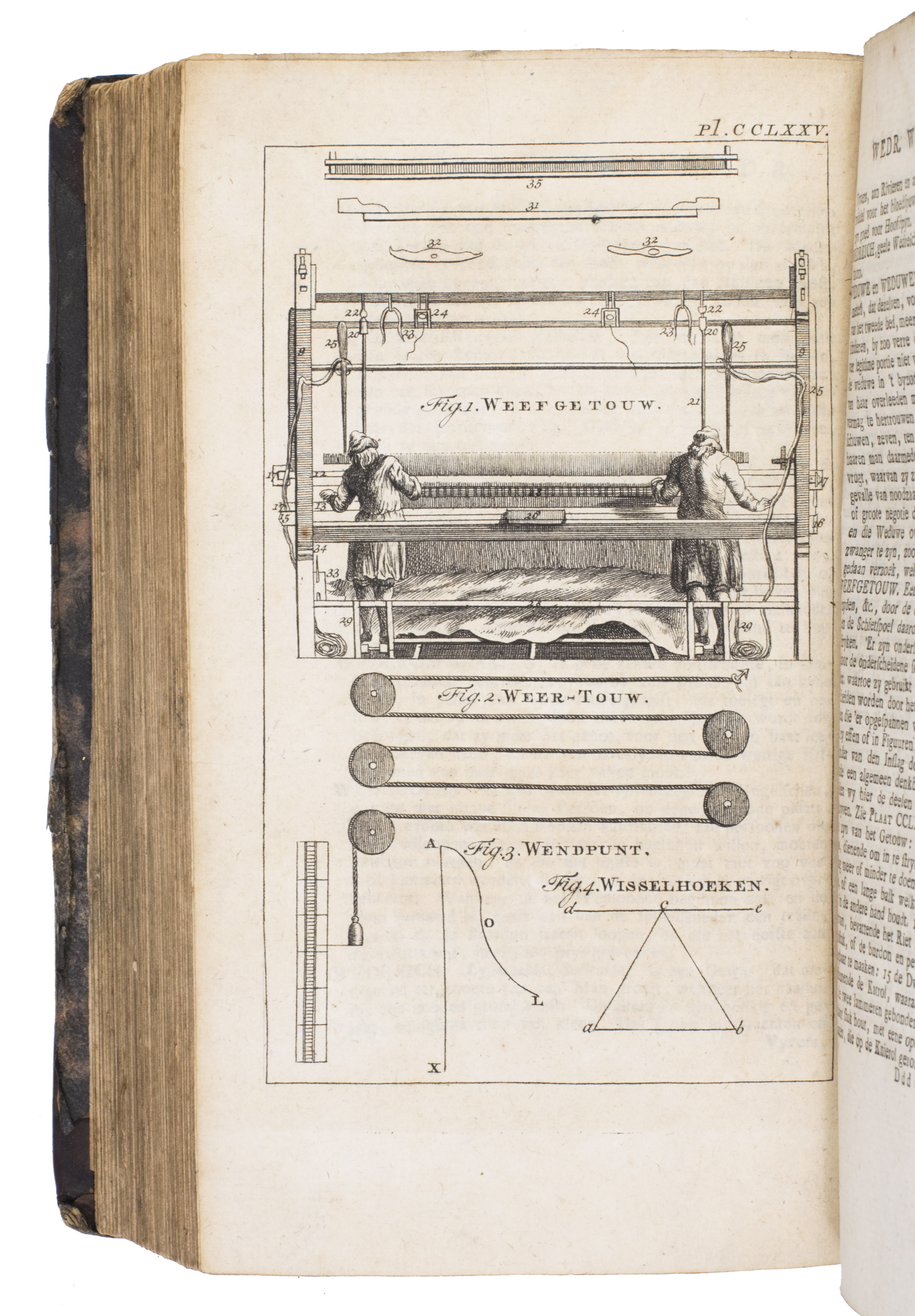
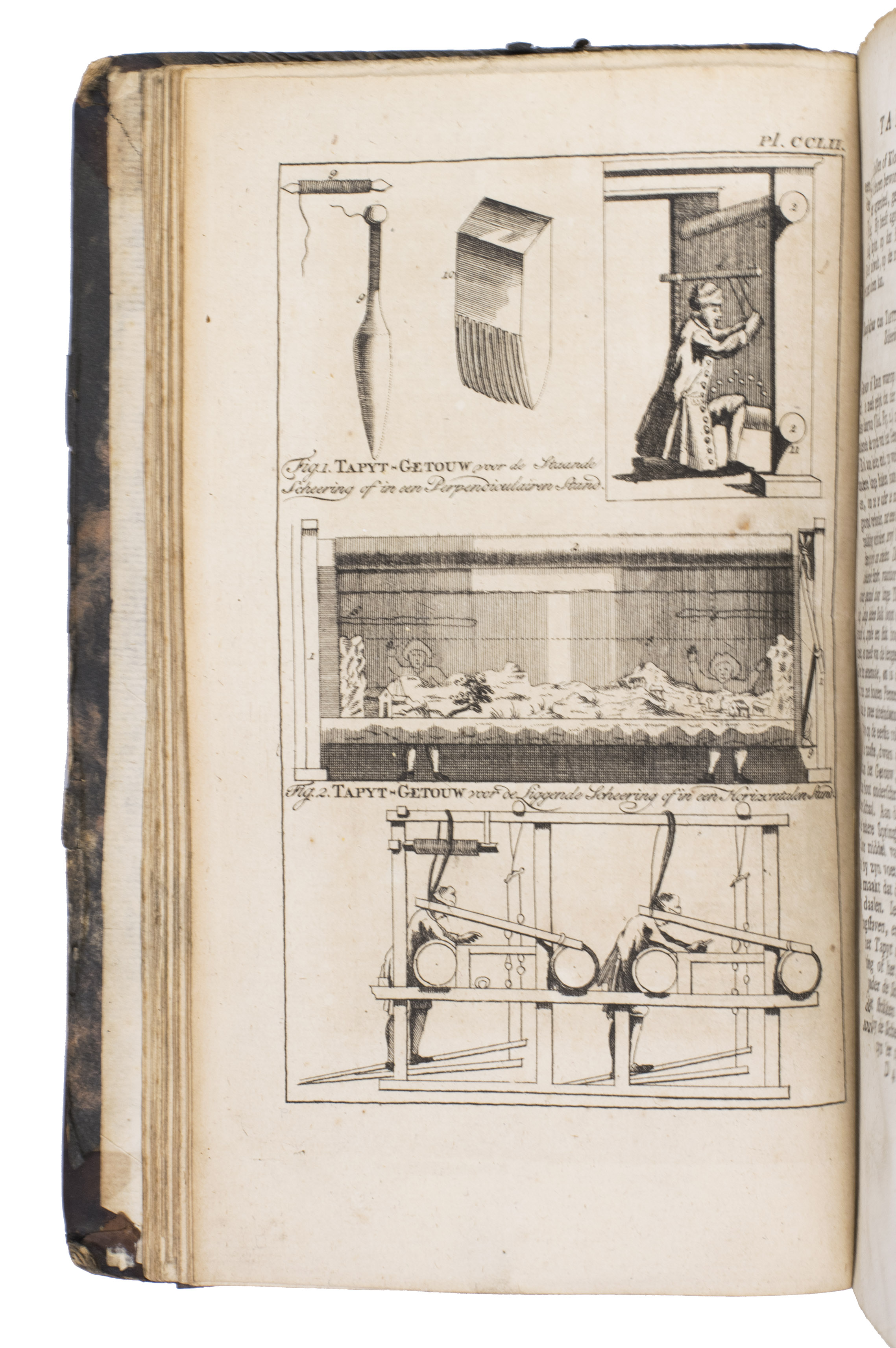
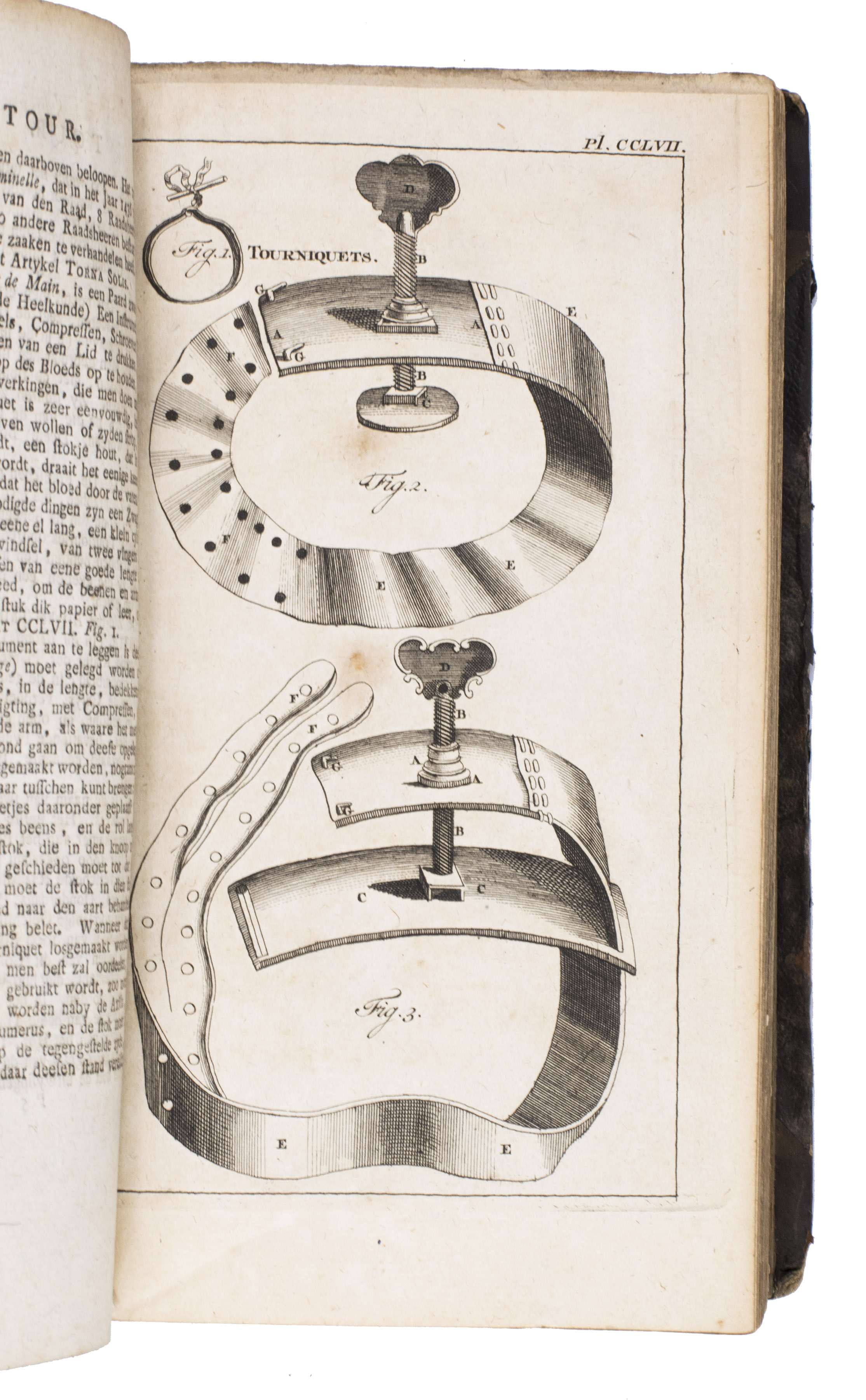
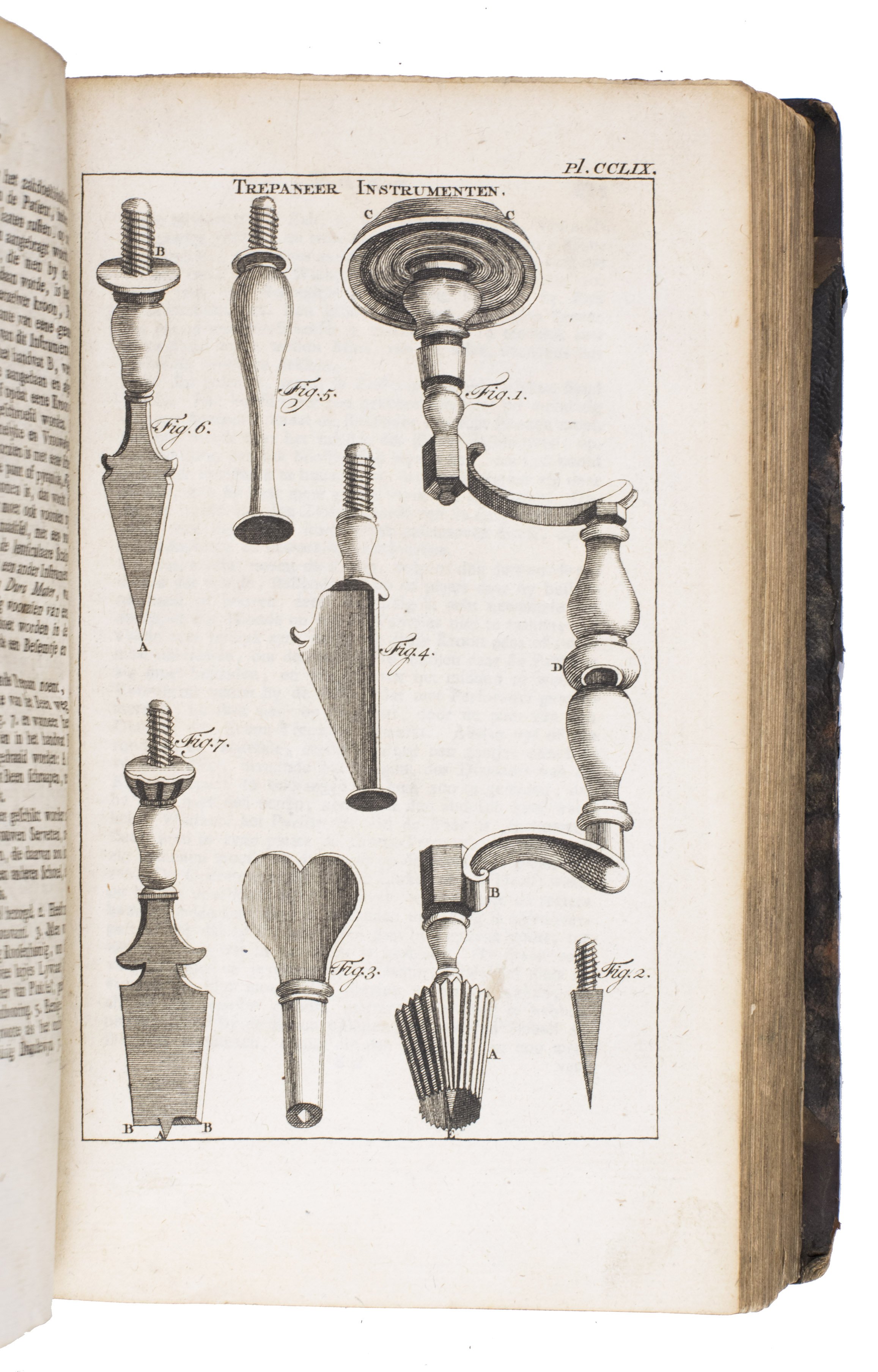
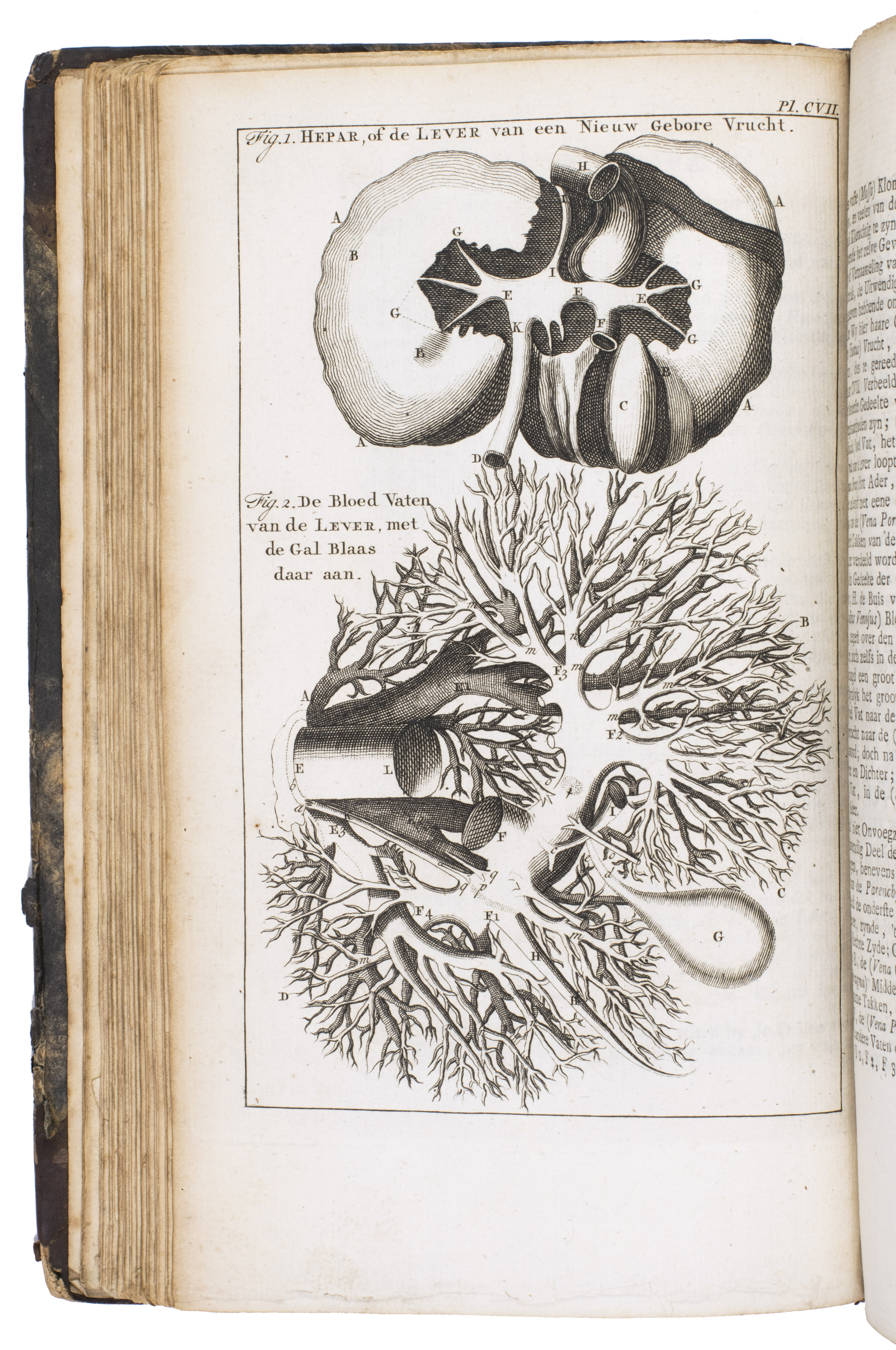
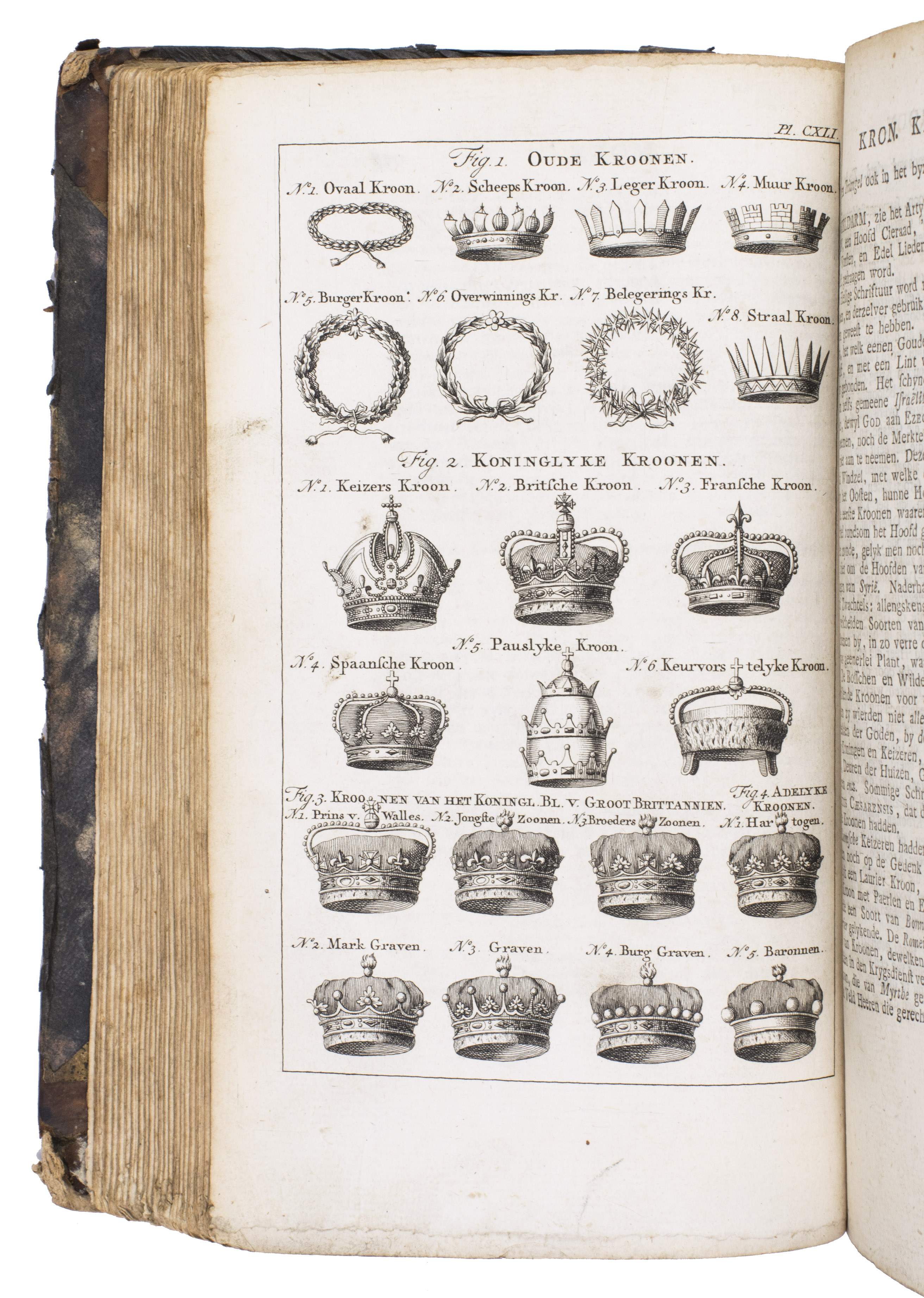
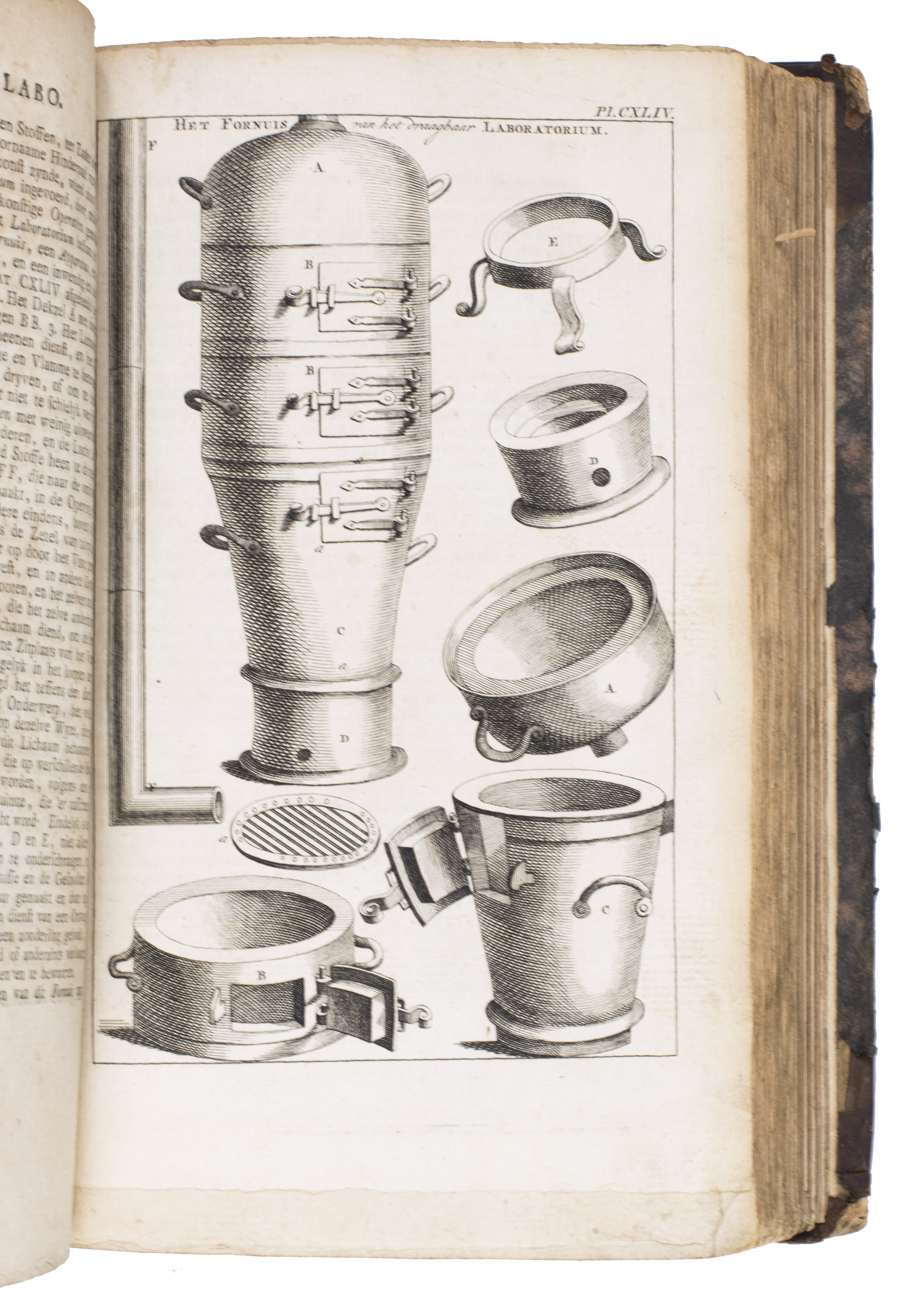
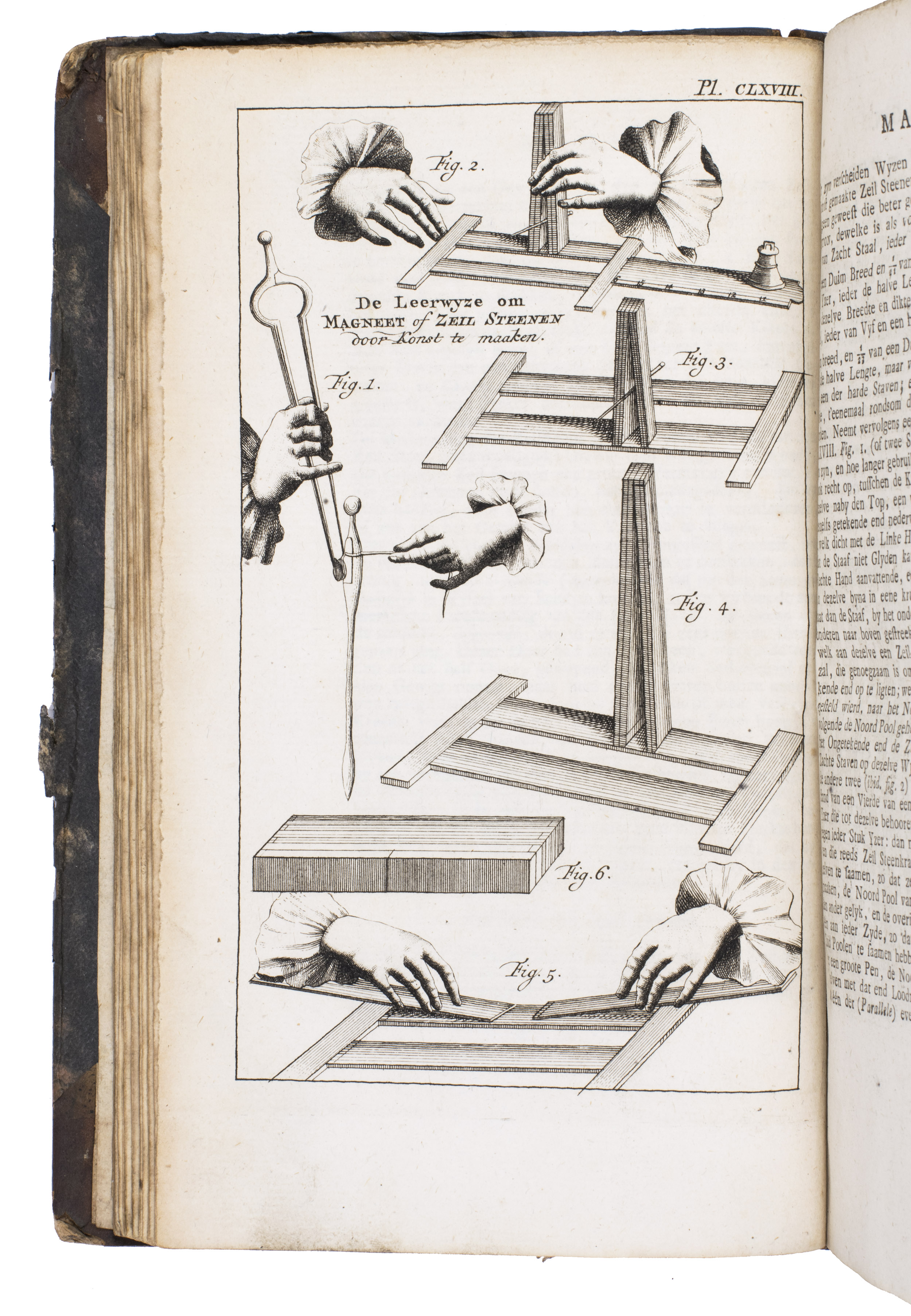
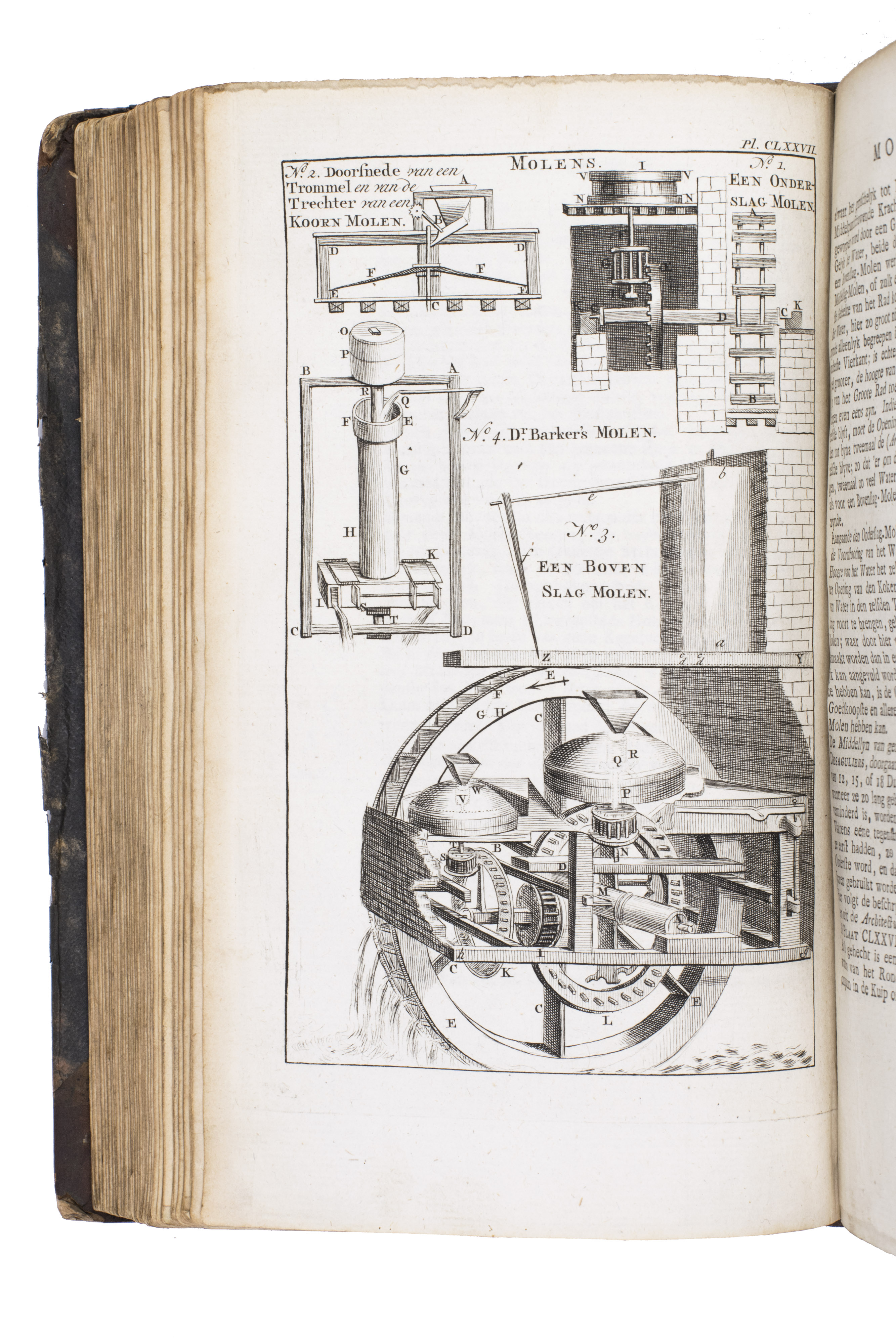
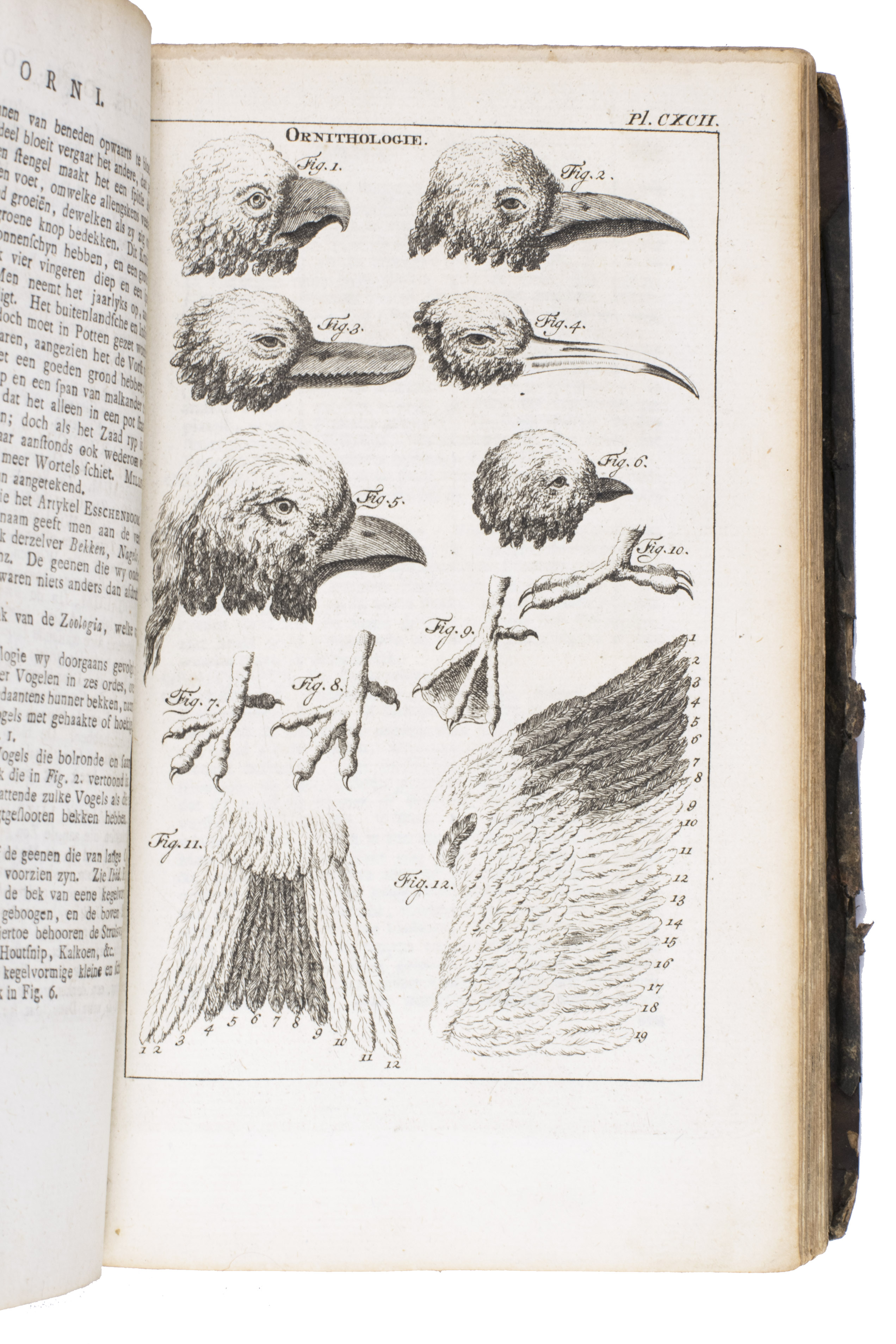
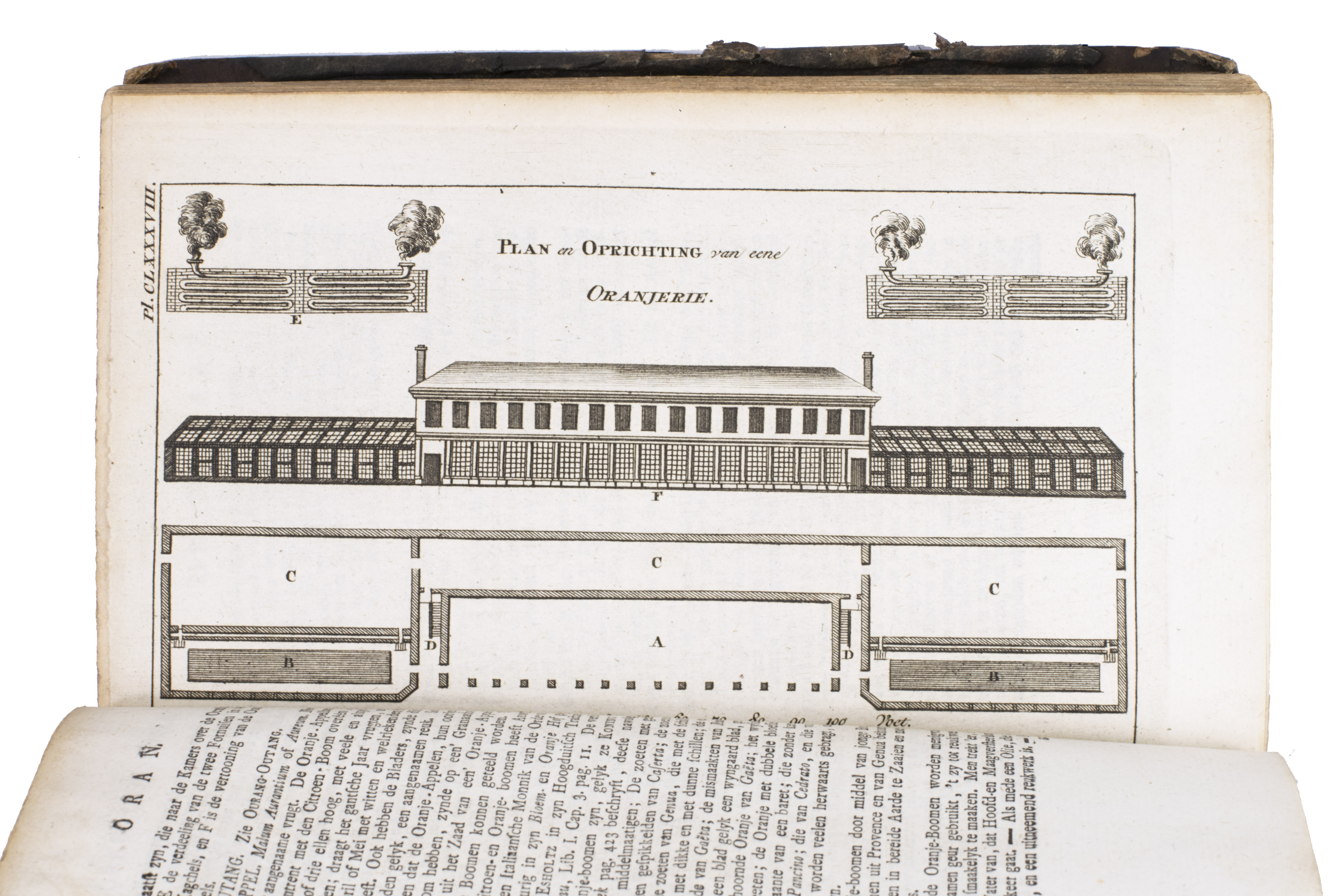
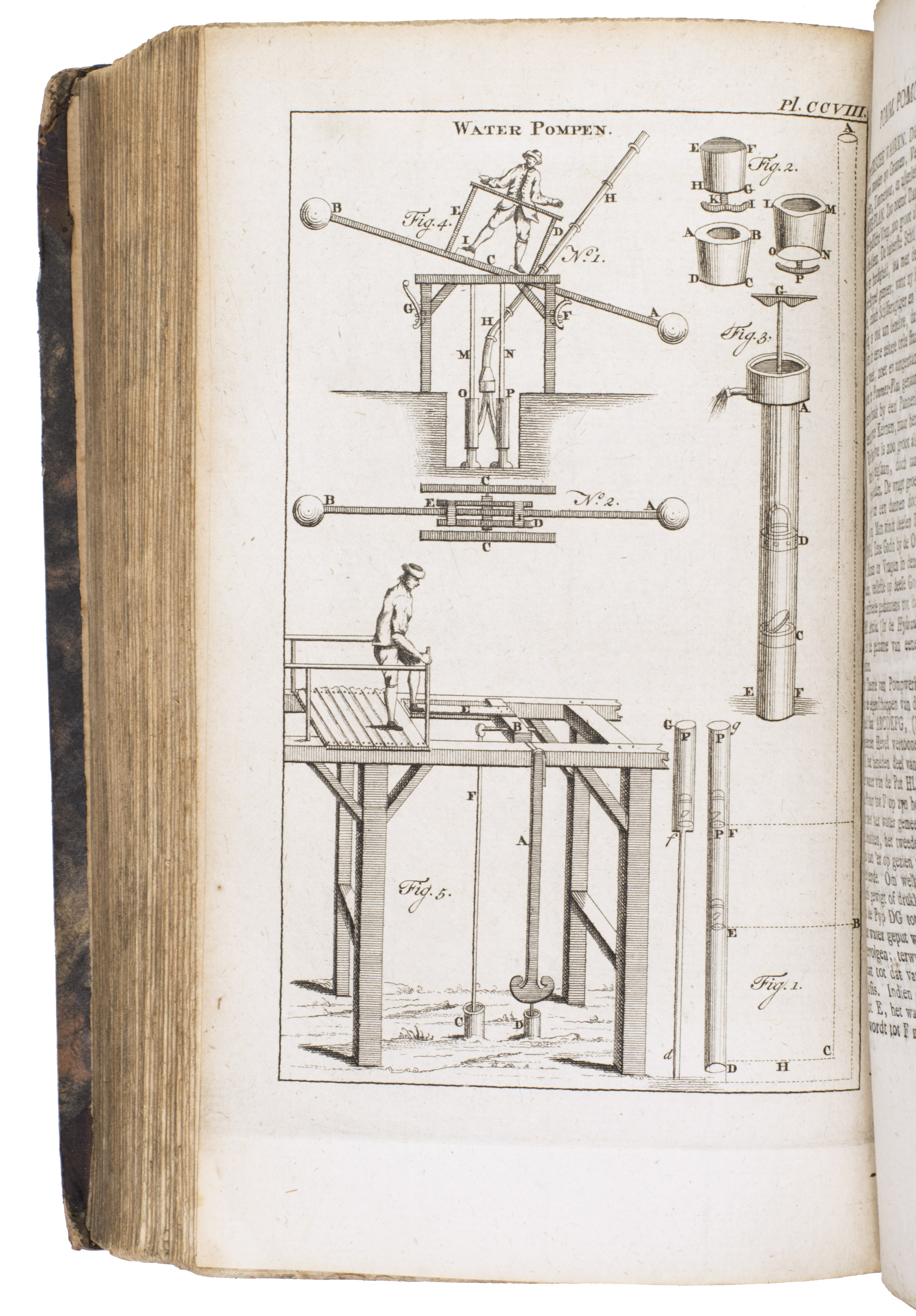
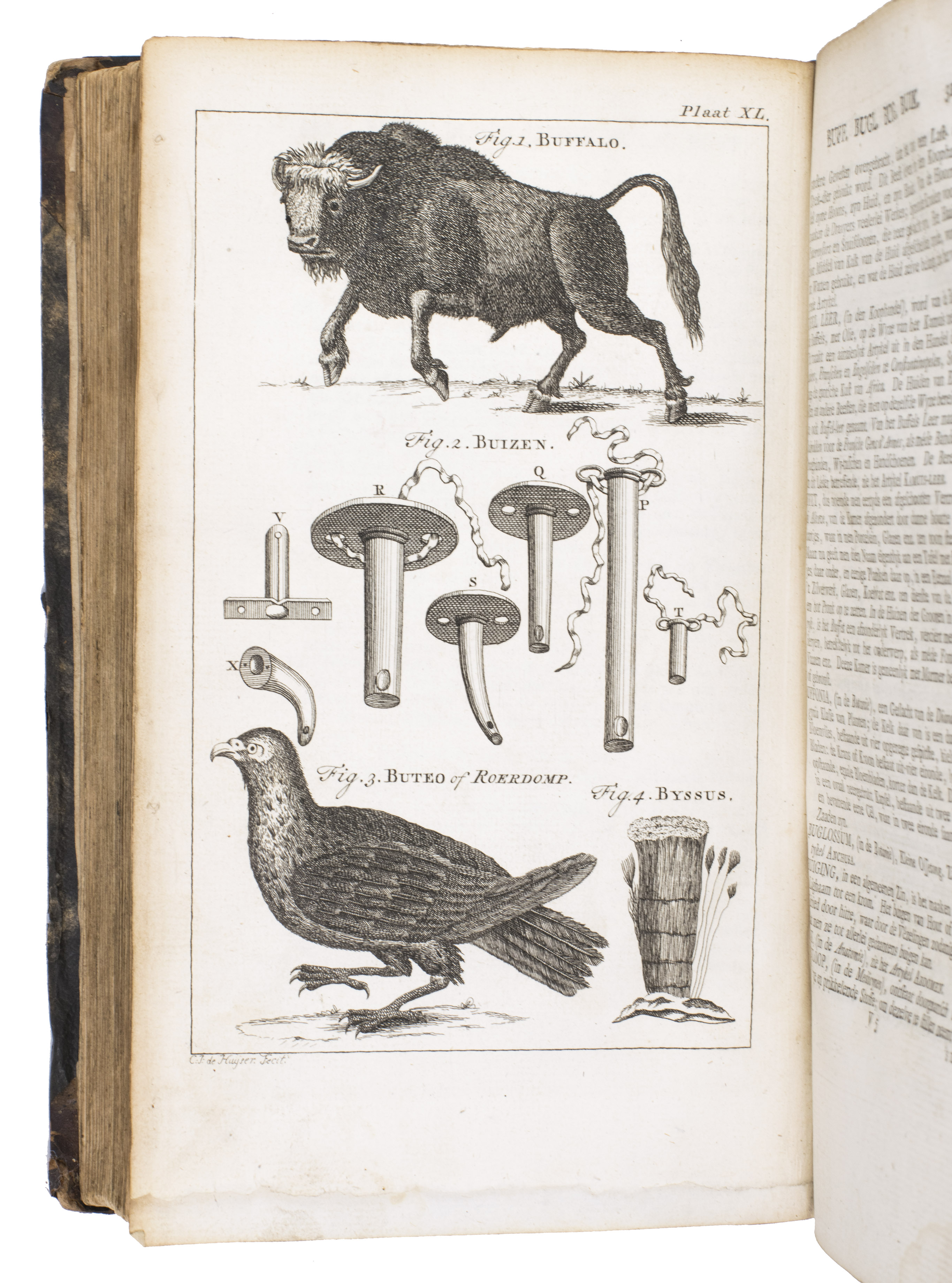
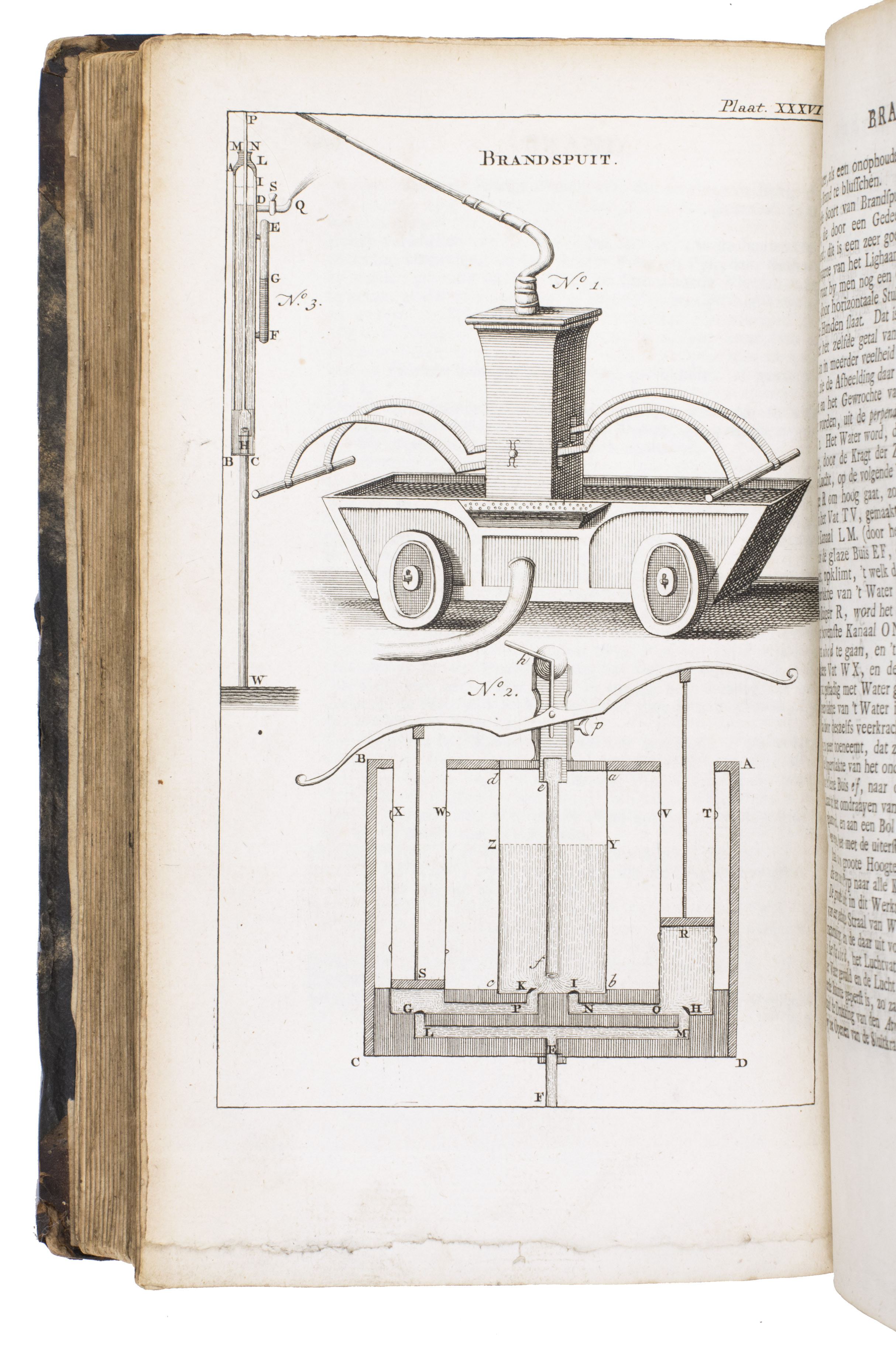
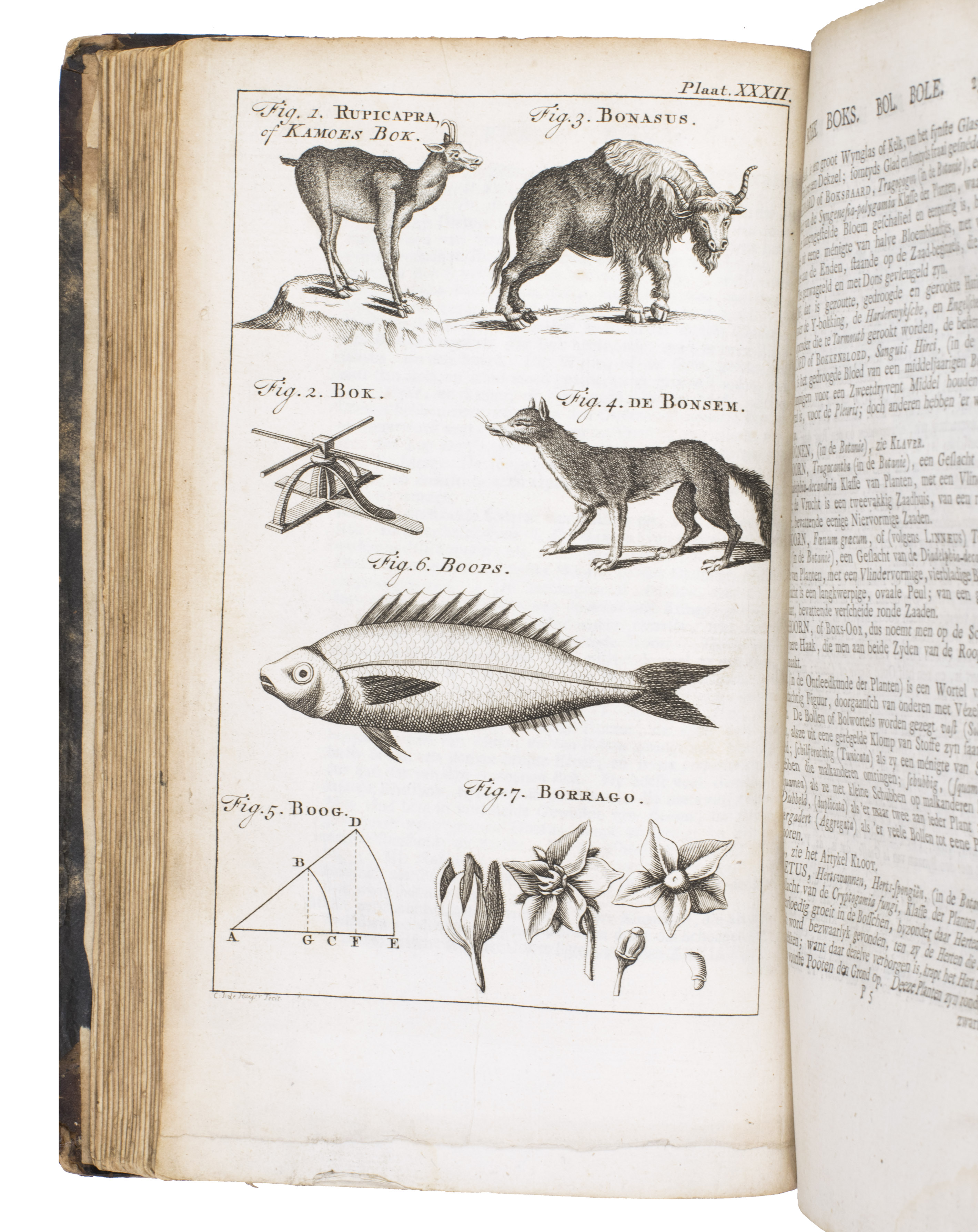
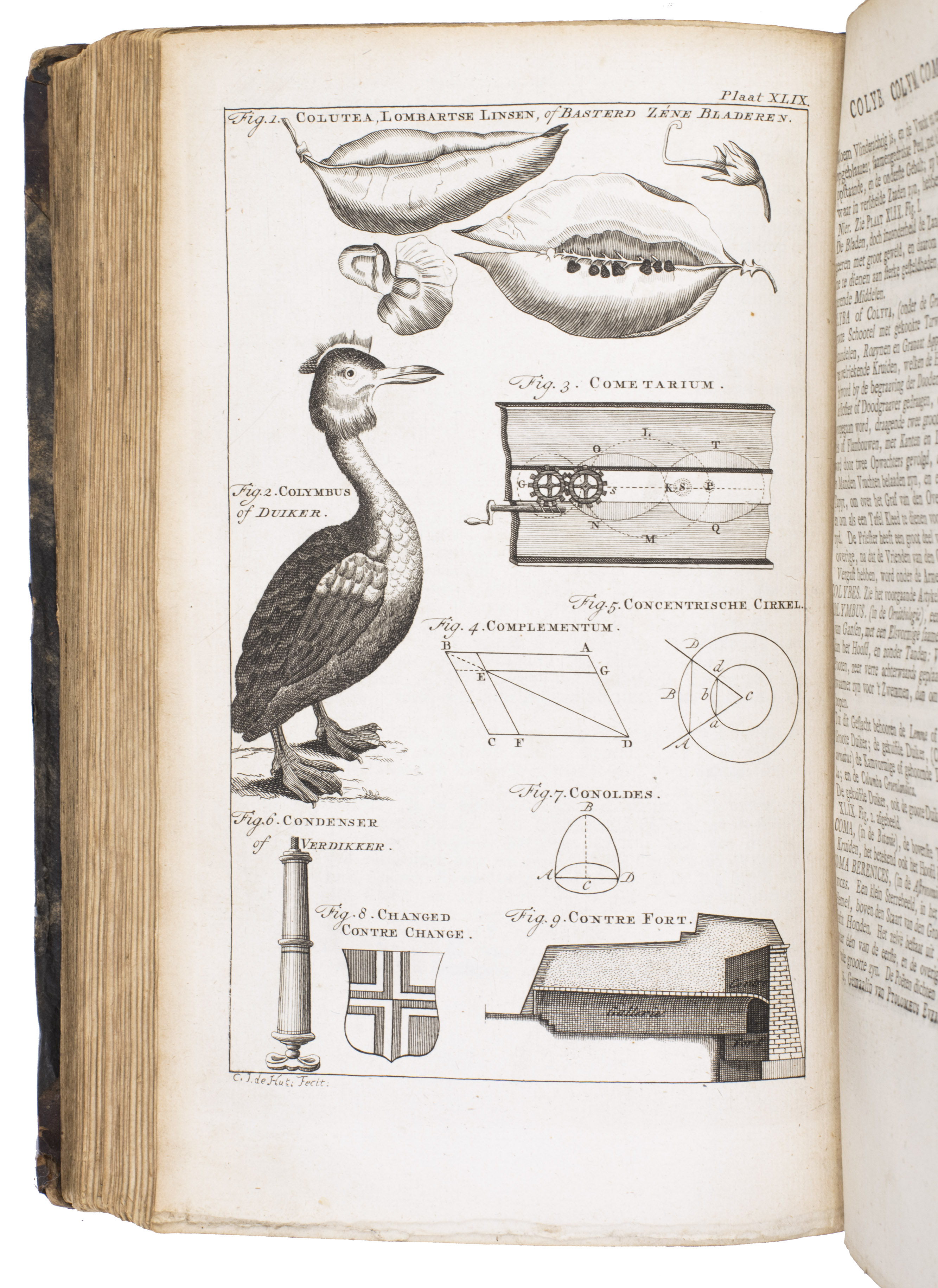
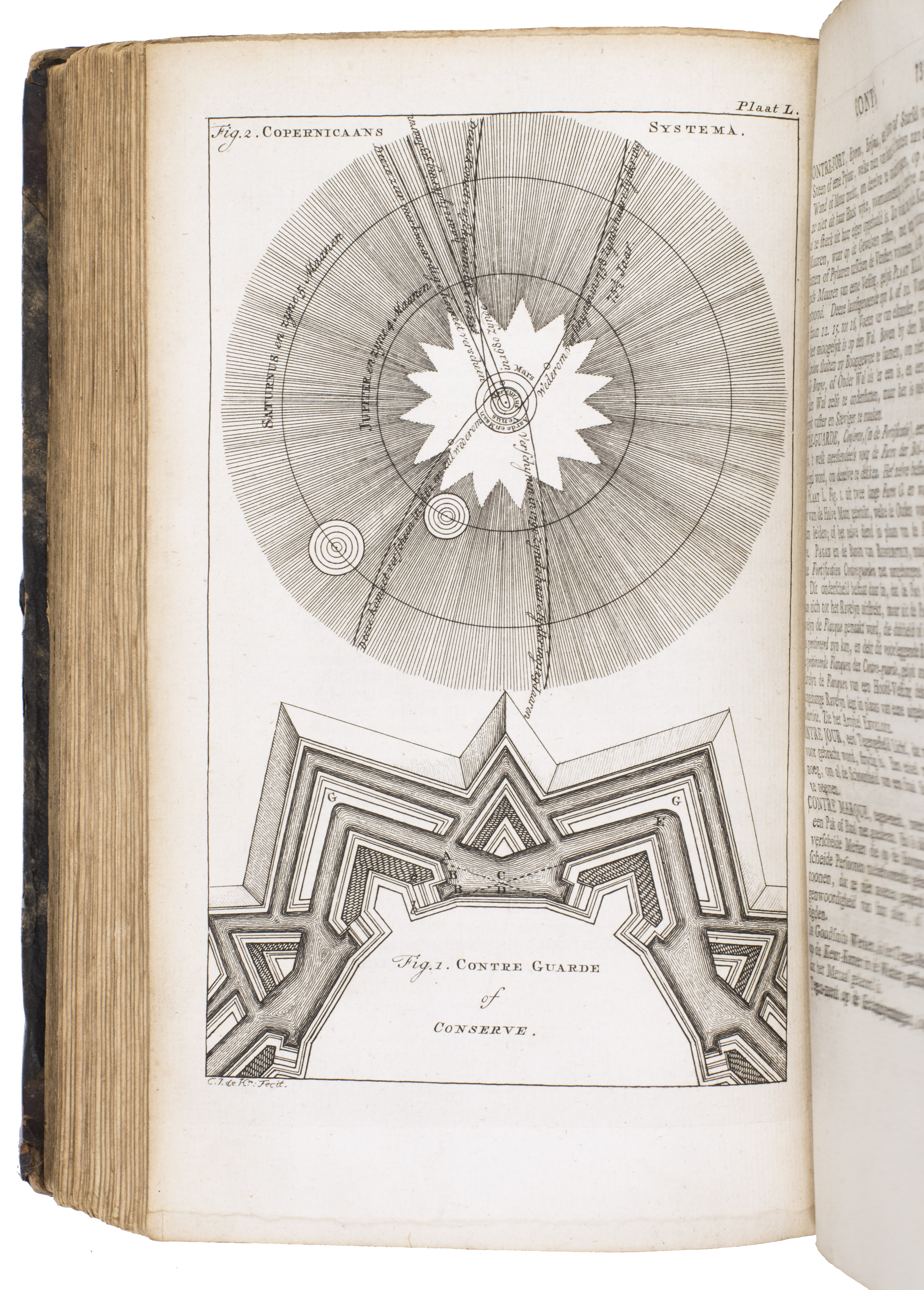
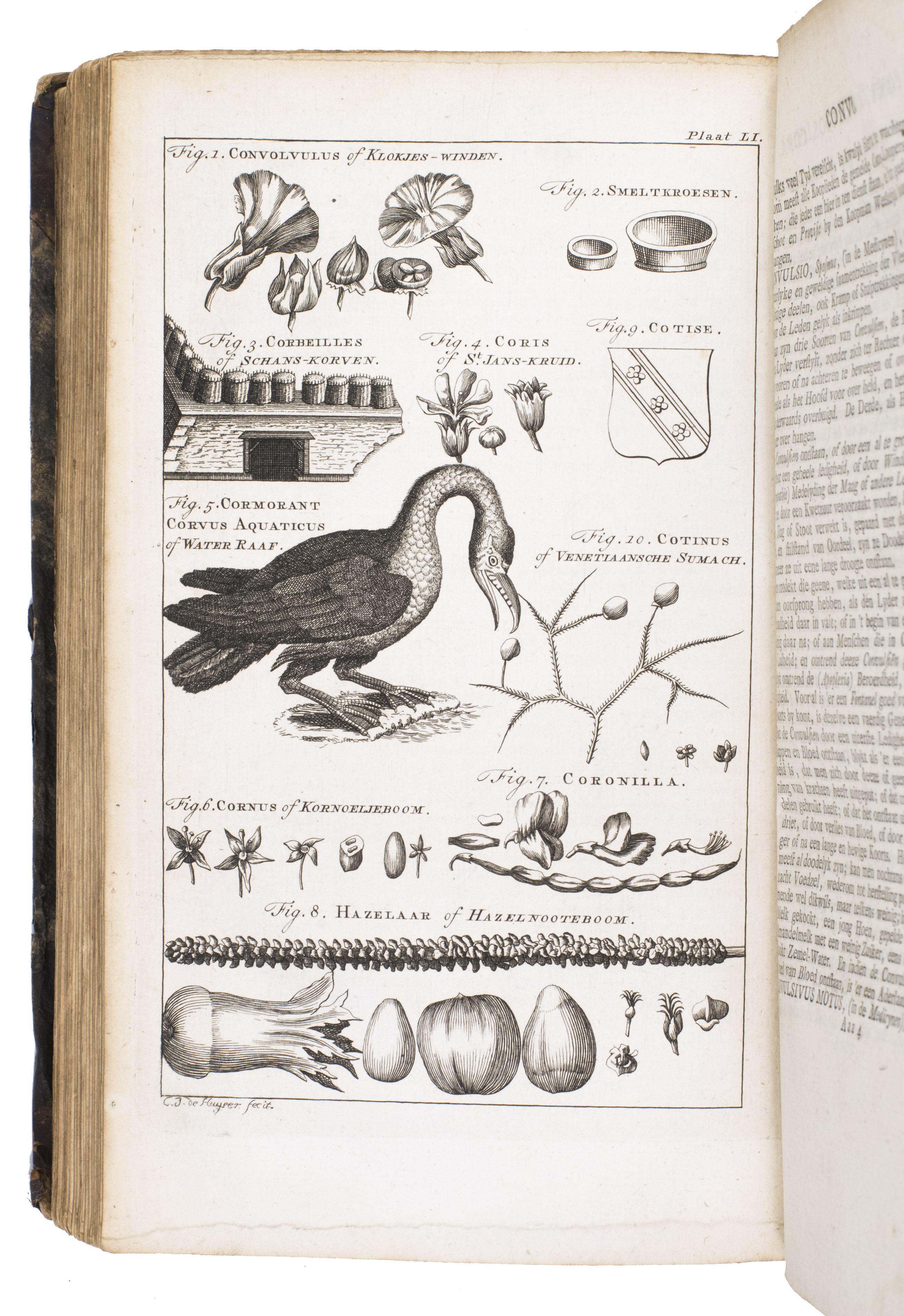
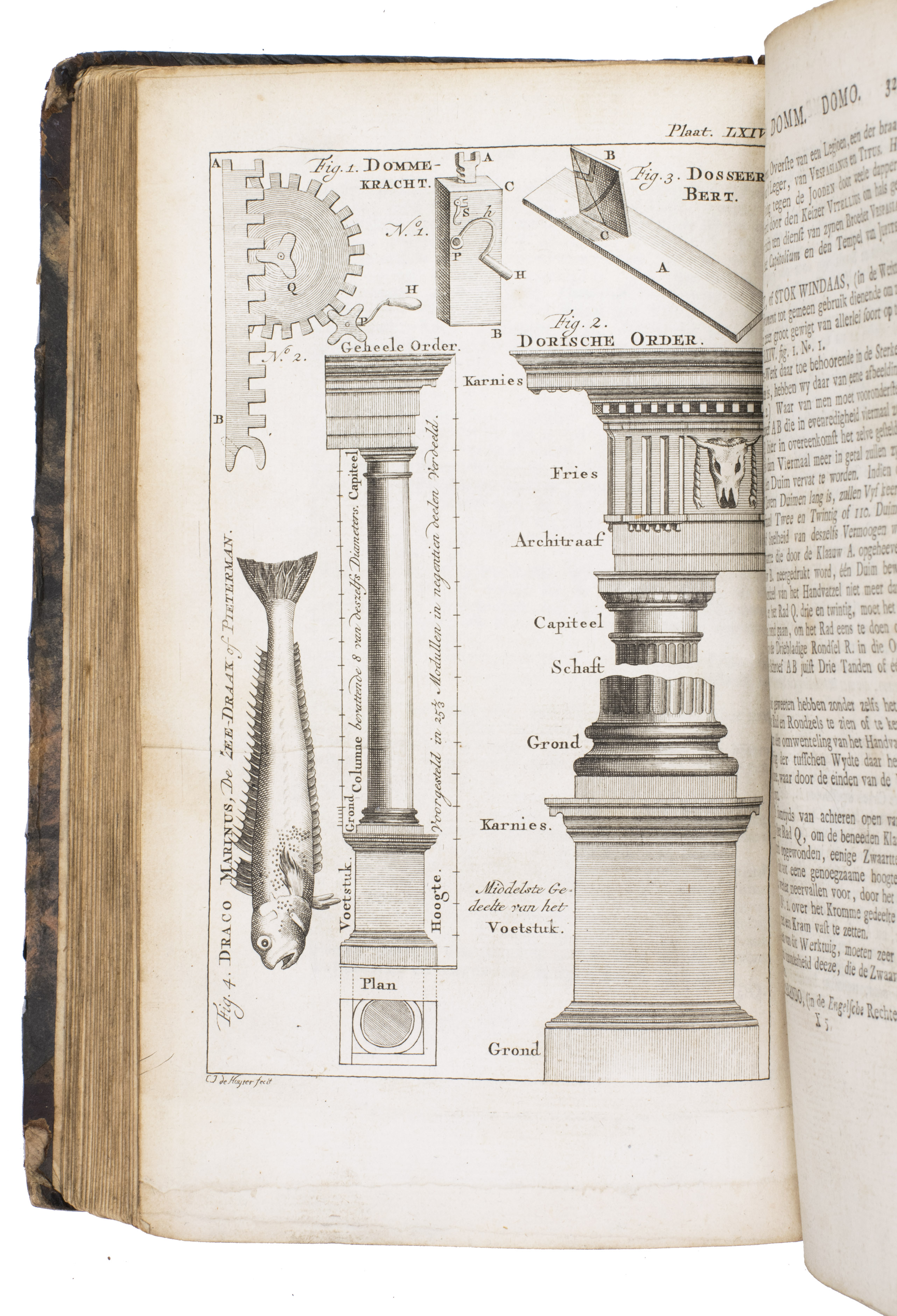
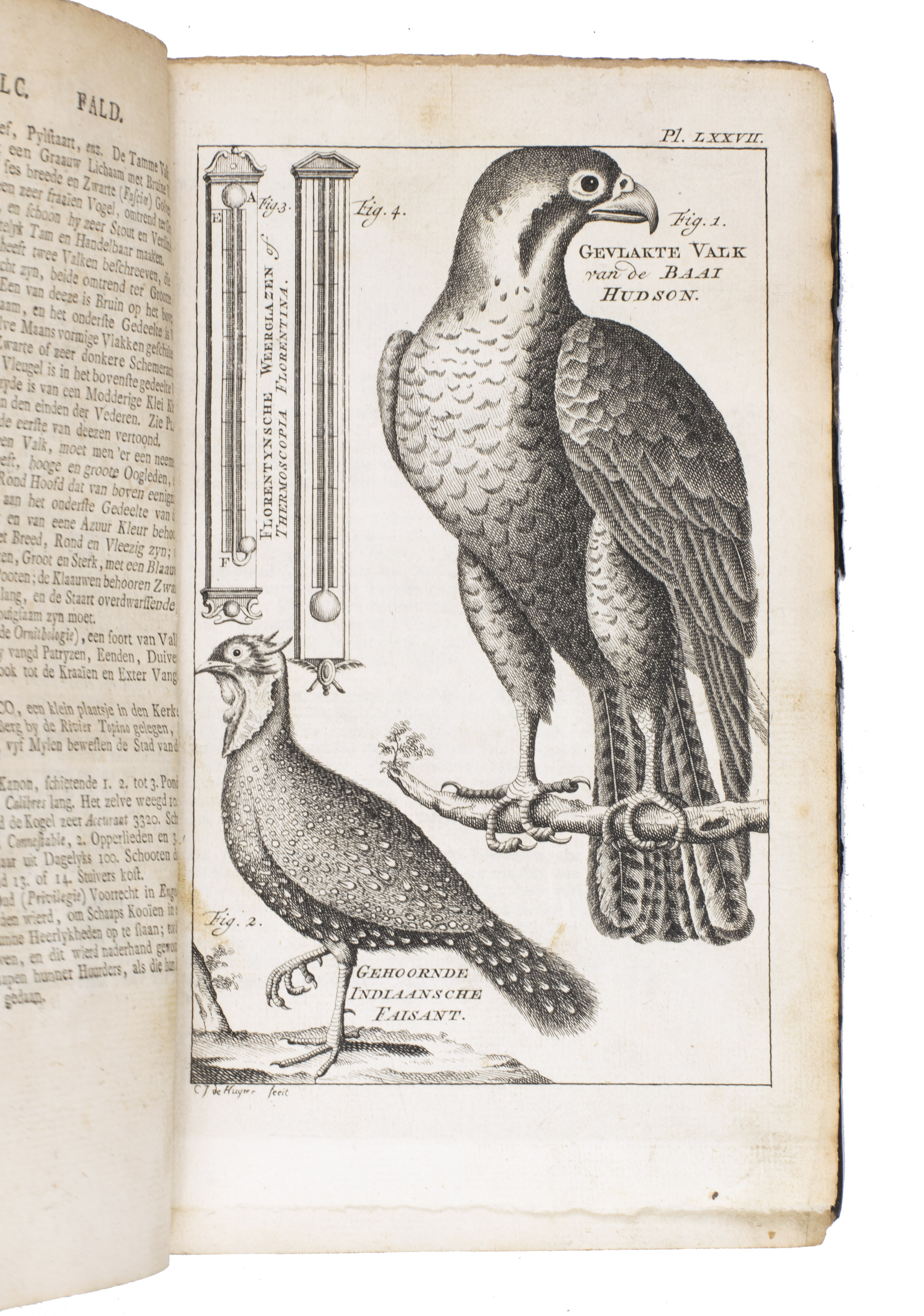
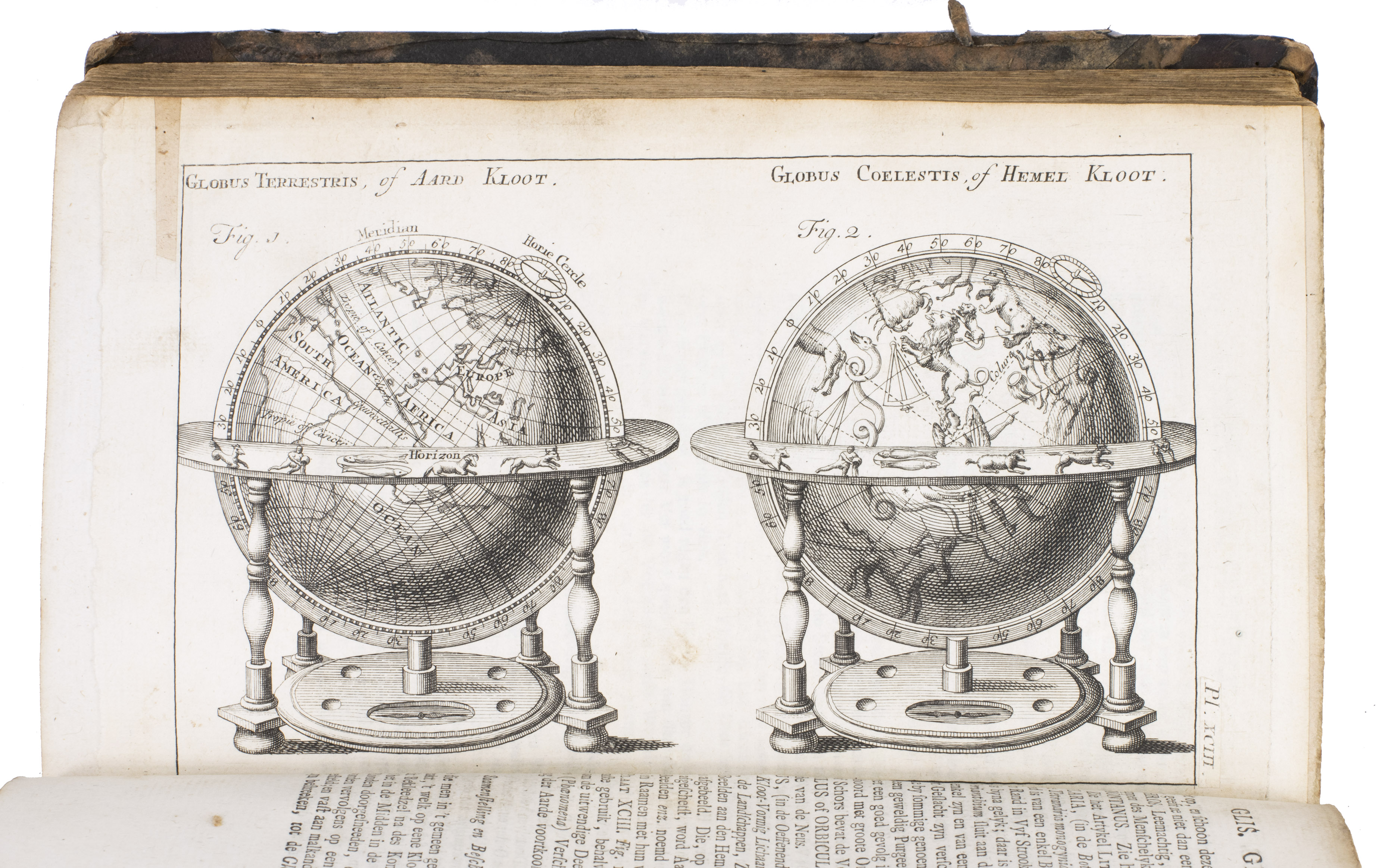
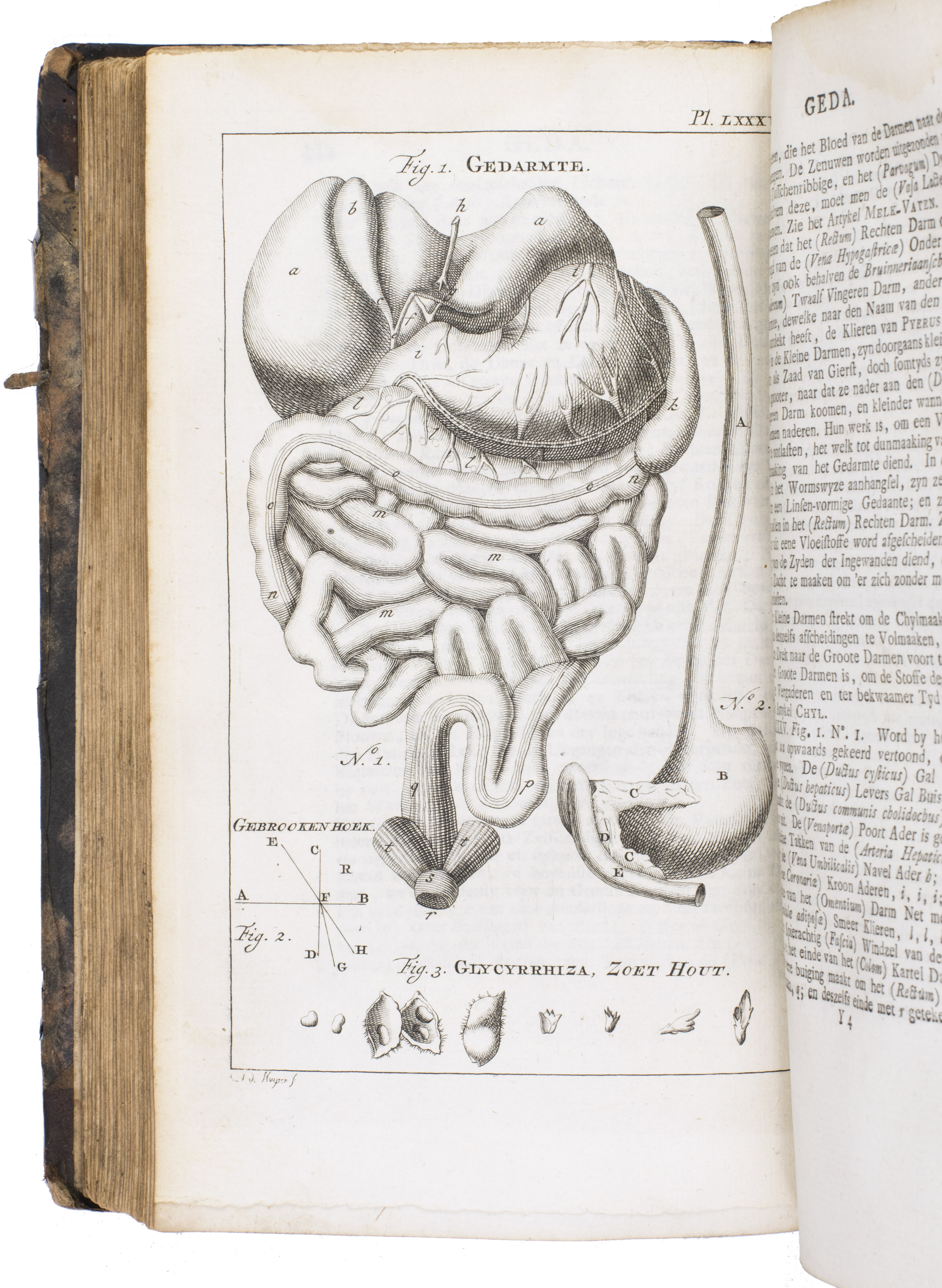
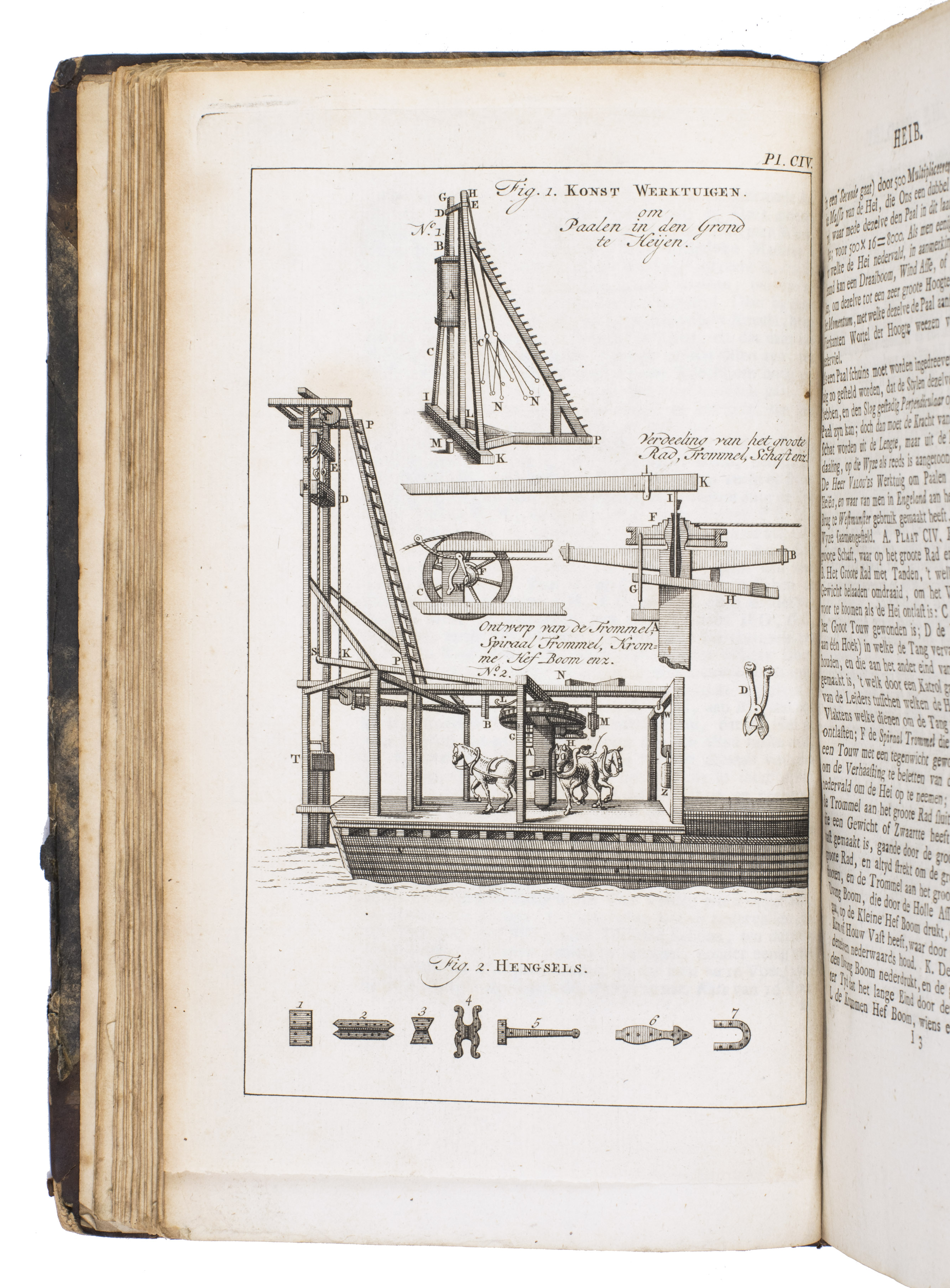
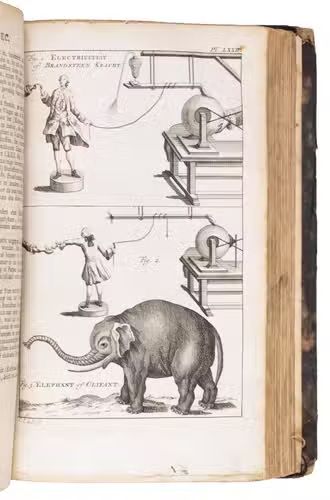
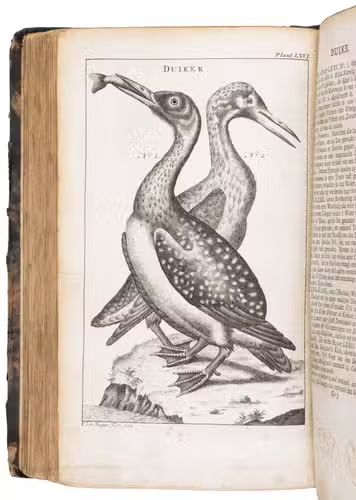
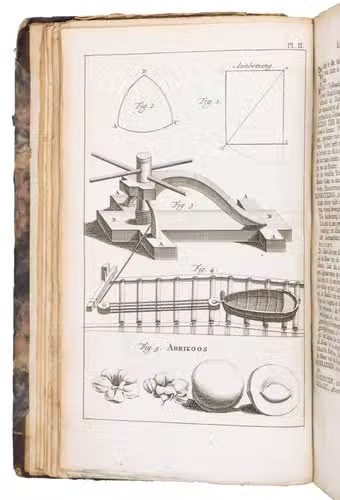
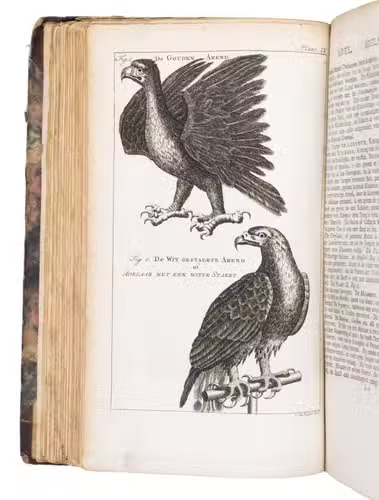
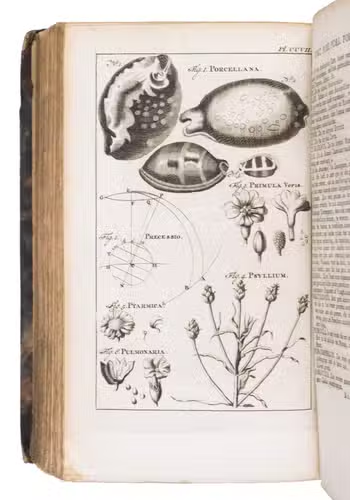
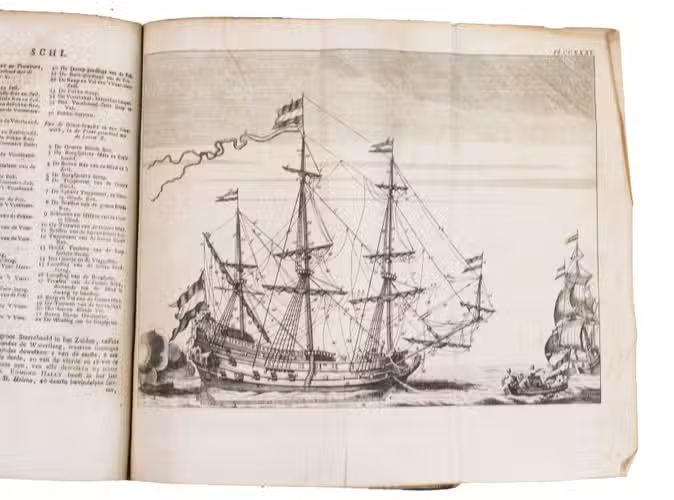
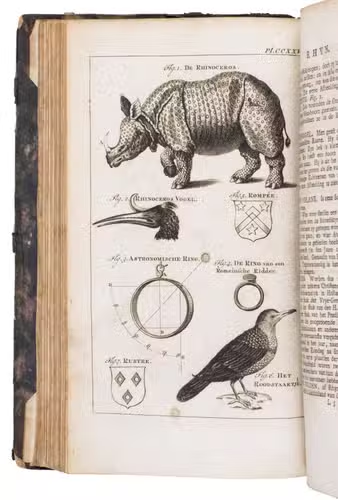
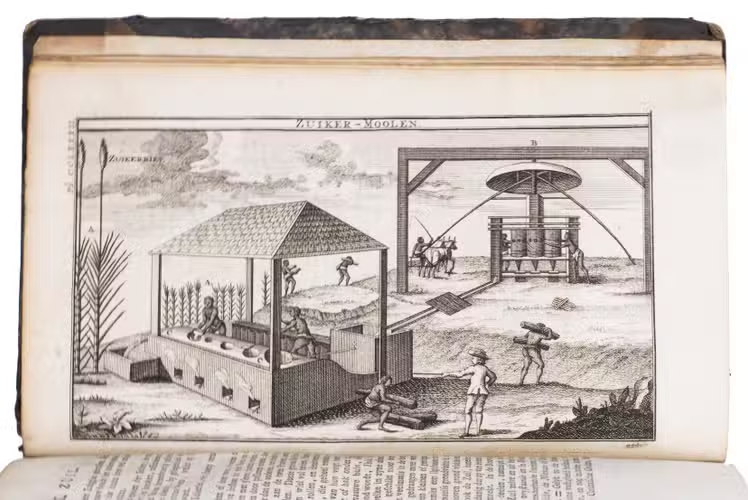
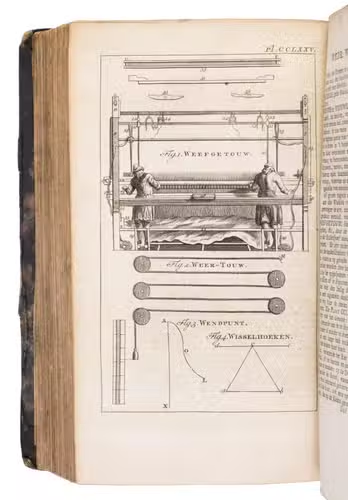
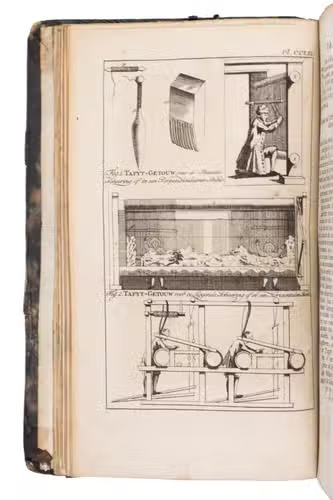
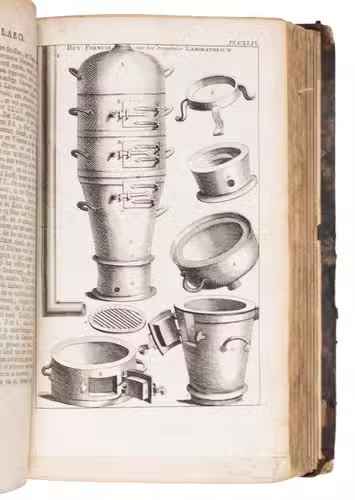
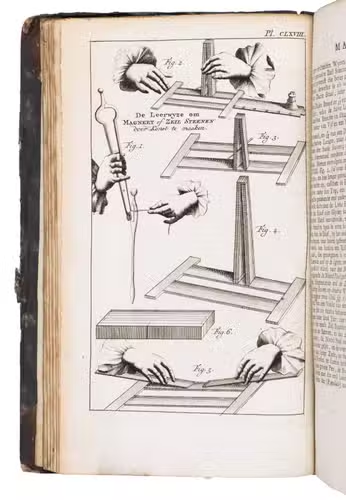
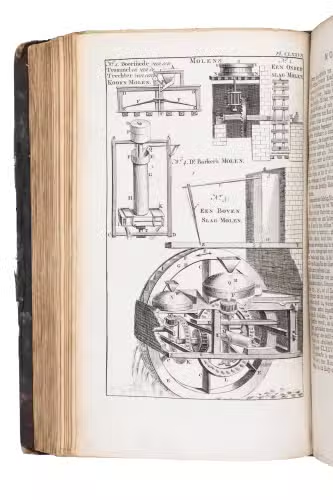
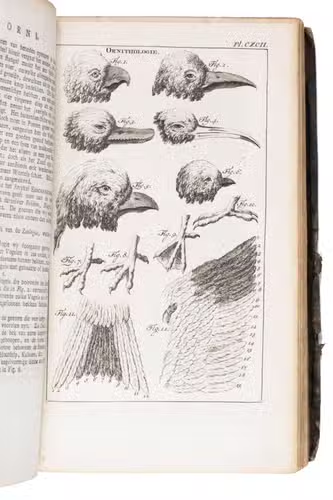
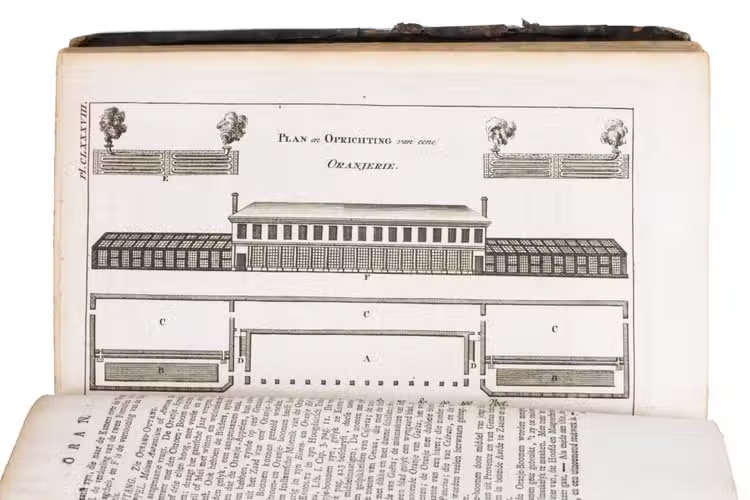
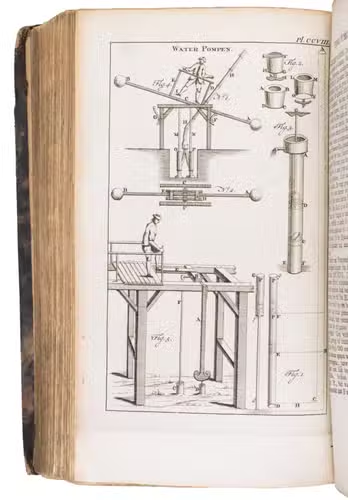
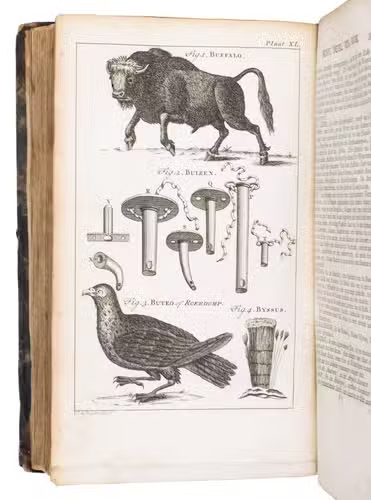
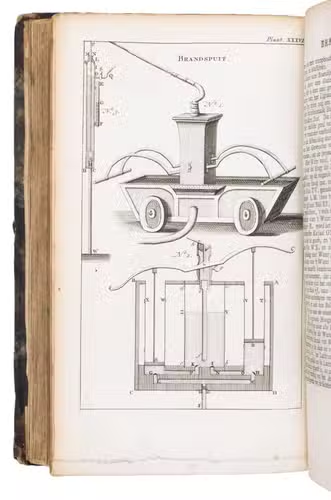
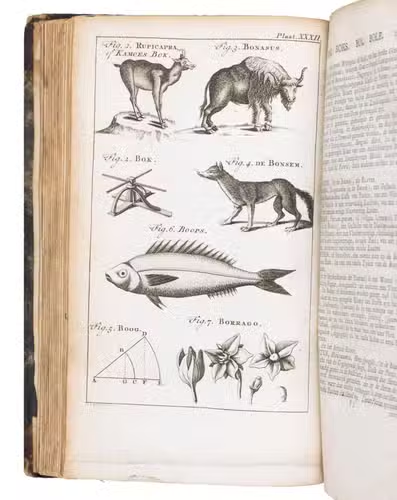
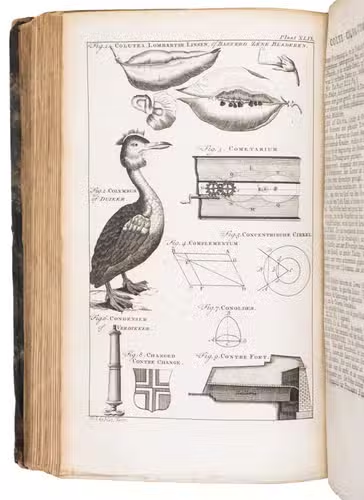
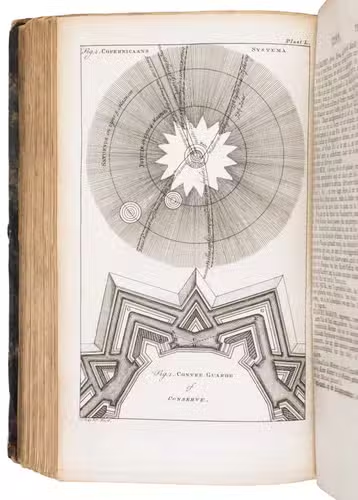
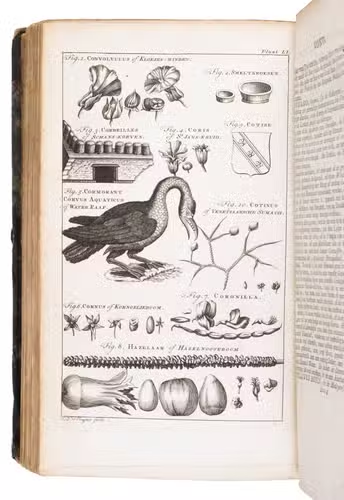
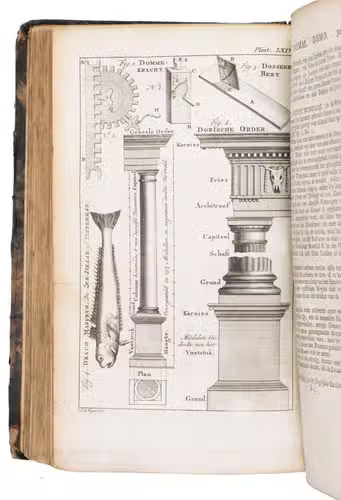
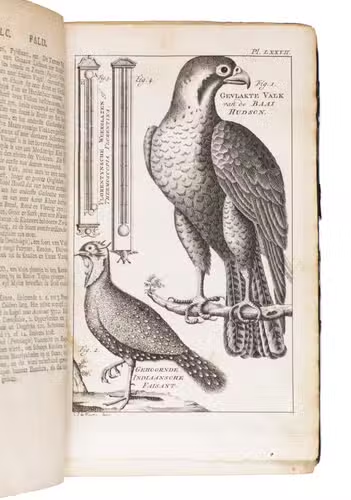
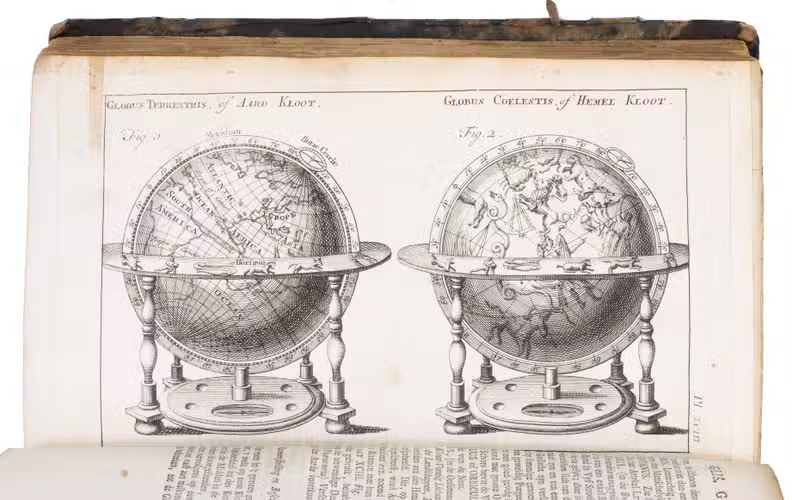
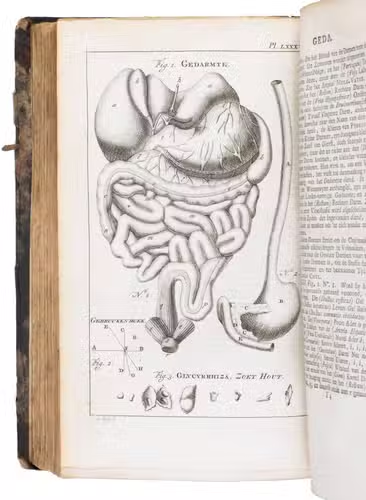
First and only edition of this rare and lavishly illustrated encyclopaedia covering all aspects of scientific history. This work encompasses a wide range of Dutch terms relating to mechanics, geography, navigation, ethnography, art, music, zoology, botany, crafts, tools, etc. In both conception and scope, the work reflects the intellectual ambitions of the Enlightenment and may be seen as a Dutch counterpart to Diderot's Encyclopédie. Although the work is often found incomplete, with several volumes or plates missing, the present set is complete.
Apart from its importance as an encyclopaedia, the work is still valued for its lexicographical and linguistic contents. It is, for example, cited among the sources in the Woordenboek der Nederlandsche Taal (WNT), underscoring its importance for the historical study of the Dutch language. However, its influence also extends beyond Europe. In Japan, it became one of the most widely consulted works within the context of Rangaku ("Dutch learning"), the body of Western knowledge transmitted through Dutch sources during the Edo period. Japanese artists such as Shiba Kôkan (1741-1818) and Aôdô Denzen (ca. 1748-1822) drew direct inspiration from its engraved plates, incorporating European visual and scientific conventions into their own work.
With the ownership stamp of B. van Jole from Hontenisse, and an armorial stamp, on the title page of each volume. The spine is somewhat rubbed, the edges and corners of the boards are scuffed, the mottled paper on the boards is from a later date and has been glued over the original sprinkled paper. The leaves are untrimmed, occasional water staining, several plates are detached, but still present. Otherwise in good condition. Van der Aa I, p.512-513; STCN 176586407 (7 copies); cf. A.A. van Rijnbach, 'Een onbekende spectator en zijn samensteller, Egbert Buys', in: Het Boek, 30 (1949-50), p. 75-87.
Related Subjects: