BRUNE, Johannes de.
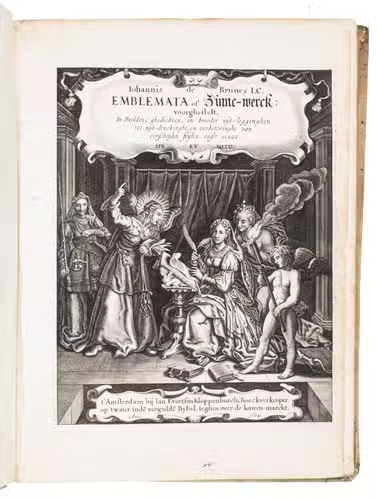
Emblemata of zinne-werck: voorgestelt, in beelden, ghedichten, en breeder uijt-legginghen, tot uijt-druckinghe, en verbeteringhe van verscheijden feijlen onser eeuwe.
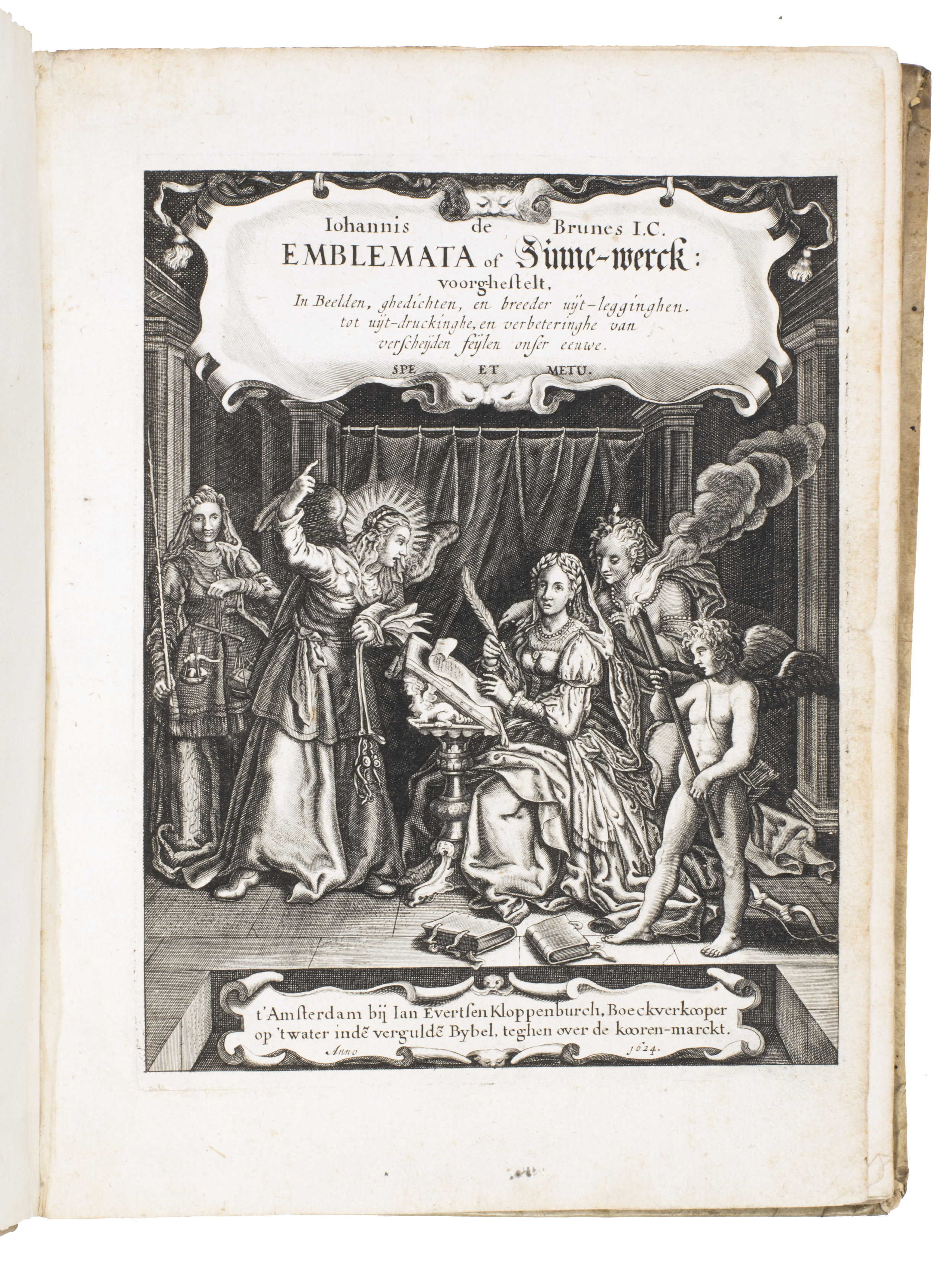
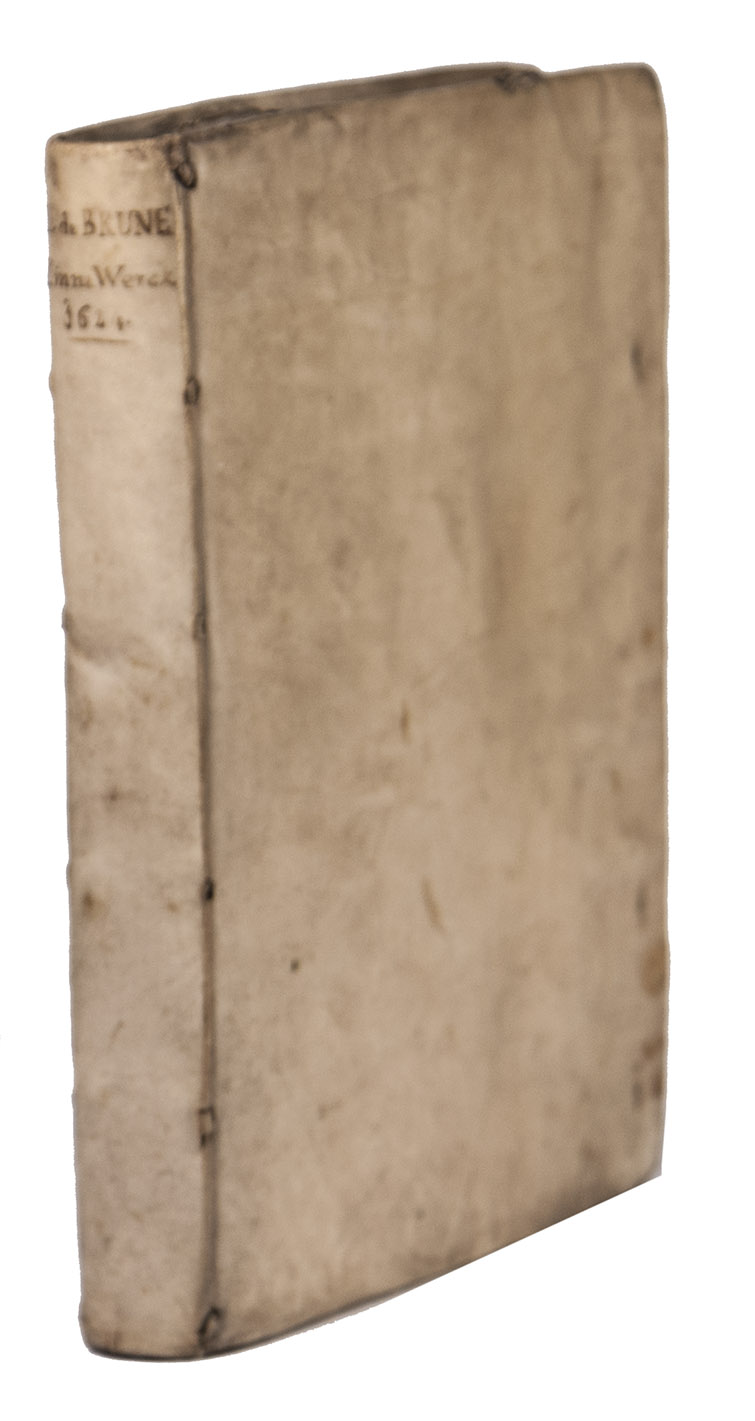
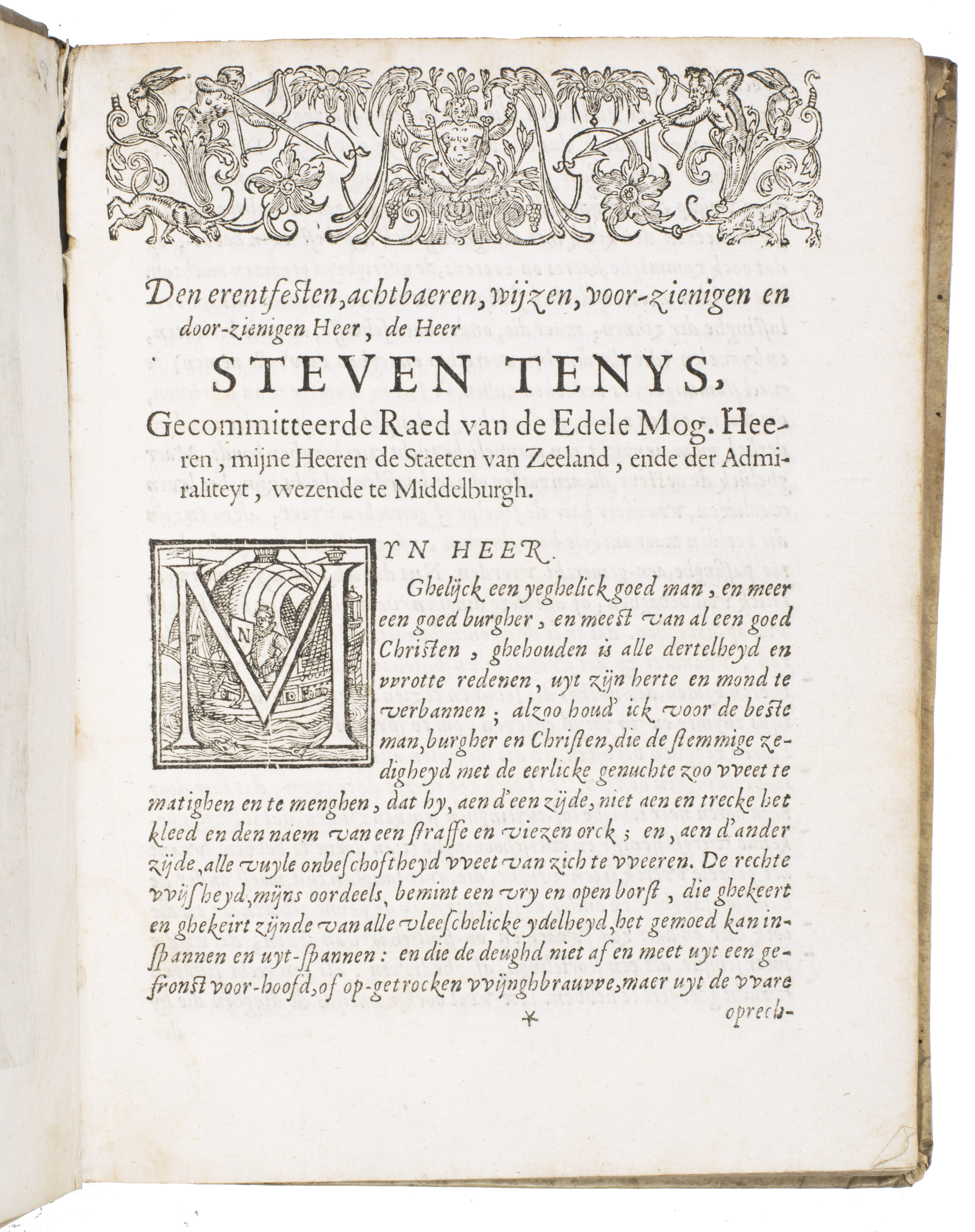
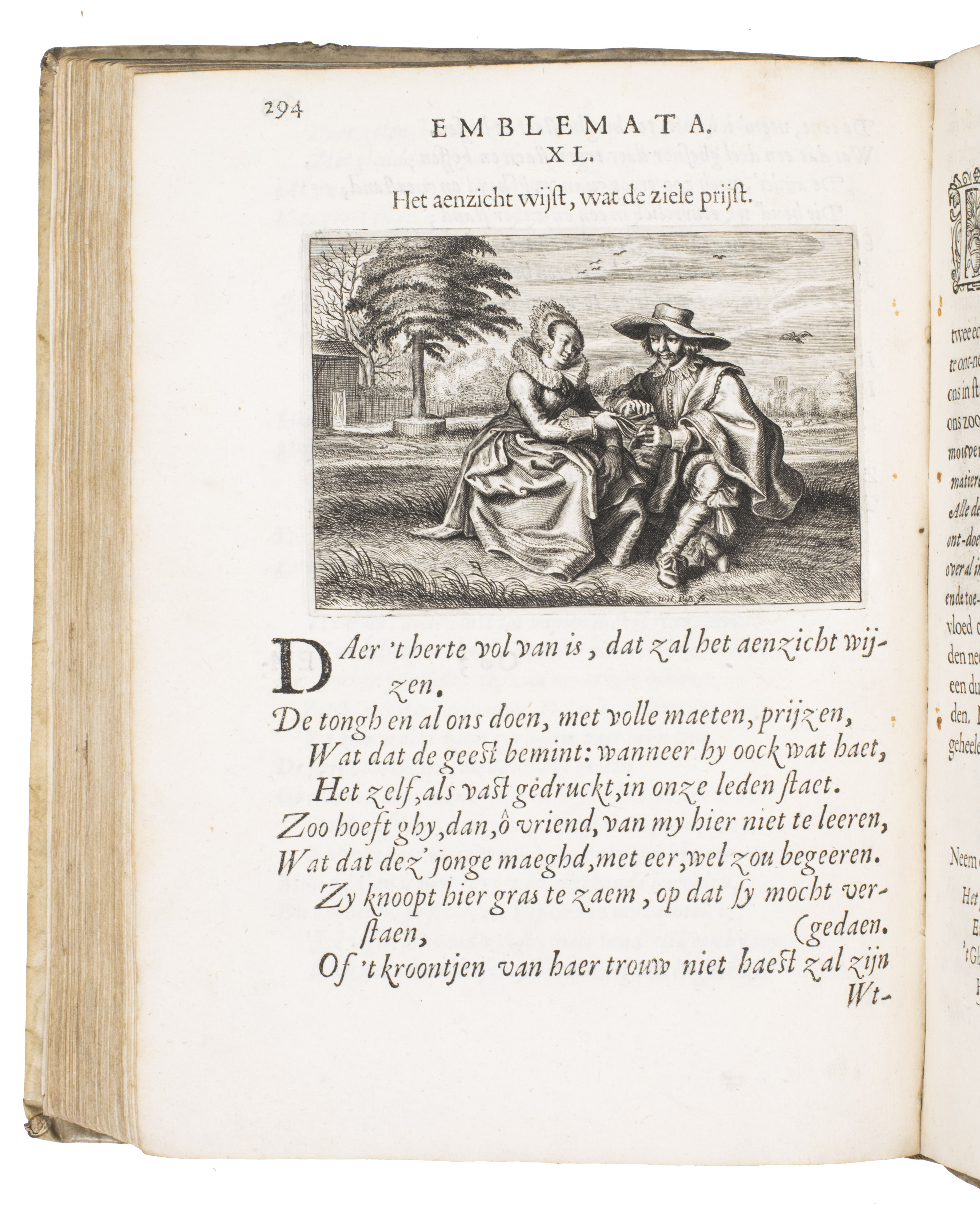
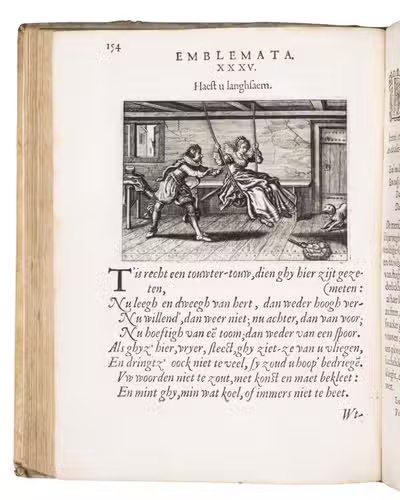
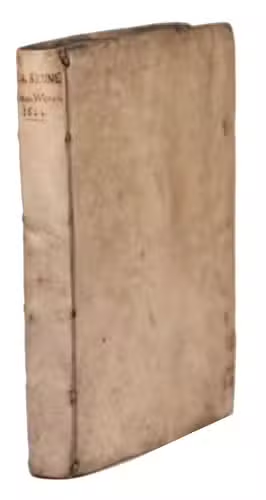
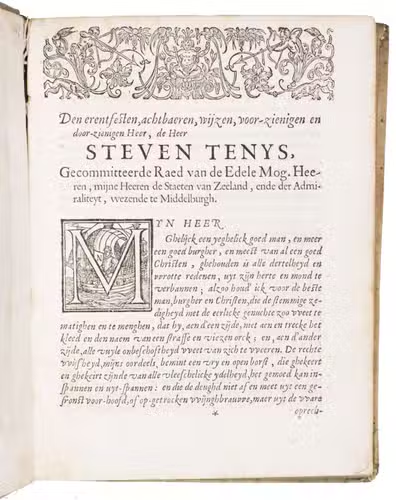
Amsterdam, Jan Evertsen Kloppenburch, 1624 (colophon: Middelburg, printed by Hans vander Hellen, 1624). 4to. With an engraved emblematic title page, and 51 emblems in text, engraved by W. Passe, Cr. le Blon, J. Gelle, A. Poel, and J. Swelinck after designs by Adriaen van de Venne, some woodcut initials and headpieces. Contemporary vellum. [12], 360 pp.
€ 2,950
First edition of one of the most engaging and visually inventive Dutch emblem books of the 17th century, written by Johan de Brune (1588-1658) and illustrated after designs by Adriaen van de Venne (1589-1662).
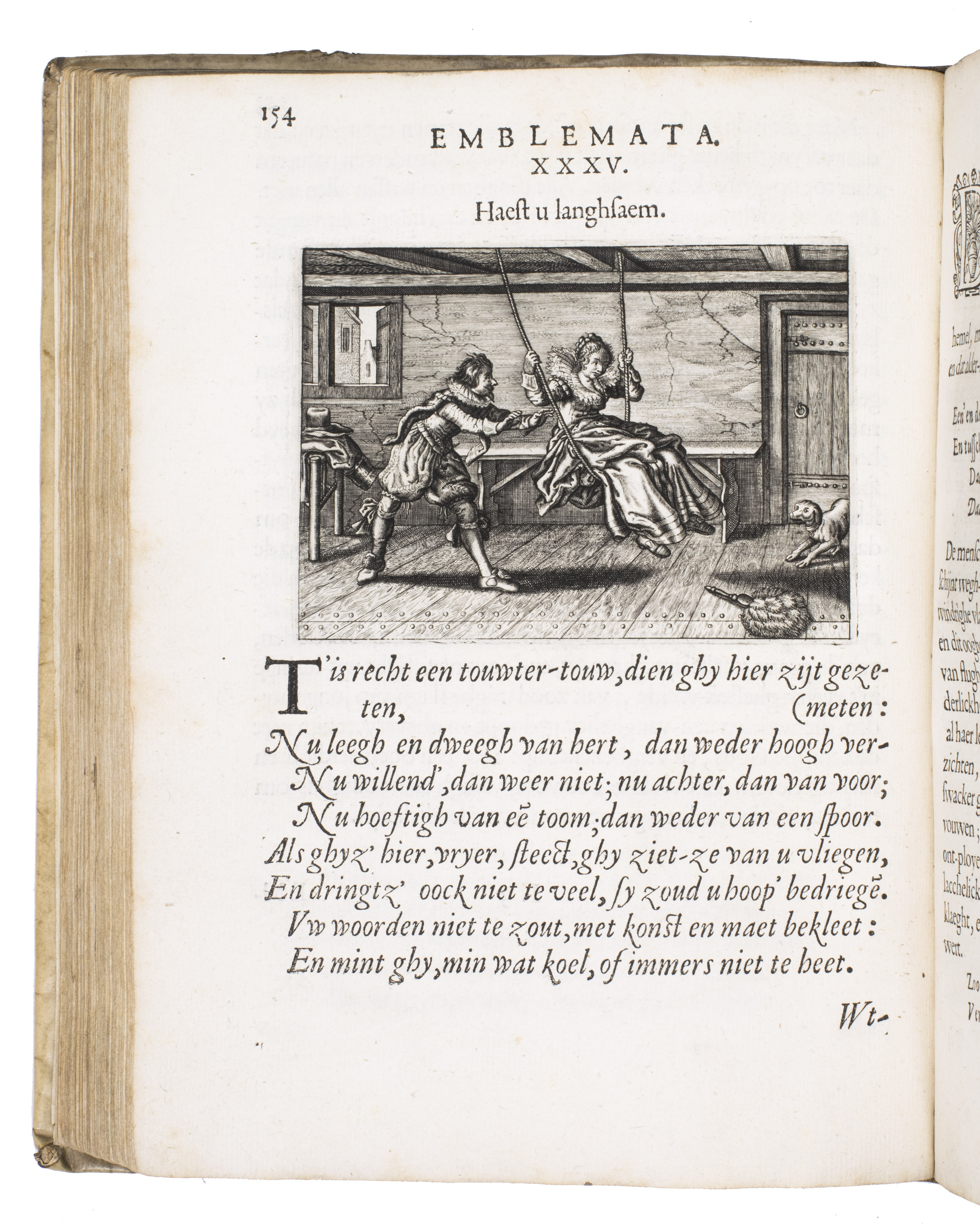
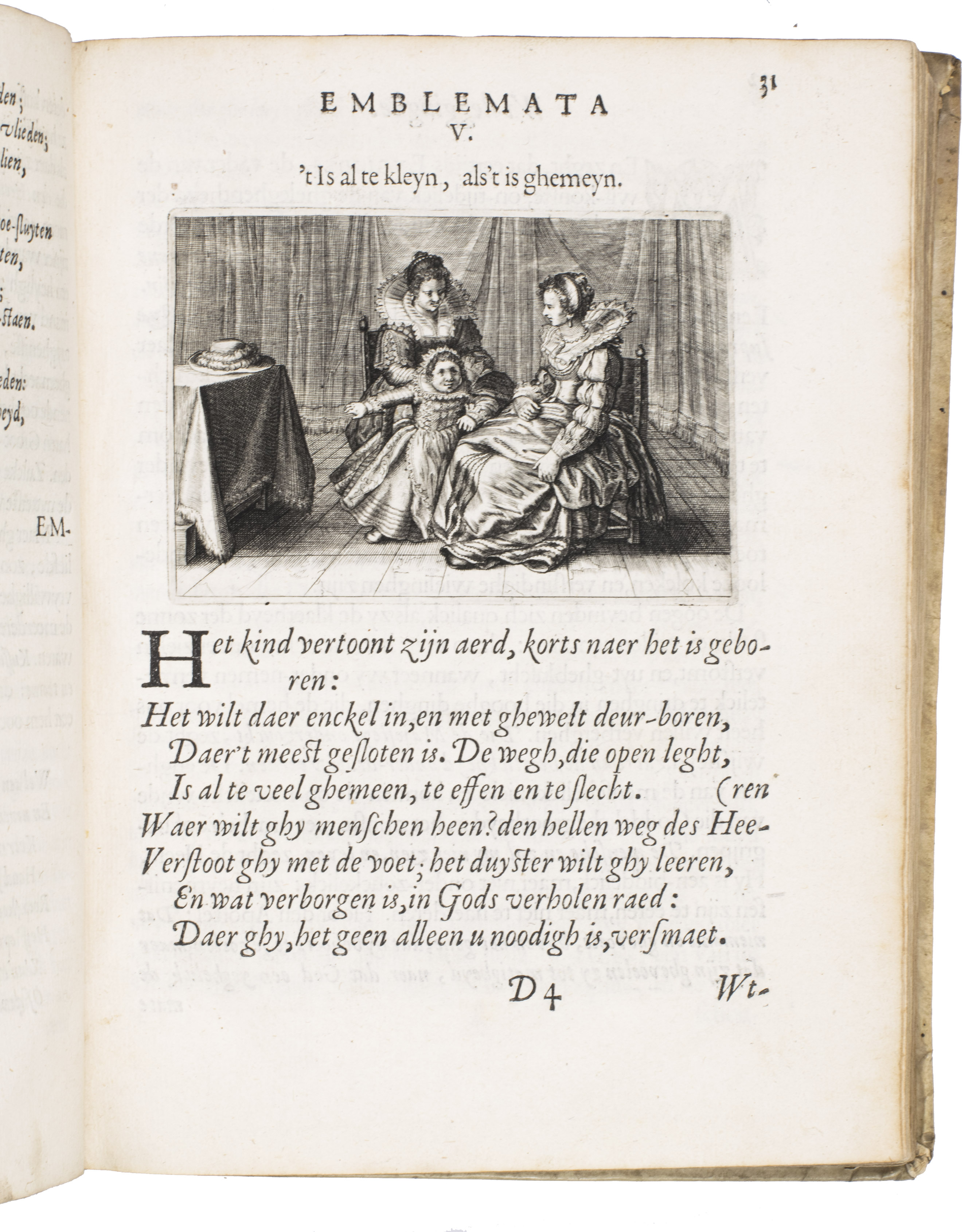
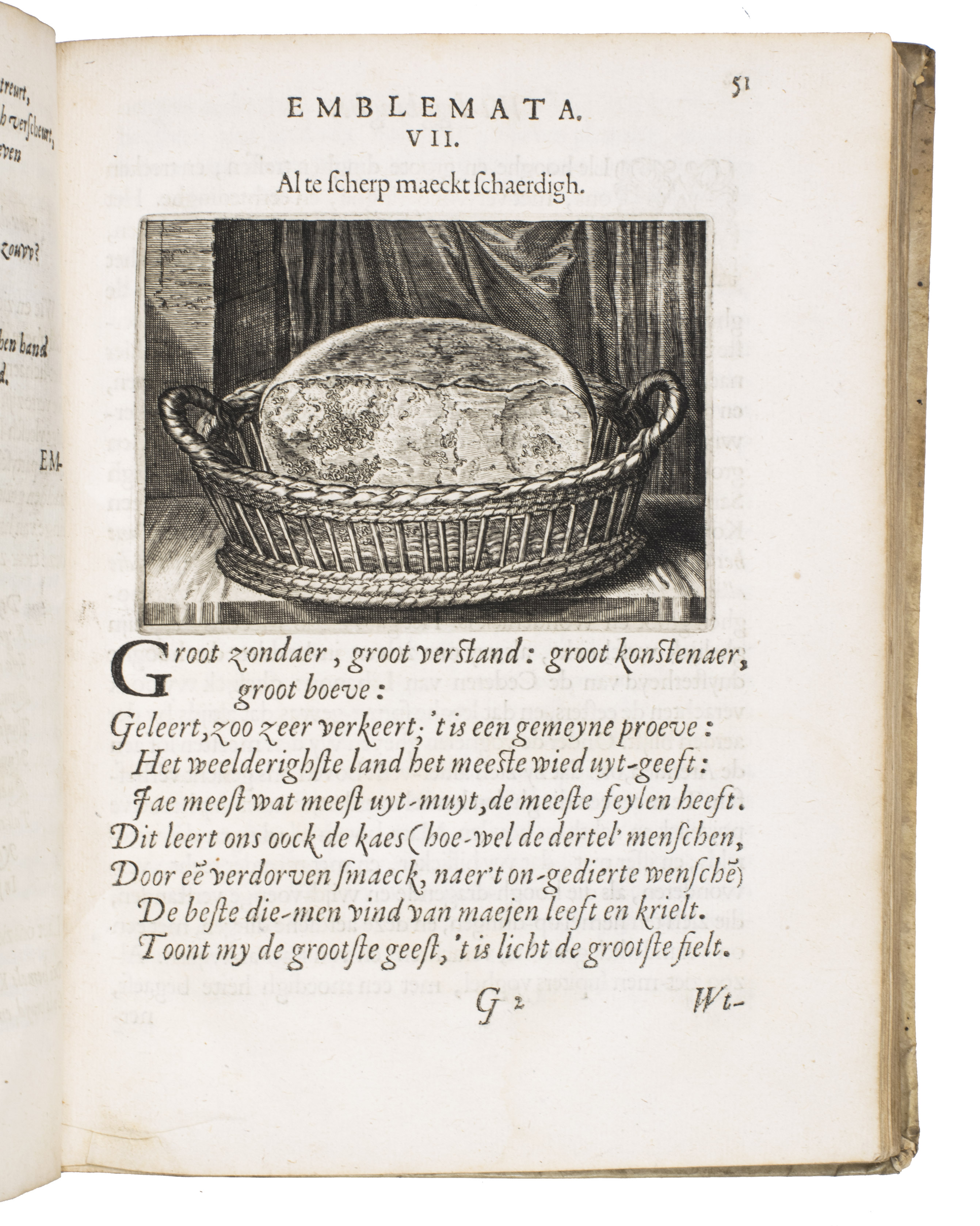
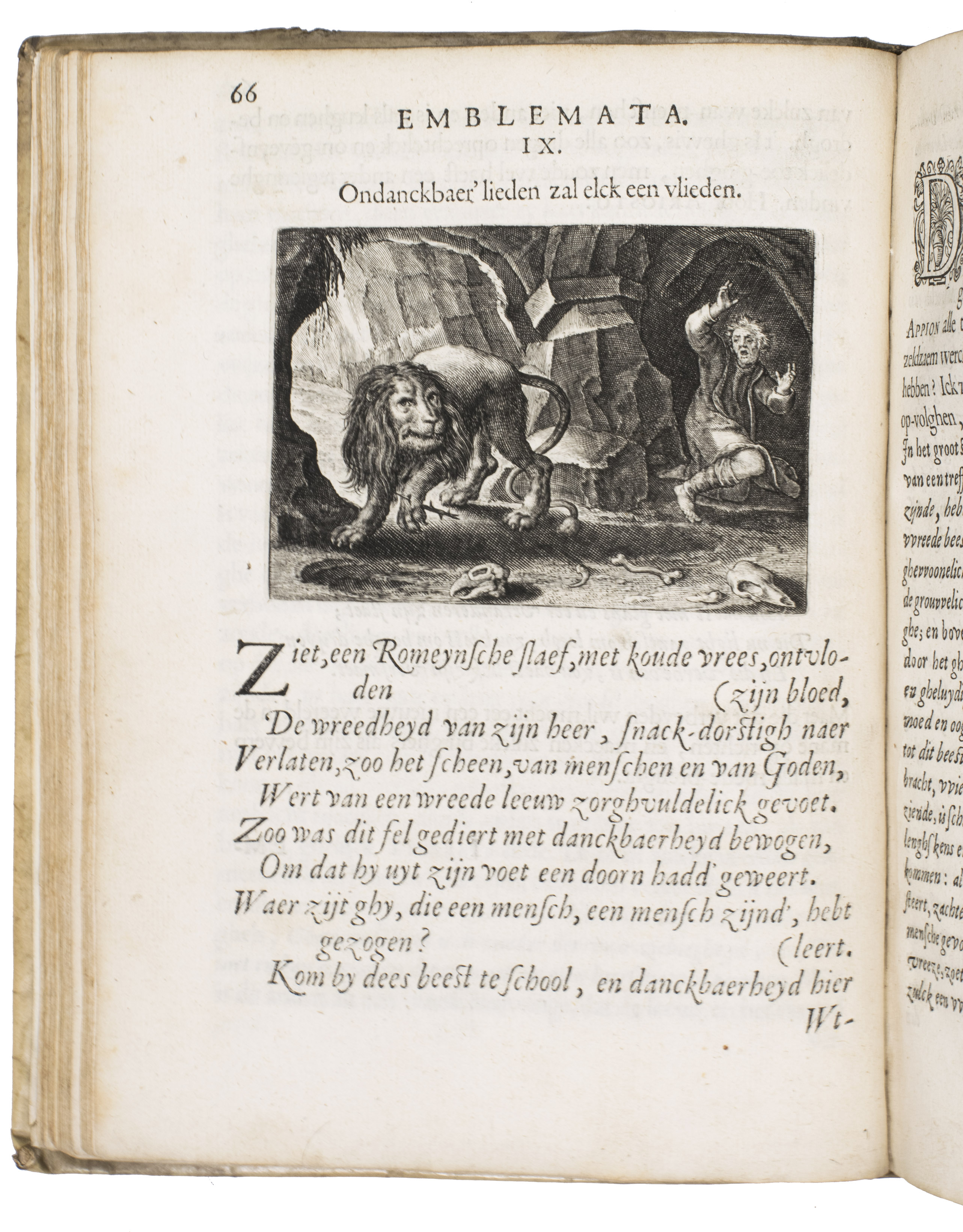
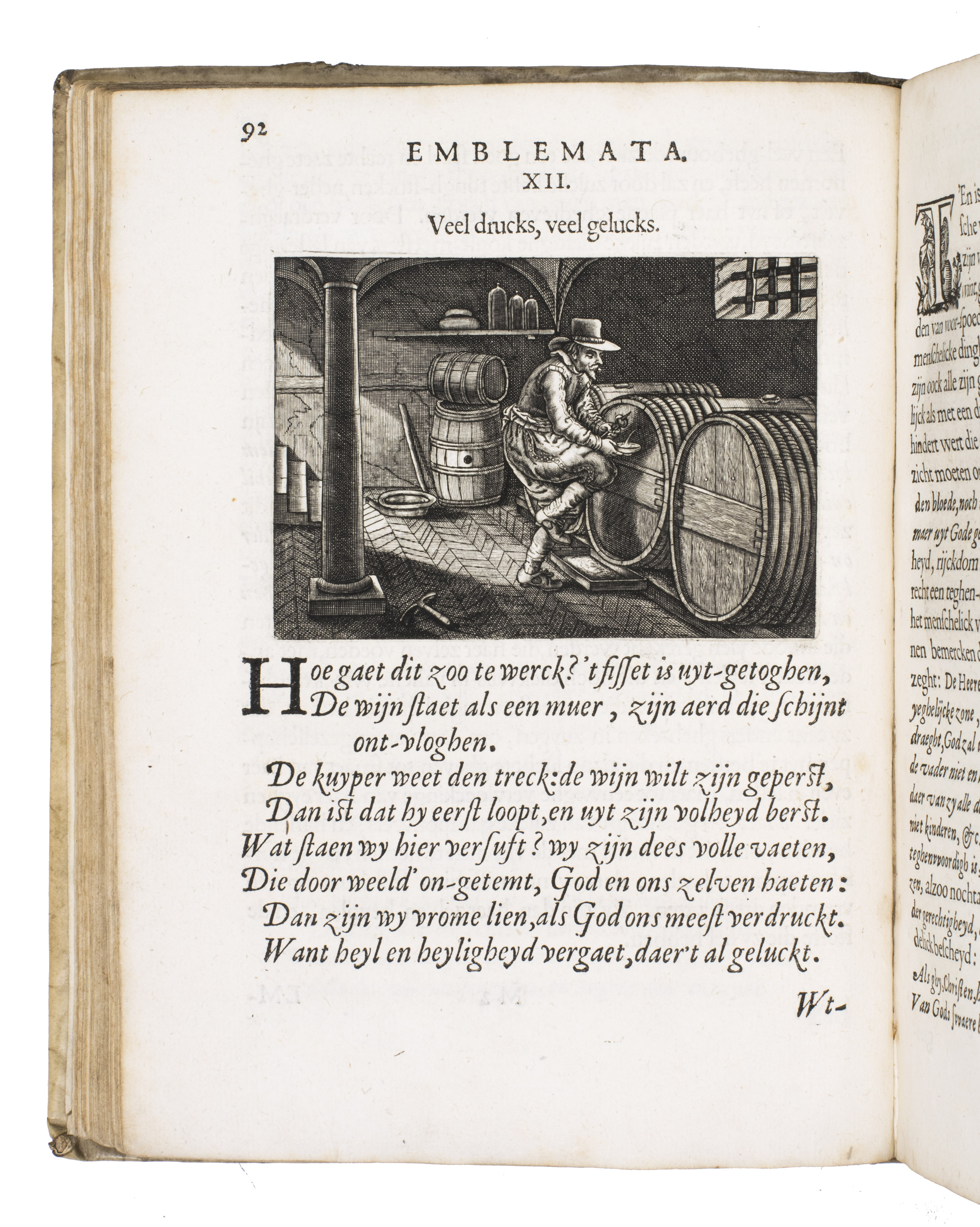
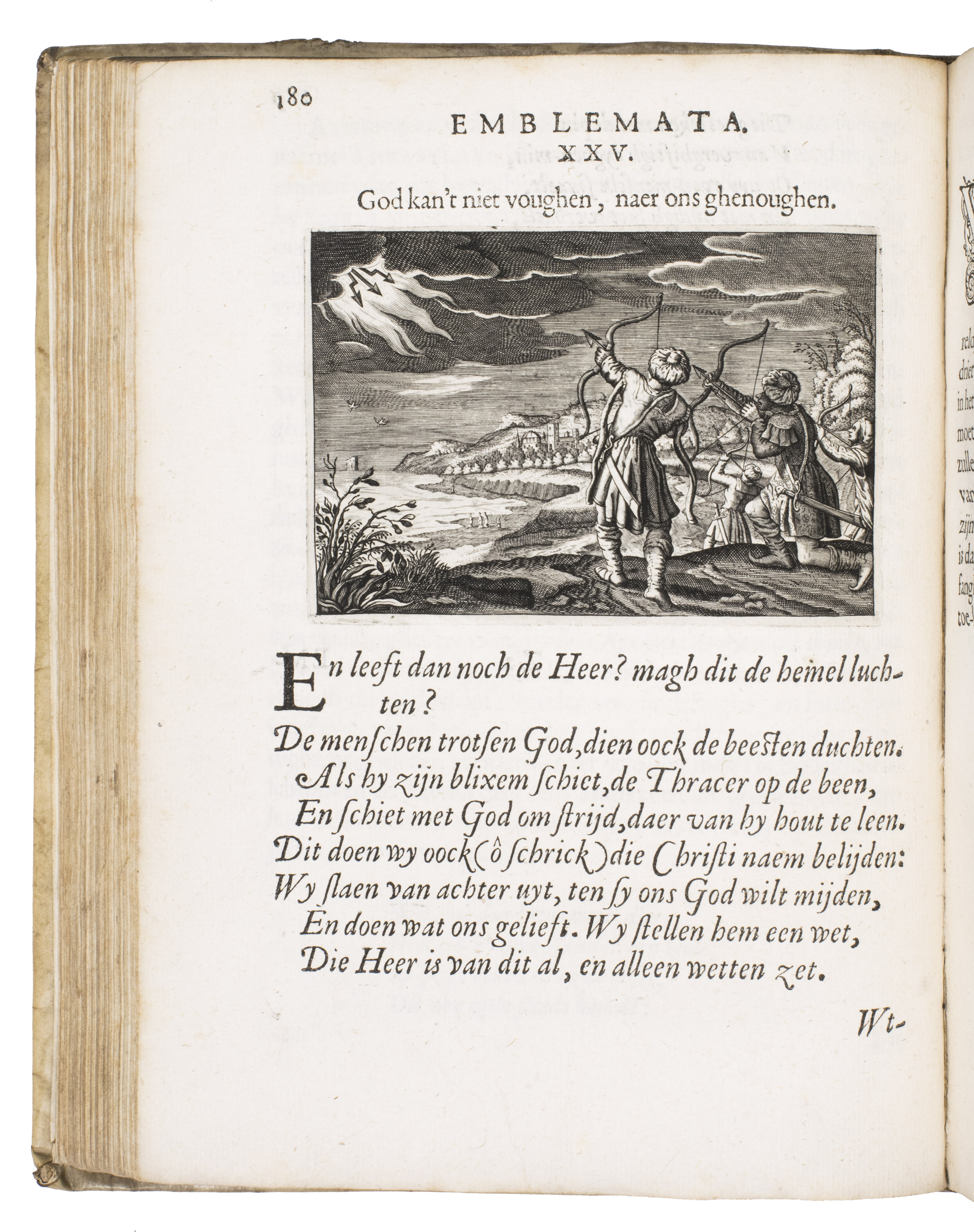
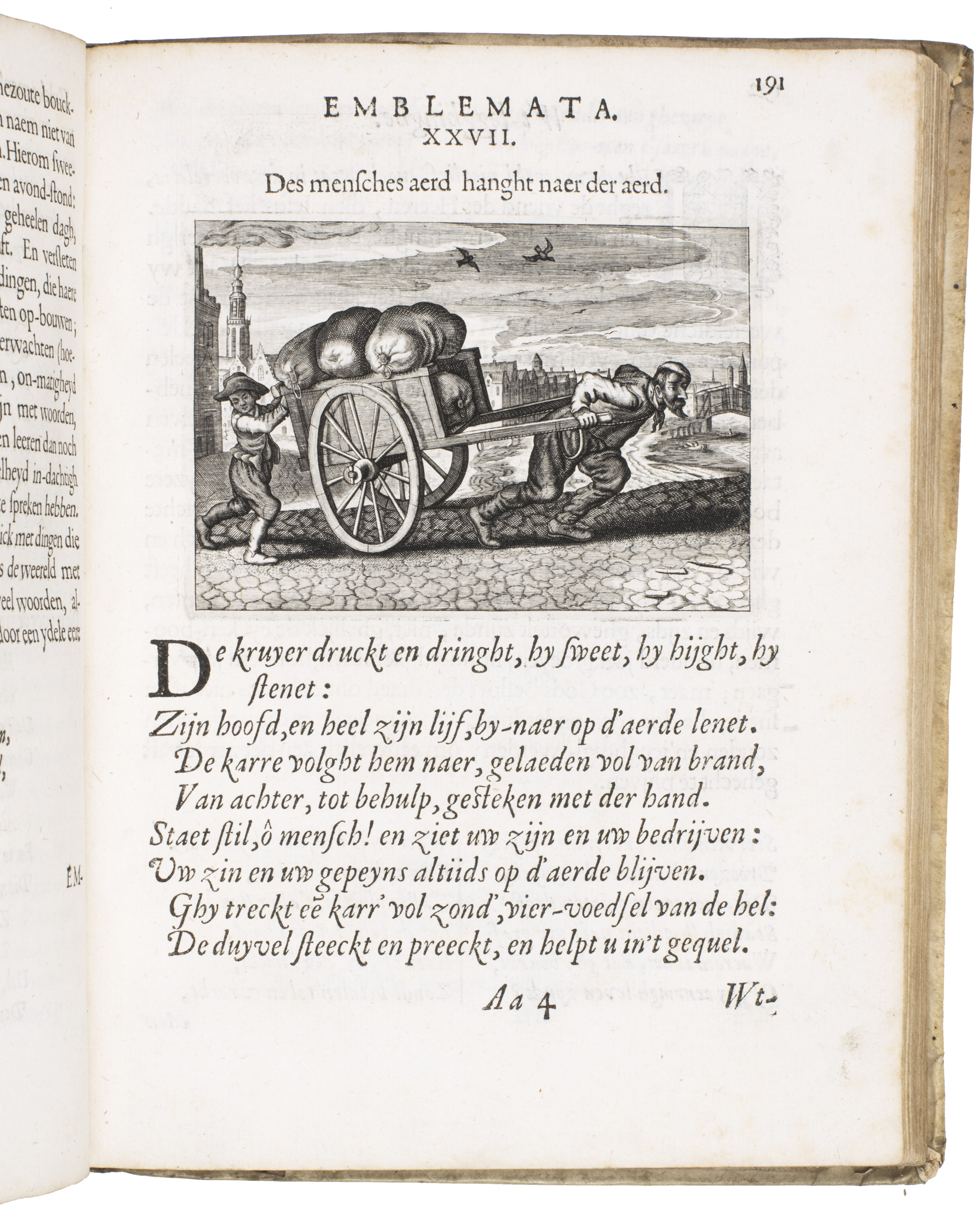
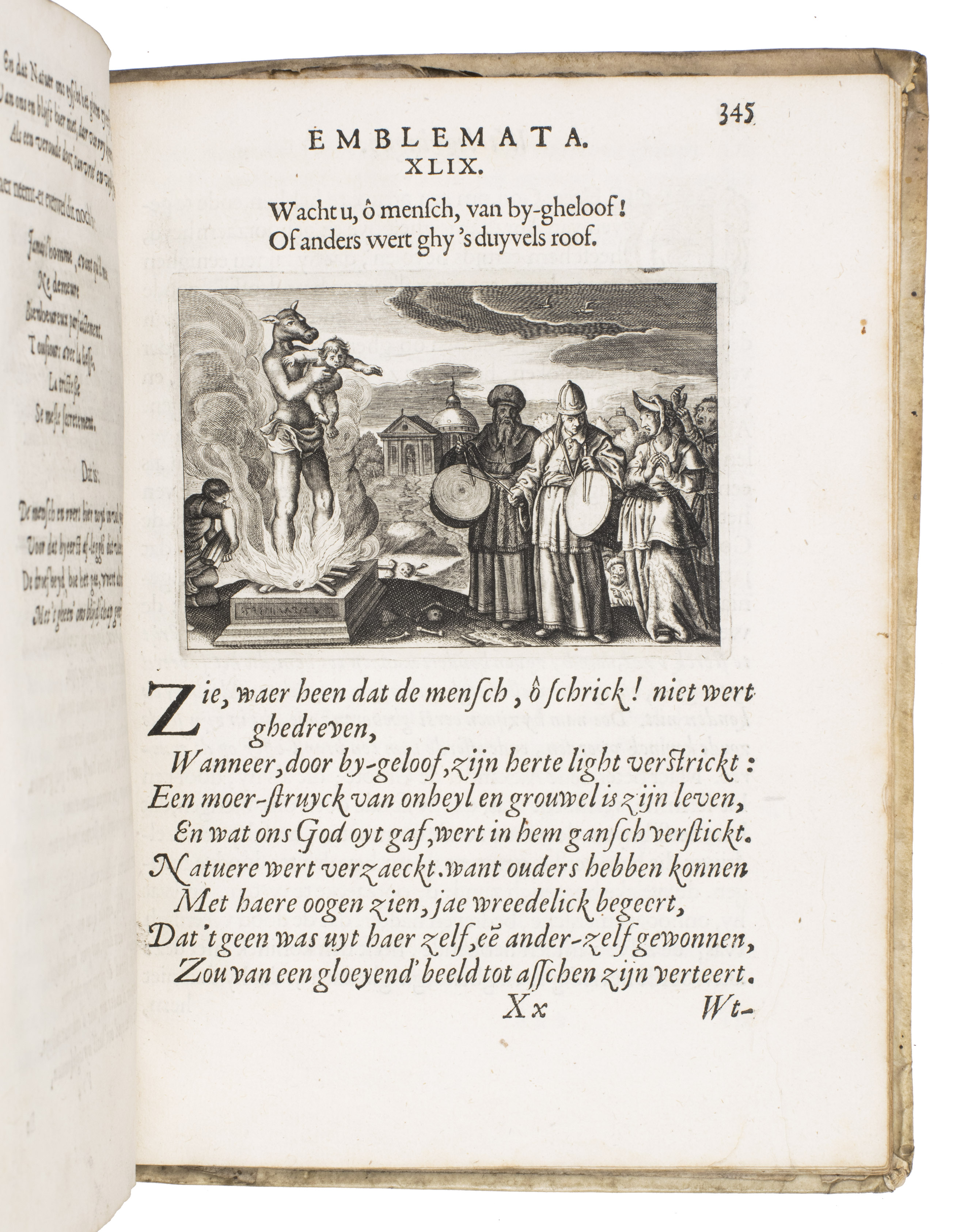
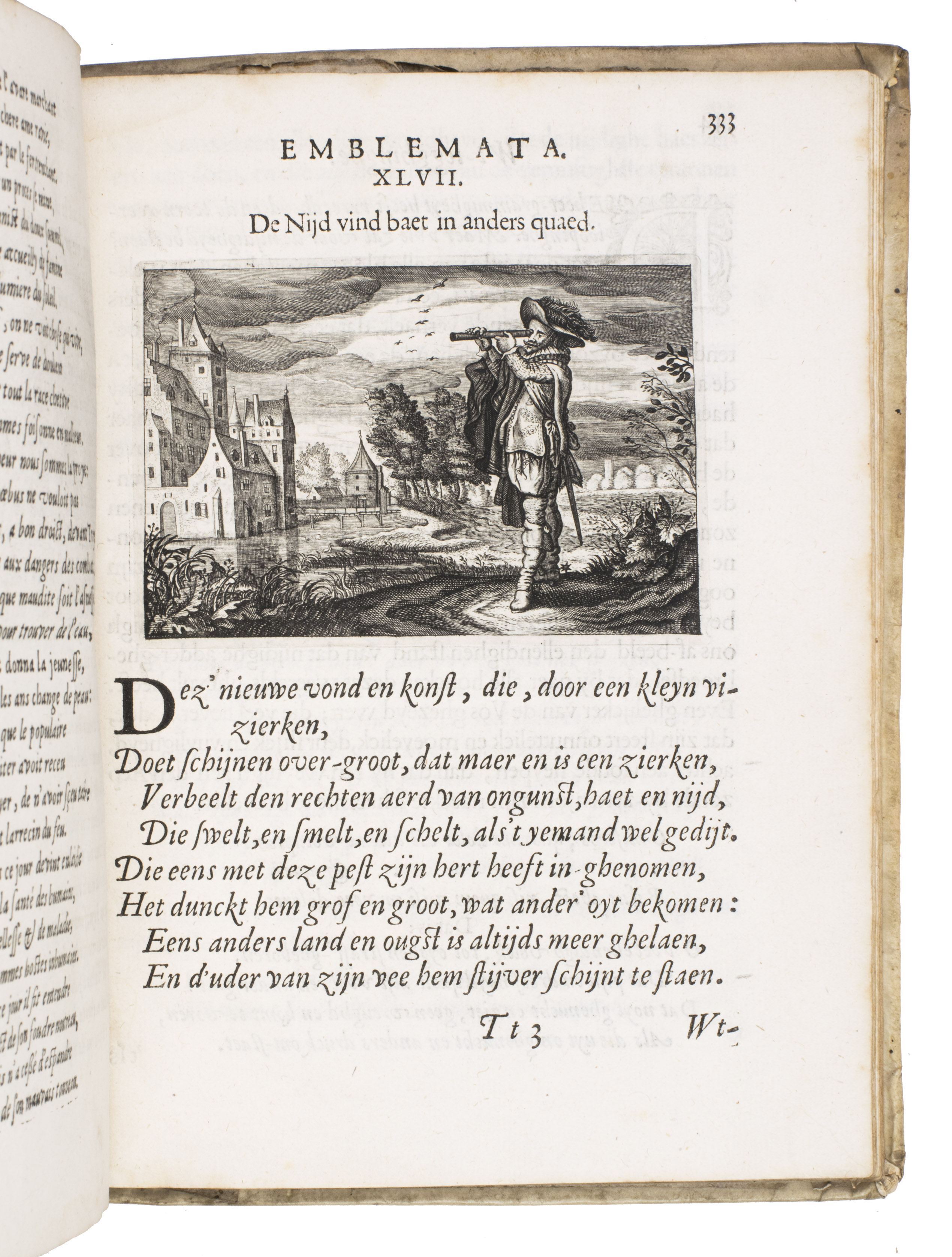
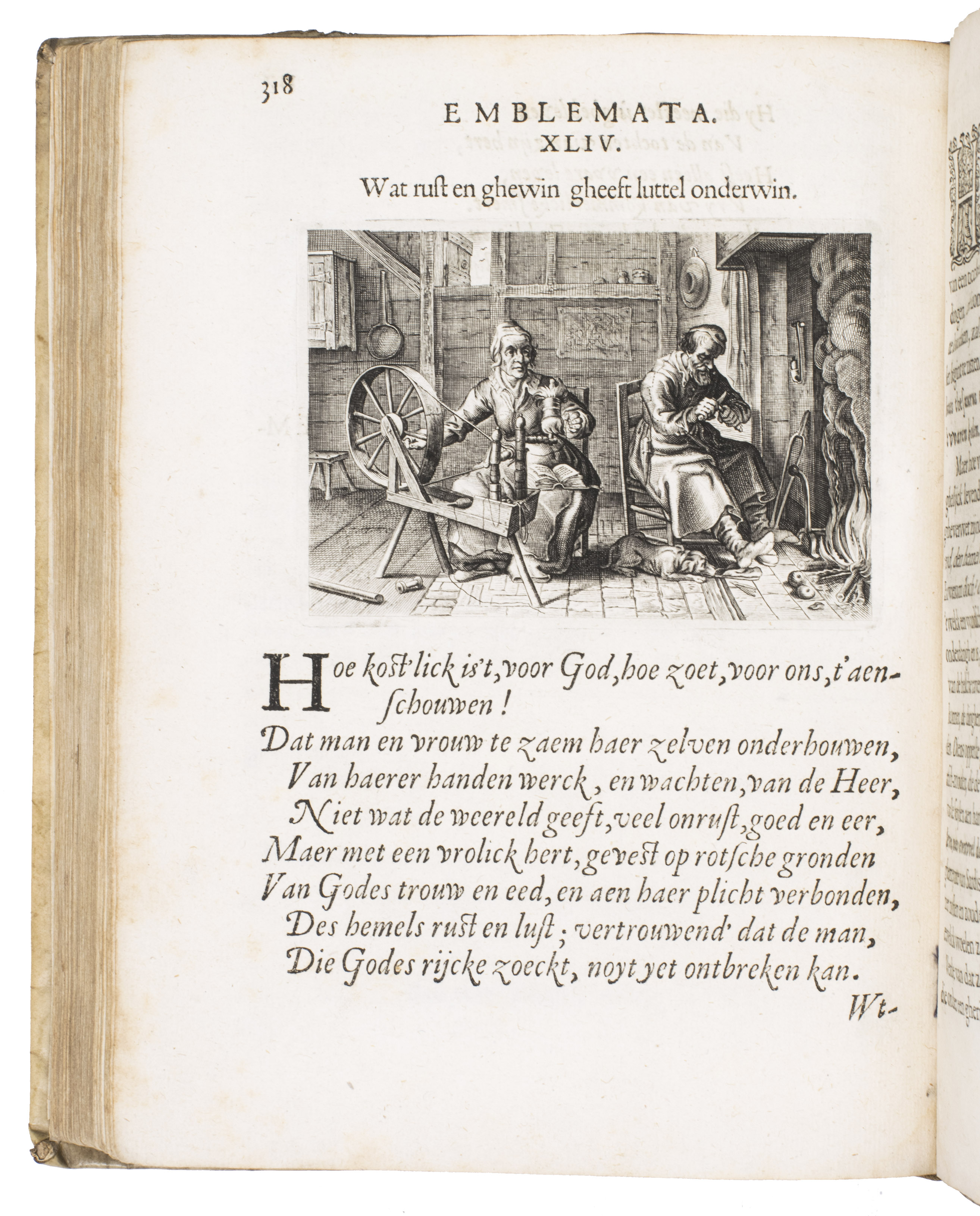
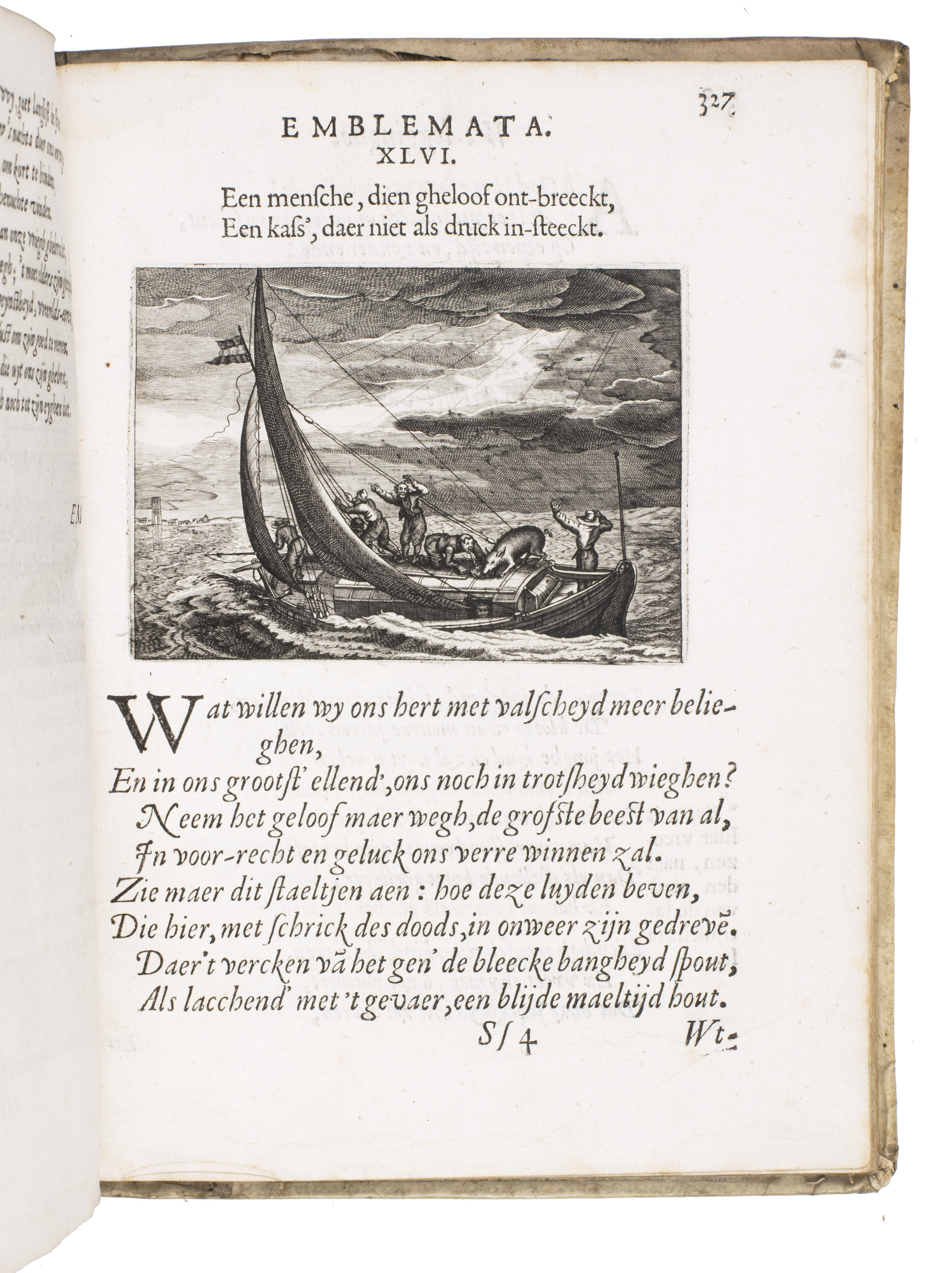
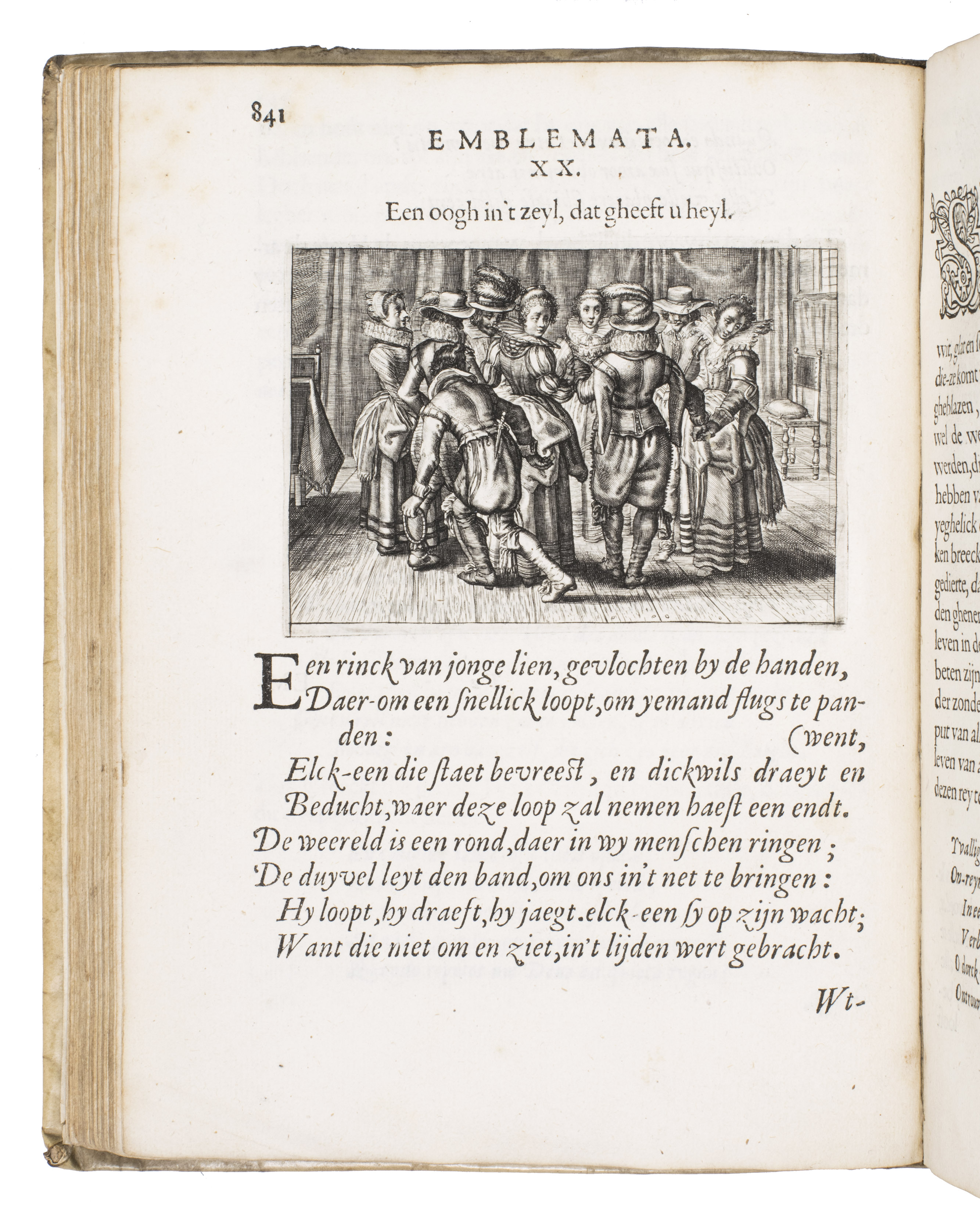
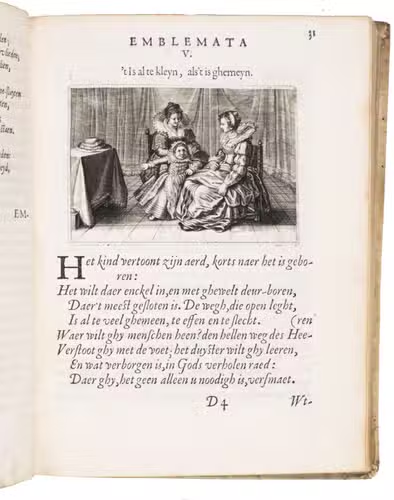
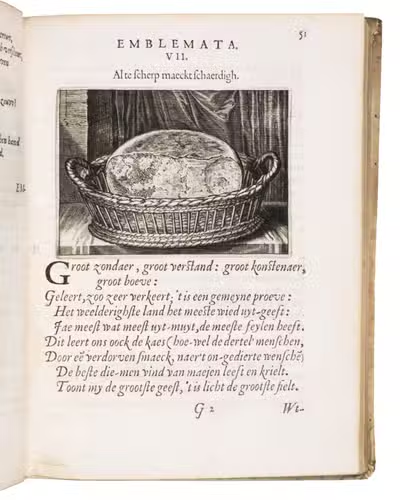
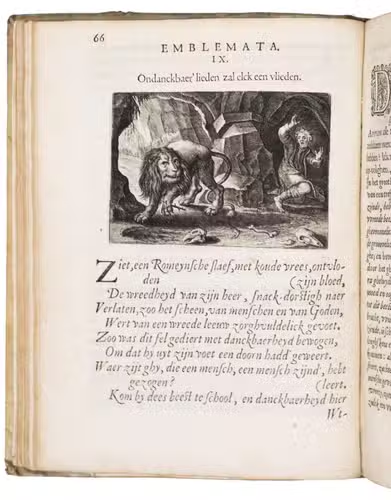
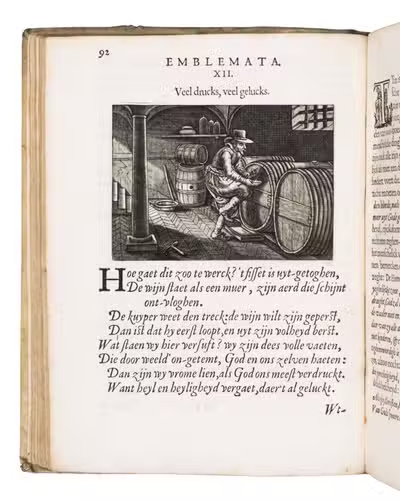
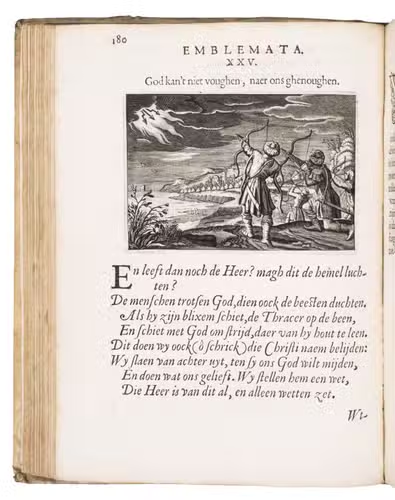
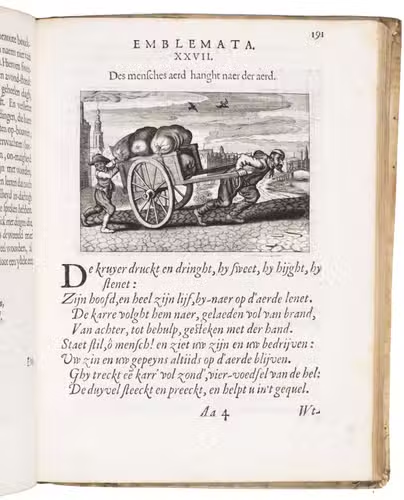
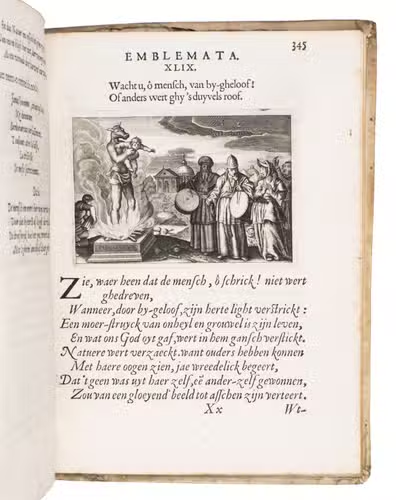
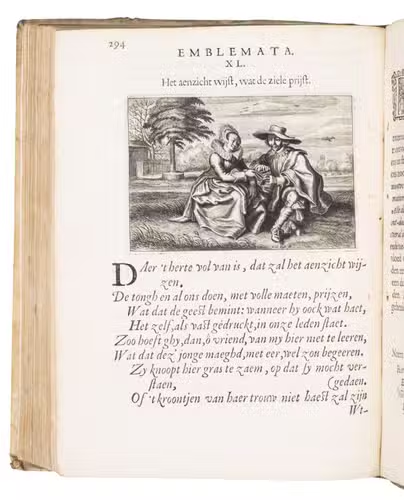
The present work contains an engraved title and 51 emblematic plates, each accompanied by a motto, epigram, and extensive prose commentary. The engravings, executed by a team of accomplished printmakers including Willem van de Passe (ca. 1597-1637) and others, are almost entirely based on Van de Vennes designs, whose lively and observant style earned him recognition as one of the foremost illustrators of the Dutch Golden Age. His compositions form, in effect, a vivid pictorial encyclopaedia of everyday life in the Dutch Republic.
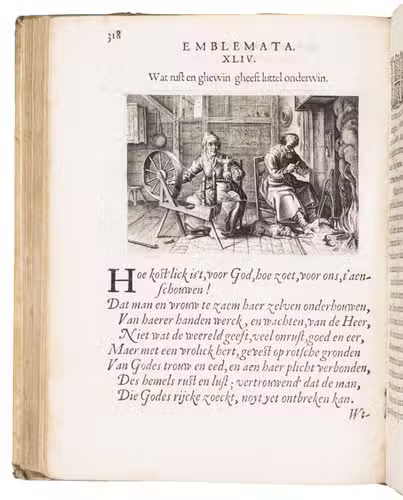
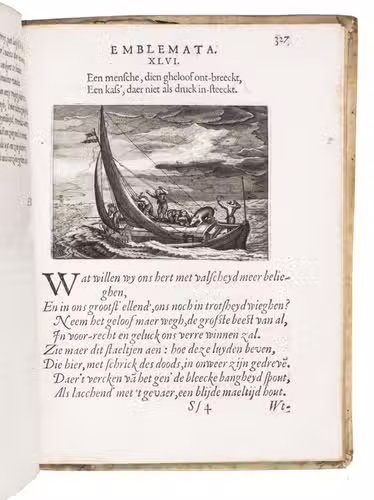
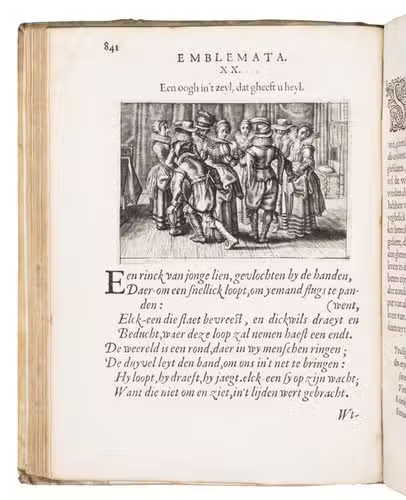
The work is particularly notable for its striking interplay between image and text. The engravings depict scenes of contemporary bourgeois life, domestic interiors, games, music-making, medical practices, and seasonal pastimes, rendered with remarkable immediacy and detail. Yet these seemingly familiar and often charming scenes are systematically reinterpreted by De Brunes accompanying texts, which impose a rigorous moral and religious framework. Beneath the surface of conviviality and domestic harmony, the author exposes themes of human frailty, sin, and the transience of earthly pleasures, reflecting the moral seriousness of the Dutch Reformed tradition.
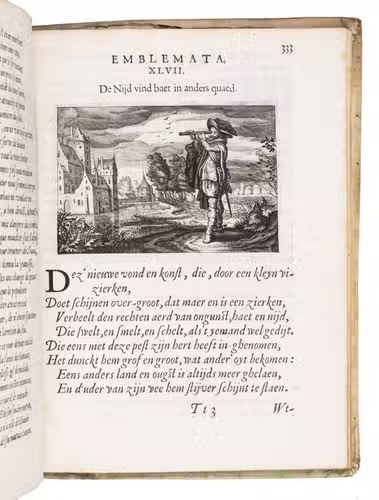
The Emblemata of zinne-werck also holds considerable importance in the history of illustration. As noted by art historians, Dutch artists of this period transformed emblematic imagery into fresh and naturalistic representations of reality. Among the more striking examples is one of the earliest visual representations of a telescope, reflecting the eras fascination with new scientific instruments. Elsewhere, the reader encounters vividly observed scenes of daily life.
Parts of the title are cut out and mounted on a separate leaf, slightly browned throughout, and the inner gutter shows some staining on pp. 301-305. Otherwise in good condition. De Vries, Emblemata, 115; Emblem books in Leiden 75; Franken, Van der Venne, XIV, p. 110; Landwehr, Emblem & Fable Books, 86; Meertens, Letterkundig leven in Zeeland pp. 308-310; Praz p. 288; Roger Paultre, Les Images du Livre, pp. 164-167; STCN 853409560.
Related Subjects: