BOSCH, Lambert van den.
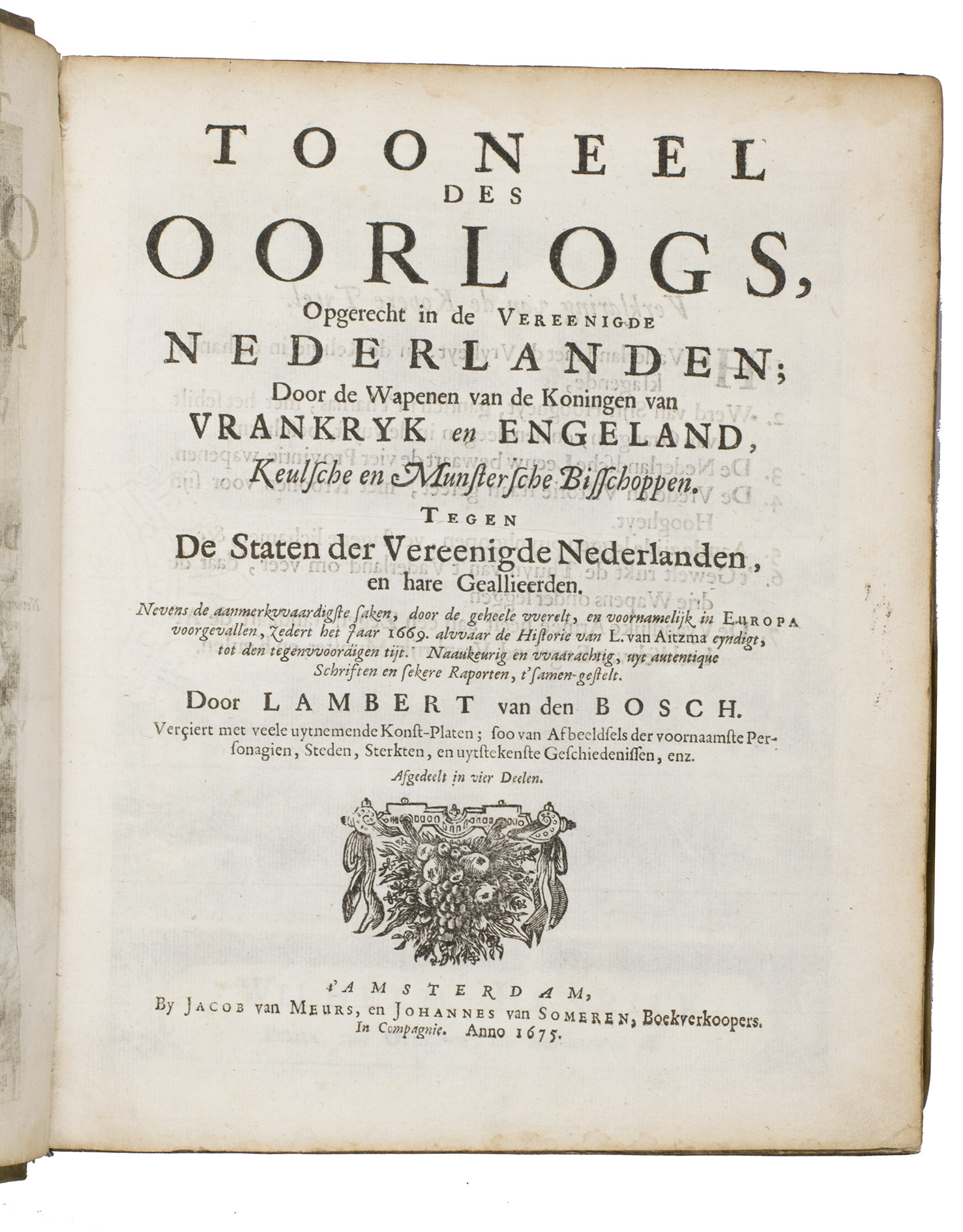
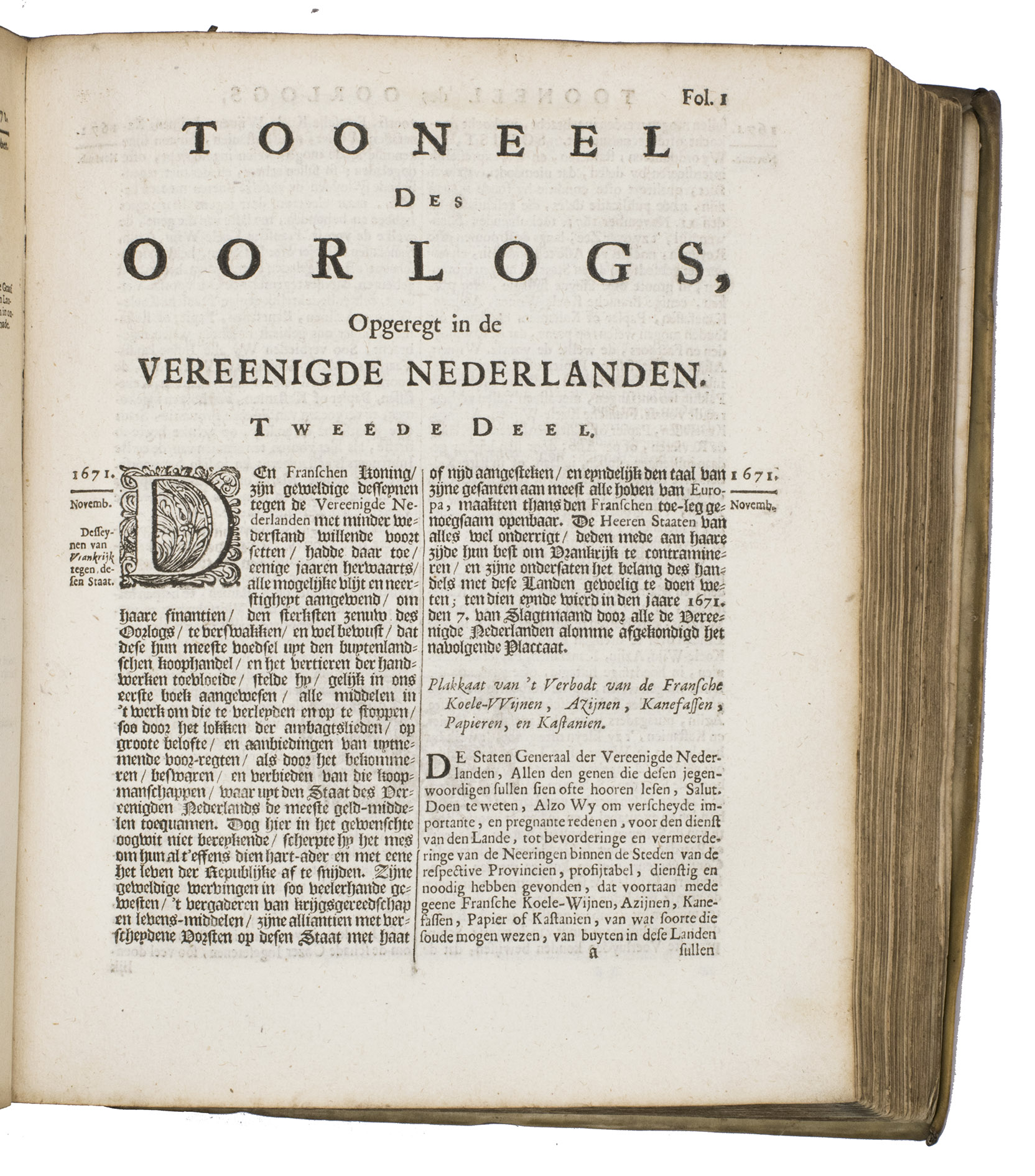
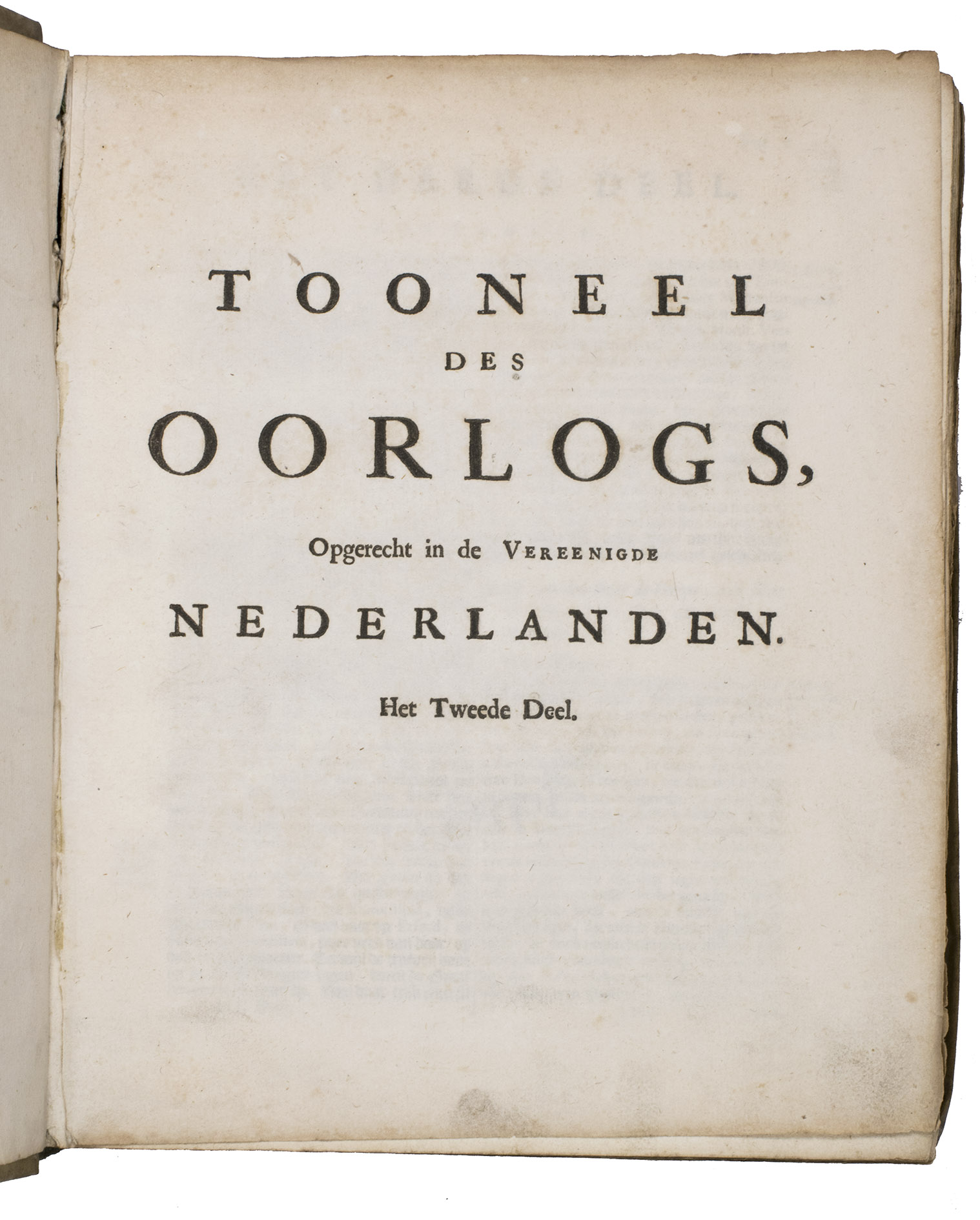
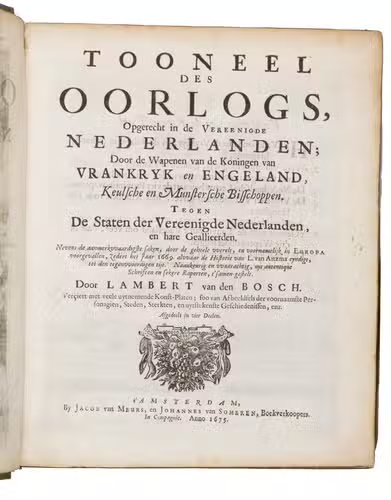
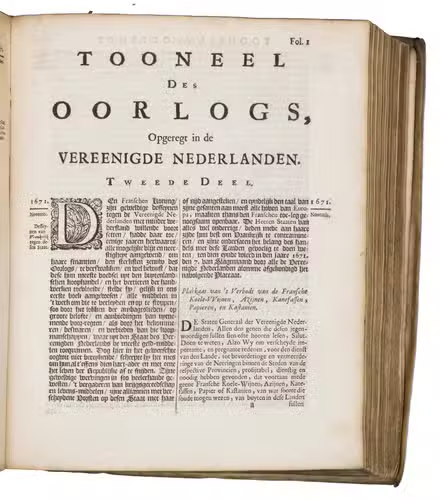
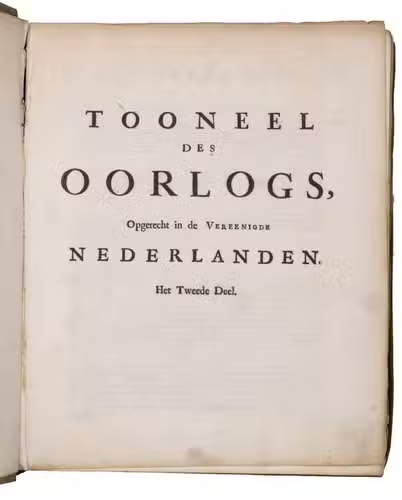
Tooneel des oorlogs, opgerecht in de Vereenigde Nederlanden; door de wapenen van de Koningen van Vrankryk en Engeland, Keulsche en Munstersche Bisschoppen. Tegen de Staten der Vereenigde Nederlanden en hare geallieerden. Nevens de aanmerkwaardigste saken, door de geheele werelt ... voorgevallen, zedert her jaar 1669, alwaar de Historie van L. van Atzema eyndigt ... .
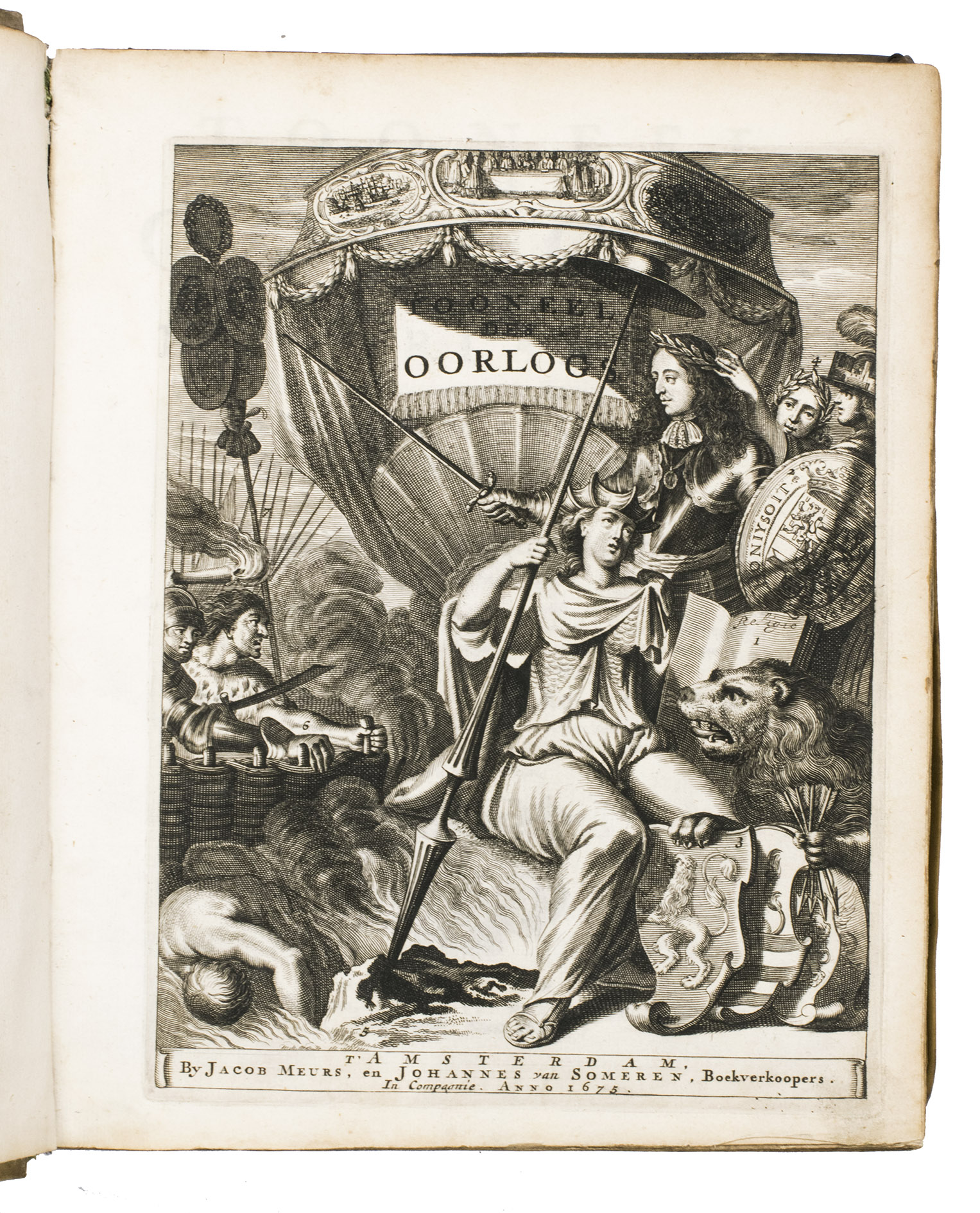
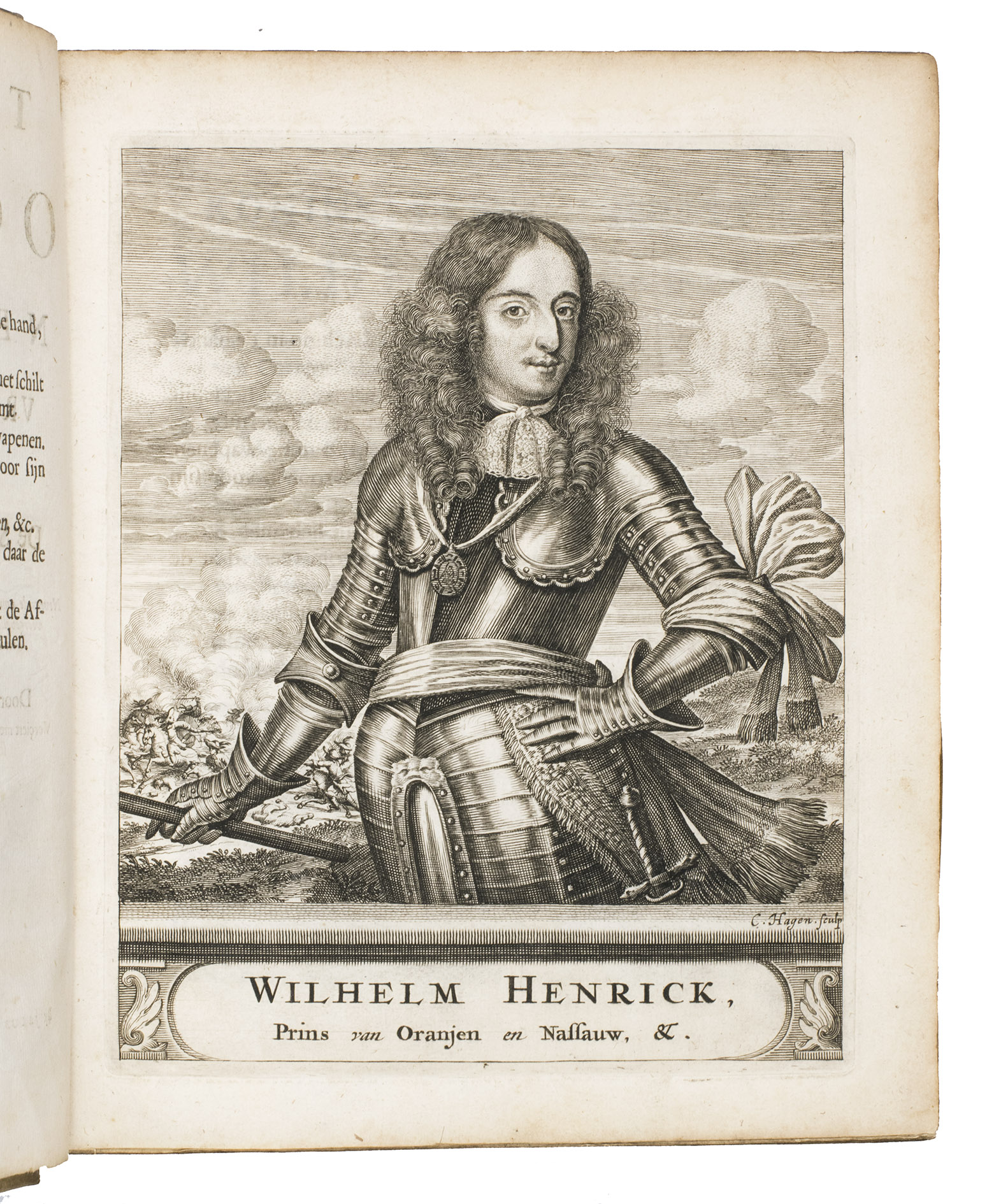
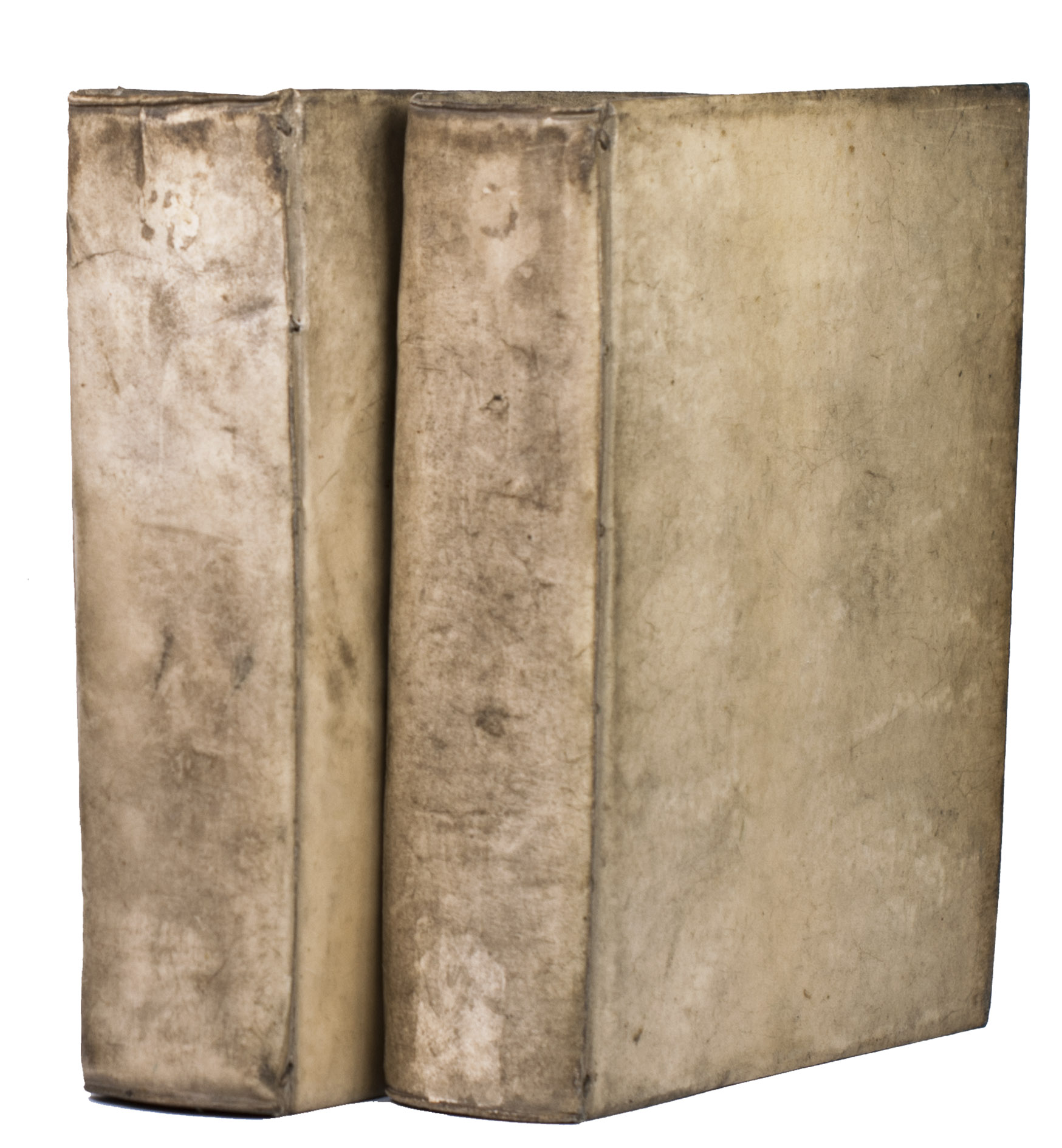
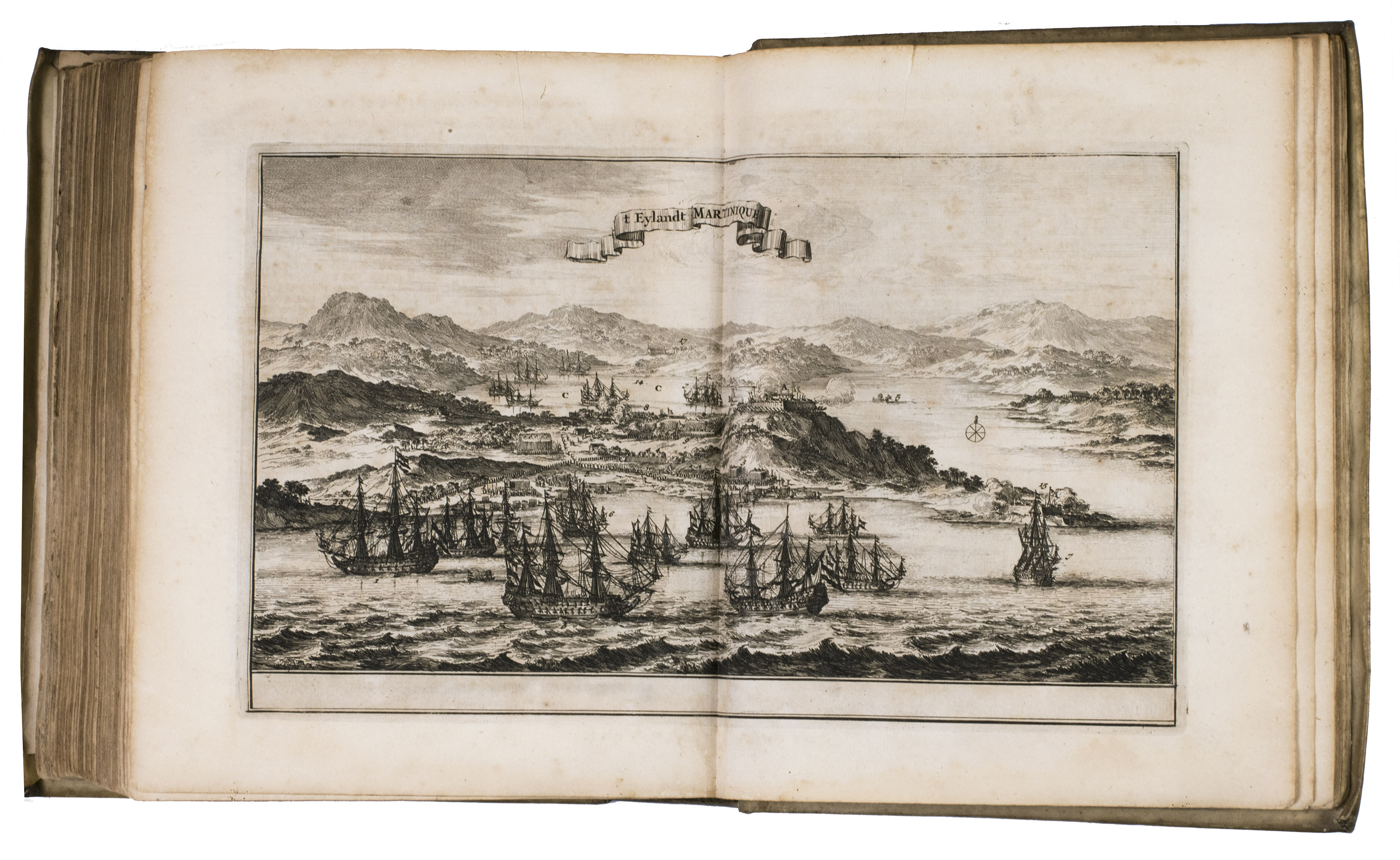
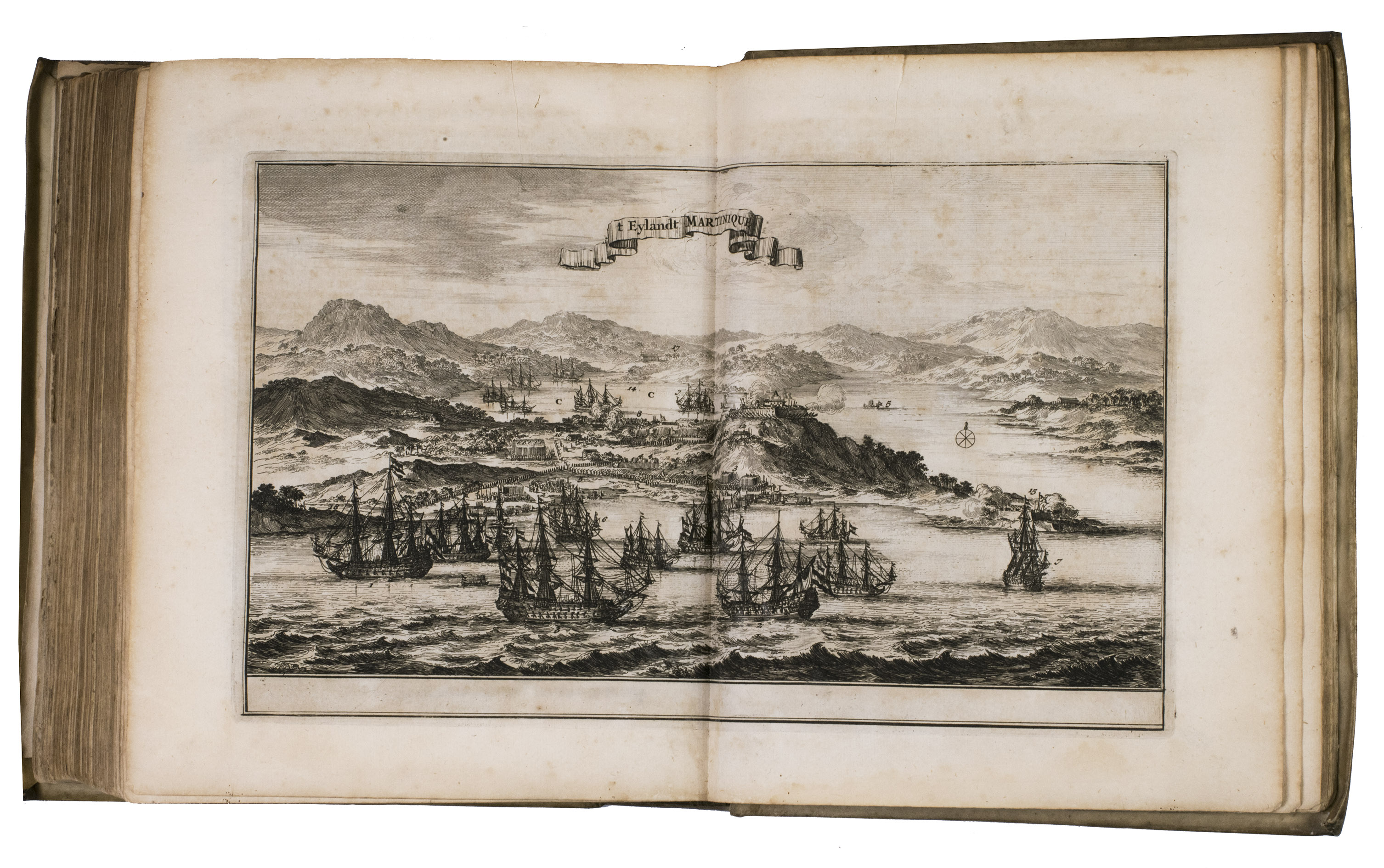
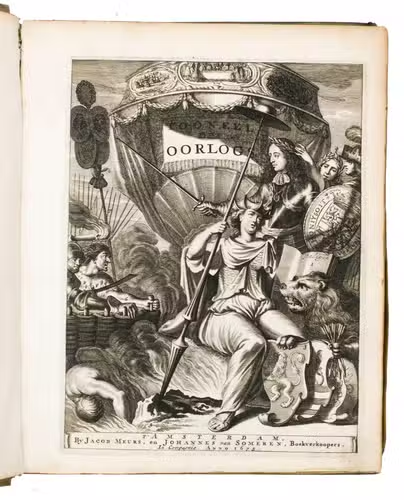
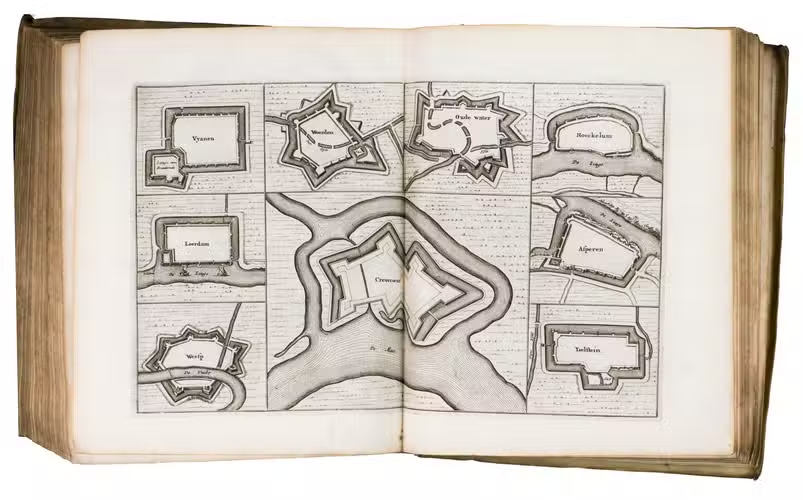
Amsterdam, Jacob van Meurs & Johannes van Someren, 1675. 4 parts in 2 volumes. Large 4to. With an engraved allegorical frontispiece, a woodcut vignette on the title page, 37 double-page engraved plates, views and plans, several decorated woodcut initials and tail pieces. Contemporary overlapping vellum. [8], 298; 162 pp., 161-164 ll., 165-338; [2], 168 pp., 169-176, cols., 177-296; 350, [15], [1 blank] pp.
€ 2,500
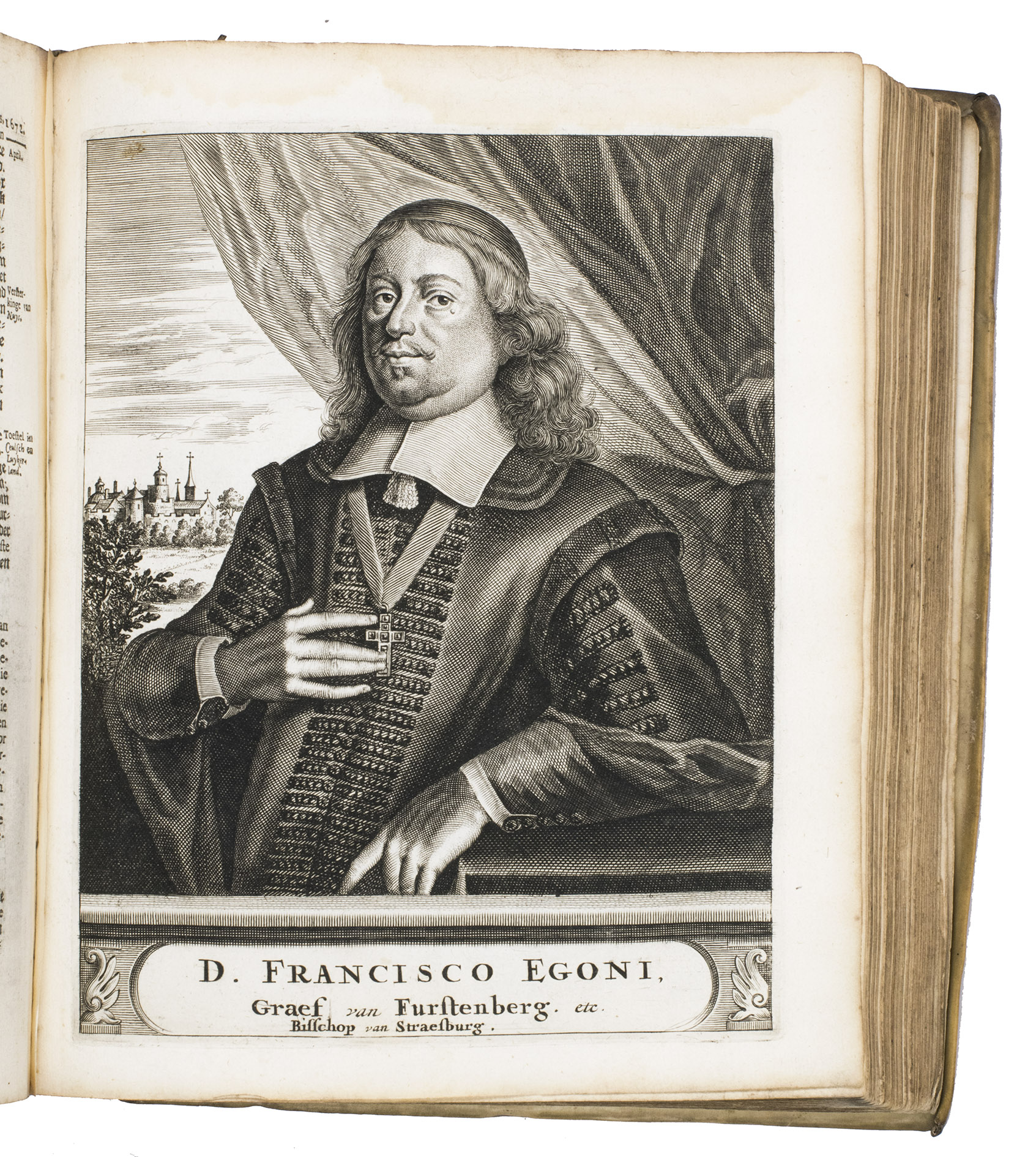
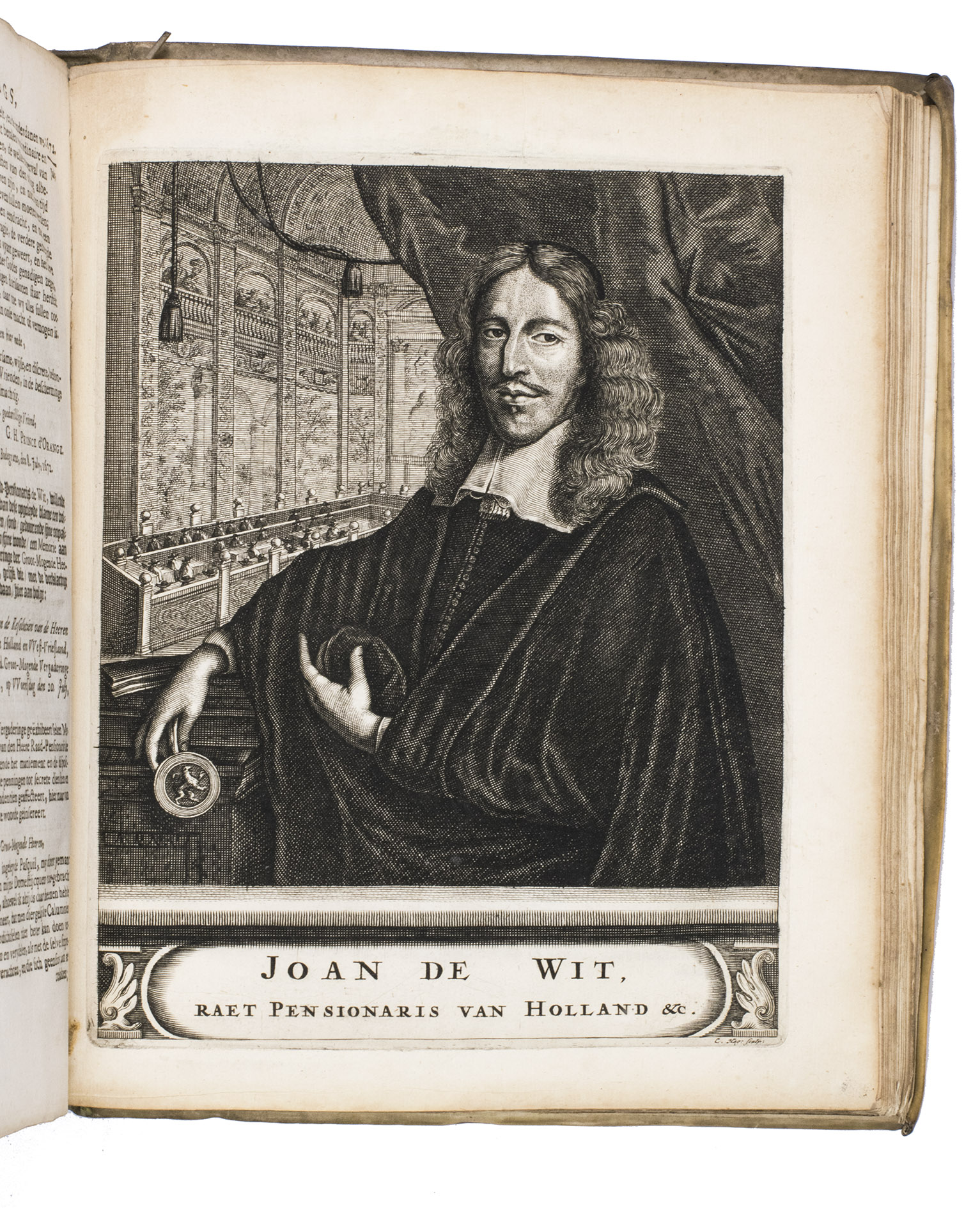
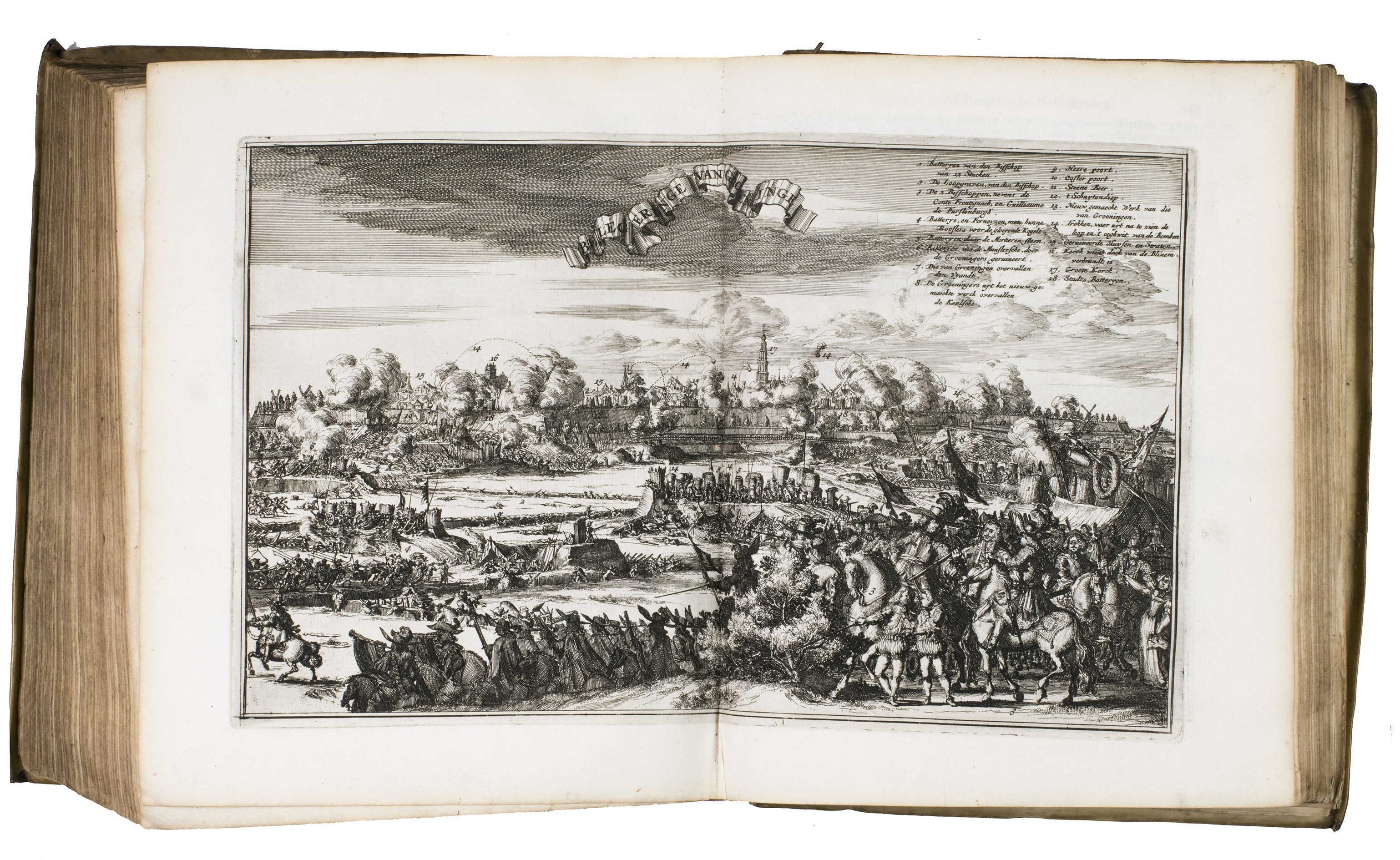
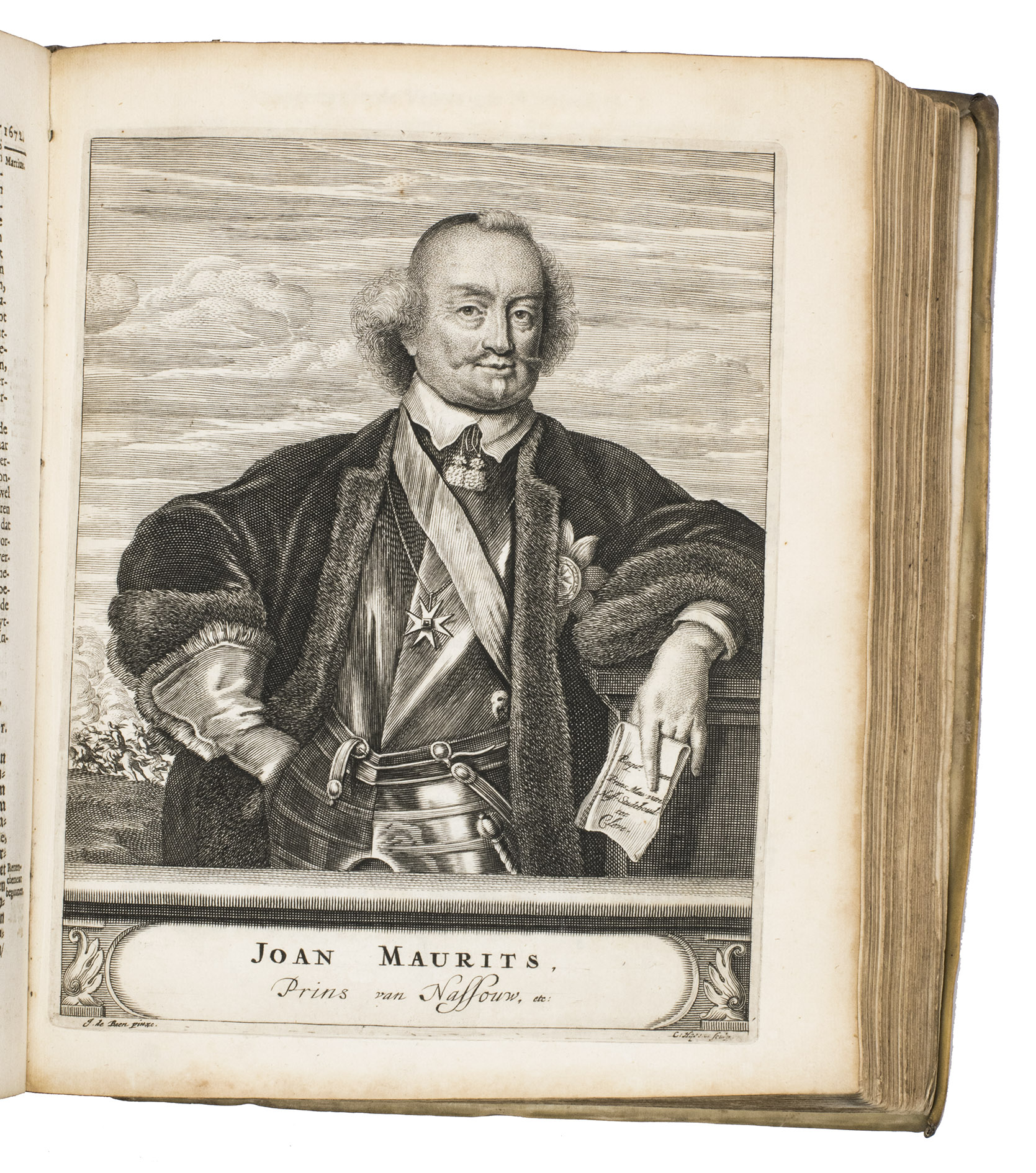
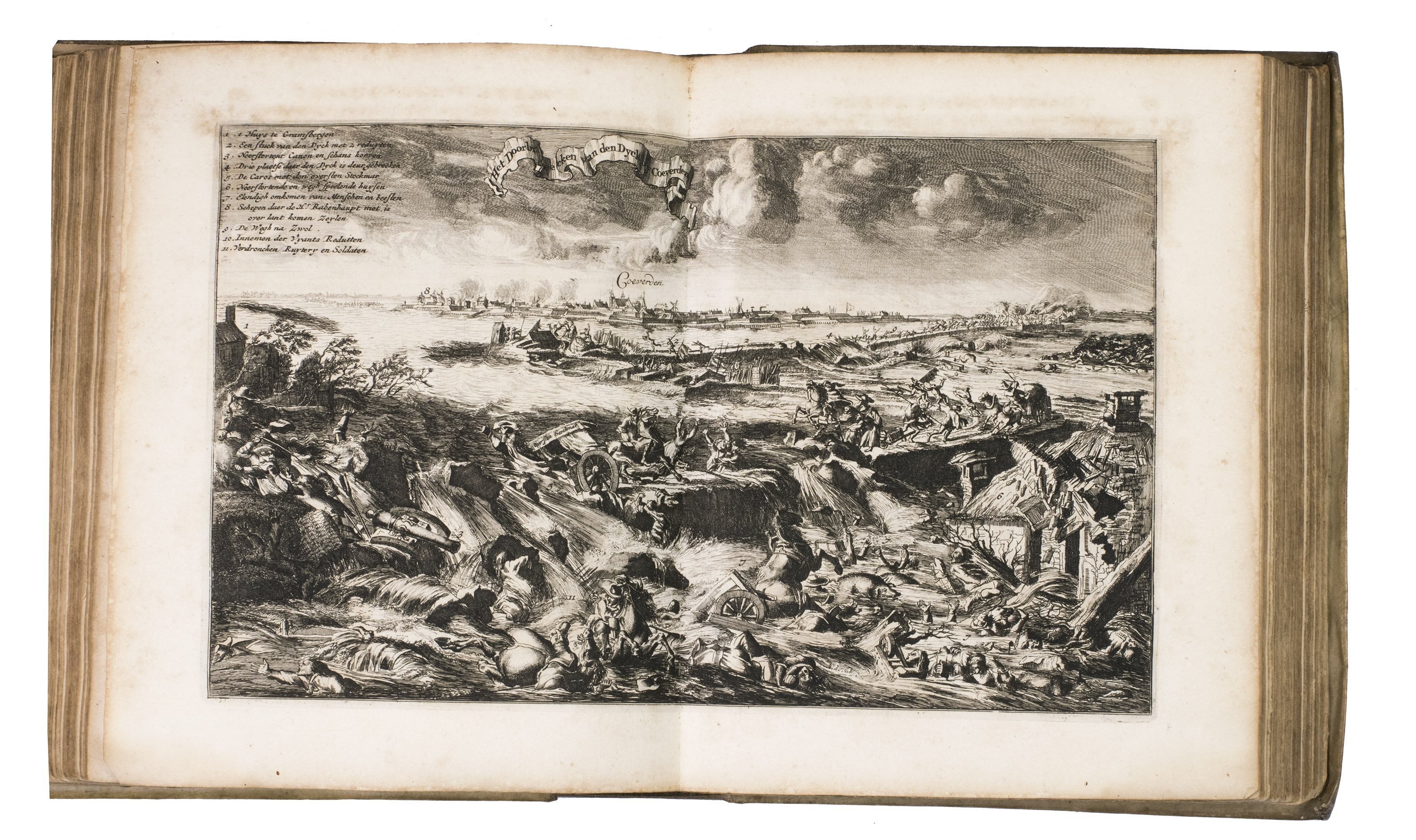
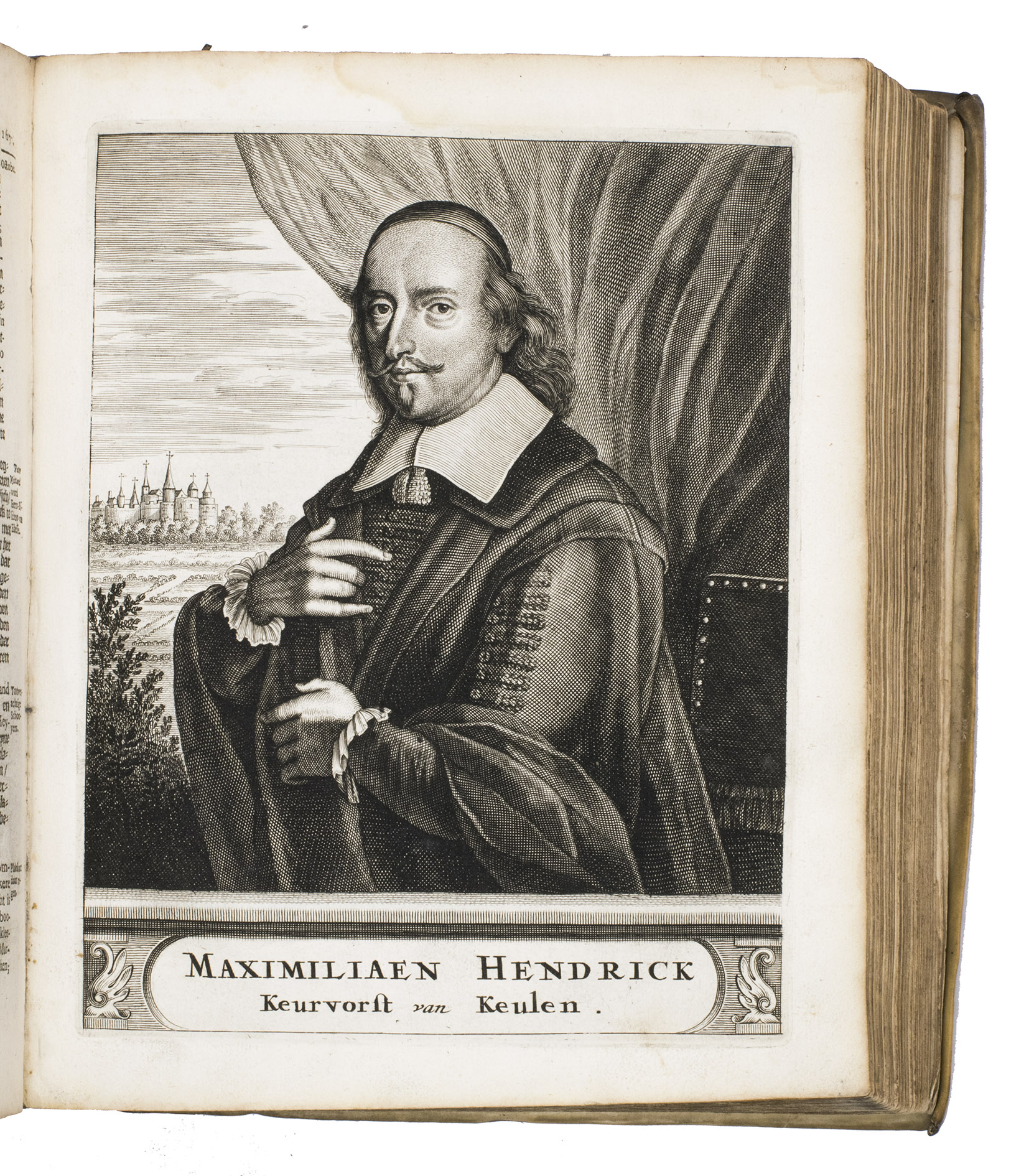
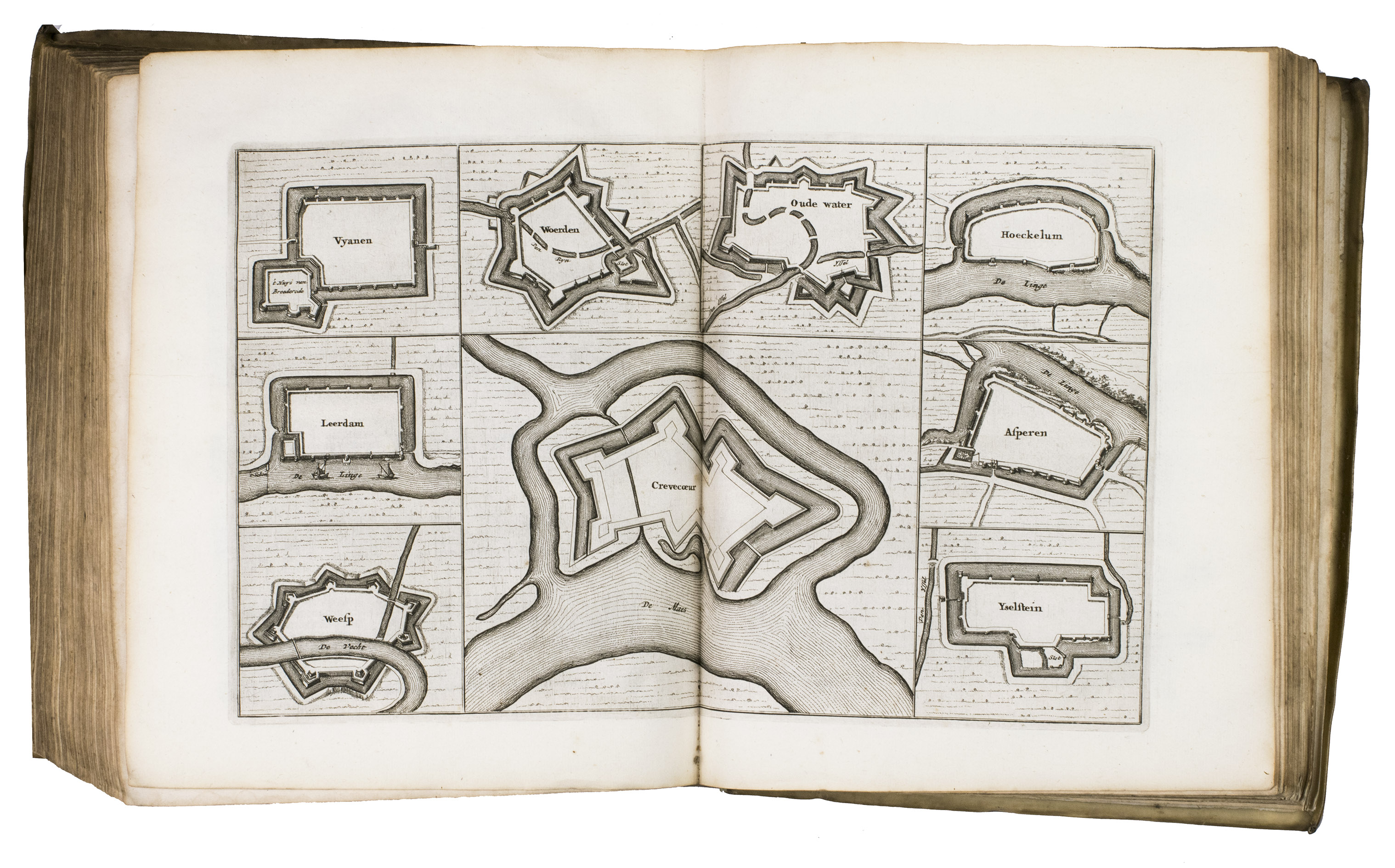
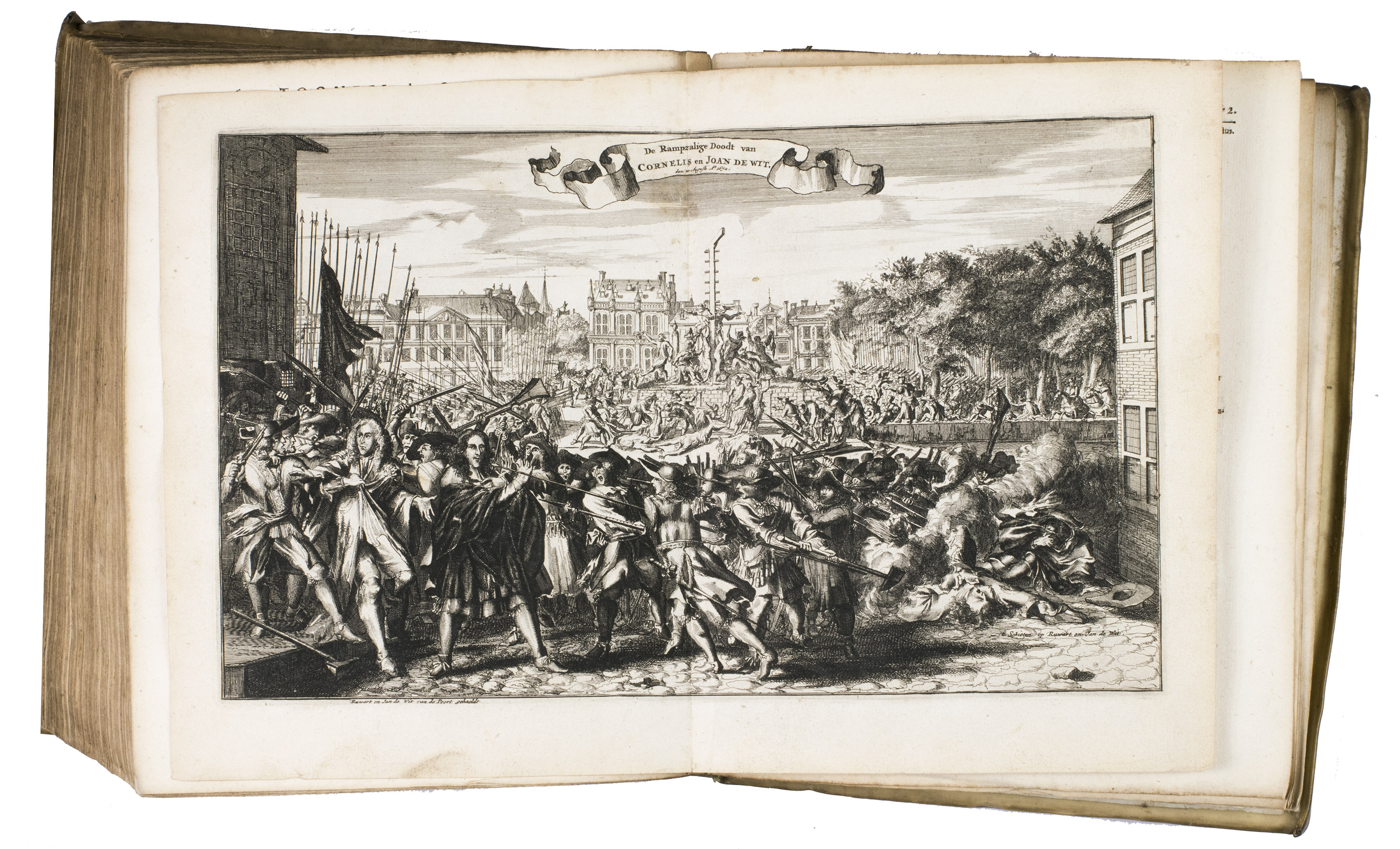
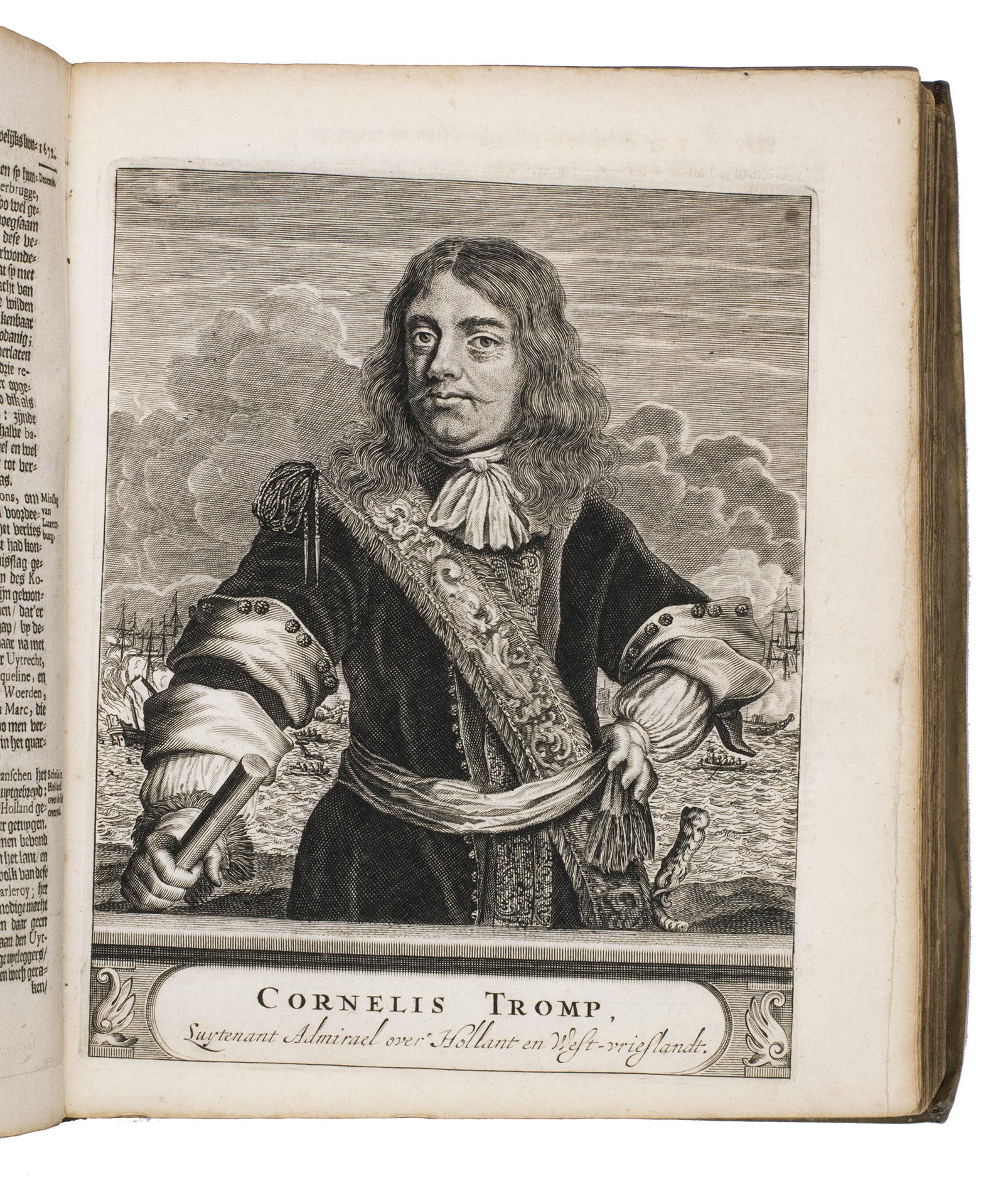
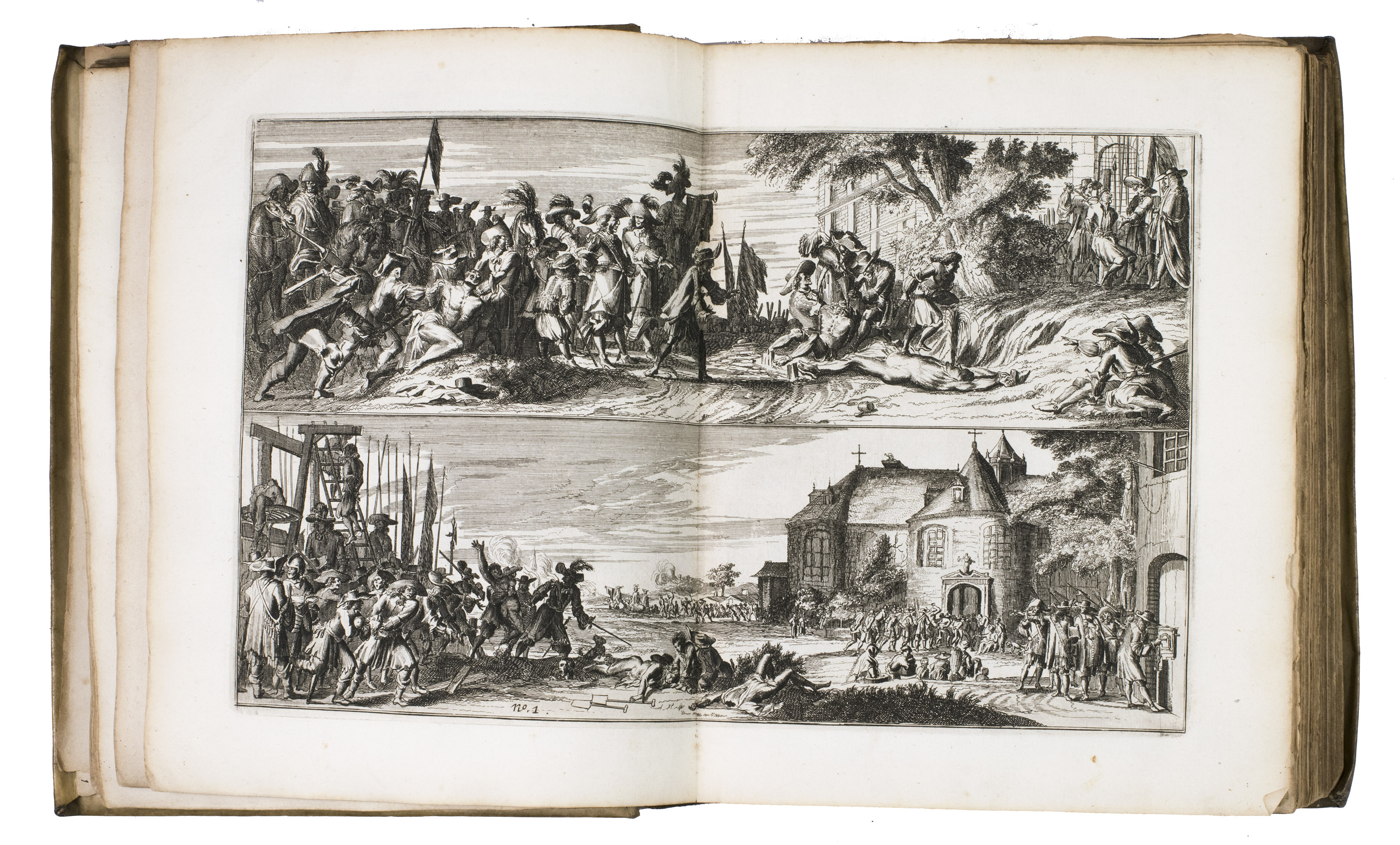
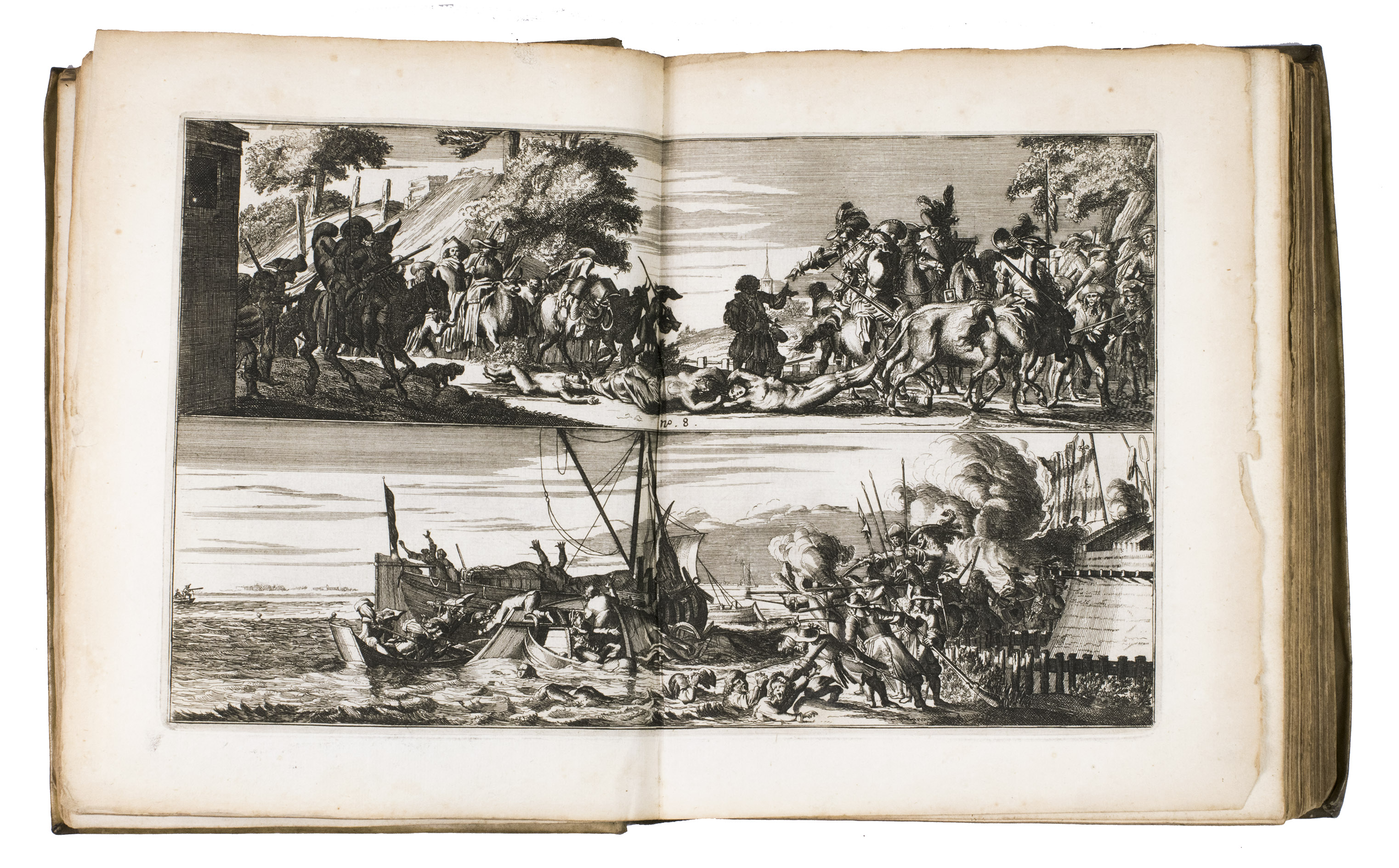
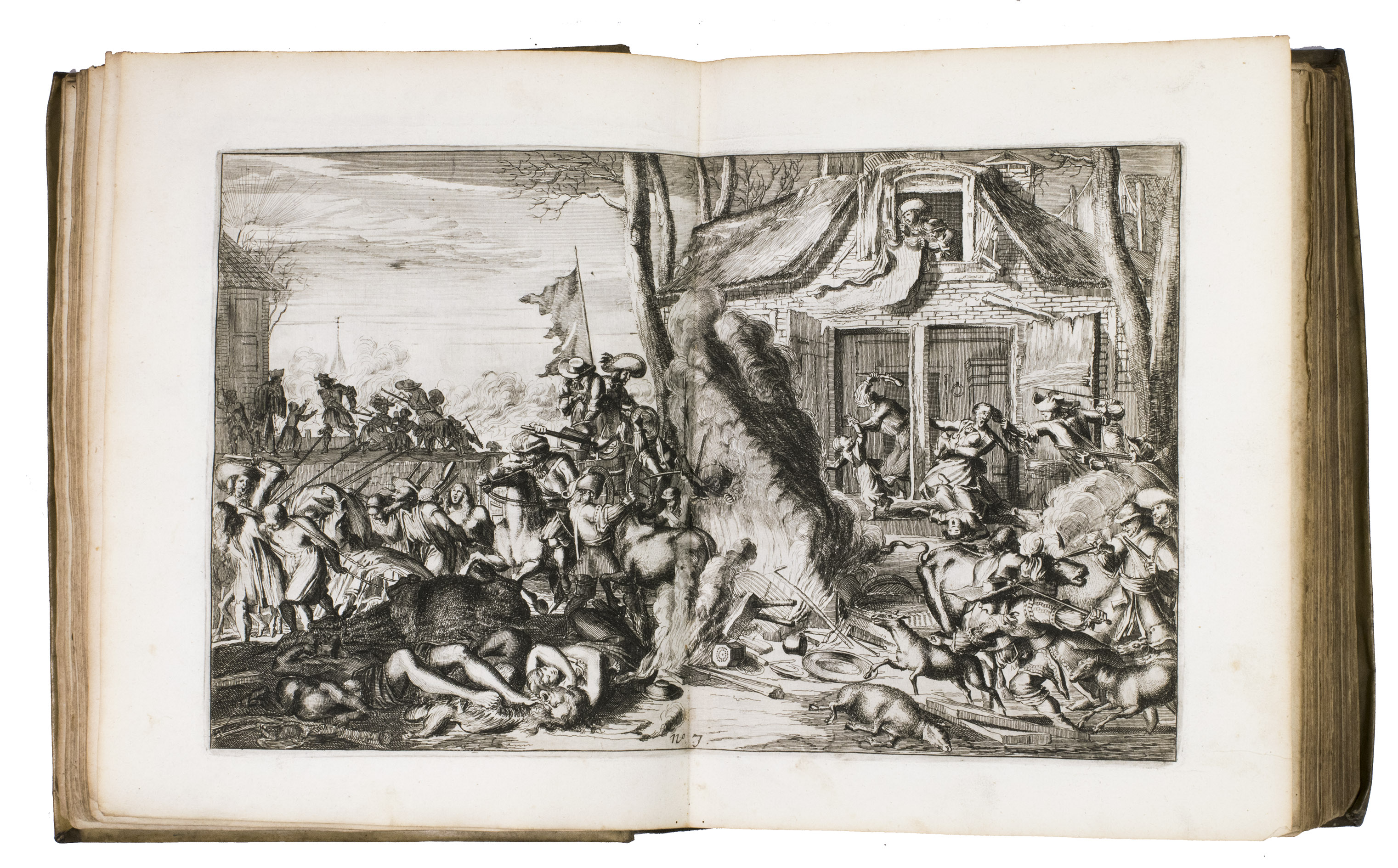
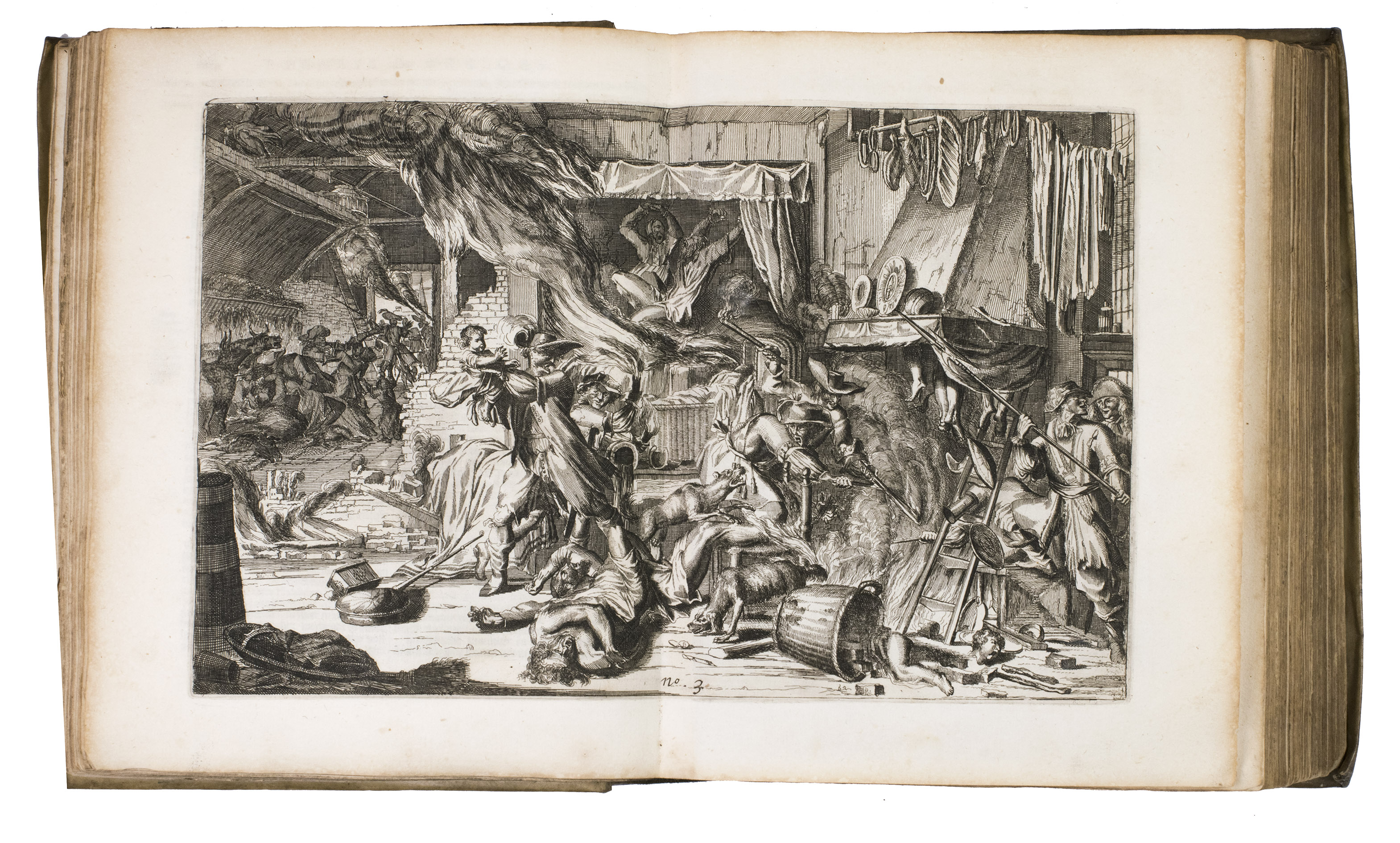
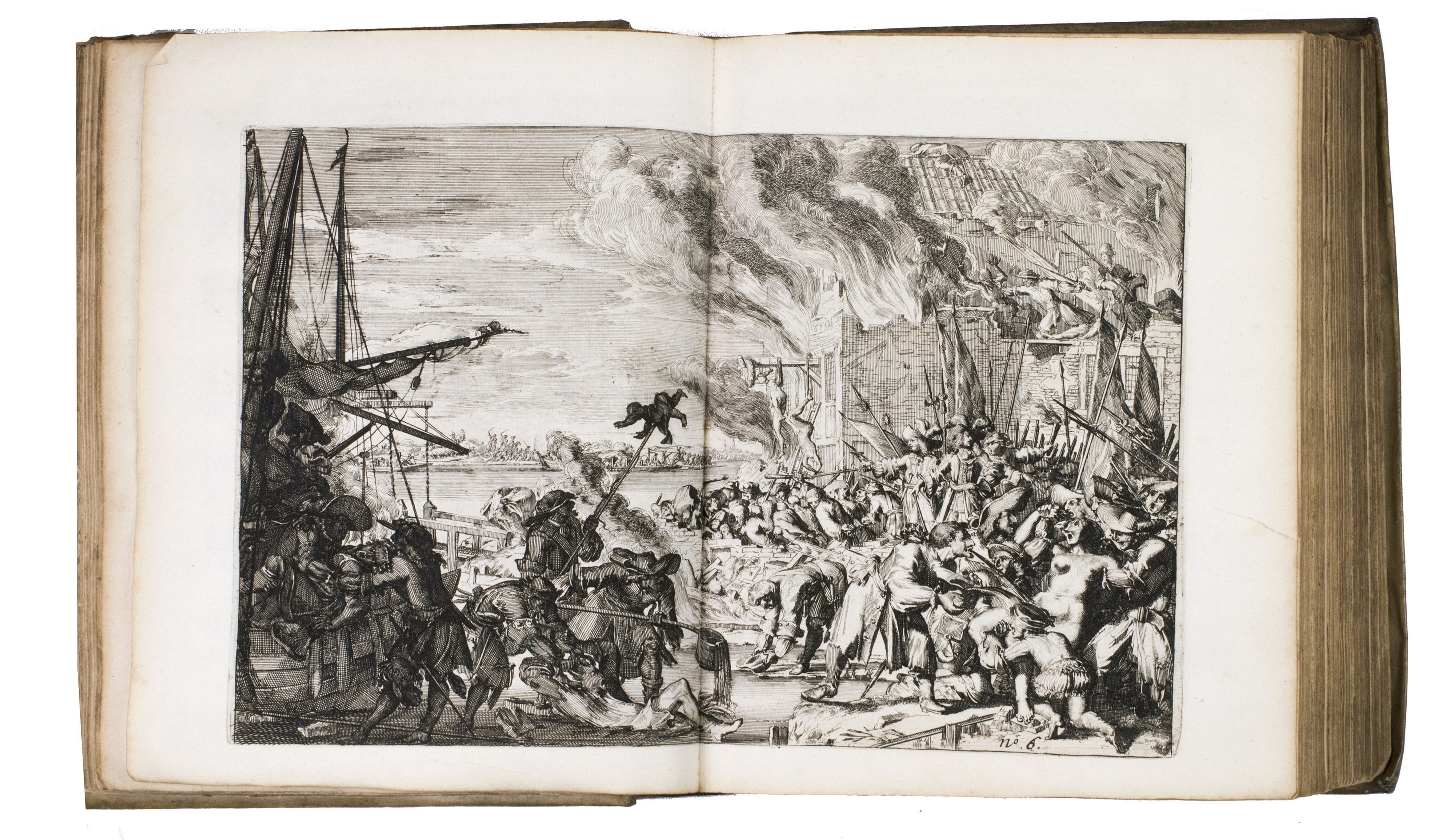
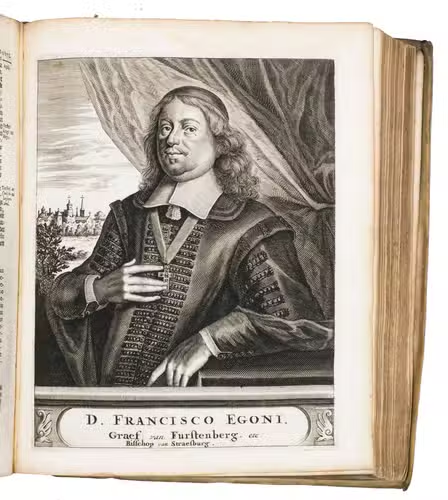
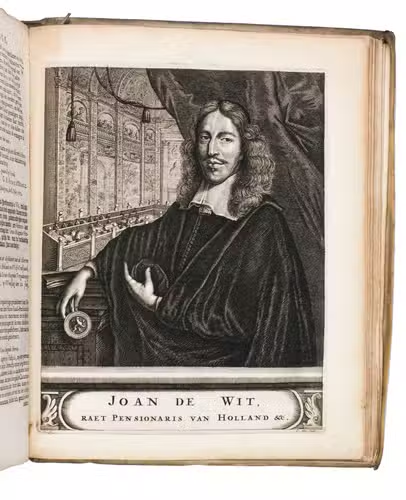
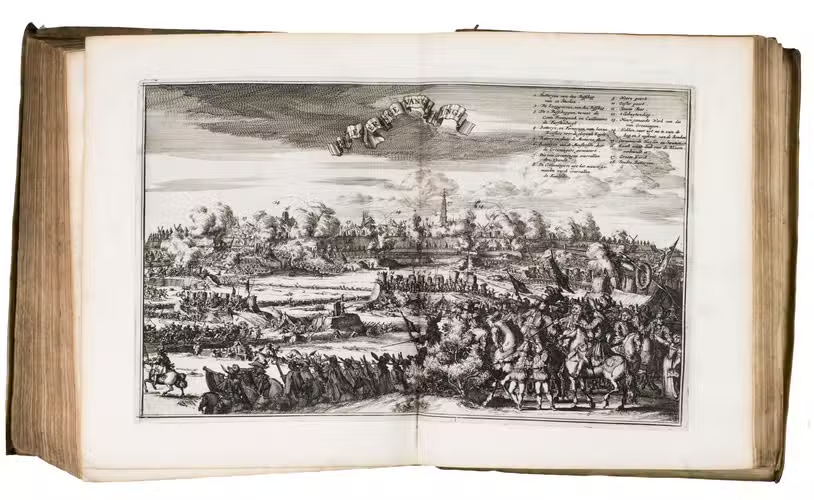
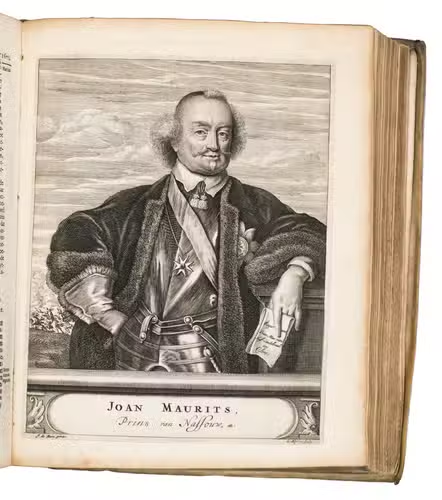
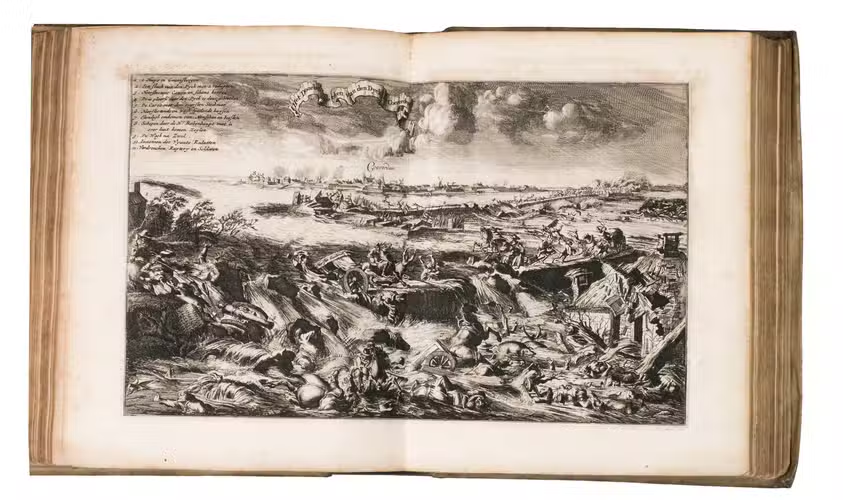
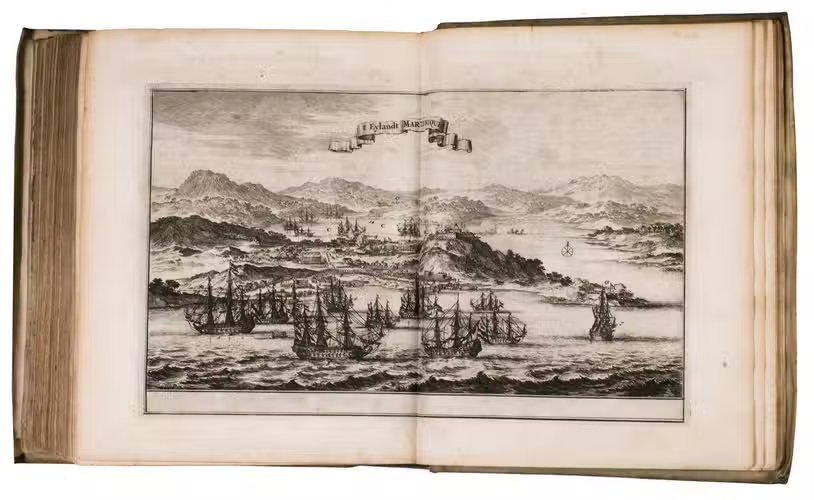
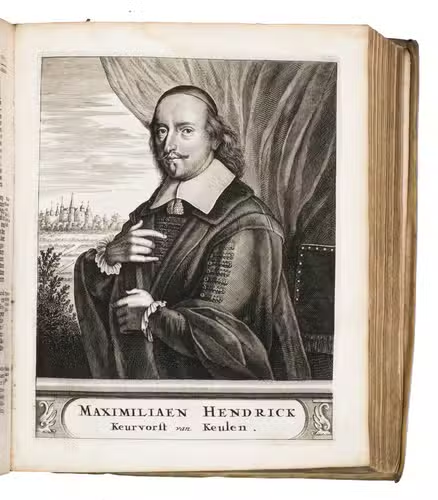
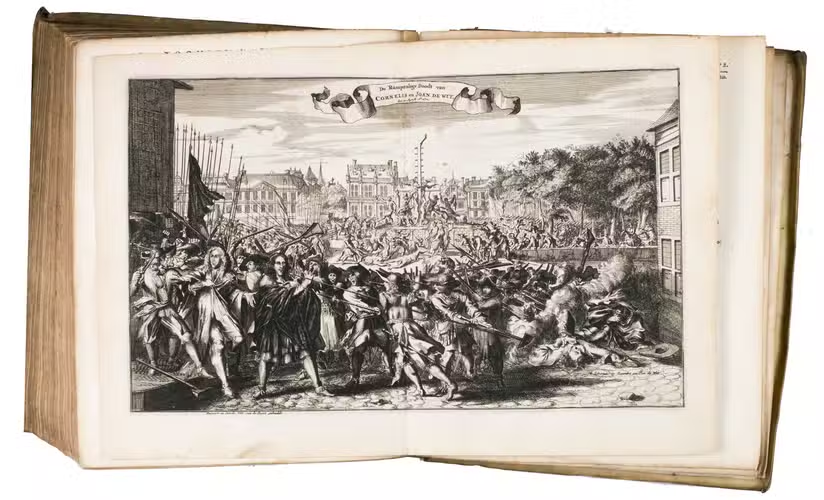
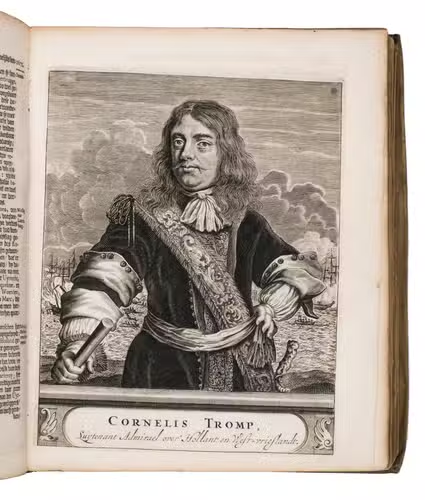
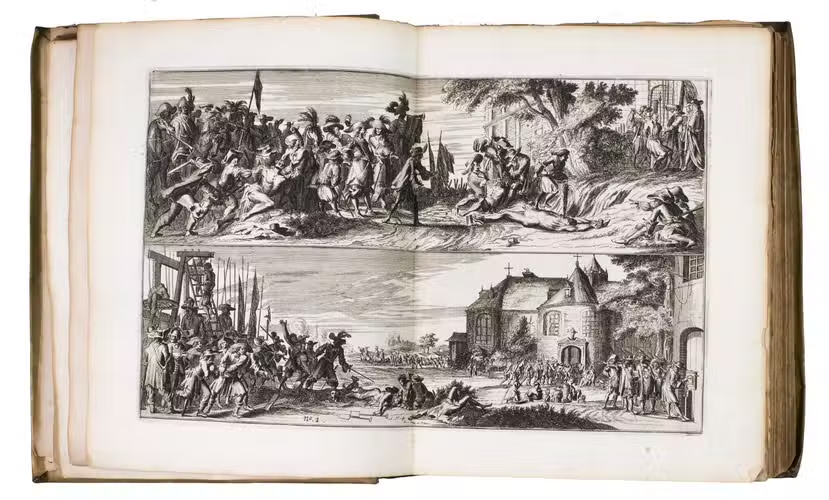
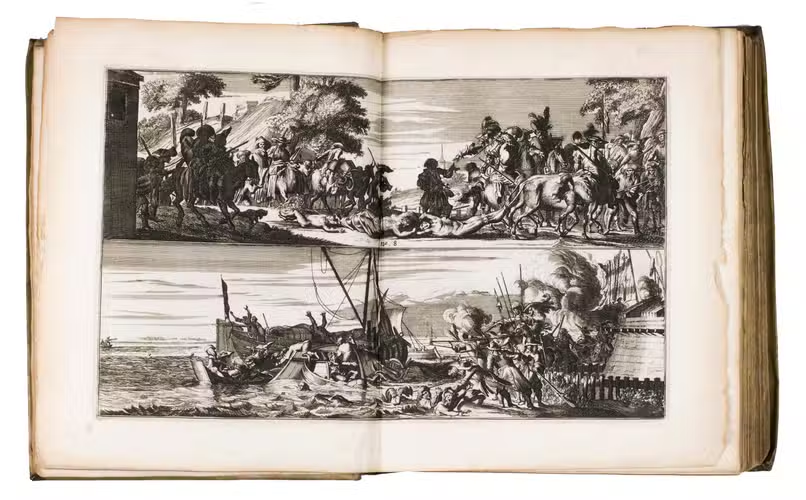
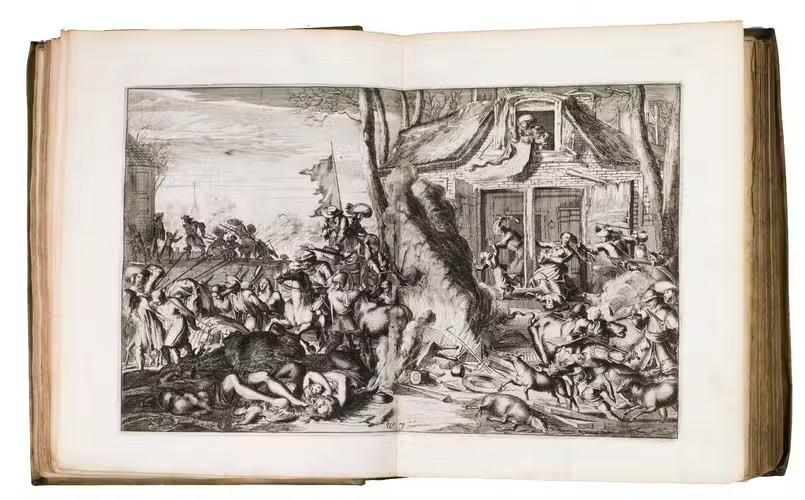
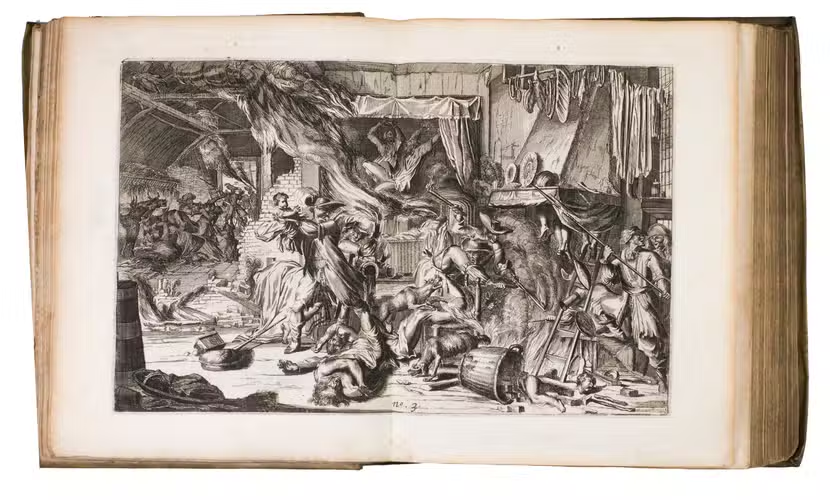
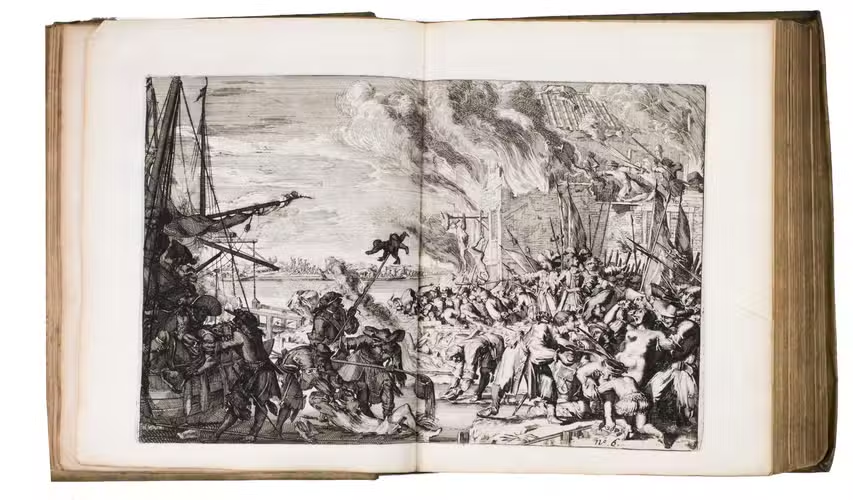
First and only Dutch edition of this important illustrated history of the so-called "Rampjaar", when the Dutch Republic was attacked by France, England, and the bishops of Cologne and Munster together and at the same time. The work includes 20 fine copper engraved illustrations by Romeyn de Hooghe which are noteworthy for depicting the social history of the period, including 8 evocative double-page copper plates recording French war crimes and sufferings of Dutch civilians. According to Landwehr, the work also offers a "very detailed and accurate account of the war between the Republic and France, and other nations. Interesting is one of the oldest accounts of the colony of Surinam where about 500 European settlers lived."
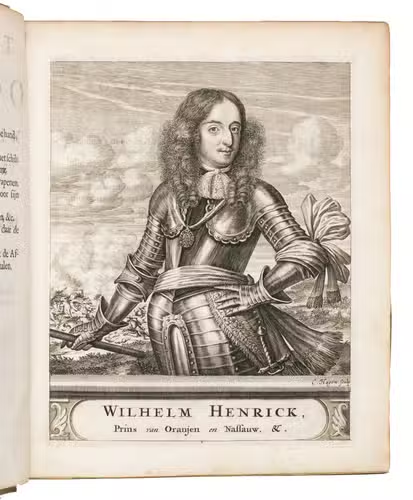
There was a strong call for the appointment of the Prince of Orange, William III, as Captain General and the new Stadtholder, which was realised on 25 February 1672 making an end to the "Stadthouderloze tijdperk" (Stadtholder-less era). With raging and plundering French and other armies, occupying large areas of Holland, Utrecht and the eastern parts of the Republic, the situation looked hopeless. Through intelligent military operations and Hollands superior sea power, however, William III (the later King of England) was able to save the Republic.
Lambert van den Bosch (1620-1698) was rector and con-rector of various Latin schools, including the schools at Helmond, Dordrecht, Heemstede and Amsterdam. In Dordrecht he was fired by Cornelis de Witt because of his alcohol problem: probably one of the reasons Van der Bosch became an Orangist. Next to his teaching profession he has written a great number of translations, including the first translation into Dutch of Cervantes, compilations, original literary work and history books, including biographies of Stadtholder William III, Mary Stuart, Michiel de Ruyter and other naval heroes and the present history of the years 1669-1674, concentrating on the Rampjaar 1672 of which a translation into German was published in 1675. Van den Bosch intended his history also as a continuation of the historical work by Lieuwe van Aitzema.
With the bookplate of the Wetenschappelijke Bibliotheek Eindhoven mounted on the front pastedown of both volumes, and a paper label stating that the work was a gift from Harterink mounted on the first free flyleaf of both volumes. The bindings are somewhat soiled. The half title of volume 2 is partly detached, the leaves are somewhat browned, especially at the end of the second volume, some edges are frayed, one of the plates with a cut-out (ca. 5 x 3 cm), some marginal staining and soiling, some marginal wormholes. Otherwise in good condition. Atlas van Stolk, no. 2607; Landwehr, Romeyn de Hooghe, no. 41; Van Someren, I, 71; STCN 843236795; USTC 1812156.
Related Subjects: