BRAUN, Konrad, and Johannes COCHLAEUS (editor).
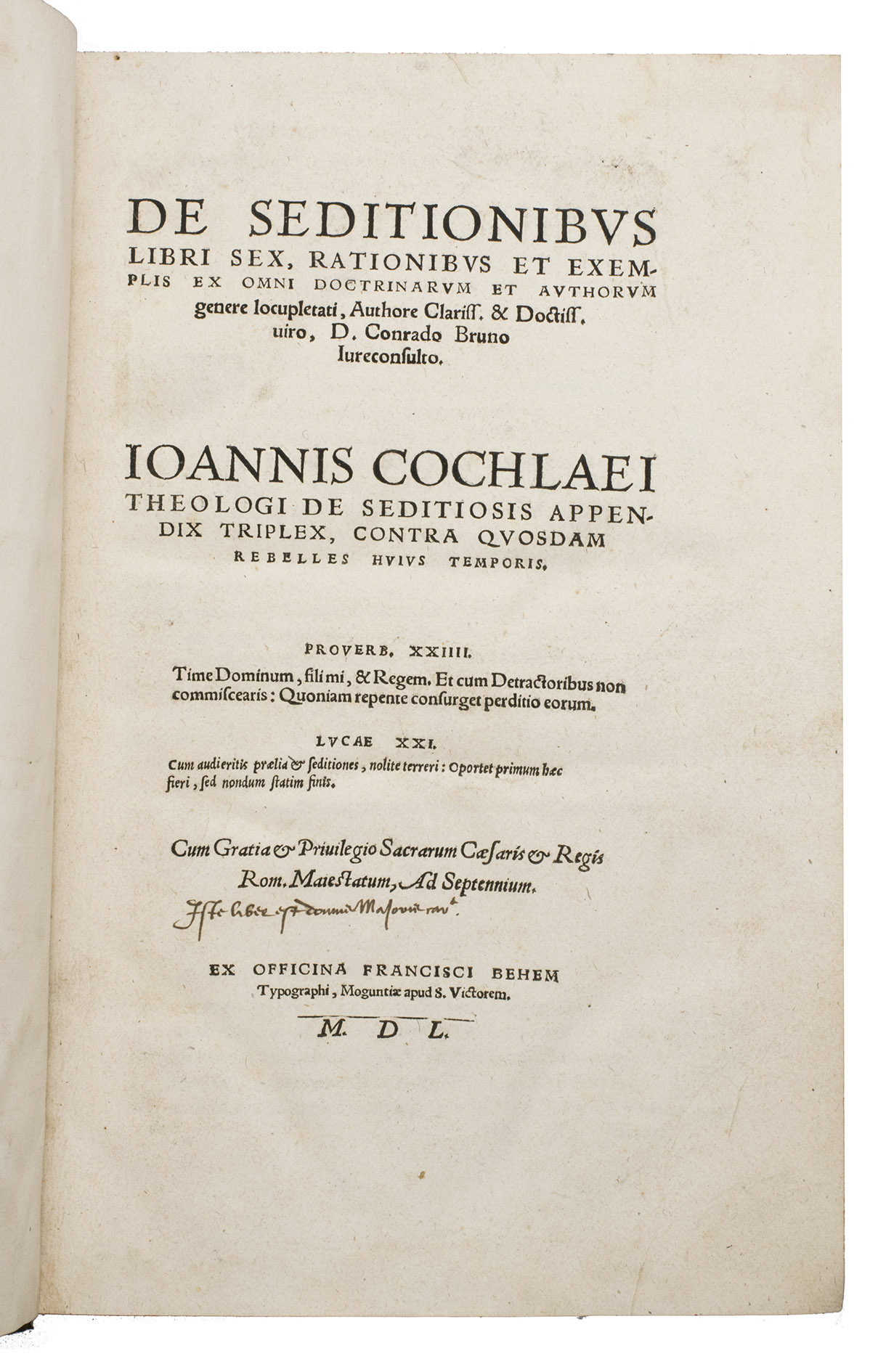
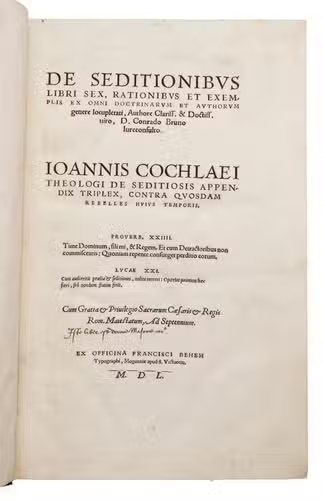
De seditionibus libri sex, rationibus et exemplis ex omni doctrinarum et authorum genere locupletati... Ioannis Cochlaei de seditionibus Appendix triplex, contra quosdam rebelles huius temporis.
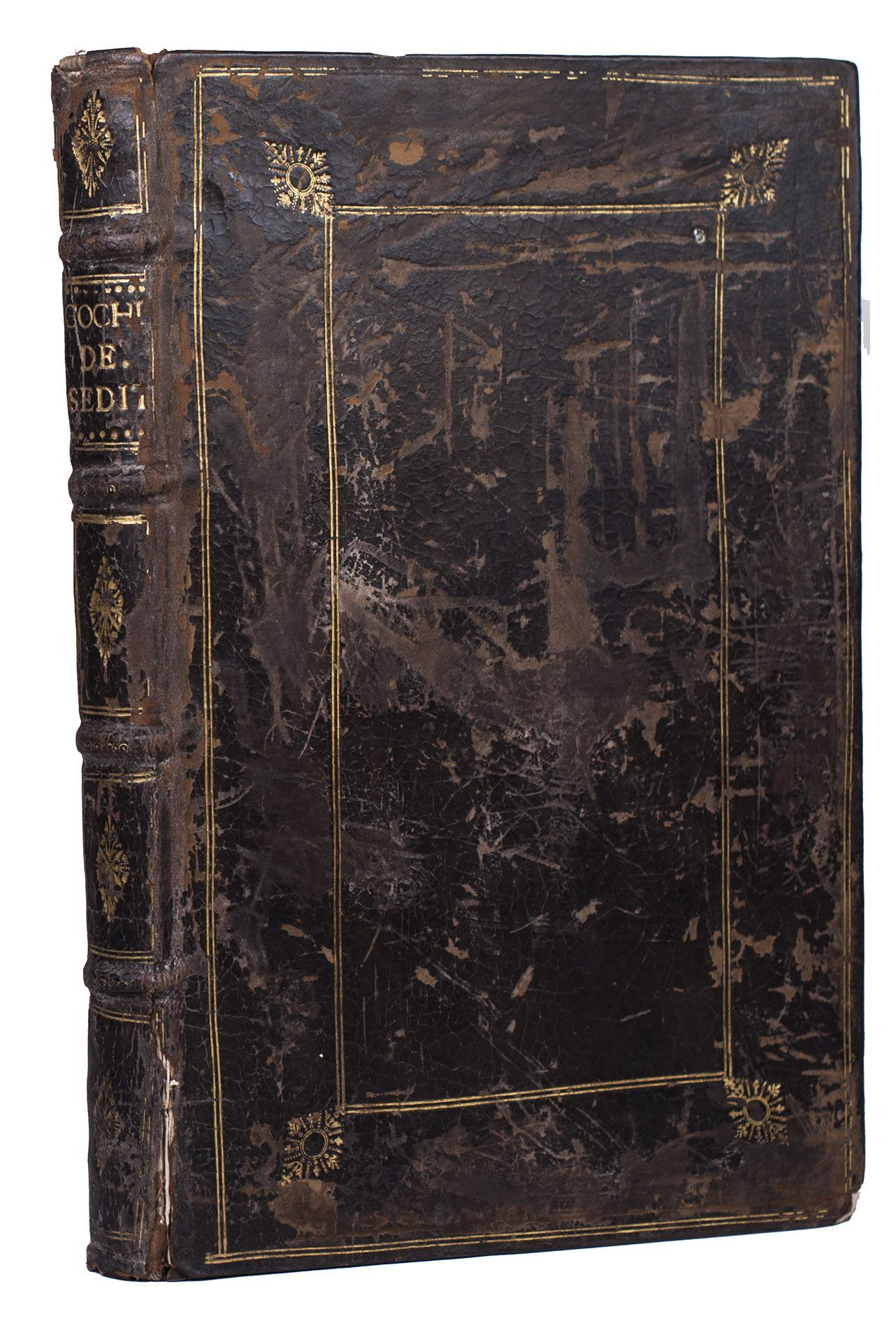
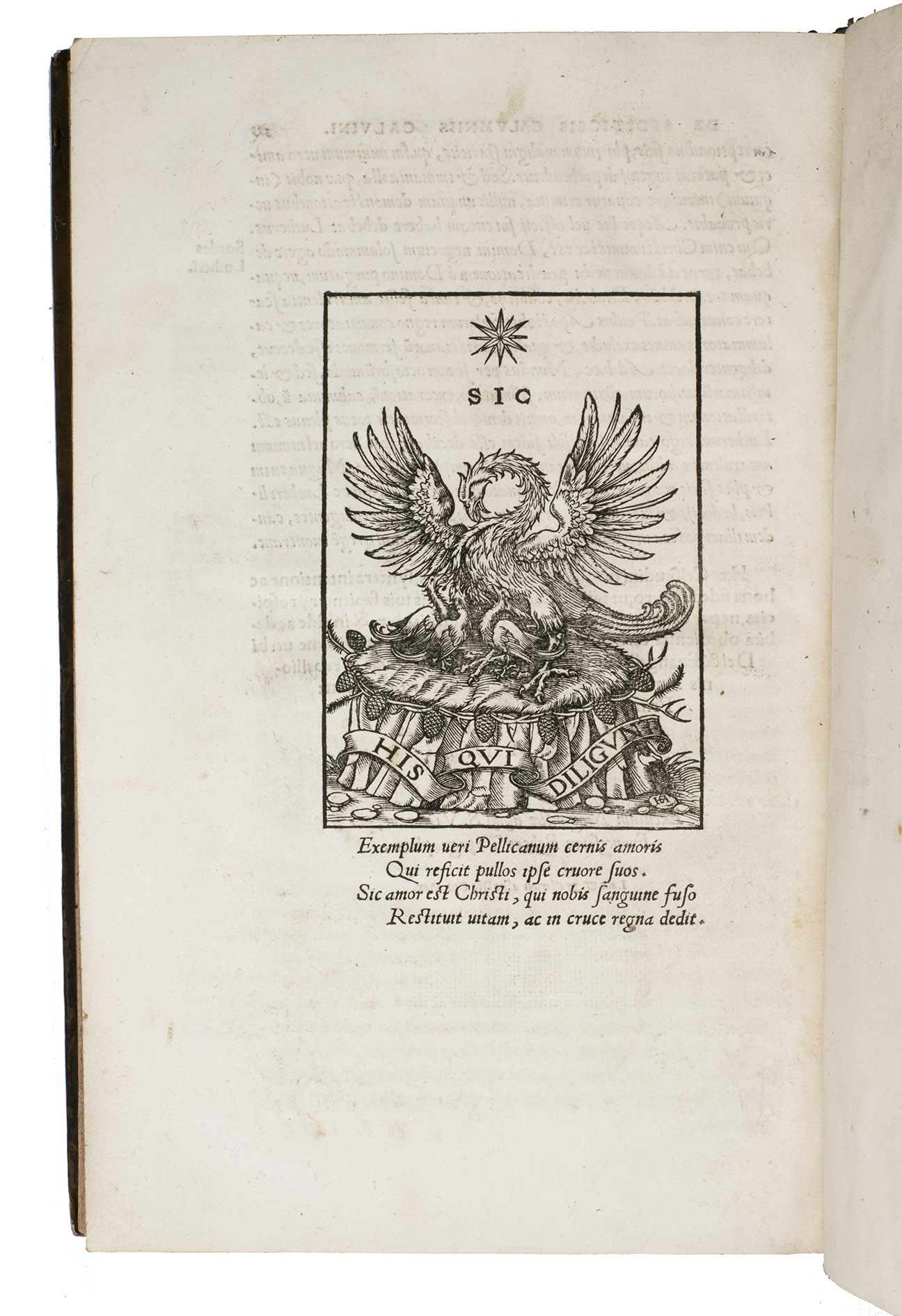
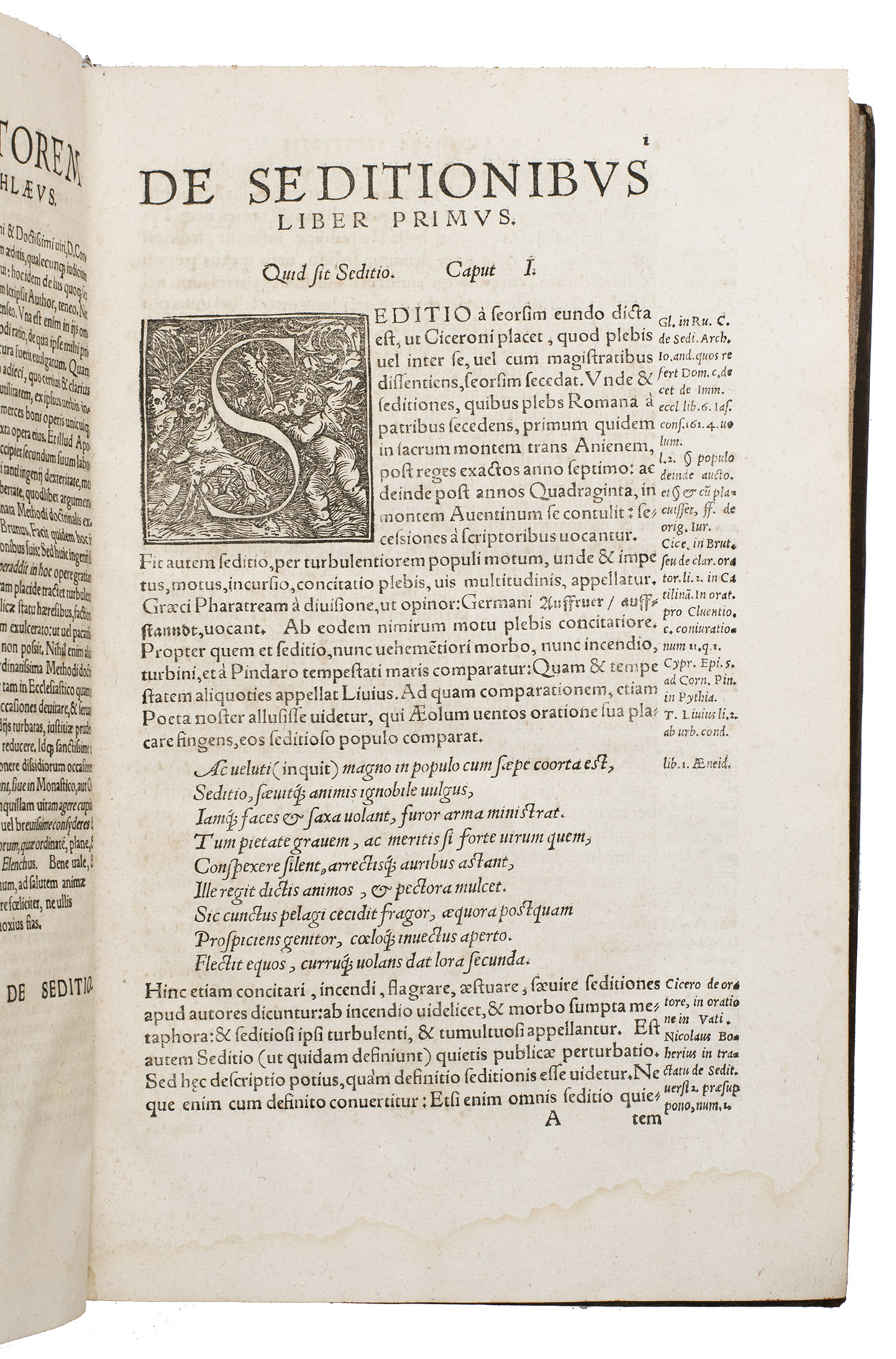
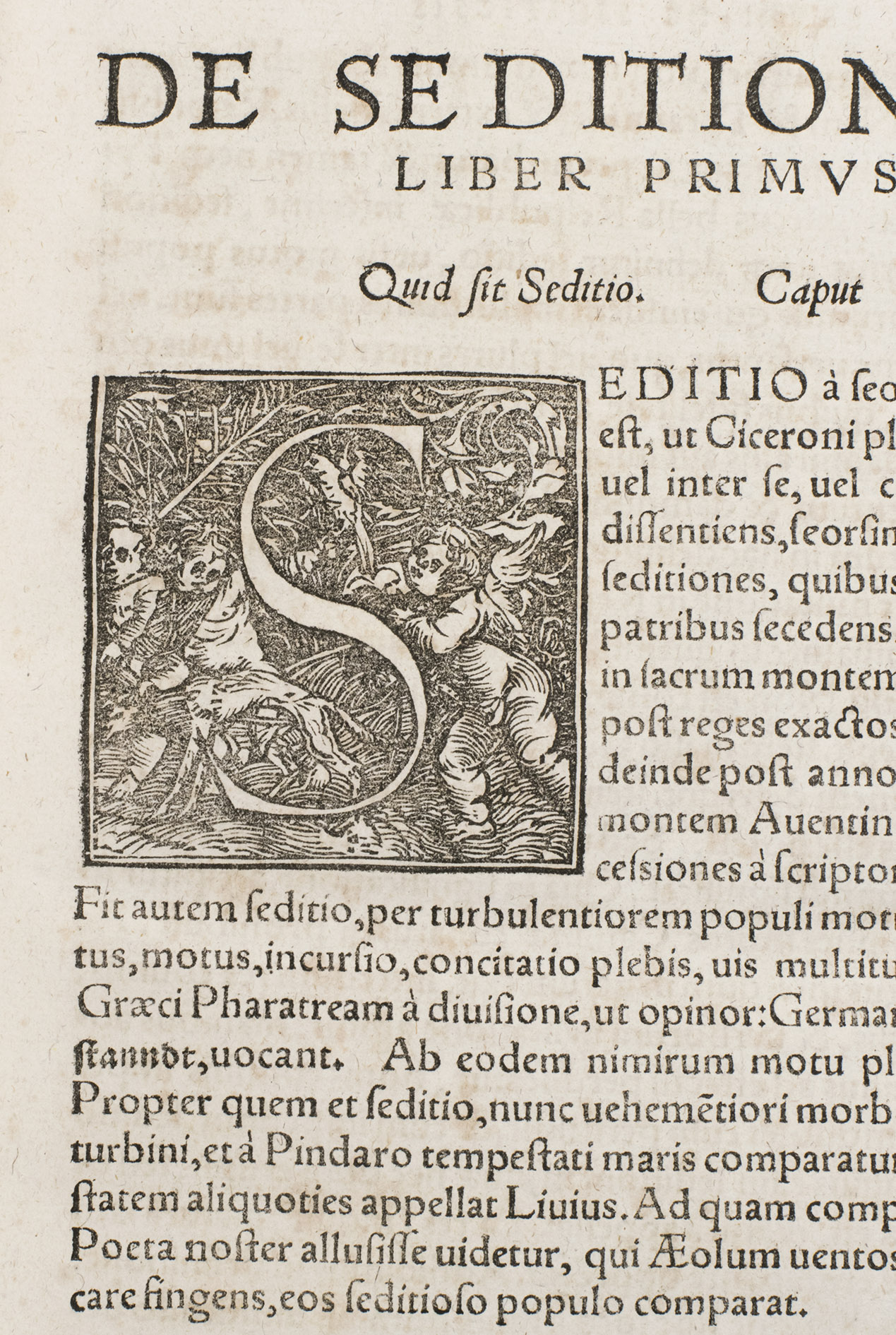
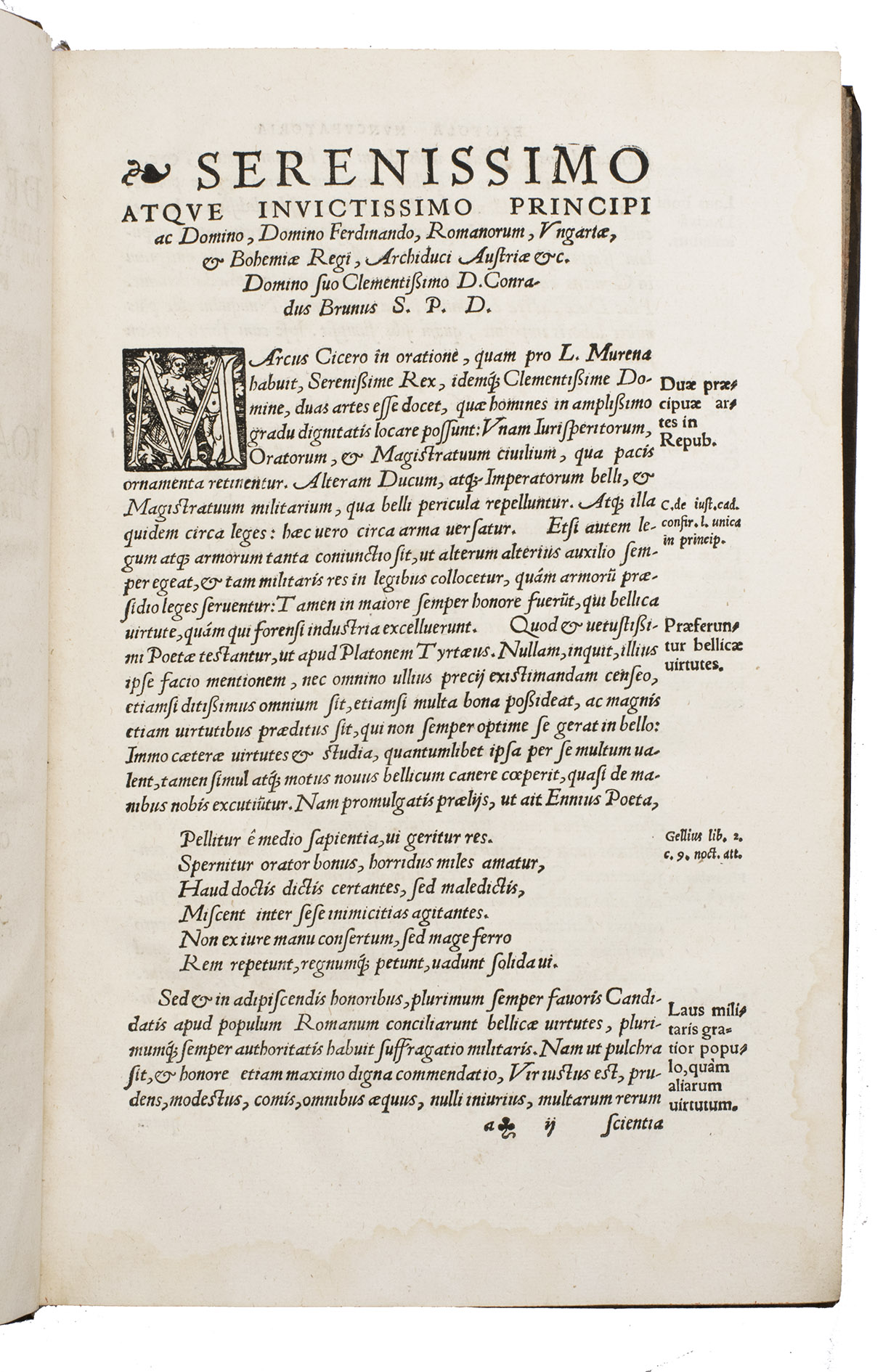
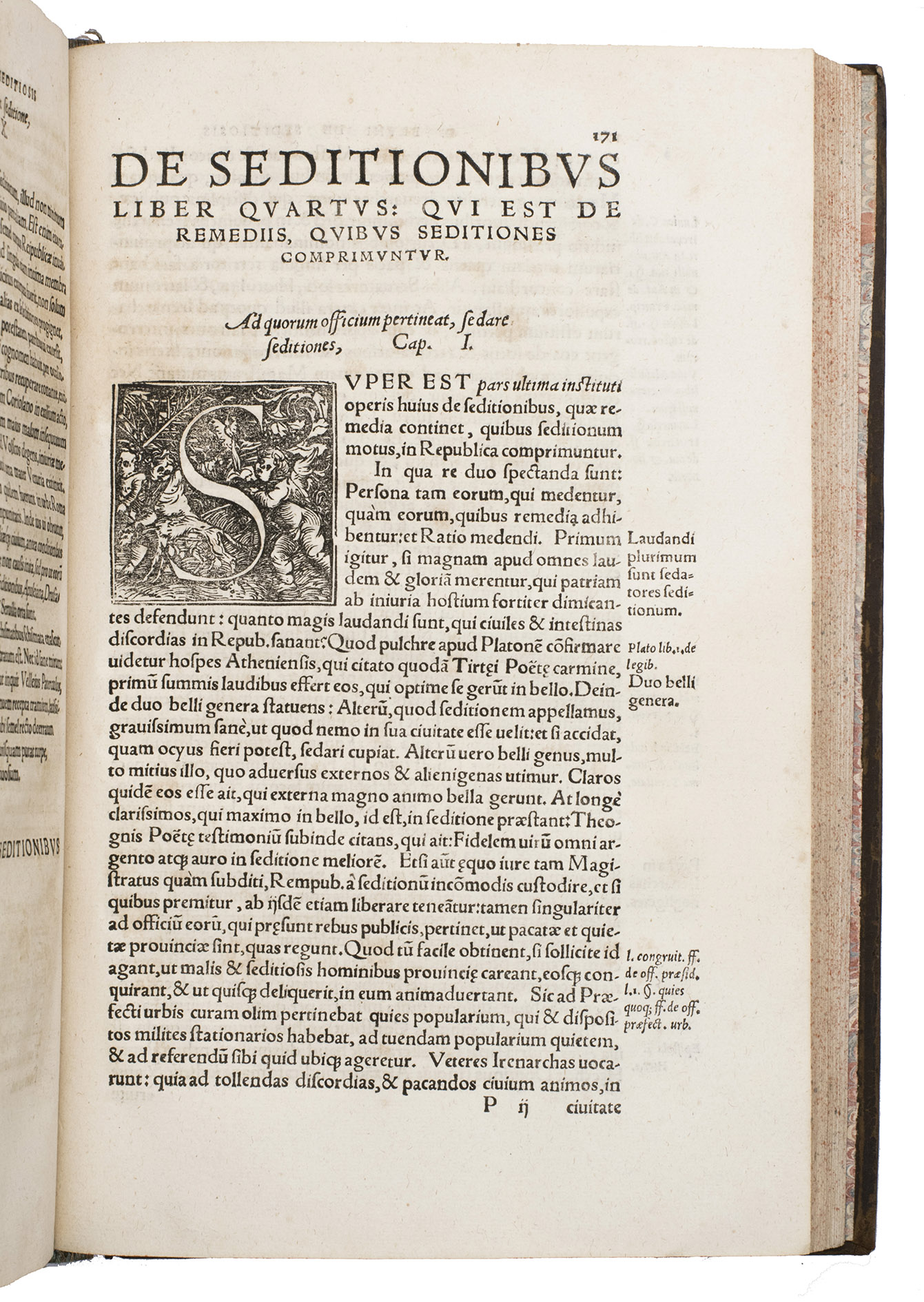
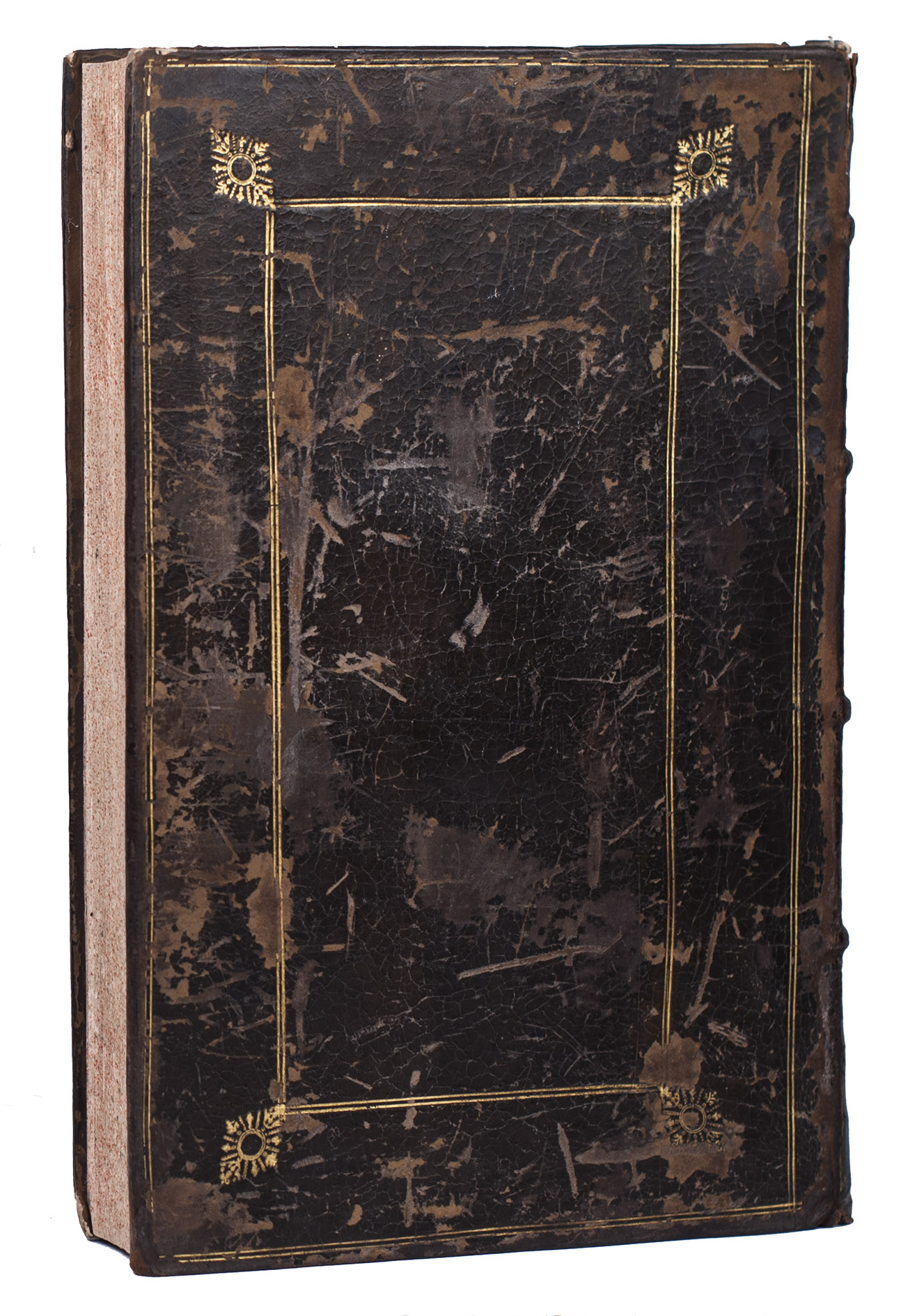
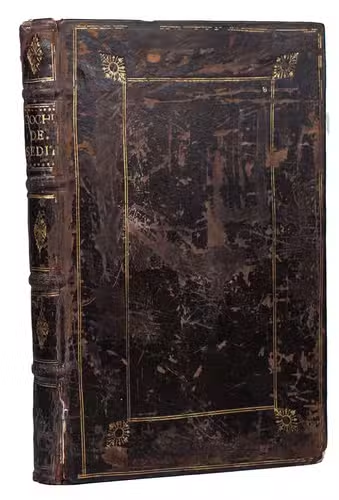
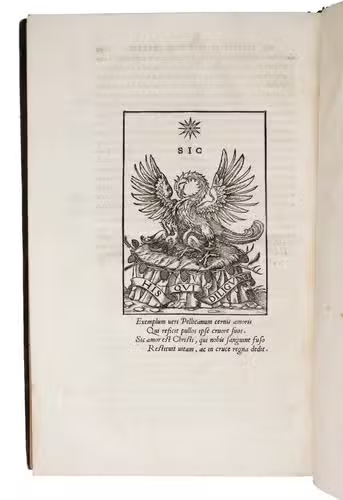
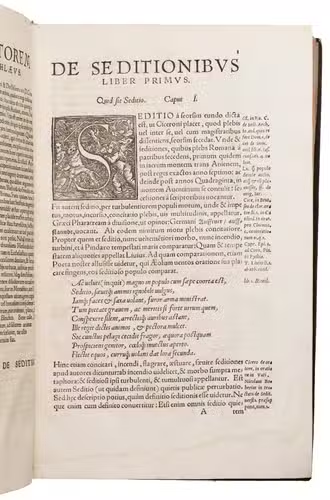
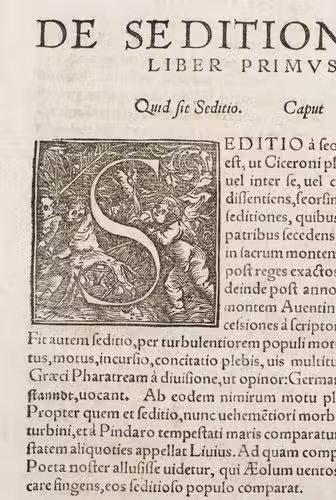
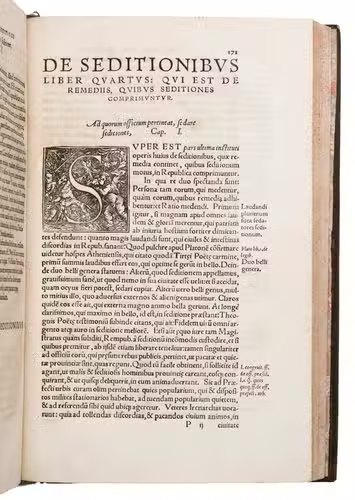
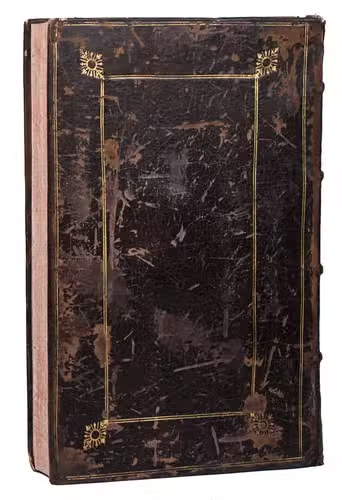
Mainz, Franz Behem, 1550. Folio (ca. 30.8 x 20 cm). With Behems large woodcut device on the final leaf, made by Hans Leonhard Schäufelein, as indicated by his "HS" monogram, and with decorated woodcut initials throughout. Late 17th- or early 18th-century gold-tooled calf. [20], 355, [1] pp.
€ 2,000
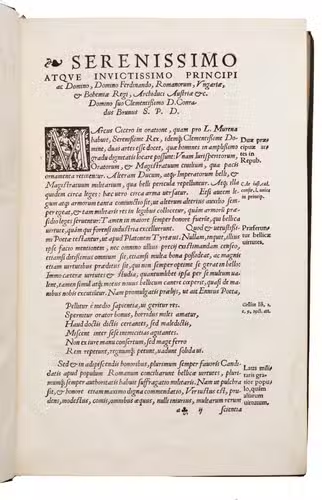
First edition of a significant work on rebellion and political order by the German jurist Konrad Braun (1491-1563). This substantial treatise examines the phenomenon of sedition and revolt in 6 books, addressing their nature, causes, consequences, remedies, punishment, and prevention. Braun, one of the leading Catholic jurists and political thinkers of the mid-16th century, approaches the subject from the perspective of both canon and civil law, drawing extensively on historical examples. The work is dedicated to Ferdinand I (1503-1564), Archduke of Austria, situating it firmly within the political and religious tensions of the Holy Roman Empire during the Reformation.
The treatise itself reflects the intellectual milieu of mid-16-century Catholic scholarship: alongside classical and historical authorities, Braun cites humanists such as Erasmus, illustrating the continued interaction between humanist learning and confessional polemic.
Cochlaeus, born Johann Dobneck near Nuremberg, had been educated at the University of Cologne and was closely associated with prominent humanists before becoming one of the most vigorous Catholic opponents of the Reformation. Present at major imperial diets, including Worms (1521), Augsburg (1530), and later religious conferences, he devoted much of his extraordinarily prolific career to defending Catholic doctrine against Lutheran and other reform movements. His historical works, particularly the Commentaria de actis et scriptis M. Luther, drew upon his own experiences as a participant and eyewitness to many of the defining events of the age.
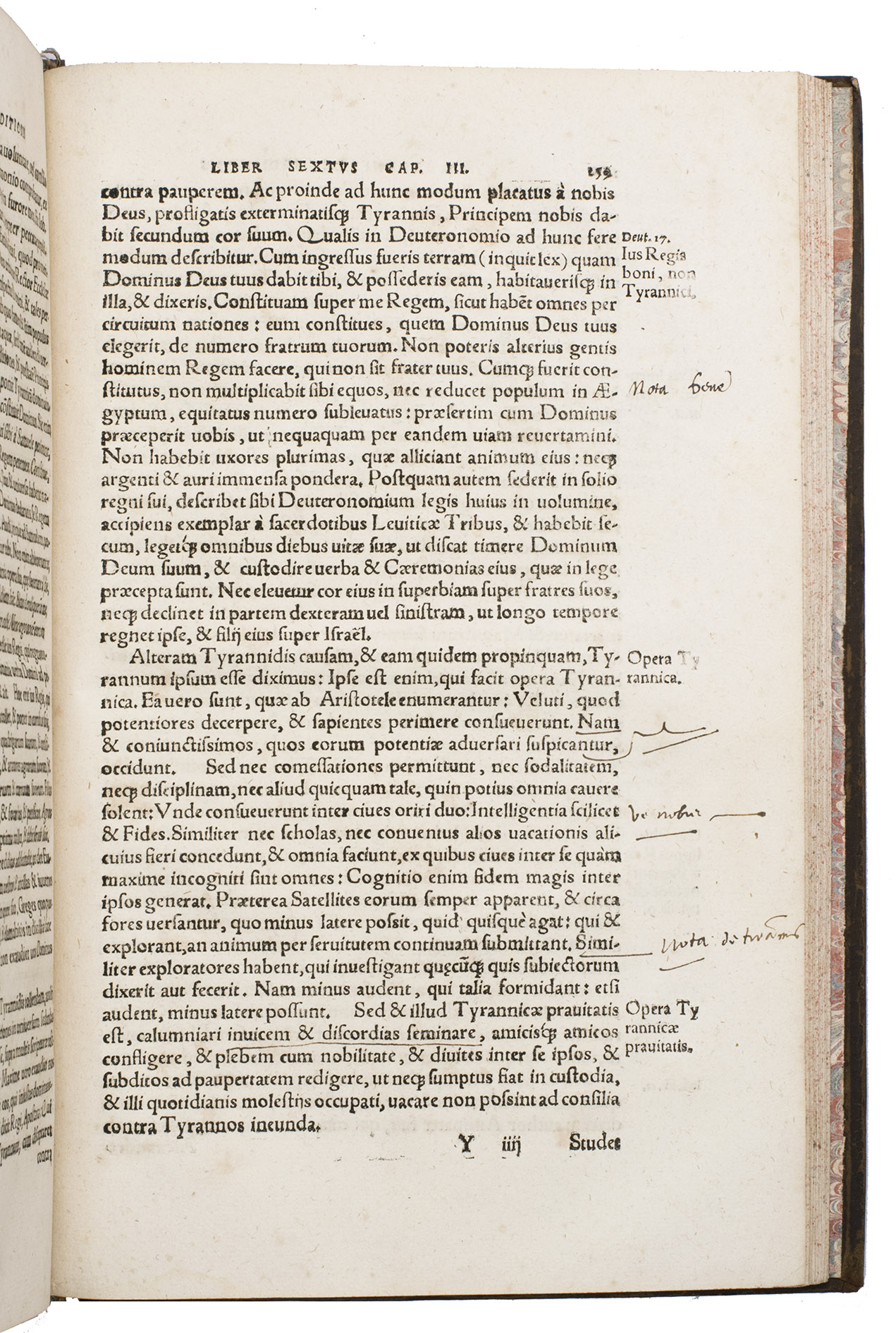
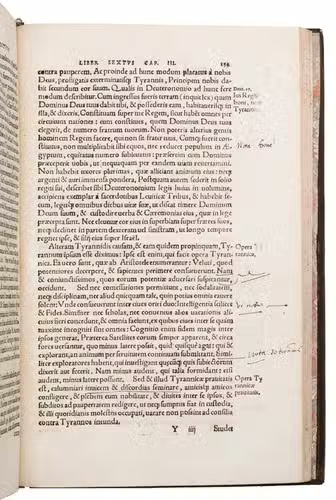
With a contemporary annotation on the title page ("iste liber est domini Majoris car"). The boards and spine are rubbed, with some loss of material, the front joint is torn at the foot. Minor water staining in the margins of several leaves, lacking the marbled fly leaves. Otherwise in good condition. Adams B 2961; BM STC German p. 158; USTC 631527; VD 16, B 7209; cf. on the monogram of the woodcut device: Nagler, Monogrammisten, III, nos. 1446-1447.
Related Subjects: