[LISTINGH, Nicolaas].
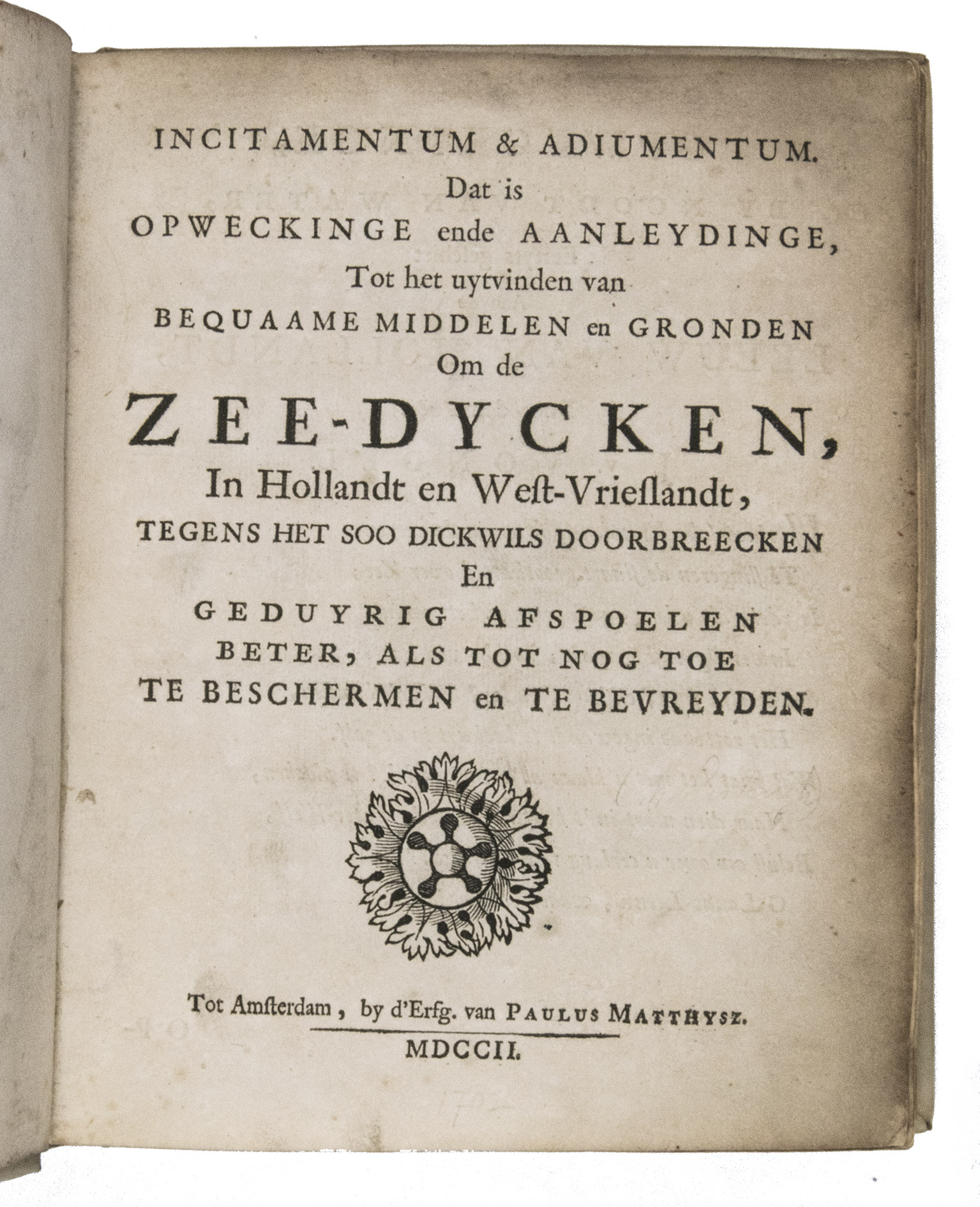
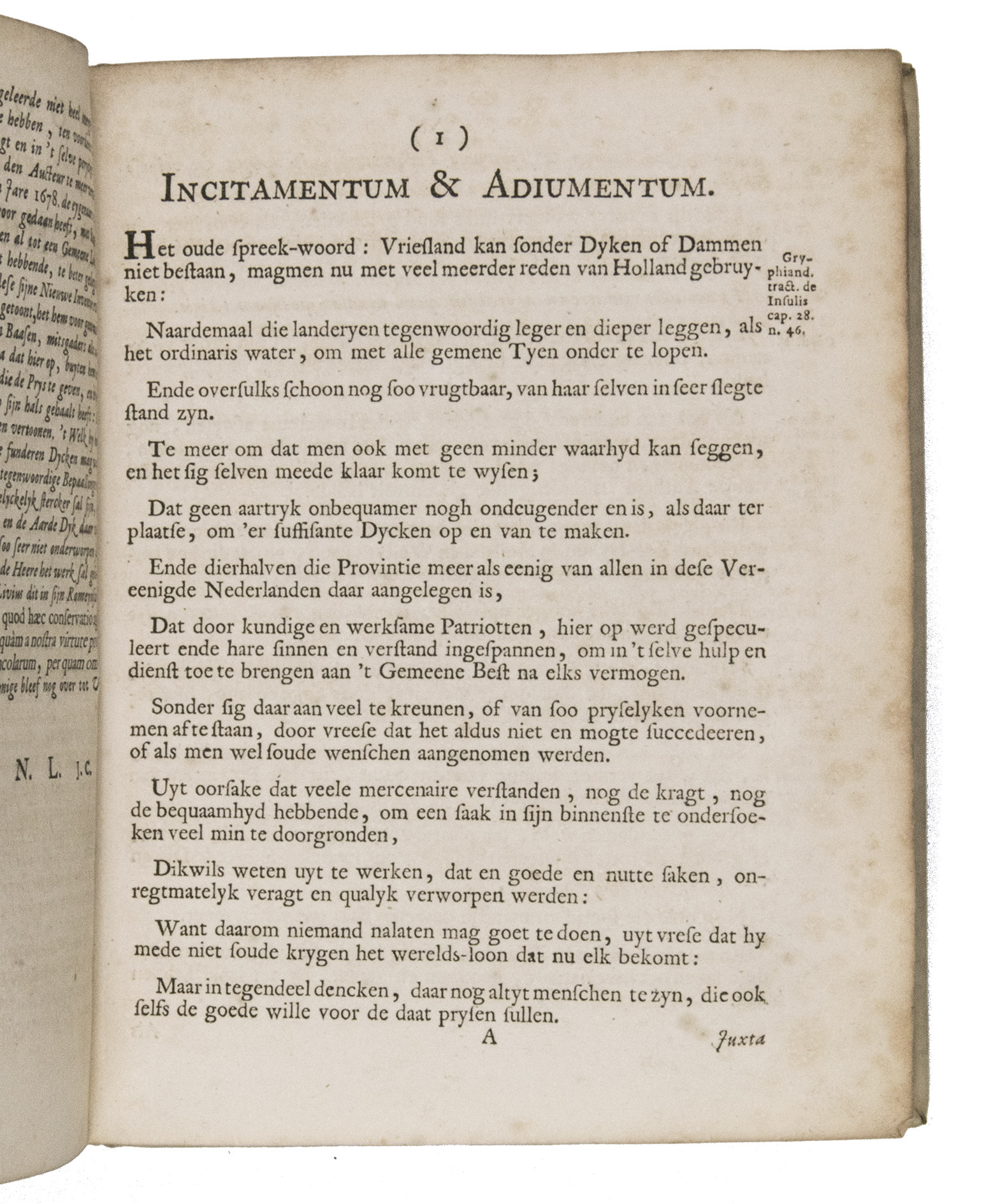
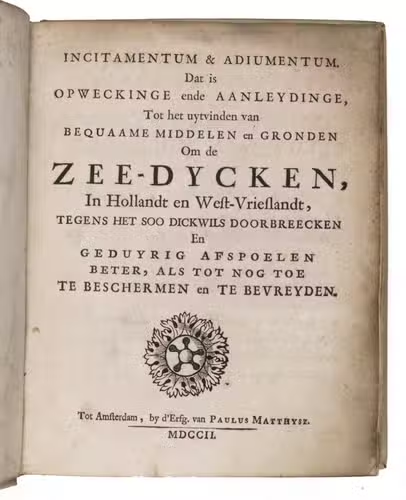
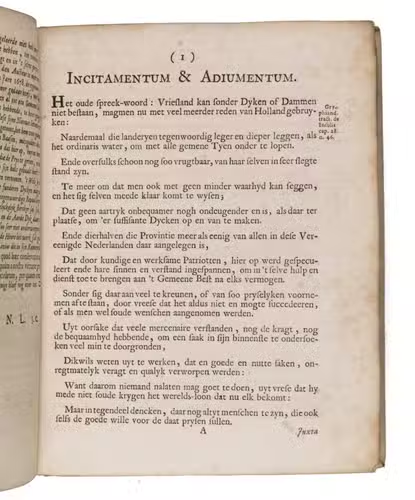
Incitamentum & adiumentum. Dat is Opweckinge ende aanleydinge, tot het uytvinden van bequaame middelen en gronden om de zee-dycken, in Hollandt en West-Vrieslandt, tegens het soo dickwils doorbreecken en geduyrig afspoelen beter, als tot nog toe te beschermen en te bevreyden.
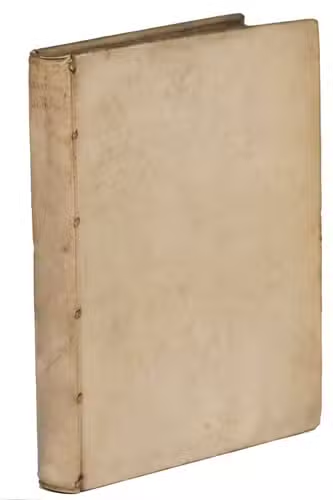
Amsterdam, Paulus Matthijsz., 1702. 2 parts in 1 volume. 4to. With 10 large folding engraved plates on dykes and dyke construction.
With: (2a) [IDEM]. Incitamentum & Adiumentum Secundum, dat is een tweede opwecking en aanleiding tot (...) van de oude magteloose Muyder-Zeedyk (...) nu ontdekt en wederlegt door N.L.
Amsterdam, 1705.
(2b) [IDEM]. Na brief.
Amsterdam, August 25, 1704. Contemporary vellum [6], 86; 40, 4 pp.
€ 3,500
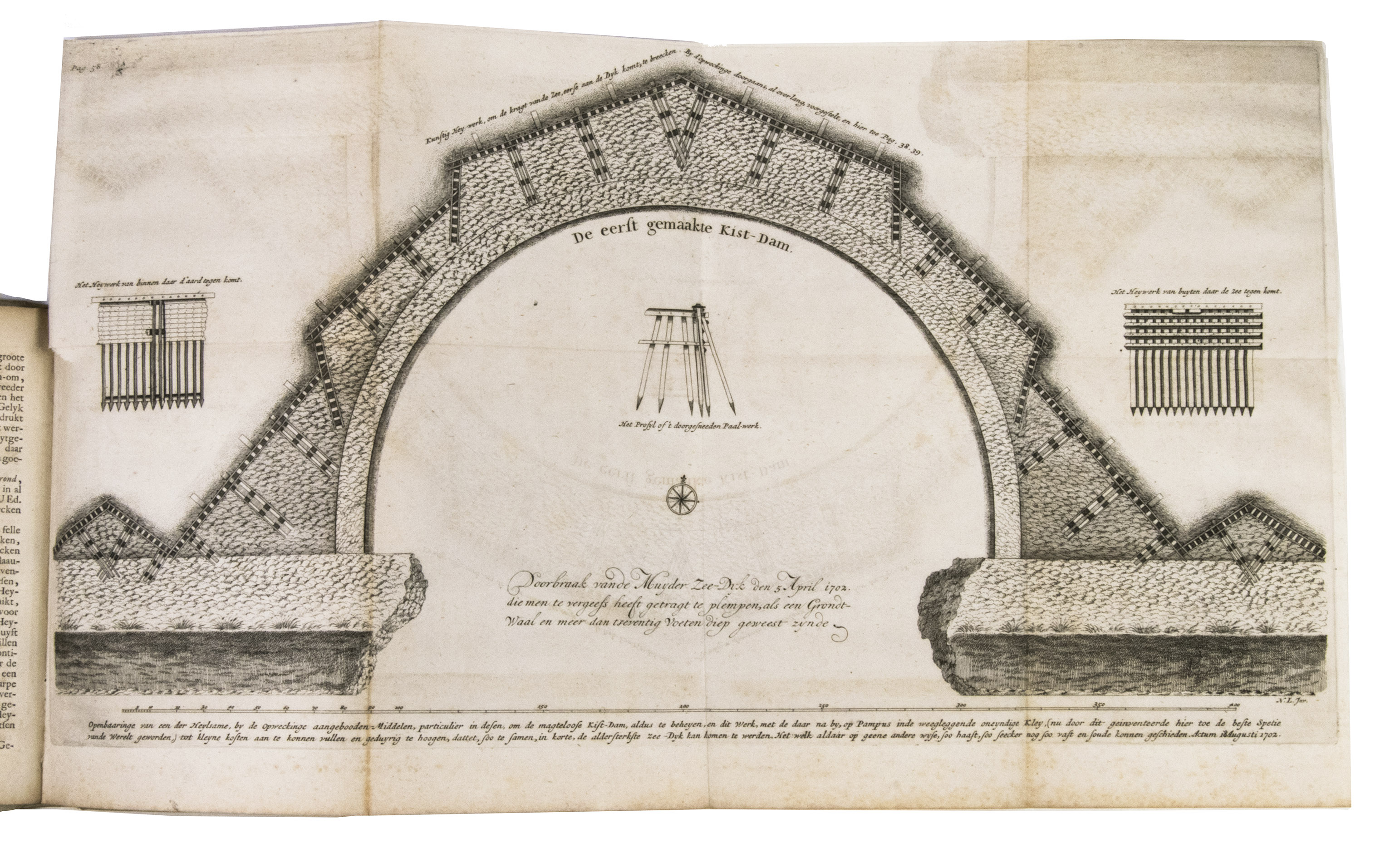
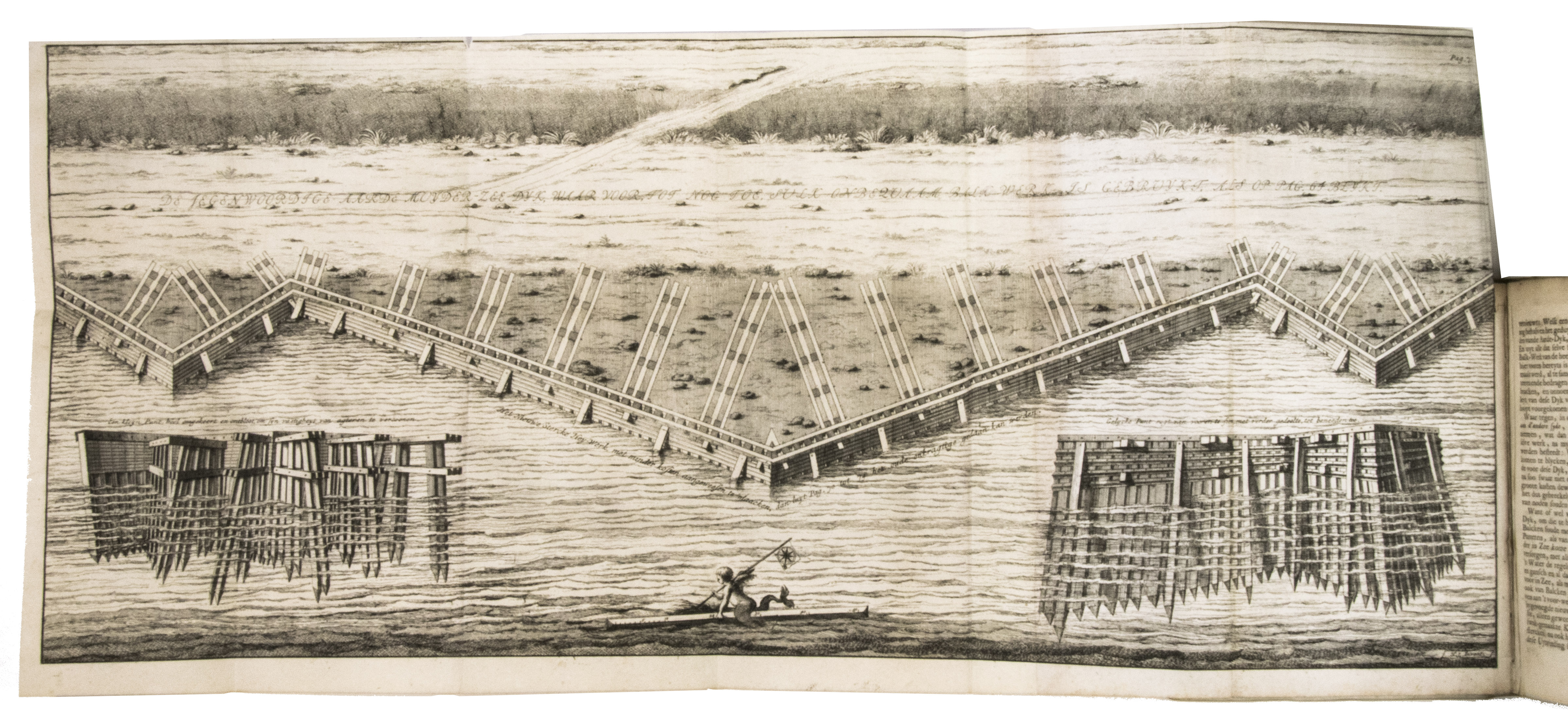
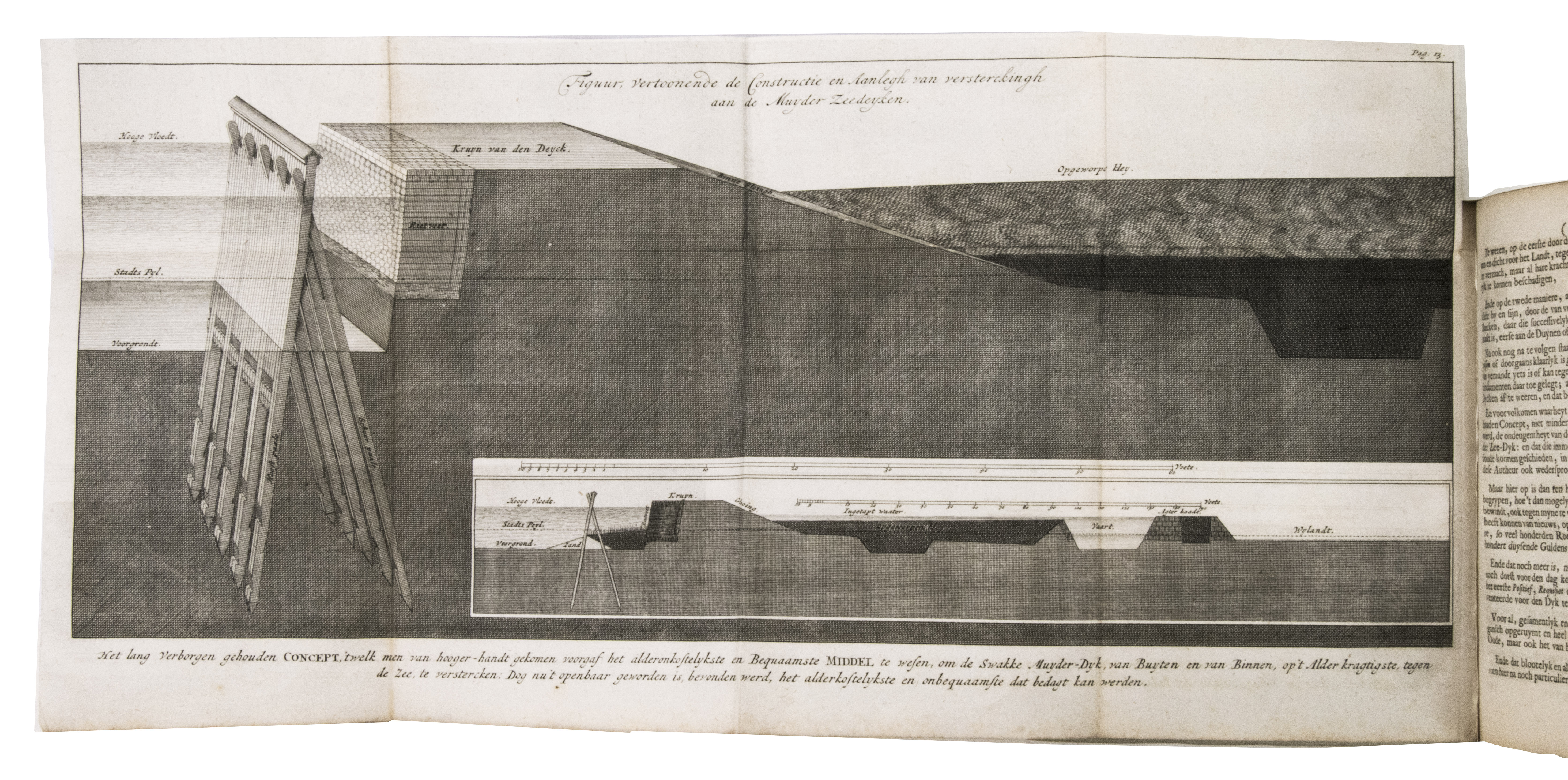
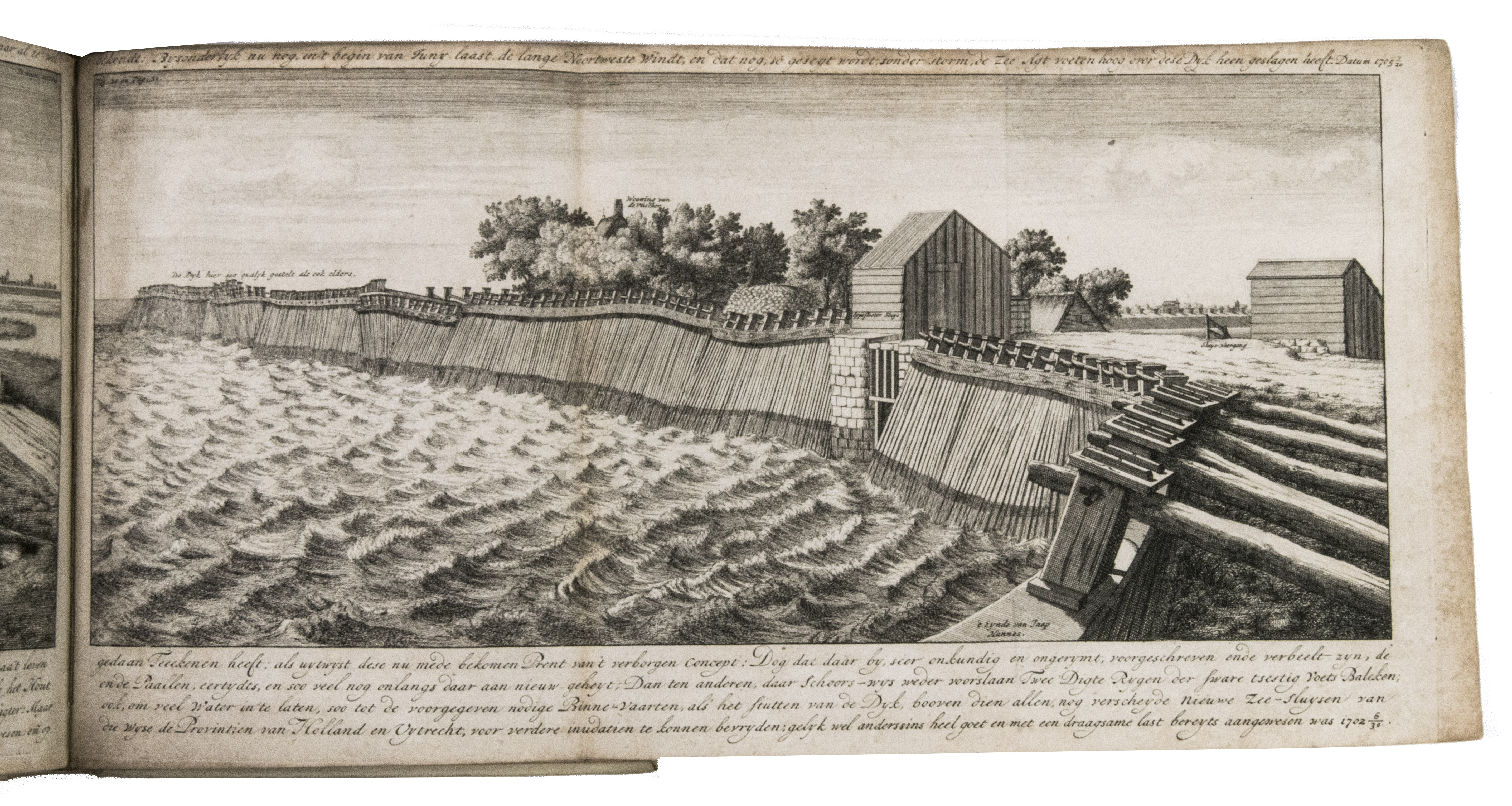
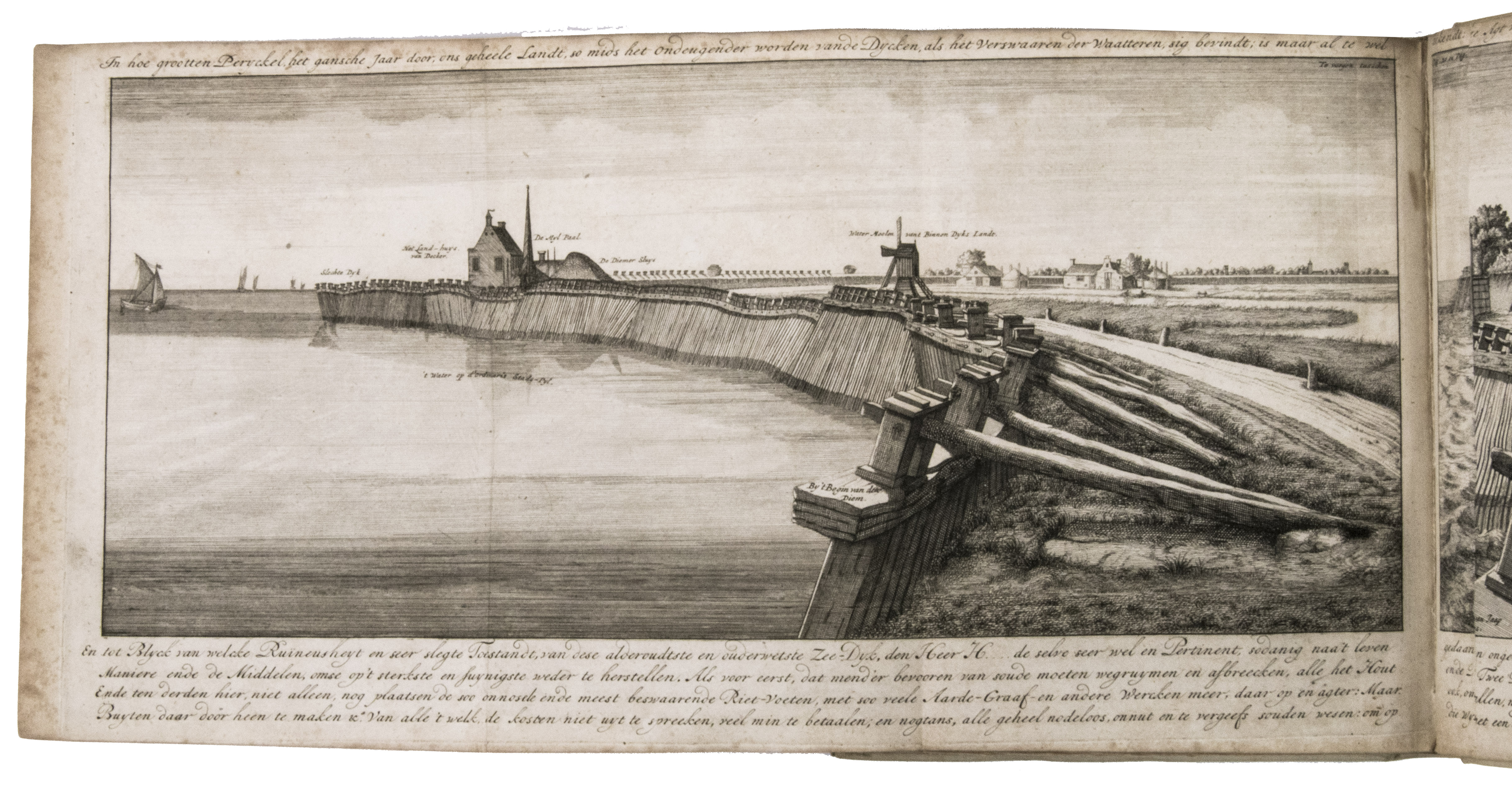
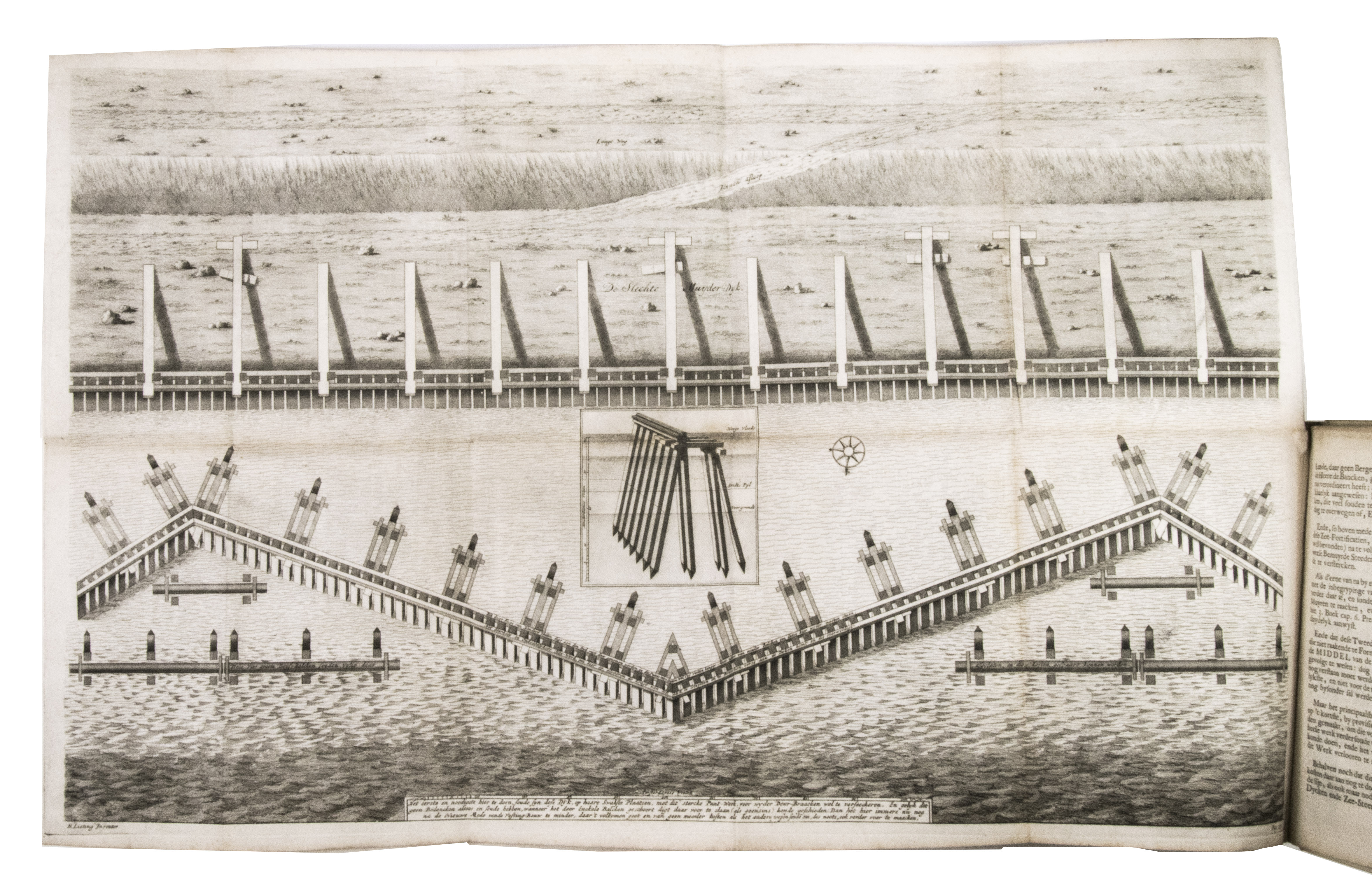
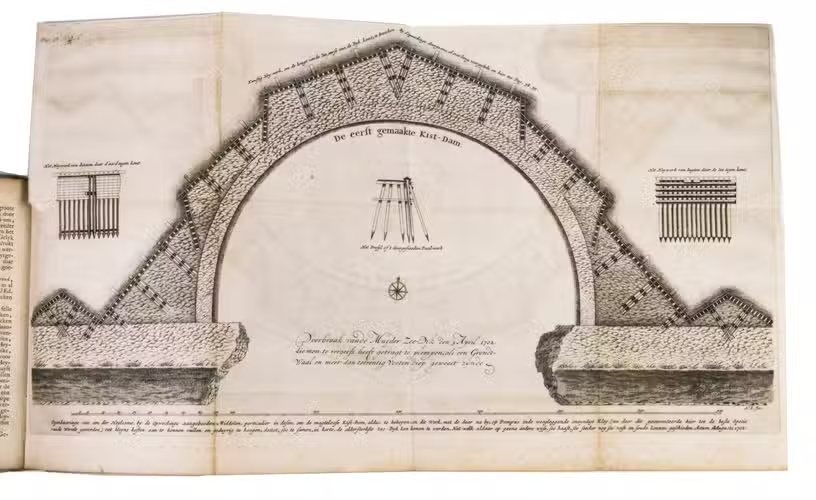
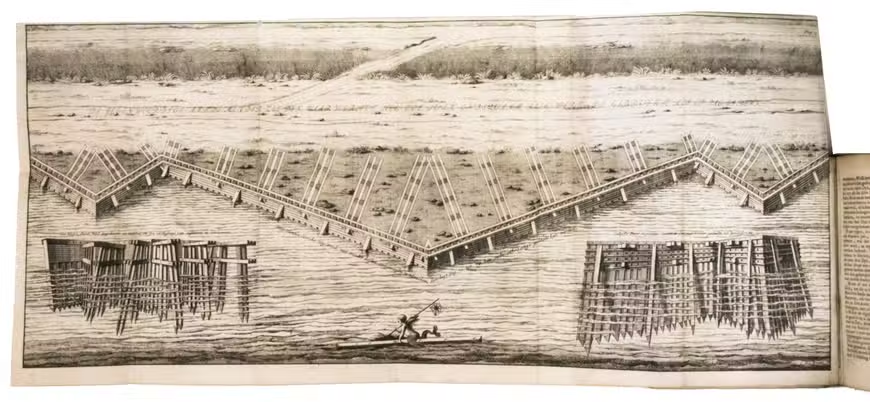
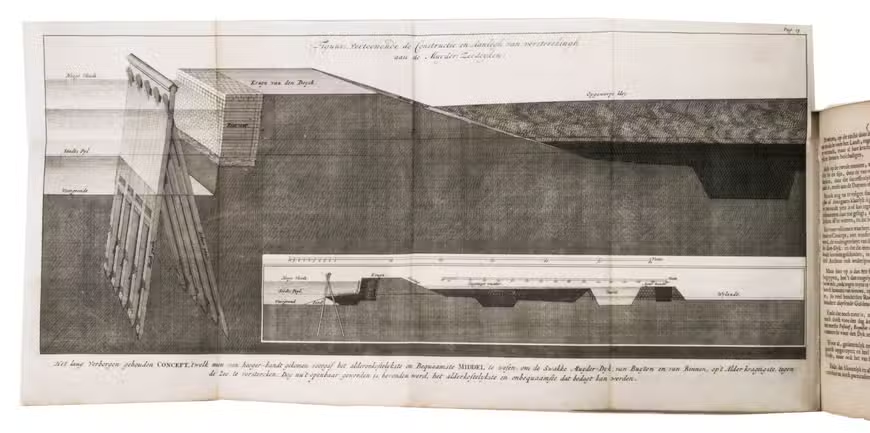
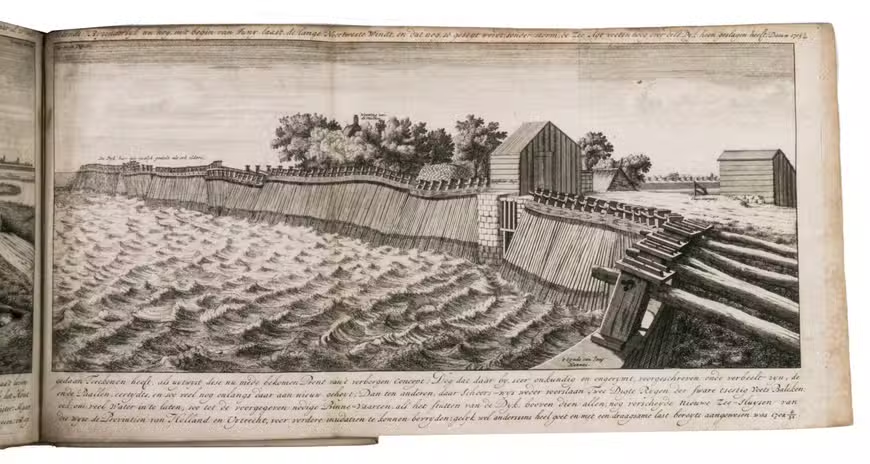
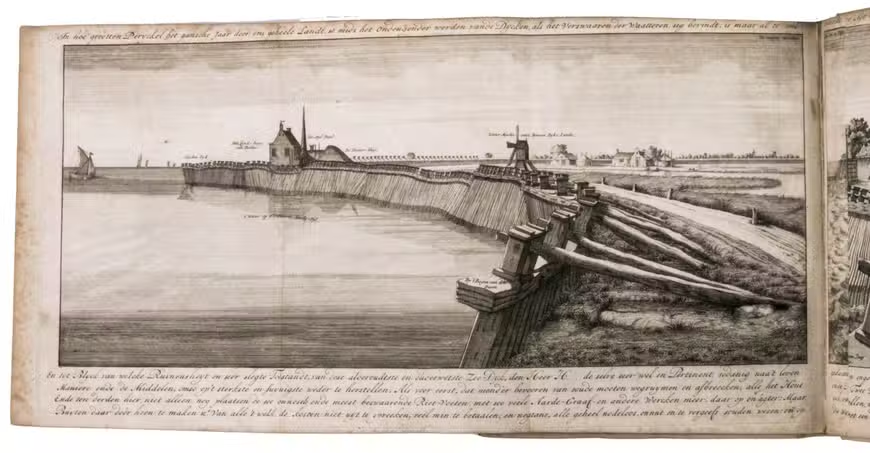
First edition of a rare work on dyke construction, illustrating the continuing battle of the Dutch against the sea. On April 5 1702, the dyke between Amsterdam and Muiden was breached, flooding the lands east of Amsterdam for the umpteenth time. Lawyer and notary Nicolaas Listingh (1630-1705) then designed a new construction to prevent the sand being washed away by the pounding of the waves. His ideas are thoroughly explained and illustrated in the present work, offering a fascinating insight into Dutch water management of the early 18th century.
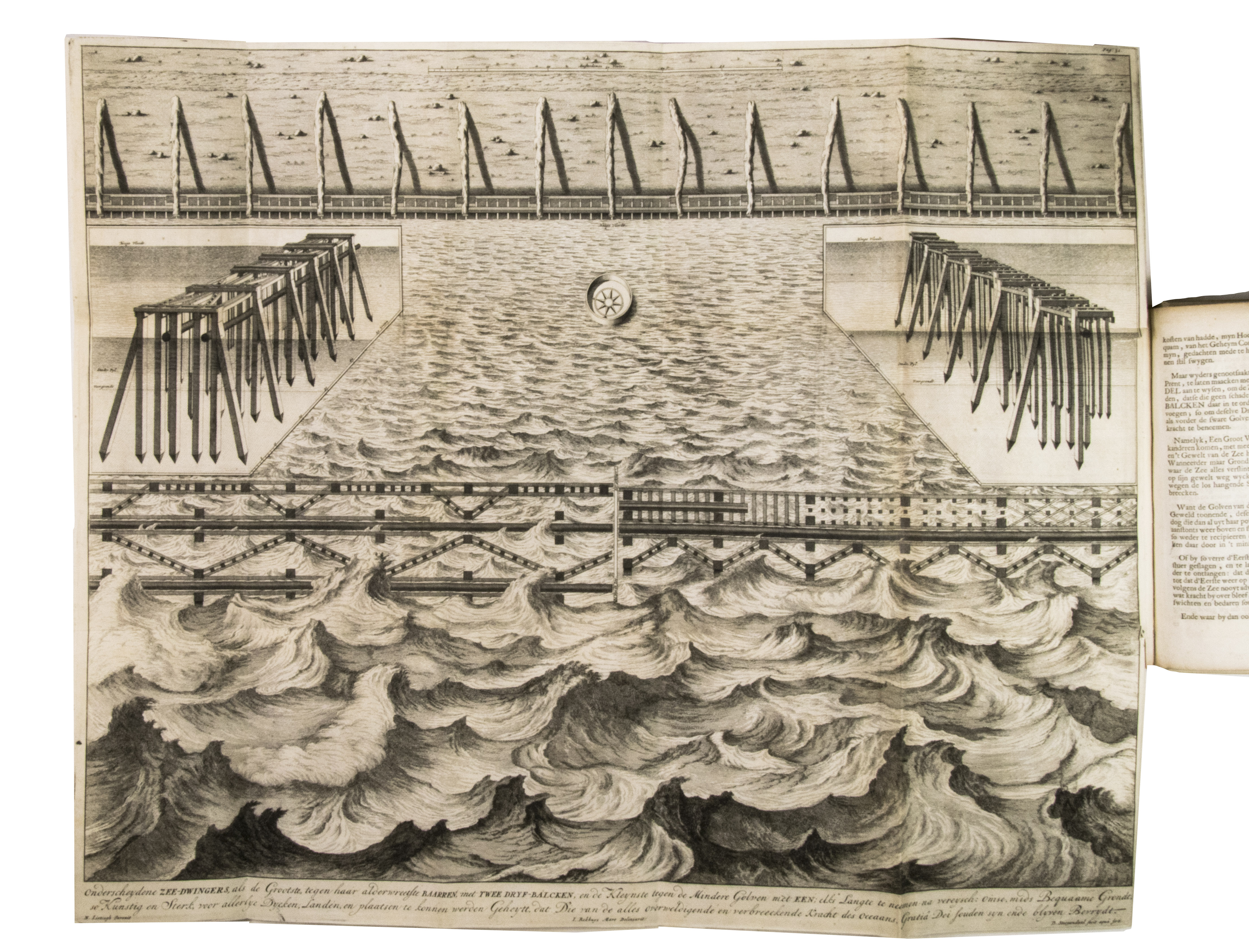
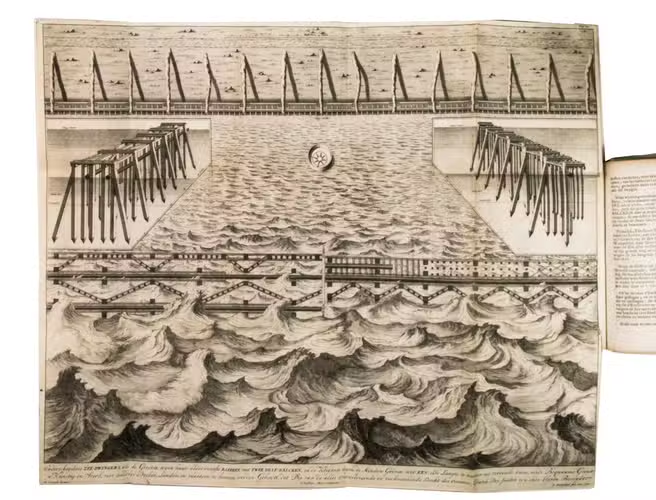
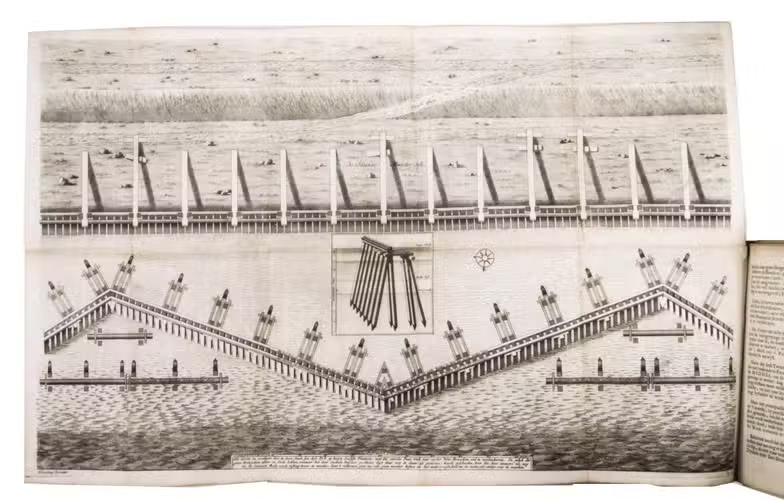
Listingh proposed the construction of partitions that were placed in oblique angles. Each partition consisted of a row of piles driven into the ground. The oblique corners would break the battering of the waves and prevent erosion. In the second part, published a few years later, Listingh describes another device, a so-called "sea forcer," aimed to break the waves before they hit the dike. The work includes large folding engravings by Daniël Stoopendaal (1672-1726) after his own drawings of, according to Listingh, ideal sea-defences. Due to the cost and bureaucratic systems, however, his ideas never became reality. Four different issues of the present work have been identified, which were all printed in the same year. The present issue, however, is the only one to include the appendices and a letter by Listingh on dyke construction.
The binding shows only mild traces of use. The work is slightly browned throughout, three plates with minor tears in folding attachment. Otherwise in good condition. Van der Aa 11, pp. 524; Bierens de Haan 2784-2786; Cat. NHSM 329; Kemper 2543, 2548; Med. van de Stichting Jacob Campo Weyerman, 144-146.
Related Subjects: